Reviewed · SUSHI MAKING CLASSES
Tokyo: Roll and Authentic Sushi Making Class in Asakusa
The best part of this Asakusa activity is that you do not just watch a chef work. You learn the story of sushi, test yourself with a light quiz, then make maki rolls and nigiri with your own hands. I like the mix of food, history, and humor. I also like that solo visitors get plenty of help instead of being left at the edge of a group.
In This Article
- Key points at a glance
- Why this class works so well in Asakusa
- The opening quiz makes sushi history easy to remember
- Making maki sushi: the first hands-on challenge
- Making nigiri: simple form, harder technique
- Eating your own sushi is part of the lesson
- The teaching style: patient, lively, and hands-on
- Timing, location, and value at $58
- Dietary needs require advance planning
- Who should book this sushi class?
- Should you book it?
- FAQ
- How long does the sushi-making class last?
- How much does the activity cost?
- What types of sushi will I make?
- Is the class taught in English?
- Where does the class meet?
- Do I need previous sushi-making experience?
- Can the menu accommodate dietary needs?
- Is hotel pickup included?
The class is close to Sensoji Temple, about three minutes from Asakusa Station, so it fits neatly into a sightseeing day. The main thing to consider is the pace. Most of the 100 minutes are hands-on, and one participant felt an extra half-hour would allow more time to work slowly and ask questions.
Key points at a glance
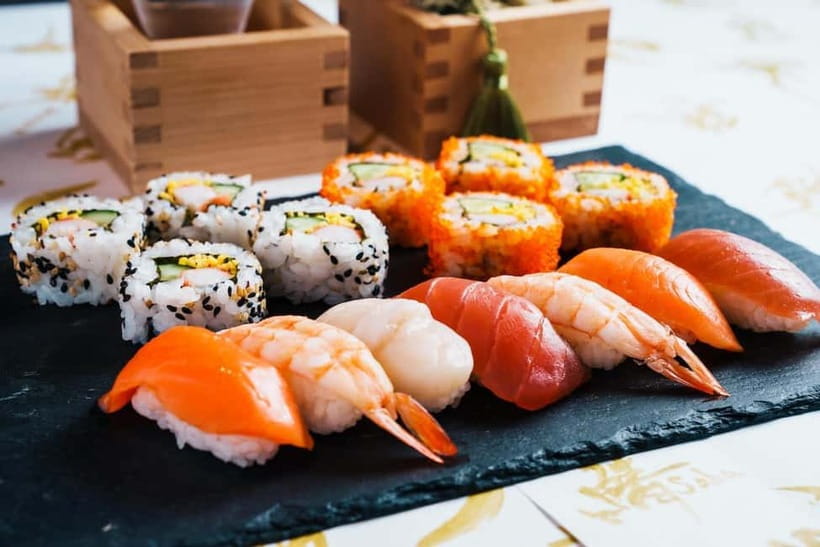
- Two classic sushi styles: Make rolled maki sushi and hand-shaped nigiri sushi, then eat what you prepare.
- A quiz with a purpose: Learn how sushi developed through a lighthearted, interactive introduction rather than a long lecture.
- Friendly English instruction: Guides including Hitomi, Moe, Jun, Kaori, Ken, and Ryouko have been praised for clear demonstrations and patient help.
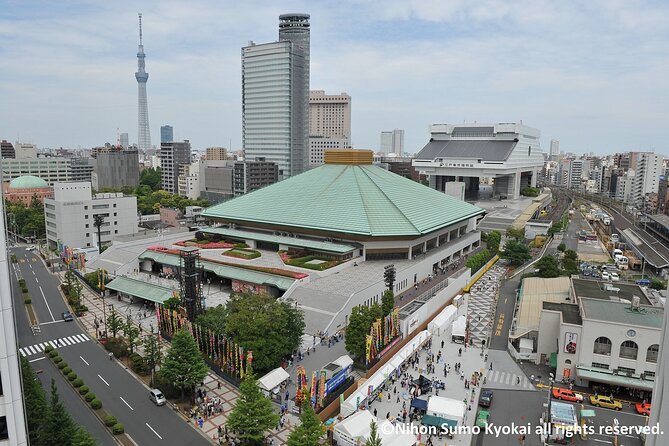
- A handy Asakusa setting: Reach the class in about three minutes from Asakusa Station, with Sensoji Temple nearby and Tokyo Skytree close at hand.
- Good for mixed groups: Families, teenagers, couples, solo visitors, vegetarians, and first-time sushi makers can all take part.
- Dietary planning matters: Vegan, vegetarian, gluten-free, halal, and allergy-related menu changes are possible if arranged at booking.
Why this class works so well in Asakusa
Asakusa is one of Tokyo’s best areas for connecting food with place. Sensoji Temple, traditional streets, old-style shops, and the view toward Tokyo Skytree give the neighborhood a strong sense of old and new Japan. A sushi class here makes more sense than a generic cooking activity tucked away in an office district.
You can visit Sensoji first, take in the Kaminarimon Gate and temple grounds, then walk to the class. Or schedule the class before exploring the neighborhood. Either way, the location gives you a useful plan for a half-day in eastern Tokyo.
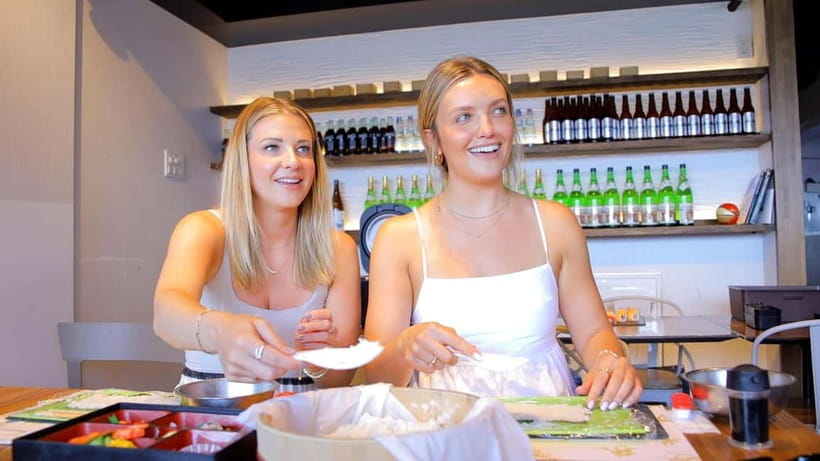
I especially like the way the class turns sushi into something social. The staff use English, physical demonstrations, and humor to keep the lesson moving. Names that appear frequently among the teaching team include Hitomi, Moe, Jun, Kaori, Ken, Ryouko, and Kenshin. The exact instructor lineup can vary, but the teaching approach is consistent: show the step, let you try it, then help you fix the shape.
That matters because sushi looks simple until you try it. Rice that is too loose will not hold a roll together. Rice that is packed too firmly will feel heavy. Nigiri needs a gentle hand, not a clenched fist. The instructors make these small points easier to understand than a recipe card would.
A few more Tokyo tours and experiences worth a look

The opening quiz makes sushi history easy to remember
The class begins with an interactive quiz about sushi and its development. This is a smart choice. Instead of asking you to sit through a formal talk, the instructors use questions and jokes to give the food some context.
You learn about the difference between traditional Japanese sushi and versions that developed outside Japan. The lesson also introduces the ingredients and the basic process before you begin preparing food. That short introduction helps you understand why the rice, seaweed, and fish are handled in particular ways.
The quiz is light, not academic. If you want a serious food-history lecture, this will feel too playful. But if you want enough background to make the food more meaningful, the format works well. It also gives children and teenagers a way to join in before the practical work starts.
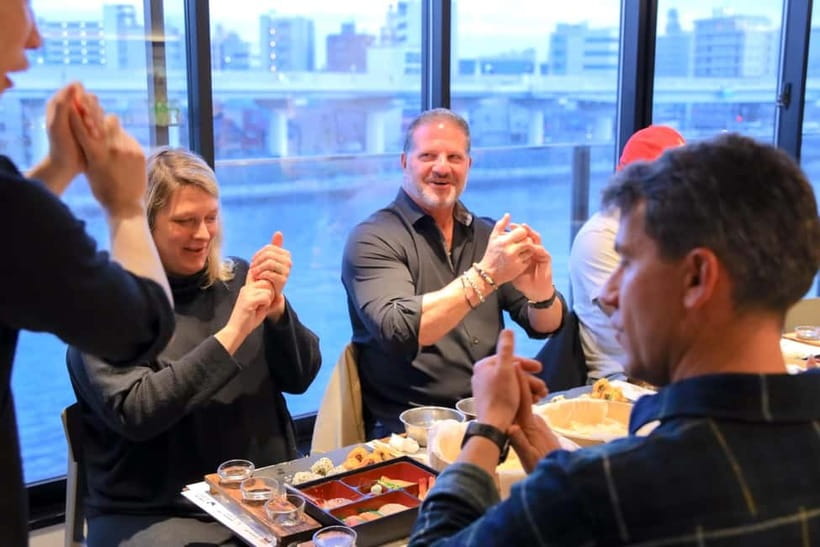
The staff have been praised for being funny, energetic, and easy to follow. That energy includes clapping and group encouragement. Most people will find it cheerful. If you prefer a quiet, formal Japanese cooking lesson, the style may feel a little tourist-oriented. One participant specifically wanted a more traditionally Japanese tone and less group-showmanship, while still enjoying the class.
Making maki sushi: the first hands-on challenge
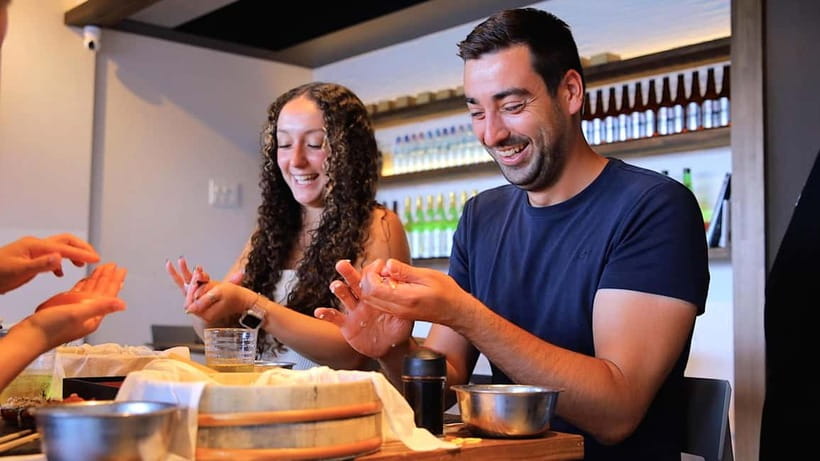
Maki sushi is the rolled style most people recognize. You work with rice and fillings, place them on seaweed, and use a rolling technique to form the cylinder. The class breaks the process into clear stages, with instructors demonstrating and then moving around to help.
This is where the activity becomes more than a photo opportunity. You have to judge how much rice to use, spread it evenly, and roll with enough pressure to hold the ingredients together without crushing them. The teaching team gives tips as you work, so a lopsided first attempt is not a problem.
The payoff comes when you cut the roll and see the pattern inside. Even a beginner can produce something that looks presentable with help. One participant described the moment of completing a successful roll as a small victory, and that is exactly the appeal. You leave with a practical understanding of why sushi chefs make the work look effortless.
The quantity appears generous enough to make the meal feel substantial. Several families and couples found there was plenty of sushi to eat at the end. One person wanted more rice, so diners with very large appetites should not assume this replaces a full restaurant feast. For most people, though, the prepared sushi provides a proper snack or light meal.
Making nigiri: simple form, harder technique
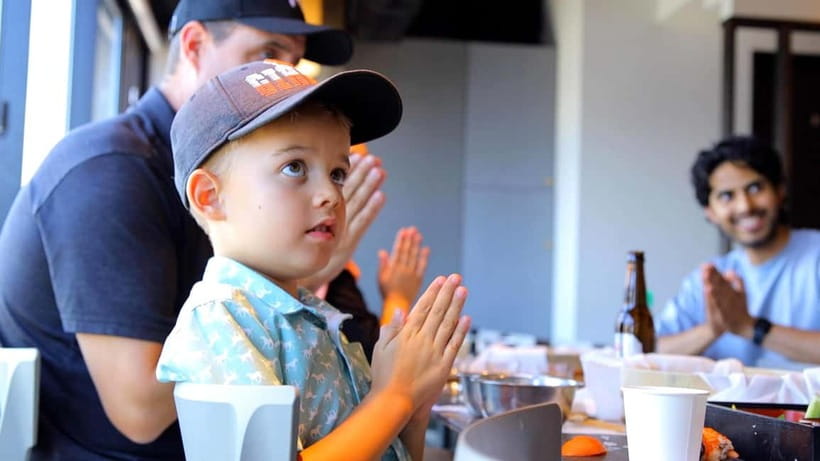
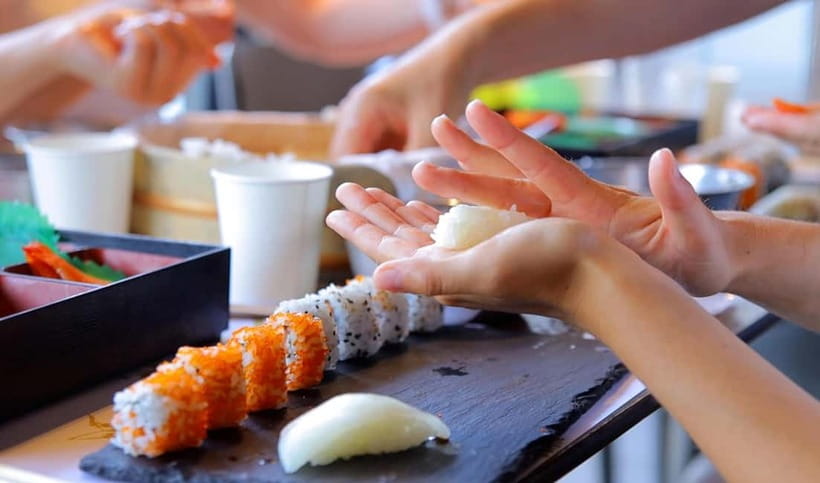
Nigiri is the more refined-looking style: a small portion of seasoned rice topped with fish or another ingredient. It has fewer parts than maki, but shaping it well can be harder.
You learn how to handle the rice and form it without pressing too hard. The instructors explain the process step by step, then give you a chance to make several pieces. This contrast with maki is useful. The roll lets you practice managing several ingredients, while nigiri teaches control and restraint.
Freshness matters more with nigiri because the topping is exposed. The class uses ingredients that participants repeatedly described as fresh and high quality. That does not turn the lesson into a visit to a top sushi counter, and you should not book it expecting an elite omakase meal. The point is to learn the basic craft, eat what you make, and understand the food from the inside.
The hands-on format suits beginners. You do not need previous cooking experience, and the instructors correct mistakes without making you feel awkward. This is especially helpful for children and adults who have never handled sushi rice before.
Eating your own sushi is part of the lesson
After making the maki and nigiri, you sit down and eat the results. This is not an afterthought. Tasting your own work helps you notice how the rice texture, amount of filling, and shape affect the final bite.
The food has also been praised for its flavor, not just its appearance. Ingredients are presented as fresh, and the meal gives you enough time to enjoy what you made. A few sessions have also had sake flights and beer available, although these are not included in the stated price and should not be treated as guaranteed.
This final part is particularly good for families. Parents and children can compare their rolls, laugh at imperfect shapes, and share the food. Couples get a relaxed activity that creates something together. Solo participants can meet people at the workstations and take part without needing a companion.
The class is also a good choice for anyone who wants to remember Tokyo through an activity rather than another photograph. A meal at a sushi restaurant can be excellent, but you may forget the details of the order later. Here, you remember the quiz, the instructor’s demonstration, the struggle to close the roll, and the satisfaction of eating it.
A few more Tokyo tours and experiences worth a look
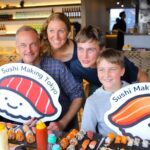
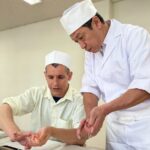
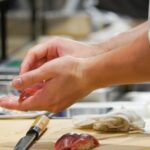
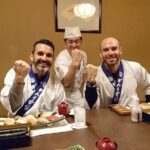
The teaching style: patient, lively, and hands-on
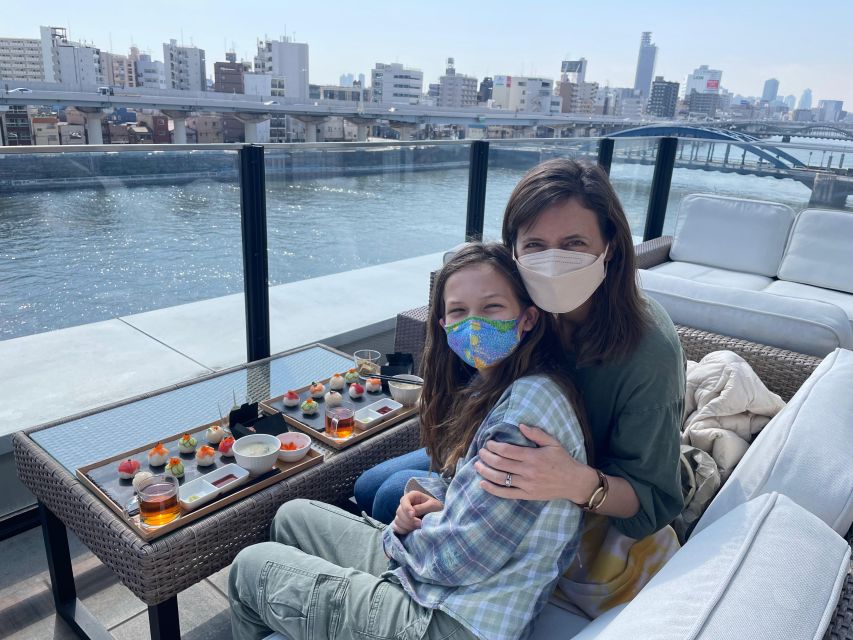
The strongest feature of this experience is the staff. Hitomi has been singled out for being sweet, thoughtful, and patient. Moe has helped create a comfortable setting for solo participants. Jun has led the sushi-history portion, while Kaori has been praised for keeping the class interactive. Ken and Kenshin have also been described as funny and effective teachers.
You should not expect one chef to give a quiet private tutorial. This is a group class with a lively presentation. The advantage is that several helpers can offer guidance as you work. Early time slots may have smaller groups, and one participant found the extra attention made the lesson feel almost private. Group size can change, so do not count on that level of personal instruction every time.
The English instruction is a major plus for international visitors. The staff explain the steps in English and use demonstrations to support the words. Even if your English is not perfect, the visual teaching makes the techniques easier to follow.
The atmosphere is welcoming rather than strict. That makes the class accessible to nervous beginners, but it also means the session is not designed for advanced sushi students seeking professional knife skills or detailed fish preparation.
Timing, location, and value at $58
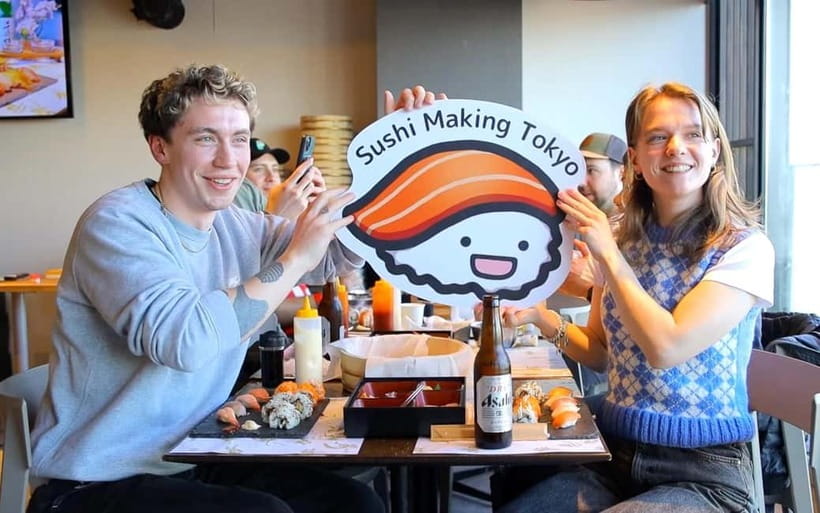
The listed duration is 100 minutes, with starting times depending on availability. Individual experiences have run a little shorter or longer, but you should plan around the stated one hour and 40 minutes.
At $58 per person, the price is reasonable if you value both the instruction and the meal. The fee includes the cooking class, ingredients, and instructor. You are paying for a guided activity in central Asakusa, not only for a plate of sushi.
The value is strongest for families, couples, and solo visitors who want a shared memory. It is also useful on a rainy day or when you want a break from walking around Tokyo. If your only aim is to eat the most refined sushi possible, spend the money at a good sushi counter instead. If you want to learn, participate, and eat your own work, the class earns its price more easily.
The meeting point is about three minutes from Asakusa Station. Hotel pickup and drop-off are not included, so you make your own way there. The nearby Sensoji Temple makes the class easy to pair with sightseeing, and Tokyo Skytree is close enough to include in the same part of your day.
Cancellation is flexible up to 24 hours before the activity for a full refund. You can also reserve now and pay later, which helps if your Tokyo schedule is still taking shape. The class is listed as wheelchair accessible.
Dietary needs require advance planning
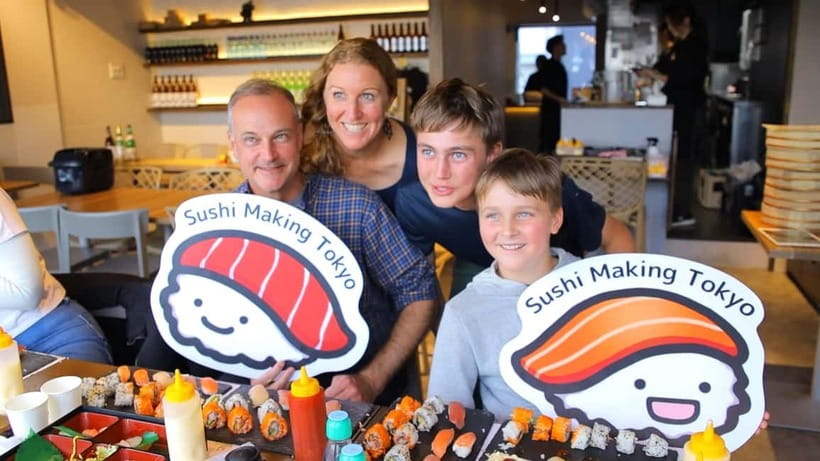
The menu can be changed for vegan, vegetarian, gluten-free, halal, and allergy-related needs. Meat, nuts, fruits, and dairy are not used according to the supplied menu information.
Contact the provider when you reserve if you need a change. The staff cannot arrange menu changes on the day, and they do not accept requests for particular ingredients. That last point is important for anyone with a specific allergy or strong food preference. Ask before booking rather than assuming every individual request can be met.
Vegetarians have been accommodated successfully, and the clear instructions make the class workable for different diets. Still, the provider’s limits apply, so advance contact is part of sensible planning.
Who should book this sushi class?
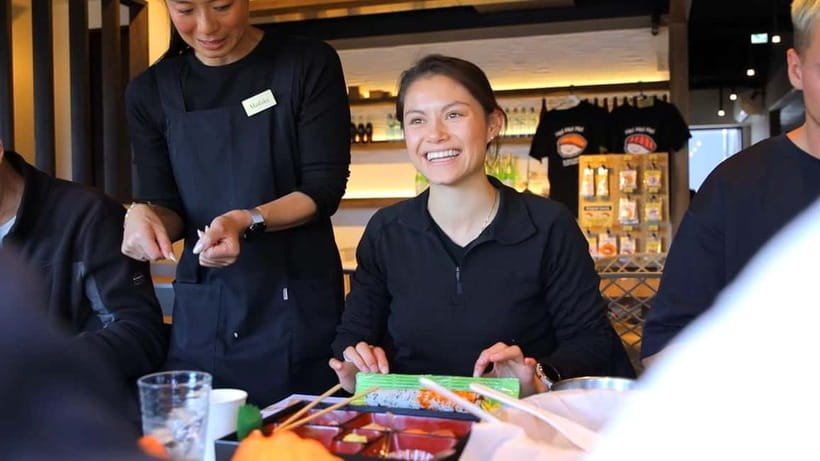
I would choose this for first-time sushi makers, families with children, couples, teenagers, and solo visitors who want an easy way to meet people. It also suits anyone who has already eaten plenty of sushi in Tokyo and now wants to understand how the basic forms are made.
The class is especially useful if your itinerary already includes Asakusa. You can visit Sensoji Temple, take the class, and continue toward Tokyo Skytree without wasting time crossing the city.
I would hesitate if you want a silent, highly traditional lesson, advanced chef training, or a long meal with many courses. The presentation is upbeat and sometimes includes group clapping. The 100-minute schedule is efficient, but it can feel quick if you want to practice every movement repeatedly.
Should you book it?
Book this class if you want a friendly, practical introduction to sushi in a convenient Tokyo neighborhood. The strongest reasons are the patient English-speaking staff, the chance to make both maki and nigiri, the fresh ingredients, and the easy location near Sensoji Temple.
Think of it as a cultural activity with lunch attached, not as a substitute for a top sushi restaurant. Allow a little flexibility in your schedule, arrange dietary needs ahead of time, and expect a lively group setting. For most visitors, the combination of making, learning, and eating makes this one of the better hands-on food activities in Asakusa.
FAQ
How long does the sushi-making class last?
The stated duration is 100 minutes. Starting times vary, so check availability when you reserve.
How much does the activity cost?
The listed price is $58 per person.
What types of sushi will I make?
You will make two types: maki sushi, which is rolled sushi, and nigiri sushi, which is hand-shaped sushi topped with an ingredient.
Is the class taught in English?
Yes. The instructor language is English, and the local staff guide you through the activity in English.
Where does the class meet?
The meeting point is about three minutes from Asakusa Station. It is also close to Sensoji Temple and Tokyo Skytree.
Do I need previous sushi-making experience?
No. The activity is designed for beginners, and the staff demonstrate each step and provide help as you work.
Can the menu accommodate dietary needs?
The menu can be changed for vegan, vegetarian, gluten-free, halal, and allergy-related needs. Contact the provider when making your reservation because changes cannot be arranged on the day.
Is hotel pickup included?
No. Hotel pickup and drop-off are not included. You need to travel to the meeting point near Asakusa Station.
More Workshops & Classes in Tokyo


More Sushi Making Classes in Tokyo
More Asakusa Tours in Tokyo

More tours in Tokyo we've reviewed












Sushi Making Classes, compared.
 ★ 5.0Sushi Making Tokyo Roll and Authentic Japanese Sushi ClassFrom $59
 ★ 4.9Tokyo: Sushi Making Class in a Happi Coat near a Famous SpotFrom $421h 30m
 ★ 5.0Sushi Making Tokyo! Popular Maki Sushi & Japanese Sushi(+Recipe!)From $63
 ★ 5.0Tokyo Sushi Making Class in Tsukiji with Professional ChefFrom $49
 ★ 5.0Tokyo Night Foodie Tour in Shinjuku – Seasonal Sushi, Wagyu BeefFrom $111
 ★ 5.0Tsukiji Fish Market Guided Tour and Sushi Making with Pro ChefFrom $104