Reviewed · SUSHI MAKING CLASSES
Tokyo: Sushi Making Class in a Happi Coat near a Famous Spot
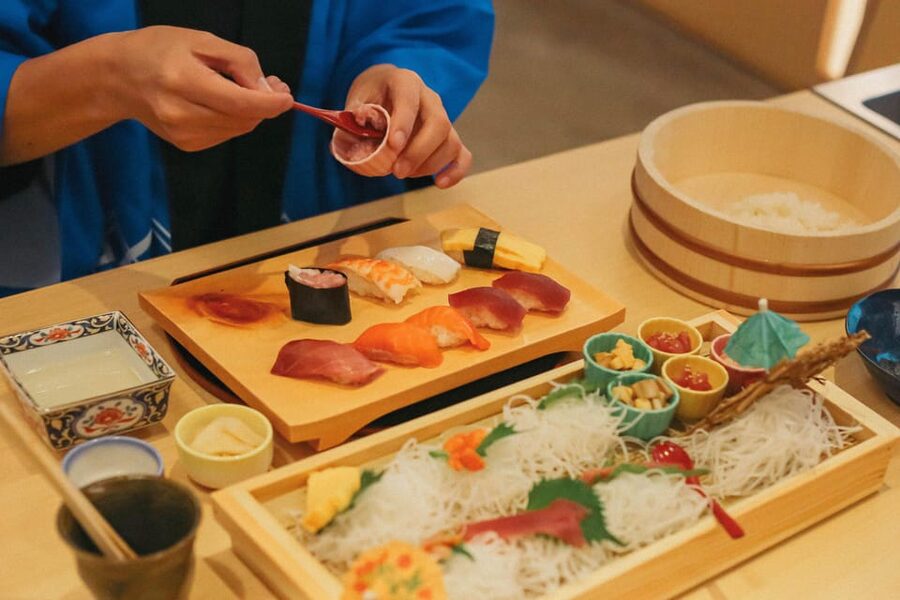
Making sushi is far less mysterious when a chef places the rice, fish, and tools in front of you and shows you what to do. In this 90-minute Tokyo class, you make tuna and salmon nigiri under close guidance, then eat what you have prepared.
In This Article
- Key points to know before booking
- Starting with rice, fish, and a happi coat
- What happens during the 90 minutes
- Why nigiri is worth learning in Tokyo
- The instructors make or break a hands-on class
- The food: fresh ingredients and a satisfying finish
- A cultural activity with useful photo moments
- Who will get the most from this class
- Is $42 a fair Tokyo price?
- Practical advice before you reserve
- Should you book this sushi class?
- FAQ
- How long does the sushi-making class last?
- How much does the activity cost?
- Which sushi will I learn to make?
- Is the class suitable for beginners?
- Which languages are spoken?
- Is the instructor included in the price?
- Can I request vegetarian, vegan, or gluten-free food?
- What should I do if I have a food allergy?
- Can children join the class?
- Will I have a private lesson?
I like the small-group feel, which lets the instructor correct your technique instead of simply demonstrating from across the room. I also like the cultural side: the happi coat, sushi customs, and practical tips make this more than a meal. The main consideration is that the meeting point can vary by booking option, and busy sessions may seat you with other customers.
Key points to know before booking
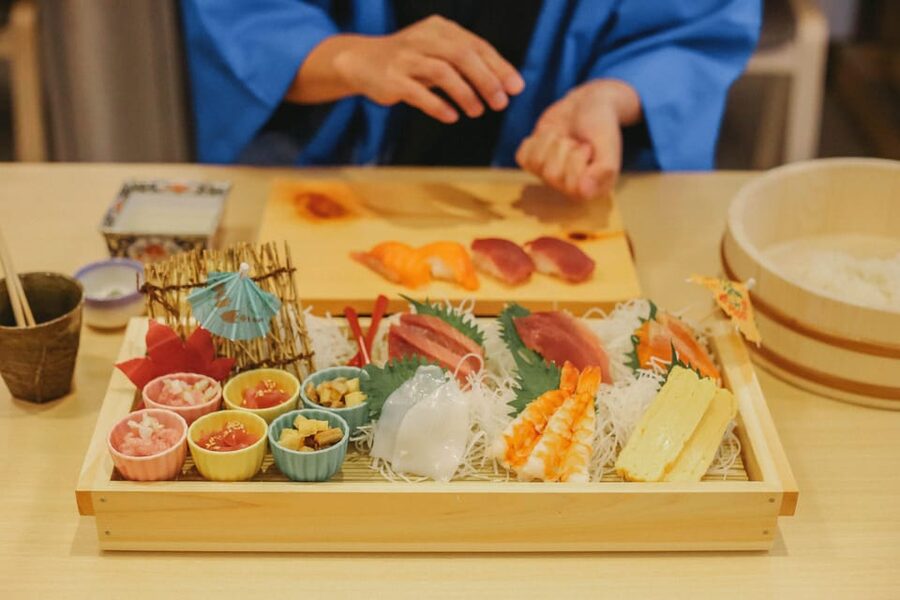
- You make and eat a full serving of sushi: The portions are reported as generous enough to work as a proper lunch for many people.
- Tuna and salmon nigiri are the core lesson: Some sessions also include maki, onigiri, or other rolls.
- The happi coat adds a fun Japanese touch: It is useful for photos as well as part of the class atmosphere.
- English and Japanese instruction is available: The teachers explain each step and help during the hands-on work.
- Vegetarian, vegan, and gluten-free options need advance notice: Same-day requests may not be possible.
- The $42 price includes the class, ingredients, and instructor: You are paying for both a meal and a practical cultural activity.
Starting with rice, fish, and a happi coat
The first thing you notice is the change from watching sushi chefs at work to handling the ingredients yourself. You are not simply shown a plate and told what it contains. The chef explains how to shape rice, handle the fish, and form nigiri so it holds together without becoming a heavy lump.
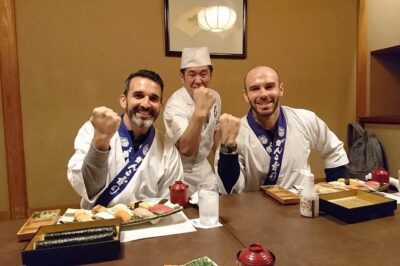
The happi coat helps set the mood. This traditional Japanese-style coat has wide, tube-like sleeves and gives the class a playful visual identity. You can expect time for photos, and several people have found the outfit and props a useful way to remember the occasion.
The class is designed for beginners. You do not need prior knife skills or sushi-making experience. The instructor demonstrates first, then lets you copy the movement at your own pace. If your first piece looks more like a rice mound than restaurant sushi, that is part of the fun. The chef can show you how to adjust your grip and pressure.
The lesson takes place in a Japanese-style setting near a famous Tokyo spot. The exact meeting point depends on the option you book, so check your confirmation carefully and allow time to find the venue. One practical warning: the location has been a little hard for some people to find, even though it is not described as especially difficult once you are nearby.
A few more Tokyo tours and experiences worth a look
What happens during the 90 minutes
The activity is short enough to fit into a packed Tokyo day, but long enough to feel like a real class. The rhythm is simple: introduction, demonstration, hands-on preparation, and eating.
At the start, the instructor gets the ingredients and work area ready. Tuna and salmon are the featured fish, and the chef explains the basic role of rice, fish, seasoning, and presentation. This opening matters because sushi is not just raw fish placed on rice. The balance of rice size, fish placement, and hand pressure affects the final bite.
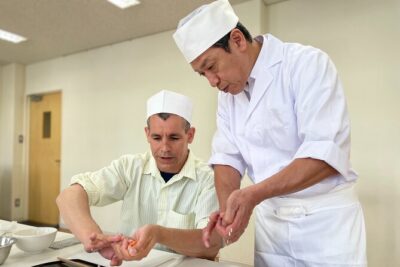
The chef then demonstrates the technique. You watch how the rice is gathered, shaped, and paired with the fish. The instructions are broken into small steps, which helps if you have never made nigiri before. Teachers such as Hide, Mikoto, Kohji, Ami, Emi, Mai, and Masa have all been singled out for clear, friendly instruction in different sessions, but the specific teacher depends on your booking.
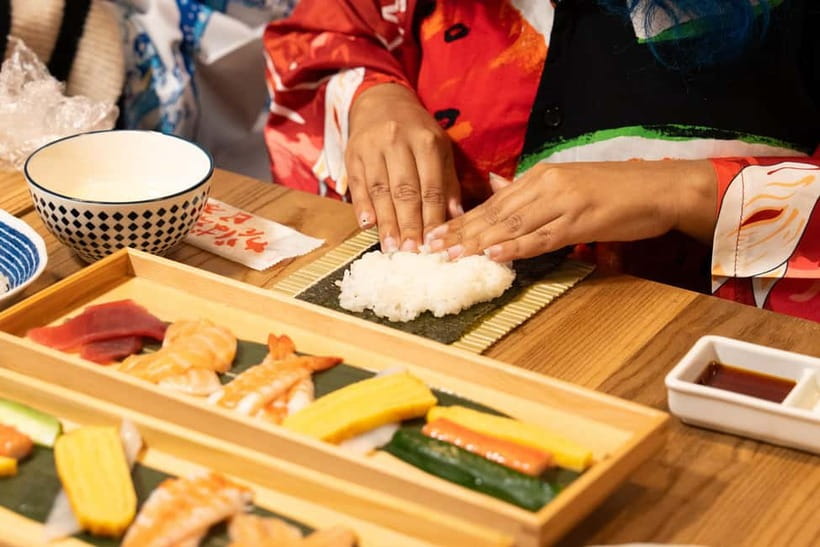
After the demonstration, you take over. You make your own nigiri pieces using tuna and salmon, with the chef moving around the group to answer questions and fix small mistakes. The hands-on section is the heart of the experience. You will likely find it easier than expected, but the class still gives you enough technique to repeat the process at home.
Some sessions also include maki or onigiri-style rolls. The exact mix can vary, so book this mainly for the nigiri lesson rather than assuming every class includes the same menu. If you particularly want to make rolls, confirm the selected option before paying.
At the end, you eat the sushi you prepared. This is not a token tasting. The portions have been described as generous, and several bookings treated the class as lunch as well as an activity. That improves the value of the $42 price, especially in an expensive city where a meal and a paid attraction can quickly add up.
Why nigiri is worth learning in Tokyo
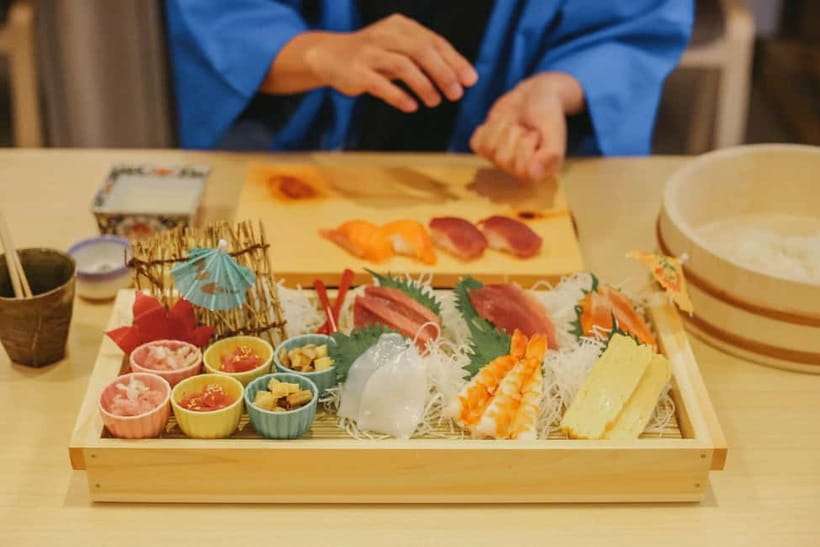
Nigiri looks simple, which is exactly why it makes a good beginner lesson. There are only a few visible parts: rice, fish, and perhaps a small amount of seasoning. The technique is hidden in the details.
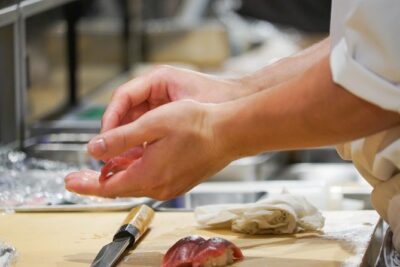
You learn that the rice must be shaped firmly enough to hold together but gently enough to stay light. The fish must sit neatly on top. Your hands need to move with control rather than force. A chef can show these points in a few minutes, while a written recipe often leaves them unclear.
The cultural context adds another layer. Sushi is one of Japan’s best-known foods, but a class helps you see it as a craft rather than a generic international dish. The chef can explain traditions and techniques while also answering practical questions about sushi in Japan.
This is useful if you plan to visit sushi restaurants during your trip. You may not leave as a professional, but you will understand more about what goes into a piece of nigiri. You also leave with a skill you can try at home, provided you can find suitable ingredients.
The instructors make or break a hands-on class
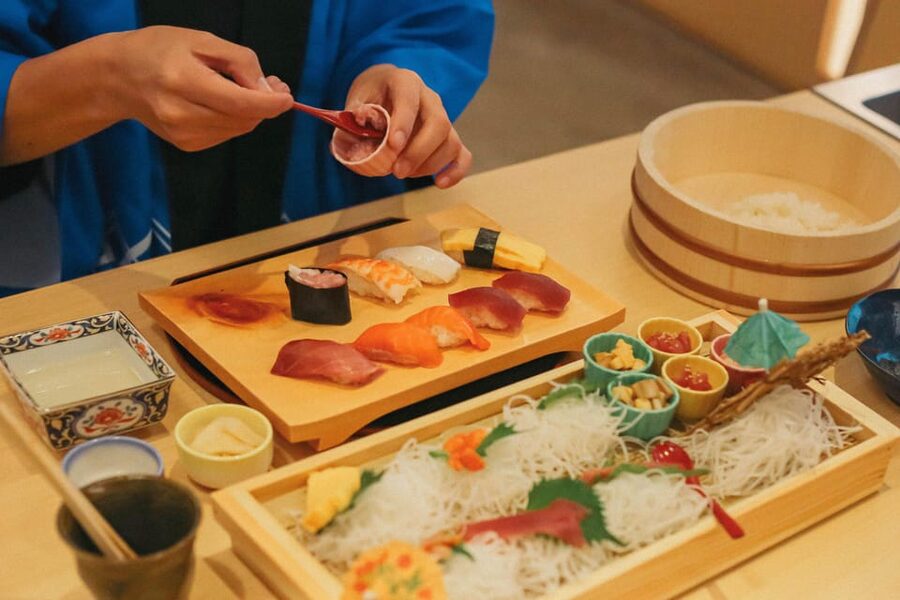
The strongest part of this experience is the teaching style. The instructors are described as warm, patient, funny, and willing to answer questions. That combination matters more here than formal culinary detail. A serious teacher who rushes beginners would make the class stressful. A friendly teacher who explains each movement clearly makes it accessible.
English instruction is available, and many sessions have been praised for smooth communication. You should still expect the class to be practical rather than a long lecture. The chef demonstrates, you copy, and questions are handled as you work.
Names associated with the teaching team include Chef Hide, Mikoto, Kohji, Mitsuko, Mizuki, Ami, Emi, Mai, Miwa, Masa, and Rikuri. The roster can change, so do not book on the assumption that one particular person will lead your session. The useful point is that the class has several instructors who can work closely with small groups.
Group size affects the feel. One booking described five people per host, which allows plenty of individual attention. Quiet time slots have sometimes become private lessons when only one or two people book. On busy days, you may sit with other customers, so the experience can range from intimate to sociable.
That variation is not necessarily a problem. Couples may enjoy a private or semi-private lesson, while solo visitors can meet other people without needing to arrange a group in advance. If personal attention is your priority, a less popular start time may be worth considering, though no particular time can guarantee a private class.
The food: fresh ingredients and a satisfying finish
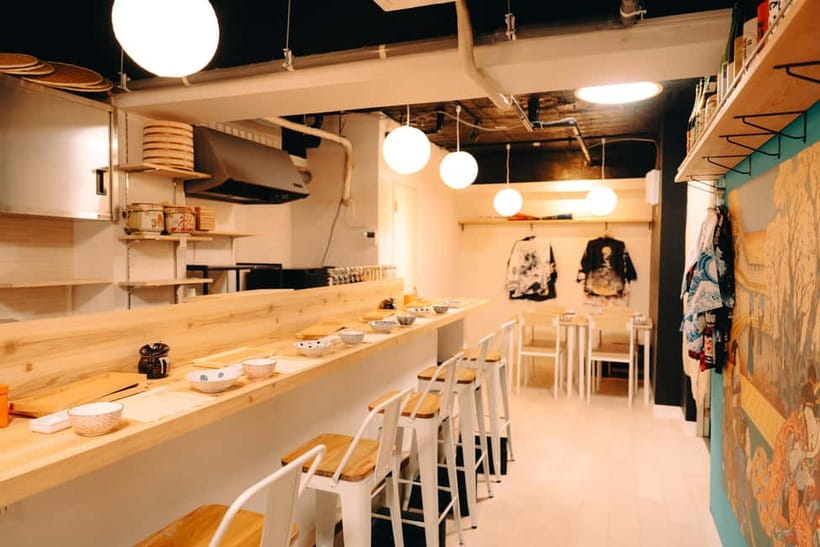
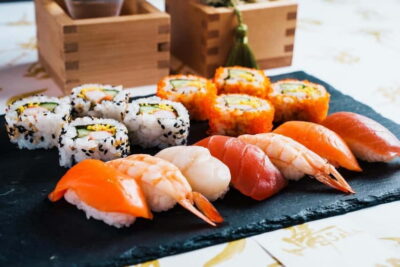
The class uses tuna and salmon, two familiar choices that are easy for first-time sushi makers to handle. Their mild, popular flavors also make the activity a safe pick for people who enjoy sushi but do not want an adventurous menu.
The ingredients are prepared before you arrive, which keeps the class moving. You focus on technique instead of spending the short session doing basic kitchen setup. This also means the experience is more about forming and presenting sushi than learning every stage of fish purchasing, cutting, or rice production.
The final meal is one of the best reasons to book. You are not paying $42 just to shape two or three pieces and walk away hungry. The available portions can be substantial, with enough sushi to leave many people full. The exact quantity depends on the session, but the class is intended to include eating what you make.
There may also be extra drinks available for purchase. Sake has been offered separately, including flavored options, but it is not part of the included price. You do not need to buy it to take part in the lesson.
If you have allergies, tell the operator in advance by message. Vegetarian, vegan, and gluten-free arrangements are available, but same-day requests may not be accommodated. This is especially important for a sushi class, where fish, soy sauce, and other common ingredients can be central to the meal.
A few more Tokyo tours and experiences worth a look


A cultural activity with useful photo moments
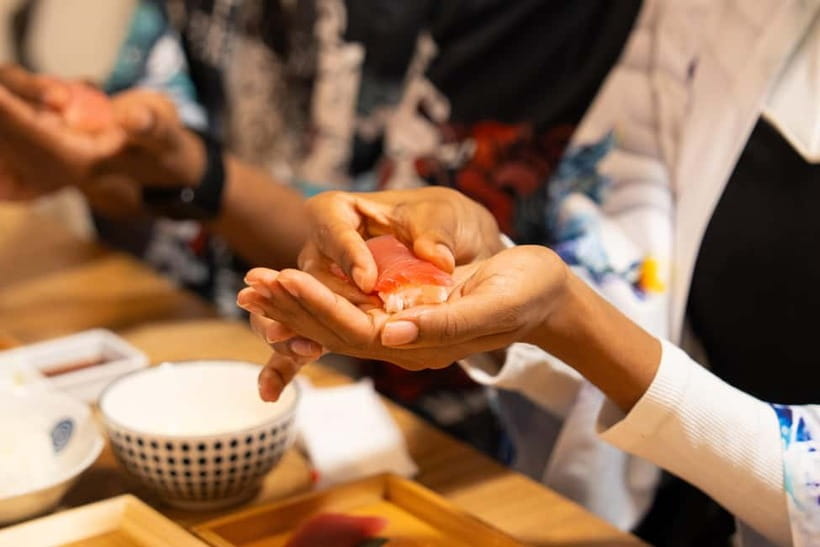
The happi coat is not merely a costume added at the door. It gives you a small connection to the visual world of Japanese festivals, food stalls, and traditional workwear. Wearing it while making sushi helps the class feel distinct from an ordinary cooking demonstration.
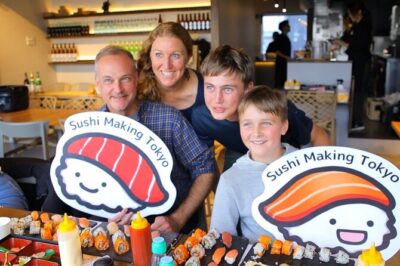
Photos are part of the appeal. Instructors have taken pictures and videos during the process, and the setting includes photo-friendly outfits and props. If you are traveling as a couple or family, this gives you a shared memory that is more personal than a standard restaurant meal.
The cultural material also extends beyond the food. Teachers have discussed Japanese customs and offered suggestions for places to visit around Tokyo. After the class, you may be well placed to explore the nearby famous spot, temple, or market area, depending on your selected meeting location. Do not assume every booking uses the same neighborhood, however. Check the option details before planning the rest of your afternoon.
I would treat the photo element as a pleasant extra, not the main reason to reserve. The real value is the combination of instruction, food, and contact with a local culinary tradition.
Who will get the most from this class
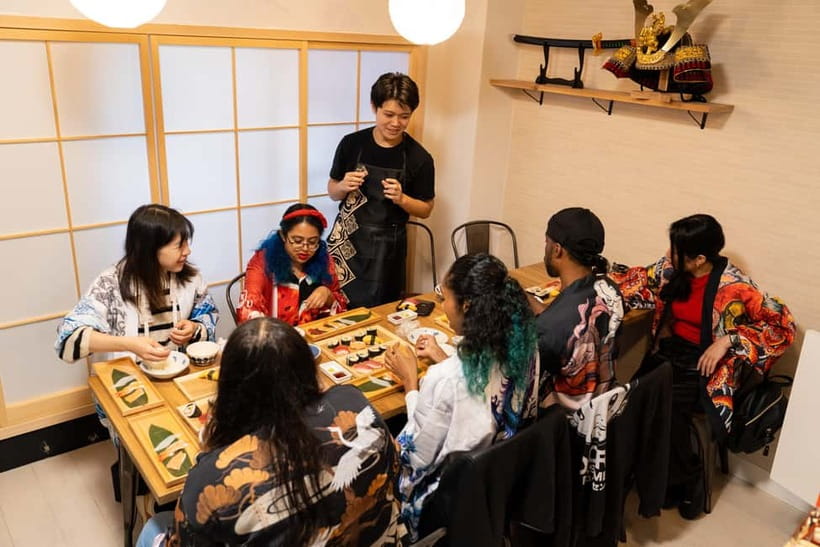
This is a good fit for first-time sushi makers, couples, families, and solo visitors who want an activity with a clear result. Children can take part, and the age rules state that children over four are charged according to the listed fee. A child under four can share a dish, so mention that when arranging your booking.
Families should like the short length. Ninety minutes is long enough to hold attention without taking over the day. The step-by-step format also means children can participate rather than simply watch adults cook.
Couples get an easy date activity with food built in. The light atmosphere, happi coats, and chance to make lunch together make it less formal than a restaurant reservation. Solo visitors can also benefit from the small-group format, especially if they enjoy talking with the instructor and other participants.
Food-focused visitors may want a deeper lesson than this provides. The class is aimed at beginners, so it will not cover every aspect of professional sushi work. You should choose it for accessible technique and cultural context, not for an advanced chef certificate.
It is also not the best choice if you dislike raw fish and do not want an alternative menu. Vegetarian, vegan, and gluten-free choices are available with advance notice, but you need to communicate your needs before the day of the class.
Is $42 a fair Tokyo price?
At $42 per person, the experience offers three things at once: a guided cooking class, the ingredients, and a meal. That is a fair package for Tokyo, especially if you would otherwise pay separately for a food activity and lunch.
The price is strongest when the portion is generous and you use the lesson afterward. Learning to shape nigiri at home gives the activity a longer life than a single restaurant meal. You may need to buy suitable rice, fish, and seasonings later, but the basic hand technique is transferable.
The value also depends on your expectations. If you only want to eat excellent sushi, a good sushi restaurant may offer a more polished meal. Here, your pieces may look uneven, and the point is not restaurant-level perfection. You pay for the process, the teacher, the cultural setting, and the chance to make your own food.
The reserve-now, pay-later option can help if your Tokyo schedule is still shifting. Free cancellation is available up to 24 hours before the activity for a full refund. The class lasts 90 minutes, with starting times shown according to availability.
Practical advice before you reserve
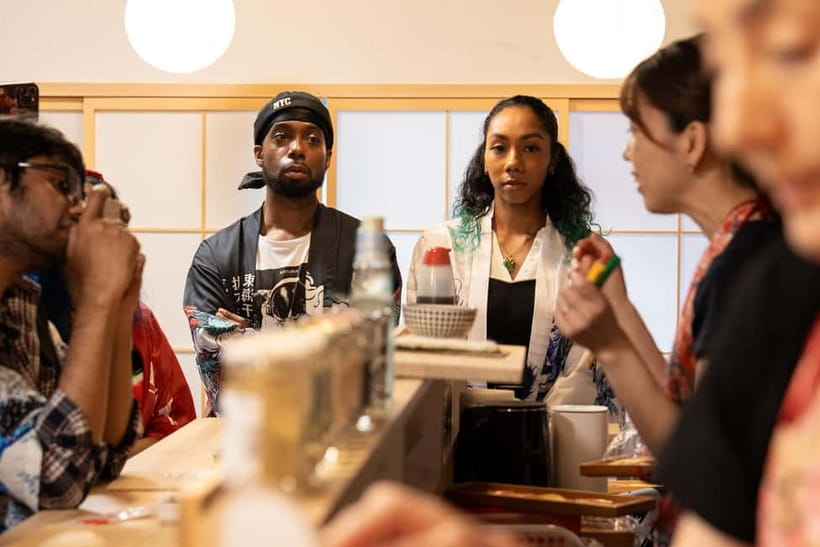
First, check the exact meeting point for your selected option. The location may vary, and finding a Tokyo venue can take longer than expected if you are unfamiliar with the neighborhood.
Second, send allergy and dietary information in advance. Do not wait until you arrive if you need vegetarian, vegan, or gluten-free food. The operator specifically warns that a request made on the day may not be possible.
Third, plan the class around a meal rather than immediately after one. The sushi portion can be filling, so arriving hungry makes better sense than treating it as a small snack.
Fourth, leave a little time around the 90-minute slot. The class itself is short, but you may want to take photos, ask questions, or continue exploring the nearby attraction afterward.
Finally, keep your expectations flexible about the instructor and group. You may receive a very personal lesson, or you may share the table with other customers. The teaching format is designed to support both.
Should you book this sushi class?
I would book it if you want a practical Tokyo activity that combines food, culture, and a skill you can take home. The class is beginner-friendly, the sushi becomes your lunch, and the happi coat adds a memorable touch without turning the whole experience into a staged show.
It is especially useful on a day when you are visiting a nearby temple, market, or famous Tokyo sight. Couples and families should find it easy to fit into a sightseeing plan, while solo visitors can enjoy the social setting and direct contact with the chef.
I would hesitate only if you want an advanced sushi course, a guaranteed private lesson, or a fixed menu beyond tuna and salmon nigiri. For everyone else, $42 is a reasonable price for 90 minutes of instruction, ingredients, photos, and a satisfying meal. Give your dietary needs in advance, check the meeting point, and arrive ready to use your hands.
FAQ
How long does the sushi-making class last?
The class lasts 90 minutes.
How much does the activity cost?
The listed price is $42 per person.
Which sushi will I learn to make?
The main lesson focuses on nigiri sushi using tuna and salmon. Some sessions also include maki or onigiri-style rolls.
Is the class suitable for beginners?
Yes. The workshop is beginner-friendly, with a chef demonstrating the process and guiding you through your own sushi making.
Which languages are spoken?
Instruction is available in English and Japanese.
Is the instructor included in the price?
Yes. The price includes the cooking class, ingredients, and instructor.
Can I request vegetarian, vegan, or gluten-free food?
Yes, these options are available, but you must inform the operator in advance by message. A request made on the day may not be possible.
What should I do if I have a food allergy?
Tell the operator about your allergy in advance by message.
Can children join the class?
Children over four are charged according to the listed children’s fee. A child under four may share a dish, so provide that information when booking.
Will I have a private lesson?
Not necessarily. Some time slots may have only one or two participants, while busy sessions may seat you with other customers. Group arrangements can vary by booking and availability.
More Workshops & Classes in Tokyo
More Sushi Making Classes in Tokyo
More tours in Tokyo we've reviewed












Sushi Making Classes, compared.
 ★ 5.0Sushi Making Tokyo Roll and Authentic Japanese Sushi ClassFrom $59
 ★ 4.9Tokyo: Roll and Authentic Sushi Making Class in AsakusaFrom $581h 40m
 ★ 5.0Sushi Making Tokyo! Popular Maki Sushi & Japanese Sushi(+Recipe!)From $63
 ★ 5.0Tokyo Sushi Making Class in Tsukiji with Professional ChefFrom $49
 ★ 5.0Tokyo Night Foodie Tour in Shinjuku – Seasonal Sushi, Wagyu BeefFrom $111
 ★ 5.0Tsukiji Fish Market Guided Tour and Sushi Making with Pro ChefFrom $104