Reviewed · KAMAKURA & ENOSHIMA DAY TRIPS
Tokyo: Kamakura & Enoshima Day Trip including Temple Tickets
Kamakura gives you Japan in compact form: samurai-era shrines, flower-filled temple grounds, a giant bronze Buddha, and a seaside island all in one day. I like the smart mix of culture and free time, especially Komachi Street’s local snacks and Enoshima’s coastal views. The main tradeoff is pace: you see many places, but you will not have time to explore every temple or linger long at the island.
In This Article
- Key points at a glance
- Why this Tokyo day trip works
- Tsurugaoka Hachimangu and Kamakura’s samurai past
- Komachi Street, snacks, and a practical lunch strategy
- Hasedera, flowers, and views over Sagami Bay
- Kōtoku-in and the Great Buddha
- Enoshima gives the day its coastal character
- Enoshima Sea Candle and the island’s high views
- Enoshima Shrine and Iwaya Caves
- Benzaiten Shopping Street and island food
- What the guides add to the day
- Timing, transport, and the real value of $58
- Who should book this Kamakura and Enoshima tour
- Should you book it?
- FAQ
- How long is the Kamakura and Enoshima day trip?
- What languages are available?
- Where does the tour depart?
- Where does the tour end?
- Is transportation included?
- Are Hasedera and Kōtoku-in tickets included?
- How much free time is provided at Enoshima?
- Can I see Mt. Fuji from Enoshima?
- What happens if the bus is delayed?
- Can I cancel for a full refund?
I also like that the tour includes tickets for Hasedera and Kōtoku-in, so you are not sorting out admissions at each stop. Guides such as Eric, Mitsuko, Yuki, Omar, and Koji have been praised for clear explanations and good timekeeping. Still, the group may move quickly, and Enoshima deserves more than two hours if you want to see every corner.
Key points at a glance
- Kamakura’s samurai center: Visit Tsurugaoka Hachimangu, the city’s major shrine and spiritual anchor.
- 250 shops on Komachi Street: Use your free time for shirasu dishes, dumplings, croquettes, sweets, and souvenirs.
- Two important temple stops included: Hasedera and Kōtoku-in admission is covered in the $58 price.
- The Great Buddha up close: See the 13.3-meter bronze Amida Buddha and enter the statue to view its interior structure.
- A seaside finish: Explore Enoshima Shrine, the Sea Candle, Iwaya Caves, and Benzaiten Shopping Street.
- Clear-weather bonus: High points on Enoshima can offer a view of Mt. Fuji.
Why this Tokyo day trip works
Tokyo can feel like a city without an edge. Kamakura and Enoshima give you a clean change of pace, with old religious sites, narrow shopping streets, sea air, and views across Sagami Bay. The experience lasts about nine hours, or 570 minutes, and returns you to the Shinjuku area.
At $58 per person, the price is appealing if you want transport, a guide, and two temple tickets in one booking. You are paying for convenience as much as sightseeing. Kamakura and Enoshima can be visited independently, but combining several stops in one day requires planning, transfers, and careful attention to time.
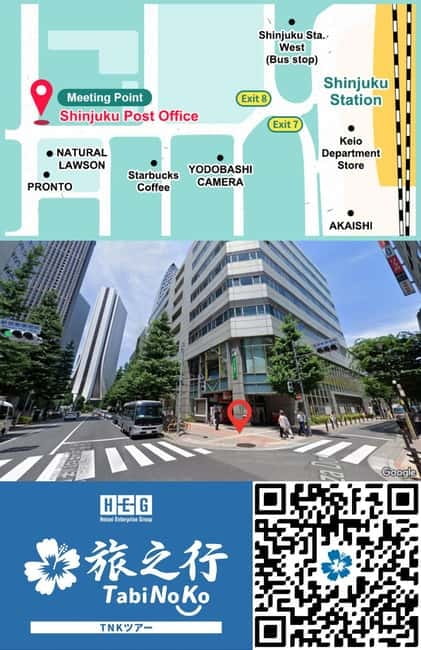
The tour begins from one of two possible locations, Shinjuku Post Office or GLOBAL RING CAFÉ, depending on the option you book. Check your meeting point carefully and arrive at least 10 minutes early. The vehicle leaves on time, and the exact vehicle size can change based on the day’s conditions and number of passengers.
A few more Kamakura tours and experiences worth a look


Tsurugaoka Hachimangu and Kamakura’s samurai past
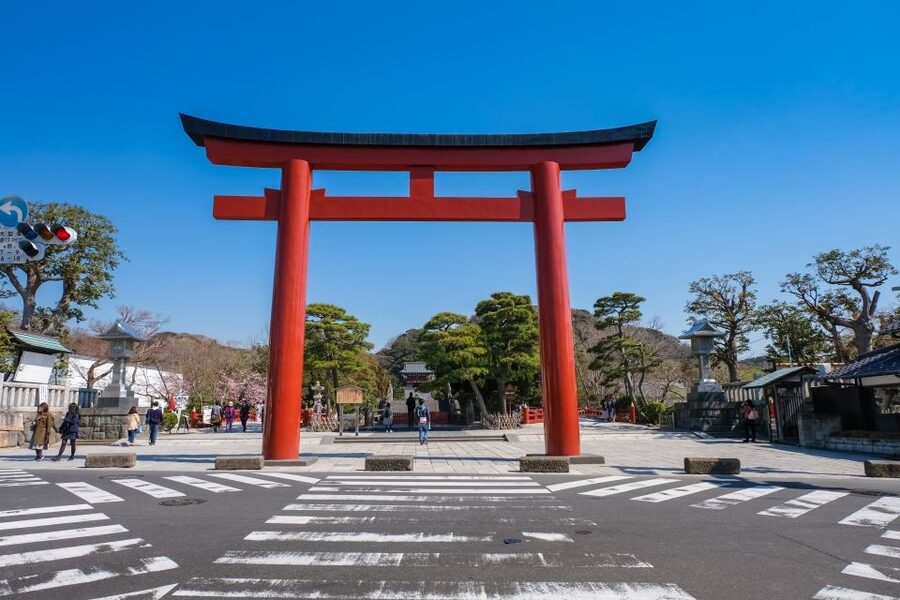
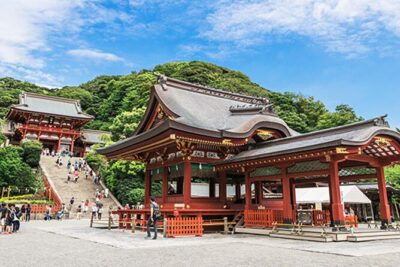
Tsurugaoka Hachimangu is the natural starting point for understanding Kamakura. During the Kamakura period, the city became Japan’s political and cultural center, and this shrine served as a spiritual anchor for the samurai government.
You have about an hour here for a visit, photographs, sightseeing, and free time. The grounds give you a strong first look at Kamakura’s religious architecture and ceremonial spaces without requiring a long hike across town.
The shrine has more than 800 years of history and remains one of Japan’s best-known pilgrimage sites. Around 2.5 million people come for New Year’s hatsumode, the first shrine visit of the year. That figure helps explain the shrine’s importance, but the useful point for you is simple: this is not a minor neighborhood stop. It is one of Kamakura’s defining places.
The drawback is that one hour passes quickly. If you want to study every building, visit small museums, or take your time with photographs, you may feel rushed. The guide can provide context, then you can choose to follow the group or use the free time on your own, depending on the day’s arrangement.
Komachi Street, snacks, and a practical lunch strategy
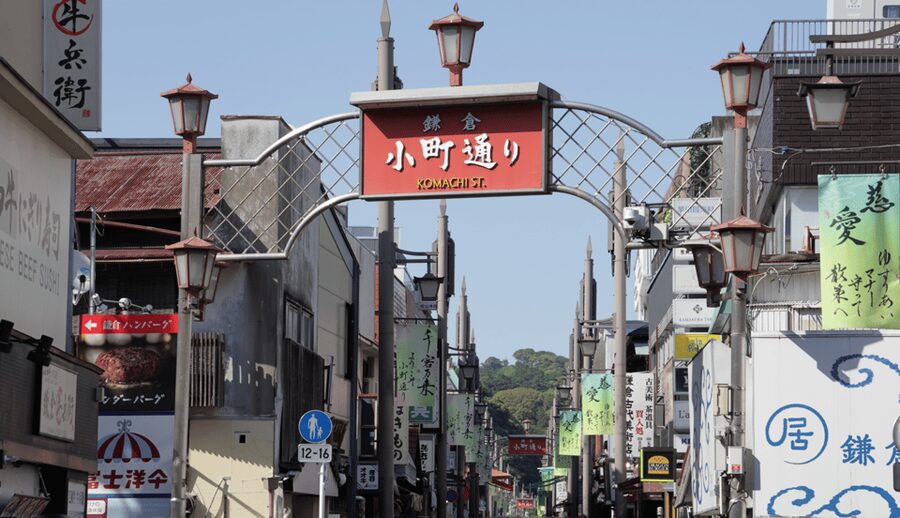
From Kamakura Station toward Tsurugaoka Hachimangu, Komachi Street runs for roughly 360 to 600 meters and is lined with about 250 shops. You get around an hour here, with time for shopping, street food, regional dishes, and photographs.
This is where the day becomes less formal. Traditional goods sit beside modern clothing, souvenirs, cafés, and quick snacks. Look for local specialties such as shirasu dishes, dumplings, and croquettes. The food stop is useful because it lets you choose your own budget and style rather than committing the whole group to one restaurant.
You should plan your eating time carefully. A sit-down meal can consume much of the hour, especially if the street is busy. One useful approach is to buy something quick from a vendor, then save a longer meal for another visit. That advice matters even more because Enoshima also has seafood and local specialties worth trying.
Komachi Street is a good fit if you like a little independent time during a guided day. It also gives you a chance to buy souvenirs without turning the entire tour into a shopping excursion.
Hasedera, flowers, and views over Sagami Bay
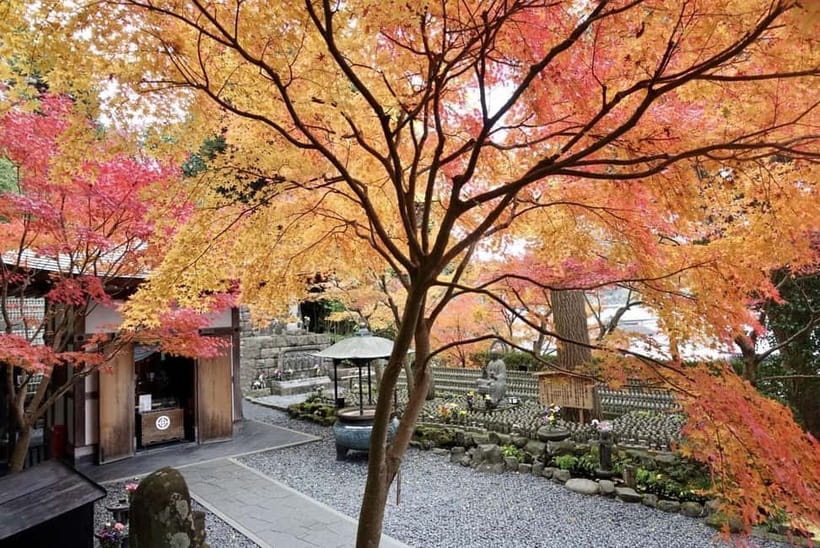
Hasedera is one of Kamakura’s oldest temples, founded in 736. The visit lasts about 50 minutes and includes admission, which is a real convenience at a stop where you want enough time to see the grounds rather than pause at a ticket window.
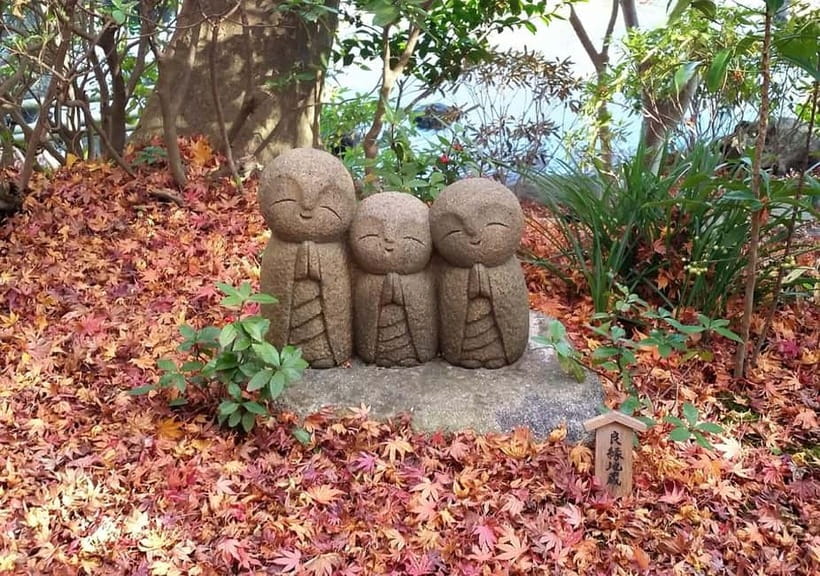
The temple houses a 9.18-meter Eleven-Headed Kannon statue. You can also see Jizo statues and enjoy views over Kamakura and Sagami Bay. The setting changes with the season: cherry blossoms in spring, peonies, hydrangeas, and autumn leaves each give the grounds a different feel.
Hasedera is also one of the more visually varied stops. You are not only looking at one famous object. You can walk through temple grounds, pause at viewpoints, and notice small religious details along the way.
Fifty minutes is enough for a useful visit, but not for a slow exploration. The grounds include walking, and hot summer weather can make the time feel more demanding. Several tour experiences took place on very hot days, yet the organized schedule still helped keep the day moving. Bring water and comfortable shoes, especially if you want to make the most of the walking time.
Kōtoku-in and the Great Buddha
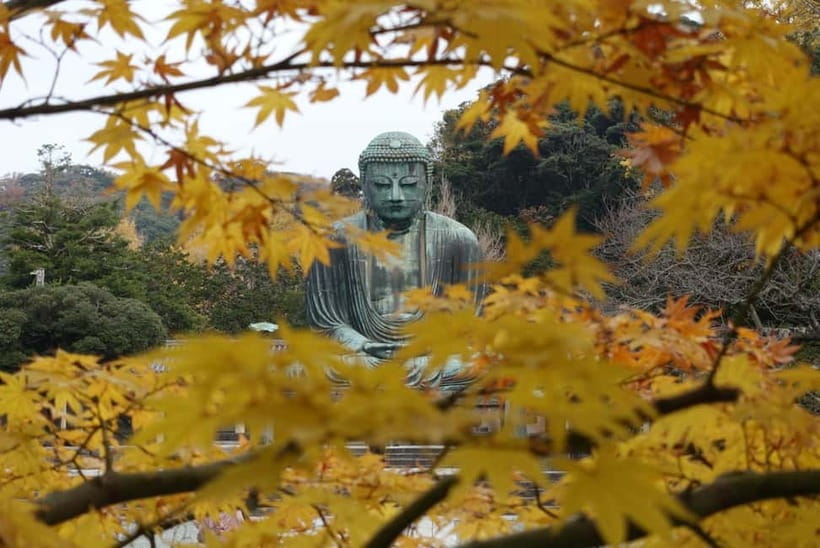
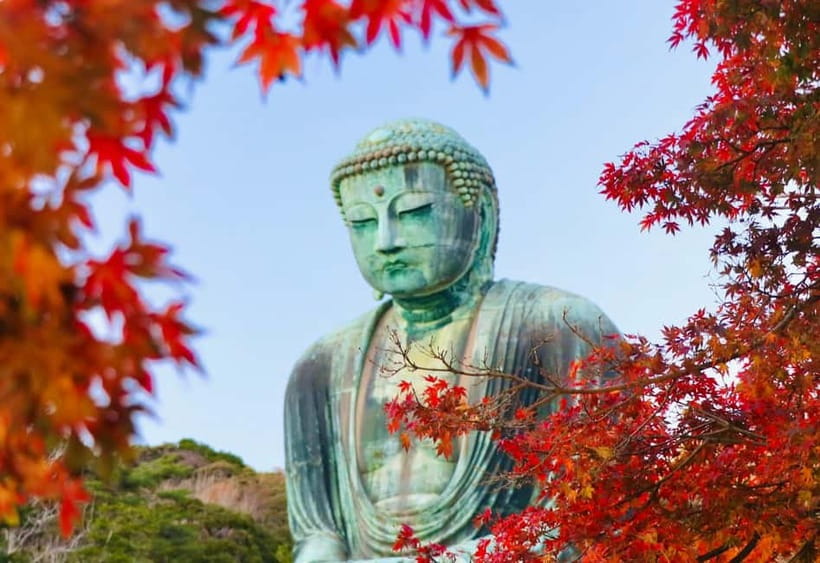
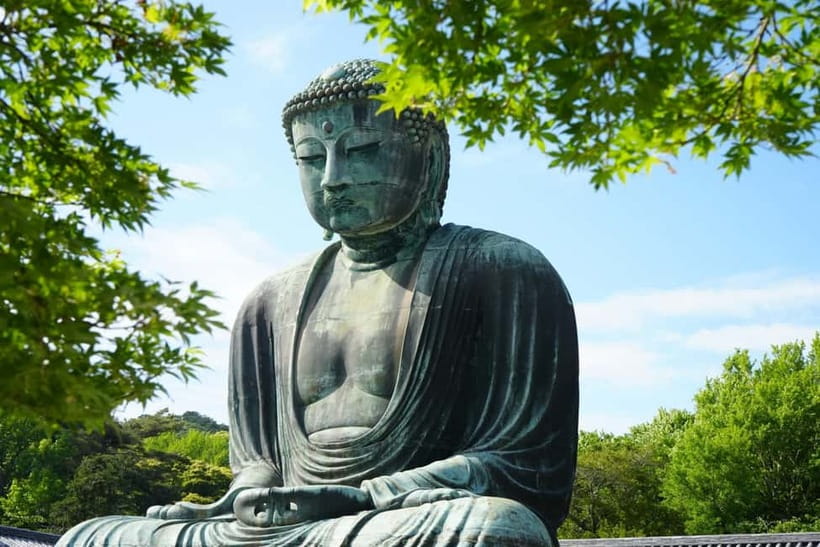
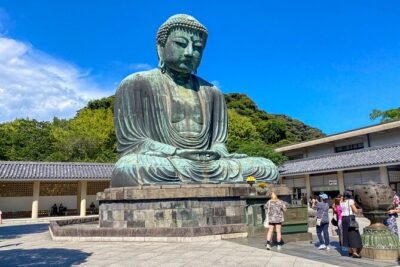
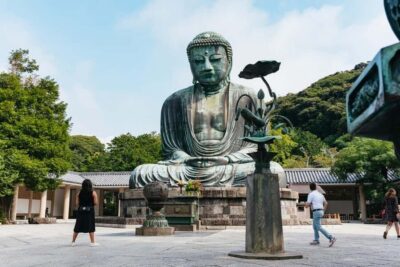
Kōtoku-in is the short, focused stop in Kamakura. You have about 30 minutes, and admission is included. The main reason to come is the National Treasure Great Buddha, a bronze Amida Buddha measuring about 13.3 meters tall and weighing approximately 121 tons.
The statue is impressive because you can stand close to it and see its scale without the barrier of a large interior hall. You can also enter the Buddha and look at its internal structure, a detail that many first-time visitors might miss if they only take an exterior photograph.
The surrounding temple grounds offer seasonal appeal, especially during cherry blossom season and autumn foliage. Still, this stop is primarily about the statue. Thirty minutes lets you see it, photograph it, and enter the interior, but it leaves little spare time.
I would pay close attention to the meeting instructions here. One practical complaint in an otherwise well-paced day was that more time at the Great Buddha would have been welcome. If this statue is your main reason for visiting Kamakura, an independent return visit could be worthwhile.

Enoshima gives the day its coastal character
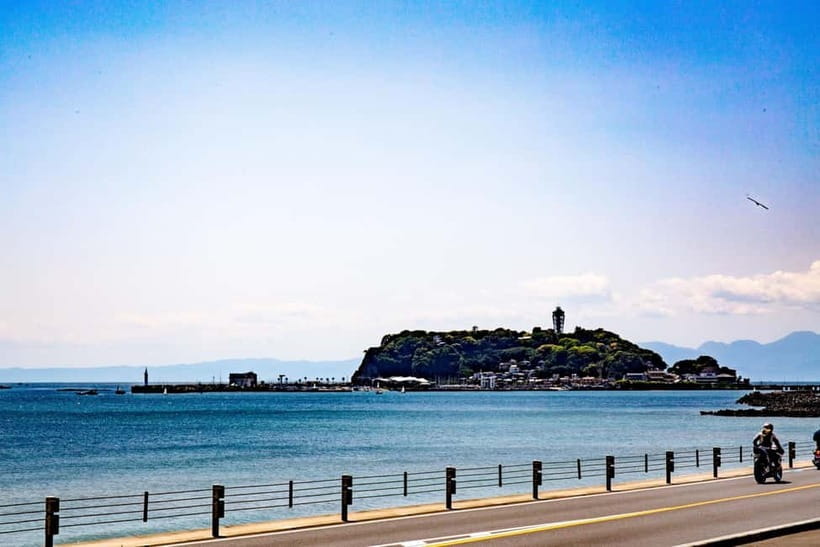
The tour allows about two hours at Enoshima, the final major stop. This island is where the trip shifts from temple history to the Shonan Coast, with sea views, food streets, shrines, gardens, caves, and a lookout tower.
Enoshima can easily fill a full day on its own. In two hours, you need to choose your priorities. You may follow the guide for an overview, then use free time for food, shopping, photographs, or a specific attraction.
The island is known for views of Mt. Fuji on clear days. Weather controls this part of the experience, so treat Fuji as a bonus rather than a promise. Even without the mountain, the high viewpoints and views over the water give Enoshima a different feel from central Tokyo and inland Kamakura.
The narrow streets and walking routes are part of the appeal, but they also make time management important. If you stop for a full seafood meal, you may need to skip the caves or move quickly through the shopping street.
Enoshima Sea Candle and the island’s high views
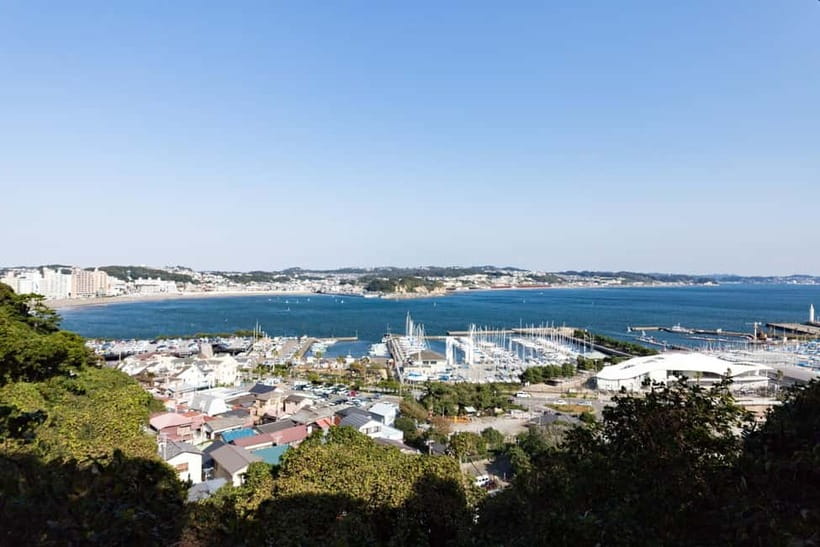
Enoshima Sea Candle is the island’s scenic observation tower. The schedule includes a visit and free time, though the supplied details do not specify a separate admission inclusion for the tower. If you particularly want to go up, check the exact booking details and prepare for the possibility of an extra fee.
From a high point, you may see across the island and toward Mt. Fuji in clear weather. This is one of the best places to think about the geography of the day: Kamakura’s temples are close to the coast, and Enoshima brings that coastal setting directly into the experience.
Use your time here according to the weather. On a clear day, photography may be your priority. On a hazy day, you may prefer the shrine, caves, or food streets.
Enoshima Shrine and Iwaya Caves
Enoshima Shrine is more than 1,000 years old and is one of the island’s central sights. The tour includes time to visit and photograph it, with free time to look around.
The shrine is part of a larger walking route rather than an isolated building. That makes it easy to combine with the Sea Candle and the island’s shopping streets, but you should keep an eye on the clock. The island can feel relaxed, yet the return time arrives quickly.
Enoshima Iwaya Caves add another change of mood. The caves are a walking stop, and they offer something different from the open coastal views and formal shrine grounds. If you want to see them, consider eating from a vendor instead of sitting down for a long meal. That way, you protect the limited time available for the caves.
The supplied schedule lists the caves as a photo stop, visit, and walk, but it does not state that cave admission is included. Confirm that point when booking if entering the caves is essential to you.
Benzaiten Shopping Street and island food
Enoshima Benzaiten Shopping Street is the practical food and souvenir part of the island visit. You can browse shops, stop for street food, and look for regional dishes, including fresh seafood.
This area helps balance the religious sights. You get a taste of daily commerce and the island’s food culture instead of spending the entire afternoon moving from one historic site to another.
The best use of the two hours depends on your priorities. If you want a relaxed meal, accept that you may have less time for the Sea Candle or caves. If you want to see as much as possible, choose a quick snack and keep moving.
What the guides add to the day
The guide is important because this tour covers several places in a short time. English and Chinese guiding are available, and language groups may sometimes share the same vehicle. The guide may switch between languages, so explanations can take a little longer in a mixed group.
Guide quality has been a strong part of the experience. Eric has been praised for historical explanations, restaurant suggestions, and looking after families. Mitsuko and Mitz-san have been noted for patient guidance, good timing, and useful photo advice. Yuki has been appreciated for clear explanations and a friendly approach, while Omar has been praised for keeping the bus on schedule and adding humor. Koji has also received praise for explaining the sights and making the day feel welcoming.
You should not expect a private guide. At some stops, the arrangement may be more like a clear meeting time and a choice between following the guide or exploring alone. That can be a benefit if you want freedom, but it may disappoint you if you expect a long explanation at every building.
Timing, transport, and the real value of $58
An air-conditioned vehicle removes the need to work out every train and local transfer between Tokyo, Kamakura, and Enoshima. That is the core value of this tour. You can see five major areas in one day while someone else handles the route and return to Shinjuku.
Traffic is the main uncertainty. If the bus is delayed by congestion or another unexpected problem, time at the stops may be adjusted. Narrow roads around Kamakura also require careful driving, and the vehicle used may change in size.
The only stated drop-off area is Shinjuku. Your departure point may be Shinjuku Post Office or GLOBAL RING CAFÉ, so check the correct QR code and meeting-point photo before leaving your hotel.
Some departures use assigned seating, but seating details can vary. The important point is to arrive early, follow the guide’s instructions, and return to the vehicle at the stated time. Leaving the group midway requires telling the guide and completing a departure form.
The tour has a 4.5 rating from 1,375 reviews, and the strongest praise centers on organization, guide care, and the number of sights covered. The repeated criticism is also clear: people often want more time, especially at Enoshima and the Great Buddha. That is a fair trade for a $58 day trip, but you should understand it before booking.
Who should book this Kamakura and Enoshima tour
I would choose this tour if you have limited time in Tokyo and want a first look at Kamakura and Enoshima without building the day yourself. It suits families, first-time visitors, and anyone who values a guide’s historical notes and a planned return to Shinjuku.
It also works well if you want a broad preview. You can see the places that interest you most, then return independently on another day for a slower visit.
I would be more cautious if you already know Kamakura well, want to visit many smaller temples, or prefer long meals and unhurried photography. Enoshima alone can take longer than the allotted two hours, and Hasedera or Kōtoku-in may leave you wishing for extra time.
Book only if you are comfortable with a full schedule, some walking, and possible traffic delays. Canceling up to 24 hours ahead allows a full refund, and the reserve-now, pay-later option gives you flexibility while you finalize your Tokyo plans.
Should you book it?
Book this tour for efficient coverage, included temple tickets, and a helpful guide who keeps the day on track. The route gives you Kamakura’s shrine and temples, the Great Buddha, Enoshima’s coast, and plenty of chances to try local food.
Skip it if your ideal day means lingering at one temple or exploring Enoshima from morning until evening. For most first-time visitors with only one free day outside Tokyo, the $58 price is good value, as long as you treat the experience as an overview rather than a complete study of Kamakura.
FAQ
How long is the Kamakura and Enoshima day trip?
The experience lasts about nine hours, or 570 minutes.
What languages are available?
Live guiding is available in English and Chinese.
Where does the tour depart?
The available starting locations are Shinjuku Post Office and GLOBAL RING CAFÉ. The exact meeting point depends on the option booked.
Where does the tour end?
The available drop-off location is in the Shinjuku area, specifically at Shinjuku Post Office in the stated itinerary.
Is transportation included?
Yes. The tour includes an air-conditioned vehicle.
Are Hasedera and Kōtoku-in tickets included?
Yes. Admission tickets for Kamakura Hasedera and Kōtoku-in Temple are included.
How much free time is provided at Enoshima?
The scheduled time at Enoshima is about two hours, including sightseeing, food, shopping, and walking.
Can I see Mt. Fuji from Enoshima?
You can see Mt. Fuji from high points on Enoshima on a clear day. The view depends on weather and visibility.
What happens if the bus is delayed?
Traffic or unexpected events may cause the time at attractions to be adjusted.
Can I cancel for a full refund?
You can cancel up to 24 hours in advance for a full refund. The reserve-now, pay-later option means you do not have to pay at the time of booking.
More Kamakura & Enoshima Day Trips in Kamakura
More tours in Kamakura we've reviewed
Kamakura & Enoshima Day Trips, compared.
 ★ 5.0Mount Fuji, Kamakura, Big Buddha, & Lake Ashi Day TripFrom $109
 ★ 4.7Tokyo: Mt Fuji, Kamakura, Lake Ashi & Big Buddha Guided TourFrom $50
 ★ 4.5From Tokyo: Kamakura & Enoshima 1-Day Bus TourFrom $66
 ★ 4.9Tokyo:Sea of Mount Fuji, Hakone Ropeway, Ōwakudani, EnoshimaFrom $5010 hours
 ★ 5.0Kamakura 8 hr Private Walking Tour with Licensed Guide from TokyoFrom $201
 ★ 5.0Kamakura Private & Customizable Tour – All-in-One ExperienceFrom $512 - 8 hours