Reviewed · MT FUJI DAY TRIPS
Wonderful Peaks & Peace: Mt. Fuji, Fuji Stupa & Hakone Tour
Mount Fuji is the star, but this private day trip gives you a much broader look at the mountain’s setting. You’ll visit Chureito Pagoda, the classic red-and-white viewpoint, then move through shrines, spring-fed villages, lakes, and a lava cave.
In This Article
- Key points to know before booking
- What this private Fuji day trip actually covers
- Mt. Fuji 5th Station, high on the volcano
- Chureito Pagoda and the famous Fuji viewpoint
- Kitaguchi Hongu Fuji Sengen Shrine, a quieter change of pace
- Oshino Hakkai and Fuji’s spring water
- Lake Kawaguchi and Oishi Park, Fuji views by the water
- Lake Yamanaka, the largest of the five lakes
- Narusawa Ice Cave in the Aokigahara forest
- How the schedule works in real life
- Guide service and family suitability
- Is $370 good value for your group?
- Who should book this Fuji tour?
- Should you book it?
- FAQ
- How long does the Mt. Fuji and Fuji area tour last?
- How many people can join the private tour?
- Is pickup and drop-off included?
- What attractions are included in the route?
- Are admission tickets included?
- Is the Fuji Stupa included?
- Is Hakone included?
- Can I cancel for a full refund?
I like the flexibility of a private vehicle for up to five people, especially families. I also like the mix of famous photo stops and quieter cultural places such as Kitaguchi Hongu Fuji Sengen Shrine. The main drawback is the ambitious schedule: eight stops in about 10 hours means limited time at each place, and the advertised title mentions Hakone and a Fuji Stupa, but neither appears in the listed route.
Key points to know before booking
- The private group price can be good value: The $370 rate covers up to five people, so the per-person cost drops sharply for a full group.
- Chureito Pagoda delivers the postcard view: You’ll climb to a hilltop viewpoint at Arakurayama Sengen Park, with Mount Fuji behind the pagoda when conditions cooperate.
- The route favors variety over depth: You’ll see lakes, springs, a shrine, a park, a cave, and the 5th Station, but most stops last only 45 to 90 minutes.
- Puskal, Prem, and Rana are named guides: The available feedback repeatedly highlights patient service, itinerary help, and extra care for families with young children.
- Weather will shape the day: Mount Fuji views are never guaranteed, so the cultural stops and lakeside scenery matter if clouds cover the summit.
- Check the route before paying: Hakone and a Fuji Stupa are named in the tour title, yet the supplied stop list does not include either one.
What this private Fuji day trip actually covers
This is a long private outing from Tokyo, lasting about 10 hours. You travel in an air-conditioned vehicle with WiFi, a guide, highway fees, and pickup and drop-off included.
That setup matters in Japan’s Fuji region. The attractions are spread across Yamanashi Prefecture, and moving between them by public transport would take more planning and leave less room for spontaneous changes. With your own vehicle, you can ask to adjust the order, spend longer at a favorite view, or shorten a stop if children are tiring.
The group limit is five people. At $370 for the entire vehicle, this is most appealing to families or small groups who can share the cost. For five people, it works out to $74 each before any optional admissions or gratuity. For one or two people, the price is harder to justify unless you place a high value on door-to-door convenience and a private schedule.
The experience is not a slow, specialist tour. It is a broad Fuji sampler. You will see many of the region’s best-known sights, but the driving between them and the number of stops leave little room for extended walks or long meals.
One practical point deserves attention. The name includes Hakone and Fuji Stupa, but the listed route contains neither a Hakone stop nor a Fuji Stupa stop. The schedule instead focuses on the Fuji Five Lakes area, Oshino, shrine sites, and Narusawa. Ask the operator to confirm the exact route before departure if either of those attractions is important to you.
A few more Tokyo tours and experiences worth a look
Mt. Fuji 5th Station, high on the volcano
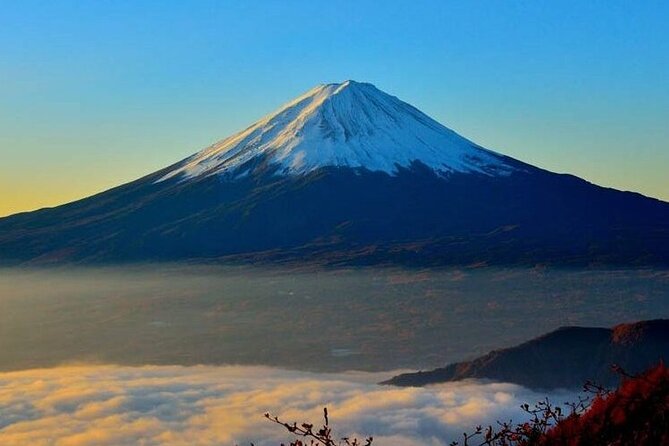
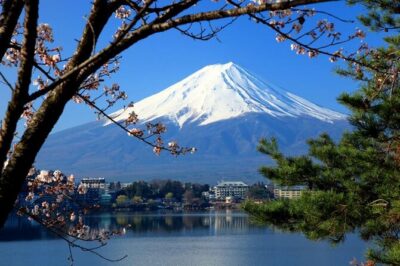
The day begins with a visit to Mt. Fuji’s 5th Station, scheduled for about one hour. At 3,776 meters, Mount Fuji is Japan’s highest peak, formed by volcanic activity that began roughly 100,000 years ago.
The 5th Station gives you a chance to experience the mountain at a high point without attempting a climb. It is also a useful introduction to Fuji as a volcano, not just as a scenic backdrop. The admission fee is not included if an optional fee applies.
I would treat this stop as weather-dependent. Clouds can block the upper mountain, and conditions at elevation may differ from those around the lakes. If the summit is hidden, you can still appreciate the change in vegetation and the sense of being high on Fuji, but you should not book this day solely for a guaranteed summit view.
The one-hour limit is sensible. It gives you time to look around without letting the first stop consume the day. If your group includes anyone who dislikes quick changes or walking on uneven ground, ask the guide how much walking is required at this stop.
Chureito Pagoda and the famous Fuji viewpoint
The one-hour visit to Chureito Pagoda is likely to be one of the most memorable parts of the route. The five-story pagoda sits on a hill in Arakurayama Sengen Park and is part of Arakura Fuji Sengen Shrine. It was added in 1963 as a peace memorial.
The appeal is simple: the pagoda, Mount Fuji, and the surrounding town can line up in one dramatic view. This is the image many people hope to bring home from a Fuji trip. The view depends heavily on clouds, but the pagoda remains worth seeing for its setting and elevated outlook.
You should expect stairs to reach the pagoda because it sits on a hill. The supplied information does not give an exact step count or accessibility details, so ask your guide about the route if stairs are a concern. The free admission helps, though the time allowed may feel short if you want to take photographs, enjoy the shrine grounds, and climb at an easy pace.
This is also a good example of why a private guide can help. Puskal is described as helping visitors choose places and manage the day around their priorities. Prem is praised for checking the itinerary and waiting patiently when a group needed extra time for shopping. Those details suggest a useful strength of this experience: the guide may be able to help you make practical choices when the schedule gets tight.
Kitaguchi Hongu Fuji Sengen Shrine, a quieter change of pace
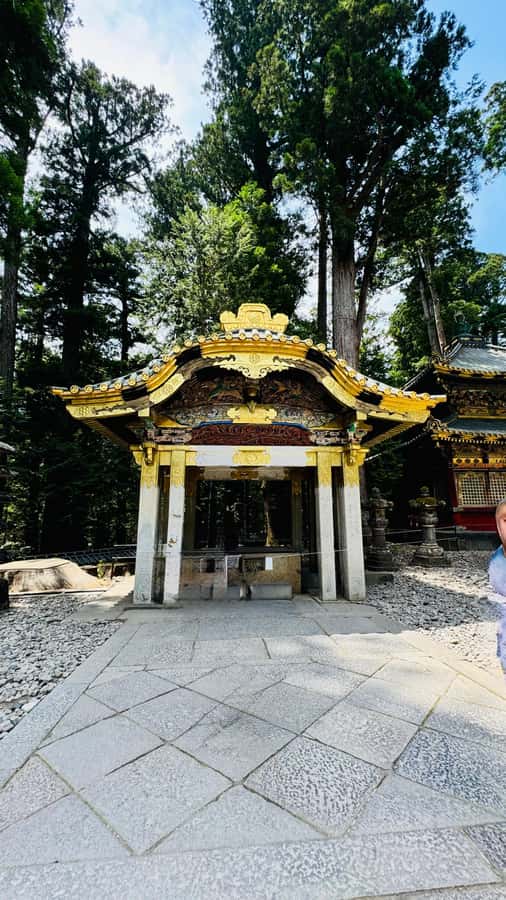
The 45-minute stop at Kitaguchi Hongu Fuji Sengen Shrine brings a cultural pause after the viewpoint. It is one of roughly 1,300 Asama shrines in Japan dedicated to the deity associated with volcanoes and Mount Fuji.
The shrine is also part of the Mt. Fuji UNESCO World Heritage area. That gives the visit more weight than a quick photo stop. You are seeing how the mountain fits into Japanese religious life, where volcanoes can be treated with respect and reverence as powerful natural forces.
Forty-five minutes is enough for a short visit, but not for a slow exploration of every feature. I like this stop because it balances the crowded, image-driven appeal of Chureito Pagoda with a more reflective setting. If you want the day to be only scenic viewpoints, this may feel less urgent. If you want cultural context, it is one of the more meaningful stops.
Oshino Hakkai and Fuji’s spring water
Oshino Hakkai receives the longest scheduled visit, at one and a half hours. The site consists of eight springs in Oshino, formed when aquifer water from Mount Fuji reaches the surface.
These springs show the mountain in a different way. Instead of looking up at the peak, you see the results of snow and rain filtering through volcanic ground before emerging as clear water. Oshino Hakkai is also designated a Natural Monument of Japan and forms part of the Mt. Fuji UNESCO World Heritage area.
The longer stop gives you more breathing room than the 45-minute shrine visit. You can look at the springs, walk through the village setting, and take photographs without rushing quite as much. Still, the full day includes many attractions, so this is not designed as an extended village visit.
Families may find Oshino Hakkai a useful stop because it offers something different from repeated mountain viewpoints. Rana is specifically praised for making things easier for a family with two young children. That kind of attention can matter on a route with frequent stops and changing walking demands.
A few more Tokyo tours and experiences worth a look
Lake Kawaguchi and Oishi Park, Fuji views by the water
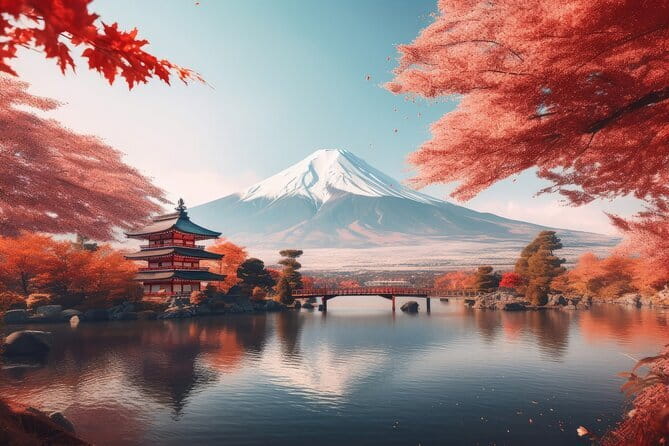
Lake Kawaguchi is the second largest of the Fuji Five Lakes by surface area and sits at the lowest elevation among them. The tour allows about one hour at the lake, followed by another hour at Oishi Park on the northern shore.
Together, these stops give you a full hour or two of lakeside scenery, depending on how the guide handles the timing. Oishi Park is especially useful for photographs because it offers views of both the lake and Mount Fuji. Flowers bloom along the lakeside promenade according to the season, adding color when conditions are right.
I like the pairing. Lake Kawaguchi gives you the broad setting, while Oishi Park offers a more focused place to enjoy the view. If clouds cover Fuji, the lake and seasonal plantings still provide a pleasant stop, though the central reason for visiting Oishi Park is the combined mountain-and-water view.
The route does not mention a meal break. That is important on a 10-hour outing. You may find food options along the way, but the supplied details do not promise a specific restaurant or lunch stop. Ask the guide how meals fit into the schedule, especially if you are traveling with children.
Lake Yamanaka, the largest of the five lakes
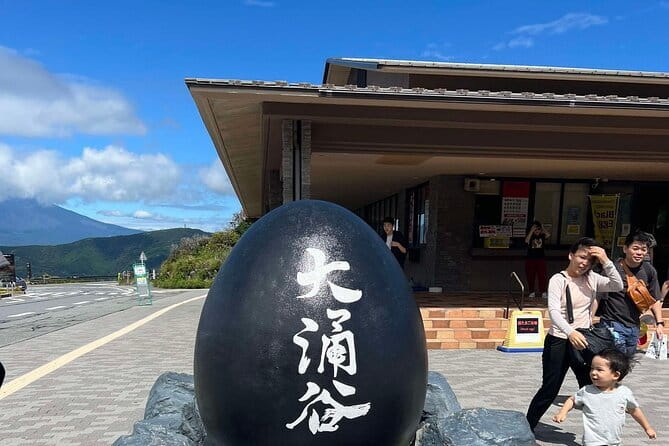
The final lake stop is Lake Yamanaka, scheduled for 45 minutes. It is the largest of the Fuji Five Lakes and has a distinctive whale-like shape when viewed from above.
Its high elevation and shallow water mean that the lake can freeze completely in winter. That fact gives the place a different character from Lake Kawaguchi, though a short visit will focus mainly on the view and atmosphere rather than a detailed nature walk.
The stop is brief, so I would not expect a long lakeside outing. It works better as a scenic pause within a larger circuit. The two lake visits also reduce the risk of the whole day feeling like a series of identical viewpoints. You see Fuji from different sides and elevations, with changing water and shoreline settings.
Narusawa Ice Cave in the Aokigahara forest
The Narusawa Ice Cave is scheduled for 45 minutes and sits within Aokigahara, often called the Sea of Trees. The cave contains ice pillars and an ice wall that can remain visible throughout the year.
This is the route’s most unusual natural attraction. It shifts the focus from open views to a confined volcanic space shaped by ancient lava flows. You should expect the cave visit to involve walking inside a natural formation, but the supplied information does not provide details about stairs, temperatures, or the level of physical effort.
Admission is not included. The itinerary marks the cave ticket as excluded, so budget for that separately. Since the visit is short, check the entry cost and conditions before you commit if your group includes young children or anyone uncomfortable with caves.
Aokigahara also adds a more mysterious note to the day, but the tour information presents the forest through its volcanic caves and trails rather than through sensational stories. That is the right way to approach it: as a place shaped by Fuji’s eruptions and dense woodland, not as a spectacle.
How the schedule works in real life
The listed stop times add up to seven hours and 45 minutes. That leaves only a little over two hours of the 10-hour day for driving, pickup, drop-off, traffic, and any food break.
That math tells you to expect a busy circuit. A private car makes the route possible, but it cannot remove road traffic or weather delays. The ride back to Tokyo may be especially slow at busy times. Prem is praised for waiting patiently during shopping and handling a traffic jam on the return journey, which points to an important practical advantage: patience and itinerary flexibility may matter as much as sightseeing knowledge.
You should also expect some stops to be shortened if traffic is heavy or if your group spends extra time at Chureito Pagoda or Oshino Hakkai. This is not necessarily a flaw. A private tour gives you someone to help make those tradeoffs, rather than leaving you to manage several connections on your own.
The vehicle includes WiFi and air conditioning. Pickup and drop-off are included, along with highway fees. Those inclusions simplify the day and make the fixed group price easier to assess.
Guide service and family suitability
The available guide names include Puskal, Prem, and Rana. The strongest pattern is practical care: Puskal is described as helping shape the route around a visitor’s preferred sights and time limits, Prem as checking the plan and waiting patiently, and Rana as making the day easier for a family with young children.
I would book this for people who want help with the mechanics of a Fuji day. You get a private vehicle, a guide, and room to discuss priorities. Families with children may appreciate avoiding several train and bus changes. Small groups may also like having the car to themselves.
I would be more cautious if you want a long hike, a single deep visit to one place, or a carefully paced cultural tour. Eight stops create variety, but they also create transitions. The route is best for seeing a lot of the Fuji area in one day, not for lingering.
Is $370 good value for your group?
The $370 price is charged per group of up to five, not per person. That makes the value much better for four or five people. You are paying for a private vehicle, guide service, highway fees, WiFi, and pickup and drop-off, not just admission to a set of attractions.
For a family, the convenience can be worth more than a cheaper shared excursion. You avoid coordinating everyone through a long public transport day, and the guide can adjust the pace when young children need help or extra time.
For a couple, the calculation is less favorable. The price is still understandable for a private 10-hour car service, but you should compare it with other private Fuji options and check exactly what route they offer. Since the title and stop list do not fully match, confirm that you are paying for the sights you want.
Optional admissions are extra. The Mt. Fuji 5th Station may require an optional admission fee, and Narusawa Ice Cave is listed with admission not included. Tips and gratitude are also excluded.
Free cancellation is available if you cancel at least 24 hours before the start time. Changes or cancellations made inside that window are not accepted for a refund.
Who should book this Fuji tour?
Book it if you want:
- A private day for up to five people
- Pickup and drop-off from Tokyo
- A wide range of Fuji-area sights in one outing
- Flexibility for families and small groups
- Chureito Pagoda, Oshino Hakkai, lakes, shrines, and an ice cave in the same day
- A guide who can help adjust the plan when time or traffic causes problems
Think twice if you want:
- A relaxed schedule with long visits
- A guaranteed view of Mount Fuji
- A tour centered on Hakone, since Hakone is not listed as a stop
- A confirmed Fuji Stupa visit, since it is not listed in the supplied route
- All admissions and meals included
Should you book it?
I would recommend this tour for a small group that values private transport and wants to cover a lot of ground around Mount Fuji in one day. The strongest features are the family-friendly vehicle setup, the variety of stops, and the apparent willingness of guides such as Puskal, Prem, and Rana to help shape the day.
The main decision is pace. You will see plenty, but you will not linger everywhere. Confirm the final route, ask specifically about Hakone and the Fuji Stupa, and check the extra admission costs before booking. If those details match your plans, $370 can be sensible value for five people. If you are a couple seeking a slow, focused Fuji experience, a shorter private tour may suit you better.
FAQ
How long does the Mt. Fuji and Fuji area tour last?
The tour lasts approximately 10 hours.
How many people can join the private tour?
The private vehicle is for your group of up to five people, and only your group participates.
Is pickup and drop-off included?
Yes. Pickup and drop-off are included, along with an air-conditioned vehicle, WiFi on board, a guide, and highway fees.
What attractions are included in the route?
The listed route includes Mt. Fuji 5th Station, Chureito Pagoda, Kitaguchi Hongu Fuji Sengen Shrine, Oshino Hakkai, Lake Kawaguchi, Oishi Park, Lake Yamanaka, and Narusawa Ice Cave.
Are admission tickets included?
Admission is free at Chureito Pagoda, Kitaguchi Hongu Fuji Sengen Shrine, Oshino Hakkai, Lake Kawaguchi, Oishi Park, and Lake Yamanaka. The Mt. Fuji 5th Station has an optional admission fee, and admission to Narusawa Ice Cave is not included.
Is the Fuji Stupa included?
The Fuji Stupa is named in the tour title, but it does not appear in the supplied list of stops. Confirm the exact route with the provider before booking if you want to visit it.
Is Hakone included?
Hakone is mentioned in the tour title, but no Hakone attraction appears in the supplied itinerary. Ask the provider to confirm whether Hakone is part of your planned route.
Can I cancel for a full refund?
Yes, if you cancel at least 24 hours before the experience start time. Cancellations or changes made less than 24 hours before the start time are not refunded or accepted.
More Hakone Day Trips in Tokyo
More Mt Fuji Day Trips in Tokyo

More tours in Tokyo we've reviewed












Mt Fuji Day Trips, compared.
 ★ 5.0Mt Fuji and Hakone 1-Day Bus Tour Return by Bullet TrainFrom $163
 ★ 4.0Mt Fuji & Hakone Cruise, Drum Show Bullet Train 1 Day from TokyoFrom $149
 ★ 4.4Tokyo Mt Fuji 5th St & Hakone Cruise Bus Tour w/Bullet TrainFrom $15410 hours
 ★ 4.5From Tokyo: Mount Fuji Full-Day Sightseeing TripFrom $6810 hours
 ★ 4.7Tokyo: Mt. Fuji Tour, Hakone Ropeway, Owakudani, Lake AshiFrom $5410 hours
 ★ 4.4Tokyo:Mt.Fuji,Kawaguchiko Oishi Park,Arakurayama Sengen ParkFrom $5410 hours