Reviewed · TOKYO FOOD TOURS
Tokyo Vegan Food Tour
Tokyo’s vegan food scene gets much easier to understand once you sit down with a bowl of ramen, bite into gyoza, and inspect a Japanese convenience store with a guide at your side. This small-group tour connects Shibuya and Ebisu through five plant-based food stops, mixing familiar Japanese dishes with sweets you may not think to seek out.
In This Article
- Key points to know before booking
- Why this tour matters for eating vegan in Tokyo
- Meeting at Shibuya’s Hachiko crossing point
- Ramen first: four styles in small bowls
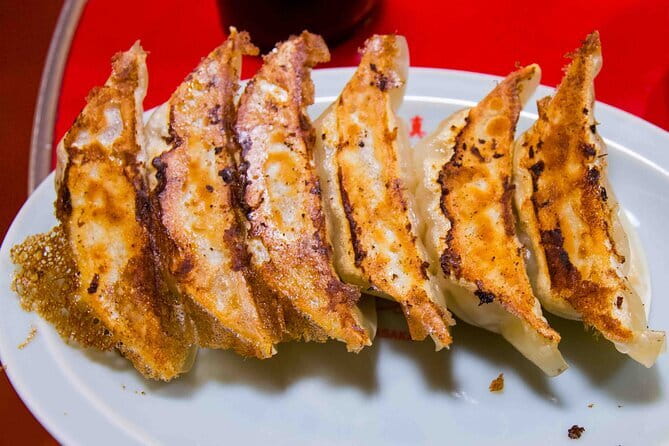
- Gyoza and karaage with a plant-based twist
- Japanese fruit sandwiches and butter with anko
- The convenience store lesson
- Bunga, Brian, and the small-group advantage
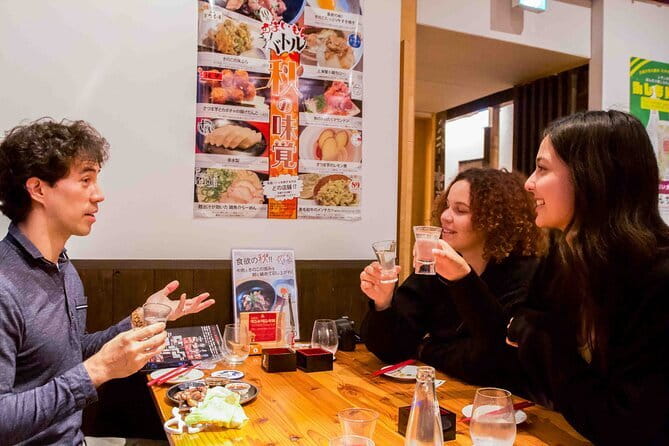
- Three hours, one drink, and a full meal value
- Who should book this Shibuya to Ebisu food walk
- My verdict on this vegan Tokyo experience
- FAQ
- Where does the Tokyo Vegan Food Tour meet?
- Where does the tour finish?
- How long does the tour last?
- Is all the food vegan?
- What food is included?
- Is a drink included?
- Is the tour conducted in English?
I like the generous tasting format and the practical advice. You get ramen, dumplings, karaage, fruit sandwiches, and butter with anko, plus a drink, so this is closer to a light meal than a few token samples. I also like the small group, limited to six people, and the help provided by guides such as Bunga and Brian, who can explain how to find vegan food after the tour.
The main consideration is price. At $99 per person for three hours, this costs more than eating independently, and you may need cash if the group uses a train. Still, for a first day in Tokyo, the food, local guidance, and confidence it offers can make the cost easier to justify.
Key points to know before booking
- Five Japanese food styles in one walk: Taste vegan ramen, gyoza, karaage, fruit sandwiches, and butter with anko.
- Starts in Shibuya and ends in Ebisu: Meet near the Hachiko statue, then finish in a different Tokyo neighborhood.
- Ramen comes in several styles: Choose from spicy miso, miso, shoyu, or shio in a small bowl.
- Useful help for the rest of your trip: Learn how to locate vegan food and read the local dining scene with greater confidence.
- A true small-group format: The tour accepts no more than six participants and runs in English.
- Plan for a full stomach: The portions are described as ample, so you may not need dinner afterward.
Why this tour matters for eating vegan in Tokyo
Japan can be a tricky place for a strict vegan, even with many foods based on rice, noodles, vegetables, tofu, and beans. Broths, sauces, fish ingredients, and hidden dairy can complicate a meal. This tour addresses that problem through actual food and clear explanations rather than a lecture.
You get to taste dishes that represent different parts of Japanese eating culture in plant-based form. That matters because it helps you recognize what is possible. A vegan meal in Tokyo does not have to mean plain rice or a salad, and this experience gives you several examples to remember.
The guide also explains veganism in Japan, local ingredients, and cooking methods. The value here goes beyond the three hours. If you are worried about ordering food later, a guide can show you how to think about menus, ask questions, and spot useful options.
The tour is also a good introduction for a mixed group. If one person in your party is vegan and others are simply curious about Japanese food, everyone gets to eat the same dishes. You are not sent to a separate specialty menu while the rest of the group follows another route.
A few more Tokyo tours and experiences worth a look

Meeting at Shibuya’s Hachiko crossing point
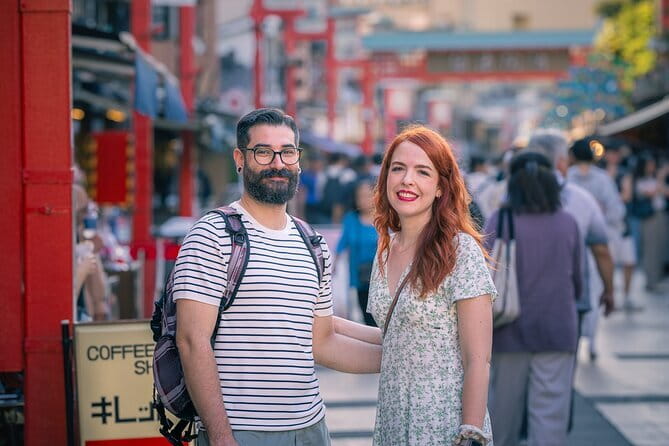
The meeting point is Shibu Hachi Box, across from the Hachiko statue outside Shibuya Station. Your guide waits with a Food Tours Tokyo sign, which gives you a clear landmark in one of Tokyo’s busiest areas.
This location is practical but not quiet. Give yourself time to reach Shibuya Station and find the Hachiko area. The instructions are specific, yet the station and surrounding streets can feel confusing if you arrive at the last minute.
The tour starts in Shibuya and ends in Ebisu. That route gives the experience a sense of movement instead of keeping you inside one restaurant or shopping complex. It also means you should not plan to return to the exact meeting point immediately afterward. Ebisu has its own restaurants and rail connections, so finishing there can work well for the rest of your day.
You may use the train during the tour, so bring cash. The fare is not included in the price, and this small detail is easy to overlook when most Tokyo transport is handled through a transit card or digital payment.
Ramen first: four styles in small bowls

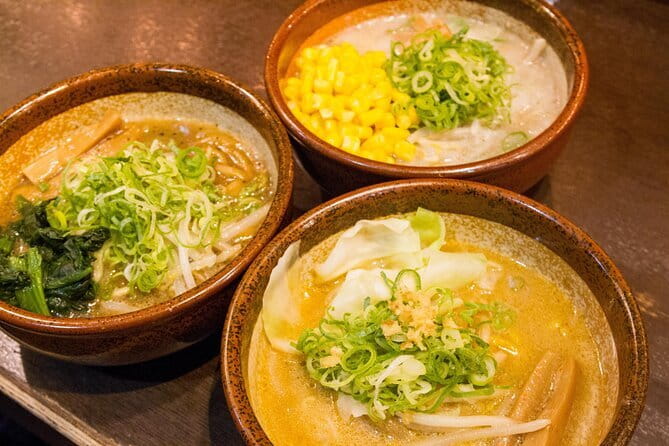
One of the strongest parts of the food lineup is the chance to compare several vegan ramen styles. The tasting includes mini bowls with choices such as spicy miso, regular miso, shoyu, and shio.
The small serving works well here. Ramen can be filling, and tasting-size bowls let you focus on the broth, noodles, seasoning, and toppings without using up your appetite at the first stop. If you already know you prefer a bold flavor, spicy miso may appeal to you. Miso offers a fuller savory taste, while shoyu and shio give you a chance to compare soy sauce and salt-based styles.
The guide can place these styles in a Japanese food context, which is useful if ramen is one of the dishes you most want to try in Japan. You are not simply checking vegan ramen off a list. You are learning how different bases change the character of the bowl.
The exact restaurant order can vary, so you should treat the listed dishes as the food promise rather than assume ramen is always the first stop. The important point is that the tour includes several ramen choices, not one fixed flavor.
Gyoza and karaage with a plant-based twist
Vegan gyoza gives you a familiar Japanese classic in dumpling form. You can pay attention to the wrapper, filling, seasoning, and dipping sauce, then use that knowledge when you encounter gyoza elsewhere.
Vegan karaage is another useful stop because it tackles a dish many people associate with fried chicken. The plant-based version keeps the idea of crisp, seasoned fried food while changing the main ingredient. This makes it a fun comparison for a vegan eater and a good introduction for someone in your group who is less familiar with plant-based cooking.
These savory stops help balance the sweets later. They also show that vegan Japanese food is not limited to one style. You get noodles, dumplings, and fried food in the same three-hour outing.
The food is served as tastings, but the overall amount can be substantial. One group finished feeling so full that dinner plans no longer seemed necessary. If you are booking a late afternoon or evening tour, plan your next meal accordingly.
Japanese fruit sandwiches and butter with anko
The sweet portion brings two distinctly Japanese ideas to the table. Fruit sandwiches pair fresh seasonal fruit with soft bread and a creamy filling. Their neat appearance and light, fresh taste provide a clear change from salty ramen and fried karaage.
Seasonality matters here. The fruit used can change depending on what is available, so you should expect the general style rather than one guaranteed fruit. This is a simple way to notice how Japanese convenience foods and bakery items can turn fresh produce into something playful and carefully presented.
Butter and anko sandwiches offer a more unusual combination. Anko is sweet bean paste, a major flavor in Japanese desserts. Paired with butter and bread, it creates a rich sweet-salty contrast, although I would not describe it as light. If you enjoy red bean desserts, this may be one of the most memorable tastings. If you prefer less sweetness, it may be the stop you approach with caution.
Together, these dishes show why the tour is more useful than a standard noodle crawl. You are tasting food from several parts of everyday Japanese eating, including items you might not know how to identify on your own.
A few more Tokyo tours and experiences worth a look



The convenience store lesson
A quick convenience store stop is one of the most practical touches. Japanese convenience stores are easy to find, but identifying vegan food inside one can be much harder than simply walking in and choosing a package.
The guide can point out how to look for suitable choices and help you understand the limits of packaged food labels. This is especially valuable for breakfast, snacks, train rides, and nights when you do not want a full restaurant meal.
Do not expect the convenience store stop to replace one of the five featured food types. It is an extra lesson in managing your diet during the rest of your trip. For a vegan visitor, that kind of advice can prevent a lot of uncertainty.
A guide may also share a list of vegan places and options. Brian has been praised for giving participants a useful list, while Bunga has been singled out for practical advice on vegetarian and vegan eating in Japan. Since guides can vary, the tone and exact recommendations may differ, but the tour is designed to give you more than one meal.
Bunga, Brian, and the small-group advantage

The group limit is six people, which is a major benefit on a food tour. You can ask direct questions about ingredients, request clarification, and talk with the guide without competing with a large crowd.
Bunga and Brian are named guides connected with this experience. Bunga is noted for helping people understand how to navigate vegan and vegetarian dining in Japan, while Brian is known for taking personal preferences into account and sharing further food suggestions.
That flexibility matters for a dietary tour. Veganism can involve strict choices about dairy, eggs, fish stock, sauces, and cross-contact. The supplied information confirms that all food served on the tour is vegan, but you should still tell the provider about your personal needs when booking if you have concerns beyond vegan ingredients.
A six-person group also keeps the walking portion more manageable. You can stay together through Shibuya and toward Ebisu, and the guide can spend more time explaining unfamiliar foods. This is a better fit for you if you want conversation and questions rather than a fast-moving group presentation.
Three hours, one drink, and a full meal value

The tour costs $99 per person and lasts three hours. That price includes five types of Japanese food, savory and sweet, plus one beverage. Transportation is separate if the group takes a train, and you should bring cash for that possibility.
At first glance, the price is high for a three-hour food outing. You are paying more than the cost of buying one bowl of ramen and a snack. The comparison changes once you count the number of tastings, the guide’s time, the route through two neighborhoods, and the advice you can use for the rest of your stay.
I think the value is strongest for first-time vegan visitors to Japan. The tour can save you from ordering uncertainty and help you find additional restaurants and packaged foods. It is also useful if you are traveling with a child or family member who worries about dietary restrictions, since the experience offers a reassuring start.
The value is weaker if you already know Tokyo’s vegan scene, have a long list of restaurants, or mainly want a cheap meal. In that case, you may prefer to spend $99 across several independent meals. The tour earns its price through guidance and variety, not luxury surroundings.
Who should book this Shibuya to Ebisu food walk
I would recommend this tour to a strict vegan visiting Tokyo for the first time, especially if food is causing you anxiety. It gives you a safe starting point and practical ideas for the days that follow.
It also suits vegetarian visitors, plant-curious eaters, and mixed groups. The five food categories offer enough variety to keep the experience interesting even if vegan food is not your usual diet.
You should think twice if you dislike walking between several food stops, want a formal sit-down meal, or prefer to control every ingredient yourself. The tour moves through city neighborhoods and may include a train ride. You should also be comfortable with tasting portions instead of choosing a full individual entrée at every stop.
Book it near the start of your trip if you want the advice to shape your later meals. That timing was especially useful for participants who wanted confidence before exploring restaurants alone. If your schedule is uncertain, free cancellation is available up to 24 hours before the tour, and you can reserve now and pay later.
My verdict on this vegan Tokyo experience
I would book the Tokyo Vegan Food Tour if I wanted a friendly introduction to plant-based eating in Japan rather than just a single meal. The combination of ramen choices, gyoza, karaage, unusual sandwiches, one drink, and a convenience store lesson gives you a strong range in three hours.
The best reason to go is the practical help. Bunga and Brian have both been praised for answering dietary questions, adapting to preferences, and sharing further suggestions. The small group makes that kind of conversation possible.
The $99 cost and possible train fare are the main drawbacks. Still, if you are nervous about finding vegan food in Tokyo, the tour can pay back its cost in saved time, better choices, and a much calmer first few days. If you already have Tokyo food figured out, skip it. If you want a confident start, book it early in your visit.
FAQ
Where does the Tokyo Vegan Food Tour meet?
The meeting point is Shibu Hachi Box, across from the Hachiko statue outside Shibuya Station. The guide waits with a Food Tours Tokyo sign.
Where does the tour finish?
The tour starts in Shibuya and ends in Ebisu.
How long does the tour last?
The experience lasts three hours. Starting times vary, so check availability when booking.
Is all the food vegan?
Yes. All food served on the tour is vegan.
What food is included?
You receive five types of Japanese food, including vegan ramen, gyoza dumplings, karaage, seasonal fruit sandwiches, and butter with anko. The ramen may include spicy miso, miso, shoyu, or shio choices.
Is a drink included?
Yes. One beverage is included in the tour price.
Is the tour conducted in English?
Yes. The tour has a live English-speaking guide and is limited to six participants.
More Food Experiences in Tokyo
More Tokyo Food Tours in Tokyo
More tours in Tokyo we've reviewed












Tokyo Food Tours, compared.
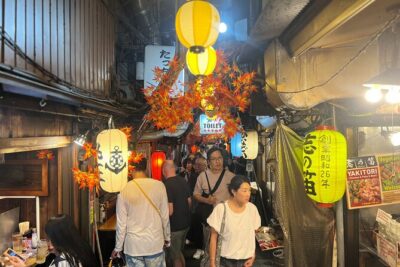 ★ 5.0Tokyo: Shinjuku Food Tour (13 Dishes at 4 Local Eateries)From $86
 ★ 4.9Tokyo: Shinjuku Food Tour (13 Dishes and 4 Eateries)From $97
 ★ 5.0Tokyo Night Foodie Tour in Shinjuku – Seasonal Sushi, Wagyu BeefFrom $111
 ★ 5.0Eat and Drink Like a Local: Tokyo Ueno Food Tour-Taverns&RamenFrom $95
 ★ 5.0Tokyo: Shibuya Food Tour (13 dishes and 4 Eateries)From $77
Tokyo: Shinjuku Food Tour – 15 Dishes, 3 Drinks, 4 EateriesFrom $723 hours
★ 5.0Tokyo: Shibuya Food Tour (13 dishes and 4 Eateries)From $77
Tokyo: Shinjuku Food Tour – 15 Dishes, 3 Drinks, 4 EateriesFrom $723 hours