Reviewed · ASAKUSA TOURS
Asakusa Kimono Photography Tour
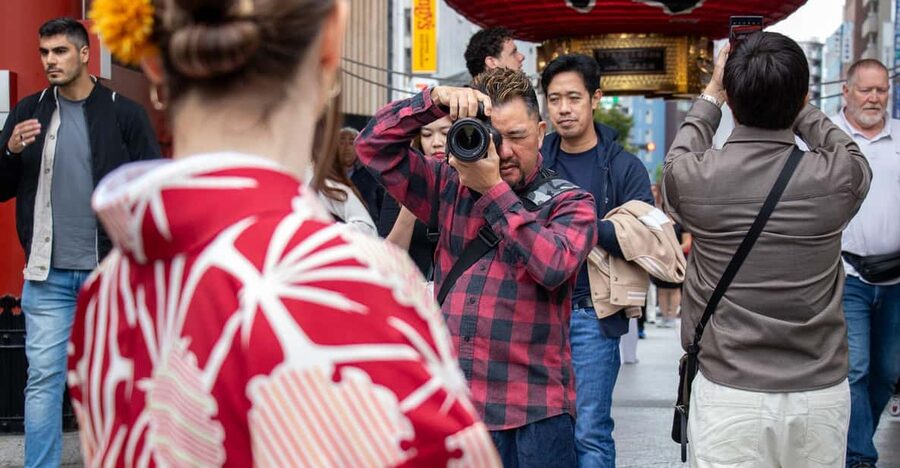
Walking through Asakusa in a kimono turns a familiar Tokyo sightseeing stop into something far more personal. This 150-minute photo tour pairs traditional dress with a local guide who also takes your pictures, so you are not left trying to frame a selfie beside Senso-ji.
In This Article
- Key points at a glance
- Why a kimono walk changes Asakusa
- Meeting near Tobu Asakusa Station
- Choosing your kimono or summer yukata
- What the 150-minute route gives you
- Photography with Gota Murakami
- Why the timing matters
- Is $122 a fair price?
- Who will enjoy this most
- Practical details to know before booking
- Should you book the Asakusa kimono photo tour?
- FAQ
- Where does the Asakusa kimono photo tour meet?
- How long does the tour last?
- What clothing is included?
- Are photographs included?
- Can children join the tour?
- Is the tour available in English?
I like the careful styling, with kimono or summer yukata, hair, and accessories for women. I also like the mix of famous sights and quieter corners, plus the fact that guide and photographer Gota Murakami has a warm way with shy adults and children.
One point needs attention: the description talks about an early start, but the stated meeting time is 1:30 PM. That may help avoid the heaviest later crowds, but it is not a morning tour, so check the available time before booking.
Key points at a glance
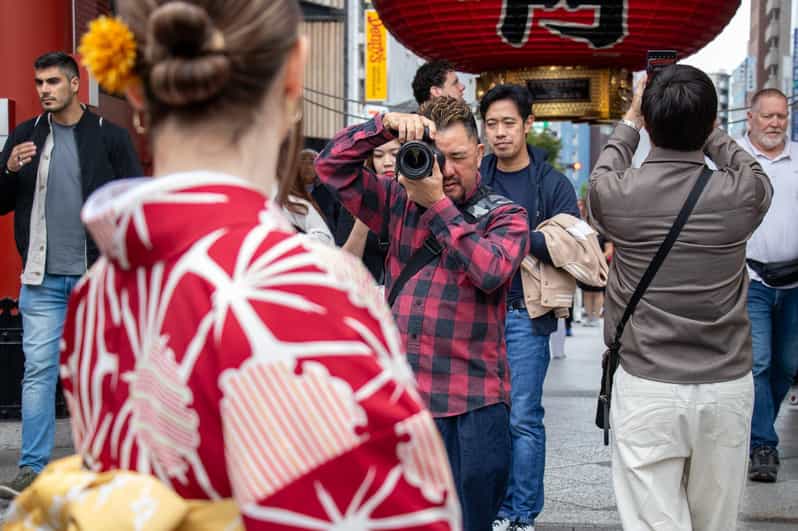
- Gota Murakami handles both guiding and photography, giving you one person to explain Asakusa and direct your poses.
- Kimono rental, hair styling, and accessories are included for women, with yukata available in summer.
- The 1:30 PM start aims for more manageable streets and softer afternoon photo conditions.
- Landmarks and lesser-known corners share the route, so the walk is more than a series of standard postcard stops.
- Raw and edited photos are included, giving you both flexible files and ready-to-share images.
- Children aged 3 to 10 can wear children’s kimonos, making this workable for family portraits as well as couples and solo visitors.
Why a kimono walk changes Asakusa
Asakusa is one of Tokyo’s best places to see old and new Japan close together. Its temples, shopping lanes, station area, and riverfront setting create a strong sense of place, but the district can feel crowded once the day gets going.
Traditional clothing changes how you move through it. You walk more slowly, pay closer attention to doorways and street details, and become part of the visual character of the neighborhood rather than simply passing through with a camera around your neck.
That is the real point of this tour. You are not just renting clothes and taking a few pictures. You are given help with dressing, basic kimono etiquette, posing, and local background. The guide makes the clothing feel manageable, even if you have never worn a kimono before.
The route is also designed for pictures rather than speed. You visit major Asakusa sights, then pause at less obvious spots where the setting gives your photos some variety. That matters because a full album of temple gates can start to look repetitive.
A few more Tokyo tours and experiences worth a look


Meeting near Tobu Asakusa Station
The meeting point is in front of the Seven-Eleven beside Tobu Asakusa Station. It is one minute from the Tobu Line Asakusa Station main ticket gate and two minutes from Exit A5 of the Ginza Line station.
Your guide carries a red or orange MagicalTrip sign. This is useful in a busy station district, especially if you are arriving from another part of Tokyo and do not know the area yet.
Give yourself enough time to reach the meeting point. The location is easy to find on paper, but Asakusa has several station exits and multiple busy streets. Arriving calm is especially helpful when you still need to choose your clothing and settle into the pace of the session.
The tour returns to the same Seven-Eleven. You therefore finish where you started, rather than needing to work out a new station or meeting point after changing back.
Choosing your kimono or summer yukata
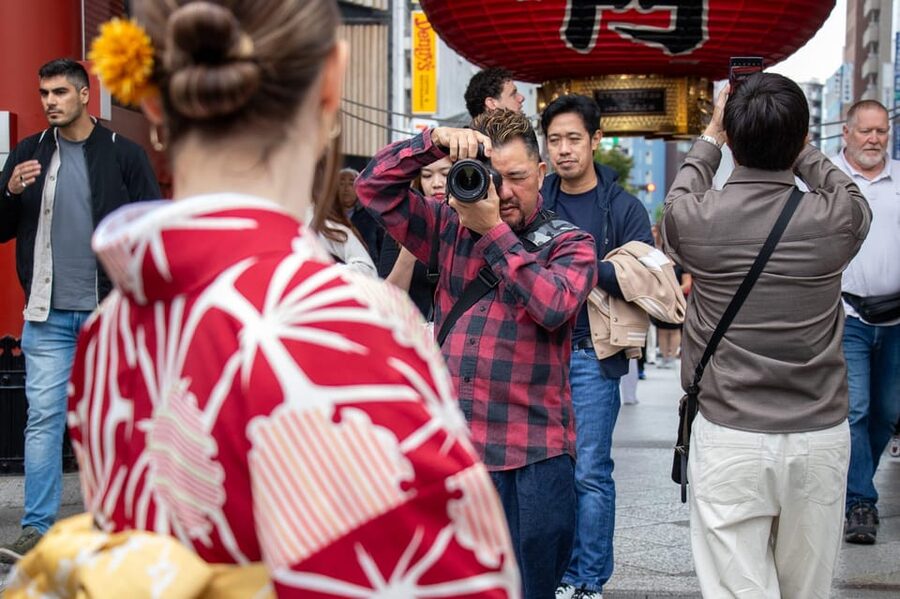
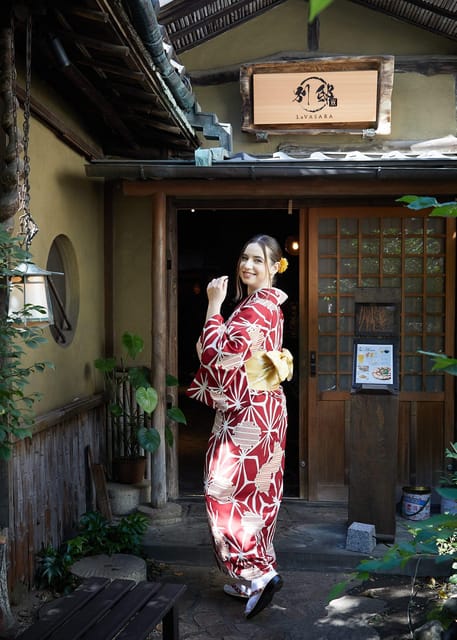
A major part of the appeal is choosing what you will wear. The tour includes kimono rental, and yukata is available in summer. For women, the package also includes a hairstyle and accessories, which gives the finished look more polish than a simple clothing rental.
Professional assistance helps with putting on the kimono. This is important because the layers and fit can feel unfamiliar, and a poorly arranged garment would make walking and posing less comfortable.
You also receive guidance on kimono etiquette. That does not turn the tour into a formal cultural class, but it gives you enough practical direction to move with confidence and avoid feeling awkward.
Children aged 3 to 10 have access to children’s kimonos. Children older than 10 are charged as adults, so families should check ages and pricing carefully when making a reservation.
A kimono can restrict your stride more than everyday clothes. That is not a flaw in this particular tour, but it does affect what you should expect. The walk covers photo stops and sightseeing over two and a half hours, so comfortable shoes and a relaxed pace will matter.
What the 150-minute route gives you
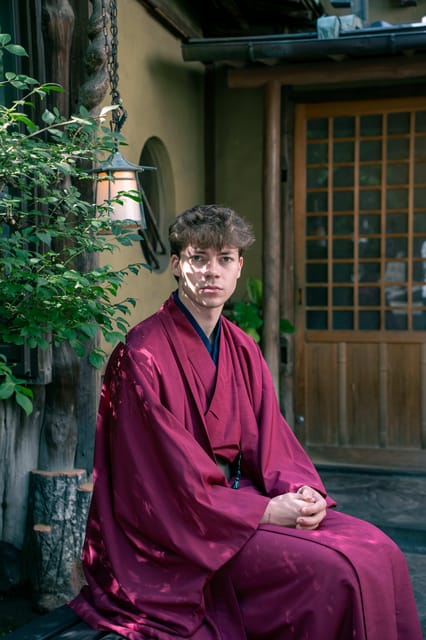
The route begins with a walk through Asakusa, combining guided sightseeing and photo stops. The exact number of locations is not specified, so you should think of this as a flexible neighborhood walk rather than a fixed checklist of attractions.
The famous sites provide the sense of place. Large temple buildings, traditional streets, and recognizable Asakusa details make it clear where the photos were taken. Those settings work well for a first visit because they give your pictures an unmistakable Tokyo identity.
The lesser-known corners are just as valuable. They keep the session from feeling like a quick stop at one landmark, and they allow the photographer to find backgrounds with fewer people and less visual clutter.
Gota Murakami’s role is especially useful here. He does not simply take a photo at every stop and move on. He also offers pose ideas and chooses locations that suit the people in front of his camera.
That can make a big difference if you dislike posing. One shy participant found his manner reassuring, while another family appreciated how well he engaged two boys who might otherwise have lost interest. Those details suggest a useful strength for families and anyone who feels nervous in front of a lens.
Photography with Gota Murakami
Having the guide and photographer be the same person keeps the tour focused. You do not have one person rushing you through history while another tries to arrange the shot. Gota can explain the area, watch the background, and help you pose in one flow.
His approach seems particularly suited to people who want natural direction rather than a fashion shoot. You can expect instructions on where to stand and how to pose, but the setting remains the streets of Asakusa, not a studio.
The included files are another solid part of the package. You receive raw and edited photos. Raw images give you more freedom if you like to adjust pictures yourself, while edited files are ready for sharing and printing with less work.
The supplied information does not state how many photos you receive or when they arrive. That is worth asking before you book if the number of files or delivery timing is important to you.
You should also remember that this is a walking photo tour, not a private portrait session in one controlled location. Street conditions, other people, and changing light are part of the setting. The tradeoff is less control, but more of the real Asakusa around you.
Other photography tours in Tokyo



Why the timing matters
The stated starting time is 1:30 PM. The description presents the tour as an early option intended to avoid the thickest crowds, although 1:30 PM is afternoon rather than morning. Since starting times can vary with availability, confirm the exact slot when booking.
Timing affects the feel of your pictures. A quieter street makes it easier to pause, adjust clothing, and pose without feeling watched. It also gives the photographer more freedom to use a background without a line of people crossing it.
Still, you should not expect an empty Asakusa. The area is a major Tokyo sight, and public streets remain public streets. The promise is a better chance at clear photos and a calmer walk, not total privacy.
The afternoon start may suit couples, friends, and families who do not want an early alarm. Solo visitors may also find it easier to fit into a day of sightseeing. If your main goal is very soft morning light and near-empty streets, the stated time may not match your ideal.
Is $122 a fair price?
At $122 per person, this is not a cheap kimono rental followed by a self-guided stroll. You are paying for clothing, assistance with dressing, hair and accessories for women, an English-speaking guide, photography, instructions, and both raw and edited photos.
That package can offer good value if professional photographs are central to your trip. Hiring a photographer separately, arranging a rental on your own, and finding suitable locations would take more time and could produce a less coordinated result.
The value is also stronger for couples, families, or friends who want pictures of everyone together. Selfies rarely include the whole group, and passing your phone to a stranger does not provide the same help with posing or background choice.
Solo visitors can make good use of the tour as well. You receive dedicated attention for pictures, and the small-group format may give you a social setting without requiring you to organize your own companion.
The price is less convincing if you mainly want to wear a kimono for a short walk and do not care about photography. In that case, much of what you are paying for is the guide’s camera work and editing. Food, drinks, and personal purchases are not included.
Private and small-group options are available. A private booking should appeal to couples, families with young children, or anyone who wants more control over the pace. A small group may suit you if you like meeting people and want a lower-pressure social outing, though the exact group size is not given.
Who will enjoy this most
I would put this tour high on the list for couples celebrating a trip, families wanting a shared portrait, and solo visitors who want professional pictures in traditional dress.
It also suits first-time kimono wearers. Assistance with dressing and etiquette removes much of the uncertainty, while pose guidance helps you avoid standing stiffly in every frame.
Families should note the positive fit for children. Children’s kimonos cover ages 3 to 10, and Gota Murakami has shown that he can keep boys involved rather than treating them as an afterthought.
You may want to skip it if you dislike changing clothes, walking in formal traditional dress, or posing for a camera. It is also not the best choice if you need a fully private studio session, a food-focused tour, or a long temple lecture.
Practical details to know before booking
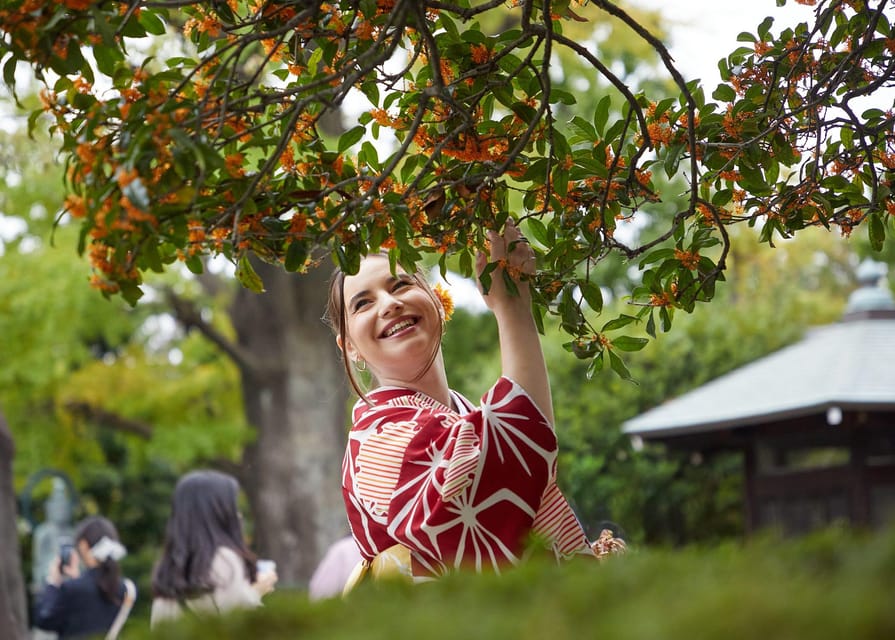
The tour lasts 150 minutes and is conducted in English. It starts and ends at the same Seven-Eleven near Asakusa Station, which keeps the logistics simple.
Free cancellation is available up to 24 hours before the activity for a full refund. You can also reserve now and pay later, useful if your Tokyo schedule is still shifting.
The experience is offered privately or in small groups. Children above age 10 are treated as adults, while children aged 3 to 10 have children’s kimono options.
Bring a patient attitude rather than a packed schedule. The tour combines dressing, walking, local explanation, and repeated photo stops. You will get more from it if you allow the session to unfold instead of trying to race to the next attraction.
Should you book the Asakusa kimono photo tour?
Book it if you want more than a rental costume and a few quick snapshots. The strongest part is the combination of traditional clothing, local context, and directed photography. Gota Murakami’s gentle work with shy adults and children is another reason this can suit people who usually avoid posed photos.
The main decision comes down to your priorities. At $122, it is good value when edited photos and personal guidance matter. If you only want a kimono for the novelty, a simpler rental may cost less.
Check the actual start time, ask about the number and delivery of photo files, and choose private booking if your group needs a flexible pace. For a memorable Asakusa portrait session with a real neighborhood walk attached, this is an easy tour to recommend.
FAQ
Where does the Asakusa kimono photo tour meet?
Meet in front of the Seven-Eleven Tobu Asakusa Station-mae store. It is one minute from the Tobu Line Asakusa Station main ticket gate and two minutes from Ginza Line Exit A5.
How long does the tour last?
The activity lasts 150 minutes, or two and a half hours, including walking, sightseeing, guided stops, and photography.
What clothing is included?
Kimono rental is included, with yukata available in summer. Women also receive hairstyle and accessory arrangements.
Are photographs included?
Yes. The package includes raw and edited photos, along with photography instructions. The exact number of images and delivery schedule are not specified.
Can children join the tour?
Yes. Children aged 3 to 10 can use children’s kimonos. Children above age 10 are treated as adults.
Is the tour available in English?
Yes. The tour includes a live English-speaking local guide. Private and small-group options are available.
More Photography Tours in Tokyo
More Asakusa Tours in Tokyo
More tours in Tokyo we've reviewed












Asakusa Tours, compared.
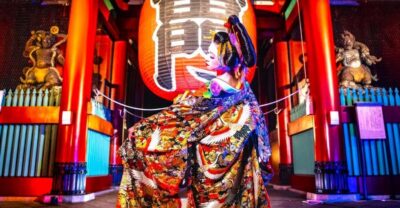 ★ 4.8Tokyo: Japanese Dance Cabaret Theater Asakusa-Kaguwa TicketFrom $492 hours
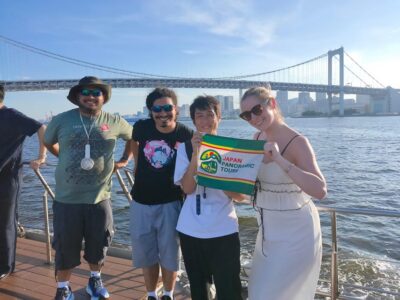 ★ 4.7Tokyo: Meiji Shrine, Asakusa, Skytree Bus Tour and CruiseFrom $12210 hours
 ★ 4.9Tokyo: Roll and Authentic Sushi Making Class in AsakusaFrom $581h 40m
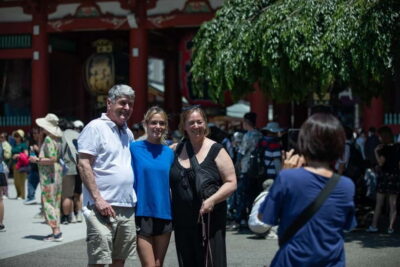 ★ 4.8Tokyo: Asakusa Walking Tour with Sensoji Temple VisitFrom $222 hours
 ★ 5.0Tokyo Asakusa Rickshaw TourFrom $42
 ★ 4.5Tokyo Panoramic 1 Day: Meiji Shrine, Asakusa, Odaiba and SKYTREE®From $85