Reviewed · SUMO EXPERIENCES
Tokyo: Exclusive Access to Sumo Morning Practice with Photos
You are not watching sumo from the back rows of a stadium here. You sit on tatami inside a working stable, close enough to see the wrestlers’ footwork, ritual movements, and hard training at close range. The practice is real, not staged for tourists, and the small group keeps the visit quiet and focused.
In This Article
- Key points to know before booking
- Why a sumo stable offers more than a stadium match
- Meeting at Oshiage Station Exit B3
- Entering the stable and settling onto tatami
- Watching the morning practice up close
- What the guide adds to the visit
- Photos and contact after practice
- Is $96 good value for two hours?
- Who will enjoy this most
- A quiet, respectful look at Japanese sport
- Should you book the Oshiage sumo practice visit?
- FAQ
- Where does the sumo practice tour meet?
- How long does the experience last?
- How close can I get to the wrestlers?
- Are photos with the sumo wrestlers included?
- Is the tour suitable for children?
- Is seating provided?
- Is the tour wheelchair or stroller accessible?
- Is there a restroom during the visit?
- What happens if practice is canceled?
I like the close view of training and the way the English-speaking guide explains the rules, diet, rituals, and stable life as you watch. I also like the chance to meet the wrestlers and take photos afterward, though that depends on the stable and the wrestlers’ condition.
The main drawback is comfort and timing. You sit on the floor without chairs, and practice can be shortened or canceled without notice. At $96 for two hours, the value is strongest when you care about authentic sumo and close access, not simply a quick photo opportunity.
Key points to know before booking
- Real morning practice: Watch wrestlers train inside an active sumo stable rather than attending a staged demonstration.
- Very close seating: You may sit near the ring on tatami, with a much closer view than many stadium seats provide.
- Small English-speaking group: Groups are limited to 10 people, which helps the guide explain what you are seeing without a loud crowd.
- Possible wrestler photos: Photos with wrestlers and the coach may be available after practice, but this is not guaranteed.
- Tatami seating only: No chairs are provided, and sitting cross-legged for a long period can be hard on your legs.
- Strict timing and rules: Meet at Oshiage Station Exit B3 on time, use the restroom first, and follow the stable’s instructions closely.
Why a sumo stable offers more than a stadium match
A tournament match gives you the spectacle of sumo: formal bouts, cheering crowds, rankings, and a full arena program. This visit gives you something quieter and more revealing. You watch the work behind the spectacle.
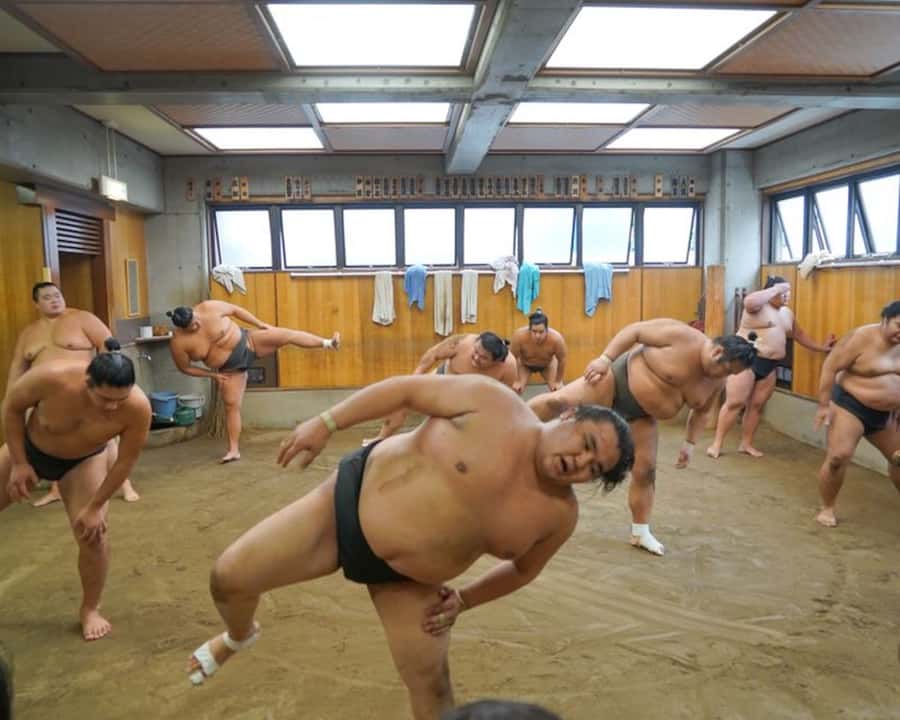
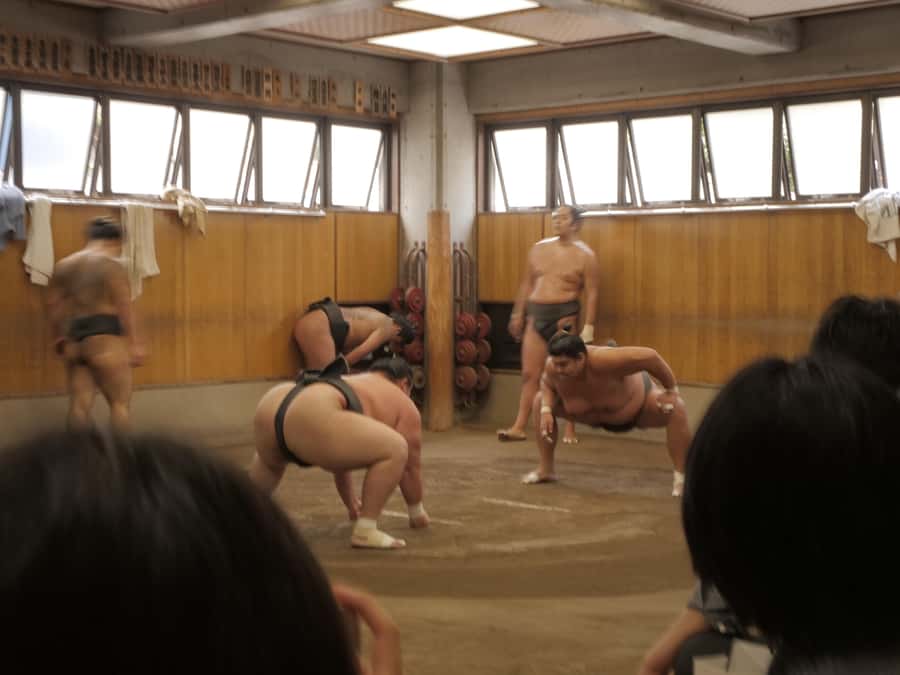
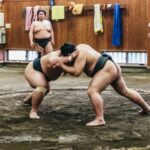
Morning practice can include repeated exercises, bouts, and ritual movements. You see the physical effort without the distance of a stadium. The wrestlers are training, not performing for a tour group, so the mood may feel serious and focused. That is part of the appeal. You are being allowed into an ordinary part of a wrestler’s day.
The guide helps you understand what would otherwise be easy to miss. Sumo has its own rules, gestures, training customs, diet, and hierarchy. Visual cards and quizzes make the explanations easier to follow, especially if you are new to the sport.
I would choose this experience if you want context as much as photographs. Without a guide, you might mainly notice the wrestlers’ size and power. With one, you can begin to understand why a movement, stance, or pause matters.
A few more Tokyo tours and experiences worth a look
Meeting at Oshiage Station Exit B3
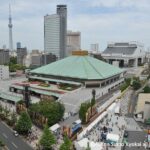
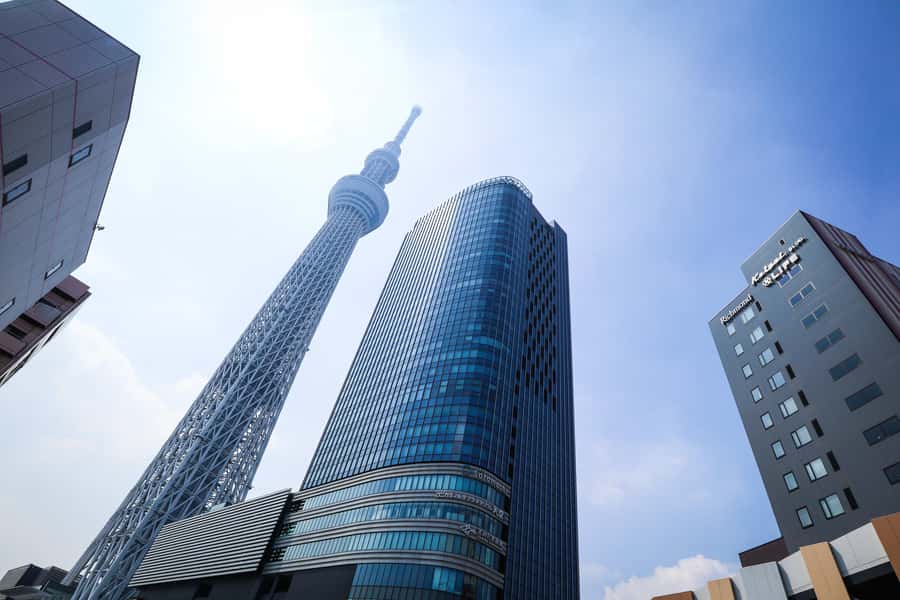
The meeting point is in front of the Oshiage taxi stop, on the ground level outside Exit B3 of Oshiage Station. This detail matters because you need to come all the way up to street level. Do not wait inside the station or near another exit.
From the meeting place, you can see Tokyo Skytree and signs for Uniqlo, LIFE, and Sizzler. Your guide will hold a red or orange sign marked Magical Trip. Those landmarks should make the spot easier to identify, but build in enough time to find the correct exit.
The tour starts on time. Late arrivals cannot join or reschedule, so this is not the morning to cut your train connection close. Oshiage is a useful starting point for a day around Skytree, but the activity itself is about the stable, not sightseeing in the station area.
The exact stable is not presented as a public attraction with a standard visitor entrance. That helps explain the feeling of access, but it also means you should follow the guide closely and avoid wandering away from the group.
Entering the stable and settling onto tatami
Once the group reaches the stable, the guide provides an introduction before or as you enter. You learn what to expect, how to behave, and what details to watch for during practice.
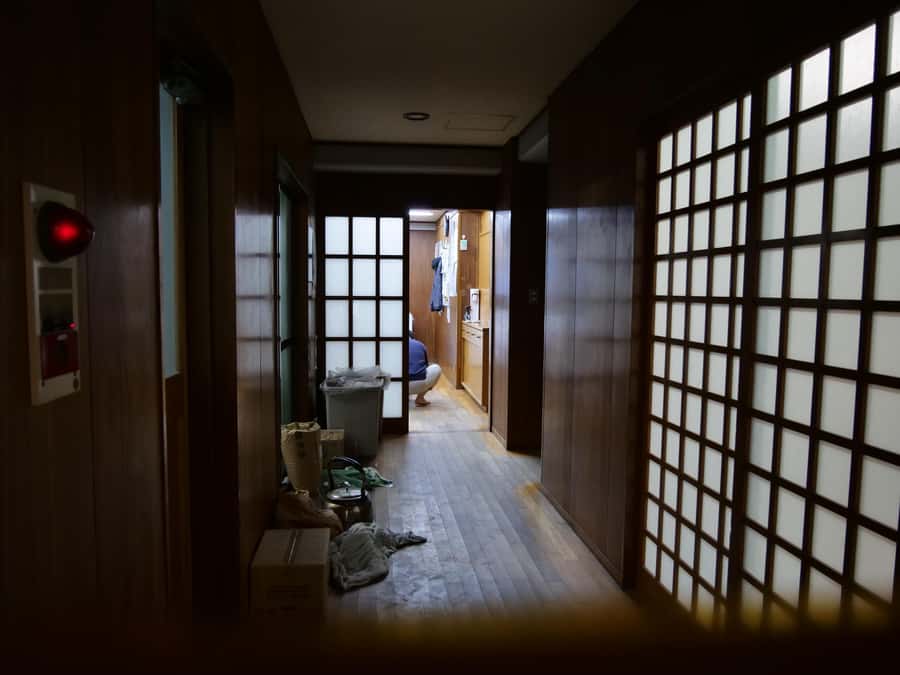
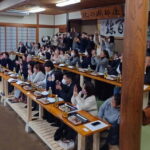
Inside, you sit on tatami. There are no chairs, and seating is first come, first served. Groups can be split, so your party may not all sit together. If you have trouble sitting on the floor, think carefully before booking. One useful practical tip is to wear comfortable clothing that allows you to sit for an extended time.
The stable is a working place, not a theater. You may need to remain quiet and still while the wrestlers train. Disruptive behavior or entering a restricted area can lead to removal without a refund. Photography may also be limited by the stable, so keep your camera ready but do not assume you can photograph every moment.
There are no restrooms during the tour. Use one before meeting the guide. Early departure is allowed, but re-entry is not, so leaving halfway means you will not simply be able to return to your place.
Watching the morning practice up close
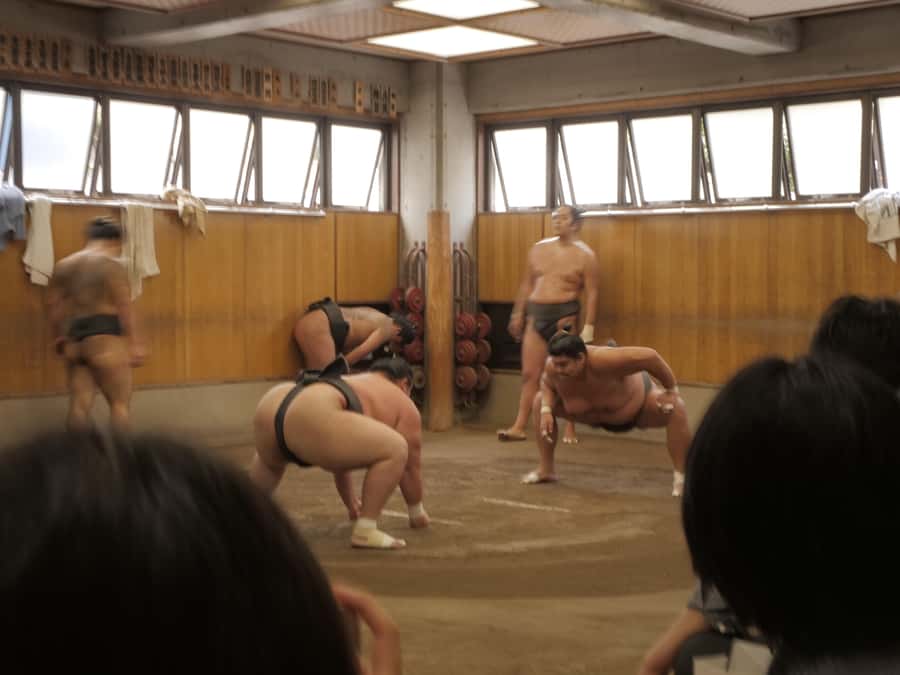
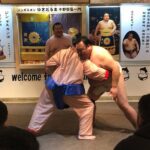
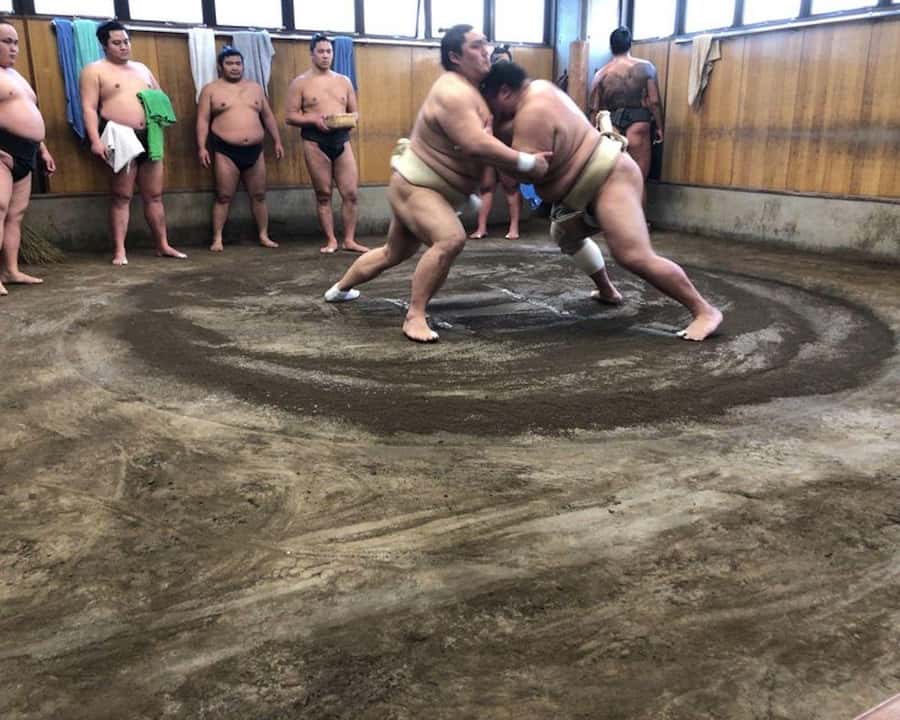
The practice is the heart of the experience. You watch wrestlers train at close range, often with the group seated near the ring. This is where the activity earns its higher price compared with a basic sightseeing stop.
At a stadium, even a good ticket may put you far from the action. Here, you can see how large the wrestlers are and watch their strength at much shorter range. One session included training led by a highly ranked sumo legend, which shows the kind of setting this tour can provide, though the specific coach and stable are not guaranteed for every date.
The atmosphere can be lively and intense, but it is not packaged entertainment. The wrestlers continue with their morning routine while you watch quietly. One particularly useful feature is that the group may arrive while practice is already underway. That means you can see the stable in action rather than waiting through a long orientation.
The amount of practice can vary. Some sessions last close to the expected viewing period, while others are shortened to less than an hour. Practice may also be canceled without notice. If the stable cancels the practice, a full refund is provided, but you should not plan a tightly timed follow-up activity that depends on the tour ending at an exact minute.
What the guide adds to the visit
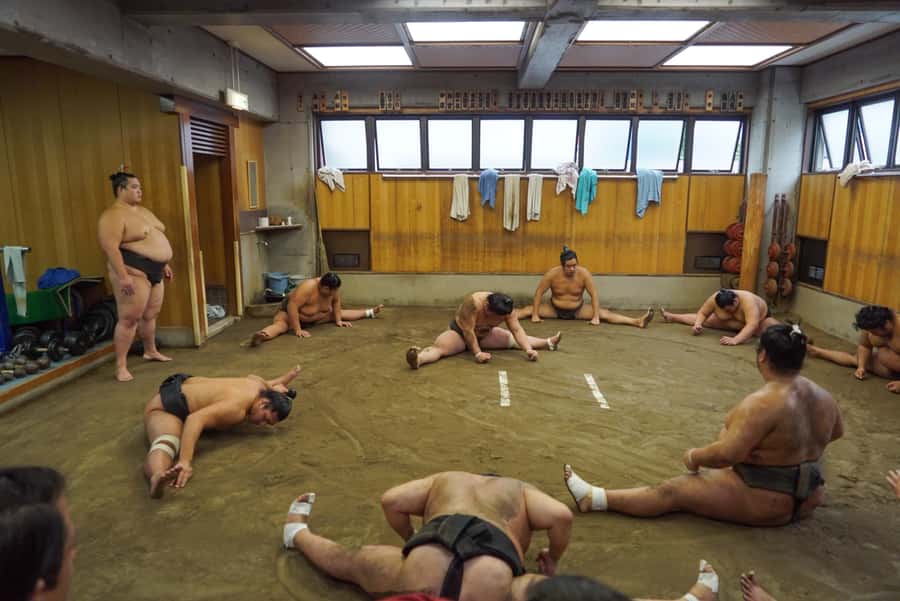
The guide is more than a person who leads you to the door. The explanations give the morning structure and help you read the action.
You learn about:
- Sumo rules: The guide explains how a match is won and what to watch for during training.
- Training methods: Repeated exercises and bouts make more sense when you know what each part is meant to develop.
- Wrestlers’ diet and daily life: The discussion gives you a better sense of how demanding the sumo lifestyle is.
- Rituals and customs: Small gestures and routines become easier to understand.
- Stable culture: You get an introduction to the traditions surrounding this old Japanese sport.
Past sessions have been led by guides including Marie, Kazu, Ken Take, Max, and others. Their strengths appear to vary by personality, but the best guide experience is clearly tied to someone who can answer questions as the practice unfolds. One useful improvement would be more time for questions about sumo history, since the short schedule can make the visit feel rushed.
If you already follow professional sumo, you may want to spend less time on basic rules and more time watching. If you are new to the sport, the visual cards and quizzes should give you enough background to follow the session without prior knowledge.
Other photography tours in Tokyo




Photos and contact after practice
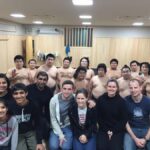
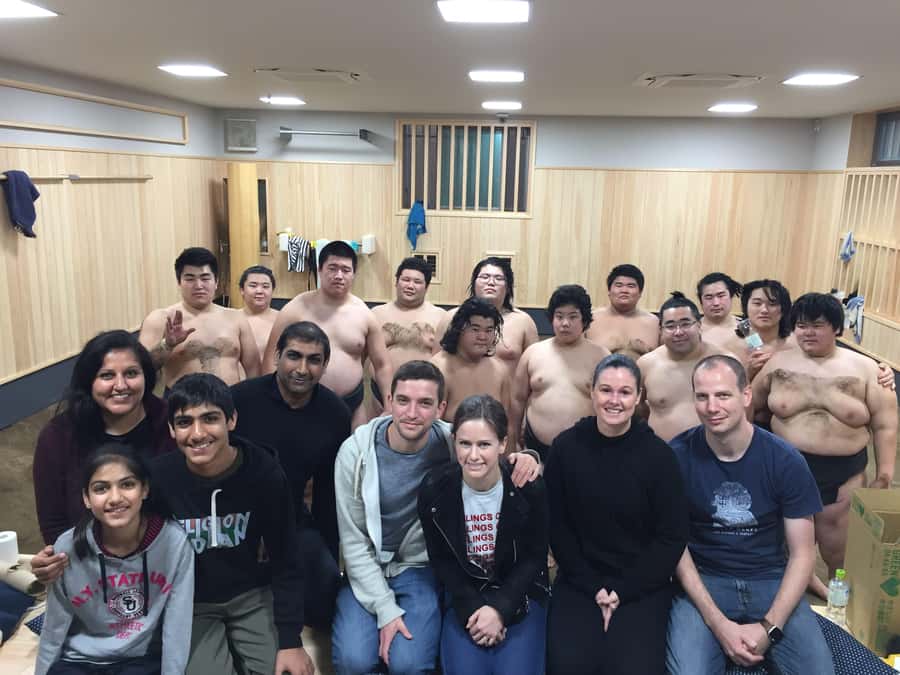
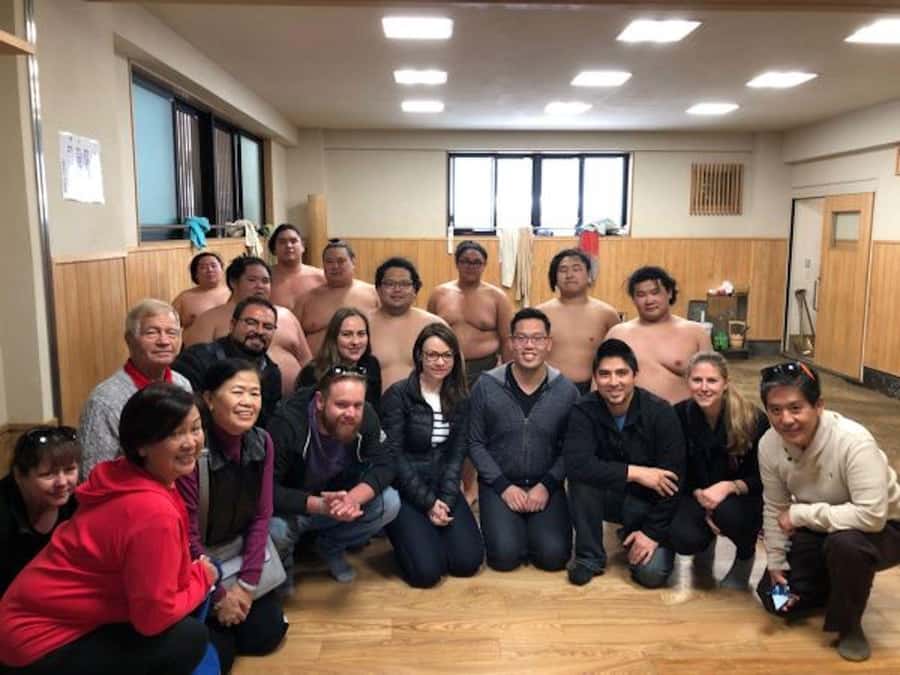
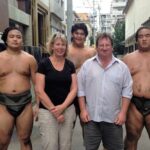
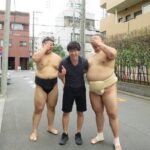
After training, there may be a chance to meet the wrestlers, speak briefly with them, and take photos. The package includes a photoshoot with sumo wrestlers at the end, but the practical wording matters: access depends on the stable’s rules and the wrestlers’ condition.
In some sessions, visitors took pictures with the coach and team. In others, the contact may be more limited. Photography can be restricted, and the stable can change what is allowed. Treat the photo as a welcome possibility rather than the main guarantee of the morning.
This is also a moment to be respectful. The wrestlers have just completed practice, and the stable remains their workplace. Follow the guide’s instructions about where to stand, when to approach, and what you may photograph.
The photos are a nice closing touch, especially if you want a memory of the visit. Still, the strongest part is watching ordinary training from close range. If you only want a picture with a famous athlete, this is not the right way to judge the experience.
Is $96 good value for two hours?
At $96 per person, this is not a cheap Tokyo activity. The price pays for access to a working sumo stable, a small group capped at 10, an English-speaking guide, entry, and the possible post-practice photos.
The value depends on your priorities. I think the price is fair for someone who wants an uncommon cultural experience and close viewing. It is harder to justify if you expect a full two-hour show, guaranteed wrestler interaction, or a long historical lecture.
The schedule says two hours, but the actual practice may last less than that. The remaining time includes meeting, explanation, moving through the stable, and possible photos. One session felt rushed because the practice was short, while another included roughly an hour and a half of quiet observation. That range is important when deciding.
Compared with attending a tournament, this is also a different purchase. A stadium match offers more formal competition and pageantry. This tour offers access and understanding. If you have already bought excellent tournament seats, the stable visit still adds a behind-the-scenes view. If you can choose only one, decide if you want the public contest or the private work that makes it possible.
Who will enjoy this most
This tour suits adults and children aged 12 or older who are curious about Japanese customs, physical training, and sports culture. You do not need to be a sumo expert. The guide provides the basic information needed to follow the morning.
I would especially recommend it to you if:
- You want to see sumo from much closer than a normal stadium seat.
- You prefer a small group to a large guided outing.
- You enjoy watching real daily activity rather than a staged display.
- You are willing to sit on the floor and follow strict rules.
- You want a guide to explain what you are seeing.
- You can handle uncertainty about the length of practice and the photo opportunity.
It is less suitable if you need accessible seating, cannot sit on tatami, are traveling with a child under 12, or have a tight schedule afterward. Some stables are not wheelchair or stroller accessible, and there is no same-day adjustment to the booking.
Dress for the weather, since the meeting and movement to the stable involve being outside. No extra fee is required. You can cancel up to 24 hours before the activity for a full refund, and reserve now while paying later, which helps if your Tokyo plans are still shifting.
A quiet, respectful look at Japanese sport
The best part of this experience is its lack of polish. You are not being handed a theme-park version of sumo. You enter a real stable, sit quietly, and watch the wrestlers train while the morning carries on around you.
That authenticity also brings limits. You cannot control the length of practice, demand a certain photo, or behave as if the stable were a public exhibition. The rules are part of the experience, not an inconvenience added afterward.
I like the balance of explanation and observation. The guide gives you enough information to understand the sport, then lets you watch. The strongest sessions seem to be the ones where the guide answers questions clearly without talking over the training.
Should you book the Oshiage sumo practice visit?
Book it if close access matters more to you than a guaranteed performance. The chance to watch wrestlers train from near the ring, learn the customs in plain English, and possibly take photos with the team is unusual in Tokyo.
Skip it if $96 feels high for a visit that may include less than an hour of practice, or if floor seating will be uncomfortable. Also skip it if your schedule cannot handle a canceled or shortened session.
For most first-time visitors who want a respectful look at sumo beyond the tournament arena, I would book it. Go with realistic expectations, arrive early at Oshiage Exit B3, use the restroom first, and think of the photos as a bonus. The real value is seeing the discipline and force of sumo before it reaches the public ring.
FAQ
Where does the sumo practice tour meet?
The meeting point is in front of the Oshiage taxi stop at ground level outside Exit B3 of Oshiage Station. You can see Tokyo Skytree and signs for Uniqlo, LIFE, and Sizzler from the meeting area.
How long does the experience last?
The scheduled duration is two hours. The actual practice may be shortened or canceled without notice, and the viewing portion can vary in length.
How close can I get to the wrestlers?
You watch practice from close range inside the stable, often near the ring. Seating and distance depend on the stable’s rules and the arrangement on the day.
Are photos with the sumo wrestlers included?
A photoshoot with sumo wrestlers is included, but the opportunity depends on the stable and the wrestlers’ condition. Photography may also be limited.
Is the tour suitable for children?
The tour is for people aged 12 and older. Children under 12 cannot join and will be denied entry without a refund.
Is seating provided?
You sit on tatami, and no chairs are provided. Seating is first come, first served, and groups may be split.
Is the tour wheelchair or stroller accessible?
Some stables are not wheelchair or stroller accessible. You should consider this limitation before booking.
Is there a restroom during the visit?
There are no restrooms during the tour. Use the restroom before the activity begins.
What happens if practice is canceled?
If the practice is canceled, a full refund is provided. The activity can also be canceled or shortened without notice, so avoid scheduling an important appointment immediately afterward.
More Morning in Tokyo


More Photography Tours in Tokyo
More Sumo Experiences in Tokyo

More tours in Tokyo we've reviewed



Sumo Experiences, compared.
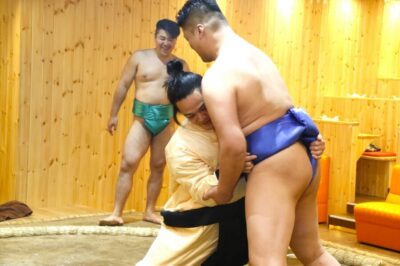 ★ 4.8Tokyo: Sumo Show Experience with Chicken Hot Pot and a PhotoFrom $1032 hours
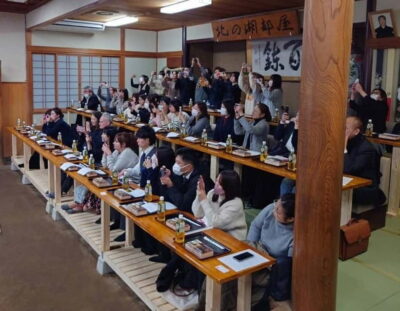 ★ 4.8Tokyo: Sumo Show and Dining ExperienceFrom $7990 minutes - 2 hours
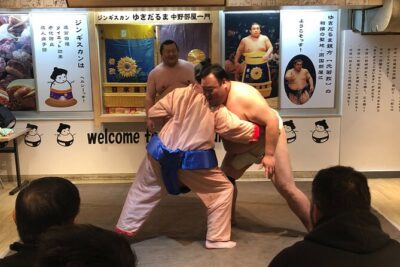 ★ 5.0the SUMO showFrom $89
 ★ 5.0Tokyo Sumo Entertainment Show with Chicken Hot Pot and PhotoFrom $106
 ★ 4.6Tokyo: Sumo Tournament Tour with Chair Seat TicketsFrom $141
 ★ 5.0Tokyo Grand Sumo Tournament Viewing Tour with TicketsFrom $124