Reviewed · PHOTOGRAPHY SESSIONS
Tokyo: Kimono Dressing, Walking, and Photography Session
Tokyo’s kimono culture feels most genuine when you leave the crowded sightseeing routes behind. This experience begins near Sendagi Station, in the Yanaka district, where Sayoko dresses you in a traditional silk kimono or summer yukata, then leads you through quieter streets to a shrine for photographs and a lesson in shrine manners.
In This Article
- Key details before you book
- Why Yanaka is a smart place for a kimono walk
- Choosing one of 50 kimonos before the day
- Dressing in a traditional Japanese home
- Walking with the kimono and upcycled umbrella
- At the shrine: photos, prayer, and local customs
- What you get from the standard iPhone photography
- Hair, makeup, and the tea ceremony extras
- Is $67 good value?
- Best seasons, group sizes, and practical planning
- Who should book this experience?
- Final verdict: a personal kimono experience with useful cultural context
- FAQ
- Where does the kimono experience take place?
- Who provides the experience?
- What type of kimono can I wear?
- When do I choose my kimono?
- Are photos included?
- Can I add hair, makeup, or a tea ceremony?
- Does the activity run when it rains?
- Do people who are not wearing a kimono need to be included in the booking?
I like two things right away: you choose from roughly 50 real kimonos before the day, and the tour teaches you how to walk, sit, pray, and handle the garment properly. The $67 price also includes the outfit, accessories, an upcycled kimono umbrella, and a large set of iPhone 14 Pro photos.
The main consideration is comfort. A kimono is fitted firmly, and the walk includes a hill and, according to one account, four flights of stairs at the dressing and tea ceremony location. Tokyo heat, humidity, rain, and restrictive clothing can make this more tiring than a simple photo stop.
Key details before you book
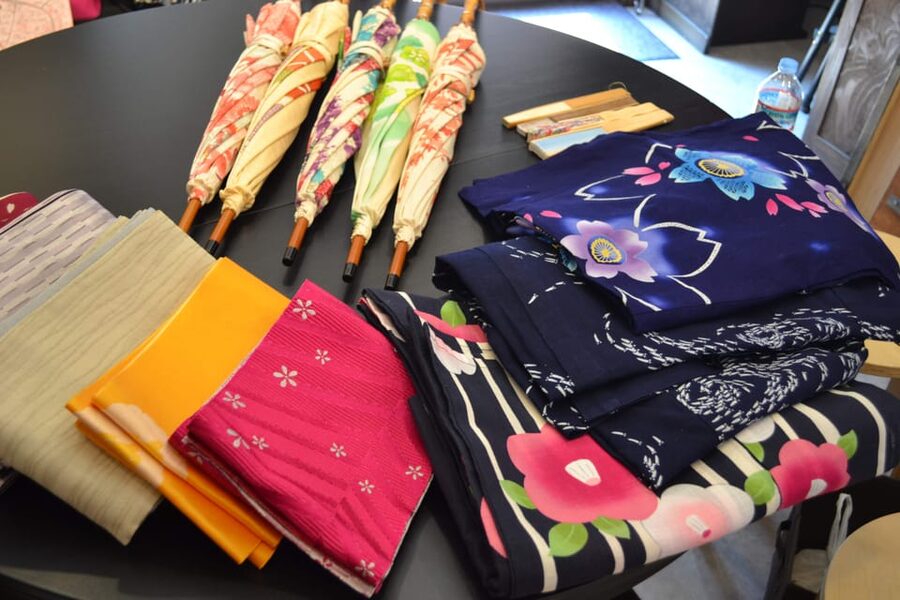
- Real silk clothing: You wear traditional silk kimono in winter or a cotton yukata in summer, not a costume made only for tourists.
- Yanaka setting: The route uses an older Tokyo neighborhood and a local shrine, giving you a quieter backdrop than the busiest temple districts.
- Sayoko’s guidance: She teaches walking, sitting, kimono etiquette, shrine prayer, and the meaning behind parts of the experience.
- Plenty of photos: The standard session uses an iPhone 14 Pro, and groups have received well over 100 images.
- Optional upgrades: Professional photography costs an additional JPY 13,000. Hair, makeup, and a tea ceremony are also extra.
- Rain or shine: The tour runs in all weather, with a plastic umbrella provided if needed.
Why Yanaka is a smart place for a kimono walk
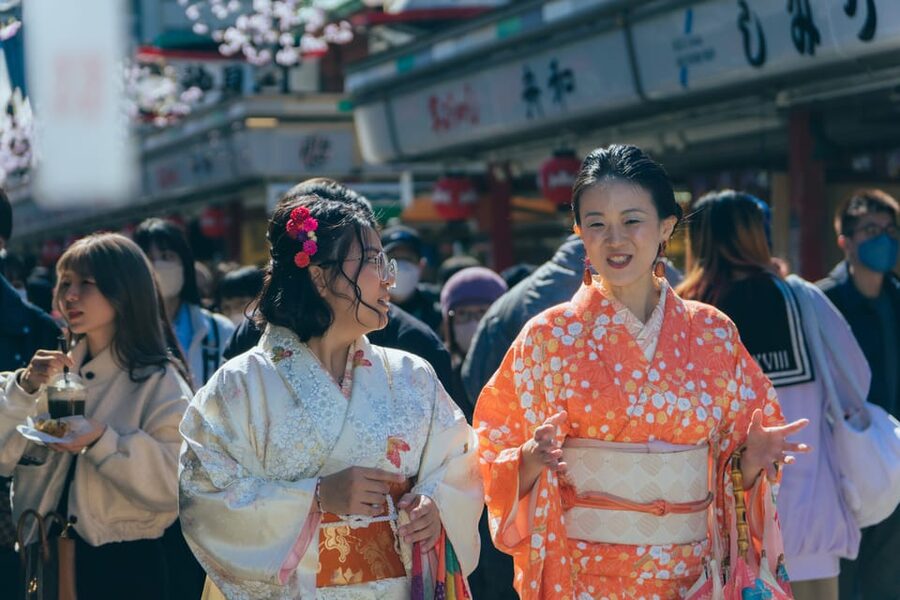
Yanaka gives this activity a useful sense of place. Rather than dressing up only inside a studio, you walk through an older part of Tokyo and visit a shrine. That changes the mood. You are not simply modeling clothing against a rented backdrop. You are learning how the clothing fits into everyday customs.
The neighborhood is also practical for photographs. The route includes quieter roads, traditional-looking surroundings, and a shrine park where Sayoko can work with different backgrounds. You avoid the problem of trying to pose in a packed sightseeing zone while people stream behind you.
That quieter setting matters if you feel self-conscious in front of a camera. Sayoko can direct your stance and pose, and you can check pictures before moving to another spot. Solo clients have also found the session comfortable, since the guide keeps the attention on helping you rather than making you feel awkward.
The activity ends where it begins, near the meeting point. The exact address is sent after booking, with photographs to help you find it. It is about a five-minute walk from Sendagi Station, but check your email or WhatsApp carefully, including the spam folder.
Other walking tours we've reviewed in Tokyo


Choosing one of 50 kimonos before the day
You do not arrive and grab whatever is left on a rack. After booking, Sayoko contacts you by email or WhatsApp and helps you select your kimono or yukata in advance. You must make your choice by the day before the session.
This is one of the strongest parts of the arrangement. You have time to think about color, pattern, season, and how the outfit will look in photographs. It also lets Sayoko prepare the correct size and accessories before you arrive.
The winter option is a silk kimono. In summer, the outfit changes to a yukata, a lighter cotton garment. The supplied information describes the clothing as authentic and traditionally produced, so you should expect a proper dressing process rather than a quick rental-shop change.
You also receive the necessary kimono accessories. Those details matter because a kimono is not just a robe tied around your waist. The layers, sash, and supporting pieces create the shape, and Sayoko handles the dressing step by step.
Tell the host about your preferences when you make contact. The information does not provide a full size chart or list of available patterns, so it is sensible to reply promptly with any fit concerns, color requests, or questions.
Dressing in a traditional Japanese home
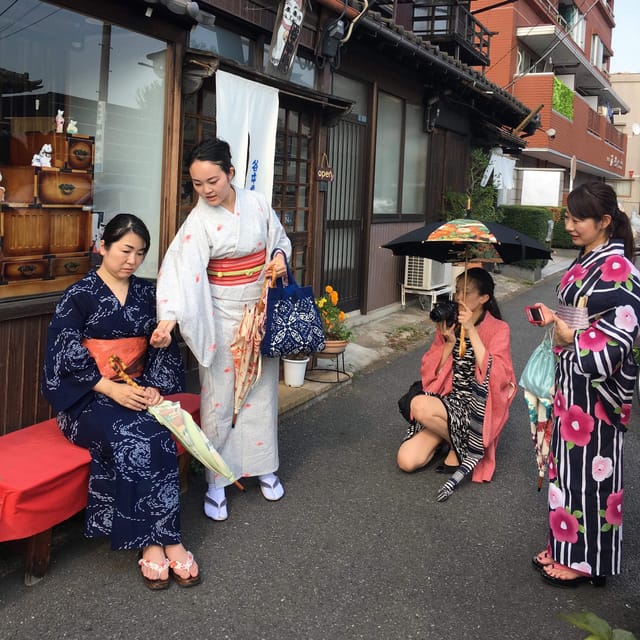
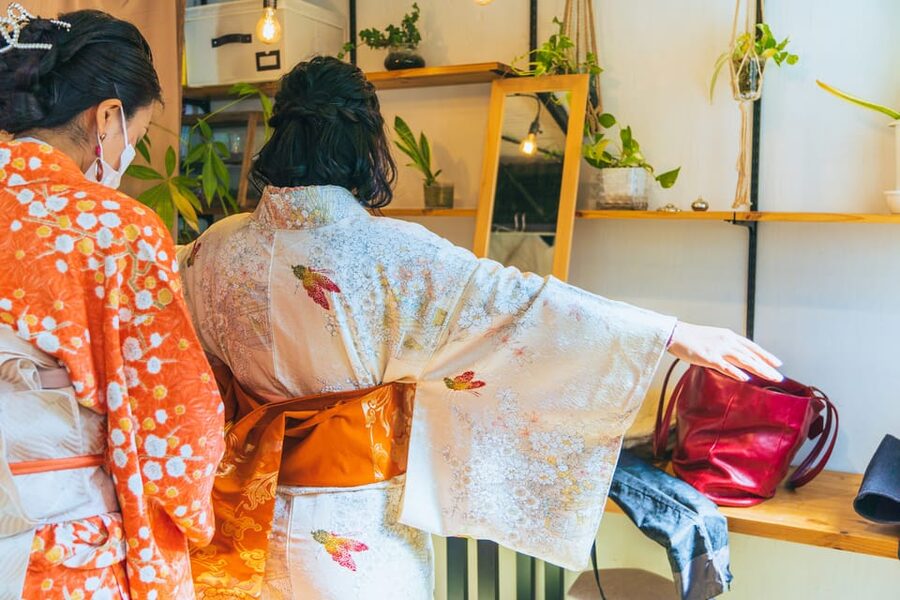
The dressing takes place at Sayoko’s home, described as having a typical Japanese atmosphere. This gives the opening part a more personal feel than a large commercial costume facility.
Expect the dressing to take time. Sayoko explains what she is doing and helps you into the layers carefully. That is valuable for first-time wearers because the garment can feel unfamiliar, especially around the waist and legs.
The clothing affects how you move. You take shorter steps, keep the fabric under control, and learn not to grab or scrunch the kimono carelessly. Sayoko also demonstrates how to sit down and how to carry yourself with more composure.
This instruction is not filler between photographs. It helps you understand why the clothing shaped traditional behavior. You leave with a better sense of the garment as clothing with rules and purpose, not just as a colorful costume.
Still, the fitting may not suit everyone. The outfit is secured snugly, and one very hot-day account makes clear that the experience can be demanding in Tokyo’s summer weather. If you dislike tight clothing or tire easily, consider the season and your own comfort before booking.
Walking with the kimono and upcycled umbrella
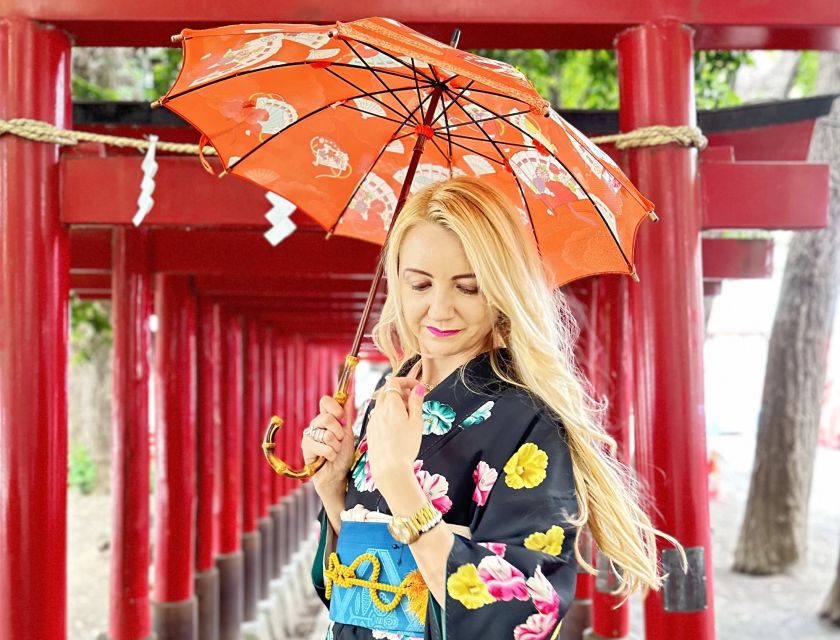
Once dressed, you walk with Sayoko through Yanaka toward the photographic locations. The walk is part of the lesson. You learn how to take measured steps and how to manage the hem and sleeves.
AKIZAKURA supplies a kimono upcycling umbrella as part of the outfit. It is more than a practical prop in the photographs. The activity connects it with the idea of reusing traditional kimono fabric, giving the accessory a clear purpose within the experience.
If rain arrives, the tour still operates. A plastic umbrella is provided, so you do not need to cancel simply because the forecast looks poor. Rain can complicate hair, makeup, and footwear, but Sayoko has continued taking photographs in wet conditions.
The route is not described as a long city walk, but there is a hill on the way to the shrine. One account also notes four flights of stairs at the dressing and tea ceremony site. That makes this a better fit for people who can walk and climb comfortably than for anyone managing a knee or leg injury.
At the shrine: photos, prayer, and local customs
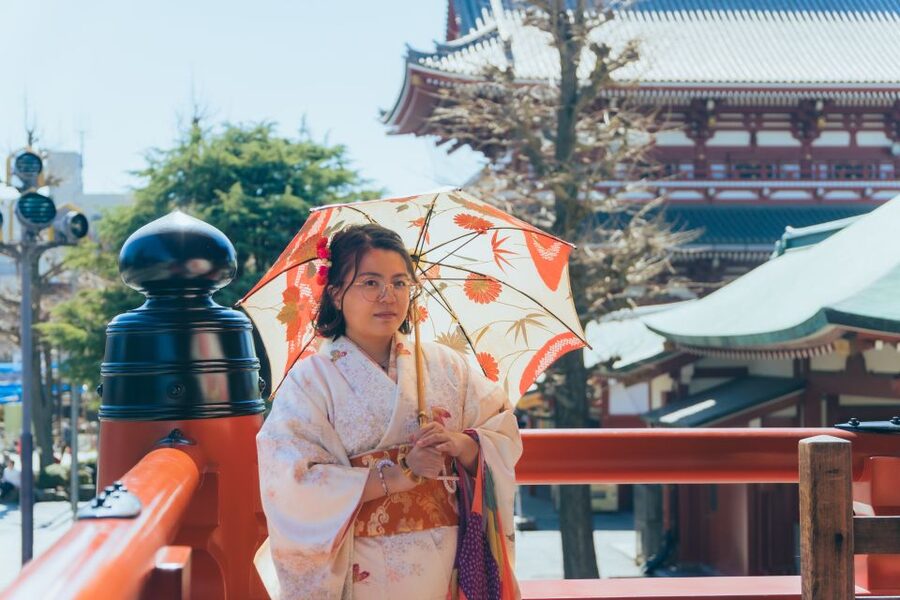
The shrine visit gives the tour its cultural center. Sayoko explains shrine etiquette and can show you how to pray and make a wish. You may also learn the customary sequence involving bows and clapping.
This is a small lesson, but it changes how you use religious sites in Japan. Instead of treating the shrine as a decorative photo background, you learn how to enter the space with respect.
The shrine setting is generally less crowded than Tokyo’s best-known photo areas, according to the supplied experience details. That helps with portraits, especially if you want pictures that feel calm and personal rather than hurried.
Sayoko suggests poses and photographs you at several scenic points. You are not left to guess what to do with your hands, where to look, or how to arrange the kimono. At the same time, the session allows your own ideas, so the images need not all look stiff or formal.
The stop is especially good for families and couples. A mother and daughter can pose together, and small groups can receive many combinations of individual and group photos. Children under two are not charged, but everyone else accompanying the tour must be included in the booking even if they do not wear a kimono.
Other photography tours in Tokyo



What you get from the standard iPhone photography
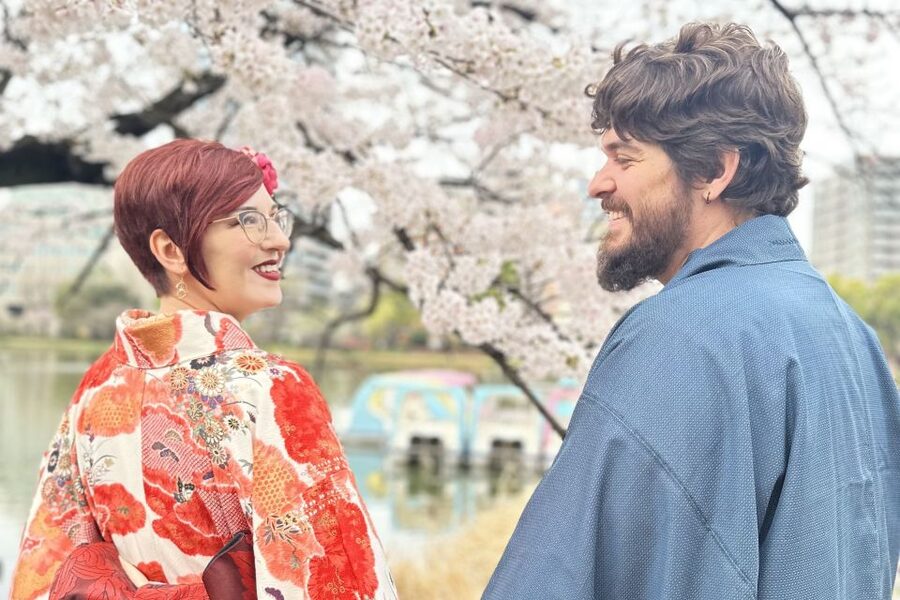
The included photography uses an iPhone 14 Pro. Do not assume this means a handful of casual snapshots. The activity is built around taking many images from different angles and locations.
One group of three received more than 230 photos, and another person received 190. The exact number will vary, but the approach is generous. Sayoko also lets you look at pictures during the session, which gives you a chance to request a different pose or repeat an image before leaving the spot.
The quality depends heavily on direction and light, not just the device. Sayoko works out the pose, framing, and location, and the results can look polished even without a separate camera crew. Digital delivery can be convenient too. One person received the photos by AirDrop.
If photographs are the main reason you are booking, you can pay JPY 13,000 more for a professional photographer. That option makes sense for a special anniversary, a formal family portrait, or anyone wanting camera-based images rather than phone photographs.
I would not treat the upgrade as essential for a normal holiday memory. The included iPhone session provides a large number of images and is already central to the $67 package. Choose the professional option when the final photographs matter more than keeping the price low.
Hair, makeup, and the tea ceremony extras
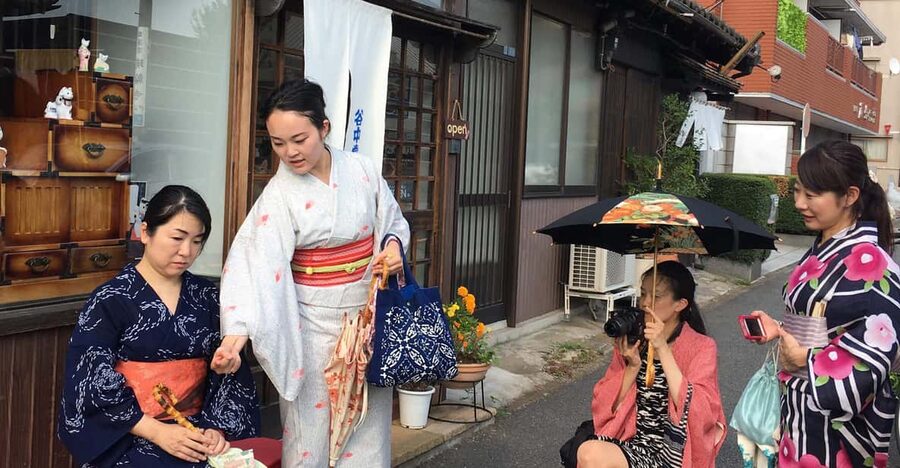
Hair and makeup are not included in the base price, but Sayoko can arrange them as add-ons. This can make a real difference in the finished images, particularly if you want a more formal traditional appearance.
Allow extra time if you add these services. The supplied details do not give a set duration or price for hair and makeup, so confirm the cost and schedule directly before the day.
A tea ceremony can also be added. This gives the experience another traditional element and provides more than a photo prop. You get a chance to slow down and learn through a structured custom rather than moving straight from dressing to walking.
The extras can push the total well beyond $67. For a first visit to Tokyo, I would book the basic session if your main goals are wearing a kimono, visiting the shrine, and getting good photos. Add hair, makeup, tea, or professional photography when you are marking a major occasion or want a fuller half-day cultural package.
Is $67 good value?
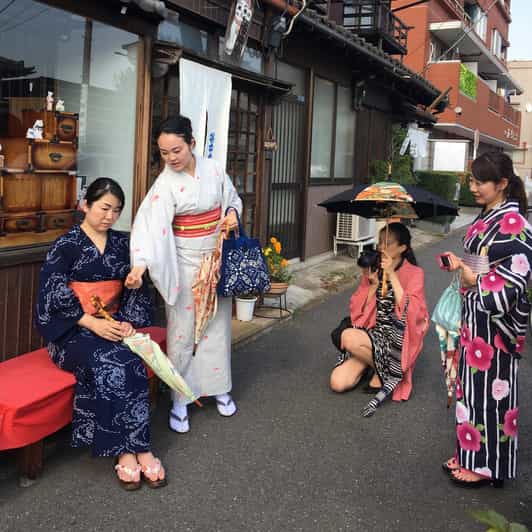
At $67 per person, the base price is fair for what is included. You receive the kimono or yukata, all accessories, the upcycled umbrella, the guided walk, shrine instruction, and photography with an iPhone 14 Pro.
The real value comes from the personal guidance. A standard clothing rental may give you an outfit and a time limit, but here you learn how to move in it and receive help posing. You also avoid paying separately for a photographer if phone images meet your needs.
The price is less attractive if you only want to wear a kimono for a few quick pictures. The process takes more effort than a basic rental, and you must coordinate your outfit in advance. This is best understood as a cultural activity with photographs, not simply a photo booth session.
Every person attending must be booked and charged, apart from children under two. That rule matters for families. A partner who does not dress in a kimono still counts as part of the group.
You can reserve now and pay later, and cancellation is allowed up to 24 hours before the activity for a full refund. The date, time, location, and number of participants may also be customized by contacting AKIZAKURA.
Best seasons, group sizes, and practical planning
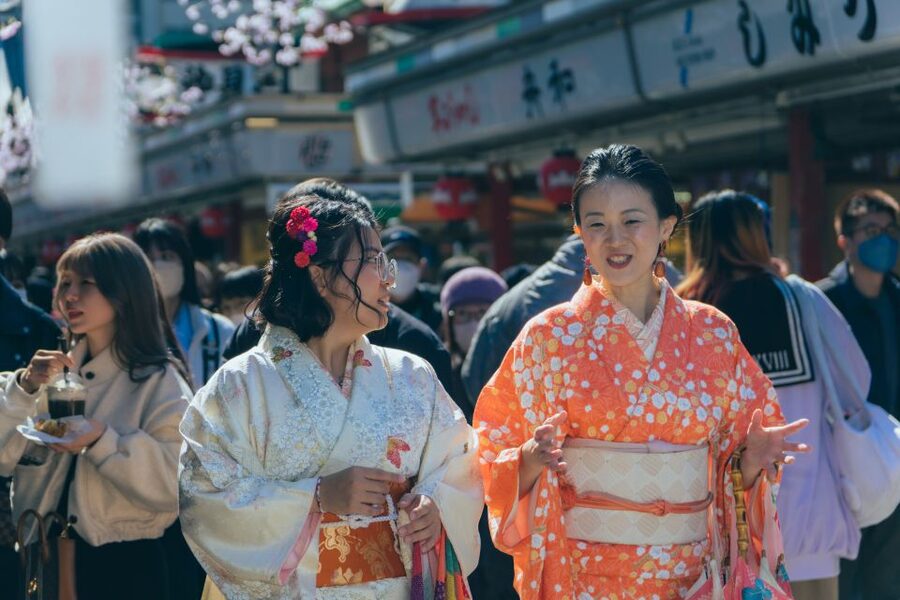
Winter is likely the easier season for long sleeves and layered clothing, though the supplied information does not promise a particular winter temperature or tour length. Summer uses a cotton yukata, but Tokyo heat and humidity can still make the dressing and walk strenuous.
Rain does not cancel the experience. Bring a practical attitude about wet ground, damp hair, and less predictable photographs. The supplied plastic umbrella helps with cover, while the kimono upcycling umbrella remains part of the presentation.
This activity works for solo visitors, couples, families, and small groups. Sayoko’s direction is useful if you rarely pose for photographs, and her English and Japanese language ability makes the cultural explanations accessible to English-speaking participants.
I would schedule it when you are not rushing to another fixed appointment. You need time to reach Sendagi, select and put on the clothing, walk to the shrine, take photographs, and return to the meeting point. The exact duration is not provided, so ask before booking if your day is tightly planned.
Who should book this experience?
Book it if you want more than a rental costume. The strongest reasons are the real silk clothing, the careful dressing, the lesson in kimono behavior, and the quieter Yanaka setting.
It is particularly well suited to couples, parent and child pairs, solo visitors who want guided photographs, and anyone interested in the customs behind a shrine visit. You do not need to be an experienced model. Sayoko directs your poses and helps you feel comfortable.
Think twice if you dislike fitted clothing, have trouble with stairs or hills, or want a completely weather-proof activity. Also check the extra charges before selecting hair, makeup, tea, or a professional photographer.
Final verdict: a personal kimono experience with useful cultural context
I would recommend this for visitors who want photographs that carry a story. You dress in real traditional clothing, learn how to behave in it, walk through an older Tokyo district, and visit a shrine with someone who can explain what you are seeing.
The $67 base price keeps the activity reasonable, especially because it includes the clothing and photo session. The best way to keep the value strong is to use the included iPhone photography and add paid services only if this is a special event.
Book it when you want a slower, more personal afternoon in Tokyo. Skip it if you only want a quick change of clothes and a few snapshots, or if heat, stairs, and rain would spoil the experience for you.
FAQ
Where does the kimono experience take place?
The activity begins near Sendagi Station in Tokyo’s Yanaka district. The meeting point is about a five-minute walk from the station, and the precise location is sent after booking.
Who provides the experience?
AKIZAKURA provides the activity. Sayoko is the guide who handles the dressing, cultural explanations, walking instruction, shrine visit, and photography.
What type of kimono can I wear?
In winter, you can wear a traditional silk kimono. In summer, the outfit is a cotton yukata. You can choose from more than 50 kimonos or yukata before the tour.
When do I choose my kimono?
You must choose your outfit by the day before the activity. After booking, Sayoko contacts you by email or WhatsApp to help with the selection.
Are photos included?
Yes. The standard experience includes photography with an iPhone 14 Pro. A professional photographer can be arranged for an additional JPY 13,000.
Can I add hair, makeup, or a tea ceremony?
Yes. Professional hair, makeup, and tea ceremony services are available for extra fees. Confirm the additional prices and timing with the provider.
Does the activity run when it rains?
Yes. The tour operates rain or shine. A plastic umbrella is provided if it rains.
Do people who are not wearing a kimono need to be included in the booking?
Yes. Everyone accompanying the tour must be booked and charged, even if they will not wear a kimono. Children under two are the exception.
More Photography Tours in Tokyo
More Walking Tours in Tokyo

More tours in Tokyo we've reviewed












Photography Sessions, compared.
 ★ 5.0Best Go Kart Experience in Shibuya Crossing with Iconic PhotosFrom $106
 ★ 4.8Tokyo Go-Karting Experience: Shibuya Crossing with PhotosFrom $901 hour
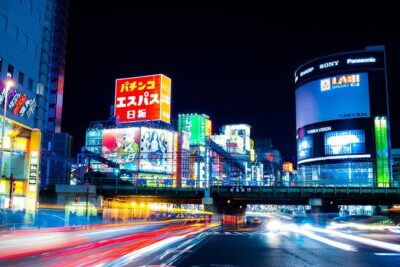 ★ 5.0Tokyo Cyberpunk Street Photo TourFrom $184
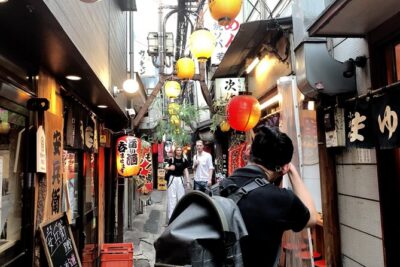 ★ 5.0Tokyo by Night Photography Tour (Private Option Available)From $105
 ★ 4.8Tokyo: Exclusive Access to Sumo Morning Practice with PhotosFrom $962 hours
 ★ 4.7Tokyo: Sumo Practice Tour with Ring-Side Seat and PhotoshootFrom $962 hours
![[1 Group Only] Explore Tokyo Ginza Food Tour for Family - Ginza after dark, from local lanes to luxury streets](https://tokyoezine.com/wp-content/uploads/2026/08/1-group-only-explore-tokyo-ginza-food-tour-for-family.jpg)