Reviewed · TOKYO FOOD TOURS
Asakusa Historical And Cultural Food Tour With A local Guide
Asakusa gives you old Tokyo in a compact, walkable package, with temple gates, snack stalls, craft shops, and the scent of grilled food around every turn. This four-hour tour ties the sights to local dishes, so you see Sensō-ji Temple and taste the neighborhood rather than simply passing through it.
In This Article
- Key points to know
- Why Asakusa works so well for a food walk
- Meeting at the Asakusa Culture Tourist Information Center
- Nakamise Street: shopping with a snack in hand
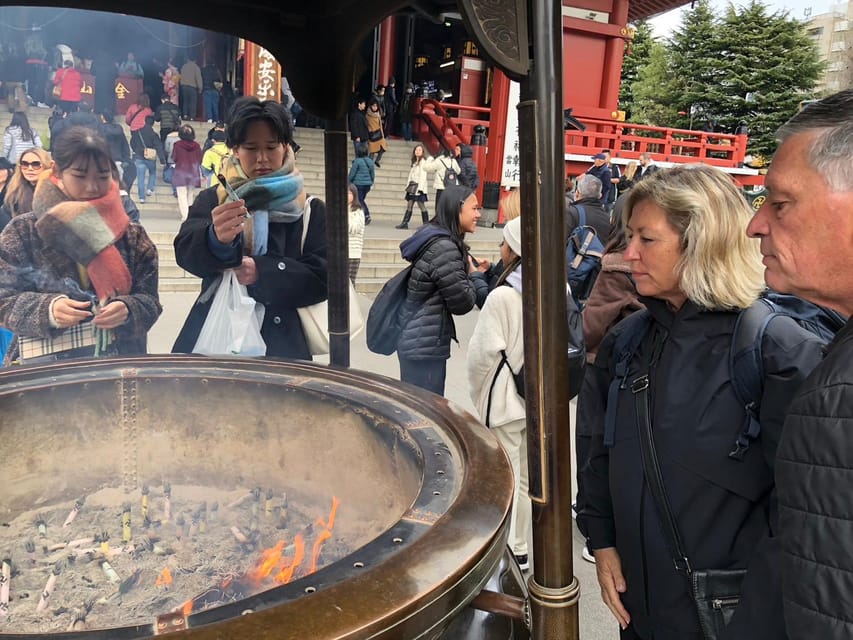
- Sensō-ji Temple and the meaning of the setting
- Asakusa Shrine: a quieter change of pace
- The Asakusa food lineup
- Hanayashiki and old-fashioned Asakusa
- Tokyo Skytree: know what is and is not included
- What the $180 price really buys
- Who will enjoy this four-hour route
- Booking flexibility and basic planning
- Should you book the Asakusa food tour?
- FAQ
- Where does the Asakusa food tour start?
- How long does the experience last?
- What language is the guide?
- How large is the group?
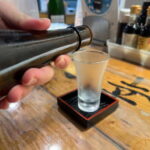
- What food and drinks are included?
- Is alcohol included?
- Is Tokyo Skytree admission included?
I like the small group of up to 10 people, which gives a guide room to answer questions, and I like the broad food lineup, from sushi and tempura to dango and daifuku. The main consideration is price: at $180 per person, you are paying for guidance, several tastings, and convenience, not just a walk through Asakusa.
Key points to know
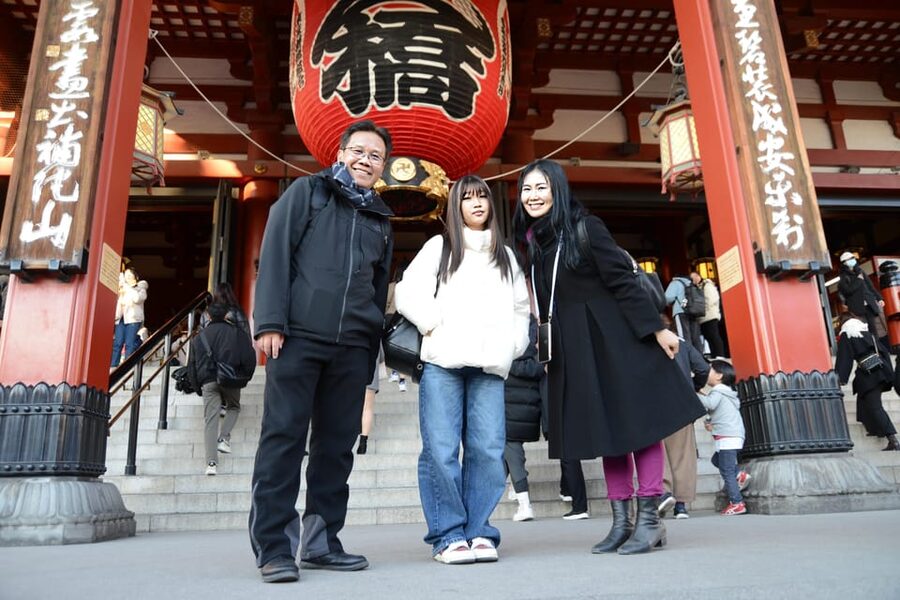
- Four hours on foot: The route covers Nakamise Shopping Street, Sensō-ji Temple, Asakusa Shrine, the tourist information center, and Hanayashiki.
- Food is part of the tour: Beef, sushi, tempura, snacks, desserts, two soft drinks, and water are included.
- A group capped at 10: You get a more personal experience than on a large sightseeing coach.
- English and Japanese guides: The tour is offered with live guidance in either language.
- A strong first-day Tokyo choice: The meeting point is easy to identify at the Asakusa Culture Tourist Information Center.
- Tokyo Skytree is part of the wider story: You may hear about or view the tower, but no Skytree admission or dedicated tower visit is listed in the route.
Why Asakusa works so well for a food walk
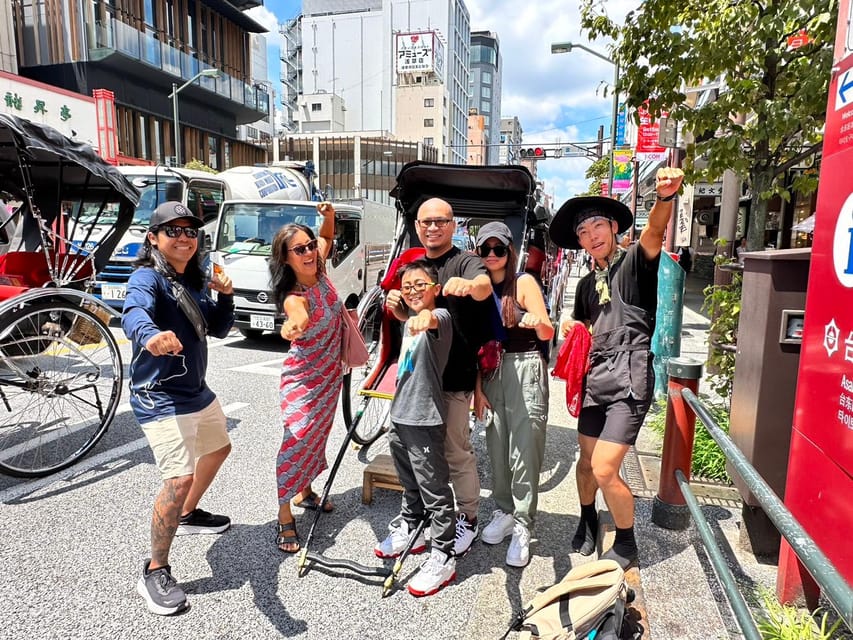
Asakusa is one of the best parts of Tokyo for seeing several sides of the city without spending the day on trains. You have a major Buddhist temple, a long shopping street, old-style amusement rides, a neighborhood shrine, and food stalls all within a fairly small area.
That compact setting matters. You do not spend half the tour changing stations or riding across town. Instead, the guide can explain how each place connects to the next, then point out something edible along the way.
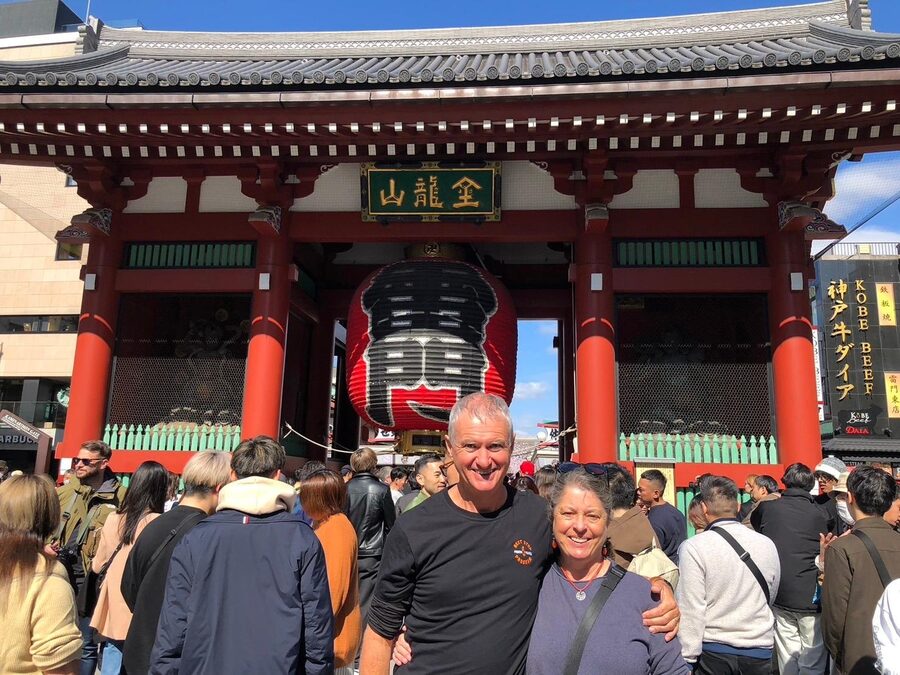
Nakamise Shopping Street leads toward Sensō-ji and is lined with shops selling snacks, souvenirs, and traditional crafts. It can be crowded, so you should expect a lively pedestrian route rather than a quiet stroll. The reward is variety: you can browse local specialties, watch the flow toward the temple, and stop for small tastes instead of committing to one large meal.
This is also a useful introduction to Japanese food if you are unsure where to start. Sushi and tempura are familiar names, but dango and daifuku may be less familiar. A guide can help you understand what you are eating and how these sweets fit into the local food scene.
A few more Tokyo tours and experiences worth a look

Meeting at the Asakusa Culture Tourist Information Center
The tour begins and ends at the Asakusa Culture Tourist Information Center, at 2-chōme-18-9 Kaminarimon, Taito City, Tokyo 111-0034. That gives you a clear base in the heart of the district and avoids the uncertainty of trying to find a small shop or side street.
I would arrive with comfortable shoes and a little time to orient yourself. Four hours of walking, shopping, temple visits, and food stops can feel full, even though each listed section is planned for about 30 minutes.
The center also appears twice in the route, first as the meeting point and later as a visit and return point. In practical terms, you should not expect a long indoor museum visit there. It functions mainly as a recognizable local base, with the tour moving out into the surrounding streets.
The guide speaks English or Japanese, and the group is limited to 10 participants. That is a useful size for a market walk. You can hear explanations without the guide needing to use a microphone, and the group can pause at food stalls without taking over the street.
Nakamise Street: shopping with a snack in hand
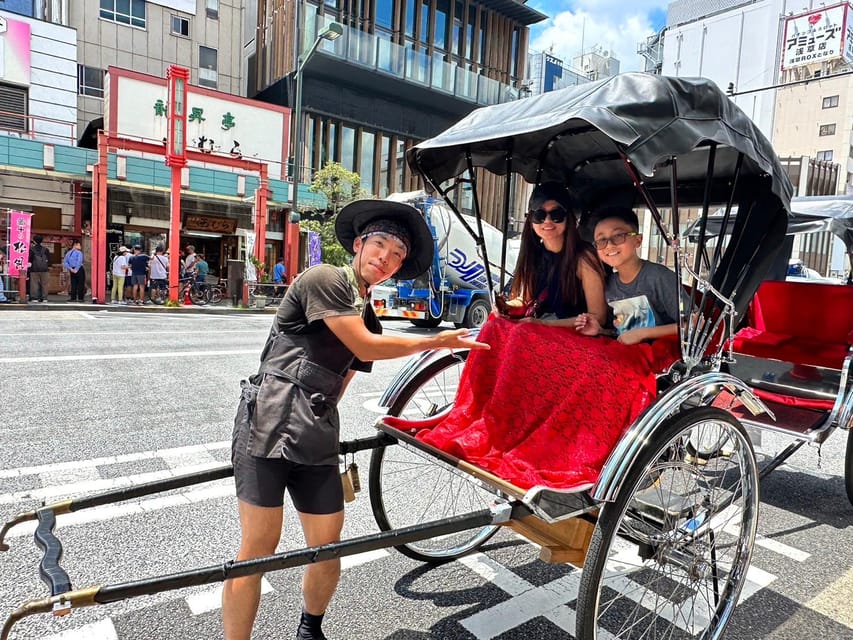
The first major stop is Nakamise Shopping Street, with about 30 minutes set aside for shopping. This approach makes sense because Nakamise is not just a passage to the temple. It is part of the Asakusa experience.
You will find traditional craft shops and food stalls along the route. The shopping time is short enough to keep the tour moving, but long enough to notice the range of goods and try something small.
The practical catch is that half an hour will not let you examine every shop. If you already know you want souvenirs, make a note of anything that catches your eye and return after the tour. The tour is designed for an overview with food, not a dedicated shopping expedition.
The food stops are an important reason to take this walk rather than visit Nakamise on your own. A local guide can steer you toward the items included in the experience and explain which sweets or snacks are associated with the area. The tour includes dango and daifuku among the dessert possibilities, along with other snacks.
Sensō-ji Temple and the meaning of the setting
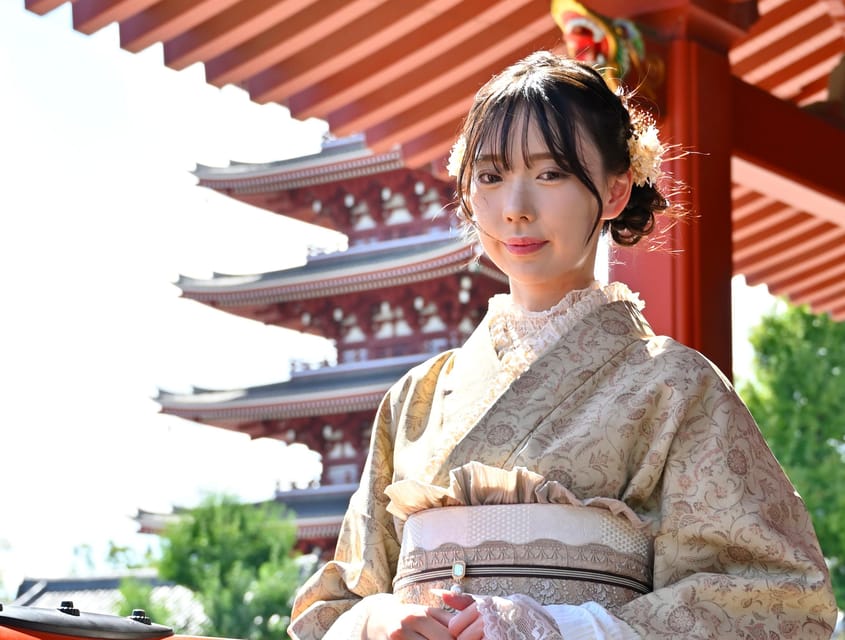
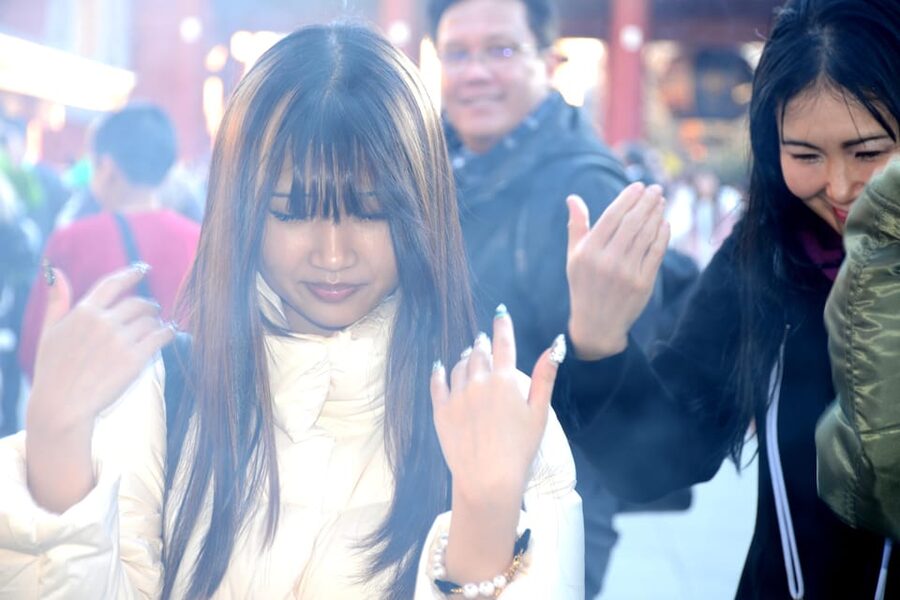
Sensō-ji is the first major sightseeing stop and one of Tokyo’s most visited Buddhist temples. Its age and fame can make it feel like a standard checklist item, but the setting gives the tour its center.
You arrive through the Asakusa district, pass along Nakamise, and reach the temple after seeing the commercial side of the neighborhood. That contrast is useful. The shopping street is colorful and practical, while the temple offers a more reflective stop amid the movement of the district.
About 30 minutes is scheduled here. That is enough for an introduction and a look around, but not a lengthy study of every building or religious detail. If you want extensive time for photographs, quiet observation, or personal worship, you may need to return on your own.
Keep your expectations realistic. This is a food and culture walk, not a specialist temple tour. The guide’s value is in placing Sensō-ji within Asakusa’s wider character, then keeping the group moving to the next stop.
Asakusa Shrine: a quieter change of pace
The route continues to Asakusa Shrine for another 30-minute sightseeing stop. Its inclusion helps prevent the tour from becoming only a temple-and-shopping loop.
You can use this part of the tour to compare the atmosphere of a Buddhist temple with a Shinto shrine. The experience does not require prior knowledge. Your guide can provide the basic context while you take in the setting and learn how both religious traditions appear in everyday Japanese life.
As with Sensō-ji, half an hour is a measured introduction. You are not being promised an extended religious history lesson or a long period of independent exploration. The value comes from seeing another important site within the same neighborhood and understanding that Asakusa has more than one famous landmark.
A few more Tokyo tours and experiences worth a look



The Asakusa food lineup
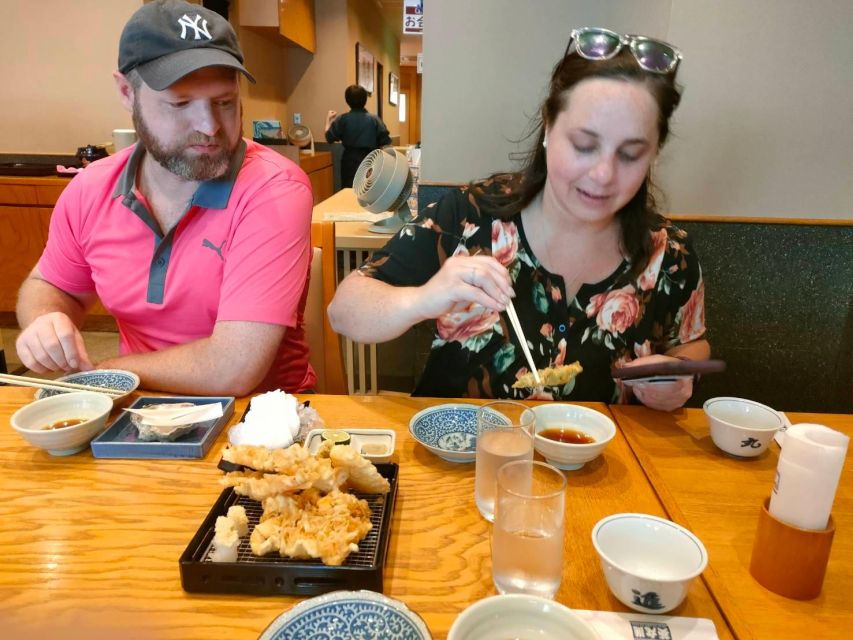
Food is the tour’s main selling point, and the included list is generous in range. You receive beef, sushi, tempura, snacks, desserts, two soft drinks, and water. Alcohol is not included, though you can buy alcoholic drinks separately.
The exact portion sizes and restaurant or stall locations are not specified, so I would think of this as a series of tastings rather than a formal multi-course lunch. That distinction matters when judging the $180 price. You are paying for several samples and a guided experience, not necessarily a full restaurant meal.
The variety should suit a first visit. Sushi gives you a familiar Japanese staple, tempura brings a hot fried dish, and beef adds something more substantial. Dango and daifuku supply the sweet finish, with textures that are quite different from typical Western desserts.
I also like the mix of planned food and street atmosphere. You are not confined to one dining room for four hours. You walk between sights, stop for local foods, and see how eating fits into the district.
If you have allergies, dietary restrictions, or strong dislikes, ask before booking or at the start of the tour. The supplied details do not promise vegetarian, vegan, halal, kosher, or allergy-free substitutions. The listed menu includes beef, seafood-based sushi may be possible, and tempura, so you should not assume the food will fit every diet.
Hanayashiki and old-fashioned Asakusa
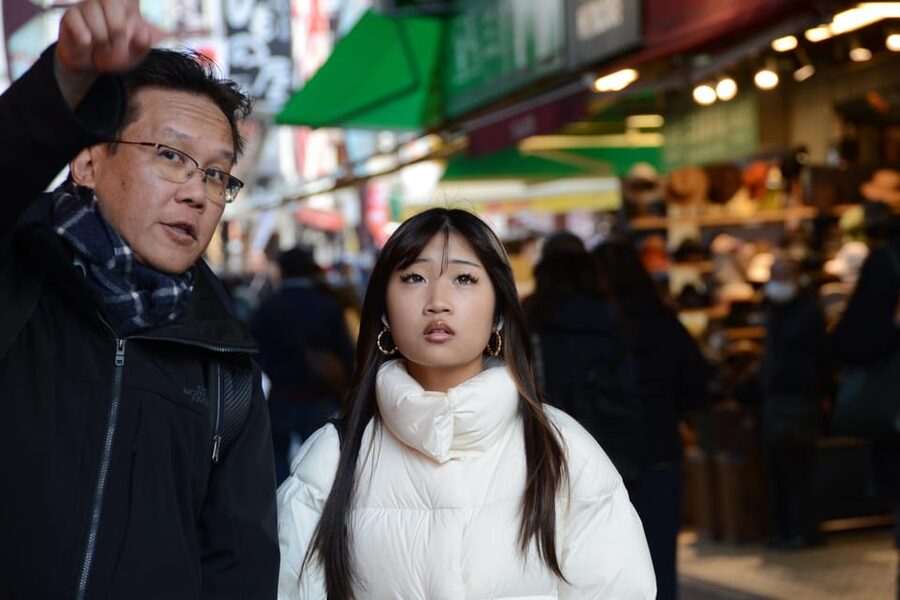
Hanayashiki Amusement Park adds an unexpected note to the route. The park dates to the mid-19th century and includes rides and cafés, giving Asakusa a playful side beyond temples and food stalls.
The scheduled visit includes sightseeing and walking for about 30 minutes. That is enough to see the area and understand why it belongs on a neighborhood tour, but it is not a full amusement-park outing. No ride ticket is listed as included, so do not book this experience expecting a dedicated afternoon of rides.
For me, this stop makes the route feel more local and less like a list of major monuments. Asakusa is not frozen in the past. Traditional shops and religious sites share space with entertainment, cafés, and modern city life.
Tokyo Skytree: know what is and is not included
The tour description also points to Tokyo Skytree, the 634-meter tower with 360-degree views over the city. That is a striking part of the Asakusa area, especially when you want a sense of Tokyo’s scale.
Still, the listed four-hour route does not include a separate Skytree visit or observation-deck ticket. You should treat the tower as part of the area’s visual context or as an optional idea for later, not as a guaranteed included stop.
If you want to visit Skytree, plan it separately and check the timing of your day. This walking tour returns to the Asakusa Culture Tourist Information Center, so you can arrange another activity before or after it, but admission and transportation are not part of the stated package.
What the $180 price really buys
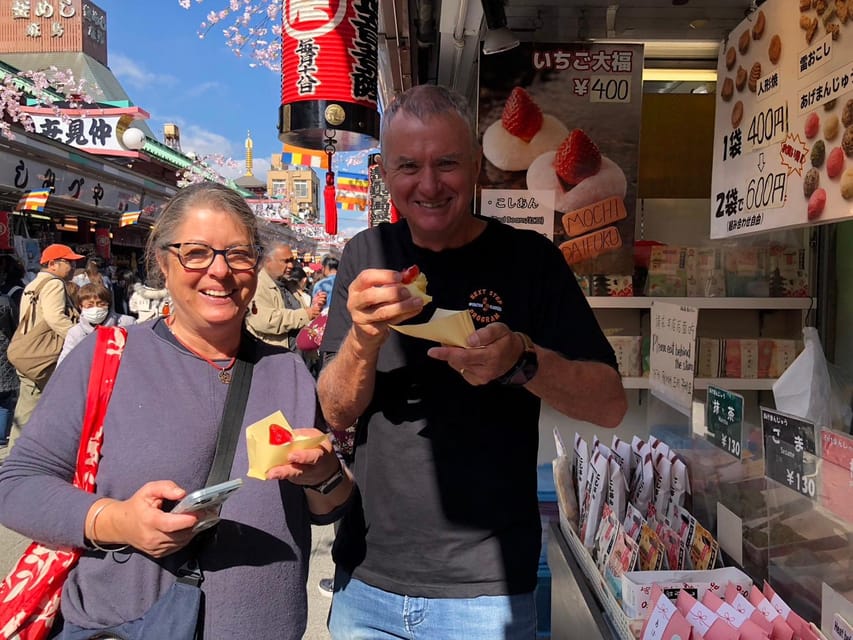
At $180 per person, this is not a budget food stroll. The value depends on how much help you want in a busy district and how many of the included tastings you would otherwise arrange yourself.
The price includes four hours with a local guide, a small group, several food categories, snacks, desserts, two soft drinks, and water. You also receive a structured route through the district rather than needing to research temple etiquette, food stops, and neighborhood sights on your own.
I think the price makes the most sense for a first visit, especially if you want an organized introduction and prefer not to guess what to order. It is less compelling for a confident independent eater who already knows Asakusa and mainly wants a cheap meal.
A five-star rating from three verified bookings gives the tour a strong early signal, though it is a small sample. One detailed booking praised Adam for being on time, polite, and full of useful insight. That tells me punctuality and personal explanation have been important strengths on at least one recent departure, but guide assignment can vary.
Who will enjoy this four-hour route
This experience suits you if you want a guided first look at Asakusa, enjoy sampling several foods, and are happy to walk between stops. Couples, solo visitors, families with older children, and small groups of friends could all find the format easy to use.
It is especially useful early in a Tokyo stay. After four hours, you will know where Sensō-ji, Nakamise, Asakusa Shrine, Hanayashiki, and the tourist information center are located. You can then return to the places that deserve more time.
You may want a different experience if you need a slow temple study, a full restaurant meal, extensive shopping time, or a dedicated Tokyo Skytree visit. The route covers many subjects quickly, so its strength is range rather than long stays at one sight.
Wear shoes suitable for four hours of walking. Keep your spending money separate for souvenirs and alcohol, since those are not included. You should also leave room in your schedule if you want to shop after the guided portion.
Booking flexibility and basic planning
You can cancel up to 24 hours before the activity for a full refund. You can also reserve now and pay later, which helps if your Tokyo plans are still changing.
The tour lasts four hours, but starting times depend on availability. Check the selected date carefully and use the exact meeting address rather than simply searching for Asakusa.
The live guide language is English or Japanese, and the maximum group size is 10. Those details are worth checking before payment, particularly if you are choosing the tour because you want English explanations or a small group.
Should you book the Asakusa food tour?
Book it if you want temples, shopping, street food, and neighborhood context in one organized morning or afternoon. The route is broad, the food list covers both savory dishes and sweets, and the small group gives the guide a fair chance to make the experience personal.
At $180, I would not choose it solely for the meal. Choose it for the combination of food, orientation, and local guidance, especially if Asakusa is new to you. If you already know the district and are comfortable ordering on your own, you may get better value by exploring independently and spending the difference on a meal or Skytree ticket.
FAQ
Where does the Asakusa food tour start?
It starts at the Asakusa Culture Tourist Information Center, located at 2-chōme-18-9 Kaminarimon, Taito City, Tokyo 111-0034, Japan.
How long does the experience last?
The walking tour lasts four hours.
What language is the guide?
Live guidance is available in English or Japanese.
How large is the group?
The tour is limited to 10 participants.
What food and drinks are included?
The experience includes beef, sushi, tempura, snacks, desserts, two soft drinks, and water.
Is alcohol included?
No. Alcoholic drinks are not included, but they are available to purchase.
Is Tokyo Skytree admission included?
No Skytree admission or dedicated tower visit is listed as part of the tour. The tower is mentioned as part of the broader Asakusa experience.
More Food Experiences in Tokyo
More Tokyo Food Tours in Tokyo
More Asakusa Tours in Tokyo
More tours in Tokyo we've reviewed




Tokyo Food Tours, compared.
 ★ 5.0Tokyo: Shinjuku Food Tour (13 Dishes at 4 Local Eateries)From $86
 ★ 4.9Tokyo: Shinjuku Food Tour (13 Dishes and 4 Eateries)From $97
 ★ 5.0Tokyo Night Foodie Tour in Shinjuku – Seasonal Sushi, Wagyu BeefFrom $111
 ★ 5.0Eat and Drink Like a Local: Tokyo Ueno Food Tour-Taverns&RamenFrom $95
 ★ 5.0Tokyo: Shibuya Food Tour (13 dishes and 4 Eateries)From $77
Tokyo: Shinjuku Food Tour – 15 Dishes, 3 Drinks, 4 EateriesFrom $723 hours