Reviewed · KAMAKURA & ENOSHIMA DAY TRIPS
Kamakura Temples Private Guided Tour from Tokyo
Kamakura packs temples, a giant bronze Buddha, gardens, and a major Shinto shrine into one very manageable day from Tokyo. This private tour makes the trip easy by pairing the train ride with a licensed guide who can explain what you are seeing, not just point you toward it. Hase Temple’s eleven-faced Kannon and the Great Buddha are the day’s strongest stops.
In This Article
- Key points to know before booking
- Why Kamakura makes a good day trip
- The train ride from Tokyo to Kamakura
- Hase Temple and the eleven-faced Kannon
- Walking to Kotokuin and the Great Buddha
- Tsurugaoka Hachimangu, Kamakura’s central shrine
- Lunch and Komachi Street
- What the private guide adds
- Is $145 per person a fair price?
- Walking, timing, and what to bring
- Who should book this Kamakura tour?
- Final verdict: convenience with a real price
- FAQ
- How long does the Kamakura tour last?
- How long is the train ride from Tokyo to Kamakura?
- Which Kamakura sights are included?
- Are train tickets included?
- How much are the temple entrance fees?
- Is lunch included?
I like the private format, especially for families or first-time visitors who want to move at their own pace. I also like the mix of Buddhist and Shinto sites, followed by lunch and free time on Komachi Street. The main catch is price: at $145 per person, you still pay transport, entrance fees, lunch, and drinks separately.
Key points to know before booking

- A full Kamakura day from Tokyo: Allow about 8 hours, including roughly 60 to 70 minutes each way by train.
- Three major sights: Hase Temple, Kotokuin Temple, and Tsurugaoka Hachimangu give you a clear introduction to Kamakura.
- A private English-speaking guide: The guide is a National Government Licensed Guide Interpreter, and past guides have included Steve, Take, Mizuma-san, and Richie.
- Moderate walking: Expect 3 to 4 kilometers on foot, plus station connections and temple paths.
- Extra costs matter: Transport is around 2,000 yen per person in total, and temple admission adds 700 yen, before lunch.
- Best for context and convenience: You pay for a private escort and explanations rather than an all-inclusive package.
Why Kamakura makes a good day trip

Kamakura feels far removed from Tokyo without requiring a long journey. The train ride takes about an hour, and the day brings you to a former political and religious center with a very different pace from the capital.
The route has a sensible rhythm. You begin with Hase Temple, walk to Kotokuin and its famous Great Buddha, take a short train ride toward central Kamakura, then visit Tsurugaoka Hachimangu. Lunch and shopping on Komachi Street fill out the middle of the day before you return to Tokyo.
I find this combination more useful than a day built around only one famous statue. You see a Buddhist temple, an important Buddhist image, and a major Shinto shrine. That gives you a better sense of how Japanese religious traditions appear side by side.
The tour begins with pickup at a hotel or one of the listed meeting areas, including Tokyo Station and Shinjuku Station. Pickup and drop-off are on foot, so you should be ready to walk from your accommodation or meeting point to the station with the guide.
A few more Tokyo tours and experiences worth a look
The train ride from Tokyo to Kamakura
The train is part of the experience, not dead time. It takes around 60 to 70 minutes each way, so the guide has a chance to explain the plan and offer background before you reach the temples.
You are responsible for public transport costs for yourself and the guide. The stated estimate is around 2,000 yen per person, while one-way tickets are described as costing about 1,200 yen. Since the figures can vary by route and ticket details, keep extra yen available and confirm the exact amount with the guide.
This is one reason the private format can be useful. You do not have to work out every transfer alone, and the guide can help you get through the station system. Still, you are paying for the convenience rather than receiving a fully prepaid day.
Hase Temple and the eleven-faced Kannon

Hase Temple, also called Hase-dera, is the first real stop. The visit is scheduled for about 30 minutes, so this is a guided introduction rather than a slow, unhurried temple study.
The main draw is Hase Kannon, the Buddhist statue of Kannon, the Goddess of Mercy. This Kannon has eleven faces, described as representing different stages in the search for enlightenment. That detail gives the statue more meaning than simply calling it an old religious image.
Your guide can help you understand the symbolism and the role of Kannon in Japanese Buddhism. Guides such as Take have used maps and pictures to explain Kamakura’s past, which can be helpful when a site’s importance is not obvious from its buildings alone.
Outside the main hall, the temple gardens provide a calmer change of pace. You can also see Jizo-do Hall, lined with many small Jizo Bodhisattva figures. Jizo is connected with protection, and the rows of small statues create one of the more memorable visual moments of the visit.
The short stop is the limitation. Hase Temple has enough detail to occupy much longer than 30 minutes, especially if you want time for quiet observation or photographs. If gardens and temple architecture are your main interests, you may wish the schedule allowed more freedom here.
Walking to Kotokuin and the Great Buddha

Kotokuin Temple is about a 10-minute walk from Hase Temple. This is an easy connection in practical terms, but comfortable shoes still matter. The tour includes 3 to 4 kilometers of walking overall, and the day also involves station platforms, temple grounds, and urban streets.
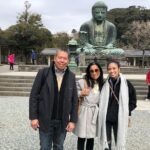
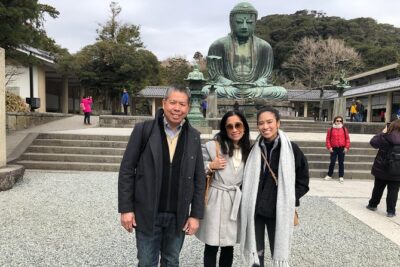
Kotokuin’s Great Buddha is the visual high point of the outing. The bronze statue rises about 13 meters and dates back to 1292. It is large enough to make an immediate impression, but the guide’s historical explanation is what turns the stop into more than a quick photograph.
You have around 30 minutes here for a guided visit and sightseeing. Admission costs 300 yen per person and is not included in the tour price.
The Great Buddha is an efficient stop for a first visit to Kamakura. You do not need hours to appreciate its scale, and the statue gives the day a clear focal point. The tradeoff is that this is a popular place, and crowds can affect how long you spend near the statue.
Take, one of the guides associated with this tour, has been praised for using maps and pictures while explaining Kamakura’s past. That kind of visual aid can be especially useful here, where the statue’s size is obvious but its place in local history is less so.
Tsurugaoka Hachimangu, Kamakura’s central shrine
After Kotokuin, you take a train for about 10 minutes to reach the area of Tsurugaoka Hachimangu. This is Kamakura’s most important Shinto shrine and sits at the city’s geographical center.
The shrine was built in 1063 and is dedicated to Emperor Ojin, who is also known as the God of War. The site connects religious practice with Kamakura’s warrior-era identity, giving your guide a chance to explain why this shrine matters to the city.
The scheduled visit lasts about 30 minutes. You can expect a guided look at the shrine complex and time to take in its quiet atmosphere. The stop works well after the Buddhist sites because it lets you compare a Shinto setting with Hase Temple and Kotokuin.
A short visit will not cover every corner of a large shrine complex. If you enjoy architecture, religious customs, or historical detail, ask your guide questions as you walk. A private tour gives you more room to do that than a large group outing.
Crowds can also change the feel of Tsurugaoka Hachimangu. One guide, Take, was praised for handling a very busy day and steering the group through crowded areas. That practical skill matters in Kamakura, where the most famous sites can become packed.
Other guided tours in Tokyo


Lunch and Komachi Street

The tour allows about 90 minutes for lunch, guided time, free time, and shopping on Komachi Street. This is a useful pause after the morning’s walking and gives you a chance to eat in central Kamakura rather than rushing from one entrance to the next.
Lunch is not included. You pay for your own meal and drinks, and the guide’s meal is also your responsibility according to the tour terms. The description refers to one of Kamakura’s fine Japanese restaurants, but it does not name a fixed restaurant, so the exact choice may depend on the day and the guide.
That flexibility can work in your favor. You can tell the guide if you want a quick meal, a more traditional Japanese lunch, or time for shopping. It also means the final cost is not fixed when you book.
Komachi Street gives the day some variety. After temples and shrine buildings, you have time to browse and eat in a commercial street setting. I would not treat this as the cultural core of the tour, but it is a practical place to rest and break up the sightseeing.
Keep an eye on the clock. The return train is part of the planned schedule, and an extended lunch or shopping stop could reduce time at the earlier sights.
What the private guide adds
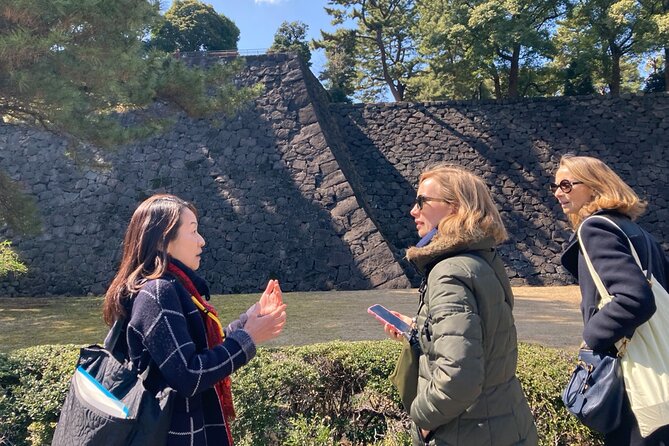
The guide is a National Government Licensed Guide Interpreter and speaks English. The tour is private, so the group is limited to you and your own party rather than a large mixed group.
That arrangement is most valuable when you want explanations. The best guides on this route do more than lead you between stations. Mizuma-san was praised for explaining Japanese history and culture to a family, while Steve was described as organizing the day well and adding information, lunch, and green tea to the experience.
The guide names connected with past bookings include Mizuma-san, Steve, Take, and Richie. Your assigned guide may be different, so do not book on the assumption that you will receive one particular person unless the provider confirms it.
The private setup also helps with small practical choices. You can ask for clarification, adjust how long you look at a site within the schedule, and get help when crowds make the route less clear.
The limitation is equally important. A private guide is not automatically an expert lecturer at every stop. One low-rated experience described a friendly and helpful guide but felt the explanations were too brief for the price. That is a fair warning: the quality of the day depends heavily on how actively your guide explains the sites.
Is $145 per person a fair price?

The $145 price covers the private English-speaking guide and hotel pickup and drop-off on foot. It does not cover trains, temple admission, lunch, or drinks.
Add at least 700 yen for Hase Temple and Kotokuin. Transport is listed at around 2,000 yen per person, although the separate ticket estimate says one-way travel may be about 1,200 yen. Lunch will add another variable amount.
The value question is simple. If you are comfortable planning the train route, buying tickets, walking between sites, and reading about Kamakura on your own, this is an expensive way to see places that can be visited independently.
If you want a private escort from Tokyo, clear transport help, historical context, and a day shaped around your interests, the price becomes easier to defend. It is particularly useful for families, first-time visitors, and people who do not want to spend valuable Tokyo time working out Kamakura logistics.
The high rating of 4.8 from 21 reviews suggests that many bookings have gone well, especially when the guide supplied strong historical and cultural explanations. Still, the 2-out-of-5 experience focused on poor value and limited information. I would book this for guidance and convenience, not for savings.
Walking, timing, and what to bring
Wear comfortable shoes. The tour includes 3 to 4 kilometers of walking, a 10-minute walk between two major temples, station transfers, and time on temple and shrine grounds.
The full day lasts about 8 hours. Pickup time depends on availability, and you should expect to leave Tokyo in the morning and return around 4 or 5 pm. The outbound train is listed at about 70 minutes, while the return ride is about an hour.
The sightseeing blocks are fairly tight:
- Hase Temple: about 30 minutes
- Walk to Kotokuin: about 10 minutes
- Kotokuin: about 30 minutes
- Train to central Kamakura: about 10 minutes
- Tsurugaoka Hachimangu: about 30 minutes
- Komachi Street and lunch: about 90 minutes
This schedule is efficient, but not leisurely. You will see the main highlights rather than explore every hall, garden path, or side street.
Who should book this Kamakura tour?
I would recommend it to you if you want a private day with a guide and prefer not to handle the Tokyo to Kamakura train journey alone. It also suits families who need a flexible pace and visitors who want Japanese history and religious customs explained in clear English.
It is a good match for first-time Kamakura visitors because the route covers the city’s three essential stops. The Buddhist and Shinto contrast is especially useful if you are still learning how Japan’s religious sites differ.
I would hesitate if your main goal is low cost or long, quiet visits. The admission fees and transport are extra, lunch is separate, and the sightseeing windows are short. An independent day may give you more time and better value if you are comfortable organizing it yourself.
Final verdict: convenience with a real price
This is a well-shaped private introduction to Kamakura. Hase Temple, the Great Buddha, Tsurugaoka Hachimangu, and Komachi Street give you a satisfying range of sights in one day, and the train journey keeps the excursion simple.
The tour earns its price only when the guide adds real context. Guides such as Mizuma-san, Steve, and Take have helped make the day informative and smooth, while the weaker experience shows why expectations should be clear. Ask your guide questions and tell them what interests you.
Book it if you value private guidance, transport help, and a structured day from Tokyo. Skip it if you want the cheapest route or prefer to linger at each site. Free cancellation up to 24 hours before departure and reserve-now, pay-later terms make the booking less risky, but the extra costs still need to be part of your budget.
FAQ
How long does the Kamakura tour last?
The tour lasts about 8 hours. You leave Tokyo by train in the morning and usually return around 4 or 5 pm.
How long is the train ride from Tokyo to Kamakura?
The outbound train journey is listed as about 70 minutes, and the return journey takes about 1 hour.
Which Kamakura sights are included?
The tour visits Hase Temple, Kotokuin Temple with the Great Buddha, and Tsurugaoka Hachimangu Shrine. It also includes time for lunch, guided exploration, free time, and shopping on Komachi Street.
Are train tickets included?
No. You pay public transport costs for yourself and the guide. The total is estimated at around 2,000 yen per person, and one-way tickets are described as costing about 1,200 yen.
How much are the temple entrance fees?
Hase Temple costs 400 yen per person, and Kotokuin Temple costs 300 yen per person. These fees are not included in the tour price.
Is lunch included?
No. Lunch and drinks are separate. You are also responsible for the guide’s lunch and drinks according to the tour information.
More Private Tours in Tokyo

More Guided Tours in Tokyo
More Kamakura & Enoshima Day Trips in Tokyo


More tours in Tokyo we've reviewed












Kamakura & Enoshima Day Trips, compared.
 ★ 4.5Tokyo: Kamakura & Enoshima Day Trip including Temple TicketsFrom $589 hours - 570 minutes
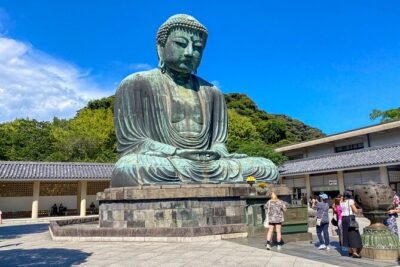 ★ 5.0Mount Fuji, Kamakura, Big Buddha, & Lake Ashi Day TripFrom $109
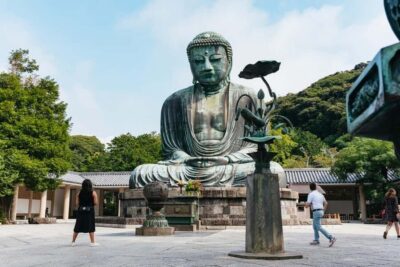 ★ 4.7Tokyo: Mt Fuji, Kamakura, Lake Ashi & Big Buddha Guided TourFrom $50
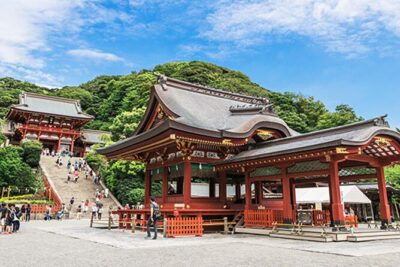 ★ 4.5From Tokyo: Kamakura & Enoshima 1-Day Bus TourFrom $66
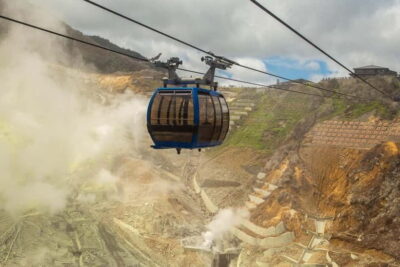 ★ 4.9Tokyo:Sea of Mount Fuji, Hakone Ropeway, Ōwakudani, EnoshimaFrom $5010 hours
 ★ 5.0Kamakura 8 hr Private Walking Tour with Licensed Guide from TokyoFrom $201