Reviewed · GUIDED
Tokyo 4hr Private Tour with Government-Licensed Guide
Tokyo can feel like several cities stitched together by rail. In four hours, you might move from the old lanes of Asakusa to the neon rush of Shibuya, or from a quiet shrine to the food stalls of Tsukiji. The real point of this private tour is not to check off every sight. It is to help you choose two or three places and reach them without losing half the morning to navigation.
In This Article
- Key points at a glance
- What this Tokyo tour does best
- Picking the right two or three stops
- Senso-ji and Asakusa: Tokyo’s old downtown
- Imperial Palace grounds and Tokyo’s center
- Meiji Jingu, Yoyogi Park, and Harajuku
- Shibuya Crossing and Hachiko
- Tsukiji, gardens, and Tokyo’s food side
- Akihabara, Odaiba, and Tokyo’s modern face
- Old neighborhoods beyond the usual route
- How the four hours really feel
- Price, inclusions, and practical value
- Who should book this private Tokyo introduction
- Should you book it?
- FAQ
- How long is the Tokyo private tour?
- Is the tour private?
- How many sights can I choose?
- Is transportation included?
- Is a private vehicle provided?
- Are entrance fees included?
- Can I enter the Imperial Palace?
- Is Tokyo Tower’s top deck included?
- What is the cancellation policy?
I like the flexible route and the practical help. Guides such as Seizo, Yusuke, Katsu, Julie, and Michio have helped people handle subway connections, Suica cards, Shinkansen tickets, stairs, and family pacing. I also like the personal scale: your group gets the guide’s attention, rather than following a flag through a crowd.
The catch is simple: four hours goes quickly, and Tokyo’s sights are spread far apart. Transport and entry fees cost extra, and communication may vary by guide. Pick nearby areas and you will see more. Try to cross the entire city and you may spend too much of your tour underground.
Key points at a glance
- Choose two or three sights: Shape the route around temples, gardens, markets, modern districts, or museums.
- Use Tokyo’s trains with help: Guides can show you how to manage stations, Suica cards, and routes.
- Walk at your own pace: The private format works well for couples, families, and older adults who need breaks or fewer stairs.
- Mix old and new Tokyo: Pair Senso-ji or Meiji Jingu with Shibuya Crossing, Harajuku, or Akihabara.
- Budget for extras: Transportation, entrance tickets, lunch, and personal purchases are not included.
- Expect a walking tour: Pickup means meeting the guide on foot within the designated Tokyo area, not riding in a private vehicle.
What this Tokyo tour does best
This is a useful first look at Tokyo when you have limited time or do not want to plan every train connection yourself. You meet a licensed local English-speaking guide, discuss what matters to you, then spend about four hours walking and using public transportation.
That last point matters. Tokyo’s rail system is not impossible, but station names, exits, platforms, and different operators can turn a short trip into a small expedition. Guides have helped people find the right trains, reload Suica cards, locate ATMs, and prepare for later journeys to Kyoto and Osaka. That practical lesson may be worth as much as the sightseeing.
The private setup also gives you room to adjust. A family with a four-year-old can slow down. An older couple can avoid long stair routes. Fast walkers can cover more ground. A honeymoon couple can give the tour a cultural focus instead of racing after famous photo spots.
The experience is not a private car tour. You will walk to the meeting point, walk between sights, and pay your own train or subway fares. It suits you best if you want to learn how Tokyo works while seeing a few important places.
Other guided tours in Tokyo
Picking the right two or three stops
Before the tour, think in neighborhoods rather than isolated attractions. Asakusa, Ueno, and nearby gardens can make a sensible eastern Tokyo route. Meiji Jingu, Harajuku, and Shibuya fit together better in the west. Imperial Palace, Tokyo Station, and Hama Rikyu can work as another cluster.
You can ask for famous sights, local neighborhoods, food, gardens, or a mixture. The available choices are broad, but the four-hour limit is firm enough to demand discipline.
A good short route might include:
- Meiji Jingu, Takeshita Street, and Shibuya Crossing
- Senso-ji, Tsukiji Outer Market, and Hama Rikyu Gardens
- Imperial Palace grounds, Tokyo Station, and a nearby garden
- Asakusa, the Tokyo National Museum, and Koishikawa Korakuen Garden
- Shibuya, Harajuku, and Yoyogi Park
These are examples, not promises of what you will cover. Your guide will help judge what fits the time. I would not combine Odaiba with Asakusa and Shibuya unless you are happy to spend a large share of the tour in transit.
Senso-ji and Asakusa: Tokyo’s old downtown
Asakusa gives you a taste of Tokyo before the giant towers and department stores took over. The district is known for its old downtown character, and Senso-ji is its main draw.
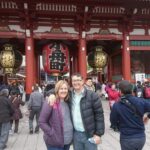
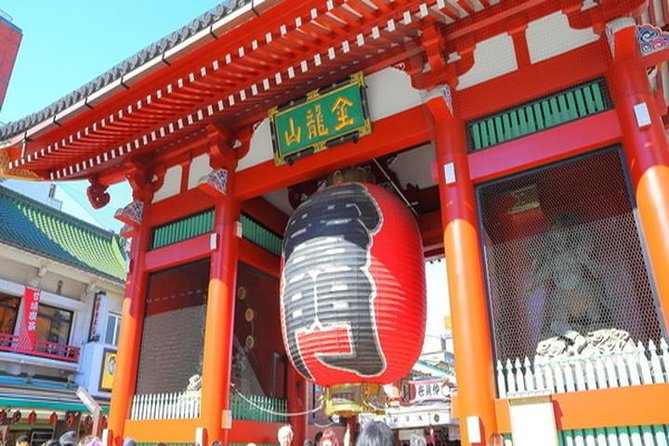
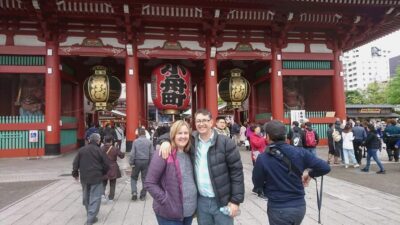
The approach to the temple leads through the famous Kaminarimon Gate and Nakamise shopping street. You can expect bright shopfronts, snacks, souvenirs, and a steady crowd around the temple precinct. Your guide can explain the customs at the Buddhist temple and add context to the stories connected with its origins.
Senso-ji is a strong choice if this is your first day in Japan and you want a clear introduction to Buddhist worship, traditional streets, and Tokyo’s older identity. It is also a good food pairing with Tsukiji.
The limitation is distance. Asakusa does not sit next to Shibuya or Meiji Jingu, so combining all three means train time and a brisk pace. If Senso-ji is your priority, build the route around eastern Tokyo.
Imperial Palace grounds and Tokyo’s center
The Imperial Palace occupies the former site of Edo Castle, with moats, broad stone walls, and open grounds in central Tokyo. The tour does not include entry inside the palace itself. That distinction matters, since you are visiting the surrounding grounds rather than royal interiors.
I like this stop for travelers who want political and military context without committing to a museum visit. A guide can explain how Edo Castle connects to Tokyo’s development and point out the surviving defensive features.
The palace area can also pair well with Tokyo Station or another central stop. One guide, Seizo, helped a couple visit the palace and Asakusa, with lunch near Tokyo Station during the outing. That combination gives you history, food, and a useful look at one of Tokyo’s major transport hubs.
Do not expect the palace grounds alone to fill four hours. They work best as one part of a route, especially for people who enjoy open space and historical detail more than shopping.
Meiji Jingu, Yoyogi Park, and Harajuku
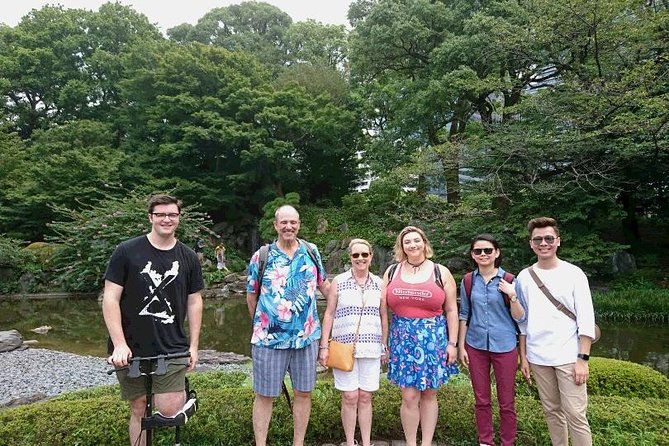
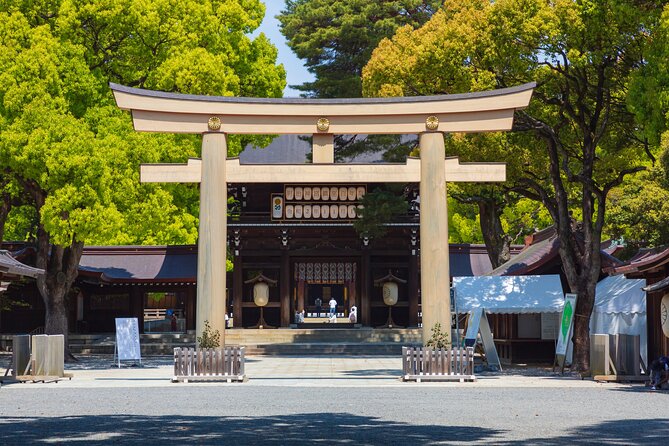
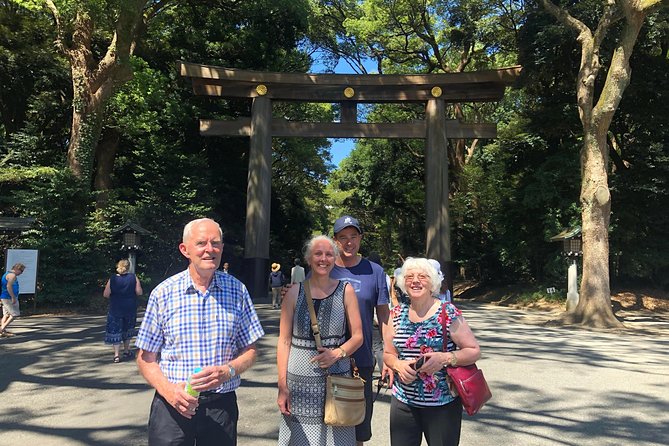
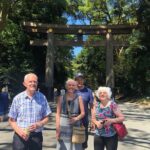
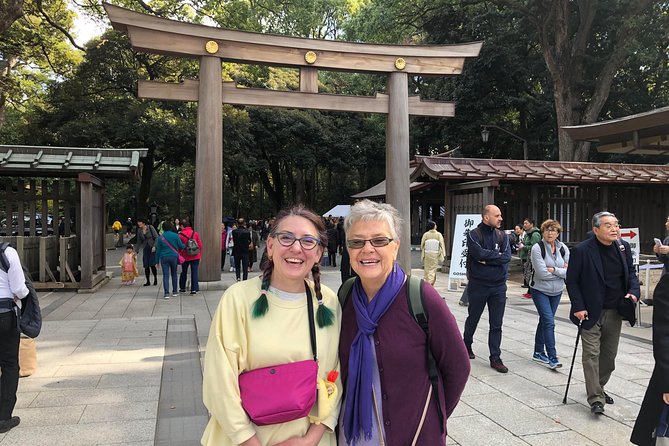
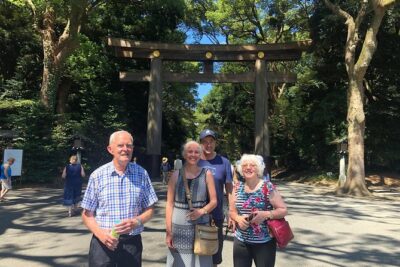
Meiji Jingu is dedicated to Emperor Meiji and Empress Shoken. Set near Harajuku Station, it offers a sharp change from the surrounding crowds. You walk through a wooded shrine setting, then learn how to behave at a Shinto shrine and how Shinto differs from Buddhism.
This is one of the best choices for a first introduction to Japanese religious customs. Yusuke, Koba, and other guides have used the shrine to explain Shinto worship, shrine etiquette, and seasonal traditions. You might also encounter a wedding procession or a special display, but these are not guaranteed.
Yoyogi Park sits nearby and offers lawns, ponds, and wooded areas. It is a sensible place to slow the pace, particularly with children or older adults. One family tour included Meiji Jingu, Yoyogi Park, and Shibuya, while another used the shrine and nearby areas as a gentle cultural route.
Takeshita Street adds a completely different note. It is known for youth fashion, specialty shops, and the energetic Harajuku scene. The street can be crowded, and you will have limited time for browsing, but it is a useful contrast to the solemn shrine.
Other private tours in Tokyo


Shibuya Crossing and Hachiko
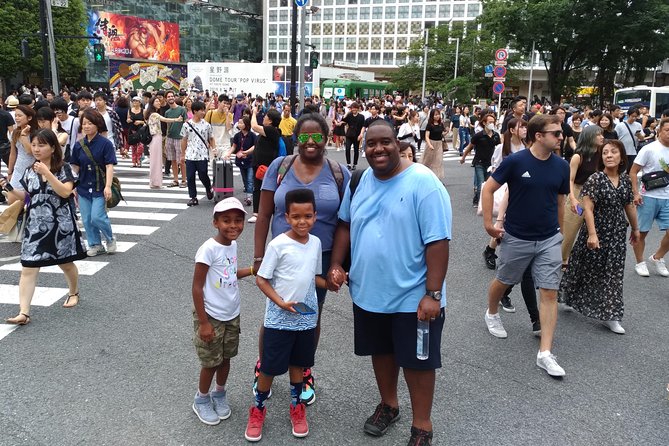
Shibuya Crossing is Tokyo’s famous scramble crossing, where several streams of pedestrians move at once when the signals change. It is a quick, memorable look at the city’s modern side.
The nearby Hachiko statue adds a human story to the spectacle. Your guide can explain the loyalty associated with Hachiko, the dog remembered at the station.
Several guides have taken groups to particular viewpoints around the crossing rather than simply dropping them at street level. That can make the stop more worthwhile, especially if you want photos. Still, Shibuya is a short experience unless you add shopping, food, or a longer walk.
Shibuya works especially well with Meiji Jingu and Harajuku. These areas are close enough to make a practical half-day route, though crowds and station walking can slow you down.
Tsukiji, gardens, and Tokyo’s food side
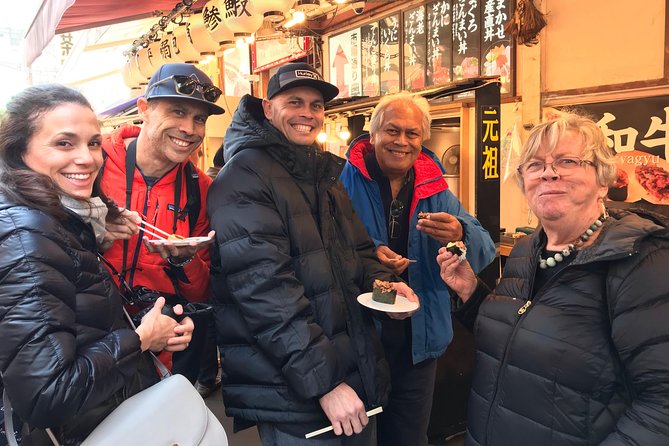
Tsukiji is the old fish-market district, now best known for its outer-market food stalls and small shops. It is a good place to taste something rather than just look around. Food purchases are your responsibility, but guides can help you understand what you are seeing and where to pause.
One guide, Bruce, combined Tsukiji with sushi, sake, Meiji Jingu, and Senso-ji. Another tour included time for food stalls and a short Shinjuku visit. These examples show the appeal of a local guide: the market becomes easier to approach when you have help with customs, choices, and timing.
Hama Rikyu Gardens offer a quieter setting beside Tokyo Bay. Their seawater ponds change with the tides, and the garden includes a teahouse. Admission is not included, so budget for the entry fee if you choose this stop.
Koishikawa Korakuen and Rikugien are two of Tokyo’s finest traditional gardens. Both are better for you if you prefer careful paths, seasonal plants, ponds, and designed views to crowds and shopping. Their entrance fees are extra, and each garden can absorb time quickly.
Shinjuku Gyoen National Garden is another calm break from the city. It has broad lawns, winding paths, and spacious grounds near Shinjuku Station. The entry fee is not included. It is a fine choice for a slower afternoon, but it may not satisfy you if your main goal is famous city landmarks.
Akihabara, Odaiba, and Tokyo’s modern face
Akihabara is known for electronics shops and its place in Japan’s anime, manga, and gaming culture. Pick it if those interests are central to your trip. Otherwise, a short stop may feel rushed because the district rewards browsing more than a quick photograph.
Odaiba is a shopping and entertainment district on a man-made island in Tokyo Bay. It has a more spacious, modern feel than old Tokyo, but reaching it can take valuable time. Choose it only if the bayfront setting and modern attractions matter more to you than a temple or garden.
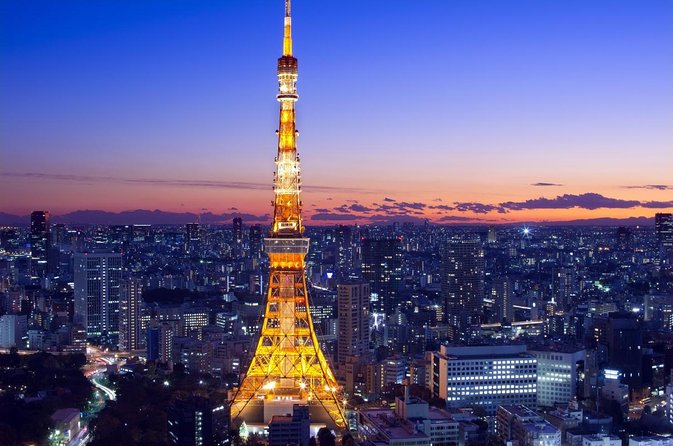
Tokyo Tower can be visited up to the main deck, but the top deck is not included. Admission is extra. The tower suits you if you want a classic city view and a clear landmark, though the visit must be weighed against the time needed to reach it.
Gotokuji Temple in Setagaya is associated with the maneki-neko, or luck-inviting cat figurine. The stop is free and unusual, but its location makes it harder to combine with distant central sights in four hours.
Old neighborhoods beyond the usual route
Shibamata keeps an old-style character near the Edogawa River. Nezu and nearby Yanaka preserve older streets, houses, and local shrines that escaped major damage during wars and natural disasters. These districts can show you a quieter side of Tokyo, with fewer headline sights and more neighborhood texture.
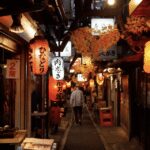
Golden Gai in Shinjuku grew from postwar drinking and eating establishments into a tightly packed district of tiny bars. It is more useful as an evening-oriented area than a daytime four-hour anchor, but a guide can explain its origins if it fits your route.
The Tokyo National Museum, in Ueno, is Japan’s oldest and largest national museum of its type. It can easily become the main event, not a quick stop. Admission is extra, and you should choose it only if you want art and objects rather than a fast tour of outdoor sights.
How the four hours really feel
Four hours is enough for a strong introduction, not a full Tokyo survey. Most successful routes appear to focus on two or three areas, with walking and trains connecting them.
You should expect a fair amount of movement. One direct assessment from a tour participant was that there was a lot of walking, but the subway lessons made the effort worthwhile. Ask for a gentler pace if needed. Guides have adjusted routes for older couples, children, and people who wanted to avoid long stairs.
The private format is valuable here. You do not have to match a large group’s pace, and you can stop for a snack or change direction. The tradeoff is that the guide cannot make Tokyo smaller. If you choose far-flung districts, flexibility will not prevent transit time.
English ability may differ from one assigned guide to another. Many guides are praised for clear explanations and friendly help, but a few experiences indicate that communication can be difficult. If detailed cultural commentary is essential, explain your expectations when arranging the tour.
Price, inclusions, and practical value
At about $109.43 per person, this is not a bargain sightseeing walk if you only want to be led to a single landmark. It becomes better value when you use the guide as a Tokyo orientation service: route planning, station help, cultural explanation, and a private pace all come together.
The fee includes a licensed local English-speaking guide and a customized visit to two or three chosen sites. It does not include transportation, entrance fees, lunch, food, or other personal spending. There is no private vehicle, and you cannot combine separate tour groups.
Pickup is offered on foot within the designated area. Confirm the meeting details and wear shoes suitable for city walking. Service animals are allowed, and most people can participate, but this remains an active walking experience rather than a vehicle-based tour.
Free cancellation is available up to 24 hours before the start time. Date changes made up to two days before the tour may lead to a different guide or no availability, so do not leave changes until the last minute.
Who should book this private Tokyo introduction
I would choose this tour if you are visiting Tokyo for the first time, have only one free half-day, or feel uneasy about the rail system. It is also a good fit for couples, families, older adults, and anyone who wants a local person to adjust the pace.
It is less suitable if you want a museum-heavy day, a private car, or a broad sweep of ten different attractions. You will get more from it by choosing a theme: traditional Tokyo, modern Tokyo, food and markets, gardens, or practical city orientation.
Should you book it?
Book it if you want a personal introduction and are willing to walk, use trains, and make choices. I would select a compact route such as Meiji Jingu, Harajuku, and Shibuya, or Senso-ji, Tsukiji, and one garden.
Skip it if you already know Tokyo’s transport system and prefer to explore at your own speed. The strongest reason to book is not the number of sights. It is having someone like Katsu, Yusuke, Julie, Michio, or another assigned guide help you turn a confusing half-day into a workable plan.
FAQ
How long is the Tokyo private tour?
The tour lasts approximately four hours.
Is the tour private?
Yes. Only your group participates, and separate tour groups cannot be combined.
How many sights can I choose?
The tour includes a customized visit to two or three sites from the available choices.
Is transportation included?
No. Transportation fees are not included. You meet the guide on foot and use public transportation as needed.
Is a private vehicle provided?
No. The tour is a walking experience and does not include a private vehicle.
Are entrance fees included?
No. Entrance fees are generally extra. Guide entry fees are covered only for sights listed among the available choices.
Can I enter the Imperial Palace?
No. The tour does not include access inside the Imperial Palace.
Is Tokyo Tower’s top deck included?
No. Access is limited to the main deck, and the admission fee is not included.
What is the cancellation policy?
You can cancel up to 24 hours before the experience starts for a full refund. Cancellations or changes made less than 24 hours before the start time are not accepted for a refund.
More Private Tours in Tokyo
More Guided Tours in Tokyo


More tours in Tokyo we've reviewed












Guided, compared.
 ★ 5.0Tokyo 6hr Private Tour with Government-Licensed GuideFrom $155
 ★ 4.9Tokyo: Shinjuku Local Bar and Izakaya Guided Walking TourFrom $343 hours
 ★ 4.8Tokyo: Private City Highlights Tour with Local GuideFrom $1064 - 8 hours
 ★ 4.9Tokyo: Tsukiji Fish Market Guided Walking TourFrom $222 hours
 ★ 5.0Tokyo Guided Small-Group Biking TourFrom $106
 ★ 4.6Tokyo: Samurai Ninja Museum Guided tour and ExperienceFrom $27