Reviewed · SAMURAI & NINJA EXPERIENCES
Tokyo: Samurai Ninja Museum Guided tour and Experience
The best part of this Tokyo experience is that it turns a museum visit into a short, hands-on lesson. You move from samurai armor, helmets, and swords to ninja stories, then try throwing shuriken and pose in samurai clothing with a real helmet and metal sword.
In This Article
- Key points to know before you book
- A quick way into samurai and ninja history
- What happens during the museum tour
- Armor, helmets, and swords make the past easier to grasp
- The ninja section keeps the history from feeling too formal
- The guides shape the experience
- Why the one-hour length works
- A strong family activity, with a few group-size cautions
- Is $27 a fair price?
- Who should book this Tokyo experience?
- Practical advice before you go
- Should you book it?
- FAQ
- How much does the Samurai Ninja Museum experience cost?
- What does the price include?
- Is the tour conducted in English?
- How long does the experience take?
- Can I throw ninja stars?
- Can I dress as a samurai?
- How many people can I reserve through GetYourGuide?
- Can I reserve now and pay later?
- What is the cancellation policy?
I like the friendly English-speaking guides, who use humor and simple explanations to make a complicated subject easy to follow. I also like the family-friendly activities: children can throw ninja stars, while adults get useful context about samurai life and Japanese history. The main consideration is group size. GetYourGuide reservations are limited to 15 people, but the museum accepts bookings through other sites, so your actual group may be larger.
Key points to know before you book
- A one-hour format: The tour gives you a focused introduction without taking half a day from your Tokyo plans.
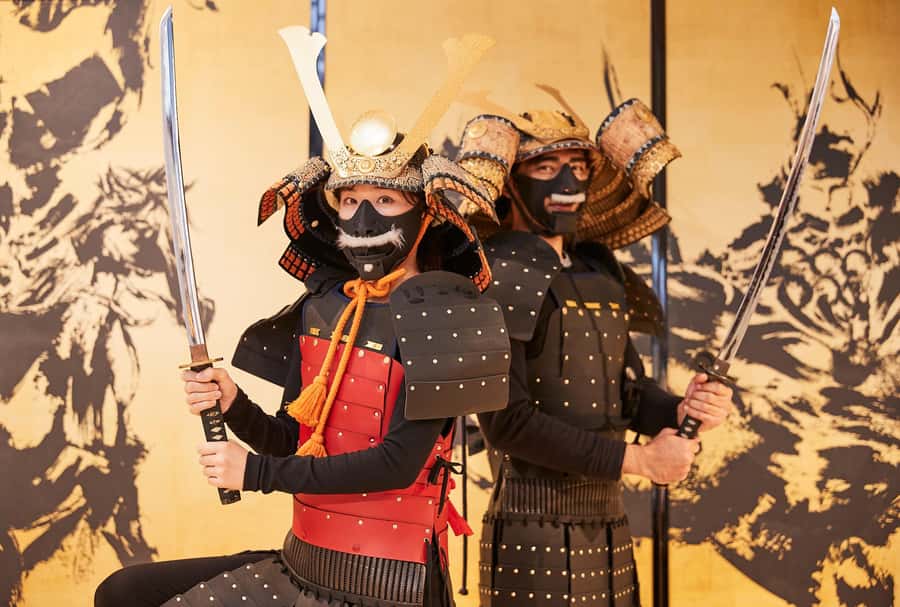
- Real-looking, touchable drama: You can wear samurai clothing, put on a real helmet, and hold a metal samurai sword.
- Shuriken practice included: The ninja star activity adds a playful finish and is often the highlight for children and teens.
- Guides make the difference: Guides including Kenny, Nami, Shin, Nao, Megan, and Ken have been praised for clear English, humor, and lively presentations.
- Good value at $27: You get museum entry, a guided tour, ninja star throwing, and the samurai dress-up activity in one compact visit.
A quick way into samurai and ninja history
Tokyo offers grand temples, modern towers, and endless food streets, but it can be hard to find a short activity that gives you a clear introduction to Japan’s military past. This museum tour fills that gap. It is not a full scholarly study of the samurai, and it does not pretend to recreate feudal Japan in every detail. Instead, it gives you an accessible starting point with objects, stories, and simple activities.
The guided format matters. You can walk past armor and swords on your own, but without explanation, it is easy to see only metal, lacquer, and dramatic shapes. A guide helps connect the equipment to the people who used it, the role samurai played, and the place of ninjas in Japanese history.
The English presentation is a major reason to choose this experience. Guides such as Kenny have been praised for mixing facts with comedy, while Nami, Shin, Nao, Megan, and Ken have also been singled out for their welcoming style and clear delivery. Names and staff can change, but the format is built around a live guide rather than a silent display.
A few more Tokyo tours and experiences worth a look


What happens during the museum tour
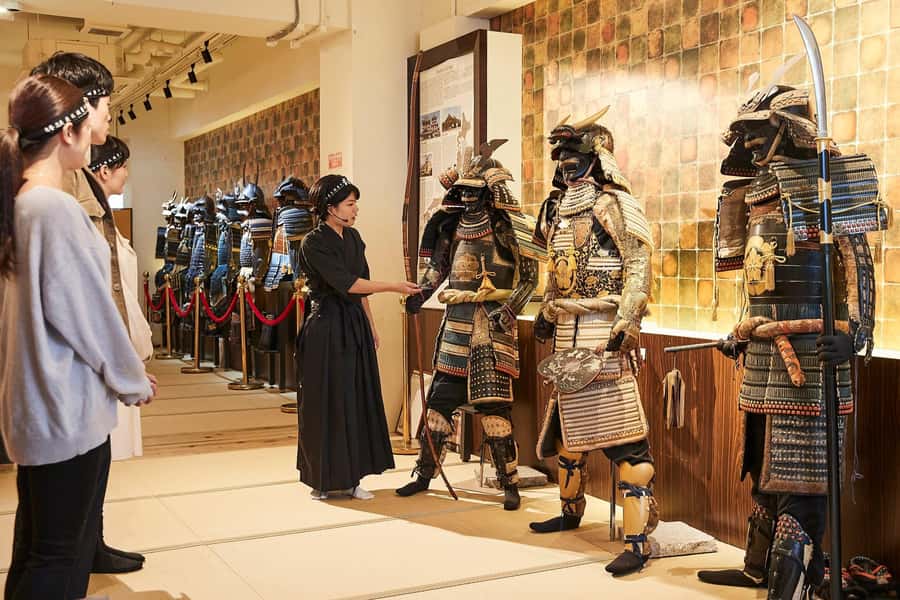
The visit begins with a guided look at the museum’s samurai and ninja exhibits. You can expect to see armor, helmets, swords, and other equipment connected with these famous figures. The guide explains what you are seeing and places it in the wider story of Japanese society and warfare.
This part is especially useful if your knowledge comes mainly from films or television. Popular images of samurai and ninjas often blur together fact, legend, and modern storytelling. The tour helps separate some of those ideas and covers subjects such as samurai weapons, armor, important events, ninja roles, and what happened after the samurai era ended.
The exact sequence can vary, but the format has a sensible rhythm. You listen for a while, look closely at the displays, then take part in an activity. That change of pace keeps the tour from feeling like a classroom lecture. One guide may use jokes, another may invite questions, and another may draw children into the discussion with small games or direct participation.
I would not book this expecting a vast museum with hours of galleries. The experience is deliberately compact. That is a strength for a family or anyone working around a packed Tokyo schedule, but serious students of Japanese military history may want a more detailed museum visit elsewhere as well.
Armor, helmets, and swords make the past easier to grasp
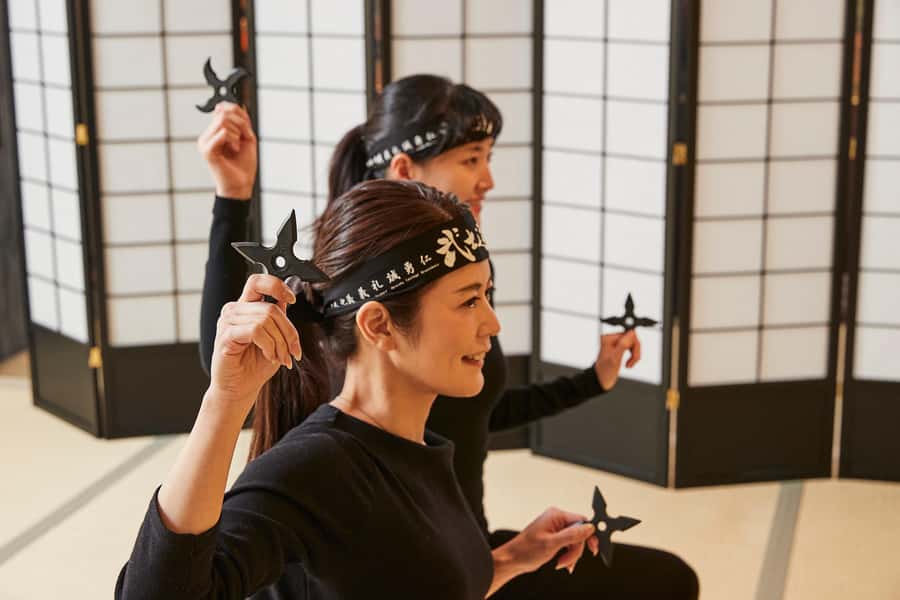
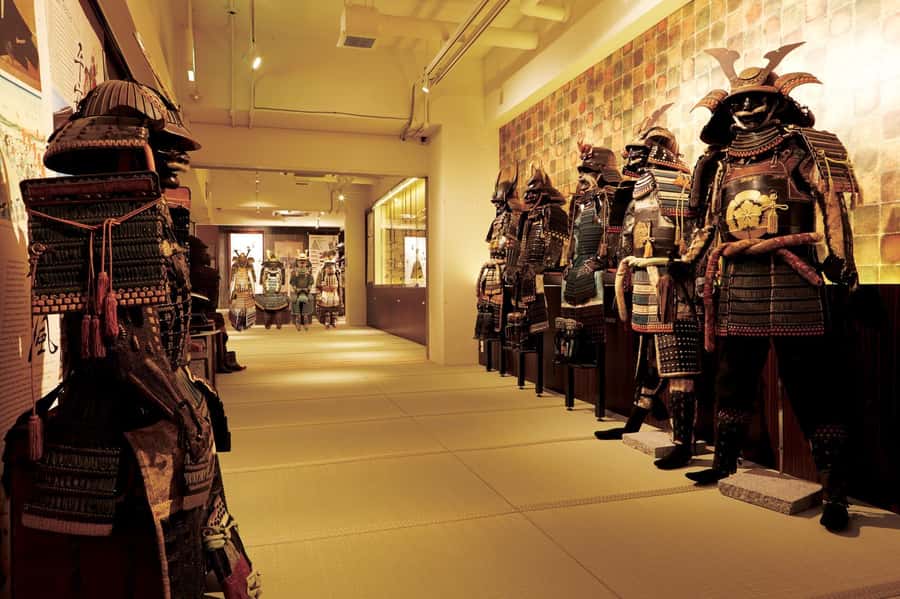
Samurai equipment is the visual heart of the visit. Armor and helmets are more than costume pieces here. Their shape, decoration, and construction give you a useful sense of how samurai presented themselves and prepared for battle.
The swords also help make the subject concrete. A guide can explain their place in samurai culture while you look at the objects at close range. The tour’s value comes less from the number of exhibits than from having someone explain why the objects matter.
The samurai dress-up portion adds a personal connection. You can put on samurai clothing, wear a real samurai helmet, and hold a metal samurai sword. This is a photo opportunity, but it also gives you a better feel for the weight and visual impact of the equipment than a display case can provide.
The activity works well across ages. Children often enjoy the transformation, teens get memorable photos, and adults can appreciate the craftsmanship and symbolism. If you prefer a quiet museum experience with no performance or posing, this section may feel a little theatrical. For most people, that is part of the point.
The ninja section keeps the history from feeling too formal
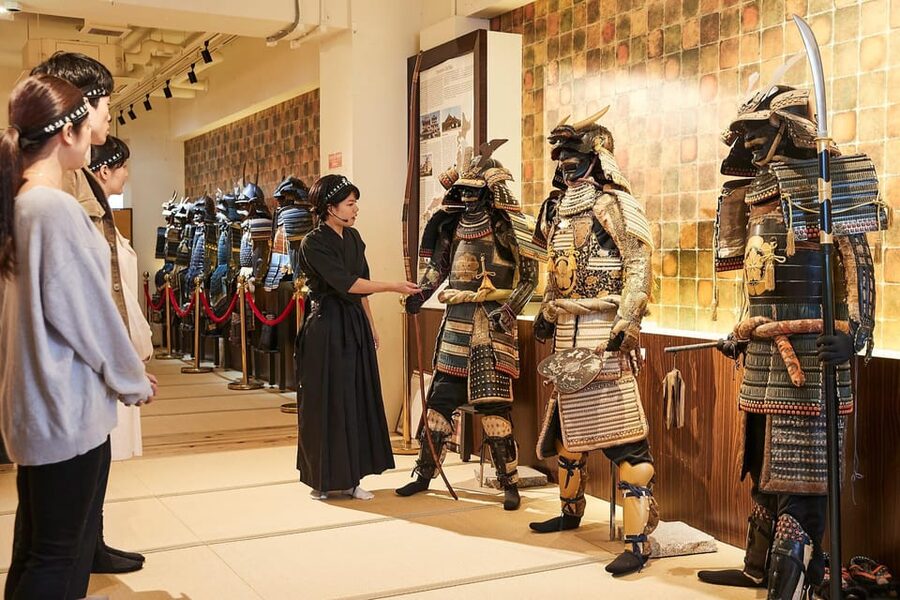
Ninjas carry a strong air of mystery, and the tour uses that interest to introduce their place in Japanese history. You learn about ninja roles and the difference between popular myths and historical reality.
This is not presented as a full ninja training course. The hands-on element is simple: you practice throwing shuriken, or ninja throwing stars. The activity is supervised as part of the museum experience, and it gives the tour a clear, fun ending.
The shuriken practice is particularly effective for families. Children can take part rather than simply watch, and teens often enjoy the challenge. Some sessions turn it into a small contest, with the possibility of keeping a star if you win. Because that detail appears in the experience information from some visits rather than as a guaranteed feature, you should treat it as a possible bonus, not a promise.
The activity does not replace serious historical context, but it gives you a physical memory to take away. You may forget a date or a name, but you are less likely to forget trying to hit a target with a ninja star in Tokyo.
The guides shape the experience
This tour depends heavily on the person leading it. The most effective guides do not simply recite dates. They explain ideas in plain English, respond to the group, and use humor without turning the whole visit into a comedy act.
Kenny is praised for his personality and ability to make the subject entertaining. Nami is noted for sharing a large amount of information while keeping the activities enjoyable. Shin is described as detailed and informative, and Nao is praised for being funny and involving the group. Other guides, including Megan, Ken, Leon, and Hashan, are also mentioned positively in the supplied material.
You cannot usually choose your guide in advance, so do not book this solely to see one particular person. The useful takeaway is that the guide’s energy matters. A lively explanation makes the armor and historical terms much easier to remember.
English is the stated tour language. That makes this a practical choice if you want more than labels and photographs. The quality of spoken English has been praised, but keep in mind that accents and presentation styles can vary from one guide to another.
Other guided tours in Tokyo






Why the one-hour length works
The tour takes about an hour, according to the experience details. That is long enough to cover samurai and ninja history, examine the displays, dress up, and throw shuriken, but short enough to fit between other Tokyo plans.
I like this length for a first visit. You can schedule it around shopping, meals, or another attraction without giving away an entire afternoon. Families also benefit because younger children have less time to lose focus.
The tradeoff is depth. You will receive an introduction, not a full academic treatment of Japanese history. If you already know a great deal about samurai politics, weapons, or the transition away from the samurai class, parts of the talk may repeat familiar material.
For most people, that is a fair exchange. The tour aims to be educational and fun, and it keeps moving. Several comments describe the pacing as neither too short nor too long, with hands-on sections placed at useful points.
A strong family activity, with a few group-size cautions
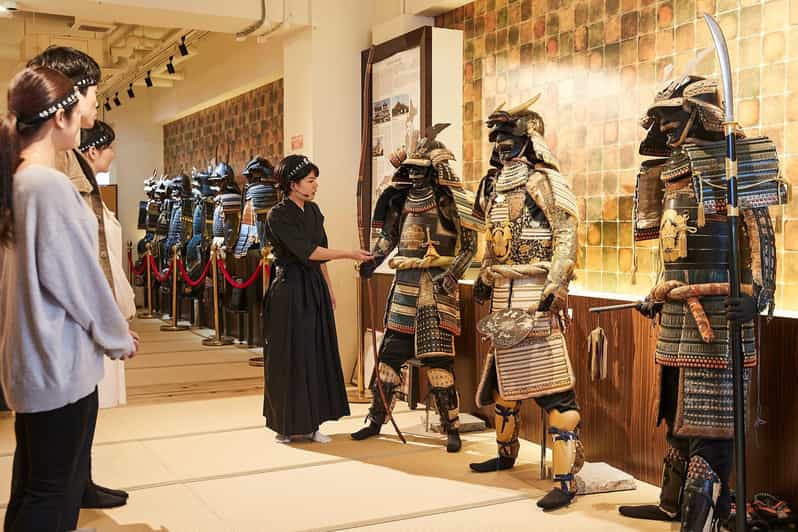
This is one of the better choices in Tokyo for a family with mixed ages. Young children can enjoy the costume and shuriken throwing, teens get a memorable activity for photos, and adults can follow the historical material.
The guide may include children in games or questions, which helps prevent the visit from becoming a talk aimed only at adults. The tour also gives families something to do together rather than splitting into separate interests.
Group size deserves attention. You can reserve a maximum of 15 people through GetYourGuide, but the museum accepts bookings from other booking sites, and more people may join the experience. A larger group can make the dress-up and throwing portions feel less personal, especially if everyone wants a turn at once.
If you want the smallest possible group, check the booking conditions carefully and ask the provider before paying. Do not assume the 15-person limit applies to the entire session.
Is $27 a fair price?
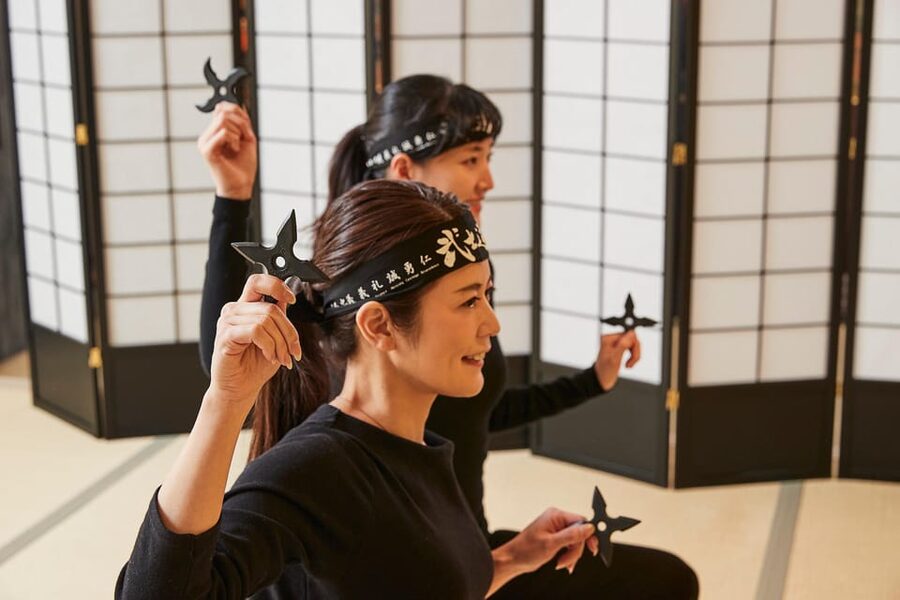
At $27 per person, the value is good if you want a guided introduction rather than simple admission. The price includes entry, an English-speaking guide, ninja star throwing, and the samurai experience with clothing, helmet, and metal sword.
The activities are what make the price easier to justify. A standard museum visit might give you objects and information, but this package adds participation and photos. For a family, the fact that both children and adults can take part improves the value.
The price is less compelling if you are seeking a large museum collection or a long, detailed lecture. You are paying for a compact, guided experience with entertainment built in, not an entire day devoted to samurai scholarship.
Flexible booking also helps. You can reserve now and pay later, and cancellation is allowed up to 24 hours before the experience for a full refund. Those terms are useful when your Tokyo schedule is still changing.
Who should book this Tokyo experience?
I would put this high on the list for first-time visitors who want a simple introduction to samurai and ninja culture. It is also a good choice for families, especially those with children who need an activity rather than a long museum walk.
You should consider it if:
- You enjoy Japanese history but want the basics explained clearly.
- You are traveling with children or teens.
- You want a short activity with photos and participation.
- You prefer an English-speaking guide.
- You have about an hour available in your Tokyo schedule.
- You like learning through objects and demonstrations rather than labels alone.
You may want something else if you already have advanced knowledge of the samurai period or want a large, quiet museum with extensive collections. The tone is friendly, active, and lightly theatrical.
Practical advice before you go
Allow about an hour for the core experience, and leave extra time if you want to browse afterward or plan a meal nearby. The stated location is in Tokyo on Honshu, but the supplied information does not give a full address, so check the meeting point carefully before setting out.
Wear something that lets you move comfortably during the shuriken activity and samurai dress-up. The experience includes holding a metal sword and wearing a helmet, so follow the guide’s instructions and handle the equipment carefully.
Bring a phone or camera if you want costume photographs. The dress-up portion is one of the clearest memories you can take from the visit, especially for children.
I would also keep an open mind about the balance between fact and fun. The museum gives you historical information, but it also offers a playful encounter with popular images of samurai and ninjas. Enjoy the costumes and throwing stars, then use the guide’s explanations to understand where those images fit in Japanese history.
Should you book it?
Book this tour if you want a lively, affordable introduction to samurai and ninja culture, especially with children or teens. At $27, the combination of guide, exhibits, costume, sword, helmet, and shuriken practice is a sensible use of an hour.
Skip it only if you want a large, highly specialized museum or a long study of the period. For most visitors, the short format and hands-on finish make this an easy Tokyo activity to fit into a busy day.
FAQ
How much does the Samurai Ninja Museum experience cost?
The listed price is $27 per person.
What does the price include?
It includes museum entry, an English-speaking guided tour, a ninja star throwing experience, and a samurai experience with dress-up, a real samurai helmet, and a metal samurai sword.
Is the tour conducted in English?
Yes. The included guided tour is led by an English-speaking guide.
How long does the experience take?
The experience is about one hour long.
Can I throw ninja stars?
Yes. Ninja star, or shuriken, throwing is included in the experience.
Can I dress as a samurai?
Yes. You can dress up as a samurai, wear a real samurai helmet, and hold a metal samurai sword.
How many people can I reserve through GetYourGuide?
You can reserve a maximum of 15 people through GetYourGuide. The museum accepts bookings through other booking sites, so more participants may be present in your session.
Can I reserve now and pay later?
Yes. The experience offers a reserve and pay later option.
What is the cancellation policy?
You can cancel up to 24 hours in advance for a full refund.
More Museum Experiences in Tokyo




More Guided Tours in Tokyo
More Samurai & Ninja Experiences in Tokyo

More tours in Tokyo we've reviewed












Samurai & Ninja Experiences, compared.
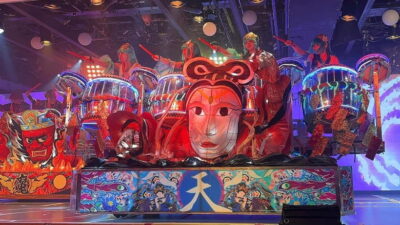 ★ 4.5Tokyo: Samurai Restaurant Show Ticket with 2 DrinksFrom $551h 30m
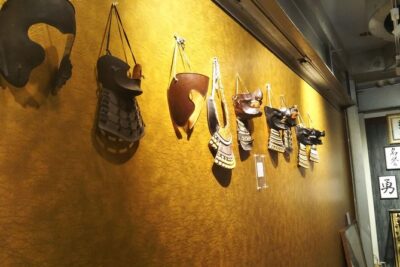 ★ 5.0Skip the lines Basic Ticket at SAMURAI NINJA MUSEUM TOKYOFrom $28
 ★ 5.0Tokyo: Authentic Samurai Training at a DojoFrom $211
 ★ 5.0Best Samurai Experience in TokyoFrom $65
 ★ 4.6Tokyo: Legend Samurai Entertainment Night in Kanda ShrineFrom $44
 ★ 4.2Tokyo: Ninja Kabuki PerformanceFrom $291 day