Reviewed · SAMURAI & NINJA EXPERIENCES
Tokyo: Ninja Kabuki Performance
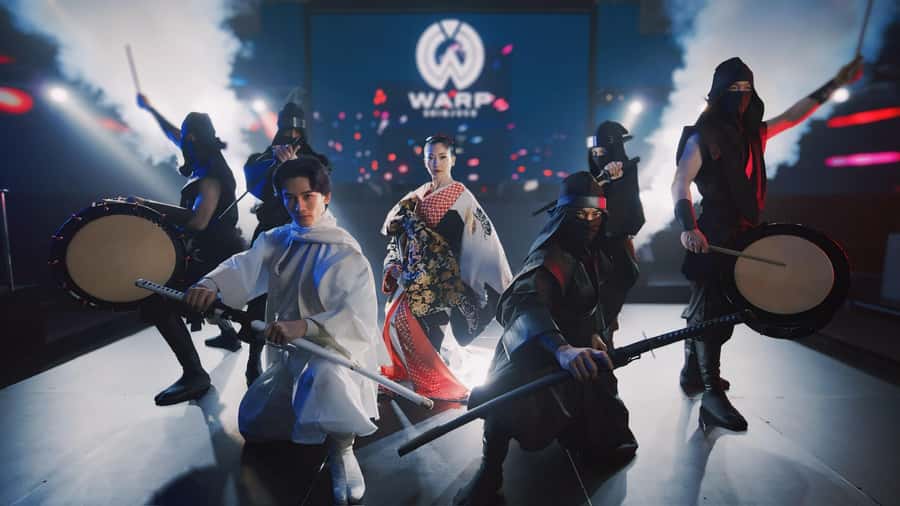
Ninjas, kabuki performers, dancers, acrobats, and thunderous Japanese drums share one compact stage at this Shinjuku show. The performance uses little spoken language, so you can follow the action through movement, music, costumes, lighting, and visual effects. It is Japanese culture presented as a high-energy stage spectacle rather than a quiet museum lesson.
In This Article
- Key Points Before You Book
- What This Shinjuku Show Is Really Like
- Entering the Second East Asia Hall
- The Kabuki, Ninja, and Oiran Story
- Wadaiko Drums and Acrobatics Take Center Stage
- The Second Half and Audience Participation
- Extra Acts and Modern Stage Effects
- Is $29 a Fair Price?
- Who Will Enjoy This Most?
- Booking, Timing, and Practical Tips
- Should You Book the Tokyo Ninja Kabuki Performance?
- FAQ
- How long does the Tokyo Ninja Kabuki Performance last?
- Where is the meeting point?
- What reception times are available?
- Can I reserve a specific seat?
- Is the performance suitable for children?
- Is the venue wheelchair accessible?
- What is included in the ticket?
I like the excellent wadaiko drumming and the way the show combines kabuki movement with sword fighting, dance, acrobatics, and modern technology. I also like the audience interaction, including a chance to try simple sword movements and pose for photos with the performers. The main caution is sound: the drums and effects can get very loud, and the second half may feel less focused if you came mainly for traditional kabuki.
Key Points Before You Book

- About 80 minutes in Shinjuku: An easy evening or afternoon addition to a day around Shinjuku.
- Supervised by Denjiro Tanaka VII: The kabuki musician performed at the Tokyo 2020 Olympic Opening Ceremony.
- Traditional and modern styles meet: Expect ninja lore, oiran dance, kabuki techniques, wadaiko, lasers, electronic music, and stage effects.
- Minimal language barrier: The action is mainly non-verbal, with an MC helping explain and guide the interactive parts.
- Numbered seating, not reserved seating: Arrive ready to receive a number tag and follow staff directions.
- Best for families and first-time Japan visitors: Children aged 0 to 6 enter free, and children under 16 need a parent or legal guardian.
What This Shinjuku Show Is Really Like
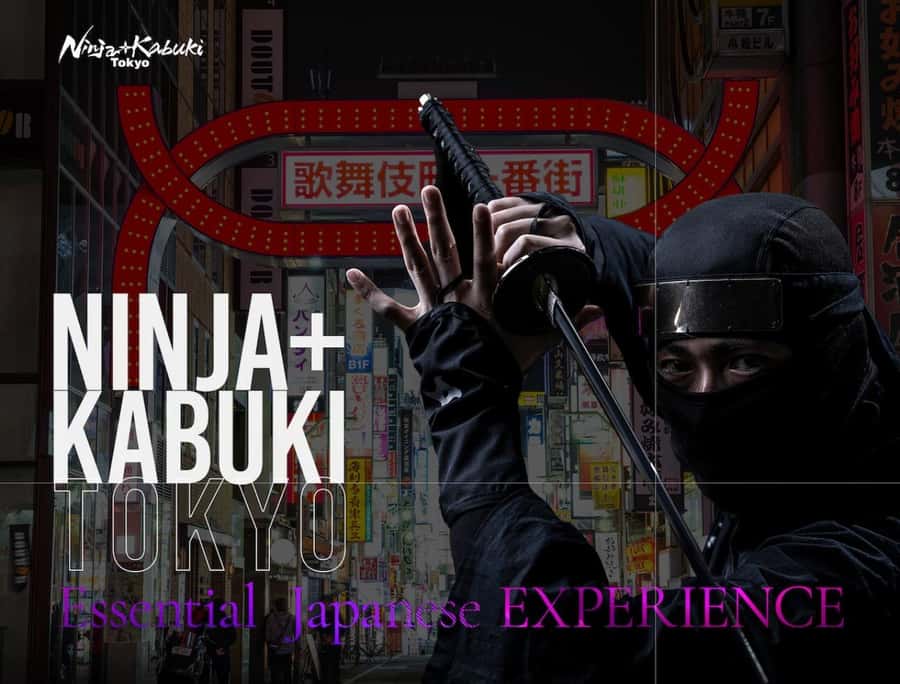
This is not a formal kabuki performance in the traditional theater sense. It borrows kabuki production methods and dramatic movement, then mixes them with ninja storytelling, popular entertainment, and modern stage design.
That distinction matters. If you want a long, serious presentation of classical kabuki, this may feel too flashy. If you want a clear, accessible introduction to Japanese performance traditions, the format works well. The show gives you recognizable cultural images, then presents them through music, action, comedy, and visual spectacle.
The production was created as a non-verbal entertainment experience, making it suited to an international audience. Some explanation is still provided, and the MC helps connect the sections. A number of people have particularly liked the English-friendly hosting, with MC Dai receiving praise for making the interactive portions easy to follow. The show is built to communicate across languages, not to test your knowledge of Japanese theater.
The setting is an all-weather venue in central Shinjuku. That makes it useful on a rainy afternoon, during a hot spell, or when you simply need a break from the district’s bright signs and crowded streets. One useful plan is to attend before sunset, then step back outside for Shinjuku’s evening lights.
A few more Tokyo tours and experiences worth a look
Entering the Second East Asia Hall
Your meeting point is the Second East Asia Hall at 35.6952253, 139.701307. Show your ticket there and allow enough time to find the correct entrance in Shinjuku.
Seating is not reserved. Starting April 22, 2025, reception is scheduled for 13:40, 15:40, and 17:40. When you arrive, staff distribute number tags in reception order and then guide you to seats based on your number.
This system is simple, but it changes how you should plan. Do not assume that buying a ticket gives you a particular seat. If being near the front matters to you, arrive early for your selected reception period. A front seat is not guaranteed, but earlier arrival gives you a better position in the seating order.
Bring identification with you. Staff may use it to verify your purchase details. Accepted documents include a passport, driver’s license, Basic Resident Registration Card with a photo, My Number Card, or Certificate of Alien Registration.
The venue is wheelchair accessible. Food and drinks are not allowed inside, although one bottle of mineral water is included with admission. The supplied details also prohibit weapons or sharp objects, pets except assistance dogs, vaping, alcohol, drugs, fire, fireworks, explosive materials, littering, loud behavior, nudity, and bare feet.
The Kabuki, Ninja, and Oiran Story
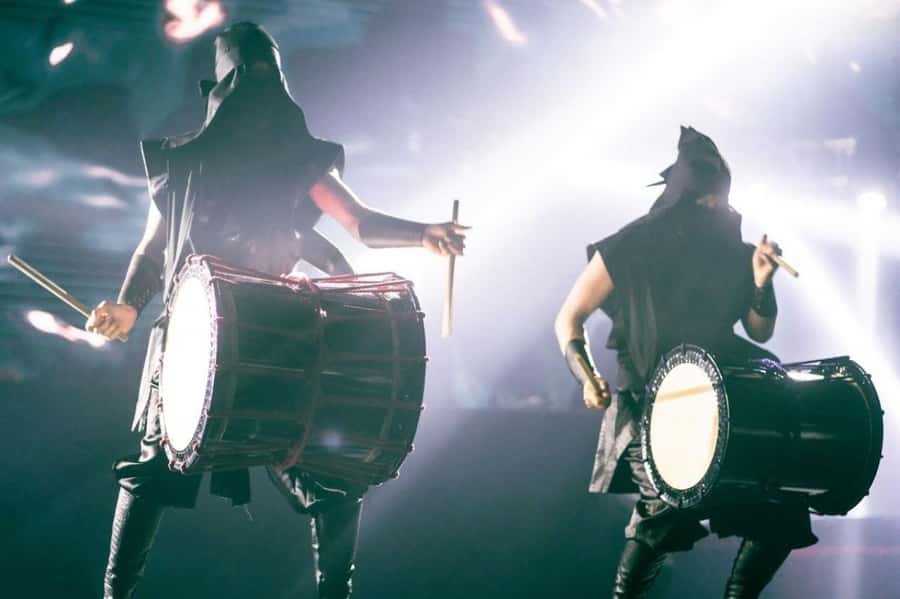
The main production draws on Japanese traditions associated with ninja, oiran, and wadaiko. The narrative is told through bodies, props, costumes, music, and stage action rather than through long spoken scenes.
The ninja sections provide the clearest through-line. You can expect sword fighting, acrobatics, dramatic poses, and references to ninja origins and history. This is not a historical lecture, and you should not expect a detailed account of ninja life. Instead, the show gives you a short, theatrical introduction to the legends and images surrounding ninjas.
The kabuki influence appears in the performers’ stylized movement, character presentation, music, and visual drama. One especially effective section has been described as a black-and-white ninja goddess sequence, with strong choreography, costumes, music, and supporting visuals. That kind of scene shows where the production is at its best: focused, carefully staged, and built around the performers’ physical skill.
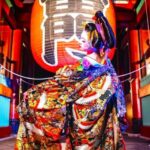
The oiran material adds dance, costume, and a different rhythm to the program. Oiran were high-ranking courtesans during Japan’s early modern period, and their presentation in the show is theatrical rather than documentary. You will see a stylized interpretation, not a full explanation of the social world in which they lived.
The show’s cultural value comes from this blend. You see several Japanese art forms placed next to one another, then recast for a modern audience. It is broad rather than detailed, but it can give you useful context before visiting museums, watching other performances, or reading more about kabuki and ninja traditions.
Wadaiko Drums and Acrobatics Take Center Stage
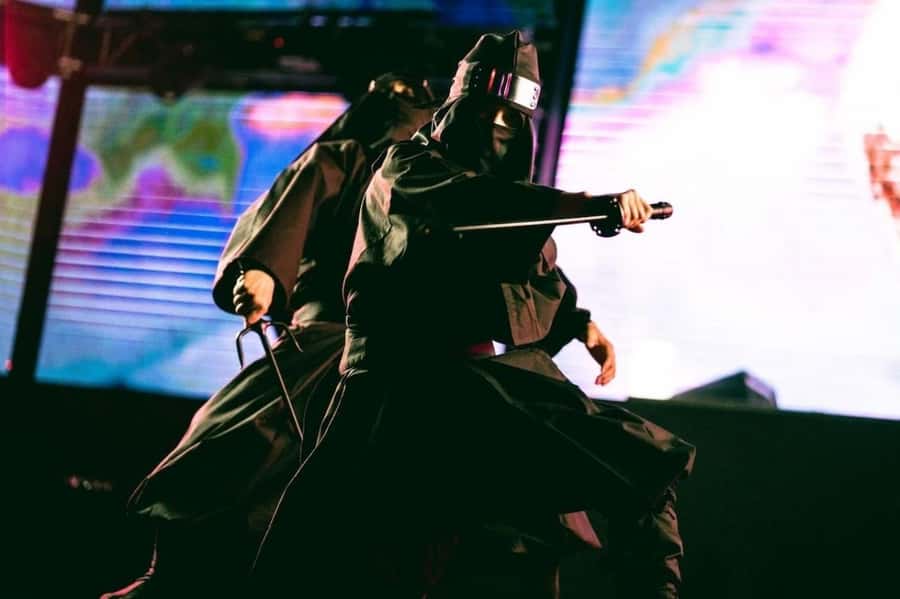
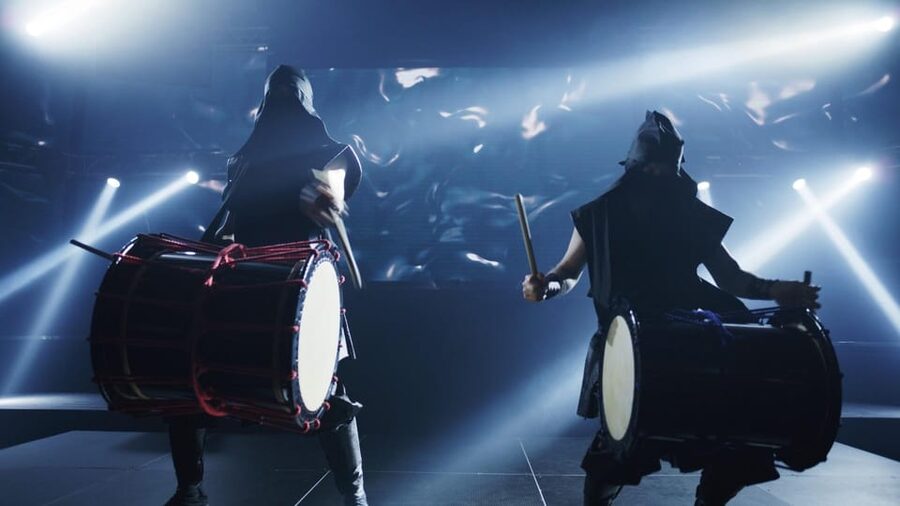
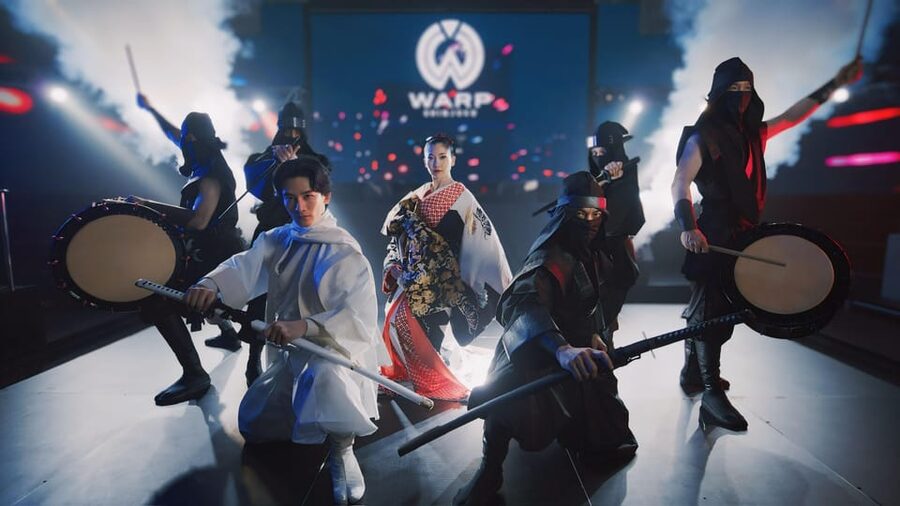
The drumming is the loudest and, for many people, the strongest part of the show. Wadaiko drums give the performance its physical force. The sound is not background music. It drives the action and makes the theater feel much larger than it is.
The drummers are presented as skilled, forceful performers, and the drum sections have earned some of the most enthusiastic praise. If you enjoy live percussion, this alone may justify the $29 price. The combination of synchronized movement, deep drum tones, and stage lighting gives the performance a direct physical impact that a cultural lecture cannot match.
The acrobatics add speed and surprise. Ninja performers move through staged fights and physical routines, while dancers and other artists bring changes of pace. The production also uses lighting, projected visuals, lasers, electronic music, and other effects to create a modern performance space.
There is a tradeoff. The same sound and visual effects that make the production exciting can also make it feel busy. One 90-minute description called the show a lot for the mind to process, while other comments found the volume too high. I would bring earplugs if you are sensitive to loud sound. For young children, watch their reactions and be ready for the drums to be intense.
The Second Half and Audience Participation
The latter part shifts from watching to doing. You may be invited to practice ninja hand signs, learn a simple sword technique, take part in a throwing competition, or join another audience activity. The exact balance of these activities can vary, but the format is meant to get you involved rather than keep you in your seat for the entire performance.
This section is especially useful for families. Children do not need to understand every cultural reference to enjoy copying a movement or taking part in a short challenge. Adults can join in too, although participation is not ideal for anyone who prefers a quiet, strictly formal theater experience.
The MC is important here. A lively host helps explain what is happening and keeps the room moving between the acts. MC Dai has been singled out for being cheerful, funny, and helpful for English speakers. That said, the hosting style is energetic. If you prefer understated presentation, you may find the MC too forceful, especially in the second segment.
The interactive material can also feel less connected to the opening kabuki scenes. One useful way to think about it is that the show has two personalities. The first is a theatrical cultural performance. The second is a participatory variety show with ninja lessons and comic diversions. Both can be fun, but they do not always have the same tone.
At the end, you can take photos with the ninja and kabuki performers. This is included rather than treated as an extra charge, making it a pleasant souvenir opportunity. If you want a keepsake from the experience, plan to use the photo moment, since a performance recording or DVD is not offered.
A few more Tokyo tours and experiences worth a look


Extra Acts and Modern Stage Effects
The production can include more than the central ninja and kabuki scenes. Depending on the program, you might see a bartender’s fire-spitting routine, an illusionist or juggler, ribbon dancing, electronic music, a DJ-style segment, or a laser-heavy interlude.
These additions help explain the show’s mixed reception among people who wanted more traditional kabuki. Some viewers enjoy the variety and the surprises. Others prefer the sections that focus on the actors, drummers, costumes, and choreography, and find the modern side acts less necessary.
I would set your expectations before you go. This is not a single continuous historical drama. It is a stage revue built around ninja and kabuki themes. The production keeps changing its tools, from swords and drums to modern music and visual effects. That variety is a strength if you want an entertaining night out. It is a weakness if you want a tightly unified story.
The venue itself is part of the experience. Lighting, visuals, and music create a heightened space that feels far removed from the streets outside. The show is short enough to fit neatly into a full Tokyo day, yet substantial enough to feel like a planned activity rather than a quick street performance.
Is $29 a Fair Price?
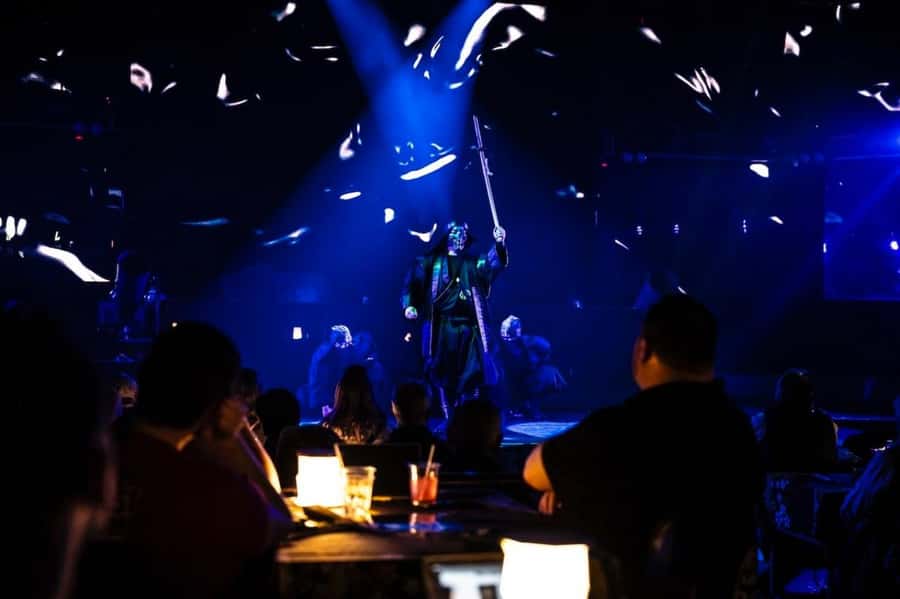
At $29 per person, the value is good if you want a cultural show with live performers, drumming, audience participation, and a photo opportunity. The price includes the performance ticket and one bottle of mineral water. Transportation, food, and other drinks are not included.
The performance lasts about 80 minutes. That works out well for an afternoon stop or an evening before dinner. You are not committing half a day to a theater visit, and the central Shinjuku location means you can combine it with shopping, restaurants, nightlife, or nearby sightseeing.
The value is less clear if you are comparing it with a premium dinner show. This experience does not include transportation or a meal, and the supplied information indicates that food and drinks are not allowed inside. One practical complaint has been the lack of snack options, so eat beforehand if you know you will want food during the evening.
I see the price as reasonable for a first introduction to Japanese stage traditions. You are paying for live skill, not just scenery. The strongest value comes from the drumming, acrobatics, choreography, and interactive finish. The cultural explanation is brief, so you should not buy this expecting a full lesson in kabuki, ninja history, or oiran culture.
Who Will Enjoy This Most?
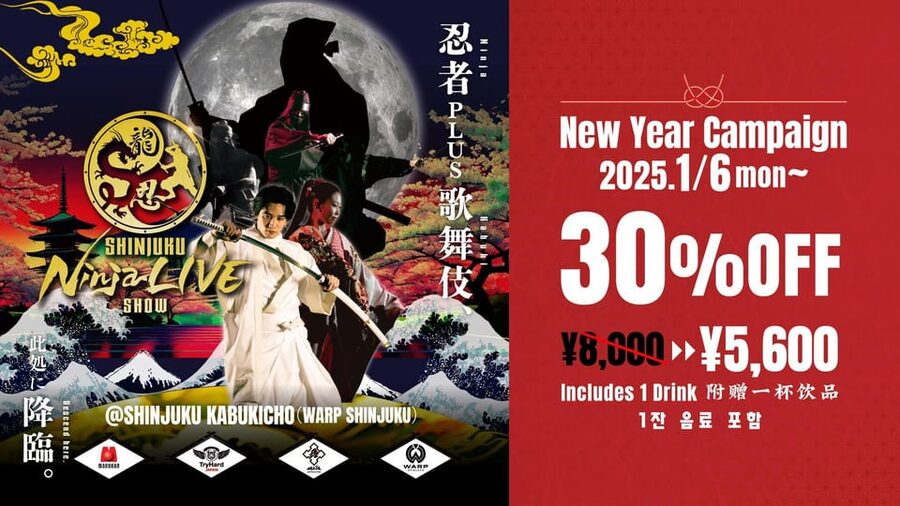
Families are a natural fit. Children aged 0 to 6 can enter free, though food and drinks are not included. Anyone under 16 must attend with a parent or legal guardian. The action is easy to follow, the show is not dependent on Japanese language ability, and the audience participation gives younger visitors something active to anticipate.
First-time visitors to Japan may also appreciate the format. You get a compact look at several recognizable elements of Japanese culture without needing to know theater etiquette or Japanese history in advance. The MC and visual storytelling help keep the experience accessible.
Ninja fans should book with confidence, especially if you like swordplay, costumes, acrobatics, and stage combat. Fans of Japanese drums will probably find the performance even more rewarding.
Solo visitors and couples can enjoy it too. The afternoon shows may provide a useful break during a long day in Shinjuku, while an early evening performance can lead naturally into dinner and neon-lit streets.
You may want to skip it if you want a quiet, traditional, text-heavy theater production. You should also think twice if loud sound is a serious problem for you, though earplugs may help. Finally, if your main interest is classical kabuki technique, the show’s modern comedy, audience games, and electronic effects may feel like too much.
Booking, Timing, and Practical Tips
Book the time that fits your Shinjuku plans, but remember that the booking system uses reception and number tags rather than assigned seats. Arriving early is the best practical tip if you want a better chance of sitting close to the stage.
The product information includes free cancellation up to 24 hours before the experience and a reserve-now, pay-later option. However, the same information also says the ticket becomes non-refundable and the participation date cannot be changed after purchase. Check the conditions shown at checkout carefully, since the final terms attached to your booking matter.
Do not bring sharp objects, weapons, outside food, or drinks. Assistance dogs are allowed, but other pets are not. If you have a fever, breathing trouble, unusual fatigue, sore throat, nausea, vomiting, loss of taste or smell, or similar symptoms, do not attend.
The venue is open in all weather, and the show’s central location makes it easy to add to a city itinerary. I would pair it with a Shinjuku walk before or after the performance, rather than treating it as your only cultural activity in Tokyo. The production gives you impressions and energy. A museum or more traditional performance can provide the slower explanation afterward.
Should You Book the Tokyo Ninja Kabuki Performance?
Book it if you want a lively, family-friendly introduction to Japanese performance, with powerful drums, skilled acrobatics, ninja swordplay, unusual costumes, and modern stage effects. The $29 price is fair for an 80-minute production, especially with the included water, audience activities, and free photos with performers.
Go in expecting a theatrical variety show, not a strict kabuki recital or detailed history lesson. Arrive early for the numbered seating process, bring ear protection if needed, and eat before entering. With those expectations in place, this is a practical and entertaining way to add Japanese stage culture to a day in Shinjuku.
FAQ
How long does the Tokyo Ninja Kabuki Performance last?
The performance lasts about 80 minutes.
Where is the meeting point?
Show your ticket at the Second East Asia Hall in Shinjuku. The listed coordinates are 35.6952253, 139.701307.
What reception times are available?
Starting April 22, 2025, reception is scheduled for 13:40, 15:40, and 17:40.
Can I reserve a specific seat?
No. Seat reservations are not available. Staff distribute number tags in reception order and guide you to seats according to your number.
Is the performance suitable for children?
Yes. Children aged 0 to 6 can enter free, although food and drinks are not included. Children under 16 must be accompanied by a parent or legal guardian.
Is the venue wheelchair accessible?
Yes. The venue is wheelchair accessible.
What is included in the ticket?
The ticket includes admission to the performance and one bottle of mineral water. A ninja experience segment is also included. Transportation, food, and other drinks are not included.
More Shows & Performances in Tokyo
More Samurai & Ninja Experiences in Tokyo

More tours in Tokyo we've reviewed












Samurai & Ninja Experiences, compared.
 ★ 4.5Tokyo: Samurai Restaurant Show Ticket with 2 DrinksFrom $551h 30m
 ★ 4.6Tokyo: Samurai Ninja Museum Guided tour and ExperienceFrom $27
 ★ 5.0Skip the lines Basic Ticket at SAMURAI NINJA MUSEUM TOKYOFrom $28
 ★ 5.0Tokyo: Authentic Samurai Training at a DojoFrom $211
 ★ 5.0Best Samurai Experience in TokyoFrom $65
 ★ 4.6Tokyo: Legend Samurai Entertainment Night in Kanda ShrineFrom $44