Reviewed · MUSASHINO
Experience Mikoshi Parade in Kichijoji, Tokyo!
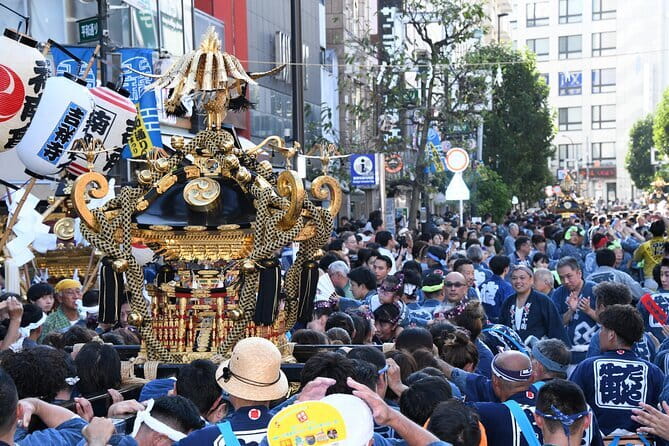
Kichijoji’s Autumn Festival turns an ordinary shopping street into a moving wall of sound, teamwork, and local pride. The main attraction is the parade of up to 11 Mikoshi, portable shrines carried by residents from Musashino Hachimangu and ten town districts. I like that this is not just a photo stop: on September 12, you may actually put on a Hanten festival jacket and help carry one.
In This Article
- Key points at a glance
- Why the Mikoshi Parade Feels Different from a Show
- September 12 at Kichijoji Daiyagai
- September 13 at Musashino Hachimangu
- Watching Eleven District Styles Meet
- What the $39.02 Price Buys You
- How to Fit It into a Tokyo Day
- What the Guide Adds to the Experience
- Who Should Book This Kichijoji Experience
- Should You Book the Mikoshi Parade?
- FAQ
- Where does the Mikoshi Parade experience start?
- What time does the experience begin?
- How long does the activity last?
- Can I carry a Mikoshi?
- What happens on September 13?
- How many Mikoshi can I see?
- Is the tour private?
- Is food included?
- What happens if the weather is poor?
I also like the small scale and local setting. You are not being taken across Tokyo on a long bus ride. Kichijoji is about 15 minutes by train from Shibuya or Shinjuku, and the tour links neatly with Inokashira Park. The guide, with staff members such as Yamamoto and Kate involved in the experience, helps explain what you are seeing and why the festival matters.
The main consideration is the fixed festival schedule. The Mikoshi carrying takes place on September 12 from 3:00 to 6:00 p.m., while the shrine visit and group demonstration take place on September 13 from 3:00 to 5:00 p.m. You need to choose the right date, and poor weather or insufficient enrollment can lead to a change or cancellation.
Key points at a glance
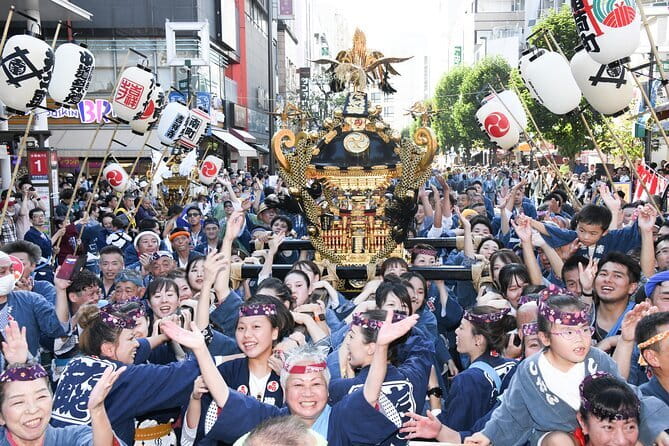
- Carry a Mikoshi on September 12: Wear a Hanten jacket and join local residents for a parade through Kichijoji.
- See up to 11 portable shrines: One comes from Musashino Hachimangu, with ten more representing local districts.
- Meet the festival at Kichijoji Daiyagai: The shopping street is the center of the action, with about 1 hour and 40 minutes spent there.
- Visit an eighth-century shrine: September 13 includes Musashino Hachimangu, Kichijoji’s guardian shrine.
- Learn from a private guide: Only your group takes part, with a professional guide explaining the customs and history.
- Reach it easily from central Tokyo: Kichijoji is around 15 minutes by train from Shibuya or Shinjuku.
Why the Mikoshi Parade Feels Different from a Show
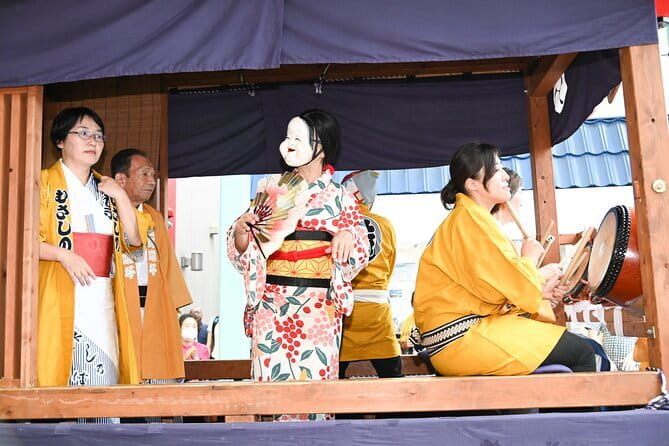
A Mikoshi is a portable shrine carried during a local festival. It represents the presence of the shrine’s deity outside the shrine grounds, and the procession turns the town itself into part of the celebration.
You will see more than a decorated structure being moved from one place to another. Each district has its own way of carrying, chanting, and keeping rhythm. That difference gives the parade its character. One group may move with a particular bounce, another with a different call, and another with its own pace and style.
The festival includes one Mikoshi from Musashino Hachimangu and ten from Kichijoji’s districts. When they gather together, the effect is especially strong. The final presentation is the point when the separate neighborhood groups become one large public celebration.
I like this format because it gives you something a normal shrine visit cannot. At a shrine, you can observe quietly and admire the architecture. Here, you see how a community works together in public. You hear the calls, feel the movement, and watch local identity being carried through the streets.
The experience is also more personal than simply standing behind a barrier. On September 12, you can join the procession as a Mikoshi carrier. That option is the best reason to book this activity if you want participation rather than observation.
If you're still narrowing it down, here are other tours in Musashino we've reviewed.


September 12 at Kichijoji Daiyagai
The September 12 program begins at 3:00 p.m. at Kichijoji Daiyagai, one of Kichijoji’s major shopping streets. The area is the festival’s main stage, so you are immediately close to shops, pedestrians, and the moving procession.
For roughly 1 hour and 40 minutes, you take part in the local carrying experience. A Hanten, the short coat often worn at Japanese festivals, is provided for the activity. Wearing it helps you feel like part of the event rather than someone who has merely arrived to watch.
Carrying a Mikoshi is a shared task. You do not need to understand every chant or movement before you begin, since the guide and local participants help set the pace. The important point is to follow instructions and move with the group. The experience is physical, social, and loud in the best possible way.
The carrying opportunity is also the part that requires the most humility. You are joining an established community tradition, not taking over the parade for a tourist performance. Pay attention, stay with the group, and let the local participants set the tone.
I would choose September 12 if your main goal is active participation. The timetable runs from 3:00 to 6:00 p.m., giving you a longer festival window than the September 13 program. It is also the better date for anyone who wants a memorable story to tell about actually helping carry the shrine.
The limitation is that the activity is tied to one afternoon. You cannot casually arrive at another time and expect the same opportunity. Confirm the date and start time carefully before booking, especially if you are planning other Tokyo activities that day.
September 13 at Musashino Hachimangu
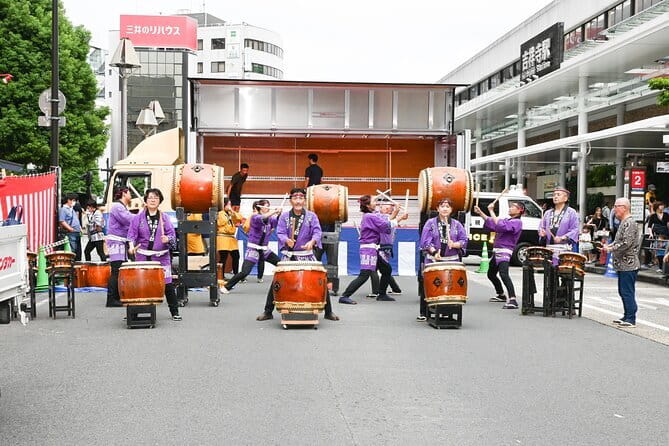
The September 13 program begins at 3:00 p.m. and includes a visit to Musashino Hachimangu. The shrine is described as Kichijoji’s guardian shrine and dates back to the eighth century.
Its history is closely tied to the growth of the town. After the Great Meireki Fire in the seventeenth century, people from Edo rebuilt their lives in this area, and the community developed around the shrine. Today, local people visit for New Year celebrations, festivals, family events, and prayers at important moments.
This context makes the shrine stop more useful than a quick look at a gate and a few lanterns. Your guide explains how the shrine fits into Kichijoji’s story and how it continues to serve the local community. If you are new to Japanese festivals, this is where the ceremony begins to make more sense.
The scheduled shrine portion lasts about 20 minutes. That is not a long architectural tour, so you should not book this experience expecting an extensive examination of every building or religious detail. Instead, think of it as a focused introduction before the festival’s main gathering.
After the shrine visit, you stroll through town in the festival atmosphere and watch the Mikoshi come together. Up to 11 portable shrines take part in the celebration, making this the strongest choice for seeing the full scale of the event.
I would pick September 13 if you prefer observation, background, and the big final display. It is also a good choice if carrying a Mikoshi sounds too demanding or if you would rather spend your time listening to the guide and watching the different district groups.
Watching Eleven District Styles Meet
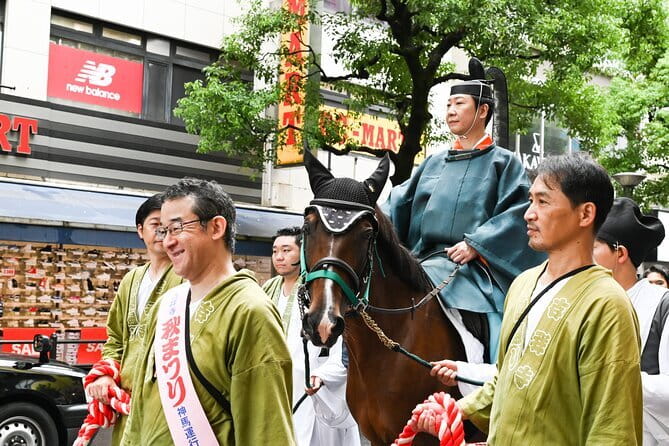
The most interesting visual detail is that the Mikoshi are not all handled in the same way. Each district brings its own approach to carrying, chanting, and celebrating. You can compare the groups as they move through the town, rather than seeing one identical procession repeated again and again.
The final demonstration brings the groups together. This gathering gives you a clear sense of the festival’s size and local reach. Ten district Mikoshi join the one associated with Musashino Hachimangu, creating a concentrated scene full of movement and sound.
A guide matters here because the parade can otherwise seem like a blur of costumes, poles, voices, and motion. The professional guide points out the differences and explains the traditions behind them. The guides also help connect what you are watching to Kichijoji’s neighborhood structure.
The experience is private, meaning only your group participates in the booked activity. That does not make the public festival private, of course. Other people will be present around the parade, but your tour group receives its own guide and organized meeting arrangement.
That format should suit you if you want to ask questions or need explanations at your own pace. It may feel less suitable if you prefer to wander freely with no fixed schedule. The festival itself follows its own timetable, and the tour is built around those set moments.
What the $39.02 Price Buys You
At $39.02 per person, this is a reasonable price for a two-hour private activity in Tokyo, especially if you value access and interpretation more than a long sightseeing route. Admission to the festival sites is free, so you are mainly paying for the guide, organization, and chance to take part in the carrying program on September 12.
That distinction matters. You are not paying for a ticketed performance with reserved seating. You are paying for help entering a local event in a respectful and useful way. The value is strongest if you want to understand the Mikoshi customs or participate alongside residents.
The September 12 option gives the price more weight because the Hanten jacket and carrying experience make it hands-on. The September 13 option is still worthwhile for the shrine visit and all-Mikoshi demonstration, but it offers less physical participation.
No snacks are included, so plan to eat before or after the tour. Kichijoji’s shopping streets make that simple, but the activity itself does not provide refreshments. The meeting point and ending point are both at 1-chōme-1-24 Kichijōji Minamichō, Musashino, Tokyo 180-0003.
The mobile ticket is practical for a short urban activity. Confirmation is sent within 48 hours, subject to availability. I would not leave this booking until the last minute, since the experience is held on specific festival dates and is often reserved about 30 days ahead.



How to Fit It into a Tokyo Day

Kichijoji is easy to add to a western Tokyo itinerary. The area is about 15 minutes by train from Shibuya or Shinjuku, and the tour makes a natural afternoon plan after visiting Inokashira Park.
Give yourself enough time to reach the meeting point before the 3:00 p.m. start. The experience ends back at the same meeting point, which simplifies your evening plans. You can continue exploring Kichijoji afterward or return by train to central Tokyo.
I would avoid pairing this with another tightly timed attraction on the same afternoon. The parade is a live community event, not a museum visit that ends exactly when you are ready to leave. On September 12, the carrying portion runs until 6:00 p.m. On September 13, the program runs until about 5:00 p.m.
Most people can participate, and the activity is near public transportation. Still, the September 12 carrying option is more active than a standard walking tour. If you have concerns about physical exertion, the September 13 viewing program may be the more comfortable choice.
What the Guide Adds to the Experience
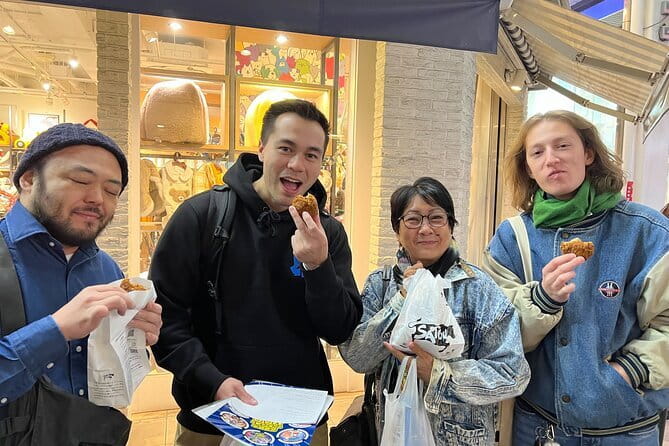
The guide’s main job is to explain the customs behind the spectacle. You learn why the Mikoshi matters, how the shrine connects with the town, and what makes each district’s carrying style different.
The staff associated with the experience include Yamamoto and Kate. Yamamoto has helped participants join the local carrying group, while Kate has handled questions and guided people through the event. Their role is especially useful for first-time visitors who might otherwise hesitate to step into an unfamiliar festival.
I like the human side of this arrangement. The experience is not built around a rehearsed stage act. It helps you meet a local tradition with some guidance, then gives you room to notice the people, sounds, and neighborhood details for yourself.
That personal welcome is one of the strongest reasons to choose this tour. The local participants make room for outside visitors, but you should return that courtesy by following the guide, listening carefully, and treating the Mikoshi with respect.
Who Should Book This Kichijoji Experience
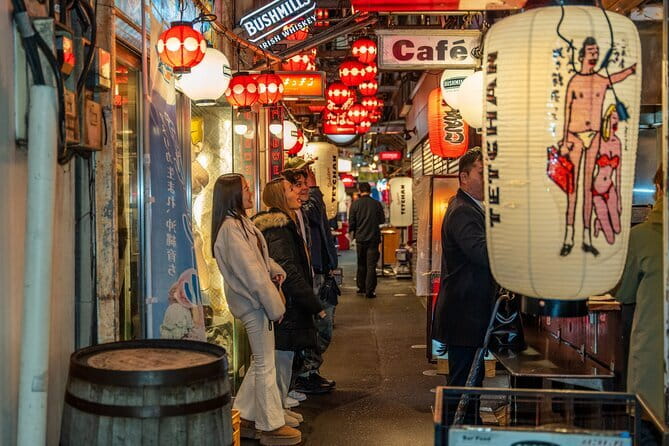
I would recommend the tour to you if you want an active cultural experience and have already seen some of Tokyo’s famous temples and shrines. The Mikoshi parade shows a different side of the city, one rooted in neighborhood groups rather than major sightseeing landmarks.
It is also a strong choice for first-time visitors who want an explanation of Japanese festival customs. The guide gives you enough background to understand what is happening without requiring a full day of lectures.
Families and small private groups may appreciate the two-hour length and simple train access. The September 13 program is likely the easier fit for anyone who prefers watching, while September 12 suits people ready to participate in the carrying.
I would be cautious about booking if your Tokyo dates do not include September 12 or 13, since the festival is tied to those dates. I would also think twice if you dislike fixed schedules, crowded public celebrations, or physical activity.
Free cancellation is available until 24 hours before the start time. Cancellations made less than 24 hours ahead are not refunded, and late changes are not accepted. Poor weather can cancel the activity, in which case you are offered another date or a full refund. A minimum number of participants is also required.
Should You Book the Mikoshi Parade?
Book it if you want to do more than look at a shrine. The September 12 carrying experience offers the rare chance to wear a Hanten and help move a portable shrine with local residents. That is the most distinctive part of the activity and the best value for the price.
Choose September 13 if your priority is the history of Musashino Hachimangu and the sight of all the Mikoshi gathering together. Either date gives you a compact, well-located introduction to Kichijoji’s festival life.
I would skip it only if your schedule cannot handle the fixed afternoon timing or if you want a quiet, self-guided visit. For everyone else, this is a practical way to meet Kichijoji through its people, its shrine, and one very energetic September tradition.
FAQ
Where does the Mikoshi Parade experience start?
The meeting point is 1-chōme-1-24 Kichijōji Minamichō, Musashino, Tokyo 180-0003, Japan.
What time does the experience begin?
The scheduled start time is 3:00 p.m.
How long does the activity last?
The experience lasts about two hours.
Can I carry a Mikoshi?
Yes. On September 12, you can wear a Hanten festival jacket and join local residents in carrying a Mikoshi through Kichijoji.
What happens on September 13?
You visit Musashino Hachimangu from 3:00 to 5:00 p.m., learn about the shrine and festival, stroll through town, and watch the demonstration when all the Mikoshi gather.
How many Mikoshi can I see?
The festival may include up to 11 Mikoshi, one from Musashino Hachimangu and ten from different districts of the town.
Is the tour private?
Yes. Only your group participates in the private tour or activity.
Is food included?
No. Snacks are not included.
What happens if the weather is poor?
If poor weather causes the activity to be canceled, you are offered a different date or a full refund. Free cancellation is also available if you cancel at least 24 hours before the start time.
More tours in Musashino we've reviewed
Musashino, compared.
 ★ 5.0Small Town in the Big City: Tasting Tokyo’s KichijojiFrom $195
 ★ 5.0The 10 Tastings of Tokyo With Locals: Private Street Food TourFrom $199
 ★ 5.0Explore Kichijoji: Walk Through One of Tokyo’s Beloved DistrictsFrom $45
 ★ 4.5Whimsical Walk to a Hidden Anime World: Tokyo Half-Day TourFrom $43
 ★ 5.0Kichijoji Food & Anime Tour in Tokyo with LunchFrom $120
 ★ 5.03-Hour Manga Drawing Workshop in TokyoFrom $97