Reviewed · TOKYO FOOD TOURS
Tokyo: Best of Shibuya Food Tour
Shibuya’s famous crossing is only the opening act. This three-hour food walk takes you into narrow side streets, small restaurants, standing sushi counters, izakaya, ramen spots, and a department-store food hall where the tour finishes with dessert. Guides such as Alex, Jane, Maya, and Saika have helped turn a loud, confusing part of Tokyo into an easy place to eat.
In This Article
- Key points at a glance
- Five tastes that show you more than Shibuya
- Sushi at a standing counter
- Izakaya dishes and the social side of eating
- Okonomiyaki with a regional angle
- Ramen in a compact Shibuya setting
- Dessert inside a Shibuya depachika
- The walking route is part of the meal
- Why the guide matters more than the menu
- Is $170 a fair price?
- Group size, timing, and meeting advice
- Who will enjoy this most?
- Should you book the Shibuya food tour?
- FAQ
- How long does the Tokyo Best of Shibuya Food Tour last?
- How many food stops are included?
- What foods might be included?
- Is the tour conducted in English?
- How large is the group?
- Where is the meeting point?
- What happens if I arrive late?
- What should I bring?
- Are hotel pickup and extra drinks included?
I like the five-stop variety and the way the food comes with useful cultural context. I also like the small-group limit of 10, which matters in tiny Japanese restaurants. The main caution is price: at $170 per person, this is not a cheap way to eat, and much of the route may involve standing and walking.
Key points at a glance
- Five distinct food stops: Past tours have included sushi, izakaya dishes, okonomiyaki, ramen, and a traditional dessert.
- A calmer side of Shibuya: You move beyond the Scramble Crossing into backstreets and small independent restaurants.
- Two drinks included: Additional food and drinks can be bought at your own cost.
- Strong guide-led experience: Guides including Alex, Jane, Saika, Maya, and Kumie have been praised for food knowledge, cultural stories, photos, and friendly conversation.
- Small group, up to 10 people: A useful size for cramped eateries, though the group may not always be full.
- Strict meeting rule: Meet at the Hachiko wall mural, not the crowded dog statue, and arrive early.
Five tastes that show you more than Shibuya
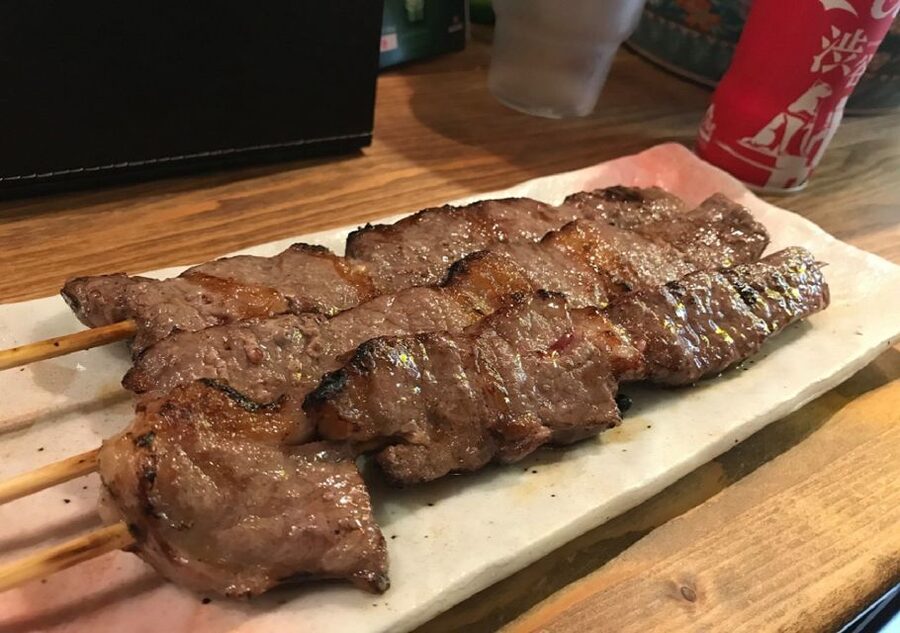
The best reason to book this experience is not simply to fill three hours with food. It is to learn how to read Shibuya. The district is famous for flashing signs, young fashion, and the Scramble Crossing, yet its eating life often hides upstairs, downstairs, or behind an unremarkable doorway.
Your guide leads you from one stop to the next, explaining what you are eating and why it matters. That makes a difference in Japan, where an unfamiliar menu, quiet ordering rules, and limited English can make a small restaurant feel harder to enter than it really is.
The exact dishes can vary, but the route has included a standing sushi restaurant, an izakaya, an okonomiyaki restaurant, a ramen street stop, and a local dessert. That is a sensible progression. You get raw seafood, grilled or shared dishes, a regional version of a familiar Japanese classic, noodles, and something sweet to finish.
A few more Tokyo tours and experiences worth a look
Sushi at a standing counter
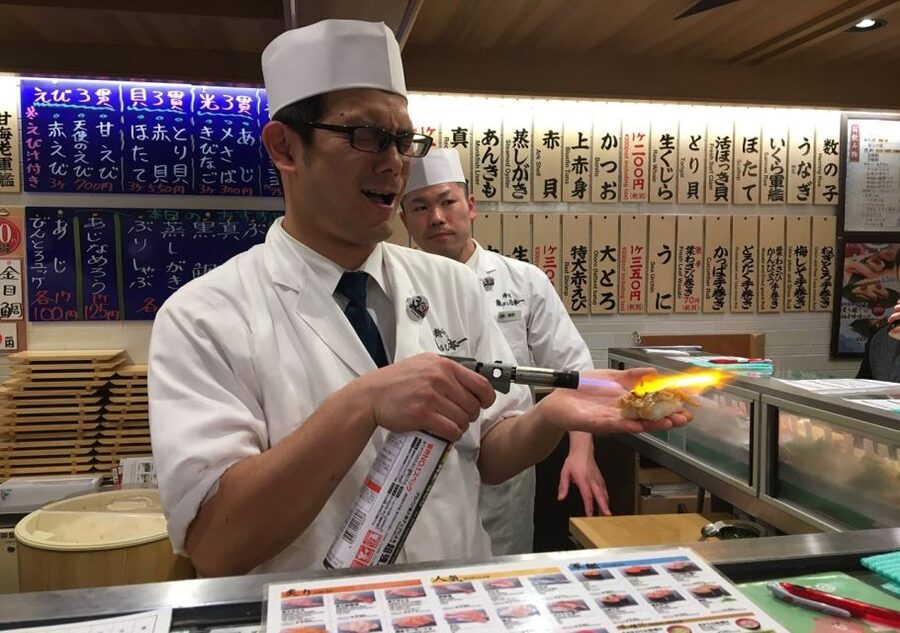
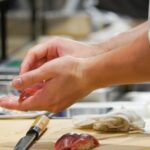
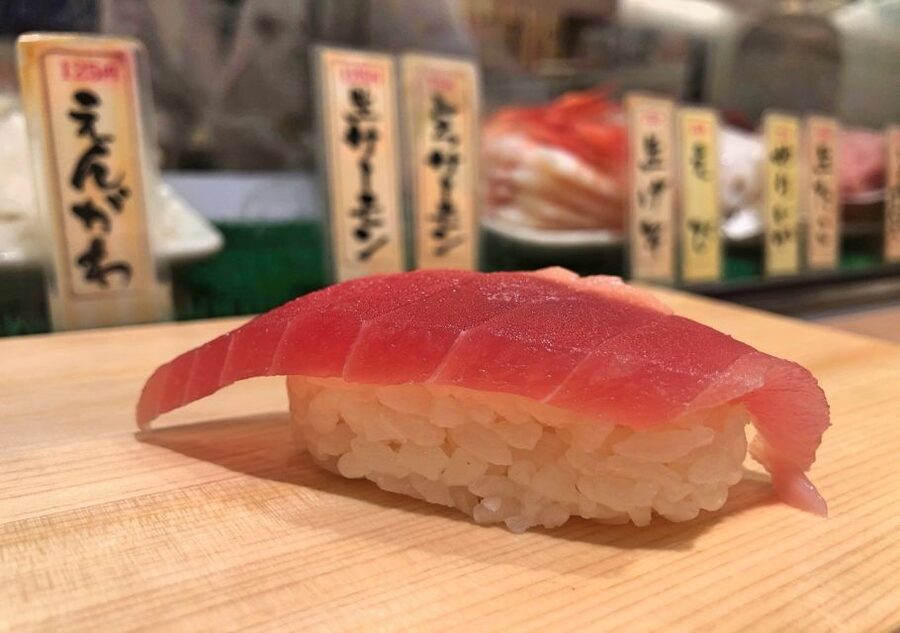
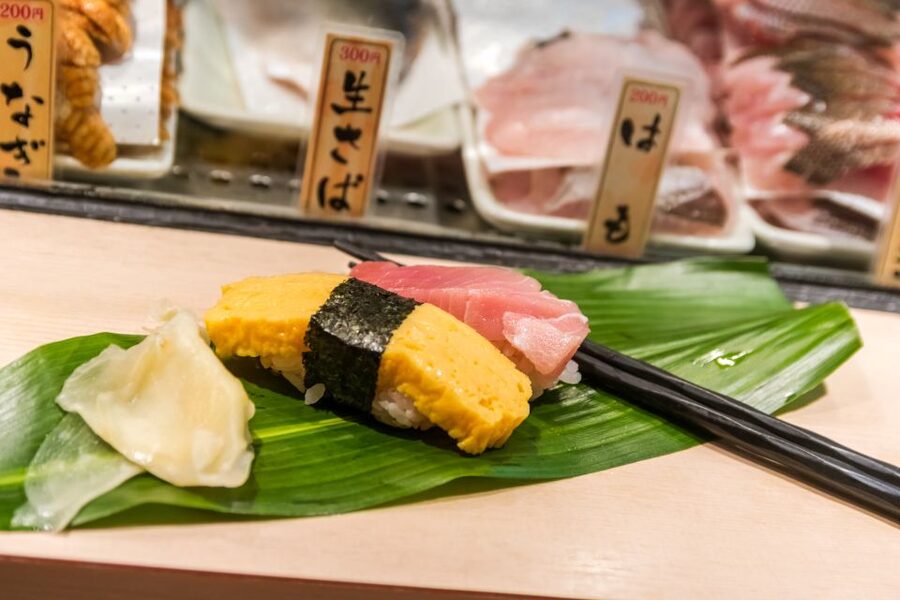
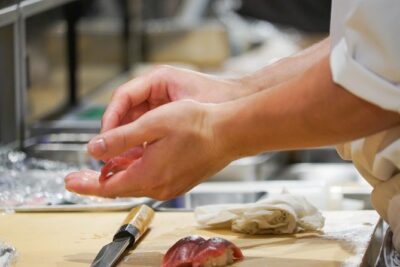
A standing sushi stop gives you an immediate sense of practical Tokyo dining. You are not settling in for a long formal meal. You are eating carefully prepared food in a compact place, then moving on to the next part of the neighborhood.
Sushi can be difficult to order if you are unsure about cuts, condiments, or portion sizes. With a guide beside you, you can concentrate on flavor and texture rather than worry about making a mistake. One tour route included sushi that a participant described as the best they had eaten up to that point in Japan, though your own experience will depend on the day and the restaurant used.
This stop may not suit anyone expecting a long seated meal. Standing also becomes more noticeable after several stops, especially if you are tired from a full day in Tokyo. Still, the format fits Shibuya well and gives you a taste of how locals can eat quickly without treating food as an afterthought.
Izakaya dishes and the social side of eating
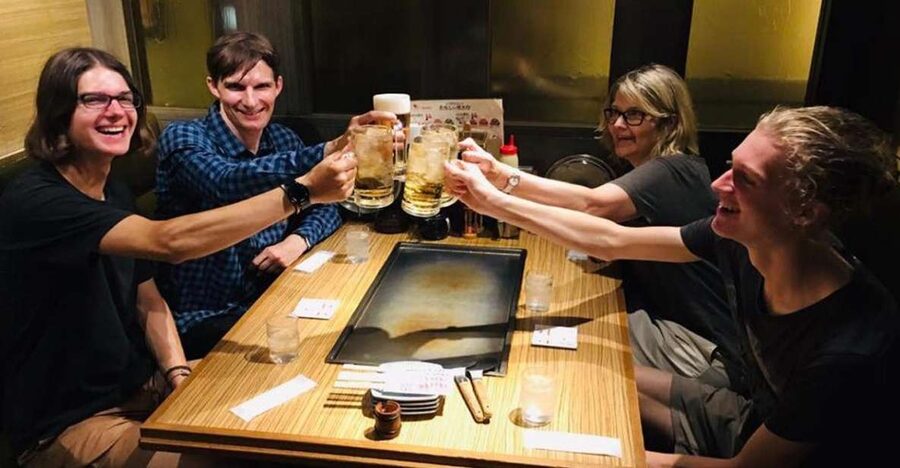
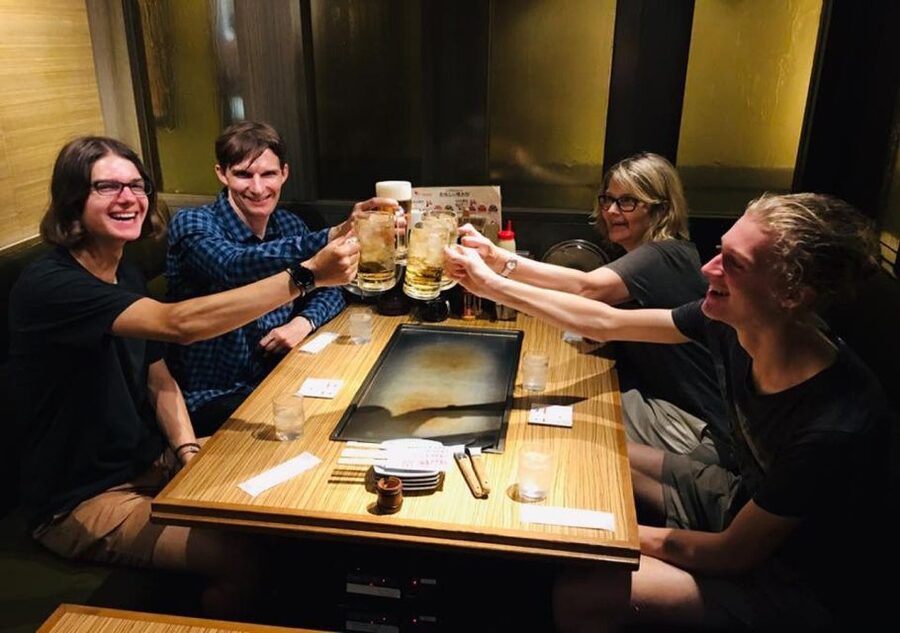
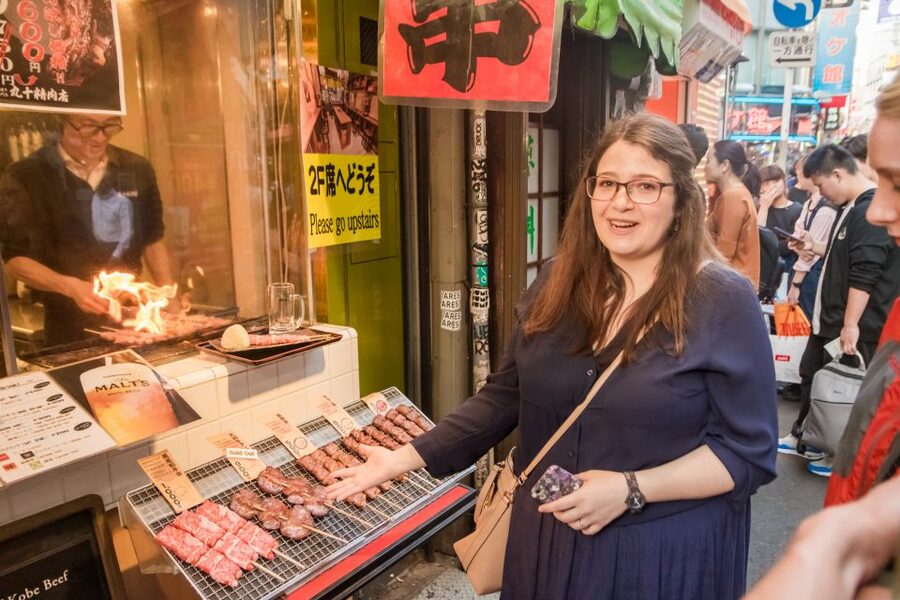
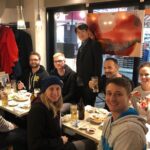
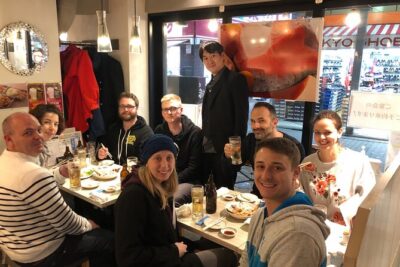
The izakaya stop brings a different mood. These casual Japanese drinking restaurants are built around shared dishes, conversation, and drinks. You may try several small plates rather than one large entrée, which helps you sample more of the cuisine.
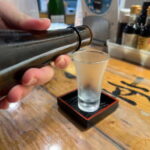
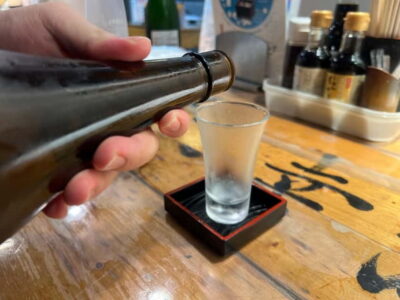
The tour includes two drinks, and these may be alcoholic or nonalcoholic depending on the arrangements and your choices. Extra drinks are not included, so keep that in mind if you plan to linger or want more than the included amount.
This is also a good point to ask your guide about Japanese dining habits. Guides have shared stories about everyday customs, regional food, restaurant etiquette, and local phrases. Alex, in particular, was praised for mixing Japanese and Mexican cultural references, while other guides have added personal observations about Japan and their own backgrounds.
The social setting is part of the value. You are not just eating a dish from a counter. You are seeing how food works as a reason to gather, talk, and spend time together.
Okonomiyaki with a regional angle
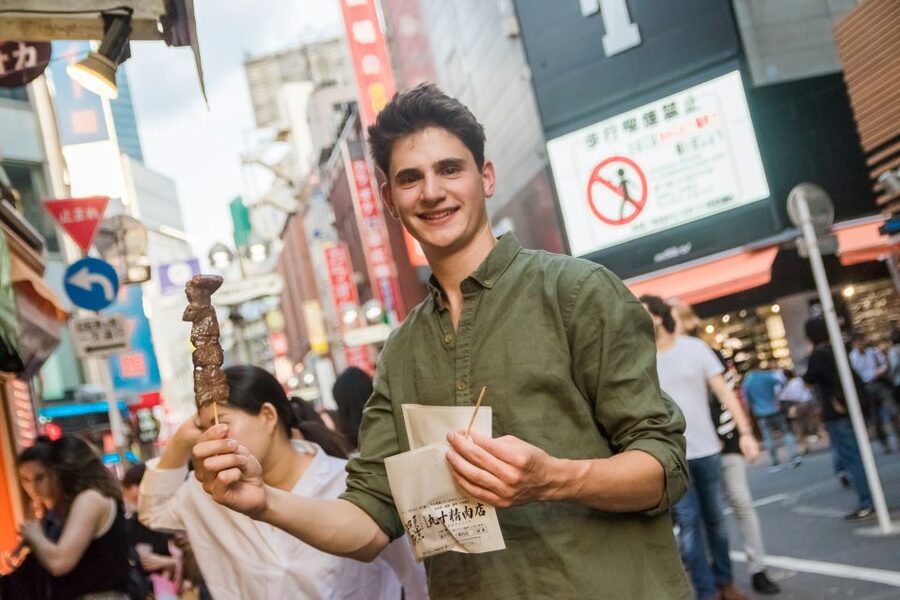
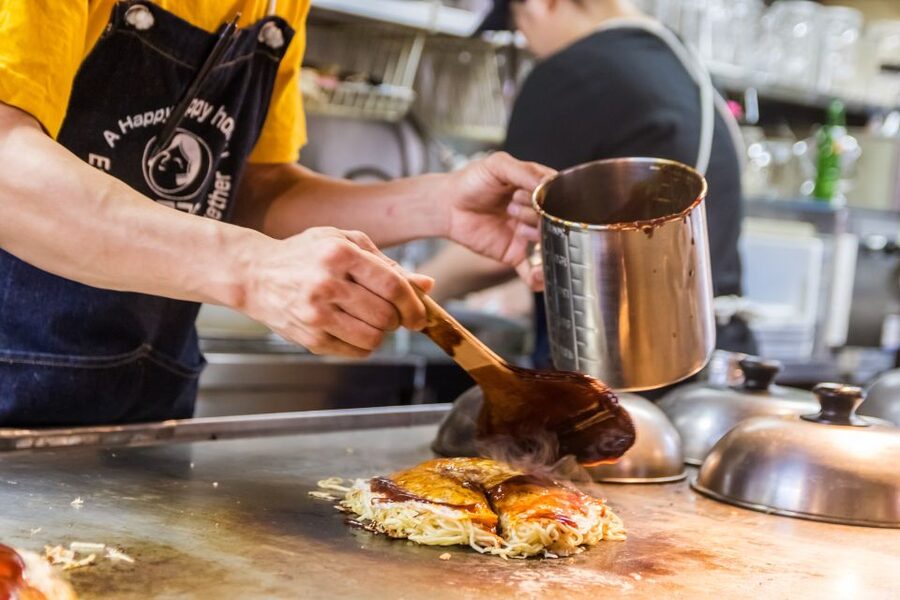
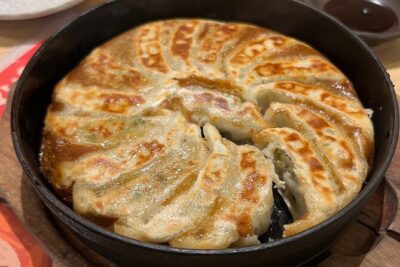
Okonomiyaki is often introduced as a savory pancake, but that description is only a starting point. It is a filling dish made with a batter base and other ingredients, and regional versions can differ in preparation and style.
A stop focused on okonomiyaki has earned particular praise. One route served regional versions of the dish, while another included pancakes that were described as especially good. This is the sort of detail that makes the tour more useful than a generic food sampler. You get a dish you may already recognize, then learn that Japanese cuisine is not one fixed national menu.
Depending on the restaurant, the meal may involve a grill or hot cooking surface. Watch your hands and clothing around hot food, and do not assume every stop will offer a full, quiet table. The reward is a more direct look at the cooking process and the lively restaurant atmosphere.
Ramen in a compact Shibuya setting
Ramen provides a hearty middle or late stop. It is familiar enough for cautious eaters, but local preparation can still surprise you. The key issue here is appetite. Several stops in three hours add up, and one past participant sensibly advised arriving hungry.
Do not treat the ramen as an optional extra after everything else. It is part of the balance of the tour: sushi gives you delicate flavors, izakaya food adds variety, okonomiyaki brings a heavier shared dish, and ramen supplies a warm bowl of noodles.
The walking helps break up the meal, but it does not erase the amount of food. Portions have been described as generous, and one person wished for half-servings or smaller samples. If you eat lightly, have dietary restrictions, or dislike feeling full, tell the guide early and ask what adjustments may be possible.
A few more Tokyo tours and experiences worth a look

Dessert inside a Shibuya depachika
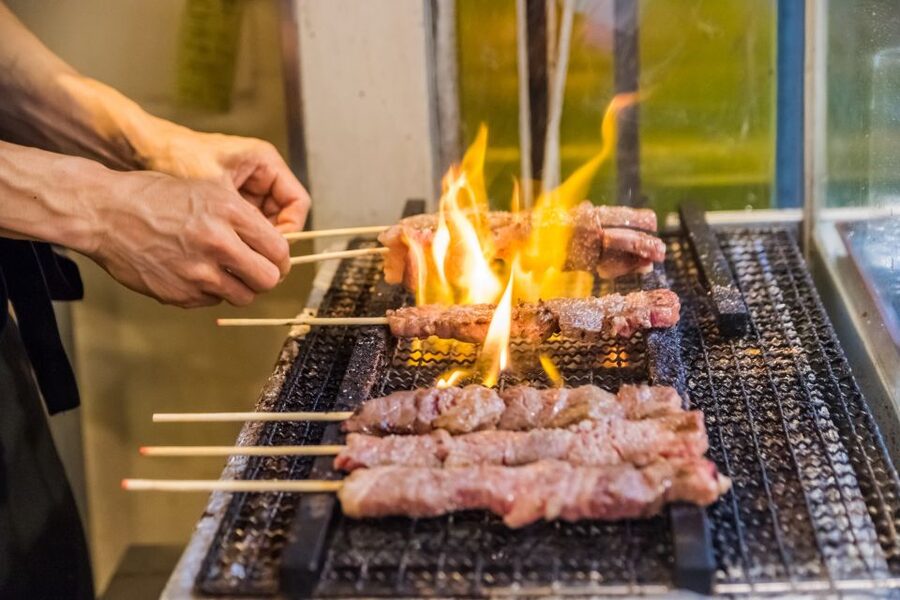
The final stop takes you into a depachika, the food hall found in the basement of a Japanese department store. This is one of the tour’s most useful details because it takes you beyond restaurant dining and into a major part of Japanese food culture.
A depachika can feel like a food museum in miniature, with carefully presented sweets and prepared foods. Here, the tour ends with dessert and a look around the department-store food area. You may find the setting less atmospheric than a tiny alley restaurant, but it shows a polished, everyday side of Tokyo eating that many first-time visitors miss.
Ending with dessert is also practical. You finish indoors, away from traffic and crowds, with a sweet course after the savory stops. It gives the route a clear finish rather than leaving you to wander off after the last bowl or plate.
The walking route is part of the meal
This is a walking tour, not a series of restaurant transfers. The route moves through Shibuya’s busy streets and back lanes, and the neighborhood itself supplies the connecting story.
You will likely spend some time standing. A past family group found the tour manageable because the guide adjusted the schedule and allowed enough indoor rest during very cold weather. Another parent noted that the route could be a stretch for children because of the walking and standing, especially after a long day of sightseeing.
Comfortable shoes are essential. Bring your passport, and remember that a copy of passport information is required for every participant aged 10 and over. The tour data does not promise a particular accessibility setup, so ask the operator directly if you need seating, mobility assistance, or food adjustments.
The route is especially useful on your first day in Tokyo. It gives you a practical introduction to Shibuya, and guides have offered suggestions for other places to eat during the rest of a Japan trip. You will still need time afterward to explore Shibuya on your own, but you should have a better sense of where the busy main roads end and the smaller eating streets begin.
Why the guide matters more than the menu
The restaurants are important, but the guide is what turns a meal into a tour. You are relying on that person to manage timing, explain unfamiliar dishes, handle communication, and keep a small group moving through a crowded district.
The guide roster changes, so you cannot count on one particular person. Still, many guides have received strong praise. Alex has been described as fun, warm, and full of useful recommendations. Jane has been credited with finding small independent restaurants that would be hard to locate alone. Saika was praised for excellent English, cultural explanations, photos, and spending extra time with a very small group.
Maya, Kumie, Shion, Michie, Ryan, and others have also been singled out for friendly service, local information, and thoughtful handling of questions or food restrictions. One Spanish-speaking participant received the tour in Spanish from Norma, but the official language for this activity is English, so you should not assume another language is available.
A good guide also makes the tour work for families. Children aged 6, 8, 9, 10, 11, and 12 have been included in past groups, and guides have adjusted the pace or offered extra help when needed. Even so, children should be willing to try unfamiliar foods and walk or stand for much of the three hours.
Is $170 a fair price?
At $170 per person, this experience sits in the premium food-tour range. You are paying for more than the cost of five meals. The price includes a local English-speaking guide, food at several stops, two drinks, dessert, restaurant coordination, and the confidence to enter places you might not find or understand on your own.
The value is strongest if you are new to Tokyo, want a broad tasting menu in one evening, or feel uneasy ordering in small Japanese restaurants. It is also useful if you have only a short stay and want a guided introduction rather than spending your first night guessing where to eat.
The value is weaker if your main goal is maximum food for the lowest cost. You can eat very well in Tokyo for far less than $170, and the tour may include food you would not have chosen yourself. Some people may also prefer to spend that amount on one excellent restaurant meal instead of several quick stops.
Think of this as a food and neighborhood orientation, not just dinner. If the cultural explanation, restaurant access, and easy ordering are worth paying for, the cost is easier to justify. If you are an experienced Tokyo diner who enjoys finding places independently, you may find the price harder to defend.
Group size, timing, and meeting advice
The group is limited to 10 participants. That is far better than a large coach-style outing, especially when a standing restaurant or tiny izakaya is involved. A very small group may even become a private-feeling experience, as happened for a couple whose booking had only two participants.
The meeting point requires care. Meet in front of the colorful Hachiko wall mural directly outside Shibuya Station at the Hachiko Exit. Do not use the famous Hachiko statue as your meeting point. Face the large intersection with the mural behind you.
Arrive early. The guide can wait only five additional minutes after the scheduled start, and once the group leaves, the guide cannot provide directions or take phone calls. This strict rule protects the restaurant schedule, but it means a late arrival can cost you the entire tour.
Hotel pickup is not included, though it can be arranged for an additional fee. Transportation costs are also excluded. Since the activity begins and ends in Shibuya, plan your route to and from the meeting point before you leave your hotel.
Who will enjoy this most?
I would choose this tour for first-time Tokyo visitors who want a friendly introduction to Japanese food without spending weeks researching restaurants. It also suits couples, small families, and solo visitors who enjoy eating with a group.
It is a good match for curious eaters who want to try sushi, okonomiyaki, ramen, izakaya fare, and dessert in one outing. The cultural stories add value, especially if you want more than a list of dishes.
I would hesitate if you dislike walking, cannot stand for long periods, or prefer predictable food and large seated meals. The tour can accommodate some food restrictions, but you should discuss those in advance rather than assume every stop can change its menu.
Free cancellation is available up to 24 hours before the start time, and you can reserve now and pay later. Those policies help if your Tokyo plans are still shifting, but they do not change the need to arrive on time with your passport and comfortable shoes.
Should you book the Shibuya food tour?
Book it if you want five food experiences plus a local guide to make Shibuya easier to understand. The strongest parts are the small restaurants, the mix of Japanese dishes, the backstreet route, and the guides’ ability to add history, customs, photos, and practical food advice.
Skip it if you are looking for a bargain meal or want to choose every dish yourself. For most first-time visitors with room in the budget, this is a generous and well-organized introduction to Shibuya’s eating culture, with enough walking and food to make the $170 worthwhile.
FAQ
How long does the Tokyo Best of Shibuya Food Tour last?
The tour lasts three hours.
How many food stops are included?
The experience includes five food stops, with a variety of dishes, two drinks, and dessert.
What foods might be included?
Past routes have included sushi, izakaya dishes, okonomiyaki, ramen, and a traditional local dessert. The exact food selection may vary.
Is the tour conducted in English?
Yes. The activity includes a live English-speaking guide.
How large is the group?
The group is limited to 10 participants. Smaller groups are possible, depending on bookings.
Where is the meeting point?
Meet in front of the Hachiko wall mural outside Shibuya Station at the Hachiko Exit. Do not meet at the crowded Hachiko statue.
What happens if I arrive late?
The guide can wait only five additional minutes after the scheduled start. After that, the tour departs, and the guide cannot provide directions or be contacted by phone during the route.
What should I bring?
Bring your passport and comfortable shoes. A copy of passport information is required for all participants aged 10 and over.
Are hotel pickup and extra drinks included?
Hotel pickup is not included but can be arranged for an additional charge. Transportation costs, extra drinks, and additional food are also not included.
More Food Experiences in Tokyo
More Tokyo Food Tours in Tokyo
More Shibuya Tours in Tokyo
More tours in Tokyo we've reviewed












Tokyo Food Tours, compared.
 ★ 5.0Tokyo: Shinjuku Food Tour (13 Dishes at 4 Local Eateries)From $86
 ★ 4.9Tokyo: Shinjuku Food Tour (13 Dishes and 4 Eateries)From $97
 ★ 5.0Tokyo Night Foodie Tour in Shinjuku – Seasonal Sushi, Wagyu BeefFrom $111
 ★ 5.0Eat and Drink Like a Local: Tokyo Ueno Food Tour-Taverns&RamenFrom $95
 ★ 5.0Tokyo: Shibuya Food Tour (13 dishes and 4 Eateries)From $77
Tokyo: Shinjuku Food Tour – 15 Dishes, 3 Drinks, 4 EateriesFrom $723 hours
★ 5.0Tokyo: Shibuya Food Tour (13 dishes and 4 Eateries)From $77
Tokyo: Shinjuku Food Tour – 15 Dishes, 3 Drinks, 4 EateriesFrom $723 hours

![[Seasonal Limited] Mt. Fuji 5th Station &Hot Spring Day Tour - Mt. Fuji 5th Station at 2,300 meters](https://tokyoezine.com/wp-content/uploads/2026/08/seasonal-limited-mt-fuji-5th-station-hot-spring-day-tour.jpg)