Reviewed · FOOD
REAL, All-Inclusive Tokyo Food and Drink Adventure
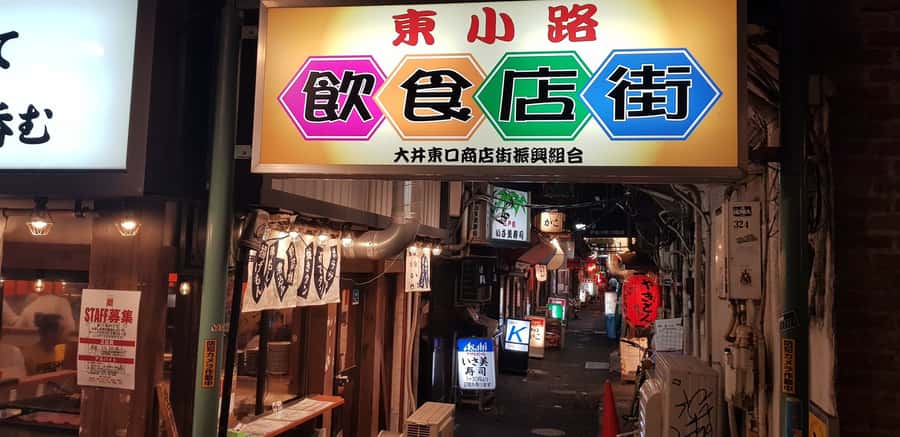
Tokyo’s best food memories often begin away from Shinjuku and Shibuya. This evening tour takes you through Oimachi and Kamata, two local areas where the focus is after-work food, drinks, and everyday city life rather than sightseeing landmarks. You visit three tachinomi, or standing bars, with dinner, train fare, and one drink at each stop included.
In This Article
- Key points to know before booking
- Why Oimachi and Kamata make good food-tour territory
- Meeting at JR Oimachi Station’s East exit
- First stop: a standing bar in Oimachi
- The six-minute train ride to Kamata
- Two more restaurant stops in Kamata
- What $95 covers, and where the value lies
- The guide can shape the whole evening
- Who will enjoy this Tokyo food tour most
- Practical details that can save you trouble
- Should you book the Oimachi and Kamata food tour?
- FAQ
- How long does the Tokyo food tour last?
- Where does the tour begin?
- Which neighborhoods does the tour visit?
- How many restaurants are included?
- How many drinks are included?
- What is included in the $95 price?
- Who can participate?
I like the small group of no more than six people, which gives the English-speaking guide room to explain what you are eating and how the neighborhoods work. I also like the simple all-in-one price: $95 covers food, three drinks, and the train between areas. The main consideration is that you must arrive early at the correct station exit, and the evening includes standing, walking, and commentary that may not suit younger teens.
Key points to know before booking
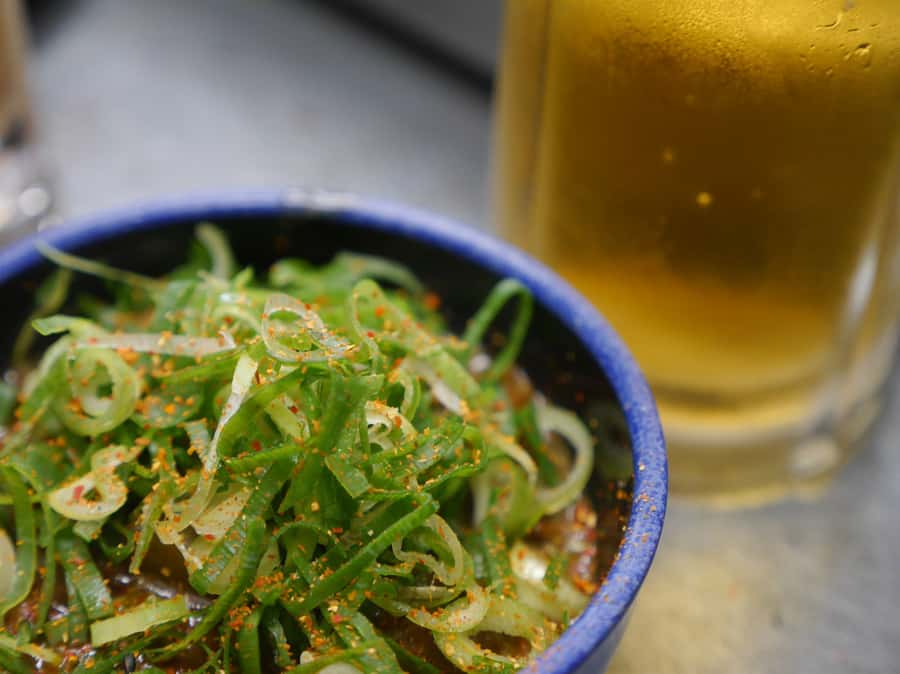
- Three tachinomi stops: Expect standing-bar restaurants with plenty of food, not a quick drink with a token snack.
- Two working neighborhoods: Oimachi and Kamata offer a look at local evening life beyond Tokyo’s best-known districts.
- Three included drinks: Choose alcoholic or non-alcoholic drinks, with one drink included at each restaurant.
- Small English-speaking group: The tour is limited to six people, and guides have included Hiro, Ken, Andrew, Christi, and Yemeni.
- Train ride included: The six-minute trip between neighborhoods is covered, so you do not need to budget for local transport during the tour.
- Adult evening out: All participants must be at least 18, and Japan’s legal drinking age is 20.
Why Oimachi and Kamata make good food-tour territory
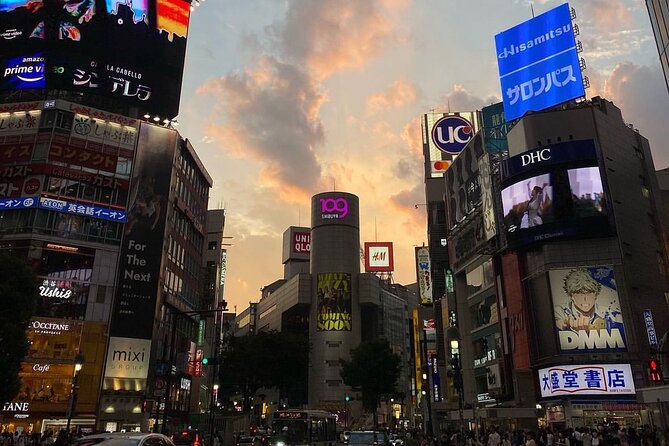
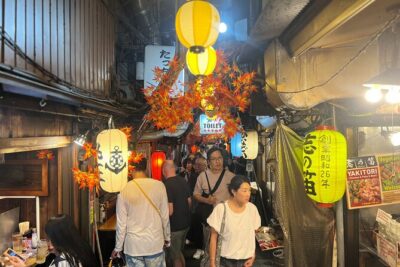
Tokyo is enormous, and famous districts can make the city feel oddly uniform. Shinjuku and Shibuya have plenty to offer, but they also come with bright signs, heavy foot traffic, and a steady stream of visitors. Oimachi and Kamata give you a different frame of reference.
The point here is not to collect famous sights. It is to see how people unwind after work, where they stop for a casual meal, and how a local neighborhood changes after dark. Your guide adds context as you walk, touching on nightlife, grocery shopping, and other parts of ordinary city life.
That matters because food in Japan is tied closely to place and routine. A standing bar is not just a restaurant with fewer chairs. It is a practical setting for a quick meal, a drink, or a short stop before heading home. The compact format also lets you try several places in one evening rather than committing to one long dinner.
I would choose this tour early in a Tokyo stay if you want help understanding the city. Afterward, you will have a better sense of the difference between a nightlife district built for broad appeal and a neighborhood where the evening rhythm is more local.
A few more Tokyo tours and experiences worth a look

Meeting at JR Oimachi Station’s East exit
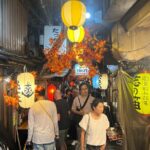
The meeting point is JR Oimachi Station’s East exit. This detail deserves more attention than it usually gets, because the station has several exits and one is called Central East exit. You need the exit labeled East exit, not Central East.
Plan to arrive early. The group cannot wait for late arrivals, and Tokyo station exits can take longer to sort out than you expect, especially if you are coming from another line or carrying luggage. Keep the meeting information handy and give yourself enough time to come above ground, check the signs, and find the right exit without rushing.
The tour begins with about 45 minutes of guided walking and sightseeing around Oimachi. The supplied details do not name each sight or promise a set list of streets, so you should not book this expecting major monuments. The value is in the neighborhood explanation: nightlife, shopping, local routines, and the small details you might otherwise pass without noticing.
That opening walk also helps you get hungry. You are not being rushed straight into a restaurant, and the guide has time to explain what makes the area useful to people who live and work nearby.
First stop: a standing bar in Oimachi
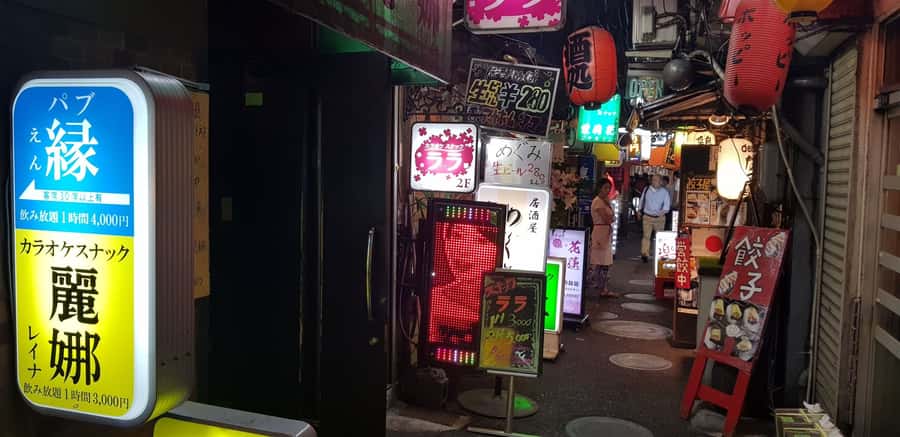
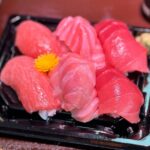
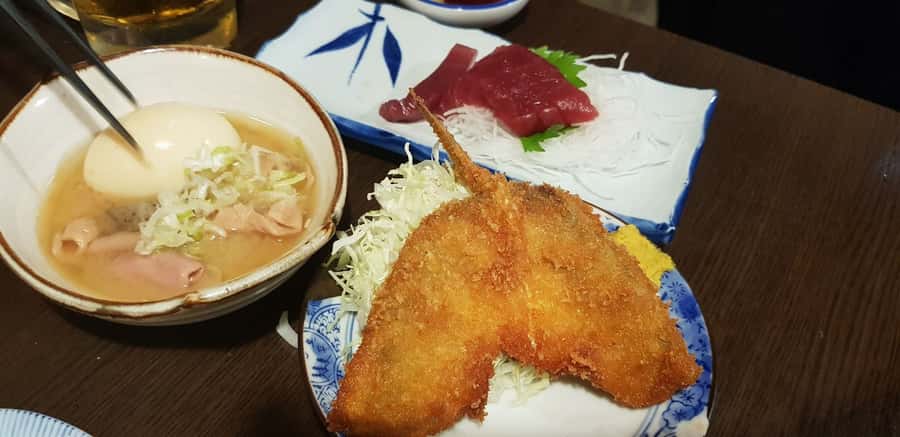
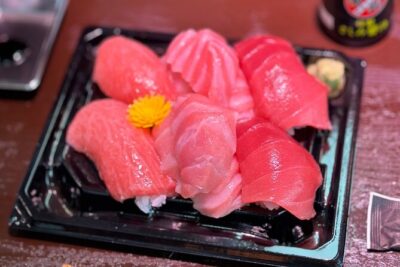
The first restaurant visit lasts about 30 minutes and includes a beer, cocktail, spirit, or non-alcoholic drink. Food is part of the dinner package, and the tour description makes clear that there should be enough to eat even though these are called bars.
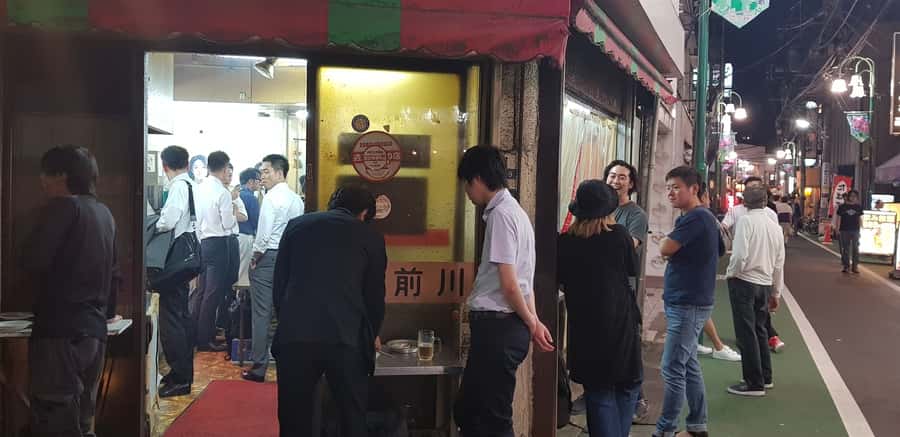
Tachinomi literally refers to standing drinking places. In practice, think of them as casual Japanese tapas bars, with small dishes shared or sampled over a short visit. Standing changes the mood. You can move through the meal at a quicker pace, and the setting feels less formal than a sit-down restaurant.
The exact dishes are not fixed. Seasonal ingredients, restaurant availability, and last-minute changes can affect the menu. That is a benefit if you like meals shaped by the day, but it also means this is not the right choice if you need a guaranteed list of specific foods.
Your guide is an important part of this stop. English-speaking guides have included Hiro, Ken, Andrew, Christi, and Yemeni on different departures. The feedback about them points to an informed, personable style, with special praise for guides who explain the area and help participants try food they might not order alone.
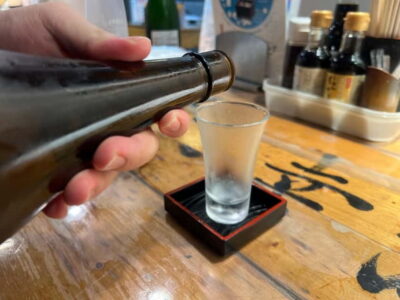
One practical point: the first included drink is covered, but any additional drink at that restaurant costs extra. Additional drinks generally run about 500 yen each and are paid directly to the restaurant.
The six-minute train ride to Kamata
After Oimachi, you take a train for roughly six minutes to Kamata. The train fare is included, which keeps the evening simple and prevents a short local journey from becoming one more small expense to track.
This transfer is useful in two ways. First, it lets you compare two areas in one outing. Second, it breaks the tour into sections, so the evening feels like a progression rather than three similar stops in one street.
You should be comfortable using local transportation with a small group. The route is short, but you will still be walking to and from stations and restaurants. Wear shoes that can handle several hours on your feet, and dress for time both indoors and outdoors.
Kamata is another chance to see Tokyo through daily life rather than postcard attractions. The walk here lasts about 45 minutes and continues the cultural side of the tour. The guide may discuss local nightlife, shopping, and the way people use the neighborhood after work. The supplied information does not promise particular landmarks, so approach this as a guided neighborhood walk with food stops, not as a conventional sightseeing tour.
Two more restaurant stops in Kamata
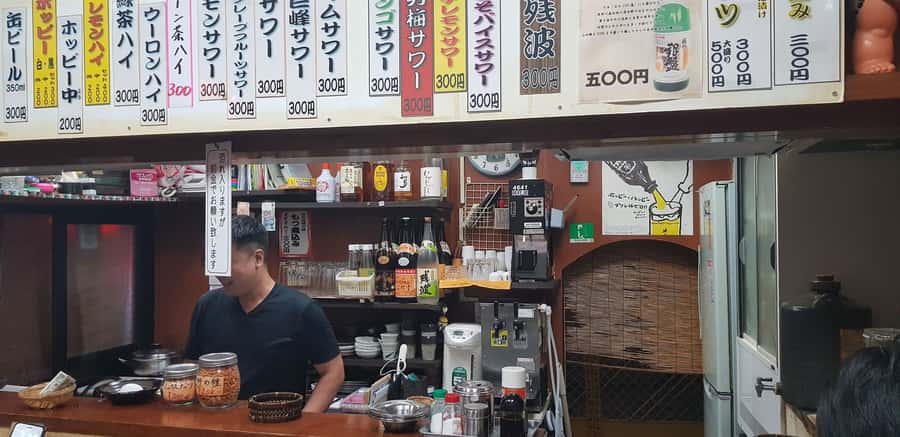
The final two local restaurant visits form the main dinner portion of the evening. Each includes food and a drink, giving you three included beverages in total across the tour. Alcoholic and non-alcoholic choices are available, though Japan’s legal drinking age is 20.
Three restaurant stops are a smart setup for first-time food explorers. If one dish or drink is outside your comfort zone, the evening keeps moving. You also get a better sense of variety between establishments, rather than judging Japanese casual dining from a single meal.
The tradeoff is that the stops are short and informal. You should expect to stand, share attention with the group, and move along rather than settle in for a long, quiet dinner. If you want a seated meal with a fixed menu and plenty of time at the table, this will feel too active.
The word all-inclusive needs a small clarification. The price includes dinner, three beverages, alcoholic drinks, and transportation during the tour. It does not mean unlimited drinking. One drink is included at each restaurant, and extra drinks are available for about 500 yen apiece.
Because the menu can change, you might encounter dishes that are unfamiliar or not what you had pictured when booking a Tokyo food experience. That is part of the appeal for an adventurous eater, but anyone with strict food preferences should ask for details before reserving.




What $95 covers, and where the value lies
At $95 per person, this is not the cheapest way to eat in Tokyo. You could order casual food for less if you chose restaurants yourself. The price makes more sense when you count the parts that are easy to overlook: three stops, dinner, three drinks, an English-speaking guide, cultural explanation, and the train between neighborhoods.
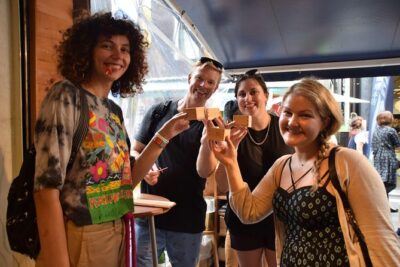
The small group also matters. With a maximum of six participants, the guide can usually keep the conversation moving and answer questions without turning the evening into a speech. You are paying partly for access to local places and partly for help making sense of them.
I see the strongest value in the combination of food and orientation. You are not simply buying three drinks and a few plates. You are paying for a structured evening in areas that may be difficult to choose on your own, especially if you do not read Japanese or know the local customs.
The value is weaker if you are already comfortable finding standing bars, ordering unfamiliar food, and navigating Tokyo’s train system. In that case, you may prefer to spend the $95 on several independent meals. For most first-time visitors, though, the guide and small group make the cost reasonable.
The guide can shape the whole evening
The strongest praise centers on the guides. Ken was described as selecting delicious Japanese dishes and explaining the area well. Hiro handled a last-minute change of venue effectively, which is useful in a city where restaurant availability can shift. Other departures included Andrew, Christi, and Yemeni, with emphasis on warmth, humor, and enthusiasm.
Guide quality matters more on this tour than on a standard bus or landmark walk. You need someone who can explain unfamiliar dishes, keep the group together, and make sense of local customs without turning the evening into a lecture.
The guide also acts as a bridge between you and the restaurants. You can ask what to try, learn how people use tachinomi, and understand why certain places fit the neighborhood. That personal connection is the main reason to choose this experience instead of simply searching for standing bars online.
Since guides vary by departure, you should not book with the expectation that a particular person will lead your tour unless the operator confirms it. The names associated with past departures include Hiro, Ken, Andrew, Christi, and Yemeni.
Who will enjoy this Tokyo food tour most
I would recommend this experience to an adult who wants a social evening and is willing to try food without knowing the full menu in advance. It suits solo participants, couples, and small groups who want more local context than a standard restaurant reservation provides.
It can work especially well on a first or second visit to Tokyo. You get a useful introduction to neighborhood dining, after-work customs, casual drinking places, and short-distance train travel.
It is less suitable for children and younger teens. Everyone must be at least 18, and the tour includes commentary and content that may not be appropriate for pre-teens. Participants under 20 cannot legally drink alcohol, though non-alcoholic choices are available.
You should also think about your eating and mobility needs. The evening includes roughly three hours of walking, indoor and outdoor time, standing at the restaurants, and movement between neighborhoods. Comfortable shoes are essential.
Practical details that can save you trouble
The tour lasts about three hours, with starting times shown according to availability. It is conducted in English and limited to six participants.
You can reserve now and pay later, which helps if your Tokyo schedule is still shifting. Cancellation is free up to 24 hours before the tour for a full refund.
There is one unusual booking condition for solo participants. The operator aims not to charge more for one person, but if the minimum of two participants is not reached, you may be offered an alternate date, a 3,000 yen solo supplement, or a full refund.
Hotel pickup and drop-off are not included. You need to make your own way to JR Oimachi Station’s East exit and arrange your return after the final restaurant.
Should you book the Oimachi and Kamata food tour?
Book it if you want local neighborhoods, standing-bar dining, and guided cultural context in one compact evening. The three drinks and train fare make the $95 price easier to justify, while the six-person limit keeps the experience personal.
Skip it if you need a fixed menu, a seated dinner, unlimited drinks, or a major-sights tour. The route is built around local food culture, walking, and flexibility, not famous landmarks or polished restaurant service.
For the right person, this is a useful way to spend an evening in Tokyo: relaxed, social, food-focused, and far removed from the usual tourist circuit. Arrive early at the correct Oimachi exit, wear comfortable shoes, and come ready to try something you might not have ordered by yourself.
FAQ
How long does the Tokyo food tour last?
The experience lasts about three hours.
Where does the tour begin?
It begins at the East exit of JR Oimachi Station. Use the exit labeled East exit, not Central East exit.
Which neighborhoods does the tour visit?
The tour visits Oimachi and Kamata, with a train ride of about six minutes between them.
How many restaurants are included?
You visit three standing-bar restaurants, known in Japan as tachinomi.
How many drinks are included?
Three drinks are included in total, with alcoholic and non-alcoholic options available. Additional drinks generally cost about 500 yen each and are paid directly to the restaurant.
What is included in the $95 price?
The price includes dinner, three beverages, alcoholic beverages, and transportation during the tour. Hotel pickup and drop-off are not included.
Who can participate?
All participants must be at least 18 years old. The legal drinking age in Japan is 20. The tour is conducted in English and limited to six participants.
More Food Experiences in Tokyo


More tours in Tokyo we've reviewed












Food, compared.
 ★ 5.0Tokyo: Shinjuku Food Tour (13 Dishes at 4 Local Eateries)From $86
 ★ 5.0Tokyo Tsukiji Fish Market Food and Culture Walking TourFrom $99
 ★ 5.0Tokyo: Tsukiji Fish Market Food and Walking tourFrom $30
 ★ 4.9Tokyo: Shinjuku Food Tour (13 Dishes and 4 Eateries)From $97
 ★ 5.0Tokyo Night Foodie Tour in Shinjuku – Seasonal Sushi, Wagyu BeefFrom $111
 ★ 5.0Eat and Drink Like a Local: Tokyo Ueno Food Tour-Taverns&RamenFrom $95