Reviewed · TOKYO FOOD TOURS
Guided Tsukiji’s Local Food Tour
Tsukiji is best understood one bite at a time. On this 90-minute morning walk, Yoshi leads a group of no more than four through the outer market, pointing out stalls and small shops that are easy to miss when you are on your own. Expect seafood, tamagoyaki, green tea ice cream, and local stories along the way.
In This Article
- Key points to know before booking
- Why Tsukiji still matters after the wholesale move
- Meeting Yoshi at 8:00 am
- Tamagoyaki, grilled seafood, and the first tastings
- Tuna, oysters, sake, and matcha flavors
- Stories behind the outer market
- Why the small group makes a difference
- Finishing at Namiyoke Shrine
- Price, timing, and the real value
- Who should choose this Tsukiji walk?
- Should you book it?
- FAQ
- How long does the Tsukiji food tour last?
- What time does the tour start?
- Where does the tour begin?
- Where does the tour end?
- How many people can join the tour?
- Is food included in the tour price?
- Can I cancel for a full refund?
I like the tiny group size, which makes it easier to ask questions and deal with Japanese-only menus. I also like that the tour ends at Namiyoke Shrine, leaving you in a good spot to keep exploring Tsukiji. The main drawback is that food costs extra, and you should budget about JPY 2,000 to 5,000 in cash beyond the tour price.
Key points to know before booking
- Yoshi leads a group of up to four, giving the walk a personal, flexible feel.
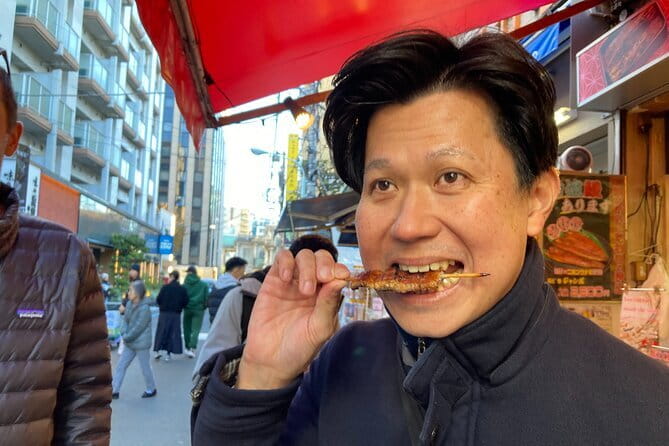
- The food stops can include tamagoyaki, grilled seafood, tuna, oysters, sake, wagyu, and matcha treats.
- The tour begins at 8:00 am, a useful time for fresh seafood and a less crowded market experience.
- The wholesale seafood market is now in Toyosu, but Tsukiji’s outer market remains open with food stalls, shops, and traditional specialties.
- Food is not included, so bring Japanese yen for tastings and any extra meal.
- The walk ends at Namiyoke Shrine, next to the market, so you can continue exploring afterward.
Why Tsukiji still matters after the wholesale move
Many visitors arrive in Tokyo expecting the old Tsukiji wholesale market, only to learn that the main wholesale operation moved to Toyosu. That change does not make Tsukiji a wasted stop. The outer market remains a busy food district where you can browse seafood counters, snack stalls, small restaurants, sweets shops, and stores selling kitchen goods.
This tour focuses on that outer market. That is important because Tsukiji is not a museum-style attraction with a fixed route. It is a maze of working shops and narrow streets. The pleasure comes from knowing where to pause, what to try, and how to avoid wasting time at the first stall with a long line.
I like that the experience treats Tsukiji as a neighborhood food market rather than a single sight. You are not simply shown a famous street and sent on your way. Yoshi introduces recommended shops and explains what makes their offerings worth your attention.
The market can feel crowded and confusing, especially in the morning. A local guide also helps with menus and ordering. That matters when you encounter foods or signs written only in Japanese, or when you want to understand the difference between several similar-looking seafood options.
A few more Tokyo tours and experiences worth a look
Meeting Yoshi at 8:00 am
The meeting point is at 4-chōme-8-1 Tsukiji, Chuo City. The tour starts at 8:00 am, so plan your route carefully and allow time to reach the area by public transportation.
An early start suits this market well. Fresh seafood and breakfast foods are central to the Tsukiji experience, and the morning schedule gives you a chance to eat before the day gets too far underway. The early hour also helped one reported group avoid some of the heavier crowds while sampling food.
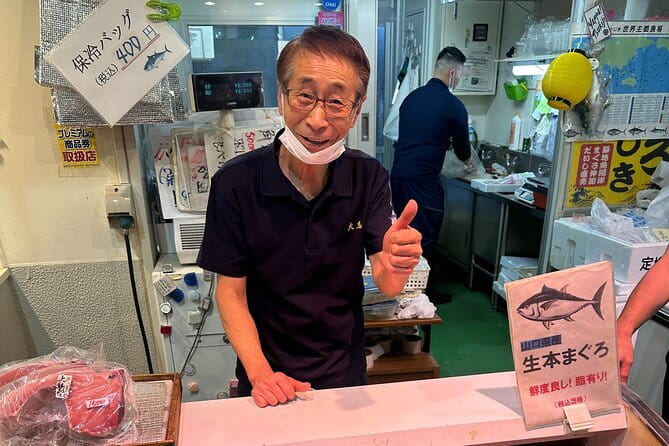
The guide is Hisayoshi Kioka, who uses the name Yoshi. His connection to the area is a major part of the experience. He has lived near Tsukiji for many years, and his role is not limited to translating a menu or leading you down a street. He explains the area, introduces places he recommends, and helps you make sense of the market’s food culture.
The group limit is four people. That is a real advantage here. In a large group, you may be pushed along before you can look closely at a stall or ask why one food is worth trying. With four or fewer people, the pace should feel more like a guided stroll with a local than a formal procession.
Tamagoyaki, grilled seafood, and the first tastings
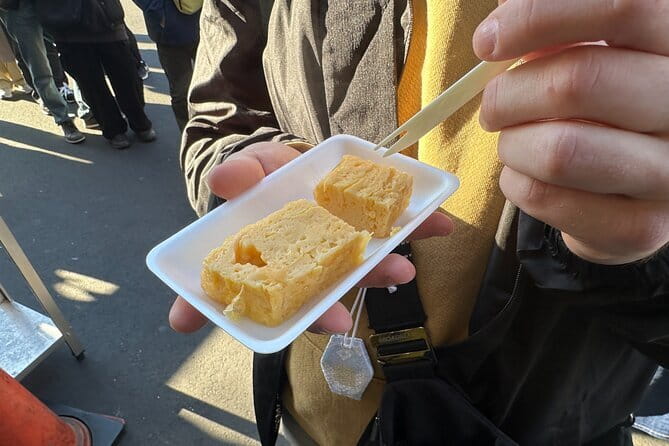
Tamagoyaki is one of the classic foods associated with Tsukiji. This sweet, layered Japanese omelet looks simple, but it has a soft texture and a mild sweetness that makes it a popular breakfast or snack. Sampling it in the market gives you a useful introduction to the way Japanese food can be delicate without being bland.
The tour also features grilled seafood and other local specialties. These foods are practical market fare: quick to eat, strongly tied to the products sold around you, and easy to enjoy while walking.
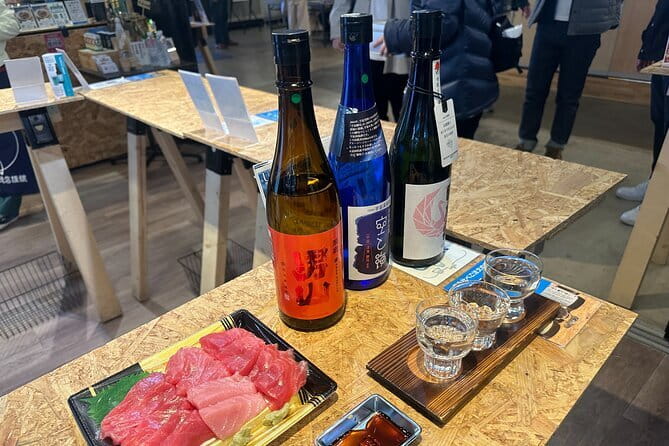
The exact selection can depend on what is available at the shops that day. The tour description names tamagoyaki, grilled seafood, and green tea ice cream, while past food combinations have also included tuna, oysters, sake, wagyu, and matcha. You should treat these as examples rather than a guaranteed menu.
That uncertainty is normal for a market tour. It means the experience can respond to the day’s offerings, but it also means you should not book it expecting a fixed tasting menu. If you have allergies, strong food restrictions, or foods you cannot eat, raise the issue before purchasing. The supplied details do not promise special dietary arrangements.
Bring cash in Japanese yen. The suggested spending range is JPY 2,000 to 5,000 per person for street food. That is separate from the tour price, and you may also want money for a café, restaurant meal, drinks, or souvenirs.
Tuna, oysters, sake, and matcha flavors
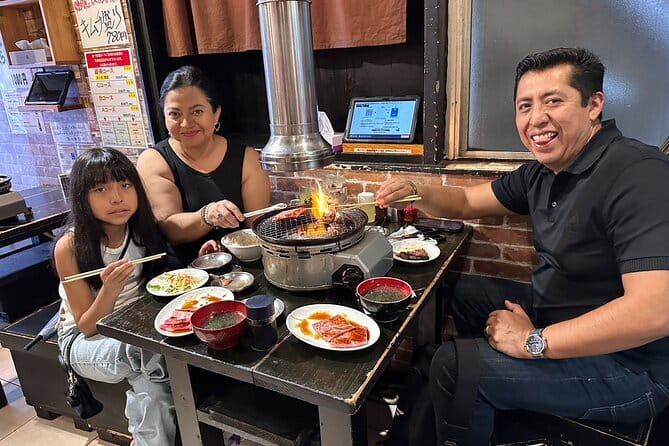
The most appealing part of this experience is the chance to build a breakfast around several small tastes instead of committing to one full meal. Tuna and oysters connect directly to Tsukiji’s seafood identity. Sake adds a traditional Japanese drink to the morning, although you should decide for yourself if alcohol suits your schedule.
Wagyu has also been part of the food mix on this tour. It gives you a break from seafood and shows that Tsukiji’s food scene is broader than fish alone. Matcha and green tea ice cream provide a sweet finish, with a slightly bitter tea flavor that keeps the dessert from becoming too heavy.
I like this kind of food walk because it lets you compare textures and flavors as you go. You can try a small portion, ask Yoshi what it is, and then decide where to spend more of your food budget. It is a better approach than ordering a large meal before you understand what the market offers.
Still, remember that the food budget can vary. If you want tuna, oysters, sake, wagyu, extra snacks, or a sit-down meal, your spending may move toward the upper end of the JPY 2,000 to 5,000 estimate or beyond it. The tour fee of $32.52 covers the guide and walking experience, not the food.
Stories behind the outer market
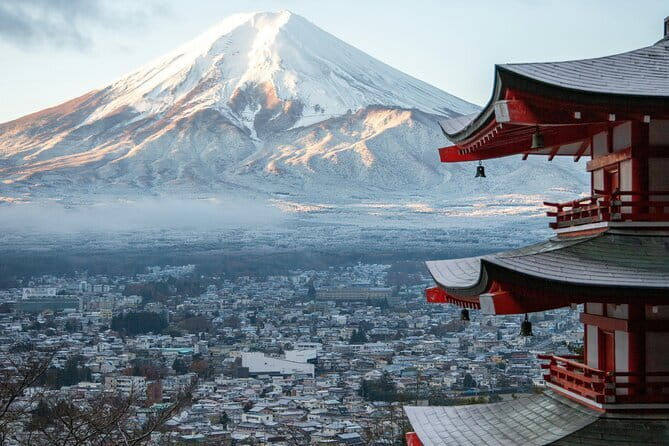
Tsukiji was once the largest wholesale seafood market in Tokyo. That history explains its international fame, but the wholesale operation now takes place in Toyosu. The outer market continues to serve people looking for fresh seafood, prepared foods, sweets, and traditional market products.
Yoshi adds context as you walk. The history is useful because it gives meaning to the stalls in front of you. Instead of seeing only crowded counters and unfamiliar ingredients, you begin to understand how Tsukiji developed as a place connected to Tokyo’s food trade.
The tour is also a practical history lesson. You learn through the shops you visit, the food you taste, and the streets you walk. That keeps the information tied to real places rather than turning the morning into a long lecture.
One strength of this format is that Yoshi can answer questions as they arise. If you want to know what a food is, why a shop is recommended, or how to continue exploring after the tour, you can ask directly. His English communication was praised in the available feedback, which should help if you do not speak Japanese.
A few more Tokyo tours and experiences worth a look



Why the small group makes a difference
A maximum of four people is unusually small for a city food tour. The benefit is not only comfort. It can also change how you interact with the market.
You have more room to stop at a stall without blocking a large party. You can ask about ingredients, point to something unfamiliar, or request help with a Japanese-only menu. The guide can also learn what interests you, whether that is seafood, sweets, local history, or restaurant advice.
The tradeoff is that this tour is not designed for a large family reunion or a big social group. The maximum is four travelers, so larger parties may need to book separately or choose another activity. The available information also does not promise a private tour, only a small-group experience.
The personal advice may be the most useful part of the morning. Yoshi provides recommendations for shops and restaurants, giving you options for the hours after the tour. Since the walk ends beside the market, you can act on those suggestions immediately.
Finishing at Namiyoke Shrine
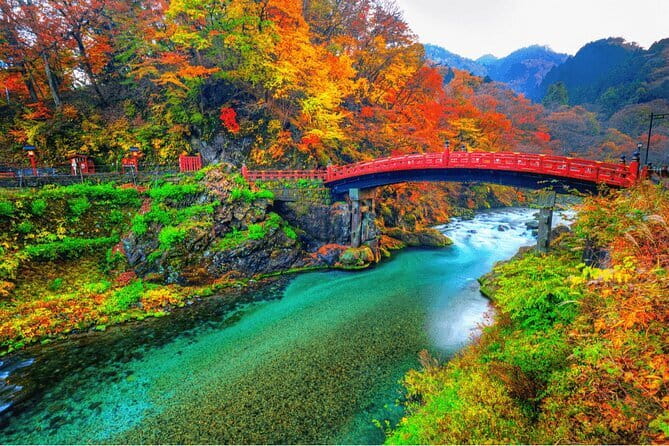
The final stop is Namiyoke Shrine, located next to Tsukiji Fish Market. The shrine gives the walk a calmer ending and provides a clear place from which to continue your own visit.
This is a smart finish. You do not end at a distant station or lose time retracing the route to the market. Instead, you are left near the food stalls and streets you may want to explore again at your own pace.
The shrine also adds a cultural note to a food-focused morning. You are not only eating your way through Tsukiji. You are finishing at a local religious site tied to the character of the neighborhood.
After the guided portion, you can continue around the market, return to a shop you noticed earlier, or look for a longer meal. The tour lasts about an hour and a half, so it leaves plenty of time in the morning for independent exploring.
Price, timing, and the real value
At $32.52 per person, the tour is reasonably priced for a 90-minute guided experience, especially with a group capped at four. The fee buys you local guidance, introductions to recommended shops, cultural and historical explanation, and help navigating language barriers.
The price becomes better value if you are new to Tokyo food markets or have limited time in the city. A guide can reduce the guesswork and help you spend your food money on items you are more likely to enjoy.
It is less compelling if you prefer to browse alone, already know Tsukiji well, or want a full meal included in the price. Once you add JPY 2,000 to 5,000 for food, the morning costs more than the advertised tour fee. That is still fair for a tasting walk, but you need to see the total cost clearly before booking.
The tour is booked, on average, 43 days ahead. That suggests you should reserve early if your Tokyo dates are fixed, particularly because the group size is so small. Confirmation arrives within 48 hours of booking, subject to availability.
Free cancellation is available if you cancel at least 24 hours before the start time. Changes or cancellations inside that window are not accepted for a refund. The activity also requires good weather. If poor weather causes cancellation, you are offered another date or a full refund.
Who should choose this Tsukiji walk?
I would recommend this experience if you want a short, food-centered introduction to Tsukiji and prefer help with the market’s confusing layout. It suits first-time visitors, breakfast-minded food fans, and anyone who wants personal restaurant advice rather than a large tour with a fixed script.
It is also a good match for people who enjoy trying unfamiliar foods in small portions. The mix may include seafood, meat, sweets, and sake, so you can sample a broad range without committing to one large plate.
The tour may not suit you if you need a fully included meal, want a long historical tour, or dislike early starts. At 8:00 am, you need to be ready for a morning outing. You should also be comfortable walking through crowded market streets and paying separately for food.
Families and small groups of friends can benefit from the four-person limit, but larger parties should check availability before building their plans around this activity. Most people can participate, and the tour is near public transportation, but the information provided does not give detailed accessibility specifications.
Should you book it?
Book this tour if you want a focused introduction to Tsukiji with a real local guide, especially if Japanese menus and market customs feel hard to navigate. Yoshi’s local connections, clear English, and personal food recommendations are the strongest reasons to choose it.
Skip it if you want an all-inclusive tasting menu or prefer to explore Tsukiji without a guide. For everyone else, the combination of a four-person group, early start, flexible food stops, and a useful ending at Namiyoke Shrine makes this a practical way to begin a Tokyo morning.
FAQ
How long does the Tsukiji food tour last?
The tour lasts approximately 1 hour and 30 minutes.
What time does the tour start?
The tour starts at 8:00 am.
Where does the tour begin?
The meeting point is 4-chōme-8-1 Tsukiji, Chuo City, Tokyo 104-0045, Japan.
Where does the tour end?
The tour ends at Namiyoke Shrine at 6-chōme-20-37 Tsukiji, Chuo City, Tokyo 104-0045, next to Tsukiji Fish Market.
How many people can join the tour?
The activity has a maximum of four travelers.
Is food included in the tour price?
No. Street food purchases, café or restaurant meals, drinks, and souvenirs are not included. You should bring approximately JPY 2,000 to 5,000 in cash for food.
Can I cancel for a full refund?
Yes. You can cancel at least 24 hours before the start time for a full refund. If poor weather causes the tour to be canceled, you will be offered another date or a full refund.
More Food Experiences in Tokyo
More Tokyo Food Tours in Tokyo
More Tsukiji Market Tours in Tokyo

More tours in Tokyo we've reviewed












Tokyo Food Tours, compared.
 ★ 5.0Tokyo: Shinjuku Food Tour (13 Dishes at 4 Local Eateries)From $86
 ★ 4.9Tokyo: Shinjuku Food Tour (13 Dishes and 4 Eateries)From $97
 ★ 5.0Tokyo Night Foodie Tour in Shinjuku – Seasonal Sushi, Wagyu BeefFrom $111
 ★ 5.0Eat and Drink Like a Local: Tokyo Ueno Food Tour-Taverns&RamenFrom $95
 ★ 5.0Tokyo: Shibuya Food Tour (13 dishes and 4 Eateries)From $77
Tokyo: Shinjuku Food Tour – 15 Dishes, 3 Drinks, 4 EateriesFrom $723 hours