Reviewed · TSUKIJI MARKET TOURS
Tokyo: Tsukiji Fish Market Guided Walking Tour
Tsukiji is not just a place to grab sushi. It is a working food district where seafood, dried goods, sweets, meat, and cooking ingredients crowd the narrow lanes. This two-hour walk gives you a local guide to make sense of it all, with a stop at Tsukiji Hongwanji Temple before the food stalls take over.
In This Article
- Key points to know before you book
- Why Tsukiji works better with a guide
- Meeting at Tsukiji Station
- Tsukiji Hongwanji: a calm opening to a food tour
- Entering the Outer Market
- What you might taste, and how much to budget
- Learning Japanese food culture one ingredient at a time
- The real value of a $22 tour
- Who will enjoy this walking tour most
- Practical tips for a smoother visit
- Should you book the Tsukiji Fish Market tour?
- FAQ
- Where does the tour meet?
- How long does the tour last?
- What language is the tour offered in?
- How many people are in the group?
- Is food included in the tour price?
- Should I bring cash?
- Does the tour include entry fees?
- Are photos included?
- Can I cancel for a full refund?
I like two things right away: the small group, limited to 10 people, and the freedom to choose what you eat. Guides such as Jim, Rie, Yayoi, Sayaka, and Haydn help you order and point out specialties, while you pay only for the food you want. The main catch is that food is not included, and some tempting portions can be costly, so bring enough cash.
Key points to know before you book
- Start with a temple visit: Spend about 15 minutes at Tsukiji Hongwanji, a striking place of worship with detailed carvings and a calm interior.
- Two hours in the outer market: Most of the tour is spent among seafood, produce, dried foods, sweets, and prepared snacks.
- Food is optional: You might try tamago, oysters, sushi, wagyu beef, eel, sea urchin, sashimi, desserts, or sake, but you choose and pay for each item.
- A guide cuts through the confusion: The market can feel like a maze, and your guide helps you find suitable stalls without wandering at random.
- English and small groups: Tours run with a live English-speaking guide and no more than 10 participants.
- Good value for food lovers: At $22, the guiding is inexpensive for a focused introduction, though your final cost depends on what you eat.
Why Tsukiji works better with a guide
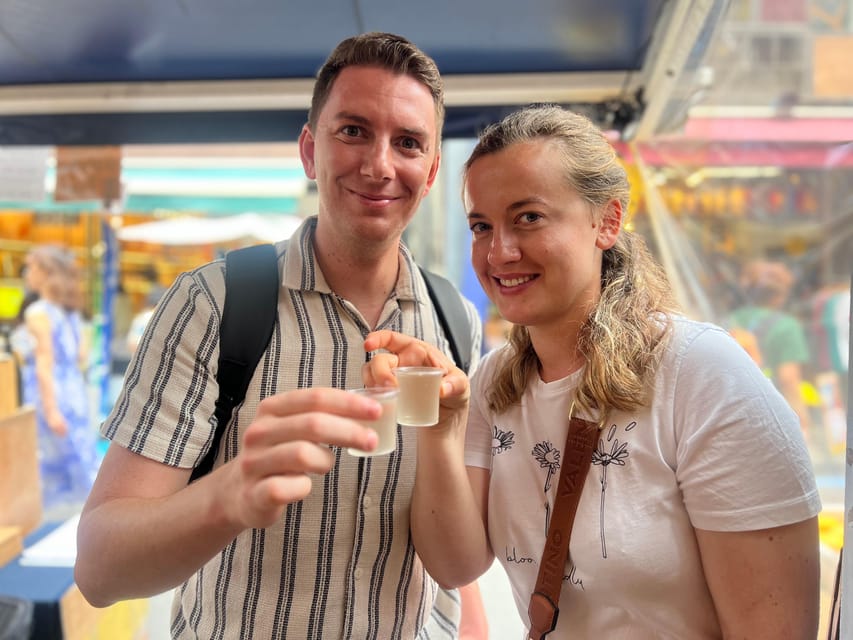
The Tsukiji Outer Market is easy to reach, but it is not always easy to understand. Signs, menus, ingredients, and shop displays can move quickly past you, especially when the lanes fill with shoppers. You can walk through alone, but you may miss what makes one stall special or hesitate at the counter because you do not know how to order.
A guide gives the market a clear shape. Instead of simply passing rows of seafood, you learn how different ingredients fit into Japanese cooking and why Tsukiji remains important to Tokyo’s food life. Guides also help with payments and choices at the stalls, a useful service when you are trying unfamiliar food in a crowded setting.
The small group matters. With up to 10 people, the guide can answer questions and keep the group together without the rigid feel of a large coach excursion. Some groups share small plates, which lets you taste more without ordering a full serving for yourself.
This is also a food tour with flexibility built in. You are not locked into a set menu. If seafood is not your thing, you can choose sweets, beef, snacks, or other items. Several guides have helped people find alternatives, and the open ordering system is useful for different appetites and food preferences.
A few more Tokyo tours and experiences worth a look

Meeting at Tsukiji Station
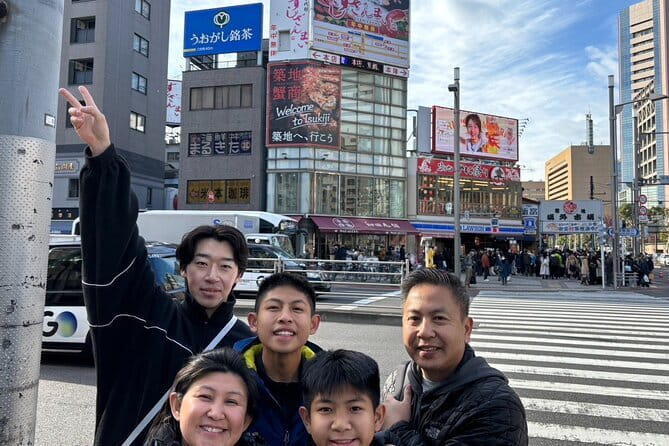
The meeting point is the Starbucks Coffee in front of Tsukiji Station. Your guide waits near the bench outside the café, so arrive with the station and meeting spot in mind rather than assuming the group will gather inside.
The tour uses two possible starting arrangements, but the supplied meeting information identifies the Starbucks by Tsukiji Station as the place to look for your guide. Since the market can be crowded, allow enough time to reach the café and locate the bench before the scheduled start.
You will be on foot for the whole experience. Wear comfortable shoes and expect a lively two hours in narrow market lanes. There is no separate admission charge for the market or the temple, which keeps the basic price simple.
Tsukiji Hongwanji: a calm opening to a food tour
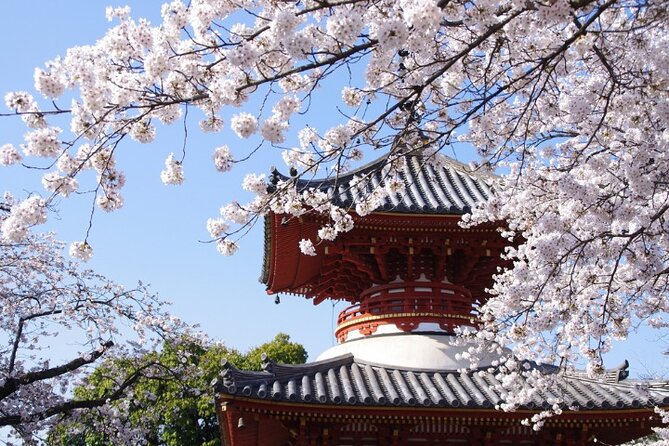
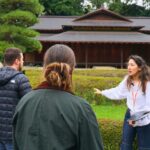
The first stop is Tsukiji Hongwanji, reached after a short walk of about five minutes. The temple is known for its unusual architecture, detailed carvings, and quiet interior. It offers a welcome change of pace before you enter the market’s tighter streets.
The temple stop lasts about 15 minutes, so do not expect a long religious tour. Instead, it gives you a short introduction to an important part of Japanese culture and helps place Tsukiji in a wider setting. Guides explain the temple, local beliefs, and nearby history in English.
I like this opening because it prevents the experience from becoming a simple succession of tastings. Food in Japan is tied to custom, religion, seasonal habits, and local life. A short temple visit gives you a little cultural context before you start thinking about tuna and grilled beef.
A few guides have also included nearby shrines or temples during their time with the group, but the stated itinerary specifically centers on Tsukiji Hongwanji. Treat any extra stop as dependent on the guide and the pace of the market.
Entering the Outer Market
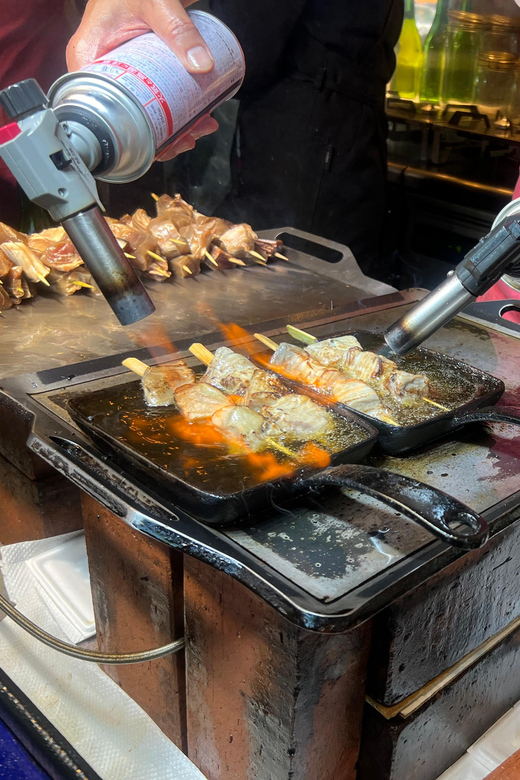
After another short walk, you reach the Tsukiji Outer Market. This is the main event, and about 100 minutes of the two-hour tour are set aside for walking, shopping, explanations, and food stops.
The outer market is a mix of stalls and specialist shops selling fresh seafood, vegetables, dried fish, shrimp, scallops, spices, nuts, sweets, and prepared foods. The market is not one single hall with a neat route. It is a dense district of small businesses, so a guide can save you time by taking you directly to selected places.
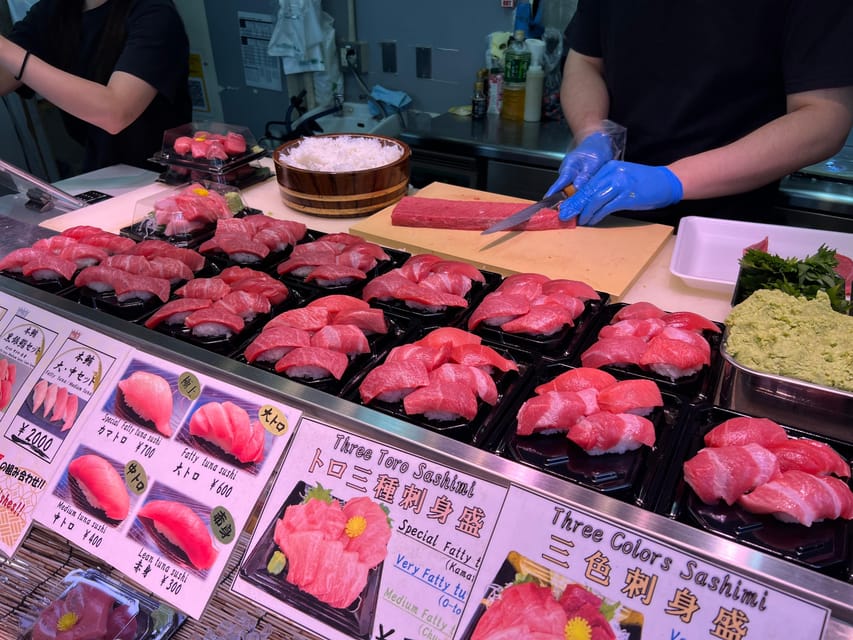
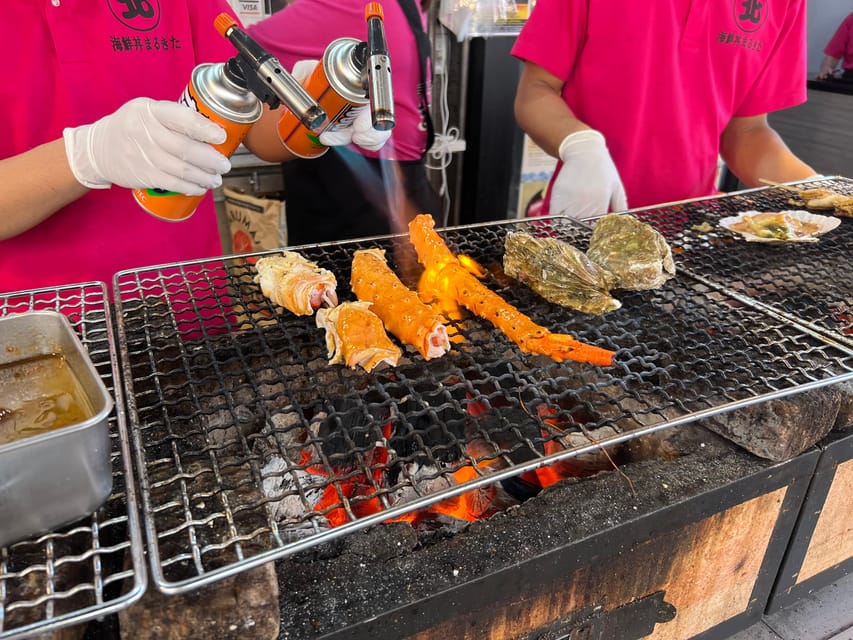
You may see counters serving sushi or sashimi beside shops selling tamago, grilled eel, wagyu beef skewers, sea urchin, fruit, matcha products, and other Japanese specialties. The exact stops vary, but the repeated strength of this tour is its range. You are not limited to one kind of seafood.
That variety makes the walk suitable for mixed groups. Someone who loves raw fish can try tuna or sea urchin, while another person might choose tamago, beef, a sweet, or a cooked dish. One useful feature is that you can order only what appeals to you at each stop.
The market can be busy even on a weekday morning. Your guide keeps the group moving through the crowds and helps you stop without blocking shop entrances. Do not expect a leisurely restaurant meal. This is a standing, walking, tasting experience in an active market.
What you might taste, and how much to budget
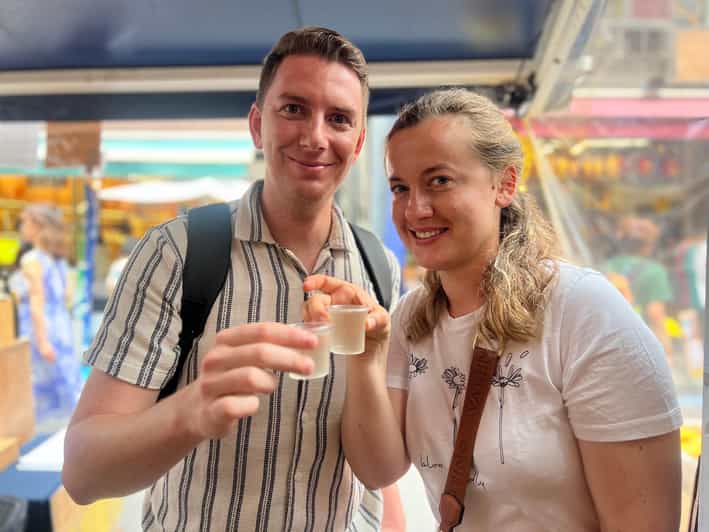
Food is not included in the $22 tour price. That can sound like a drawback, but I see a real advantage in the arrangement. A fixed menu would force everyone to eat the same things, while this system lets you set your own food budget and skip items you do not want.
Possible tastings include:
- Tamago, the sweet Japanese omelet often served with sushi
- Oysters and other seafood
- Sushi, sashimi, fatty tuna, or sea urchin
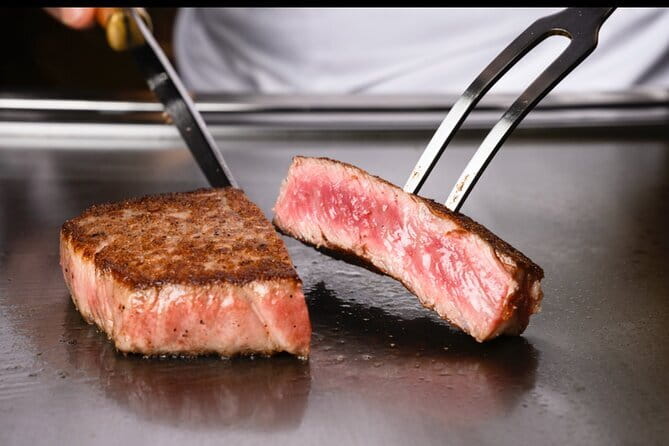
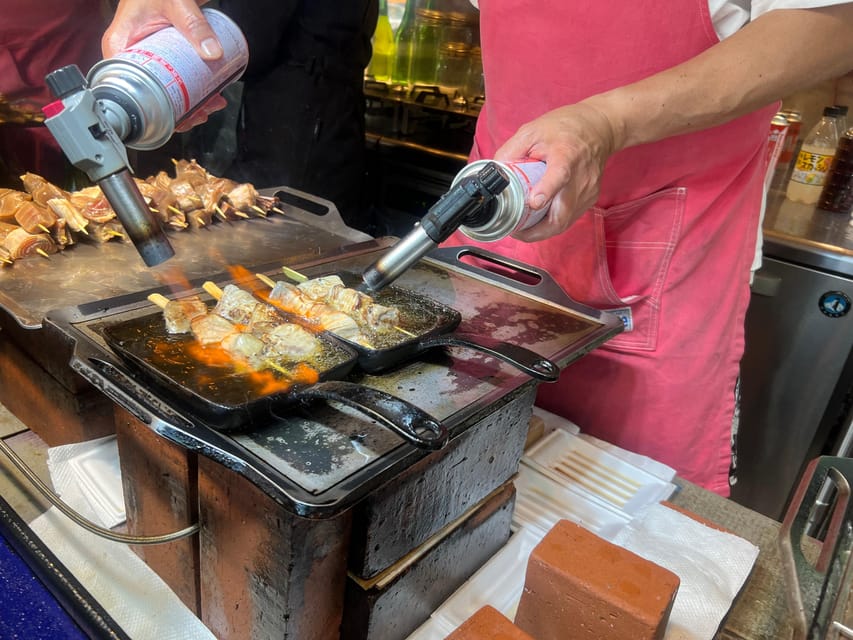
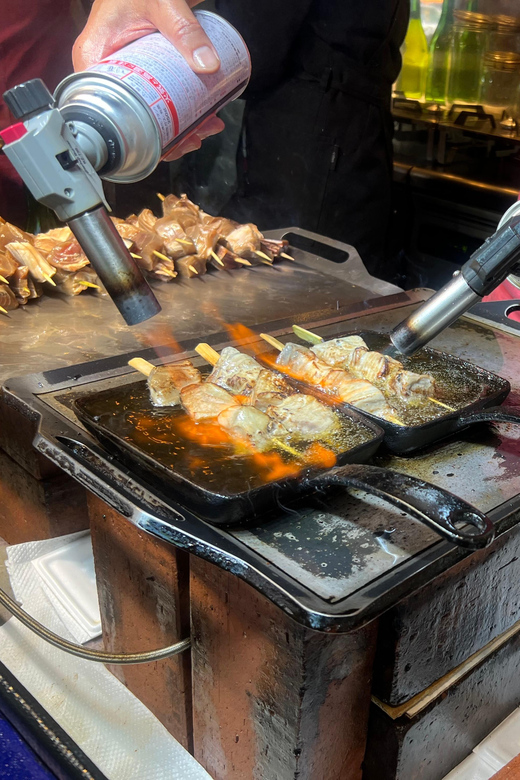
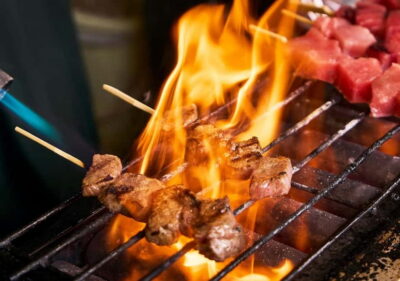
- Wagyu beef, sometimes served as a small skewer
- Fried eel or unagi
- Dried fish, shrimp, scallops, nuts, and other market goods
- Sweets, desserts, and matcha products
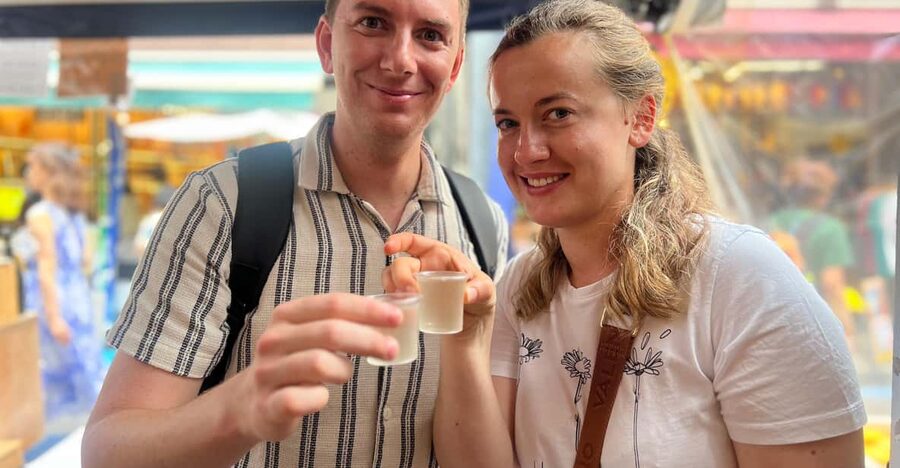
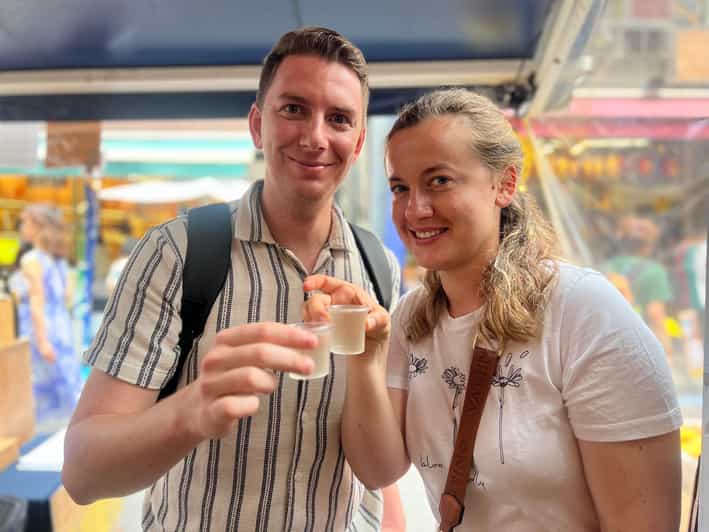
- Sake at some stops or near the end of the walk
Some people have tried surprising foods, including whale sashimi, while others have focused on familiar dishes. You should never feel that you must sample everything. The guide can explain your options, and the group format makes it possible to share small portions.
Bring cash. This is the most important practical tip. The information for the experience specifically asks you to bring it, and several market purchases can add up quickly. Some visitors have found individual foods more expensive than expected, especially premium seafood and wagyu. A good approach is to decide before you start how much you want to spend, then choose a few special items rather than buying at every stall.
You should also remember that a food tour can leave you full before the final stop. Pace yourself. The point is to sample a range of flavors and learn what you are eating, not to turn the first 30 minutes into a breakfast contest.
Other walking tours we've reviewed in Tokyo



Learning Japanese food culture one ingredient at a time
The guide’s role goes beyond finding lunch. You receive explanations of ingredients used in Japanese cooking, including seafood, dried products, spices, sweets, and specialty foods. That makes the experience useful even if you are not an adventurous eater.
For example, you might learn how a dried ingredient is used at home, why one fish is prized, or how a particular dish is prepared and served. The guide can also explain market customs and the link between food, daily life, and Japanese tradition.
This is where guide quality makes the biggest difference. Jim has been praised for explanations of history, culture, and local people. Rie has led groups through seafood traditions and specialty foods while helping them find good stalls. Yayoi has guided people to tamago, oysters, sushi, wagyu, and sweets. Haydn has offered detailed explanations at the temple and market, while Sayaka has helped groups order at different stalls.
Names alone do not guarantee the same style on every departure, but they show the range of guides used for this experience. You might get a guide with a lively, humorous manner, or one who focuses more on history and clear explanations. Either way, the tour is strongest when you ask questions. If you have never tried sea urchin, eel, or Japanese sweets, say so and ask what to expect.
The real value of a $22 tour
At $22 per person, the price is low for two hours of guided time in one of Tokyo’s best-known food districts. Your admission to Tsukiji and Hongwanji Temple is free, and photos taken during the tour are included.
The real expense is your food. If you try only a couple of modest items, your total remains reasonable. If you order premium tuna, wagyu, oysters, sweets, and several other tastings, your market spending can easily become much higher than the tour fee.
I consider the guiding fee good value because the market itself can be overwhelming. You are paying for direction, explanations, language help, and access to a planned route through a place where it is easy to waste time. You are not paying for a meal, so the tour works best if you prefer to choose your own food.
The price also makes this a practical first-day activity. You learn how the market works, get ideas for later meals, and receive recommendations for sushi, Kobe beef, matcha, and other foods. One useful strategy is to take notes or ask the guide to repeat the names of places you want to return to.
Who will enjoy this walking tour most
I would choose this tour if you want a friendly introduction to Tsukiji without spending half a day planning a route. It suits first-time visitors, food-focused travelers, small families, and anyone who wants help ordering unfamiliar dishes.
It is also a good match for people who do not normally eat seafood. You can try a small portion, choose beef or sweets instead, and learn about the market without committing to a seafood-heavy menu. The optional ordering system makes the experience less risky than a fixed tasting course.
You should think twice if you want a long sit-down meal, a private tour, or a detailed look at wholesale fish auctions. This is a walking tour of the Outer Market, not a full-day culinary class or a restaurant crawl with every dish included.
The tour may also feel fast if you want time to shop. The route gives you about two hours, with the bulk spent in the market, but crowded lanes and food stops take time. You will see selected places rather than every corner of Tsukiji.
Practical tips for a smoother visit

Bring cash and keep some of it easy to reach. You will be making individual purchases, and your guide may help explain payment at the stalls.
Wear shoes suited to walking and standing. The route includes short walks between the temple and market, followed by movement through crowded lanes.
Do not arrive expecting a single set menu. Food is optional, and you decide what to order. This is good for different tastes, but you need to manage your own spending and appetite.
If you have allergies or strong dislikes, tell the guide early. The flexible ordering system allows you to skip foods and select other choices, though the supplied information does not promise a dedicated allergy menu.
The tour is offered in English with a live guide. The group is limited to 10 participants, which helps the guide assist with choices and keep everyone together.
Free cancellation is available up to 24 hours before the start for a full refund, and you can reserve now and pay later. Check available starting times when choosing your date, since the experience lasts two hours.
Should you book the Tsukiji Fish Market tour?
Book it if you want the market explained rather than simply photographed. The temple opening, the guided route, optional tastings, and small group make this a useful introduction to Tsukiji for $22.
The strongest reason to go is the help choosing food. Guides such as Rie, Jim, Yayoi, Haydn, and Sayaka have taken people to items they might not have noticed alone, from tamago and eel to sea urchin and wagyu. Bring cash, accept that premium foods cost more, and treat the tasting budget as separate from the tour price.
Skip it if you already know Tsukiji well or prefer complete independence. For most first-time visitors, though, two hours with an English-speaking guide is a sensible way to get your bearings, learn the food culture, and leave with a better idea of where to eat next.
FAQ
Where does the tour meet?
You meet your guide at the Starbucks Coffee located in front of Tsukiji Station. The guide waits near the bench at Starbucks.
How long does the tour last?
The walking tour lasts two hours.
What language is the tour offered in?
The tour is offered in English with a live English-speaking guide.
How many people are in the group?
The tour is a small-group experience limited to 10 participants.
Is food included in the tour price?
No. Food and drinks are not included. You choose and pay for any items you want at the market stalls.
Should I bring cash?
Yes. Cash is listed as an important item to bring, and you may want to purchase food or market products during the walk.
Does the tour include entry fees?
Entry to Tsukiji Fish Market and Tsukiji Hongwanji Temple is free and included as part of the tour experience.
Are photos included?
Yes. Photos taken during the tour are included.
Can I cancel for a full refund?
Yes. You can cancel up to 24 hours in advance for a full refund. You can also reserve now and pay later.
More Guided Tours in Tokyo


More Walking Tours in Tokyo
More Tsukiji Market Tours in Tokyo

More tours in Tokyo we've reviewed












Tsukiji Market Tours, compared.
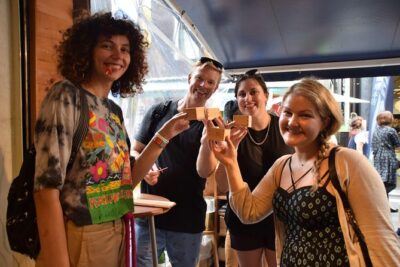 ★ 5.0Tokyo Tsukiji Fish Market Food and Culture Walking TourFrom $99
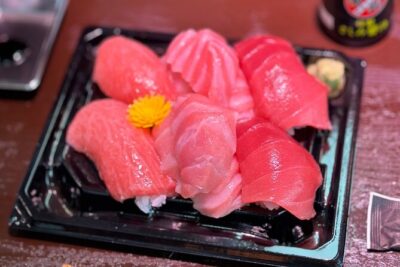 ★ 5.0Tokyo: Tsukiji Fish Market Food and Walking tourFrom $30
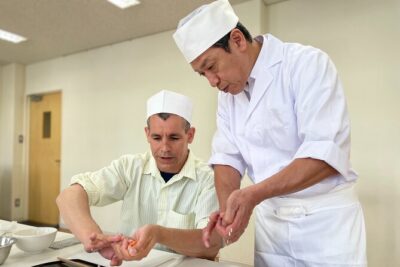 ★ 5.0Tokyo Sushi Making Class in Tsukiji with Professional ChefFrom $49
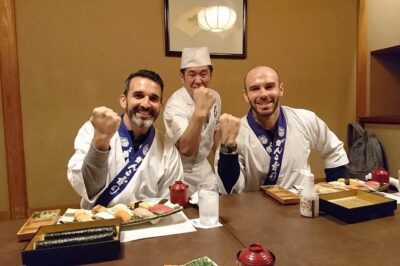 ★ 5.0Tsukiji Fish Market Guided Tour and Sushi Making with Pro ChefFrom $104
★ 4.7Tokyo: Tsukiji Fish Market Food and Culture Walking TourFrom $963 hours
★ 5.0Tsukiji Fish Market Guided Tour and Sushi Making with Pro ChefFrom $104
★ 4.7Tokyo: Tsukiji Fish Market Food and Culture Walking TourFrom $963 hours
 ★ 5.0Tsukiji Fish Market: Street Food & Culture Walking TourFrom $33