Reviewed · ASAKUSA TOURS
Asakusa: Kitchen knife store visits after history tour
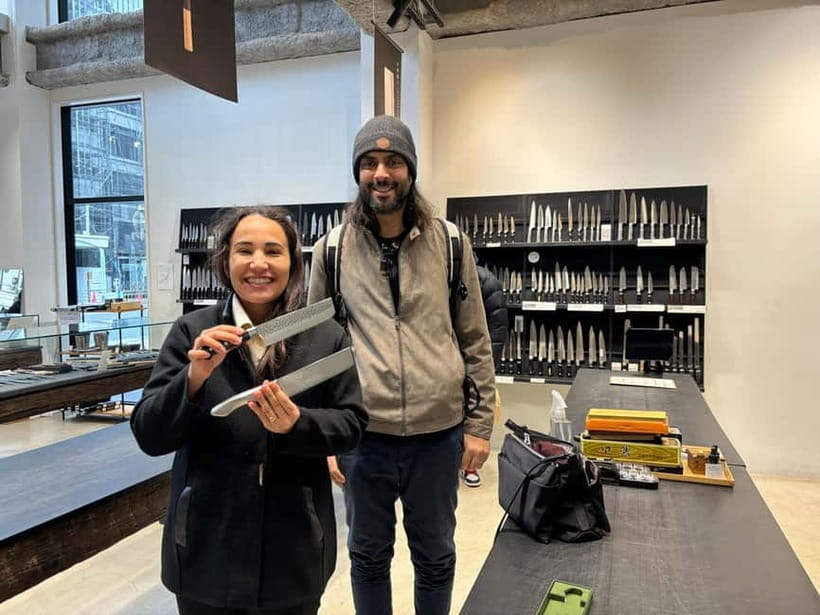
The real prize here comes after the temples: a guided visit to Kappabashi Street, where specialist shops carry Japanese kitchen knives for restaurant cooks and home kitchens. Instead of wandering from store to store, you go directly to places with a broad selection and have an English-speaking guide help you sort through the sales talk.
In This Article
- Key points to know before booking
- Why the knife-shopping part is the main draw
- Starting beside Asakusa Station
- Tokyo Cruise Asakusa Pier and the river setting
- Asakusa Culture Tourist Information Center
- Kaminarimon and the approach to Sensoji
- Nakamise Shopping Street in 30 minutes
- Hozōmon Gate and Sensoji Temple
- From temple history to Kappabashi Street
- What to consider before buying a Japanese knife
- Is $77 good value for 210 minutes?
- Weather, walking, and the pace of the afternoon
- Who should book this Asakusa experience?
- Should you book it?
- FAQ
- How long does the Asakusa knife-shopping tour last?
- Where does the tour meet?
- Does the tour include hotel pickup or drop-off?
- Is the tour conducted in English?
- How many people can join the tour?
- What happens on the tour?
I like the useful combination of a proper Asakusa history walk and focused shopping. I also like the small-group limit of eight, plus the headset system used for groups of three or more, which means you can hear the guide while walking. The included Japanese sweet snacks add a pleasant local touch.
The main consideration is time. This is a 210-minute walking tour, and the knife shopping takes about an hour, so you will get an introduction rather than unlimited browsing. If you already know you want several knives, you may wish for more time in the shops.
Key points to know before booking
- Kappabashi comes after the sightseeing: You first learn the layout and story of Asakusa, then visit the nearby street known for restaurant supplies.
- The guide helps you shop: You can ask for neutral advice while store clerks explain their products.
- Machiko has offered hands-on support: Her role has included translation, purchase help, and staying beyond the planned finish to assist with shopping.
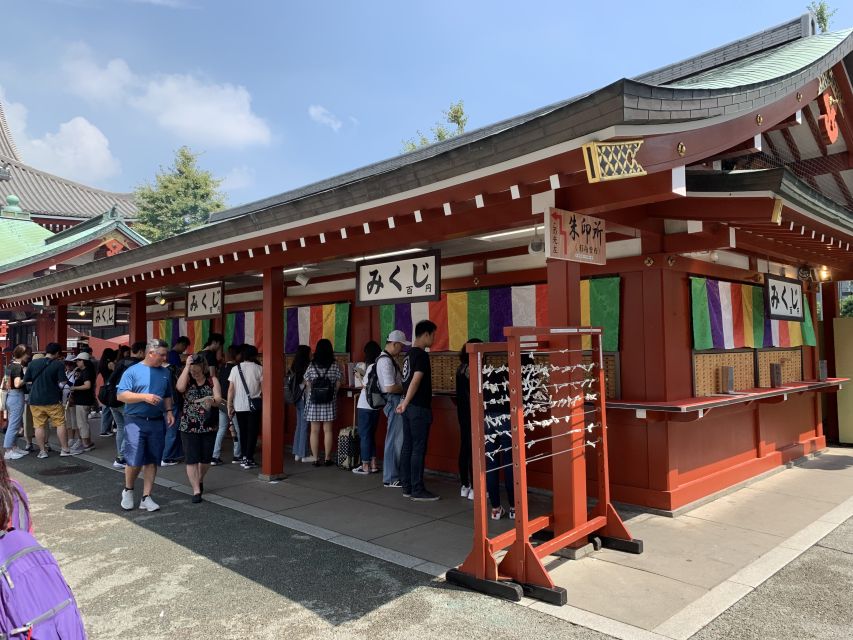
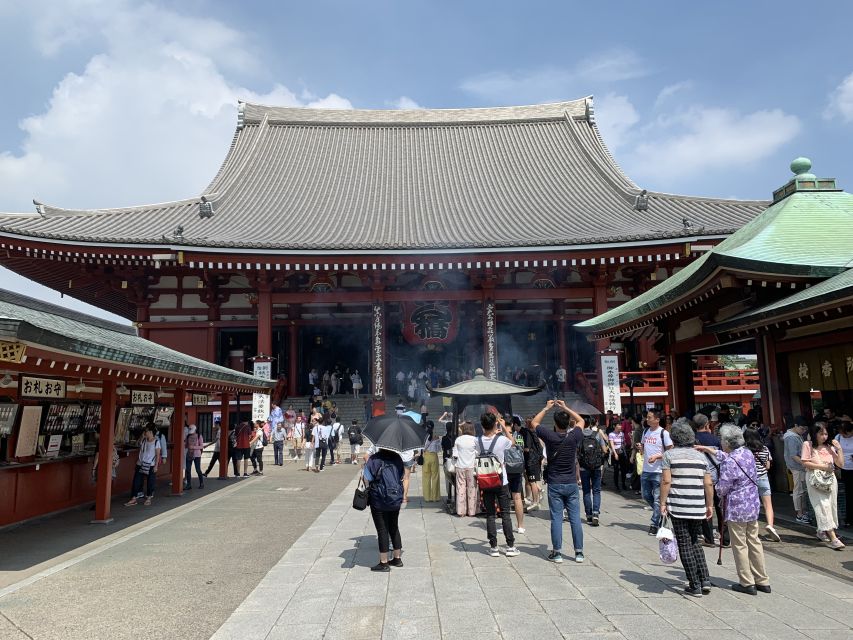
- Sensoji anchors the walking route: The tour covers Kaminarimon, Nakamise Shopping Street, Hozōmon Gate, and Tokyo’s oldest temple.
- The group stays small: No more than eight participants are listed, with an audio headset for groups of three or more.
- You pay for guidance, not hotel transport: The price is $77 per person, with no pickup or drop-off included.
Why the knife-shopping part is the main draw
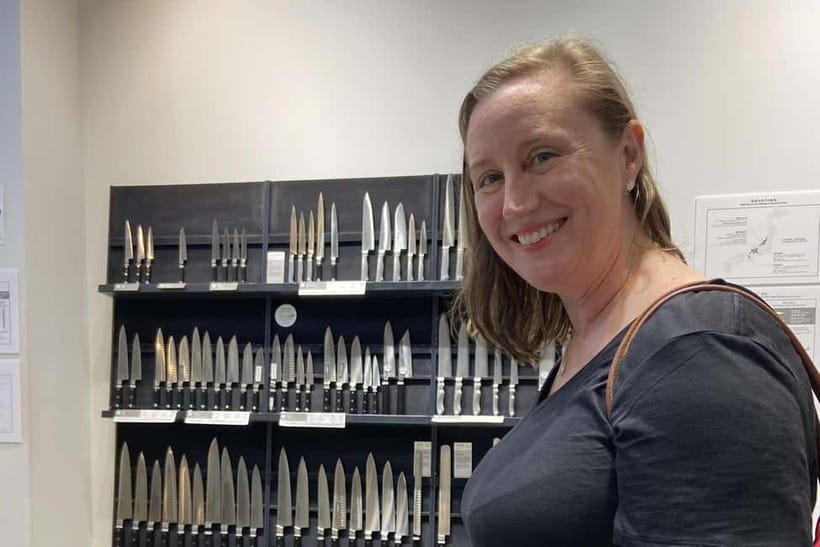
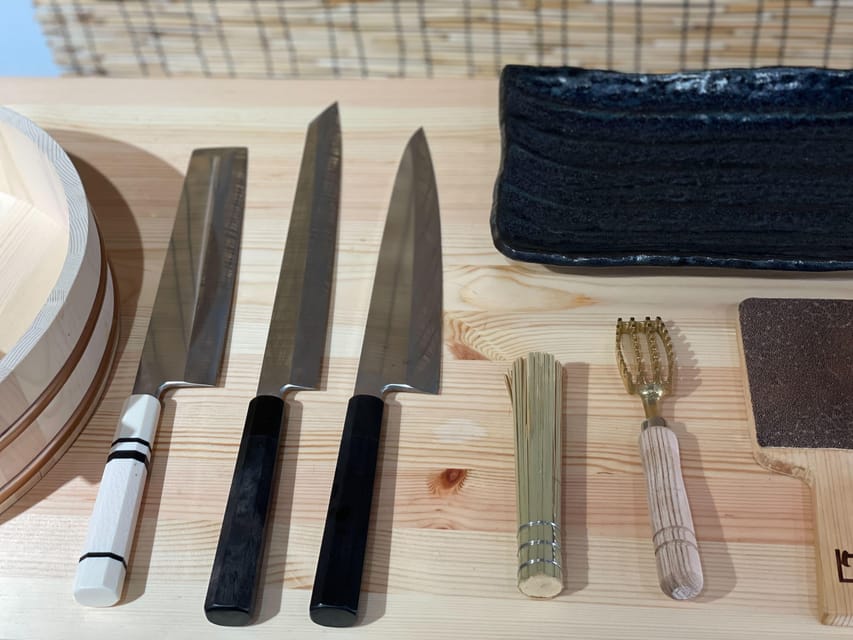
Japanese kitchen knives can be a poor souvenir choice if you buy the first attractive blade you see. You need to think about the type of food you cook, the blade shape, the handle, the level of care required, and how you will carry the purchase home. The useful part of this experience is that the guide puts you in the right shops and helps you ask sensible questions.
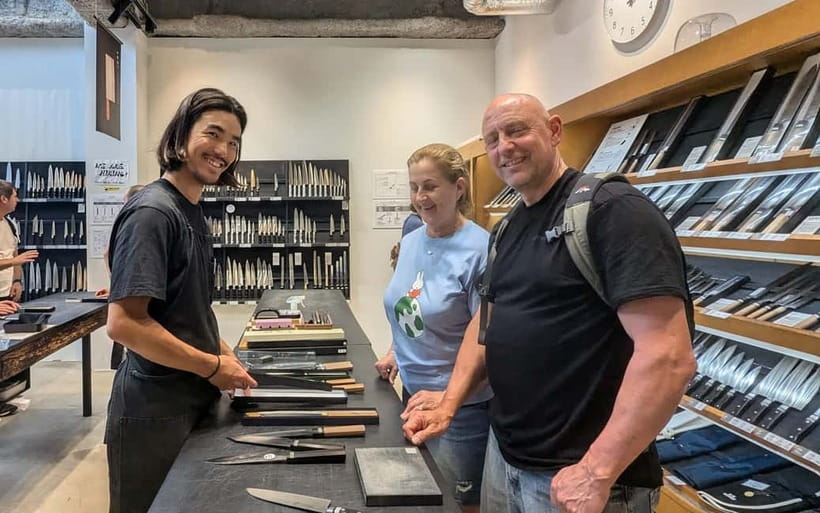
Kappabashi Street is next to Asakusa and is lined with stores supplying restaurant operators. Knives are a major part of the shopping scene, and specialist stores carry enough products to give you a real chance of finding a blade that fits your needs.
I like the stated approach: take the guide’s neutral advice while you listen to each shop clerk’s sales pitch. That does not mean the guide will choose for you. It means you have someone who can explain what is being said, help compare products, and reduce the risk of buying on appearance alone.
The guide can also help if you want to buy other kitchen goods during the visit. The information specifically highlights assistance with purchases, and one account of Machiko’s service describes translation and help with anything the group wanted to buy. That is valuable in a street where the choice can feel large and the shop conversations may move quickly.
Keep your expectations in check. The route allows roughly an hour for Kappabashi, so this is not an all-day knife seminar. It is best for you if you want a guided first look, need help choosing a store, or would like assistance making one thoughtful purchase.
A few more Tokyo tours and experiences worth a look

Starting beside Asakusa Station
The meeting point is in front of the Burger King beside Exit 4 of Asakusa Station on the Ginza Line, station code G19. Step outside at Exit 4 rather than searching around the wider station area.
This is a practical meeting point because it is easy to identify, but Asakusa has several train stations and exits. Check that you are using the Ginza Line location before you set off. Hotel pickup and drop-off are not included, so you make your own way to the start and back from the finish.
The same Burger King location is also the endpoint. That makes the route simple to plan around, especially if you want to continue exploring Asakusa after the tour.
Tokyo Cruise Asakusa Pier and the river setting
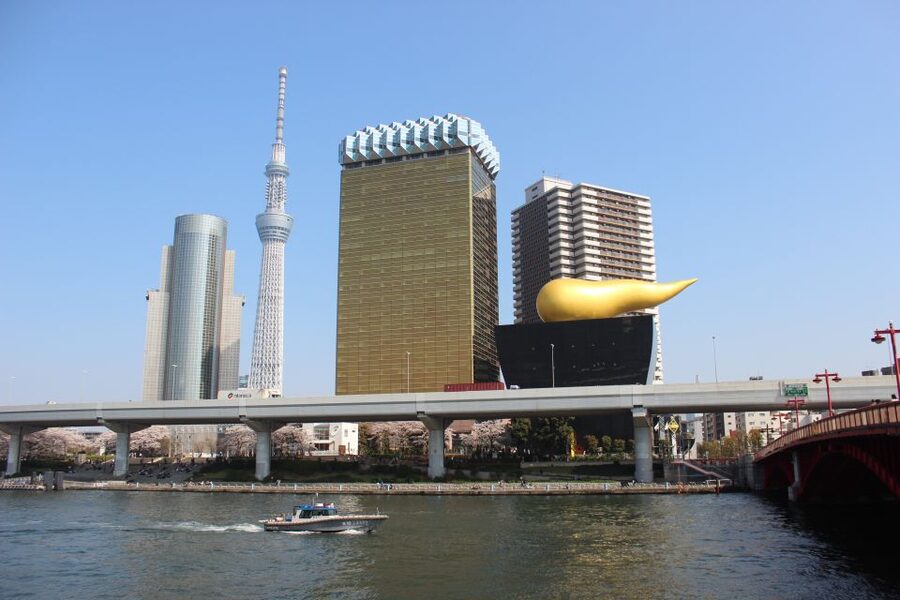
The first guided stop is Tokyo Cruise Asakusa Pier, reached on foot in about 15 minutes. This part gives you an early orientation to the area and its position along the river.
The pier itself is not presented as a boat ride. You should expect sightseeing and explanation, not included cruise transport. Still, beginning here gives the walking tour a clear sense of place before it turns toward Asakusa’s major streets and temple grounds.
A 15-minute stop is enough for context without using too much of the afternoon. Wear shoes that are comfortable for steady walking, since the route continues through several outdoor areas.
Asakusa Culture Tourist Information Center
The next stop is the Asakusa Culture Tourist Information Center, another guided walking segment of about 15 minutes. The center is a useful reference point for understanding the district and getting oriented before the route moves into its most famous sights.
The experience is built around explanation, not rushing from photo stop to photo stop. An English-speaking certified guide leads the walk, so you can ask questions as the area comes into focus.
This is also where the small-group format helps. With a maximum of eight people, it should be easier to stay close to the guide and ask for clarification than on a large bus tour. For groups of three or more, the headset lets you listen from a short distance rather than crowding around the guide.
Kaminarimon and the approach to Sensoji
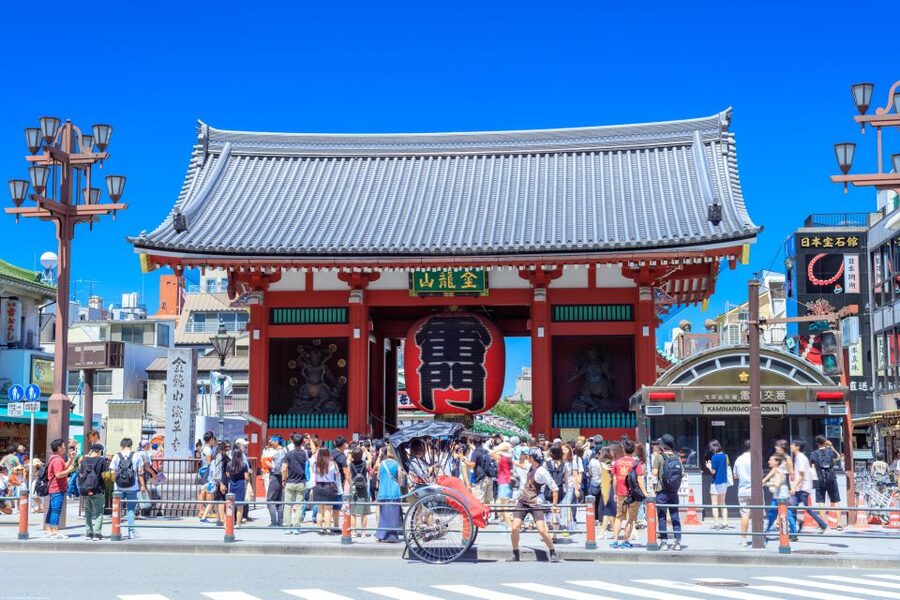
The walk continues to Kaminarimon, or Thunder Gate, with about 15 minutes set aside for guided sightseeing. This is one of Asakusa’s most recognizable entry points and marks the start of the temple approach.
The value here is not simply a quick photograph. The guide can explain how Kaminarimon fits into the larger story of Asakusa and why the approach matters. That context makes the next stretch, Nakamise Shopping Street, easier to read.
As with any popular sight, this area can be busy. The tour takes place rain or shine, and the route remains outdoors, so bring suitable clothing and be ready for a walking pace rather than a sheltered indoor visit.
Other historical tours in Tokyo
Nakamise Shopping Street in 30 minutes
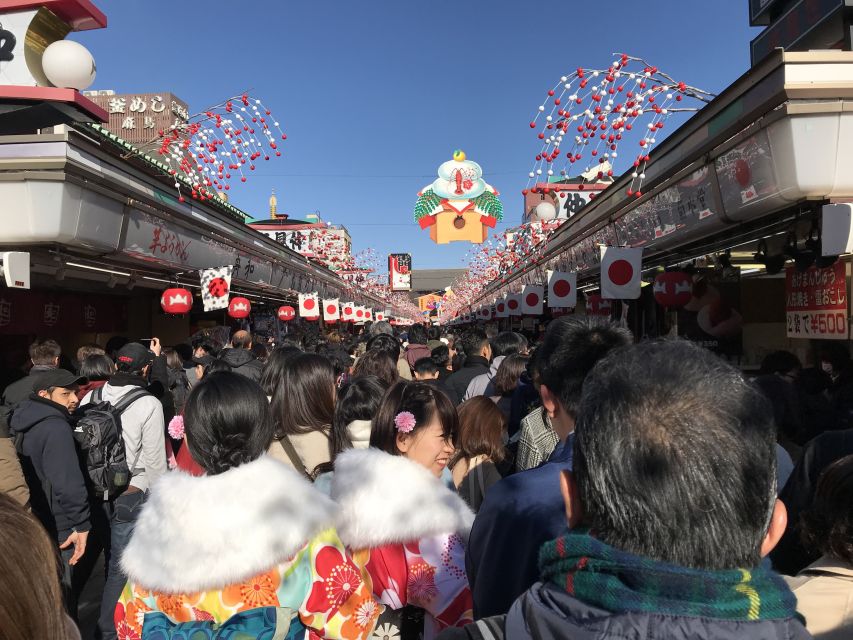
Nakamise Shopping Street receives the longest sightseeing stop before the temple, about 30 minutes. The street leads toward Sensoji and is lined with small shops and food sellers.
This is a good place to notice the change from modern Tokyo to an older style of temple approach, while still seeing a very active shopping street. You will have time to look around, but the stop is guided, so do not expect a long independent shopping break here.
Japanese sweet snacks are included in the experience. The information does not specify the exact snack selection, so treat it as a tasting included along the way rather than a full meal. If you need lunch or a substantial snack, plan that separately.
I like this stop because it links the cultural part of the outing to the shopping part. You are not being taken straight to a knife store with no sense of place. You first see how Asakusa works as a historic district and shopping area.
Hozōmon Gate and Sensoji Temple
After Nakamise comes Hozōmon Gate, with about 15 minutes of guided sightseeing. This gate forms another important threshold on the approach to the temple and gives the guide a natural point to explain the layout of the complex.
The route then reaches Sensoji Temple for another 15-minute visit. Sensoji is identified as the oldest temple in Tokyo, and it is the central cultural stop on this walk.
Do not expect 15 minutes to cover every corner of the temple grounds. That short timing works better as an introduction: you see the key setting, hear the local history, and gain enough context to return later if you want a slower visit.
This is one of the strongest parts of the tour for first-time visitors to Asakusa. The guide turns a sequence of gates and buildings into a story. The feedback about Machiko points to this strength: her history explanations made the region interesting, and her English was described as excellent. Those details matter because a history walk depends heavily on clear communication.
From temple history to Kappabashi Street
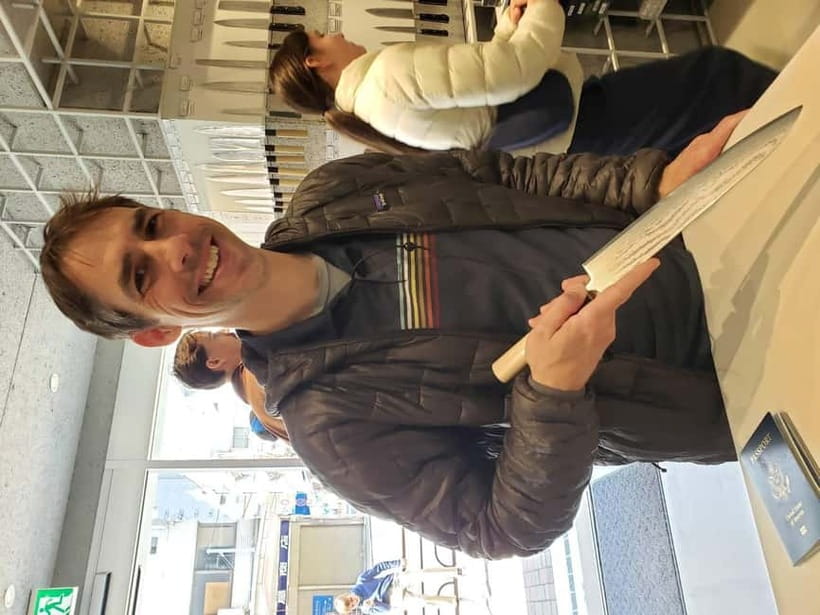
The tour then shifts from Sensoji to Kappabashi Street, the shopping road adjacent to Asakusa. That change is the clever idea behind the experience. You get the famous temple district first, then move into a practical part of Tokyo that many visitors might miss without a plan.
Kappabashi serves restaurant operators, so its shops focus on the tools and supplies used in professional kitchens. The knife stores are the main reason to book this particular route, but the street also gives you a look at a working side of Tokyo shopping rather than only the city’s headline sights.
The guide’s job becomes more hands-on here. You can ask which stores are worth entering, compare products, and get help with communication. If a clerk explains why one knife costs more than another, you have someone who can help you understand the difference before you spend.
For three or more people, the headset system is especially useful in shops and on the street. You can hear the guide without standing shoulder to shoulder, though you should still remain close enough to follow the group.
What to consider before buying a Japanese knife
A guided store visit does not remove the need to make your own choice. Before you arrive, think about what you actually cook and how much maintenance you want to handle.
You can use the tour to ask practical questions such as:
- Which blade suits the food you prepare most often?
- Is the knife intended for a home cook or professional use?
- How should it be cleaned and stored?
- What sharpening method does it require?
- Is the handle comfortable for your grip?
- How will you pack it for the journey home?
The supplied information does not promise sharpening lessons, shipping, or luggage assistance, so do not assume those services are included. The clear benefit is shopping guidance, translation help, and access to specialist stores with a wide range.
I would also set a budget before you enter. A handsome knife can quickly become an expensive impulse purchase, especially when several versions look similar. A candid guide can help, but your own cooking habits should decide the final choice.
Is $77 good value for 210 minutes?
At $77 per person, the price is fair if you place real value on the knife-shopping help. You are paying for a 210-minute guided experience, an English-speaking certified guide, the Asakusa history walk, included sweet snacks, and assistance in a specialist shopping district.
The value is less clear if you only want to see Sensoji. You can visit the temple and Nakamise area without booking a tour, and this experience spends a large part of its time on the way to and around Kappabashi. For a simple temple visit, the price would not make sense.
For a shopper who wants a Japanese knife but does not know where to start, the calculation changes. The guide saves research time, takes you to suitable stores, and can help you understand sales explanations. Machiko’s reported willingness to continue helping after the planned end also suggests that the support can be practical, not just formal commentary, though you should not assume every tour will run overtime.
The small group limit adds value. Eight people is still a group, but it is much more manageable than a large coach outing. You have a better chance to ask questions and receive help with a purchase.
Weather, walking, and the pace of the afternoon
The tour runs rain or shine. Every major stop is reached on foot, and the route includes several outdoor stretches through Asakusa and Kappabashi.
Bring an umbrella or rain layer when the forecast calls for wet weather. Comfortable shoes matter more than dressy clothes, since the experience lasts three and a half hours and includes repeated walks between stops.
The listed stop times total a substantial walking program, with about an hour devoted to Kappabashi. The actual route may feel longer than the individual sightseeing blocks suggest because you are moving between them. If you have mobility concerns, ask the provider before booking, since no accessibility details are provided.
The pace should suit you if you enjoy moving through a district with regular stops. It may feel hurried if you want long temple contemplation, extended snack breaks, or a slow browse in every knife shop.
Who should book this Asakusa experience?
I would choose this tour if you fit one or more of these descriptions:
- You want a Japanese kitchen knife but have not researched stores.
- You prefer to shop with an English-speaking guide nearby.
- You want Asakusa history before making a practical shopping visit.
- You enjoy small-group walking tours rather than large sightseeing groups.
- You are interested in seeing both a famous temple district and a specialist retail street.
It is less suitable if you want a full day devoted to Japanese knives, a cooking lesson, or an unhurried independent shopping session. It is also not the right pick if you need transportation from your hotel, since no pickup or drop-off is included.
The strongest reason to book is the combination of history and help. You get Sensoji and the Asakusa approach, then receive support in a shopping area where a little guidance can save time and money.
Should you book it?
Book this experience if Kappabashi is high on your Tokyo wish list and you want help choosing where to shop. The tour gives you a clear route, a small group, an English-speaking certified guide, and a useful history lesson before the knives appear.
Skip it if your only goal is to see Sensoji, or if you already know exactly which knife store and product you want. For everyone in between, $77 is a reasonable price for turning a confusing shopping mission into a focused half-day outing. Just allow for the rain-or-shine format, wear good shoes, and arrive with a clear idea of what you want to cook.
FAQ
How long does the Asakusa knife-shopping tour last?
The tour lasts 210 minutes, or three and a half hours.
Where does the tour meet?
Meet in front of the Burger King next to Exit 4 of Asakusa subway station on the Ginza Line, station code G19.
Does the tour include hotel pickup or drop-off?
No. Hotel pickup and drop-off are not included.
Is the tour conducted in English?
Yes. The tour includes an English-speaking certified guide, and an English audio guide is also included.
How many people can join the tour?
The experience is limited to eight participants. Groups of three or more use a headset system to hear the guide from a distance.
What happens on the tour?
You walk through Asakusa, stopping at Tokyo Cruise Asakusa Pier, the Asakusa Culture Tourist Information Center, Kaminarimon, Nakamise Shopping Street, Hozōmon Gate, and Sensoji Temple. You then visit Kappabashi Street for about an hour of guided kitchen knife shopping. Japanese sweet snacks are included.
More Shopping Tours in Tokyo

More Historical Tours in Tokyo
More Asakusa Tours in Tokyo
More tours in Tokyo we've reviewed












Asakusa Tours, compared.
 ★ 4.8Tokyo: Japanese Dance Cabaret Theater Asakusa-Kaguwa TicketFrom $492 hours
 ★ 4.7Tokyo: Meiji Shrine, Asakusa, Skytree Bus Tour and CruiseFrom $12210 hours
 ★ 4.9Tokyo: Roll and Authentic Sushi Making Class in AsakusaFrom $581h 40m
 ★ 4.8Tokyo: Asakusa Walking Tour with Sensoji Temple VisitFrom $222 hours
 ★ 5.0Tokyo Asakusa Rickshaw TourFrom $42
 ★ 4.5Tokyo Panoramic 1 Day: Meiji Shrine, Asakusa, Odaiba and SKYTREE®From $85