Reviewed · TSUKIJI MARKET TOURS
Tokyo: Tsukiji Market Walking Tour & Sushi Cooking Class
Tsukiji is at its best when someone helps you make sense of its narrow lanes, unfamiliar seafood, and tempting food stalls. This tour pairs that market walk with hands-on sushi making, so you see where Japanese ingredients are sold, then turn some of those ideas into lunch.
In This Article
- Key points at a glance
- Starting at Tsukiji Hongwanji Temple
- Reading Tsukiji Outer Market with a local guide
- What Tsukiji is, and what it is not
- From market lanes to ABC Cooking Studio
- Making Temari sushi, maki sushi, and tamagoyaki
- Sitting down to eat what you made
- Is $96 a fair price?
- Who will enjoy this three-hour experience?
- Practical details that affect your day
- Should you book it?
- FAQ
- Where does the tour meet?
- How close is the meeting point to the metro?
- Does the tour visit the inner wholesale fish market?
- How long do you spend at Tsukiji Outer Market?
- What dishes do you make?
- Do you eat the food made during class?
- What is included in the price?
- What is the minimum age?
- Can I cancel for a refund?
I like the small six-person limit and the friendly guides, including Akiko, Aki, Nobu, Takeshita, and others praised for making the market easy to navigate. I also like the menu: rolled sushi, Temari sushi, tamagoyaki, and miso soup give you more than a quick roll-making demonstration. The main drawback is time. About 70 minutes at the Outer Market can feel short, and this tour does not visit the inner wholesale market or tuna auction.
Key points at a glance
- About 70 minutes at Tsukiji Outer Market: Follow a guide through food stalls, seafood shops, and market lanes rather than trying to decode the area alone.
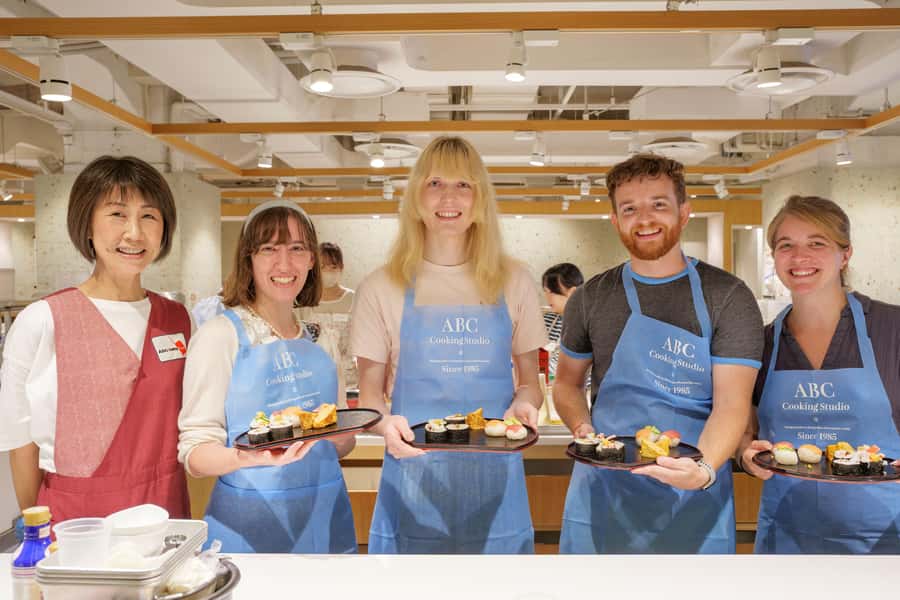
- Four Japanese dishes in one class: Prepare Temari sushi, maki sushi, tamagoyaki, and miso soup, then eat your work for lunch.
- Small English-speaking group: The tour accepts up to six people, with at least two required for it to run.
- A practical meeting point: Meet in front of the main gate of Tsukiji Hongwanji Temple, one minute from Tsukiji Station.
- A family-friendly age range: Children must be at least 9 years old and 4.2 feet tall, with comfortable shoes and clothes required.
- A useful correction about Tsukiji: This is the Outer Market only. The wholesale fish market moved away several years ago, so do not book expecting the old inner-market experience.
Starting at Tsukiji Hongwanji Temple
The tour begins outside the main gate of Tsukiji Hongwanji Temple at 3-15-1 Tsukiji. Your guide holds a sign with your name, which helps in a busy Tokyo meeting area.
The easiest route is Tsukiji Station on the Hibiya Metro Line. Exit 1 is about a one-minute walk away, while Exit 2 takes roughly two minutes. Tsukiji Shijo Station on the Oedo Line is about seven minutes away via Exit A1, in the direction of St. Luke’s Hospital.
The temple makes a sensible meeting point. It is easy to find, close to the market, and gives you a clear place to wait rather than wandering through the stalls looking for a guide. Arrive in comfortable shoes. You will be on your feet, and the market has practical working surfaces rather than smooth sightseeing paths.
Do not bring a suitcase or large bag. Baby strollers and pets are not permitted, and tight market lanes are not suited to bulky belongings.
A few more Tokyo tours and experiences worth a look


Reading Tsukiji Outer Market with a local guide
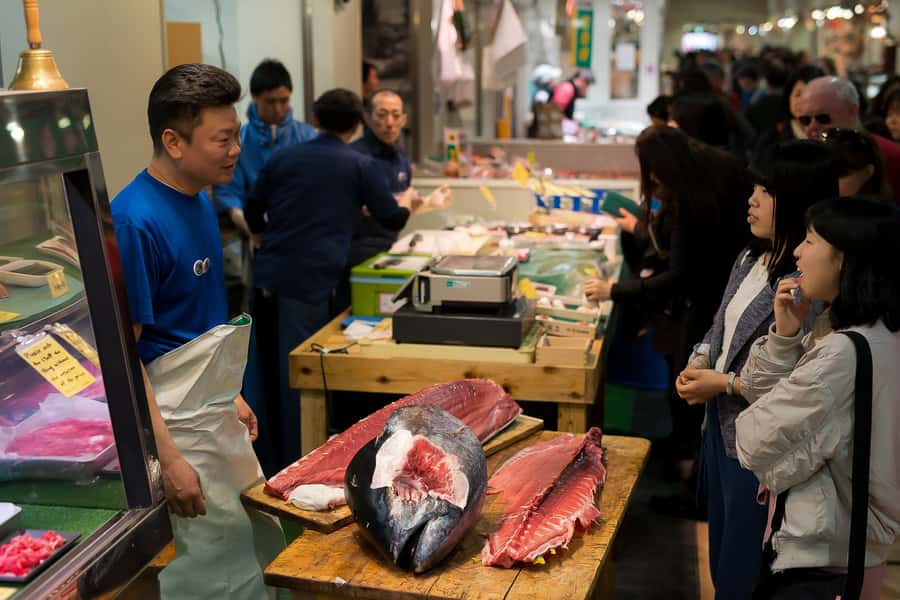
The Outer Market is a maze of food shops, seafood counters, small restaurants, produce sellers, and stores selling cooking tools and ingredients. It is lively, crowded, and occasionally messy in the way a working food district should be. The charm comes from the mix of everyday trade and food shopping, not from polished museum displays.
A guide gives the area shape. Instead of simply seeing rows of stalls, you can ask what different products are used for, how seafood fits into Japanese cooking, and which ingredients are worth noticing. Guides such as Akiko, Aki, Nobu, Takeshita, and Lucy have been singled out for explaining the market clearly and helping people navigate its lanes.
That personal help matters most if this is your first visit to a Japanese food market. You might recognize sushi, shellfish, seaweed, or pickles, but still have no idea how they are sold or prepared. A guide can point out details you would probably pass without understanding.
The tour spends around 70 minutes in the market. That is enough for an introduction and some guided browsing, but not enough for a slow, independent exploration of every lane. Several people who enjoyed the experience still wished they had more time at Tsukiji. If you want to shop, stop often, and sample lots of food, plan a separate return visit.
You may also want to arrive hungry. One useful tip is to leave room for market tastings, although food purchases at the market are not listed as included. Your lunch later comes from the cooking class, so the market portion is best treated as a chance to look, learn, and buy or sample items at your own expense.
What Tsukiji is, and what it is not
The name Tsukiji still carries the image of Tokyo’s famous inner fish market, where wholesale seafood trading and the tuna auction once drew early-morning crowds. That is not what this current tour offers.
You visit the Tsukiji Outer Market, not the inner wholesale market. There is no tuna auction visit and no wholesale fish market access. Some older descriptions of Tsukiji may blur the distinction, so check your expectations before booking.
The Outer Market remains worthwhile, especially when connected to a cooking lesson. It gives you a look at the ingredients and food culture behind Japanese meals. But if your main aim is to see wholesale auctions, working fishmongers, or the former inner market, this is the wrong activity.
One benefit of the current format is that the market walk does not end with you guessing what to do next. You continue to a cooking school, where the food theme becomes practical.
From market lanes to ABC Cooking Studio
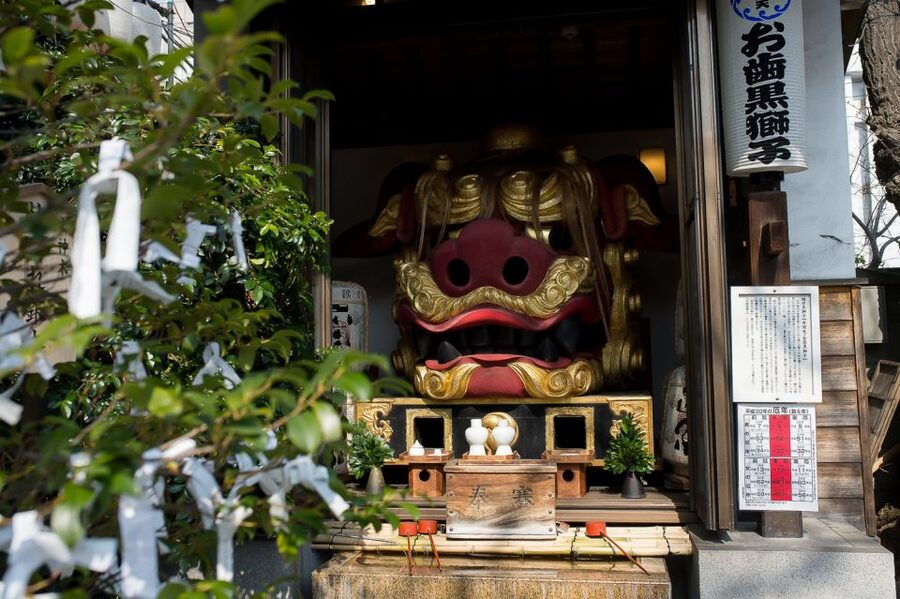
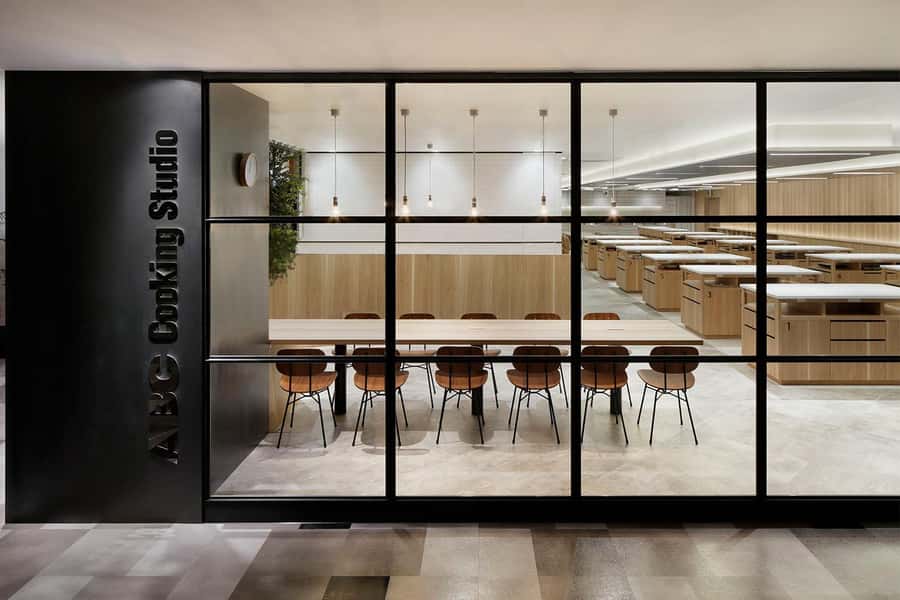
After Tsukiji, the group continues to ABC Cooking Studio, described as one of Asia’s largest cooking schools. The setting shifts from narrow market passages to a structured teaching space with aprons, ingredients, work areas, and an instructor.
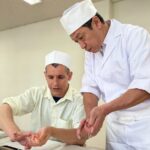
The class is led in English, and the instructor demonstrates the techniques before you prepare the dishes. Past instructors named in feedback include Megumi, Miwa, Kiko, Yukari, Hiroko, Hatsuko, Keiko, Hitomi, and others. The strongest pattern is not one particular teacher, but the repeated praise for patient, friendly instruction.
The cooking session is the heart of the experience. You do not just watch someone shape sushi. You prepare a group of classic washoku dishes, then sit down to eat them as lunch.
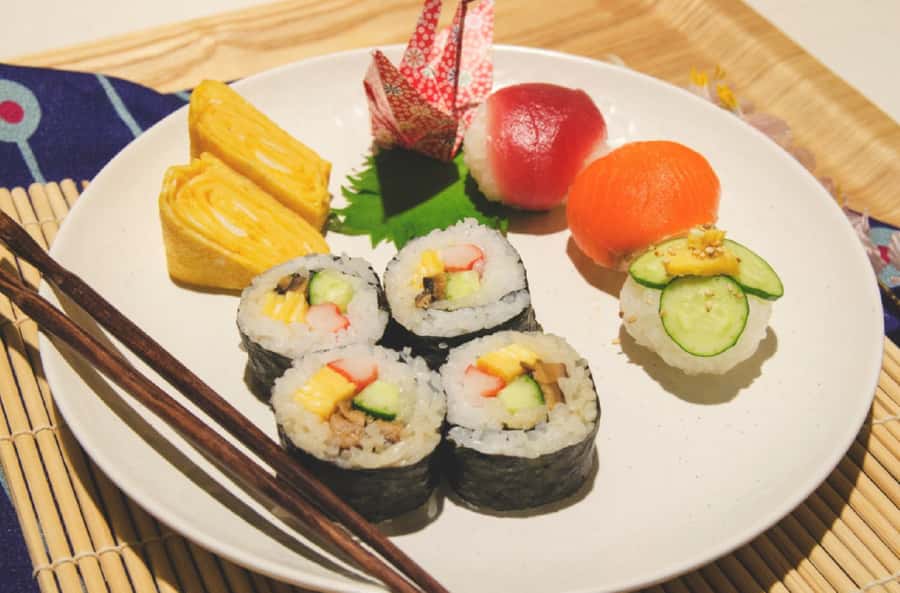
The exact ingredients may change with the season and what is available. Do not expect the finished dishes to look exactly like the promotional images. That flexibility is normal for a cooking lesson based on fresh ingredients, but it is worth knowing if you are booking for one particular fish or decoration.
Making Temari sushi, maki sushi, and tamagoyaki
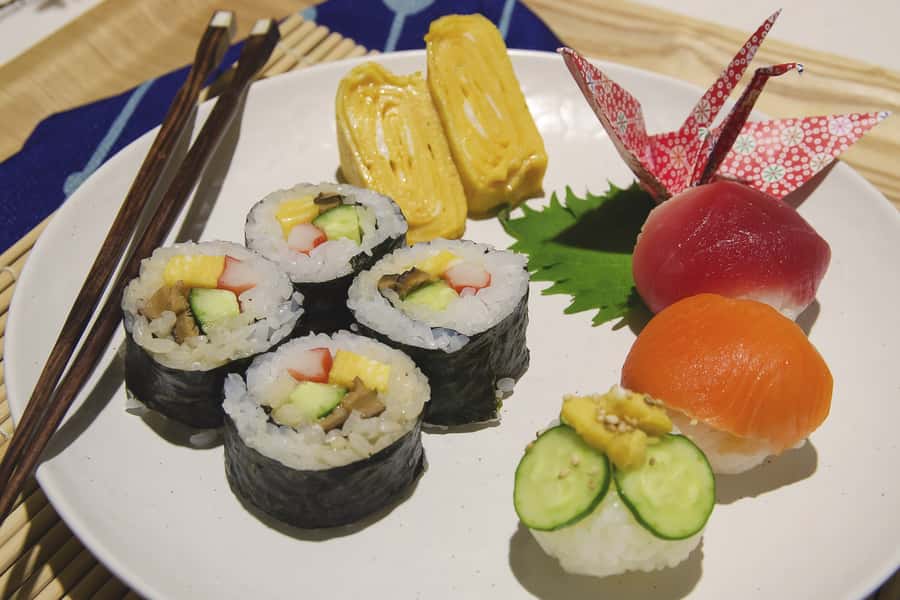
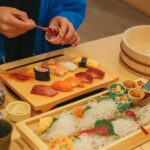
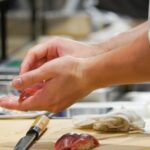
Temari sushi is ball-shaped sushi, formed into small rounded pieces. It offers a different lesson from the more familiar long roll, since appearance and proportion matter as much as filling. The small shape also makes it approachable for beginners.
Maki sushi is rolled sushi. You learn how to arrange the ingredients and roll the sushi into a neat shape. It is a useful skill to take home because the finished dish is familiar, easy to share, and connected to what you have just seen in the market.
Tamagoyaki is Japanese rolled egg. The technique looks simple, but getting a tidy layered roll takes practice. One person enjoyed the class enough to consider buying a tamago pan afterward, which says something about how practical this part can feel.
Miso soup completes the meal. It is a modest dish, but it helps show how a Japanese lunch is built from several elements rather than one main item. You are not only making sushi, you are assembling a small washoku meal.
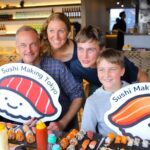
The class is designed for beginners, though the amount of individual hands-on work can vary. One family found the sushi making especially enjoyable for teenage sons, while another person felt the class was somewhat rushed and less hands-on than expected. Go in expecting guided participation, not a full professional chef course.
A few more Tokyo tours and experiences worth a look
Sitting down to eat what you made

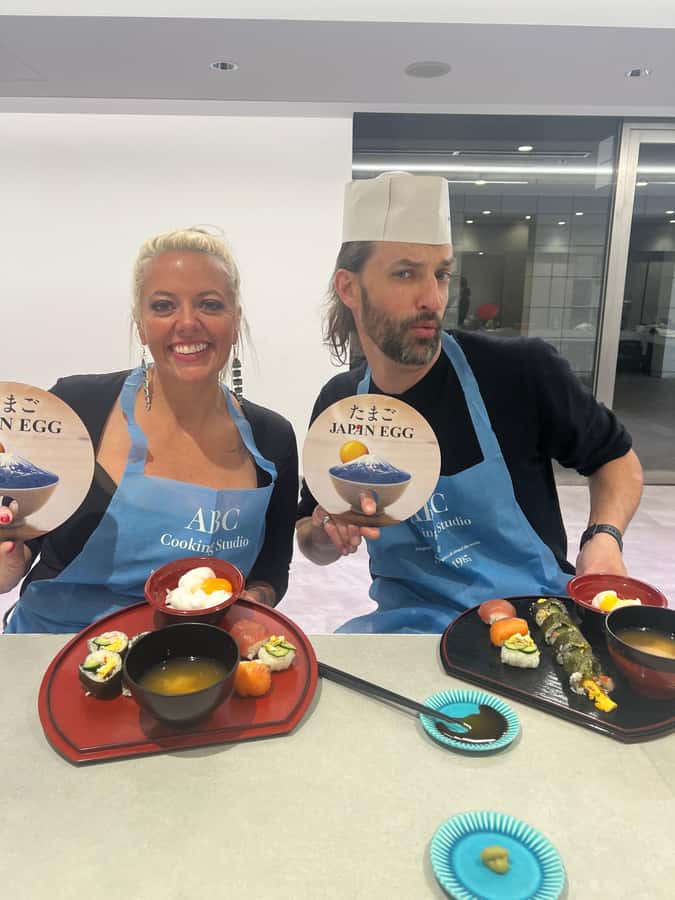
The tour ends with lunch made from your own dishes. This is more satisfying than receiving a prepared meal because you can see the connection between the market, the instruction, and the plate in front of you.
You also get a chance to notice the difference between making sushi and eating sushi. A roll may look uneven, the tamagoyaki may not have perfect layers, and your Temari sushi may vary in size. That is part of the fun. The meal becomes a record of what you learned.
Drinking water is provided at the cooking studio, along with an apron for the class. A digital recipe lets you try the dishes again at home, and a digital certificate is included after the experience.
Is $96 a fair price?
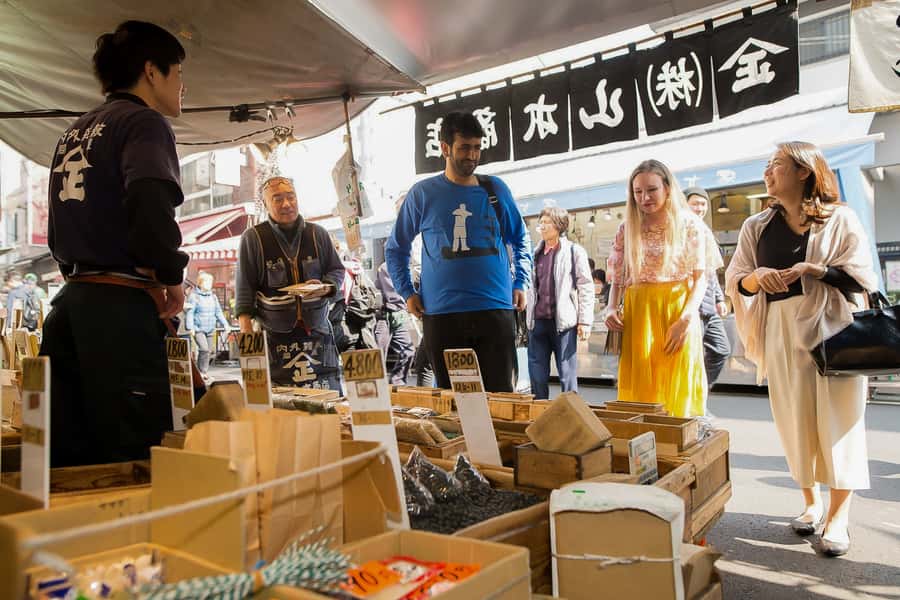
At $96 per person, this is not the cheapest way to see Tsukiji or learn to roll sushi. You could walk through the Outer Market alone for no tour fee, and you can find standalone cooking classes at different prices.
The value comes from combining three things in one three-hour activity: a guided market orientation, an English-language cooking lesson, and lunch. You also avoid the planning work of figuring out which stalls to visit, how to get from the market to the school, and how to reproduce the dishes afterward.
The six-person maximum improves the value. A small group gives you more room to ask questions and makes it easier to follow the cooking demonstration. It also suits families and couples who want interaction without joining a large coach group.
I would consider the price reasonable if you want both food culture and a class, especially on a first Tokyo visit. I would be less convinced if you mainly want a long market exploration. The limited market time means you are paying as much for the cooking session and organization as for Tsukiji itself.
Who will enjoy this three-hour experience?
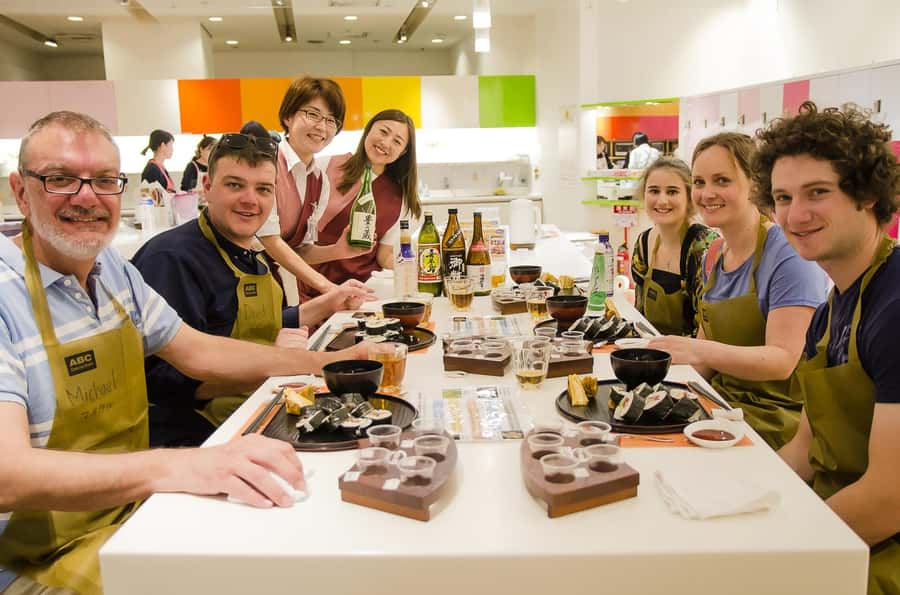
This tour suits first-time visitors who want a clear introduction to Japanese seafood and home-style cooking. It also works well for families with children aged 9 and older, provided each child meets the minimum height of 4.2 feet.
You do not need advanced cooking skills. The instructor shows the methods, and the menu includes recognizable dishes with enough variety to keep the class interesting. The activity also works for people who enjoy food but do not want a formal restaurant tasting.
It is a good choice for a morning or early-day plan because lunch comes at the end. You can then continue sightseeing with your afternoon free.
The experience is less suitable if you use a wheelchair, need a stroller, have back or heart problems, are pregnant, or have another serious medical condition. It also requires good weather. If poor weather or unavoidable circumstances cause a cancellation, you receive a full refund. Rescheduling is possible on request, but the stated conditions do not promise a refund for a rescheduled booking.
Practical details that affect your day
The tour lasts three hours, but starting times vary, so check availability for your chosen date. English is the listed tour language, and the activity is led by a live guide.
At least two people are required for the tour to operate, with a maximum of six participants. That minimum matters if you are booking alone or on a quiet date.
Hotel pickup and drop-off are not included. You need to reach Tsukiji Hongwanji Temple on your own. The meeting point is close to the metro, so public transport is the practical choice.
Bring comfortable clothes and shoes. Leave luggage at your hotel or use another storage option before arriving. The provider may take photographs during the activity and use them on its website, social networks, or advertisements, so keep that in mind if you prefer not to appear in promotional images.
The provider can be reached by email, but the contact phone is not available at every hour. Save your confirmation details before you set out.
Should you book it?
Book this experience if you want a well-organized food morning that joins Tsukiji with real cooking. The guides have repeatedly been praised for warmth, market knowledge, and helpful explanations, while the instructors are patient and encouraging. The final lunch gives the class a clear payoff.
Do not book it expecting the old inner fish market, a tuna auction, or hours of free time among the stalls. The market section is short, and the cooking lesson follows a set format.
For most first-time visitors who want to understand Japanese food and learn a few dishes they can repeat at home, $96 is a fair price. If you are already comfortable navigating Tsukiji and mainly want to browse independently, spend your money on a longer market visit instead.
FAQ
Where does the tour meet?
Meet your guide in front of the main gate of Tsukiji Hongwanji Temple at 3-15-1, Tsukiji, Chuo, Tokyo. The guide will hold a sign with your name.
How close is the meeting point to the metro?
Tsukiji Station on the Hibiya Metro Line is about a one-minute walk from Exit 1 and two minutes from Exit 2. Tsukiji Shijo Station on the Oedo Line is about seven minutes away from Exit A1.
Does the tour visit the inner wholesale fish market?
No. The tour visits Tsukiji Outer Market only. The inner wholesale fish market and tuna auction are not included.
How long do you spend at Tsukiji Outer Market?
You may spend around 70 minutes at the Outer Market before continuing to the cooking school.
What dishes do you make?
The class covers Temari sushi, maki sushi, tamagoyaki, and miso soup. The ingredients and exact contents can change with the season and ingredient availability.
Do you eat the food made during class?
Yes. Lunch consists of the dishes you prepare during the cooking lesson.
What is included in the price?
The price includes the market walking tour, guide, lunch made during class, apron use, drinking water at the cooking studio, a digital recipe, and a digital certificate.
What is the minimum age?
Children must be at least 9 years old and at least 4.2 feet tall. Children under 9 and people under 4 feet 3 inches cannot join.
Can I cancel for a refund?
You can cancel up to 24 hours in advance for a full refund. The activity can also be canceled because of poor weather or unavoidable circumstances, with a full refund offered in that situation.
More Cooking Classes in Tokyo


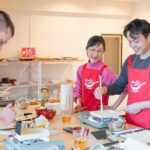
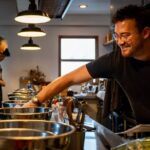
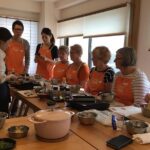
More Sushi Making Classes in Tokyo
More Tsukiji Market Tours in Tokyo
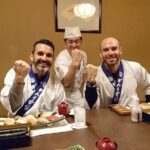
More tours in Tokyo we've reviewed












Tsukiji Market Tours, compared.
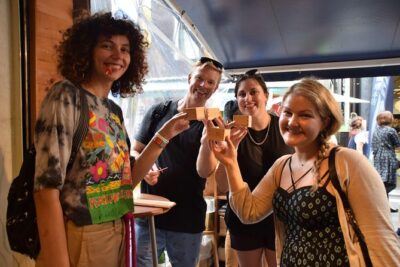 ★ 5.0Tokyo Tsukiji Fish Market Food and Culture Walking TourFrom $99
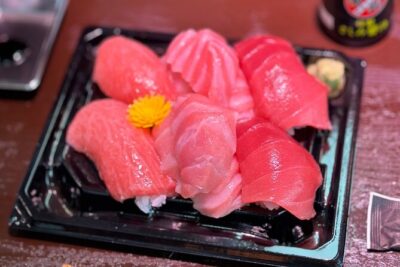 ★ 5.0Tokyo: Tsukiji Fish Market Food and Walking tourFrom $30
 ★ 4.9Tokyo: Tsukiji Fish Market Guided Walking TourFrom $222 hours
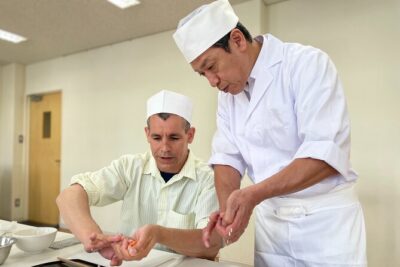 ★ 5.0Tokyo Sushi Making Class in Tsukiji with Professional ChefFrom $49
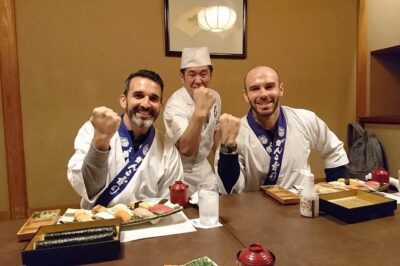 ★ 5.0Tsukiji Fish Market Guided Tour and Sushi Making with Pro ChefFrom $104
★ 4.7Tokyo: Tsukiji Fish Market Food and Culture Walking TourFrom $963 hours
★ 5.0Tsukiji Fish Market Guided Tour and Sushi Making with Pro ChefFrom $104
★ 4.7Tokyo: Tsukiji Fish Market Food and Culture Walking TourFrom $963 hours