Reviewed · SUMO EXPERIENCES
Tokyo: Sumo Morning Practice with journalists. Not fake show
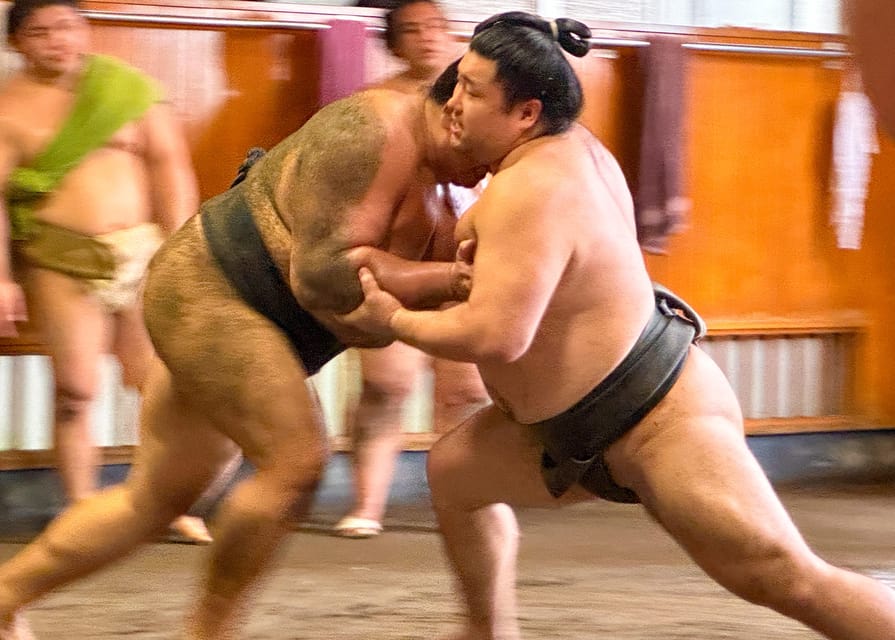
The best thing about this Tokyo sumo tour is that you watch real morning practice, not a staged tourist show. At Takasago-beya, wrestlers train in their working stable while you sit quietly on the floor and watch the discipline, strain, and ritual up close.
In This Article
- Key points at a glance
- Why this is different from seeing a sumo tournament
- Meeting in Ryogoku before the stable visit
- Inside Takasago-beya for two hours
- The photo moment after practice
- Sumo explained by a working reporter
- A short walk through the Ryogoku sumo district
- What $103 buys you
- Timing, conduct, and practical comfort
- Who should book this sumo morning?
- My verdict on the Tokyo sumo practice tour
- FAQ
- Where does the sumo morning tour meet?
- How long does the activity last?
- Is this a real sumo practice or a staged show?
- Who leads the tour?
- Can I take photos during practice?
- Do I need to sit on the floor?
- Is transportation included?
- Is the experience suitable for wheelchair users?
- Can I cancel or pay later?
I like the access and the guide. Permission to enter a stable is hard to arrange, even for Japanese residents, and Shinya Setsu brings years of experience as a national newspaper sumo reporter. I also like the chance to ask direct questions and take commemorative photos afterward. The main consideration is comfort: you sit on the floor, flash photography is forbidden, and the $103 price is high for a three-hour activity.
Key points at a glance
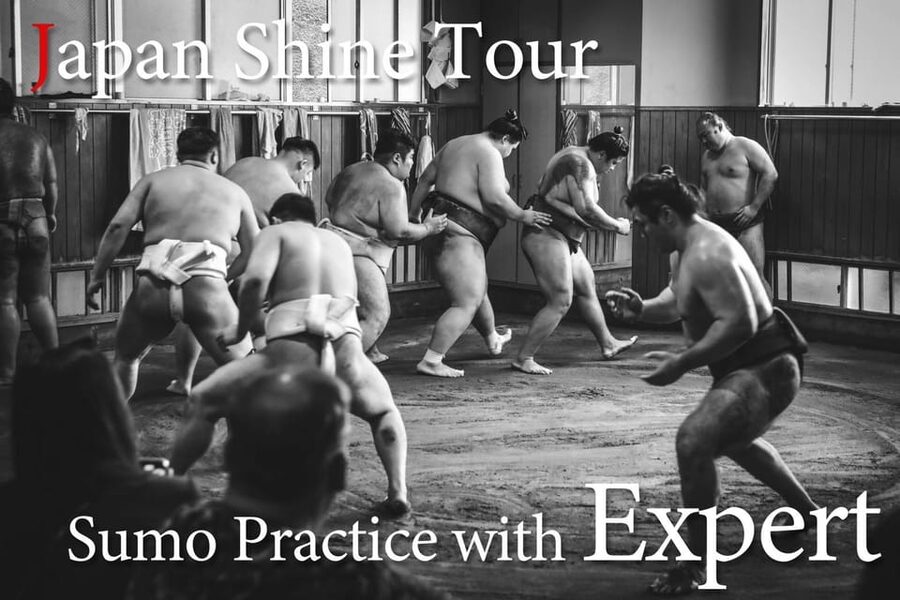
- Real practice at Takasago-beya: Watch wrestlers train in their own stable rather than performing for a tourist audience.
- A reporter as your guide: Shinya Setsu, along with guides such as Shin, Karen, and Ray, explains the sport with insider stories and clear English.
- Quiet, close viewing: You must remain silent during practice, which makes the session feel respectful and intensely focused.
- Photo opportunity afterward: You can take commemorative photos with the wrestlers when the practice ends.
- Ryogoku sumo context: The walk to Ryogoku Edo Noren adds background on the district, sumo traditions, and Japanese food culture.
- Floor seating matters: Wear comfortable clothes and plan for a traditional setup that is not suitable for wheelchair users.
Why this is different from seeing a sumo tournament
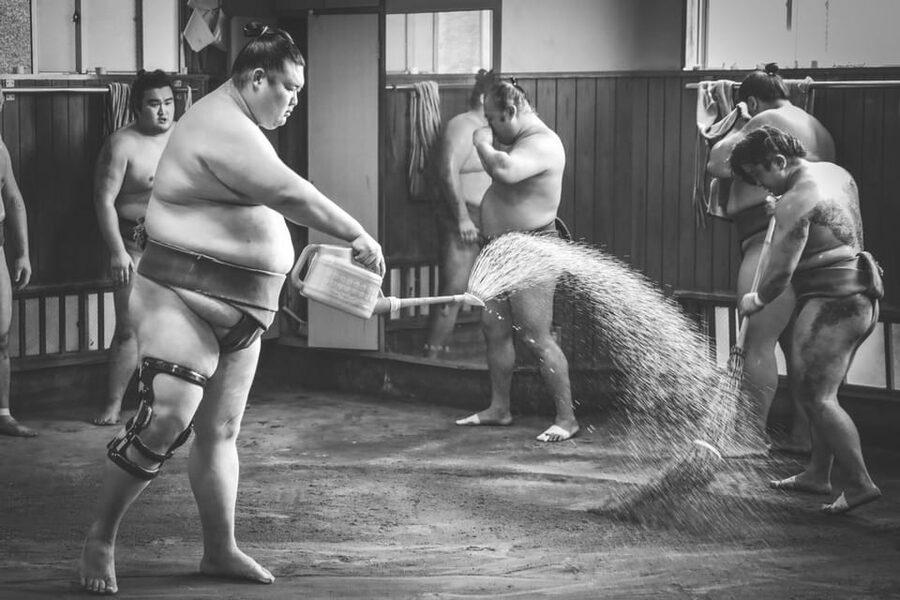
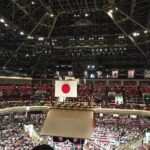
A tournament gives you the drama of a formal bout, a packed arena, and the excitement of competition. This morning visit shows you something less polished: the work behind the spectacle.
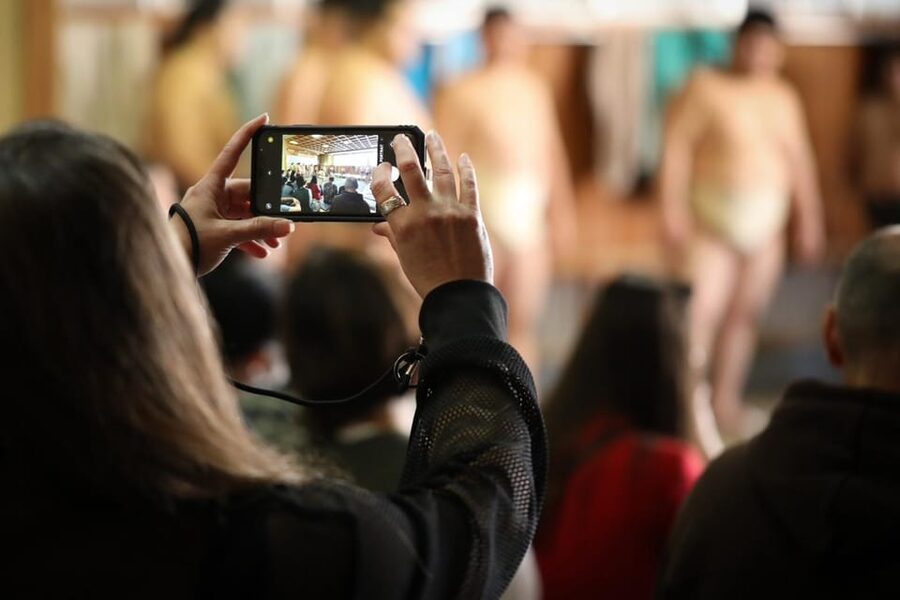
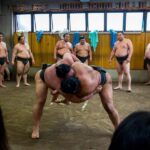
You may see wrestlers repeat basic exercises, push against one another, and train under the watch of senior rikishi. The atmosphere is serious. There is no announcer, no cheering crowd, and no staged explanation from the wrestlers themselves. You sit quietly and watch their routine unfold.
That quiet is part of the appeal. Sumo practice is built around concentration and respect. You are not there to interrupt the stable or turn training into a performance. The result feels more like a privileged observation than an entertainment program.
The tour is especially useful if tournament tickets are sold out or your visit falls outside one of Tokyo’s tournament periods. Several people who regularly watch sumo on television found the practice gave them a better sense of the wrestlers’ daily effort. If you know little about sumo, the guide’s explanations help you understand what you are seeing rather than simply watching large men collide.
A few more Tokyo tours and experiences worth a look
Meeting in Ryogoku before the stable visit
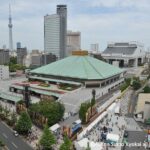
The meeting point is outside the Toei Oedo Line’s Ryogoku Station, at Exit A2 on ground level. It is also about a five-minute walk from the east exit of JR Ryogoku Station.
Arrive early. The group leaves the meeting point on time, and late arrival could mean missing part of the practice. The operator sends detailed instructions before the tour date, which is useful in a station area with several exits and rail connections.
From the meeting point, the transfer to Takasago-beya takes about five minutes. The short ride or walk keeps the morning focused on the stable rather than turning the tour into a long city walk.
Bring a camera, but remember that flash photography is not allowed during practice. Food, drinks, alcohol, and drugs are not permitted. Shoes come off indoors, so wear socks and clothing that lets you sit comfortably on the floor.
Inside Takasago-beya for two hours
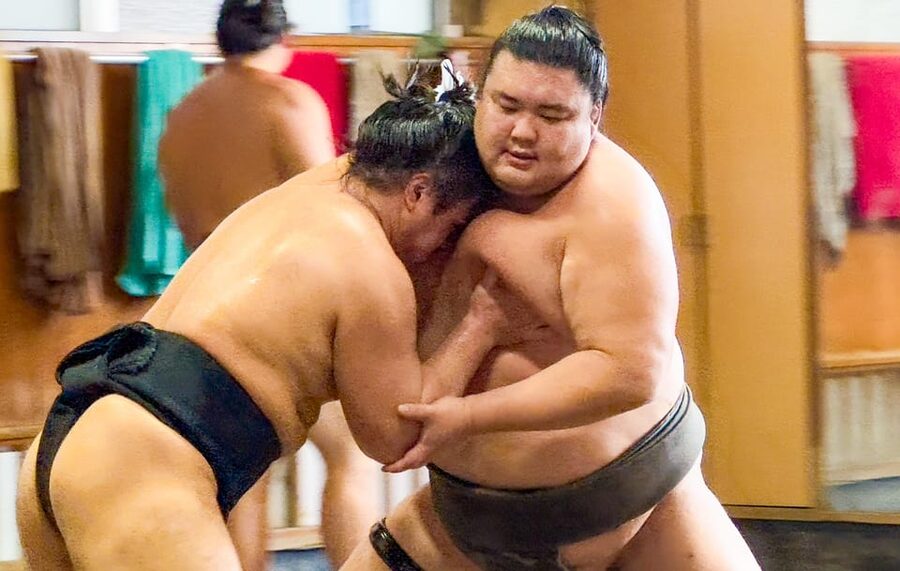
The stable is the heart of the experience. A sumo stable is not simply a gym where wrestlers train. It is also where they live, eat, follow a strict hierarchy, and prepare for competition.
The two-hour stable visit includes the live morning practice and guidance from the tour team. The exact rhythm of the training can vary, so you should not expect a fixed theatrical schedule. You might see less experienced wrestlers begin first, followed by stronger and more senior competitors. The contrast helps you notice how technique and stamina develop within the stable.
The physical effort can be striking. Training is repetitive by design, and the wrestlers work through demanding exercises with little fuss. The value is in seeing the process rather than waiting for one spectacular moment.
You must stay quiet while practice is underway. The operator provides background material and videos before the tour, helping you recognize common training routines and understand why silence matters. Read that material before you go. It will make the viewing time far more rewarding.
Seating is on the floor in the traditional style. This may mean a cramped or challenging position for anyone with knee, hip, or back problems. The information describes the activity as wheelchair accessible in one place, but it also says the traditional stable setup is not suitable for wheelchair users and excludes electric wheelchairs. Treat the latter guidance as the practical rule and confirm your needs with the operator before booking.
The photo moment after practice
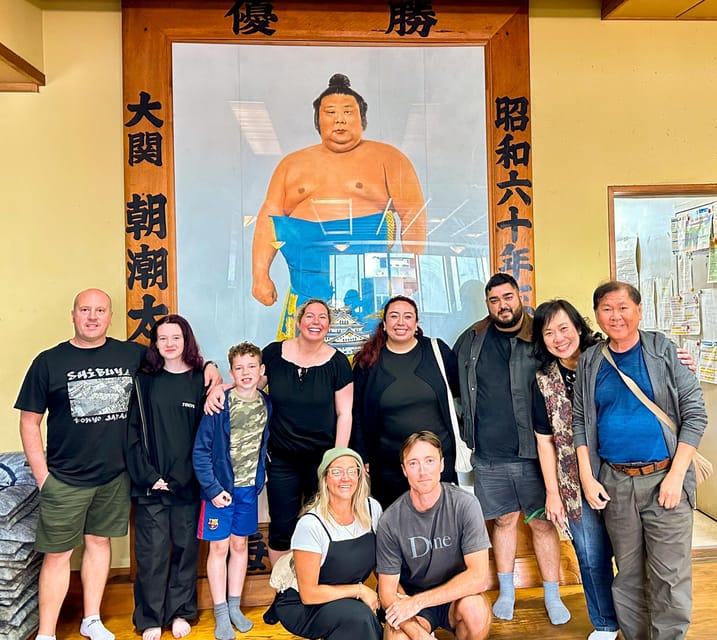
After training, you get a chance to take commemorative photos with the wrestlers. This is one of the clearest benefits of visiting a stable instead of watching a tournament from the stands.
The timing and exact arrangement can depend on the stable’s routine, so keep expectations sensible. This is not an extended meet-and-greet, and the wrestlers are still following their working schedule. Still, the photo gives you a personal reminder of an otherwise hard-to-access morning.
The tour is respectful about the boundary between visitor and athlete. You watch quietly first, then take photos only when the tour team says it is appropriate. Keep your camera ready, but do not use flash during practice.
Sumo explained by a working reporter
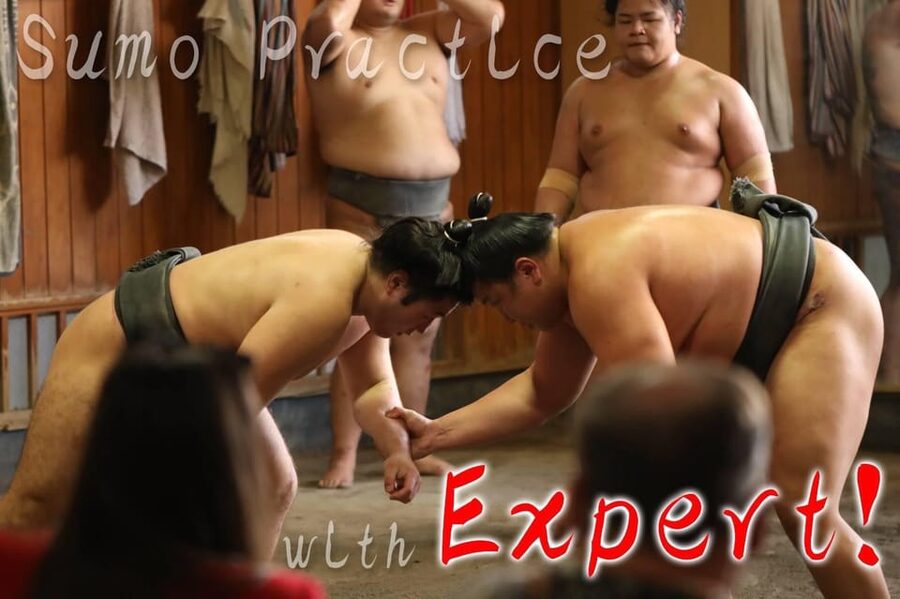
The guide makes a major difference here. Shinya Setsu is described as a national newspaper journalist and sumo specialist, and his background gives the tour more depth than a basic introduction to rules.
After the practice, you can ask questions about the wrestlers’ daily lives, stable hierarchy, training, rituals, and the rules of the sport. Shinya’s stories draw on his time covering sumo, and the tour team has also included guides named Shin, Karen, and Ray.
The strongest part of the commentary is its range. You learn not only how a bout works, but also how the sumo world is organized. The guides explain customs and the discipline required of rikishi, the Japanese term for professional sumo wrestlers. They also use funny stories and video examples to make unfamiliar details easier to grasp.
That matters because sumo can look simple from a distance. Two wrestlers enter a ring, push, pull, and try to force the other out. In person, you begin to notice footwork, posture, timing, ceremony, rank, and the importance of ritual. A good explanation turns a short practice into a lesson in Japanese culture.
The guide can also help you connect what you saw in the stable with famous wrestlers and past matches. One person particularly enjoyed seeing a former ozeki, Asamoyama, at close range. The tour cannot promise which wrestlers will train on your date, but a stable with established rikishi can make the morning especially memorable.
A few more Tokyo tours and experiences worth a look



A short walk through the Ryogoku sumo district
After the stable, the route continues to Ryogoku Edo Noren for about 30 minutes. The final stop is close to Ryogoku Station, making this an easy activity to pair with an afternoon in the district.
Ryogoku is Tokyo’s sumo center, and the walk gives the guide room to explain local traditions and point out the connection between the stable, the stadium area, and the wider sumo culture. Some tours also include commentary near the Ryogoku Kokugikan, a sumo museum, or a sumo shop, depending on the route and what is open.
Set your expectations carefully. The stated itinerary lists Ryogoku Edo Noren, not an interior tour of the Kokugikan ring. One person expected to visit the actual stadium ring and instead saw a nearby replica. That is a minor issue if you mainly want the practice, but it matters if your priority is entering the tournament arena.
The short stop may feel less essential than the stable visit. One person found the sumo shop unnecessary. If you already plan to explore Ryogoku on your own, you may see this portion as a brief add-on rather than a major attraction.
On the other hand, it gives the guide time to answer questions after you have watched the practice. That is often when the details begin to click, because you can ask about something you saw moments earlier.
What $103 buys you
At $103 per person, this is not a cheap Tokyo activity. You are paying for access that is difficult to arrange independently, a three-hour guided experience, English interpretation, practice viewing, and commemorative photos.
The stable’s special permission is the key part of the value. Calling stables yourself does not guarantee entry, and access is often reserved for sponsors or personal connections. The tour removes that uncertainty and pairs it with a specialist who can explain what is happening.
The price also compares more fairly with other sumo practice visits than with a free neighborhood walk. The guides provide advance material, answer questions, and sometimes follow up with links to documentaries or match clips. That extra information is useful if you want to keep learning after the morning ends.
Still, the value depends on your interest. If sumo is only a passing curiosity, $103 may feel steep for a practice session with no meal included. You also pay for your own transport to and from the stable, though the meeting point and final stop are both in Ryogoku.
For a committed sumo fan, or for someone who could not get tournament tickets, the cost is easier to justify. You see the daily work that a tournament ticket does not reveal, and you receive context that would be hard to get from a guidebook alone.
Timing, conduct, and practical comfort
The activity lasts three hours, with roughly two hours at the stable and 30 minutes at Ryogoku Edo Noren. The two transfers are short, about five minutes each, so most of your time goes to viewing and discussion.
Comfortable clothing is essential. You sit on the floor during practice, and you may need to remain in one position for a long stretch. There is no suggestion that chairs are available, so anyone who finds floor seating difficult should ask before reserving.
Respect the stable’s rules:
- Arrive early at the A2 meeting point.
- Remove your shoes indoors.
- Keep silent during training.
- Do not use flash photography.
- Do not bring food or drinks into the stable.
- Do not bring baby carriages, fireworks, alcohol, or drugs.
- Babies under one year are not suitable for this activity.
The tour is conducted in English. The operator offers free cancellation up to 24 hours before the start and allows you to reserve now and pay later, which helps if your Tokyo schedule is still changing.
Who should book this sumo morning?
I would choose this tour if you care about authentic access more than polished entertainment. It suits first-time sumo watchers because the guide explains the customs and training from the ground up. It also suits serious fans who want to see the daily routine of rikishi away from the tournament arena.
It works well for adults, couples, families with older children who can sit quietly, and anyone planning a Ryogoku morning. It is less suitable for babies, people who need wheelchair access, or anyone uncomfortable sitting on the floor.
You should also be comfortable with uncertainty. The stable controls the practice, so the wrestlers, exact exercises, and timing are not presented for your benefit. That is precisely what makes the visit feel genuine, but it means you should not expect a show with guaranteed stars or a fixed performance.
My verdict on the Tokyo sumo practice tour
I would book it if tournament tickets are unavailable, or if you want to understand how sumo works beyond the arena. The combination of a real stable visit, close viewing, post-practice photos, and a guide with newspaper reporting experience gives the morning unusual depth.
I would skip it if you dislike floor seating, need full wheelchair access, or are mainly looking for a formal match. The price is substantial, and the final Ryogoku stop may feel secondary. But for an interested visitor, the chance to watch wrestlers train in their own environment is hard to replace.
FAQ
Where does the sumo morning tour meet?
It meets at Exit A2 of Ryogoku Station on the Toei Oedo Line, at ground level. The location is about a five-minute walk from the east exit of JR Ryogoku Station.
How long does the activity last?
The full experience lasts three hours. About two hours are spent at Takasago-beya Sumo Stable, followed by about 30 minutes at Ryogoku Edo Noren.
Is this a real sumo practice or a staged show?
It is a live morning practice at a sumo stable, not a staged tourist performance. You watch the wrestlers train in their regular environment.
Who leads the tour?
The English-speaking tour is led by a sumo specialist and national newspaper journalist. The guides connected with the experience include Shinya Setsu, Shin, Karen, and Ray.
Can I take photos during practice?
You may bring a camera, but flash photography is not allowed during practice. Commemorative photos are included after the training.
Do I need to sit on the floor?
Yes. You should wear comfortable clothes because the traditional stable setup involves sitting on the floor during practice.
Is transportation included?
Transportation to and from the sumo stable is not included. The tour includes short transfers of about five minutes between the listed stops.
Is the experience suitable for wheelchair users?
The practical information says the traditional stable setup is not suitable for wheelchair users, and electric wheelchairs are not allowed. Contact the operator before booking if you have access needs.
Can I cancel or pay later?
You can cancel up to 24 hours in advance for a full refund. The activity also offers reserve now and pay later booking.
More Shows & Entertainment in Tokyo
More Shows & Performances in Tokyo
More Sumo Experiences in Tokyo
More tours in Tokyo we've reviewed












Sumo Experiences, compared.
 ★ 4.8Tokyo: Sumo Show Experience with Chicken Hot Pot and a PhotoFrom $1032 hours
 ★ 4.8Tokyo: Sumo Show and Dining ExperienceFrom $7990 minutes - 2 hours
 ★ 5.0the SUMO showFrom $89
 ★ 5.0Tokyo Sumo Entertainment Show with Chicken Hot Pot and PhotoFrom $106
 ★ 4.6Tokyo: Sumo Tournament Tour with Chair Seat TicketsFrom $141
 ★ 5.0Tokyo Grand Sumo Tournament Viewing Tour with TicketsFrom $124