Reviewed · TOKYO FOOD TOURS
Private Tokyo Food Tour – Retro Akabane Izakaya Experience
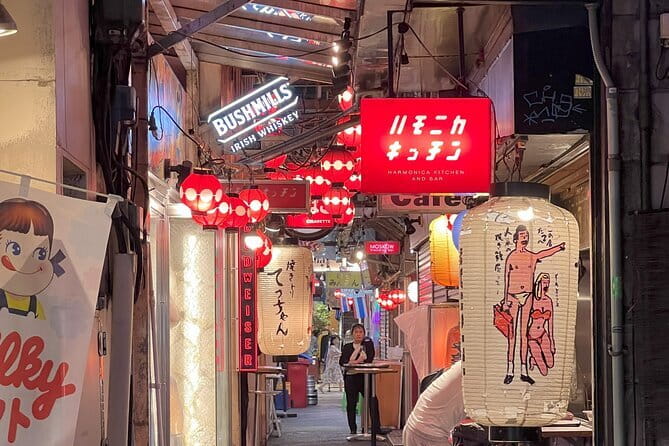
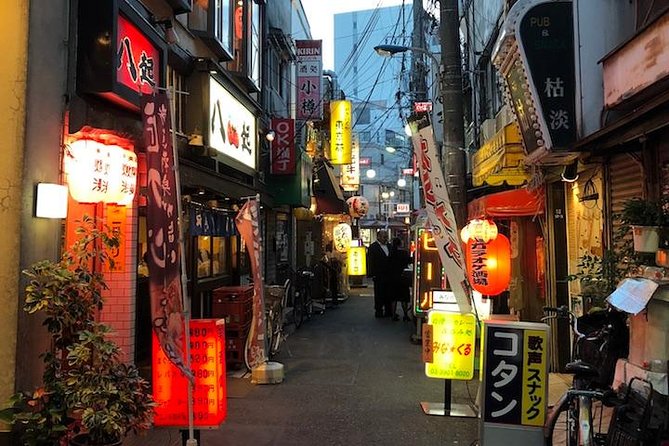
Akabane’s Ichibangai Street is the kind of Tokyo food area you can easily miss if you stick to the city’s famous districts. Here, red lanterns glow over narrow lanes, workers settle into small izakayas, and dinner comes as a steady stream of shared plates rather than one large meal. Simon leads this private four-hour outing through three local spots, with at least 10 snacks and three drinks included.
In This Article
- Key points about the Akabane food tour
- Why Akabane makes a good food stop
- The standing bar starts the evening
- Oden, broth, and Akabane’s local drink
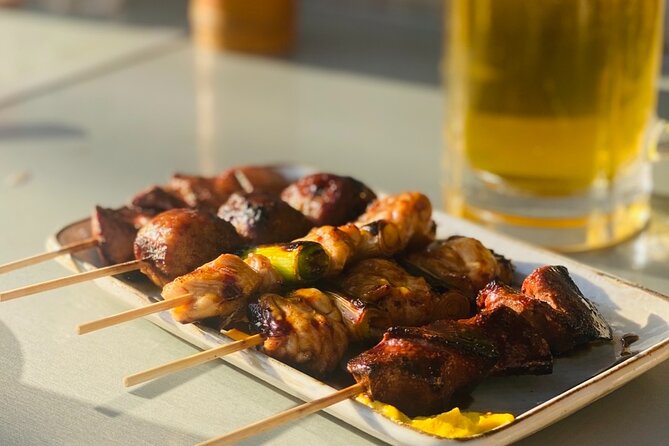
- Seafood grilling brings the meal home
- Simon’s role is central to the experience
- What the $214.25 price includes
- Practical matters before you reserve
- Who will enjoy this evening most
- Should you book the Retro Akabane Izakaya Experience?
- FAQ
- Where does the Retro Akabane Izakaya Experience begin?
- What time does the tour start?
- How long does the tour last?
- How many izakayas will I visit?
- What food and drinks are included?
- Can people under 20 join the tour?
- Is transportation included?
I like the local, residential setting, far from the polished restaurant zones most first-time visitors see. I also like the way Simon adjusts the food to your palate, which matters when dishes such as oden, grilled seafood, sake mixed with broth, shochu, and hoppy may be new to you. The main drawback is that smoking is permitted in most Japanese bars and restaurants, so this is not a good choice for pregnant travelers or anyone sensitive to smoke.
Key points about the Akabane food tour
- Three different izakayas: You visit a standing bar, an oden institution, and a seafood grill.
- At least 10 snacks and three drinks: Dinner and alcoholic beverages are included in the tour price.
- A private evening with Simon: Only your group takes part, allowing the food choices to be adjusted to your tastes.
- A working-class side of Tokyo: Akabane offers a relaxed local atmosphere rather than a major sightseeing district.
- Meet at 6 p.m. at Akabane Station: Transportation to and from the neighborhood is not included.
- Shared Japanese-style dining: Plates are ordered for the group, so you should be comfortable trying food communally.
Why Akabane makes a good food stop
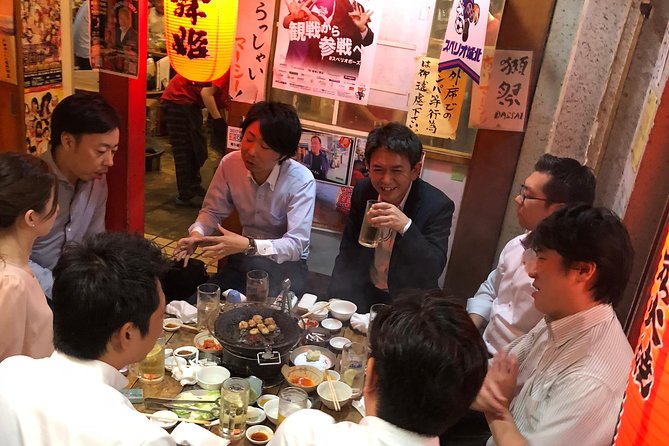
Akabane sits in northern Tokyo and is known here as an evening destination for local residents. That gives the outing a different feel from a food walk through Ginza, Shibuya, or Shinjuku. You are not being taken from one famous landmark to another. Instead, the focus is on how people eat and drink after work.
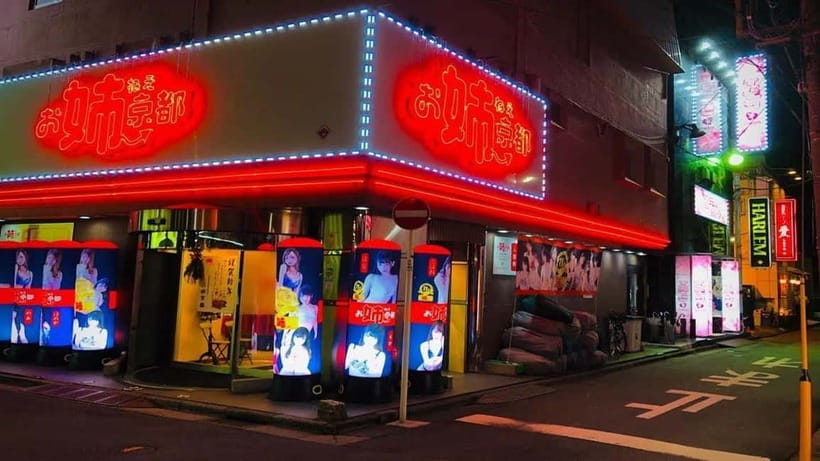
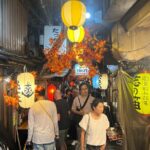
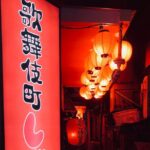
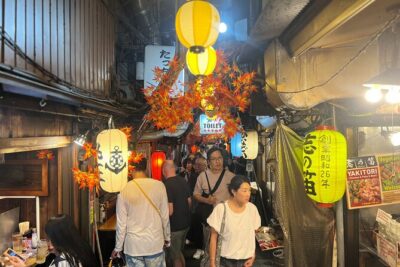
The meeting point is Akabane Station, at 6 p.m. From there, you move into the Ichibangai shopping district, where food and drink businesses line the narrow streets. The area’s retro character is part of the appeal. Expect glowing paper lanterns, compact storefronts, and a casual atmosphere that feels more down to earth than carefully designed for sightseeing.
I like this setup because the neighborhood itself does much of the work. You get a look at a part of Tokyo that may not appear on your usual sightseeing plan, while Simon explains what you are ordering and helps you settle into the local style of eating. The walking is described as mild, but comfortable shoes still make sense.
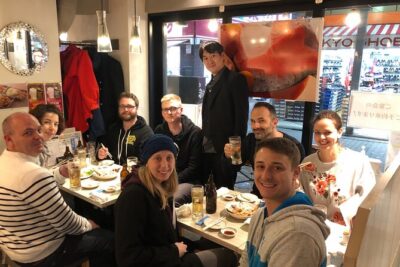
Since this is a private activity, only your own group participates. That is useful if you are traveling with family or friends and want to ask questions freely. It also lets Simon shape the meal around what you want to try, rather than serving every group the same fixed selection.
A few more Tokyo tours and experiences worth a look
The standing bar starts the evening
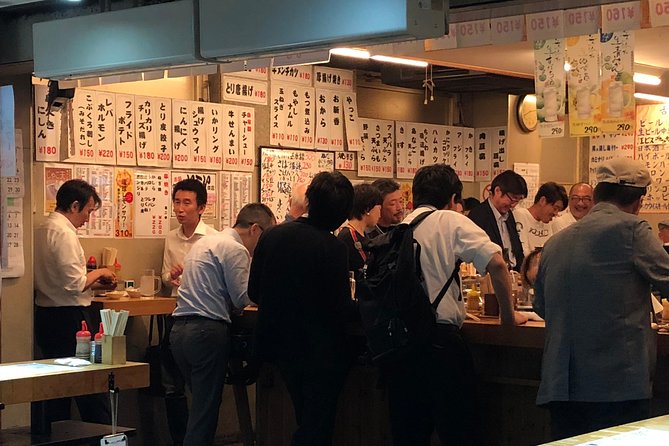
The first food stop is a lively local standing bar. Standing bars are a practical part of Japanese drinking culture. They are informal, often compact, and suited to a quick drink with a few small dishes. This is not the place to expect a quiet, formal dinner.
You will try a selection of Japanese bar snacks here, with Simon helping you understand what to order and how the dishes fit into the meal. Since more than 10 delicacies are served across the tour, the opening stop works as a chance to sample several flavors without committing to a full portion of anything unfamiliar.
This is one of the places where the shared-plate format matters. Food is ordered for the group, so you can taste a wider range than you might manage alone. If you have a strong dislike or dietary concern, tell Simon in advance and again at the start. The operator says dietary requirements can be accommodated as far as possible, but no specific list of substitutions is provided.
The standing-bar setting can also be the most demanding part of the evening for some people. You may have limited personal space, and the atmosphere is likely to be louder and less polished than a standard restaurant. That is part of the point, but it is worth knowing before you book.
Oden, broth, and Akabane’s local drink
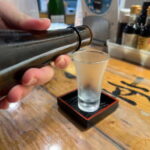
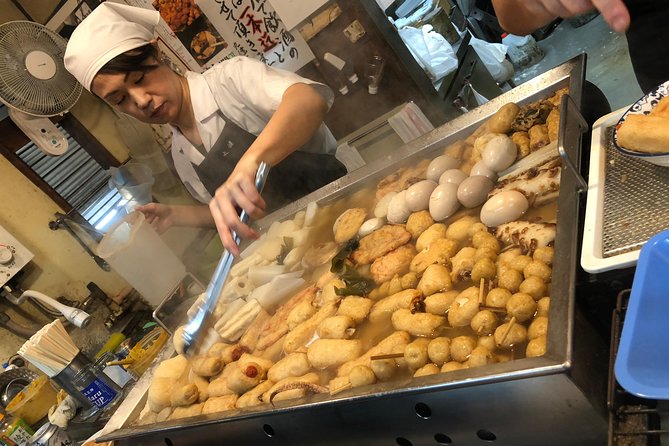
The next stop introduces you to traditional oden at an Akabane institution. Oden is a simmered Japanese dish served in a seasoned broth. The tour pairs it with a local specialty of sake mixed with broth, giving you a drink that is closely tied to the neighborhood’s old-school drinking culture.
For many people, this is likely to be the most distinctive tasting of the night. Sake is familiar to many visitors, but combining it with broth makes the drink less predictable. Simon’s role is useful here because he can explain what you are being served and suggest choices based on your palate.
I would approach this stop with curiosity rather than a fixed idea of what dinner should be. The food may be simple, but simple food often shows you more about everyday dining than a carefully staged tasting menu. You are getting a practical look at what people order in a neighborhood pub, not a lesson built only around famous Japanese dishes.
The pace also helps. Instead of sitting down for one long meal, you move through three places, trying a few items in each. That creates variety and keeps the evening moving. The tradeoff is that you will not have the same level of comfort or control over your seat, table, and meal timing that you would in one restaurant.
Seafood grilling brings the meal home
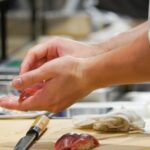
At the third izakaya, you brush shoulders with local diners and grill seafood at a specialty seafood restaurant. This stop gives the evening a different texture from the standing bar and oden shop. You are still eating in an informal pub setting, but the focus shifts toward cooked seafood and the hands-on act of grilling.
The tour includes dinner, more than 10 local delicacies, and three alcoholic beverages. You should leave full, not merely nibbled. That is useful when judging the price because this is not just a guided walk with one token tasting. Food and drinks make up the core of the four-hour experience.
The exact seafood and snack selection is not fixed in the information provided, so you should not book this expecting a guaranteed list of particular dishes. Instead, think of the menu as a guided introduction to popular Japanese izakaya food, shaped by availability and your preferences.
I like the three-stop structure because each venue shows a different side of casual dining. The standing bar is quick and social. The oden stop is traditional and warming. The seafood grill gives you a more active meal. Together, they make a stronger introduction than visiting one restaurant alone, especially if you are unsure how to order or what to try.
Simon’s role is central to the experience
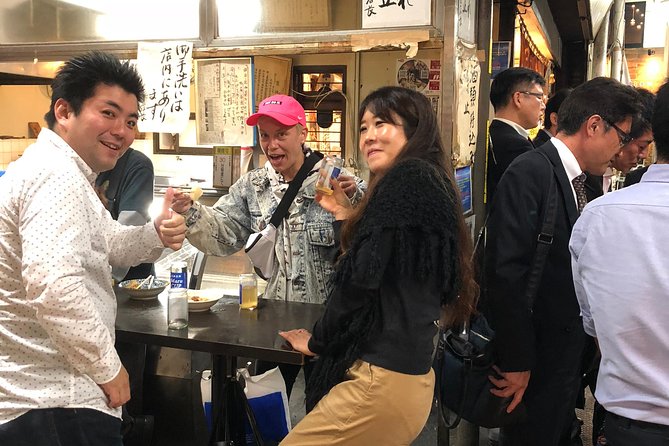
The guide can make or break a food tour, and Simon receives especially strong praise for keeping the evening light, conversational, and informative. His value is not simply translating a menu. He helps you decide what is worth trying, explains Japanese food and social customs, and adapts the orders to what your group wants.
That personal attention is easier to provide because the activity is private. A group of six, for example, can move through the evening together without being combined with strangers. If one person wants to try unfamiliar food while another prefers safer choices, Simon can respond to both.
The tour is also designed for conversation. You are eating at places where local workers spend their evenings, so questions about Japanese food culture and society fit naturally into the experience. Simon has been praised for being a good conversationalist, which is important during a four-hour outing built around shared tables and drinks.
Still, you should keep your expectations realistic. This is not a formal cooking class, and the information does not promise hands-on instruction beyond the seafood grilling. It is a guided food and drink experience, with cultural explanation woven into the evening.
A few more Tokyo tours and experiences worth a look

What the $214.25 price includes
At $214.25 per person, this is not a budget dinner. The price makes more sense when you count the inclusions: a private guide, three izakaya visits, dinner, at least 10 delicacies, and three alcoholic drinks. You are also paying for help navigating places that may be difficult to use confidently on your own.
The private format is the biggest factor in the value. If you are a couple or a small group that wants a guide focused only on you, the cost may feel reasonable, especially if a group discount applies. If you are mainly looking for inexpensive local food, you can spend less by exploring Akabane independently.
I would compare the price with what you want from the evening. If your priority is maximum food for minimum cost, this is probably not the right purchase. If your priority is a relaxed introduction to three izakayas, with ordering help and cultural context, the package is easier to justify.
The tour is booked an average of 70 days ahead, so advance planning matters. That timing may reflect limited availability for a private evening rather than a need to reserve every Tokyo activity that far out. Still, if you have a fixed date, do not wait until the last minute.
Practical matters before you reserve
You must arrange your own transportation to Akabane Station and return from the meeting point after the tour. The activity ends where it begins. Akabane is near public transportation, but the tour price does not cover your train fare.
The start time is 6 p.m., and the outing lasts about four hours. That makes it an evening commitment, so avoid pairing it with a separate dinner reservation or a time-sensitive nighttime show. You will be eating steadily, and the shared format works best when you arrive ready for a full meal.
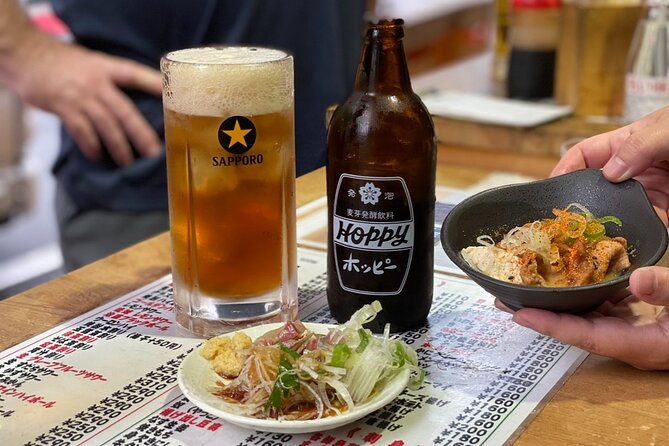
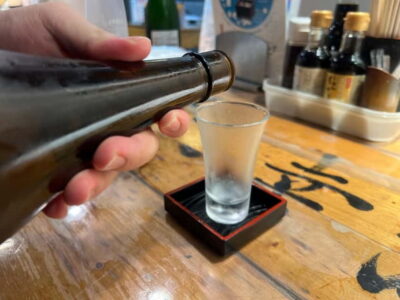
Japan’s legal drinking age is 20. Anyone under 20 receives soft drinks instead of alcohol. Three alcoholic beverages are included for eligible participants, with sake, shochu, and hoppy among the examples provided.
Smoking is permitted in most Japanese bars and restaurants used on this tour. This is the clearest comfort concern. If smoke bothers you, ask about the current conditions before booking, since the tour’s setting makes avoiding it difficult.
The experience requires some walking, but most travelers can participate. Wear comfortable footwear and let the operator know about dietary requirements when you book. The operator will do its best to accommodate them, though shared plates and local izakaya menus can limit flexibility.
Free cancellation is available until 24 hours before the 6 p.m. start time. Changes made inside that 24-hour window are not accepted, and late cancellations are not refunded. The activity also requires good weather, with a different date or full refund offered if poor weather causes cancellation.
Who will enjoy this evening most
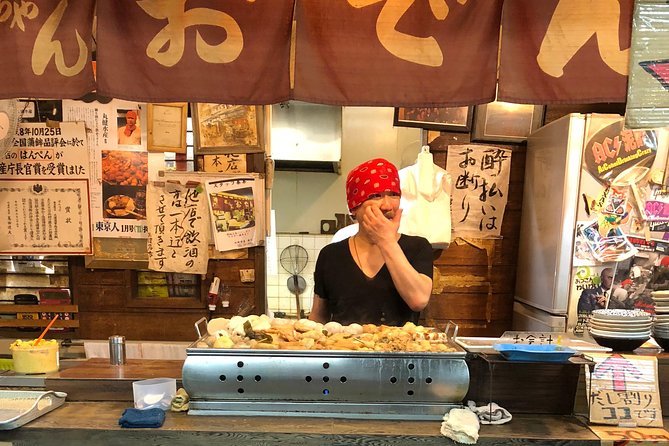
I would recommend this tour to first-time visitors who want help ordering Japanese food without spending the evening in a major tourist district. It also suits repeat visitors who have already seen Tokyo’s headline sights and want a residential neighborhood with a more everyday feel.
It is a good fit for adventurous eaters, but you do not need to know Japanese food in advance. Simon can guide you toward dishes that fit your tastes. The private format works particularly well for couples, families with adult children, and groups of friends who prefer their own conversation.
You should think twice if you dislike shared plates, standing-bar settings, alcohol, or smoky interiors. The tour includes soft drinks for people under 20, but the evening is built around izakaya drinking culture. It is also not ideal if you want a polished, quiet restaurant meal.
The experience has a 4.9 rating from 14 ratings, with 100 percent recommending it. That is a small sample, so I would treat it as encouraging rather than definitive. The consistent strengths are clear: Simon’s hosting, the variety of food and drinks, and the chance to see a less familiar side of Tokyo.
Should you book the Retro Akabane Izakaya Experience?
Book it if you want a private, food-focused night with a guide who can steer you through three local izakayas. The combination of 10 or more snacks, three drinks, and dinner gives you a full evening rather than a quick tasting.
The tour is especially worthwhile if you are curious about working-class Tokyo and do not want to figure out standing bars, shared dishes, and unfamiliar drinks by yourself. Akabane’s retro streets and local pubs provide the setting, while Simon adds the context and practical help.
Skip it if $214.25 feels high for dinner, if you need a smoke-free environment, or if you prefer complete control over the menu and seating. For everyone else, this is a strong choice for seeing Tokyo through its neighborhood drinking culture, one small plate at a time.
FAQ
Where does the Retro Akabane Izakaya Experience begin?
The tour begins at Akabane Station, at 1 Chome-1 Akabane, Kita City, Tokyo 115-0045, Japan.
What time does the tour start?
The start time is 6 p.m.
How long does the tour last?
The experience lasts about four hours.
How many izakayas will I visit?
You will visit three izakayas, including a local standing bar, an oden restaurant, and a specialty seafood grill.
What food and drinks are included?
Dinner, more than 10 local delicacies, and three alcoholic beverages are included. Examples of the drinks include sake, shochu, and hoppy.
Can people under 20 join the tour?
Yes. Japan’s legal drinking age is 20, and soft drinks are served to participants under 20.
Is transportation included?
No. Transportation to and from Akabane is not included. The tour ends back at the meeting point.
More Food Experiences in Tokyo

More Bar Hopping & Izakaya Tours in Tokyo
More Tokyo Food Tours in Tokyo

More tours in Tokyo we've reviewed



Tokyo Food Tours, compared.
 ★ 5.0Tokyo: Shinjuku Food Tour (13 Dishes at 4 Local Eateries)From $86
 ★ 4.9Tokyo: Shinjuku Food Tour (13 Dishes and 4 Eateries)From $97
 ★ 5.0Tokyo Night Foodie Tour in Shinjuku – Seasonal Sushi, Wagyu BeefFrom $111
 ★ 5.0Eat and Drink Like a Local: Tokyo Ueno Food Tour-Taverns&RamenFrom $95
 ★ 5.0Tokyo: Shibuya Food Tour (13 dishes and 4 Eateries)From $77
Tokyo: Shinjuku Food Tour – 15 Dishes, 3 Drinks, 4 EateriesFrom $723 hours
★ 5.0Tokyo: Shibuya Food Tour (13 dishes and 4 Eateries)From $77
Tokyo: Shinjuku Food Tour – 15 Dishes, 3 Drinks, 4 EateriesFrom $723 hours