Reviewed · MT FUJI DAY TRIPS
TOKYO OishiPark, Oshino & KoedoKawagoe, Fuji Mount
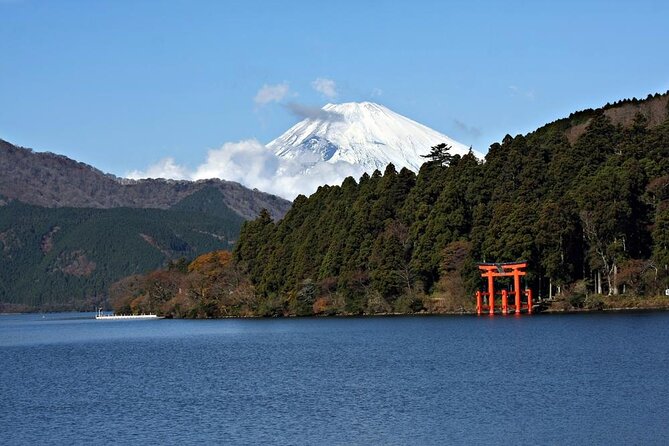
Mount Fuji is the star here, but the real appeal is the variety: lake views and seasonal flowers at Oishi Park, crystal-clear springs at Oshino Hakkai, then old wooden streets in Koedo Kawagoe. In one day, you see three very different sides of Japan.
In This Article
- Key points to know before booking
- Three very different stops in one long day
- Oishi Park and the north shore of Lake Kawaguchi
- Oshino Hakkai and Mount Fuji snowmelt
- Koedo Kawagoe, Tokyo’s old-town counterpoint
- The real question is traffic, not distance
- Who gets the most value from this Fuji day trip?
- What to pack and plan before leaving Shinjuku
- Should you book this tour?
- FAQ
- Where does the tour start?
- Where does the tour end?
- How long does the tour last?
- What places does the tour visit?
- Is a guide included?
- Is transportation included?
- Are meals and drinks included?
- What happens if the tour is canceled?
I like the sensible route and the low price of $85.02, especially if you want an easy way to reach places that are awkward to connect by public transport. I also like that the tour includes an English or Chinese-speaking guide and returns you to Shinjuku. The catch is traffic. A bad day on the road can turn this into eight hours on a coach and less than two hours outside it.
Key points to know before booking
- Oishi Park gives you the classic Fuji and Lake Kawaguchi view, with cherry blossoms, lavender, red leaves, or pink broom grass depending on the season.
- Oshino Hakkai has eight spring-fed ponds, supplied by Mount Fuji snowmelt and recognized as a designated natural monument and World Cultural Heritage site.
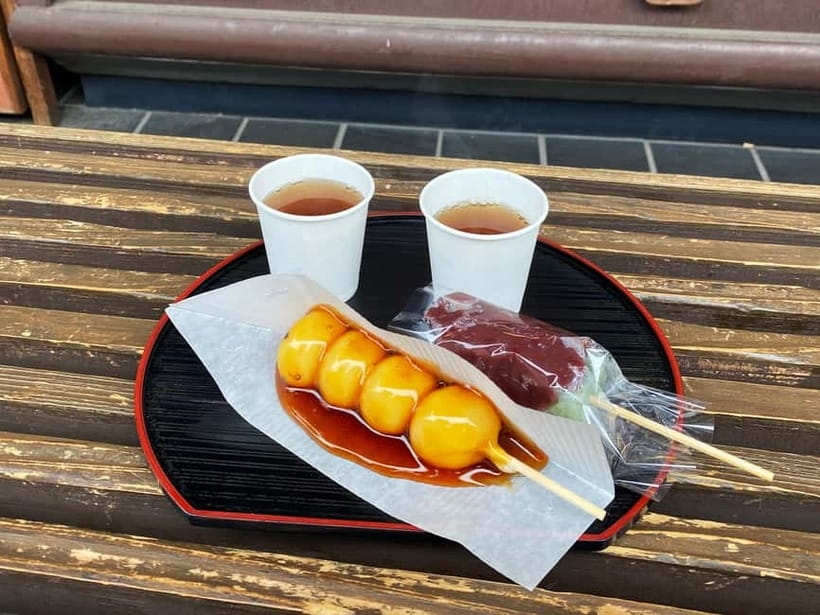
- Koedo Kawagoe adds an old-town finish, with Edo-period buildings, narrow streets, shops, restaurants, and sweet potato snacks.
- The 10-hour schedule is ambitious, especially when Tokyo and Fuji-area traffic is heavy.
- The group can reach 45 people, so expect a shared coach rather than a small private outing.
- Elli Wan and the tour team receive specific praise for planning and leadership, though the vehicle has been described as somewhat small.
Three very different stops in one long day
This is not a slow country outing. It is a broad sampler designed to give you Fuji views, rural scenery, and a historic town before returning to Tokyo.
The day begins at 8 a.m. at Shinjuku L Tower, listed from September 1, 2024 as Shinjuku Station Exit 20, at 1-chōme-6-1 Nishishinjuku. The tour ends back at the same meeting point. That central start is useful, but you should allow time to find the correct exit and meeting area in the busy Shinjuku district.
The advertised duration is about 10 hours. That sounds generous, but the three stops account for roughly six hours of sightseeing time on paper: one hour at Oishi Park, two hours at Oshino Hakkai, and three hours in Kawagoe. The rest is road time, and that road time is the part you need to judge carefully.
Mount Fuji-area roads can be slow, particularly when sightseeing demand is high. One especially difficult day involved about two and a half hours stuck in traffic, leaving very little time at the stops. That is not a minor inconvenience on this tour. It changes the entire balance between transport and sightseeing.
A few more Tokyo tours and experiences worth a look

Oishi Park and the north shore of Lake Kawaguchi
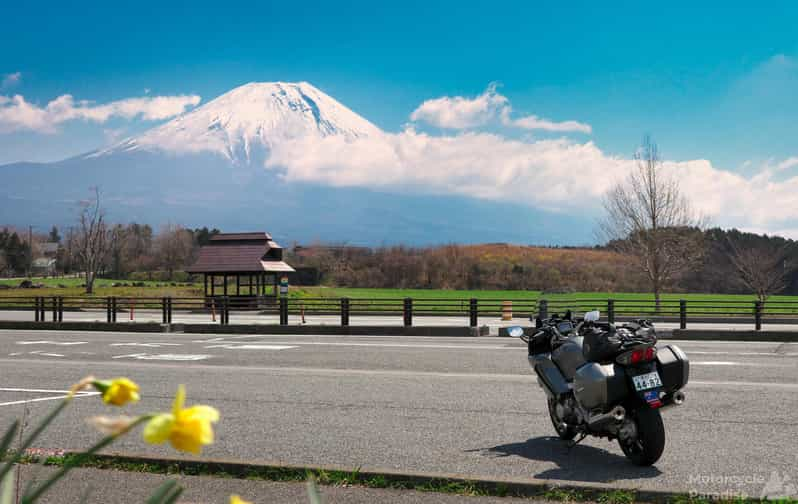
Your first stop is Oishi Park, on the northern shore of Lake Kawaguchi in Yamanashi Prefecture. The park is valued for its open view toward Mount Fuji, with the lake and countryside in front of you.
This is the most weather-dependent part of the day. When Fuji is visible, the combination of mountain, water, and planted flowers gives you the postcard scene many people hope to see from Tokyo. When cloud covers the summit, the park still offers a pleasant lakeside setting, but the main visual reward is reduced.
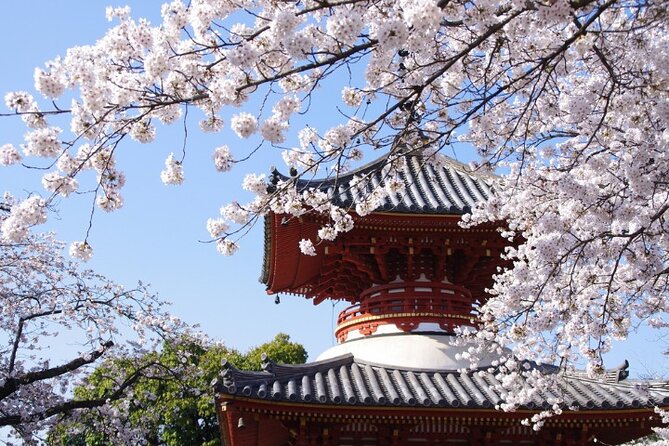
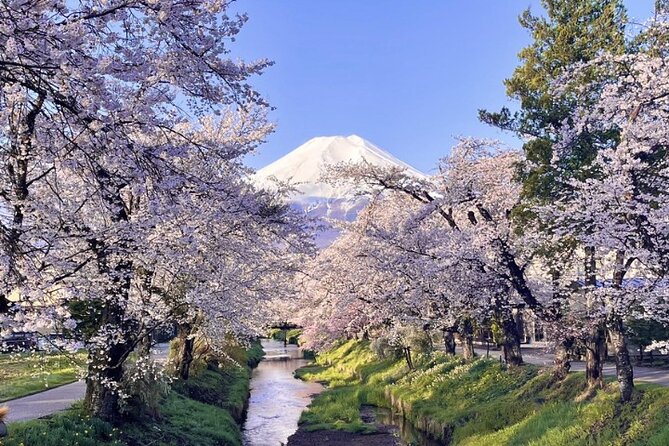
The park changes with the calendar. Cherry blossoms bring spring color, lavender is associated with summer, red leaves arrive in autumn, and pink broom grass provides another seasonal display. The timing of these flowers is not guaranteed, so book this stop for the setting rather than one exact bloom.
You have about one hour here. That is enough for photographs and a walk around the main area, but it is not enough for a leisurely visit. Admission is not included, so check the final booking details for any applicable charge. The supplied information does not give a separate entry price.
I like the way Oishi Park gets the day moving with a major view instead of a long museum visit. You can step off the coach, see the scale of Lake Kawaguchi, and quickly understand why the Fuji Five Lakes area draws so many people. The downside is that a short stop leaves little room if the coach arrives late or you want more than a quick circuit.
Oshino Hakkai and Mount Fuji snowmelt
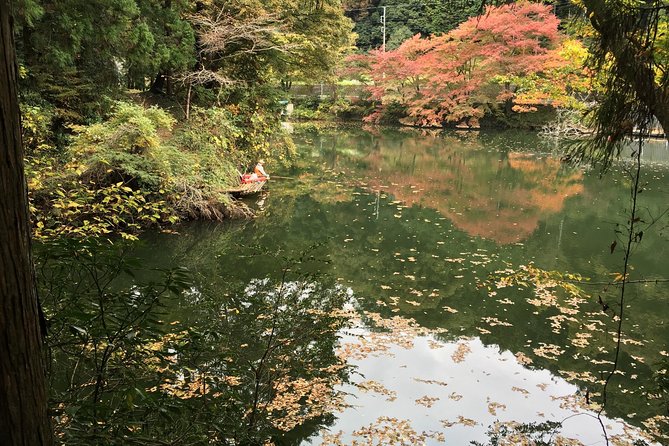
Oshino Hakkai is the most distinctive stop on the route. It is a group of eight natural spring ponds in Oshino village, fed by snowmelt from nearby Mount Fuji. The water is known for its clarity and purity, and the ponds each have their own color and character.
The springs are more than a photo stop. Their connection to Fuji gives the site a strong sense of place. The ponds are also tied to the eight-headed dragon of Japanese mythology, which explains the name Oshino Hakkai.
You can see the clear water directly and, according to the tour information, drink it from the ponds. Follow any signs and local instructions rather than assuming every water area is available for drinking. The village also has traditional thatched-roof houses, restaurants, and souvenir shops, giving you a taste of rural Japanese life alongside the natural features.
This site is recognized as a designated natural monument and World Cultural Heritage site. That recognition helps explain why Oshino Hakkai is more than a convenient stop near Fuji. It is a protected cultural and natural place with a long connection to the mountain.
Two hours is a better fit here than the one-hour allocation at Oishi Park. You should have time to see several ponds, look at the traditional buildings, and browse for food or souvenirs. Meals and beverages are not included, so this is one of the places where you may want to budget for your own lunch or snack.
The village can feel crowded and commercial in places, with restaurants and souvenir shops sharing space with the springs. Still, the water, thatched roofs, and Fuji setting offer something you do not get in central Tokyo. If the weather is clear, this is likely to be one of the most memorable portions of your day.
Koedo Kawagoe, Tokyo’s old-town counterpoint
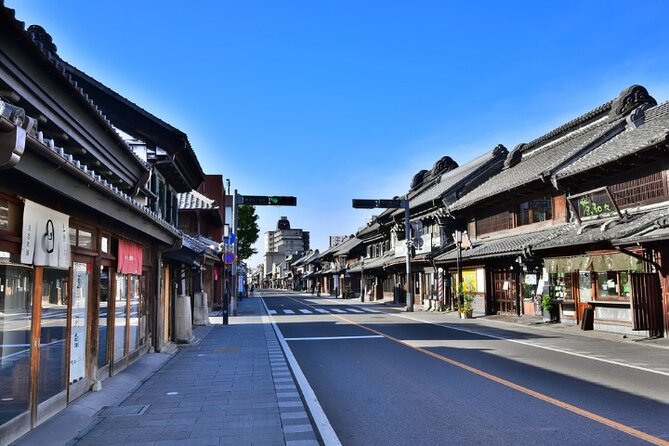
After the Fuji-area stops, the tour heads toward Saitama Prefecture for Koedo Kawagoe. The town sits about 30 kilometers north of Tokyo and is known as Little Edo because of its preserved Edo-period style.
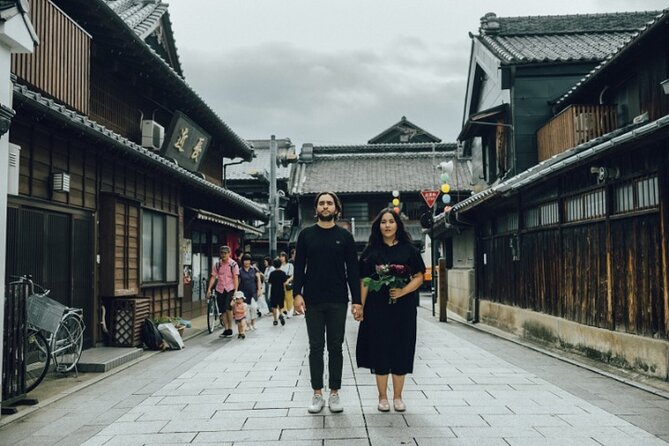
The mood changes completely. Instead of mountain views and spring water, you get narrow streets, traditional wooden buildings, shops, and restaurants. This is a useful contrast within the same day. Fuji country shows you open rural scenery, while Kawagoe gives you an older urban atmosphere close to Tokyo.
The stop is listed under Koedo Kurari, while the wider area is Koedo Kawagoe. Koedo Kurari is associated with the town’s traditional character, but the supplied details describe the broader Kawagoe visit, including historic landmarks and old streets.
You have about three hours here, the longest stop of the day. That gives you more freedom than at Oishi Park. You can walk, browse shops, eat, and take in the old architecture without rushing through every minute.
Kawagoe is known for traditional sweet potato snacks called Kawagoe yaki. The town also includes the historic Kawagoe Castle and Kitain Temple, which has a collection of more than 500 wooden Buddha statues. The tour details do not confirm that the schedule includes entry to either attraction, so treat them as possible sights in the area rather than guaranteed admissions.
There is no admission ticket listed for Koedo Kawagoe, but your own food, drinks, shopping, and any optional paid attraction are extra. I see this stop as a strong part of the plan for people who enjoy walking through old streets and trying local snacks. It is less suitable if your only goal is Mount Fuji and you would rather spend every available minute near the mountain.
The real question is traffic, not distance
The advertised price is $85.02 per person. For an air-conditioned vehicle, round-trip transport, and a professional English or Chinese-speaking guide, that is a reasonable price for a full-day outing. You are paying for convenience and route planning, not for luxury or a private experience.
The value depends heavily on how much time the bus actually spends moving. Tokyo to the Fuji region and then onward to Kawagoe creates a demanding route. Traffic can be manageable, or it can eat up the sightseeing schedule.
A previous trip had about eight hours on the bus and less than two hours outside it because of severe delays. That is the central warning attached to this experience. It does not mean every departure will unfold that way, but you should not book this as if the stated stop times are guaranteed.
The group size can range from a minimum of eight people to a maximum of 45. A smaller departure may feel easier to manage, while a full group means more time getting everyone on and off the vehicle. One positive account praised the planning, driver, and tour leader, specifically thanking Elli Wan and the team. That same account found the mini-coach somewhat small, so comfort may depend on the vehicle and group size assigned that day.
If you are prone to motion sickness, plan ahead. A serious bus journey can be tiring even before traffic delays are added. The tour information does not list motion-sickness medicine as an included service, so bring anything you normally use and do not wait until the last day to prepare.



Who gets the most value from this Fuji day trip?
I would consider this tour if you want three headline experiences without arranging several train routes yourself. It suits a first visit to Tokyo when you want to see beyond the city, especially if you have limited time and prefer a guided day.
It is also a good match for people who enjoy variety. You get a Fuji view, a spring village, and a historic town. The English or Chinese-speaking guide can help keep the day organized, which matters when the route involves several stops.
You may also like it if you are comfortable with a flexible schedule. The weather can hide Fuji, and traffic can shorten visits. That uncertainty is part of the cost of covering this much ground in one day.
I would hesitate if you dislike long coach rides or need a relaxed pace. The 10-hour duration is only approximate, and the day can feel much longer when traffic is poor. If you care most about spending substantial time at one Fuji-area site, a more focused outing may suit you better.
The tour is not presented as wheelchair-specific, but most travelers can participate and the meeting point is near public transportation. That is useful general guidance, though anyone needing special mobility arrangements should confirm directly before booking.
What to pack and plan before leaving Shinjuku
Wear shoes suitable for walking around park paths, village streets, and Kawagoe’s older lanes. You will not need technical hiking gear for the listed stops, but comfortable footwear will make the day easier.
Bring food money and drinking water because meals and beverages are not included. Oshino Hakkai and Kawagoe both offer places to buy food, but heavy traffic can alter the timing of those stops.
A phone with the mobile ticket ready is important. The experience uses mobile ticketing, and the meeting point is specific: Shinjuku Station Exit 20 at Shinjuku L Tower. Double-check the pickup instructions before departure because Shinjuku is large and confusing, even when you know Tokyo well.
The tour requires good weather. If poor weather forces cancellation, you are offered another date or a full refund. It also requires at least eight participants to operate. If that minimum is not reached, you are offered another date or experience, or a full refund.
For ordinary cancellations, you receive a full refund if you cancel at least 24 hours before the 8 a.m. start time. Changes or cancellations inside that 24-hour window are not accepted for a refund.
Should you book this tour?
Book it if you want an affordable, guided sampler of Mount Fuji country and old Kawagoe, and you accept that traffic and weather can reshape the day. The best parts are the range of sights, the clear springs at Oshino Hakkai, the seasonal setting at Oishi Park, and the practical return to Shinjuku.
Skip it if your priority is long, unhurried time at Mount Fuji or if a full day on a coach sounds miserable. The route covers a lot, but that breadth is also its weakness. I would treat the $85.02 price as good value for convenience, with one important condition: you are buying access to a well-planned route, not a guarantee of perfect road conditions.
FAQ
Where does the tour start?
The tour starts at 8 a.m. at Shinjuku L Tower, 1-chōme-6-1 Nishishinjuku, Shinjuku City, Tokyo. From September 1, 2024, the pickup location is listed as Shinjuku Station Exit 20, Shinjuku L Tower.
Where does the tour end?
The activity ends back at the meeting point in Shinjuku.
How long does the tour last?
The tour lasts approximately 10 hours.
What places does the tour visit?
The route includes Oishi Park, Oshino Hakkai, and Koedo Kawagoe, also associated with Koedo Kurari in the stop information.
Is a guide included?
Yes. A professional English or Chinese-speaking guide is included.
Is transportation included?
Yes. The tour includes round-trip transportation in an air-conditioned vehicle.
Are meals and drinks included?
No. Meals, beverages, and other personal expenses are not included.
What happens if the tour is canceled?
If poor weather causes cancellation, you are offered a different date or a full refund. If fewer than eight people book and the tour cannot depart, you are offered a different date or experience, or a full refund.
More Mt Fuji Day Trips in Tokyo
More tours in Tokyo we've reviewed












Mt Fuji Day Trips, compared.
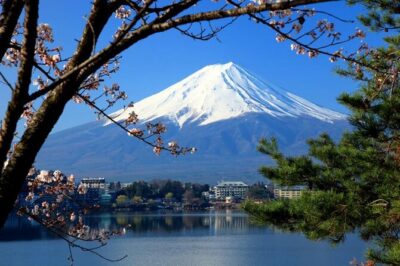 ★ 5.0Mt Fuji and Hakone 1-Day Bus Tour Return by Bullet TrainFrom $163
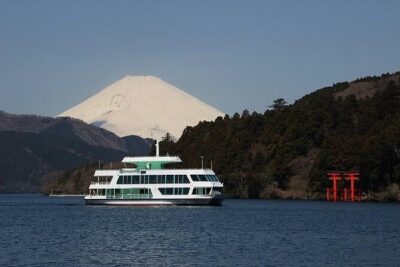 ★ 4.0Mt Fuji & Hakone Cruise, Drum Show Bullet Train 1 Day from TokyoFrom $149
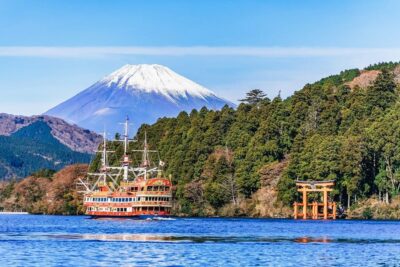 ★ 4.4Tokyo Mt Fuji 5th St & Hakone Cruise Bus Tour w/Bullet TrainFrom $15410 hours
 ★ 4.5From Tokyo: Mount Fuji Full-Day Sightseeing TripFrom $6810 hours
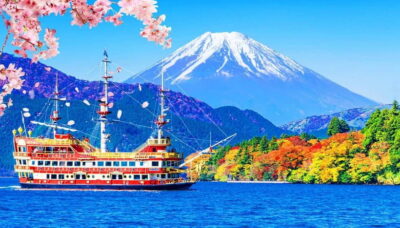 ★ 4.7Tokyo: Mt. Fuji Tour, Hakone Ropeway, Owakudani, Lake AshiFrom $5410 hours
 ★ 4.4Tokyo:Mt.Fuji,Kawaguchiko Oishi Park,Arakurayama Sengen ParkFrom $5410 hours