Reviewed · TOKYO FOOD TOURS
Tokyo: Shinjuku Food Tour with 15 Dishes and 3 Drinks
Shinjuku is easiest to understand with something to eat in your hand. This three-hour walk links four local eateries with the narrow lanes of Omoide Yokocho, Kabukicho, and Golden Gai, giving you a taste of Tokyo nightlife without asking you to plan every stop yourself.
In This Article
- Key points at a glance
- Why this Shinjuku food walk works
- Meeting at Shinjuku Station East Exit
- Omoide Yokocho, a compact start with old Tokyo character
- Kabukicho brings the city lights and late-night energy
- Golden Gai finishes with small bars and sake
- Fifteen dishes means variety, not fifteen large plates
- The guides make the difference
- What $103 buys you in practical terms
- Who should book, and who should skip it
- Should you book this Shinjuku food tour?
- FAQ
- Where does the Shinjuku food tour begin?
- Where does the tour finish?
- How long does the tour last?
- How many dishes and drinks are included?
- Which areas does the walking route visit?
- Can people under 20 join?
- What languages are available, and how will the guide contact me?
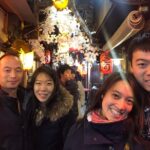
I like the generous format: 15 dishes and three drinks make this a full meal, not a token sample. I also like the social side, since guides such as Ayaka, Yuki, Aki, and Naoto have helped turn the evening into an informal lesson in Japanese food and daily life. The main drawback is that this is casual bar food rather than fine dining, and the menu can change with the season or restaurant availability.
Key points at a glance

- Four different eateries: Move between food stalls, izakayas, specialty restaurants, and bars rather than spending the whole night in one dining room.
- A full meal included: The package covers up to 15 dishes, including sushi, kushikatsu, gyoza, tonkatsu, and takoyaki.
- Three drinks included: Choose from alcoholic and non-alcoholic options, with Japanese sake part of the experience.
- Shinjuku after dark: Walk through Omoide Yokocho, Kabukicho, and Golden Gai while your guide explains the area.
- Small-group feel: Past departures have sometimes been intimate, including private-feeling outings with only one or a few participants.
- Useful first-night choice: The tour gives you food ideas, neighborhood bearings, and restaurant suggestions for the rest of your Tokyo stay.
Why this Shinjuku food walk works

At $103 per person, this tour is not the cheapest way to eat in Tokyo. Shinjuku has plenty of inexpensive restaurants, and you can order a good meal on your own for less. The value here comes from combining food, drinks, neighborhood orientation, and a guide who takes responsibility for choosing the stops.
You receive up to 15 dishes and three drinks across four establishments. That matters because ordering in a Japanese izakaya can feel like guesswork at first. You may not recognize every menu item, know how much to order, or feel comfortable walking into a tiny bar with limited English. The guide handles much of that work.
The food is intended to be shared. You might taste several small plates at one stop, then move on to another place for a different style of cooking. The point is range rather than one perfect dish. You could compare fresh sushi with fried kushikatsu, gyoza, tonkatsu, and takoyaki in a single evening.
This makes the experience especially useful early in your Tokyo visit. You can note the places and dishes you want to revisit, then return later with more confidence. One participant even received help from guide Ayaka through WhatsApp when trying to find a restaurant again the following night.
A few more Tokyo tours and experiences worth a look
Meeting at Shinjuku Station East Exit
The meeting point is in front of the police box at the east exit of Shinjuku Station, listed as 新宿警察署 新宿駅東口交番. Look for a guide holding a sign marked Local Guide Stars.
Shinjuku Station is large, so allow time to find the east exit before the scheduled start. The meeting point itself is practical and easy to identify once you are in the right part of the station area. The tour ends at the same police box, which simplifies your return to your hotel or your next evening stop.
The guide will contact you through WhatsApp. Download the app before the tour and check that your contact details are correct. This is a small but important step, especially if your group needs help locating one another around the station.
The tour runs for three hours, with starting times depending on availability. Since the walk covers several food stops and nightlife districts, wear comfortable shoes. You will be eating, standing, and walking rather than sitting through one long restaurant meal.
Omoide Yokocho, a compact start with old Tokyo character

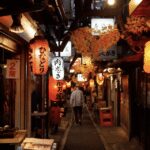
The first major area is Omoide Yokocho, a tight network of food lanes near Shinjuku Station. Its small eateries and food stalls make a strong opening to the night because you are immediately close to the action, yet the scale feels more intimate than the wide streets outside.
This is a place where a local guide adds real value. Small restaurants can have limited seating, crowded entrances, or menus that are not designed for first-time visitors. Your guide can explain what you are eating and help the group move through the first set of dishes without wasting time.
Expect casual food rather than polished service. The appeal is the cooking, the close quarters, and the sense that you are eating in a place built for regular customers. Sushi may appear here or at another stop, and the full selection can change according to season and restaurant availability.
The first hour also helps set the pace. With 15 dishes ahead, you do not want to fill up on the first plate. Take small portions, ask questions, and save room for the fried foods and dumplings that may come later.
Kabukicho brings the city lights and late-night energy

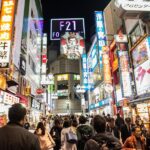
The route continues into Kabukicho, Shinjuku’s best-known nightlife district. Here the walk becomes less about one narrow food lane and more about the contrast between restaurants, bars, signs, arcades, and side streets.
Your guide provides context as you move through the area. The tour is not only a succession of meals. It also shows how food fits into Shinjuku’s after-dark culture, where a short walk can take you from a major entertainment street to a much smaller dining room.
Kabukicho is a good setting for dishes such as crispy kushikatsu, juicy gyoza, tonkatsu, or savory takoyaki. These foods are filling and social, which suits a group tour. You can try items you might not order alone, then compare reactions with other people at the table.
The limitation is that nightlife districts can be noisy and crowded. Conversation may be harder in some places, and the pace may feel quick if you want to linger over each plate. This is a moving food walk, not a relaxed evening at one restaurant.
Golden Gai finishes with small bars and sake
Golden Gai is the final named district on the route. Its narrow lanes and tiny bars give the last hour a different mood from both Omoide Yokocho and Kabukicho. The spaces are often compact, so the group size can affect how comfortable the stop feels.
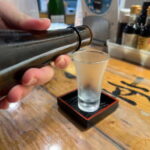
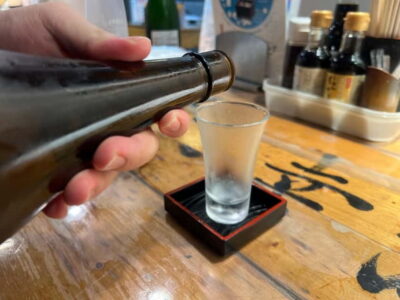
Japanese sake is one of the highlights described for the tour, and a sake tasting may be included toward the end. The three included drinks can be alcoholic or non-alcoholic, so you are not required to drink alcohol to take part. If you are interested in sake, this is a good moment to ask about the style, serving method, and food pairing.
Do not expect an elaborate tasting course. The experience is designed around accessible drinking and eating in local-style venues. The sake stop works best as a friendly introduction, especially if you are unsure what to order in a Japanese bar.
Golden Gai also gives the guide room to explain the character of Shinjuku’s smaller nightlife streets. Keep in mind that the exact venue and menu are not fixed. Restaurant availability and the season can change the order of stops and the dishes served.
A few more Tokyo tours and experiences worth a look

Fifteen dishes means variety, not fifteen large plates

The package includes 15 dishes, described as enough for a full meal, plus three drinks. That is substantial for a three-hour evening, but you should think of the dishes as shared portions and tastings rather than 15 individual restaurant-size entrées.
The food list includes:
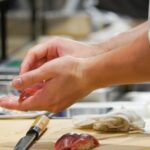
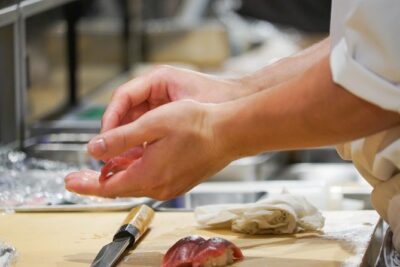
- Fresh sushi
- Crispy kushikatsu
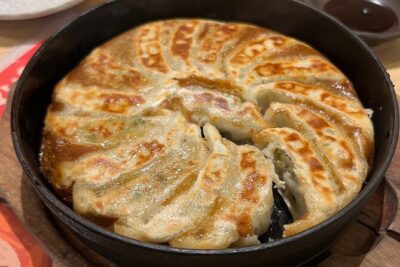
- Juicy gyoza
- Tonkatsu
- Takoyaki
- Other recommended Japanese specialties
- Japanese sake and other alcoholic or non-alcoholic drinks
This range is the strongest food reason to book. You can sample several familiar items and a few dishes you may not recognize. A guide can explain ingredients, eating customs, and the difference between similar-looking foods.
Food quality may vary from stop to stop because this is not a formal restaurant tour built around one fixed menu. The tradeoff is that you see more of Shinjuku’s everyday dining scene. If you prefer a carefully plated meal with a set wine pairing, this is not the right format.
Come hungry, but not ravenous. Fifteen dishes and three drinks over three hours can be a lot, particularly when fried foods appear in the middle of the route. Pace yourself and mention dietary needs before booking if you need more information, since the supplied details do not specify substitutions or allergy handling.
The guides make the difference

The experience depends heavily on the individual guide. Past guides have included Ayaka, Shum, Yuki, Lynn, Aki, Junko, JJ, Naoto, Chika, and Yu. The assigned guide may be different, but these outings have included guides with varied personal backgrounds and strong interest in Japanese food and culture.
Ayaka, for example, was praised for sharing insights shaped by her Japanese and American background. Aki led a private-feeling outing when only one person joined, while Naoto was especially good at introducing dishes an avid food lover might not know to order. Yuki was described as both informative and fun, and Junko helped explain Japanese specialties clearly.
Those details point to the tour’s best feature: conversation. You can ask about Tokyo life, local restaurants, Japanese drinking customs, and the neighborhoods you are walking through. The guides are not simply there to point at a menu and collect the group.
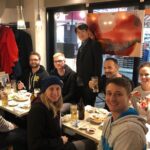
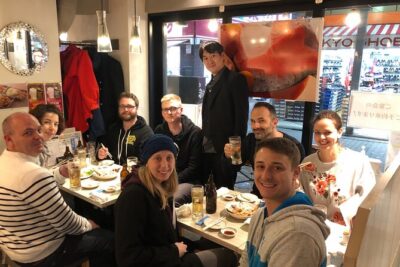
Group size can vary. Some departures have had around nine people, while others have ended up with only one or a few participants. A nine-person group can feel social without being unwieldy. A one-person departure may feel more like lunch with a local friend, but you should not book on the assumption that you will receive a private tour.
The tour is offered in English and Japanese. If you want a relaxed, question-friendly evening, tell the guide what interests you at the start. Food, sake, nightlife, and Japanese culture can all become part of the conversation.
What $103 buys you in practical terms

At $103, the price is easiest to justify if you plan to use the tour as both dinner and a neighborhood introduction. You are paying for four stops, 15 dishes, three drinks, and a guide for three hours. You also avoid the risk of ordering too much of one dish or missing places that are hard to spot from the main streets.
The price is less attractive if you mainly want a cheap meal. Shinjuku gives you many ways to eat for less, and this tour includes no extra food or drinks beyond the stated package. If you add dishes or drinks during the evening, your final cost will rise.
Still, a self-guided night has hidden costs. You may spend time comparing menus, wait in the wrong line, or choose a restaurant that does not suit your group. The tour gives you a prearranged route and a wider sample of foods in one sitting.
I see the strongest value for first-time visitors, solo diners, couples, and small groups who want a social night without planning every detail. It can also suit repeat visitors who have seen the main sights but have not yet explored Shinjuku’s smaller food streets.
Who should book, and who should skip it

Book this experience if you want to try many Japanese dishes, enjoy casual restaurants, and like learning through conversation. It is also a smart choice if you want ideas for later meals, since your guide can point out places worth returning to.
Solo visitors may find the group format particularly useful. The experience has worked well even when only one person joined, and the shared plates give you a natural way to meet others. Couples can enjoy it too, though anyone seeking a quiet romantic dinner may find the movement and group conversation less suitable.
Food-focused visitors should appreciate the variety, but do not expect a specialist sushi class or a formal sake seminar. The tour offers a broad taste of Japanese food and nightlife rather than expert training in one category.
People under 20 may join, but they cannot drink alcohol. Non-alcoholic drinks are included, so younger participants can still take part in the food stops, but the late-night bar setting may not suit every family.
Cancellation is free up to 24 hours before the tour for a full refund, and you can reserve now and pay later. Check the available start times before booking, then download WhatsApp so the guide can reach you.
Should you book this Shinjuku food tour?
I would book it for an early evening in Tokyo when I wanted a full dinner, a look at three famous Shinjuku nightlife areas, and help choosing food without relying on guesswork. The combination of 15 dishes, three drinks, and four eateries makes the $103 price reasonable for someone who values guidance and variety.
I would skip it if I wanted fine dining, a fixed menu, or complete control over the pace. The restaurants and dishes can change, the food is casual, and additional orders cost extra.
For most people who want to eat widely and see a side of Shinjuku that is easy to miss, this is a practical and sociable introduction. Book it near the start of your stay, come hungry, and keep notes about the places you may want to visit again.
FAQ
Where does the Shinjuku food tour begin?
Meet in front of the police box at the east exit of Shinjuku Station, 新宿警察署 新宿駅東口交番. The guide will hold a Local Guide Stars sign.
Where does the tour finish?
The activity ends back at the same police box near Shinjuku Station’s east exit.
How long does the tour last?
The tour lasts three hours. Starting times depend on availability.
How many dishes and drinks are included?
The package includes up to 15 dishes, enough for a full meal, and three drinks. Drinks can be alcoholic or non-alcoholic.
Which areas does the walking route visit?
The route includes Omoide Yokocho, Kabukicho, and Golden Gai, along with visits to four local eateries.
Can people under 20 join?
Yes. Participants under 20 may join, but they are not permitted to consume alcohol.
What languages are available, and how will the guide contact me?
The tour is offered in English and Japanese. The guide will contact you through WhatsApp, so download the app before the tour.
More Food Experiences in Tokyo
More Tokyo Food Tours in Tokyo
More Shinjuku Tours in Tokyo
More tours in Tokyo we've reviewed












Tokyo Food Tours, compared.
 ★ 5.0Tokyo: Shinjuku Food Tour (13 Dishes at 4 Local Eateries)From $86
 ★ 4.9Tokyo: Shinjuku Food Tour (13 Dishes and 4 Eateries)From $97
 ★ 5.0Tokyo Night Foodie Tour in Shinjuku – Seasonal Sushi, Wagyu BeefFrom $111
 ★ 5.0Eat and Drink Like a Local: Tokyo Ueno Food Tour-Taverns&RamenFrom $95
 ★ 5.0Tokyo: Shibuya Food Tour (13 dishes and 4 Eateries)From $77
Tokyo: Shinjuku Food Tour – 15 Dishes, 3 Drinks, 4 EateriesFrom $723 hours
★ 5.0Tokyo: Shibuya Food Tour (13 dishes and 4 Eateries)From $77
Tokyo: Shinjuku Food Tour – 15 Dishes, 3 Drinks, 4 EateriesFrom $723 hours