Reviewed · TSUKIJI MARKET TOURS
Tokyo: Tsukiji Fish Market Food and Walking tour
Tsukiji is easy to enjoy and surprisingly easy to mishandle. The stalls are packed into narrow lanes, food choices come fast, and the famous name can make it hard to tell a good buy from a tourist price. This tour puts a local guide beside you as you move from Tsukiji Hongwanji Temple into the market’s food lanes.
In This Article
- Key points to know before you book
- Why a guide helps at Tsukiji
- Starting at Tsukiji Hongwanji Temple
- Entering Tsukiji Fish Market
- Eating your way through Tsukiji Jogai Market
- The guides shape the experience
- What the $30 price really buys
- Who should book this Tsukiji walk
- Meeting point, timing, and useful planning tips
- Should you book the Tsukiji food tour?
- FAQ
- How long does the Tsukiji food and walking tour last?
- Where does the tour begin?
- Where does the tour end?
- Is food included in the $30 price?
- Is there a fixed menu?
- How much extra money should I bring for food?
- Which places are included in the route?
- Will I see the famous tuna auction?
- How large is the group?
- Is cancellation free?
I like the choose-your-own-food setup, since you pay only for what you actually want to eat. I also like the small maximum of 10 people, plus guides such as Rie, Haydn, Jim, Minori, and Sayaka, who can adjust the pace and point out specialties. The main drawback is clear: food and drinks cost extra, and one-third of this short tour is spent at a temple that some people may find less relevant than the market itself.
Key points to know before you book
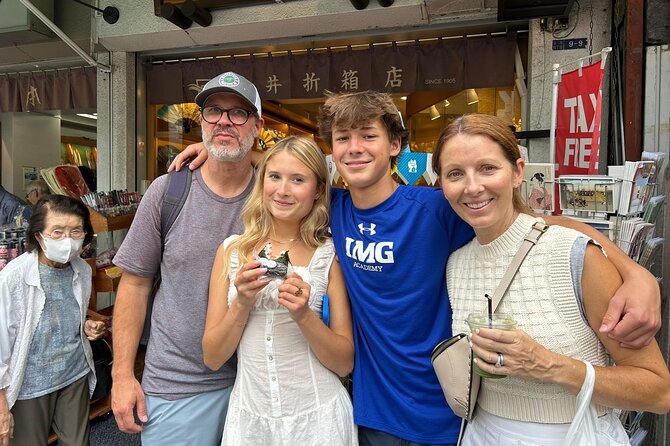
- The $30 fee is for guidance, not meals: You choose and pay for sushi, seafood, fruit, omelets, fish cakes, and other bites separately.
- The tour begins at a Starbucks near Tsukiji Station: It returns to the same meeting point after about two hours.
- Hongwanji Temple comes first: Allow about 30 minutes for its unusual architecture and cultural background.
- The food portion focuses on the outer market: Tsukiji Jogai Market is a maze of shops and street-food counters rather than a tuna-auction visit.
- Bring Japanese yen: Food stalls generally take cash, and one food-focused visit recommends having about ¥10,000 available.
- The guide is the real value: Rie, Haydn, Jim, Nicolas, Minori, Shino, Yayoi, and other guides are praised for helping with choices, prices, and navigation.
Why a guide helps at Tsukiji
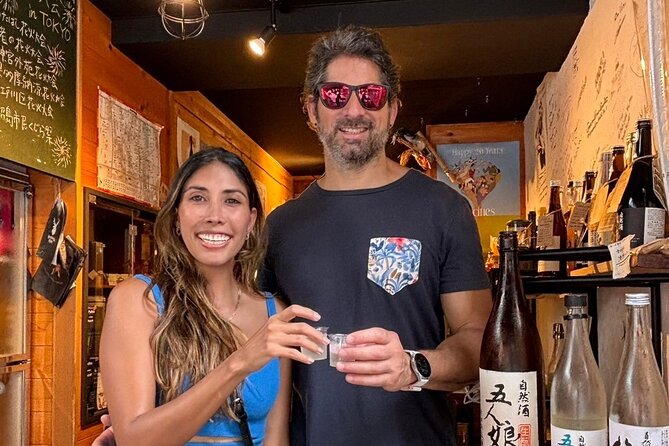
The old wholesale market is no longer the place for the famous early-morning tuna auction. That auction moved to Toyosu, but Tsukiji remains a major food stop, with the outer market still full of seafood shops, kitchen stores, prepared food, and small counters serving quick bites.
That distinction matters. If you book this experience expecting to watch an auction, you will be disappointed. If you want to taste your way through the market and understand what you are seeing, the tour fits much better.
I like that the route does not force you into a fixed meal. One person may want sea urchin, another may prefer a Japanese omelet, and someone else may want fruit or fried fish cake. The guide helps you decide, but you keep control of your appetite and spending.
The market can feel confusing even when you are comfortable in Tokyo. Shops overlap, lanes are crowded, and food is often sold in small portions that are easy to miss. A guide who has built relationships with vendors can make the visit less stressful and help you avoid paying too much for something you do not really want.
The group limit of 10 is useful here. A large group would be awkward in narrow market lanes, while a smaller group gives you more room to ask questions and make quick food decisions. The pace can also shift based on what the group wants to see and try.
A few more Tokyo tours and experiences worth a look

Starting at Tsukiji Hongwanji Temple
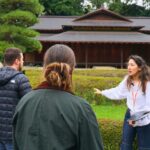
The meeting point is the Starbucks Coffee near Tsukiji Station, at 2 Chome 12-8 in Tsukiji. From there, the first stop is Tsukiji Hongwanji Temple, with about 30 minutes set aside for the visit.
This is not a standard-looking neighborhood temple. Its architecture has a distinctive appearance, and the guide uses the stop to explain local culture and the area’s past. Haydn, Shino, and other guides have been praised for making this part clear and engaging, especially for people who know little about Japanese religious sites.
I see the temple as a useful opening if you want more than a food crawl. It gives the tour a bit of place and context before you start eating. You get a sense that Tsukiji is not just a collection of stalls, but a neighborhood with its own identity.
Still, this is the first point to consider. The temple takes roughly 30 minutes of a two-hour experience. One food-focused customer would have preferred to skip it and spend that time at the market. If your only goal is to eat, this stop may feel like a detour. If you enjoy architecture and cultural explanation, it adds welcome variety.
The temple is included in the tour price, so you do not need to budget a separate admission fee. The practical benefit is that you begin with a calm stop before entering the tighter market lanes.
Entering Tsukiji Fish Market
The main market visit lasts about an hour. Your guide explains Tsukiji’s role in Tokyo’s food culture and leads you toward places where seafood and prepared food are sold.
Do not think of this as a formal museum-style tour. The market is experienced on foot, with the guide explaining ingredients as you pass shops and helping you decide what is worth trying. You may see fresh seafood, sushi ingredients, fruit, Japanese omelets, fried fish cakes, and other local foods.
This format works best when you ask questions. If you want to know how an ingredient is used in sushi, what a particular fish cake contains, or which item is easiest for a first taste, speak up. Guides such as Rie are praised for encouraging people to try unfamiliar foods, including sea urchin and eel, while still respecting personal limits.
The guide’s advice can also affect your budget. Haydn is praised for pointing out better-value purchases and steering people away from tourist-priced products. Rie is noted for showing where similar goods could be bought for less. That sort of help is hard to measure, but it is one of the strongest reasons to book instead of simply wandering in alone.
You should expect standing and walking, but the activity is described as not especially strenuous. The two-hour length keeps it manageable for most people. The market itself supplies the energy: sellers, displays, smells, and quick decisions all come at close range.
Eating your way through Tsukiji Jogai Market
The final section spends about 30 minutes in Tsukiji Jogai Market, the outer market area lined with shops and food counters. This is the most directly food-focused part of the route.
The no-set-menu policy is important. The tour does not include a predetermined tasting plate, and the price does not cover food or drinks. You choose what appeals to you and pay the stall directly. That can keep the experience affordable if you are selective, but it can also become expensive if you keep ordering.
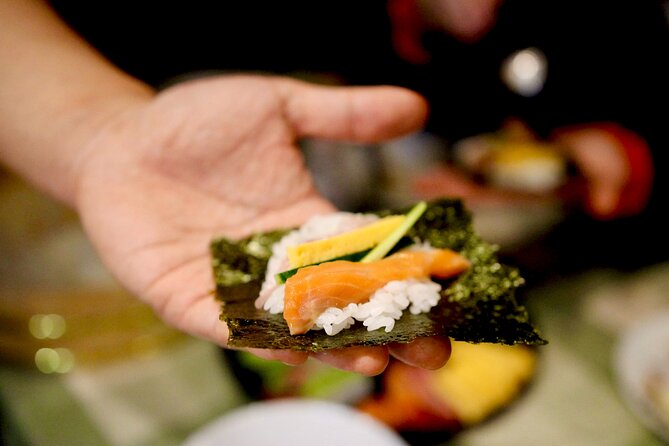
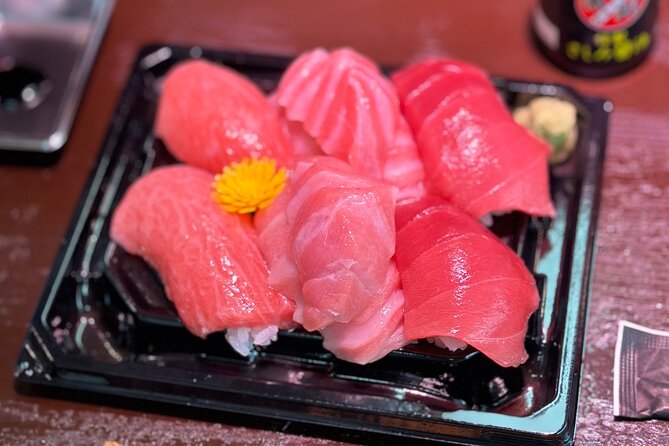
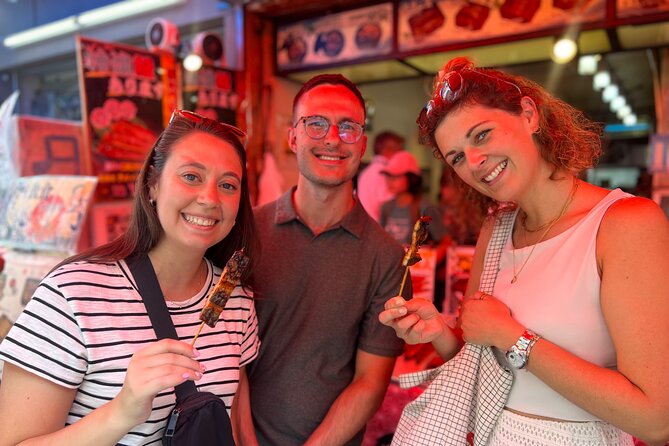
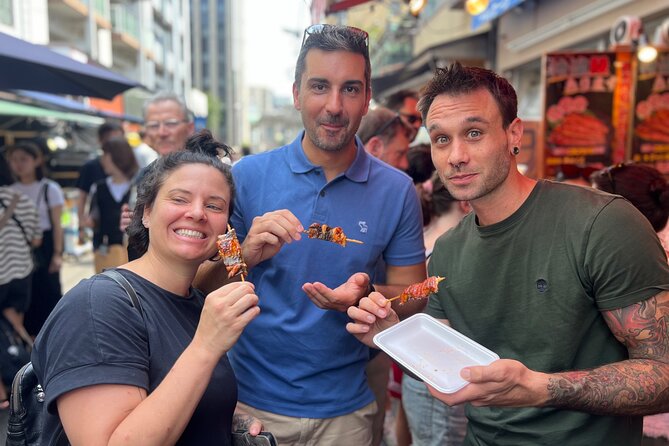
Possible tastes include seafood, sushi, fruit, Japanese omelets, fried fish cakes, wagyu beef, sea urchin, and eel. The exact selection depends on the shops open and what the group wants to try. The tour description promises examples rather than a fixed list, so do not book expecting every item.
Bring cash in Japanese yen. One useful spending guide from the experience is about ¥10,000 if you plan to sample several foods, though your actual total depends entirely on your choices. The tour fee is only $30 per person, so the final cost is flexible rather than fixed.
This arrangement suits you if you dislike being locked into foods you may not want. It is less suitable if you want an all-inclusive food tour with every sample covered in advance. Check your budget before you start, and decide how many small portions you want to share.
The outer market is also where a guide earns their keep. In a crowded food district, it is easy to spend time circling without eating anything, or to choose the first attractive stall you see. A guide can help you use the limited 30-minute section well.
The guides shape the experience
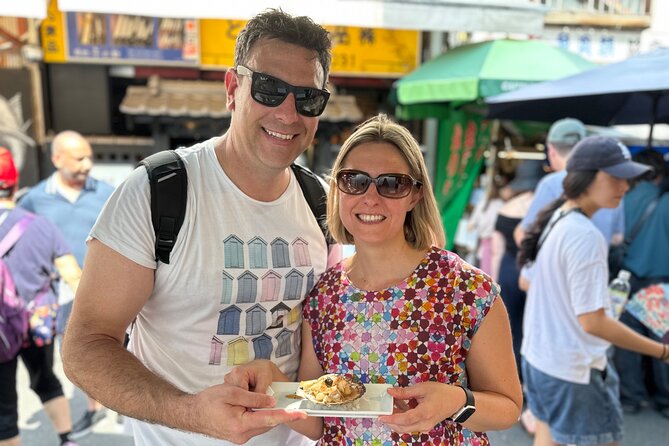
The company uses local Japanese English-speaking guides, and the individual guide can make the day feel quite different. Names praised for specific strengths include Rie, Haydn, Jim Allen, Nicolas, Minori, Shino, Sayaka, and Yayoi.
Rie is a strong match if you want encouragement to try new foods and practical shopping advice. Haydn is praised for explaining the temple, moving groups through the market, and helping identify good value. Jim brings a strong interest in Japanese culture, while Nicolas is noted for friendly explanations and useful food recommendations.
Shino is described as a chef, which may appeal to you if you want more detail about ingredients and preparation. Sayaka is praised for a funny, kind approach, and Yayoi for her energy and clear explanations of food, the temple, and the market.
You cannot choose a specific guide from the information provided, so treat these names as examples of the range of personalities and experience you may encounter. The important point is that the tour depends heavily on the person leading it. Some guides may spend more time on cultural background, while others may focus on food and navigation.
The flexible pace is a plus. A group interested in sushi can lean that way, while a group curious about Japanese snacks can try more prepared foods. The tradeoff is that a mixed group may not move exactly as quickly as you would on a private visit.
Other walking tours we've reviewed in Tokyo



What the $30 price really buys
At $30 per person, this is a reasonable price for a guided two-hour introduction, especially if you are visiting Tsukiji for the first time. You are paying for the route, explanations, language help, and the guide’s ability to make quick market decisions easier.
You are not paying for a meal. Add your food purchases separately, and remember that sushi, wagyu beef, and premium seafood can raise the total quickly. The price is best understood as a low-cost orientation session with an optional tasting budget.
I think the value is strongest for first-time visitors, families, and anyone uneasy about ordering in a busy market. Children and adults can choose different foods, and the guide can keep the group moving without requiring everyone to eat the same thing.
Independent explorers may not need it. If you are comfortable reading signs, comparing prices, and making your own way through crowded food streets, you can visit the market without a guide. The tour does not provide access to the old tuna auction, and it does not include a private dining room or a set meal.
The 99 percent recommendation rate and 5.0 rating from 1,724 reviews suggest very strong satisfaction, but the lower ratings point to the same practical issue: expectations matter. The temple may feel like time away from food, and a weak guide could make the route feel less organized. Booking this is a bet on helpful local direction, not on a guaranteed menu.
Who should book this Tsukiji walk
I would recommend it to you if:
- You are visiting Tsukiji for the first time.
- You want to taste several foods without buying a full meal at one restaurant.
- You would like help choosing unfamiliar seafood.
- You enjoy learning about Japanese food customs and local history.
- You prefer a small group over a large organized outing.
- You want a flexible route rather than a fixed tasting menu.
I would hesitate if:
- You want to see the tuna auction.
- You need all food included in the advertised price.
- You dislike standing and walking through crowded market lanes.
- You have only one hour and want every minute spent on food.
- You would rather explore independently and choose stalls at your own speed.
The experience is also a practical first-day activity. After the guide shows you how the market works, you may feel more comfortable returning on your own for another breakfast or shopping visit.
Meeting point, timing, and useful planning tips
The tour begins at Starbucks Coffee near Tsukiji Station and ends back at the same meeting point. A mobile ticket is provided, and confirmation is sent when you book.
The listed duration is about two hours: approximately 30 minutes at Hongwanji Temple, one hour at Tsukiji Fish Market, and 30 minutes at Jogai Market. Since food purchases are separate, arrive ready to decide quickly and carry enough yen for the items you want.
The group can include up to 10 people. Most people can participate, and service animals are allowed. The activity is near public transportation, which makes the Tsukiji Station meeting point convenient for adding to a day of Tokyo sightseeing.
Free cancellation is available if you cancel at least 24 hours before the start time. Changes or cancellations made later are not accepted for a refund, and all cut-off times use Tokyo local time.
Should you book the Tsukiji food tour?
Book it if you want a friendly guide to make Tsukiji easier, especially if you are curious about seafood but unsure what to order. The flexible food budget, small group, and strong guide feedback give it real practical value for a first visit.
Skip it if you want a tuna auction, an all-inclusive meal, or a food-only route with no temple stop. For everyone else, bring yen, arrive hungry but not ravenous, and treat the tour as a guided introduction to the market rather than a traditional sit-down food tour.
FAQ
How long does the Tsukiji food and walking tour last?
The tour lasts approximately two hours.
Where does the tour begin?
It begins at Starbucks Coffee near Tsukiji Station in Tsukiji, Tokyo.
Where does the tour end?
The activity ends back at the original meeting point.
Is food included in the $30 price?
No. Food and drinks are not included. You choose the dishes you want and pay for them separately.
Is there a fixed menu?
No. The tour has no set menu, so you can select the foods that appeal to you.
How much extra money should I bring for food?
The provided guidance recommends carrying about ¥10,000 if you plan to sample several foods. Your total depends on what you choose.
Which places are included in the route?
The route includes Tsukiji Hongwanji Temple, Tsukiji Fish Market, and Tsukiji Jogai Market.
Will I see the famous tuna auction?
The tour information describes the former tuna-auction site and the market area, but it does not include a tuna auction viewing.
How large is the group?
The activity has a maximum of 10 participants.
Is cancellation free?
You can cancel for a full refund up to 24 hours before the experience start time. Cancellations or changes made less than 24 hours before the start time are not refunded or accepted.
More Food Experiences in Tokyo



More Walking Tours in Tokyo
More Tsukiji Market Tours in Tokyo
More tours in Tokyo we've reviewed












Tsukiji Market Tours, compared.
 ★ 5.0Tokyo Tsukiji Fish Market Food and Culture Walking TourFrom $99
 ★ 4.9Tokyo: Tsukiji Fish Market Guided Walking TourFrom $222 hours
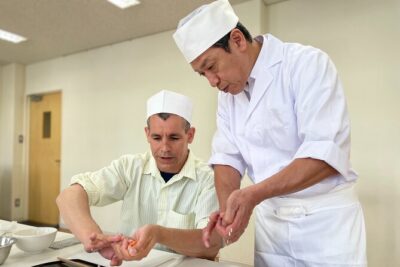 ★ 5.0Tokyo Sushi Making Class in Tsukiji with Professional ChefFrom $49
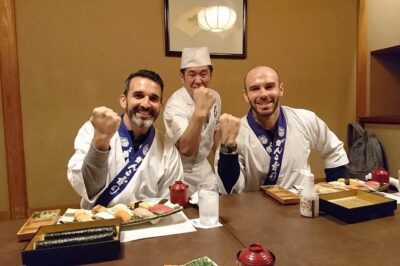 ★ 5.0Tsukiji Fish Market Guided Tour and Sushi Making with Pro ChefFrom $104
★ 4.7Tokyo: Tsukiji Fish Market Food and Culture Walking TourFrom $963 hours
★ 5.0Tsukiji Fish Market Guided Tour and Sushi Making with Pro ChefFrom $104
★ 4.7Tokyo: Tsukiji Fish Market Food and Culture Walking TourFrom $963 hours
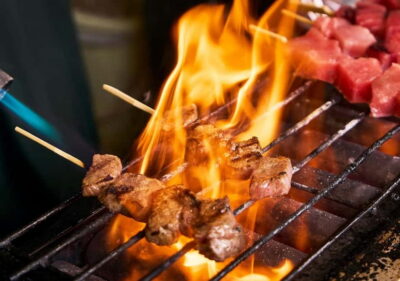 ★ 5.0Tsukiji Fish Market: Street Food & Culture Walking TourFrom $33