Reviewed · JDM & CAR CULTURE
Tokyo Drift: GT-R Car Club R35 Liberty Walk Daikoku meeting
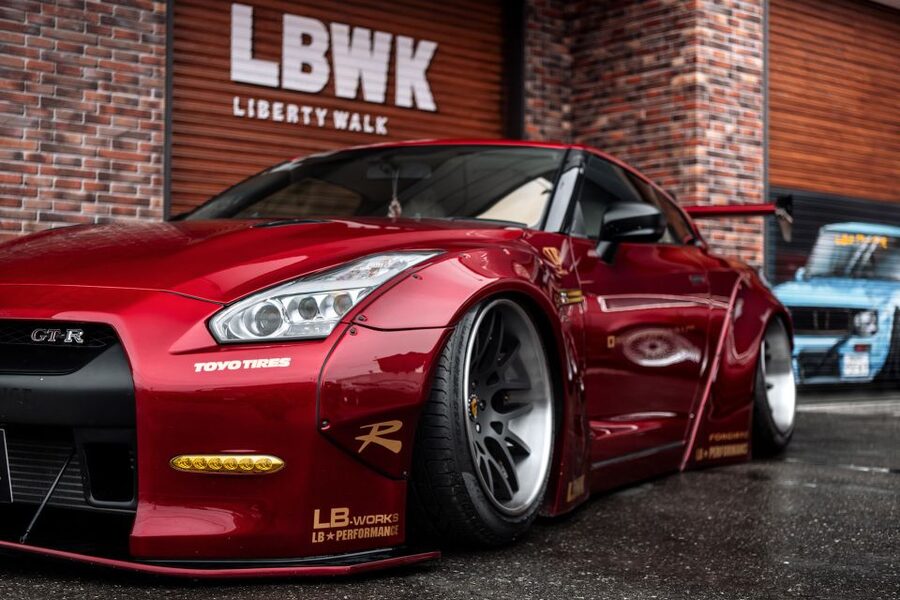
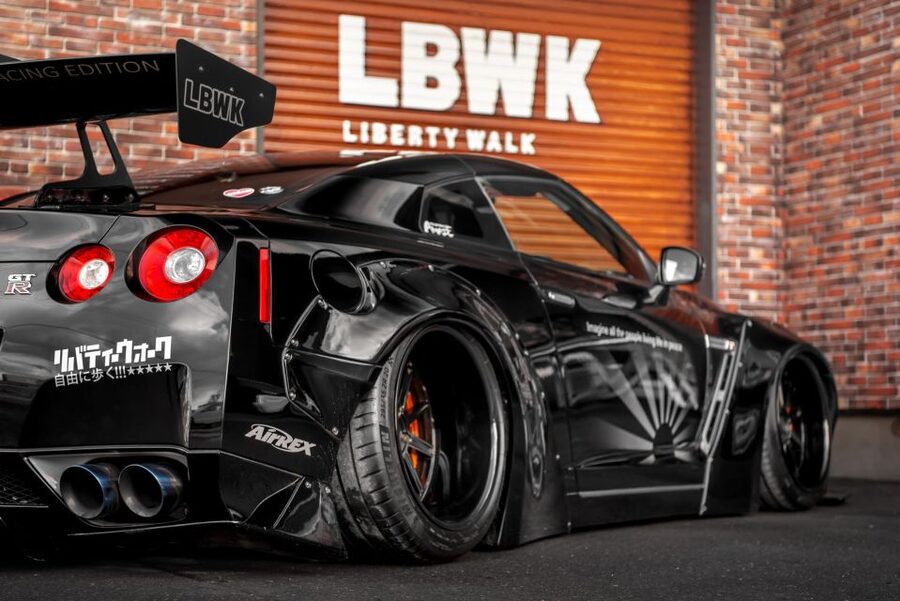
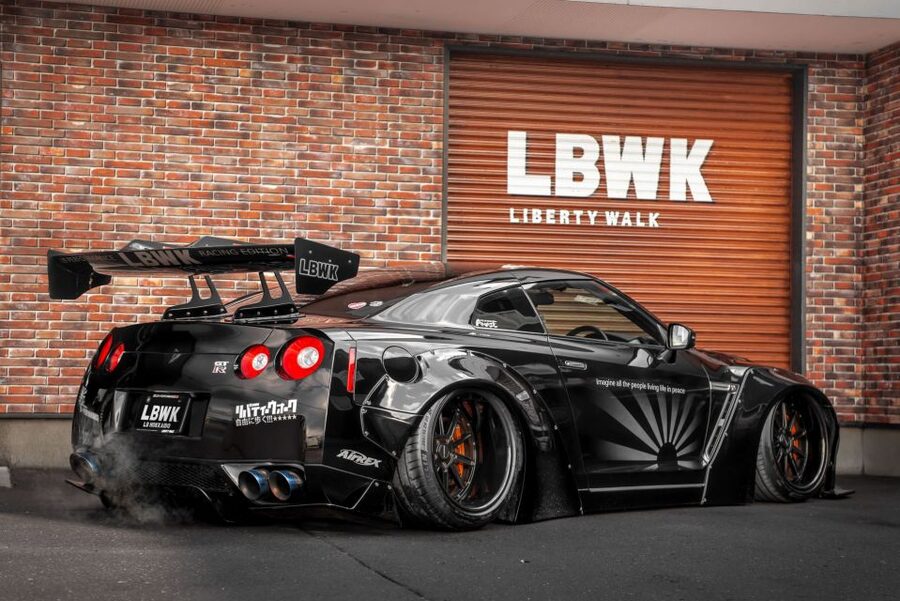
A Liberty Walk GT-R R35 leading a convoy through Tokyo at night is the main draw here. You leave Akihabara, follow the famous C1 Wangan route, cross Rainbow Bridge, and reach Daikoku Parking, Japan’s best-known car-meet spot. The setup feels close to a live Fast and Furious scene, but the night is built around a real car club rather than a movie set.
In This Article
- Key points to know before booking
- The real attraction: Tokyo car culture after dark
- Starting in Akihabara with the club
- Why the $240 price needs careful reading
- The C1 Wangan route and Tokyo after dark
- A 30-minute stop at Super Autobacs Shinonome
- One hour at Daikoku Parking Area
- Returning across Rainbow Bridge to Tokyo Tower
- The car, seating, and comfort
- The guides make a real difference
- Photography, souvenirs, and the group atmosphere
- Who will enjoy this most
- Practical details that matter
- Should you book the Liberty Walk GT-R night?
- FAQ
- Where does the experience start?
- Where does the experience finish?
- How long does the experience last?
- What time does it start?
- Is transportation included?
- Is a visit to Daikoku Parking guaranteed?
- What is included in the price?
- Is the experience suitable for children or wheelchair users?
I like the access to genuine JDM culture and the chance to see the convoy from inside an iconic GT-R. I also like the useful mix of driving and sightseeing, including Super Autobacs, Tokyo Skytree views, Rainbow Bridge, and a final photo stop at Tokyo Tower. The main catch is that the $240 cost is framed as club membership, not a taxi fare or private car service, and Daikoku can close without notice.
Key points to know before booking
- A Liberty Walk GT-R ride: You may ride in an R35 GT-R as part of a shared car-club convoy from Akihabara to Daikoku Parking.
- Daikoku is not guaranteed: The parking area can shut without notice, and the route may change to another meet location.
- The convoy is the real event: You see tuned JDM cars, supercars, classics, and other club vehicles moving together through Tokyo.
- Several guides receive strong praise: Fernando, Henrique, Julie, Taichi, Shun, Alexandre, and Niro are among the named drivers and hosts.
- The ride is shared: The R35 has four seats, and pairs may be separated if other members need seats.
- You get club extras: The price includes a T-shirt, membership card, and photography at selected stops.
The real attraction: Tokyo car culture after dark
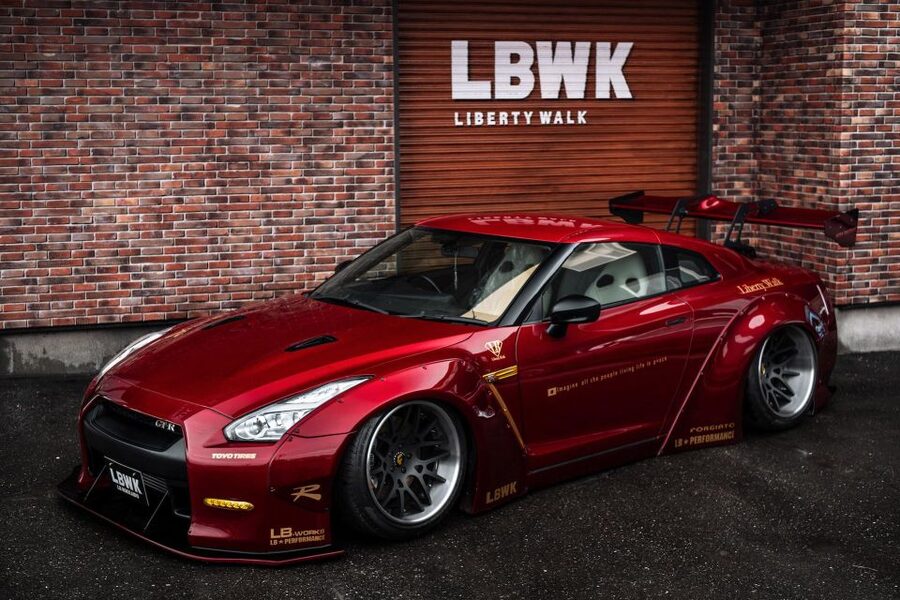
This experience is best understood as a night with a Tokyo car club, not a standard sightseeing tour. You are joining a group that drives together, stops at major automotive meeting points, and shares access to cars that are normally seen only in magazines, games, or films.
The GT-R R35 Liberty Walk is the headline car, but the convoy gives the evening its energy. You might see several modified GT-Rs, other high-performance Japanese cars, classics, and supercars gathered at the same stops. Some past groups have included roughly 10 to 22 cars, though the exact number will vary.
The route also gives you a different view of Tokyo. Instead of spending the evening inside central neighborhoods, you head onto expressways, tunnels, and waterfront roads. The C1 Wangan route is linked with Japan’s famous Midnight Club street-racing culture, so simply following the road in a convoy has meaning for car fans.
You should keep expectations sensible. This is not an invitation to race, drift, or drive illegally. The attraction is the cars, the group atmosphere, the night views, and the feeling of moving through Tokyo as part of an organized club event.
A few more Tokyo tours and experiences worth a look

Starting in Akihabara with the club
The meeting point is Animate Akihabara, written locally as アニメイト秋葉原. This puts you in one of Tokyo’s easiest areas to reach by train and gives the evening a fitting start among anime shops, electronics, and neon-lit streets.
Arrive at least five minutes early. Late arrivals may not be able to join, and a refund may not be available. You also need to provide a WhatsApp-registered phone number, which the club uses for communication.
The experience lasts about four hours. The stated start time is 7:30 p.m. from Monday through Thursday, and 6 p.m. from Friday through Sunday. Check the available date carefully, since the earlier weekend start can give you more time at the meeting points before the night gets too late.
At the start, you receive the club side of the arrangement: an official membership card and an exclusive T-shirt. These are modest extras, but they help explain the unusual pricing. The club describes the ride as a complimentary experience for members, with the payment attached to membership registration rather than transportation.
Why the $240 price needs careful reading
At $240 per person, this is not a cheap way to get from Tokyo to Daikoku. It is also not priced like a normal sightseeing bus. You are paying for access to a particular club experience, a shared ride in a distinctive car, the convoy, guides, photo service, and the membership package.
The value depends heavily on your interests. If you grew up with GT-Rs, Liberty Walk builds, JDM games, or Tokyo car-meet videos, the price may feel worthwhile because the car itself is part of the attraction. You are not simply looking at a modified R35 in a showroom. You are riding in it while moving through the city with other enthusiast cars.
If you are only curious about Daikoku Parking, the cost is harder to justify. The parking area can close, and the number of cars on any given night cannot be promised. Weather can also affect the experience, with no refund offered for poor conditions, a closure, or a quieter-than-expected meet.
The club is clear that it does not provide hotel pickup, hotel drop-off, or an ordinary transportation service. The fixed route keeps the group together and ends back at the original meeting point, rather than taking people to separate hotels. Think of the $240 as the cost of joining a planned automotive event, not buying a private transfer.
The C1 Wangan route and Tokyo after dark
Once the convoy leaves Akihabara, the drive heads toward the C1 Wangan route. This is one of the most exciting parts for anyone who knows Japanese car culture, since the road is closely associated with Tokyo’s legendary Midnight Club scene.
The point is not a timed run. The club presents this as a cultural and scenic drive, so you can watch the cars around you, take in the city lights, and enjoy the sound and shape of the convoy. Some participants particularly like the chance to see the other vehicles as the group travels, rather than having all the cars parked in one place.
The route passes Tokyo Skytree and Rainbow Bridge. You do not get a scheduled visit inside Skytree, but the tower provides a striking view from the road. Rainbow Bridge brings the waterfront into the picture, with Tokyo Bay views and a strong contrast between the glowing city and the dark expressway.
Because this is a shared convoy, the pace and exact order of cars can change. You may not have a clear view of every vehicle at all times. Still, that movement is part of the appeal. You are experiencing a group drive, not sitting in one stationary photo location.
A 30-minute stop at Super Autobacs Shinonome
The first planned stop is Super Autobacs Shinonome, where you have about 30 minutes for free time and shopping. It is described as Tokyo’s largest and best-known automotive store, and it draws car enthusiasts from across Japan.
This stop adds useful context to the evening. Daikoku shows you the social side of the car scene, while Autobacs shows you the retail side: parts, accessories, equipment, and the kinds of products connected with Japan’s tuning culture.
Thirty minutes is enough for a look around, but not enough for a long shopping session. If you are hoping to buy a major part or spend time comparing products, the schedule will feel brief. For most people, though, it works as a break from the car and a chance to browse a distinctly Japanese automotive destination.
You should not assume that every item or service will be explained in English. The activity offers guides in English, Portuguese, Japanese, and French, but the store itself is a separate retail stop. Bring your passport, which is listed as a required item for the experience.
Other walking tours we've reviewed in Tokyo

One hour at Daikoku Parking Area
Daikoku Parking Area is the evening’s main stop. You get about one hour for photos, free time, and a look around the meet area. The site is famous for its gatherings of Japanese performance cars, classics, and supercars.
The setting can feel almost unreal at night, especially when modified cars gather beneath the parking-area lights. This is the part most likely to satisfy the movie-inspired promise. You have time to walk around, study the cars, take pictures, and talk with club members.
The word can matters here. Daikoku may close without warning, and the group cannot control how many cars appear. A Friday, Saturday, or Sunday booking may give you a better chance of a busy meet, but it still does not guarantee a packed parking area. The club may switch to another car-meet location if Daikoku is unavailable.
That uncertainty is a basic part of the experience, not a minor footnote. If your entire decision rests on seeing a specific model at Daikoku, you may be disappointed. If you value the convoy and the chance to see Tokyo car culture in several forms, the night can still work well when the main stop changes.
Returning across Rainbow Bridge to Tokyo Tower
After Daikoku, the convoy returns toward central Tokyo. You pass Rainbow Bridge again and take in the city from another angle. This return drive is not just transport between stops. It gives you another chance to watch the club cars move together and enjoy the contrast between open expressway sections and city roads.
The final scheduled stop is Tokyo Tower, with about 20 minutes for photographs. Admission to the tower is not included, and the activity does not describe a visit inside. The stop is focused on exterior photos, which makes sense within a four-hour route.
Tokyo Tower is a useful ending because it shifts the mood from car meet to classic Tokyo sightseeing. You can get a group picture, photograph the GT-R against one of the city’s best-known landmarks, and finish with something recognizable even if you are not a serious car fan.
The experience ends back at the original meeting point in Akihabara. Hotel drop-off is not provided. From there, you are expected to continue by public transport or make your own way back.
The car, seating, and comfort
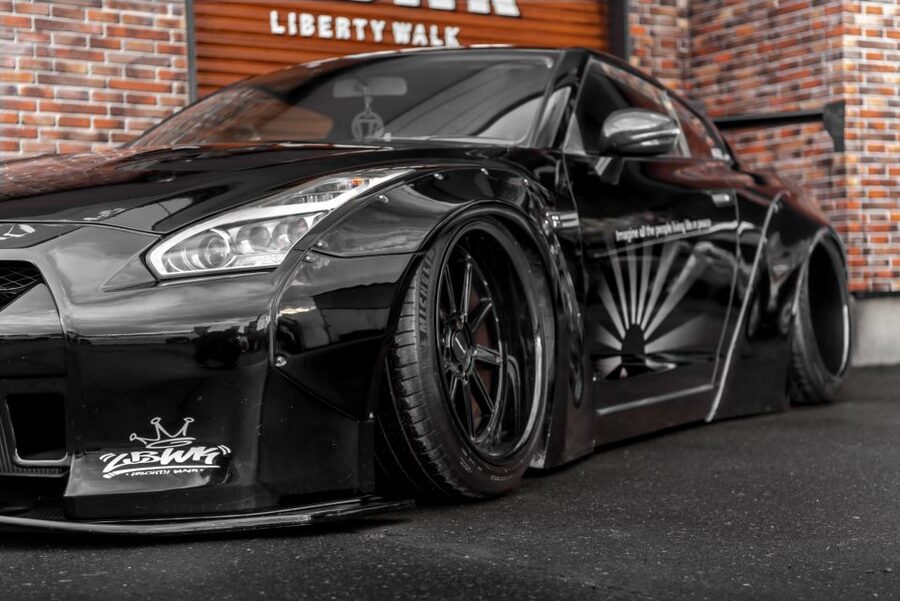
The advertised vehicle is a GT-R R35 Liberty Walk, a wide-bodied, highly recognizable version of Nissan’s modern GT-R. The club also uses other cars at times, and the exact vehicle can be affected by mechanical issues or group arrangements. One participant received a free upgrade after a mechanical problem, which shows that substitutions can happen.
The R35 is a four-seater, but this is a shared experience. If you book as a pair, you may be asked to sit separately so that the available seats are used efficiently. That is important if you expect a private ride with a companion.
Tall people are welcome, but the listed interior height is only 101 centimeters, so the car may not be comfortable for taller riders. The activity is not suitable for wheelchair users, children under seven, or people with heart problems.
The car is part of the experience, not a spacious touring vehicle. You should expect a low, compact interior and limited personal space. The tradeoff is clear: you get access to an exciting performance car, but not the comfort or flexibility of a private van.
The guides make a real difference
The strongest part of the human side is the driver and guide. Named hosts include Fernando, Henrique, Julie, Taichi, Shun, Alexandre, and Niro. Several participants singled out their drivers for safe handling, friendliness, good communication, and a strong connection with Japanese car culture.
Fernando is praised for making riders feel comfortable while adding energy to the night. Henrique is noted for answering questions and connecting especially well with a young JDM fan. Julie is repeatedly described as friendly, helpful, and good at explaining the scene, including during groups from Germany.
Taichi appealed to a fellow enthusiast because of his own passion for cars. Shun was praised as a professional driver, while Alexandre and Niro also received strong marks for their hosting. These details matter because a four-hour shared ride can feel very different depending on who is in the driver’s seat.
You should still remember that guide assignments can change. Bookings do not guarantee a specific person unless the provider confirms it directly. The useful takeaway is that the club places real weight on the guide’s role, not just the vehicle.
Photography, souvenirs, and the group atmosphere
Professional photography is included at key stops along the route. This is a worthwhile feature because it lets you enjoy the evening without spending the whole time trying to frame selfies inside a crowded parking area.
The exact number and style of photographs are not specified, so do not expect a full private photo shoot. Treat it as a helpful record of the evening, especially at Daikoku and Tokyo Tower.
The T-shirt and membership card are also included. They do not change the ride itself, but they make the experience feel like participation in a club rather than a simple ticketed attraction.
The group atmosphere can be a major plus. Past convoys have included many cars, and the shared movement lets you see the vehicles from different angles. The downside is less privacy and less control. You cannot choose every stop, extend your time at Daikoku, or ask for a custom hotel route.
Who will enjoy this most
I would recommend this most strongly to:
- JDM fans who want to see Tokyo’s car scene in person
- GT-R and Liberty Walk enthusiasts
- People who enjoy car photography and night drives
- Fast and Furious or Tokyo Xtreme Racer fans
- Curious visitors who want a different side of Tokyo than temples and shopping streets
- Families with children aged seven and over, provided everyone is comfortable with a shared, low car
You do not need to be a technical car expert. The route includes Tokyo landmarks, and the guides can help explain the culture. Still, the experience works best if you are happy to spend much of the evening thinking about cars, roads, modifications, and meet culture.
I would hesitate if you need guaranteed access to Daikoku, a private vehicle, a comfortable high-roof cabin, or hotel drop-off. I would also think twice if rainy weather would spoil the night for you, since the club does not refund weather-related changes.
Practical details that matter
The experience is shared, not private, and languages offered are English, Portuguese, Japanese, and French. Bring your passport and a WhatsApp number connected to your booking.
You can cancel up to 24 hours ahead for a full refund, and reserve now while paying later. The schedule and meeting location may change because of traffic, weather, or other unexpected problems, so keep your evening flexible.
The club also warns that Daikoku can close without prior notice. If that happens, another meet location may be used. There is no refund for the closure itself, the weather, or seeing fewer cars than hoped.
Should you book the Liberty Walk GT-R night?
Book it if the idea of riding in a Liberty Walk GT-R through Tokyo with a real car convoy makes you grin. The combination of the C1 Wangan route, Super Autobacs, Daikoku, Rainbow Bridge, and Tokyo Tower gives you more than a single parking-lot visit, and the guides add a friendly human side.
At $240, it is a specialist experience rather than a bargain sightseeing outing. Go in knowing that you are buying club membership and access to a shared cultural event, not private transportation. Accept the risk of a Daikoku closure, choose a dry-weather evening if possible, and consider Friday through Sunday if you want the best chance of a busy meet.
For a serious car fan, this could be one of the most memorable nights in Tokyo. For everyone else, it is worthwhile only if the car convoy sounds more exciting than a conventional city tour.
FAQ
Where does the experience start?
It starts at Animate Akihabara, written as アニメイト秋葉原.
Where does the experience finish?
It finishes back at the original meeting point in Akihabara.
How long does the experience last?
The experience lasts four hours.
What time does it start?
From Monday through Thursday, it starts at 7:30 p.m. From Friday through Sunday, it starts at 6 p.m. Check availability for the exact start time on your chosen date.
Is transportation included?
The GT-R ride is provided as part of the car-club membership experience. The provider states that this is not a taxi or ordinary transportation service, and hotel pickup and drop-off are not included.
Is a visit to Daikoku Parking guaranteed?
No. Daikoku Parking may close without prior notice, in which case the group will visit another car-meet location.
What is included in the price?
The price includes car-club membership, a shared ride in a GT-R R35 Liberty Walk as part of the convoy, the Daikoku visit when possible, photography at key stops, a T-shirt, a membership card, and a guided route with sightseeing stops.
Is the experience suitable for children or wheelchair users?
It is not suitable for children under seven or wheelchair users. Tall riders are welcome, but the listed interior height of the GT-R is 101 centimeters and may not be comfortable.
More Walking Tours in Tokyo
More JDM & Car Culture in Tokyo
More tours in Tokyo we've reviewed












JDM & Car Culture, compared.
 ★ 4.8Tokyo: Fast & Furious Tokyo Drift 3 Experience (Kaila Yu SP)From $157
 ★ 4.8Tokyo: FAST&FURIOUS EXPERIENCE Daikoku Tokyo Car ClubFrom $157
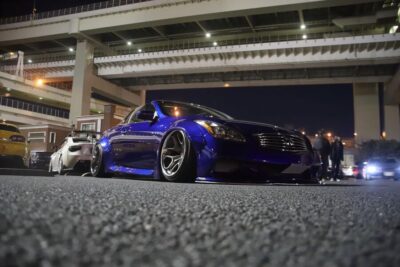 ★ 4.8Tokyo: Daikoku JDM Fast Furious Drift Style Car ExperienceFrom $123
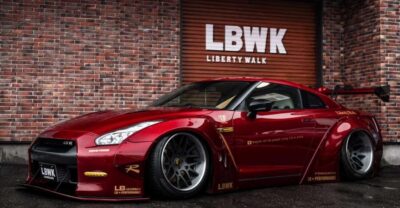 ★ 4.8Tokyo Drift: GO Daikoku Car Meet R34 Skyline Car ClubFrom $246
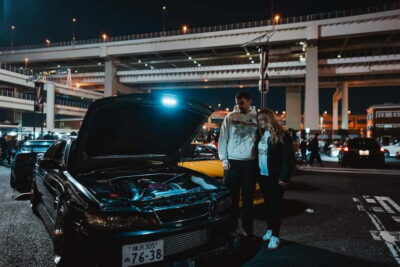 ★ 4.7Tokyo Drift: Daikoku PA Supreme Car Experience 大黒PAFrom $583 hours
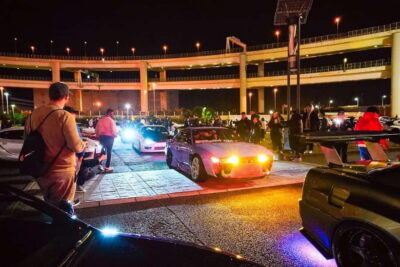 ★ 4.9Tokyo: Legendary JDM CAR Daikoku Underground MeetupFrom $824 hours