Reviewed · JDM & CAR CULTURE
Tokyo: Fast & Furious Tokyo Drift 3 Experience (Kaila Yu SP)
Tokyo’s car culture is not behind glass in this experience. You ride through the city after dark in a tuned sports car, following the Wangan and C1 expressways to Daikoku Parking Area, where modified Japanese cars gather. It is part scenic night drive, part car meet, and part Tokyo sightseeing loop.
In This Article
- Key points before you book
- Why this feels different from a normal Tokyo tour
- Starting at Tokyo Video Gamers
- The Wangan and C1 roads after dark
- Daikoku Parking Area and the JDM gathering
- Thirty minutes at A-PIT Autobacs
- Rainbow Bridge, Tokyo Bay, and Odaiba
- Tokyo Tower or Shibuya Crossing at night
- What the guides add to the night
- Is $157 a fair price?
- Who should book, and who should think twice?
- Practical advice for a smoother evening
- Should you book the Fast and Furious Tokyo Drift experience?
- FAQ
- How much does the experience cost?
- Where does the experience begin?
- Which cars can I ride in?
- Can I choose my car or driver?
- How many people ride in each car?
- What places does the route visit?
- Is hotel drop-off included?
I like the real car setting, with drivers who are local enthusiasts rather than a standard coach guide. I also like the route: Daikoku PA and A-PIT Autobacs give the evening a proper car-culture focus, while Rainbow Bridge, Tokyo Tower, and Shibuya Crossing add classic Tokyo views.
The main point to weigh is that this is a shared group outing, not a private supercar rental. The fleet, driver, and exact car are assigned according to the date and availability, and each car carries two or three people.
Key points before you book
- Daikoku PA is the main event: See one of Tokyo’s best-known JDM gathering spots, with free entry when conditions allow.
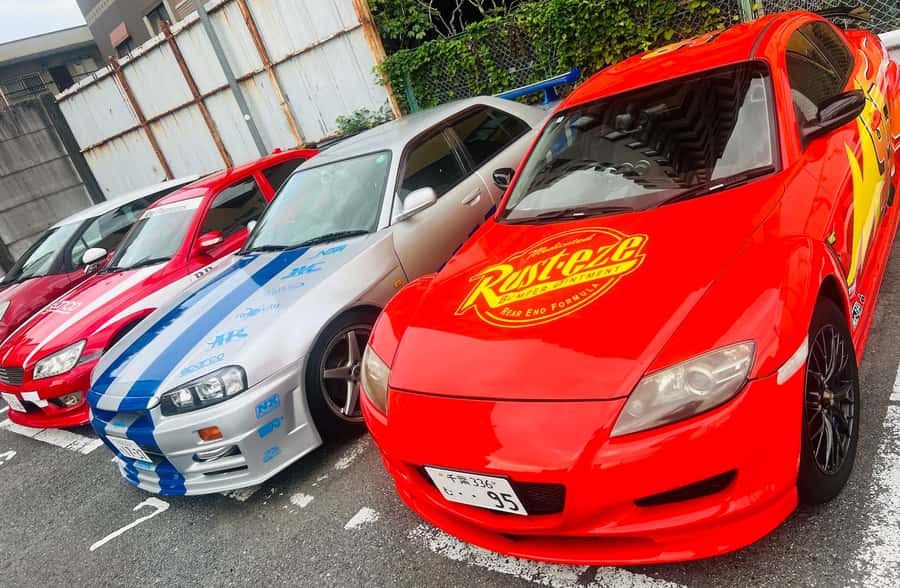
- The cars change daily: The fleet can include a Mitsubishi Evolution 10, Nissan Skyline, Nissan GT-R, Subaru STI, Toyota Chaser, Silvia, BMW M3, and other modified cars.
- A-PIT Autobacs gives you 30 minutes to browse: This is Tokyo’s giant car-supply shop, a fun stop even if you are only window-shopping.
- The route mixes speed and scenery: Expect Wangan and C1 roads, tunnels, Rainbow Bridge, Tokyo Bay, Odaiba, Tokyo Tower, and possibly Shibuya Crossing.
- The group can be large: The operation may run with 10 to 30 cars, so the feel is more organized convoy than intimate private tour.
- Hotel drop-off is included: At the end, you can be dropped at a hotel, Airbnb, or another location inside Tokyo’s 23 wards.
Why this feels different from a normal Tokyo tour
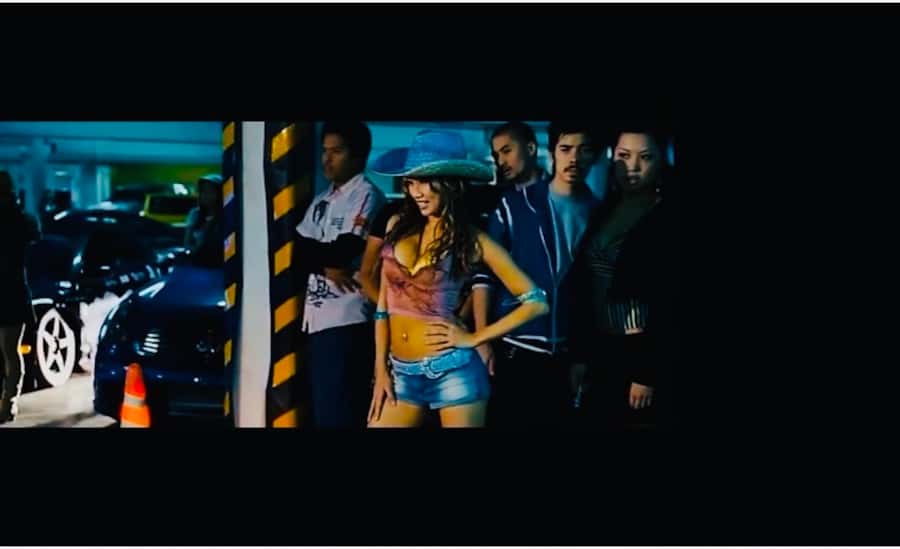
Most Tokyo sightseeing tours keep you on foot, underground, or behind a coach window. This one puts you on the road, where the city’s scale makes more sense. Expressway curves, long tunnels, elevated roadways, and bright towers pass by in a steady nighttime rush.
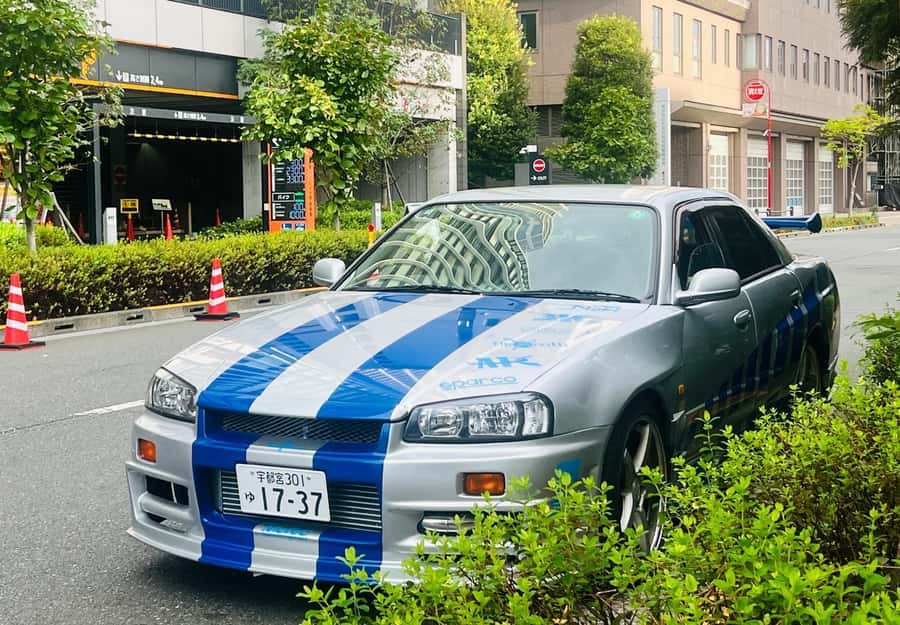
The car matters here. You might ride in a Subaru STI, Nissan Skyline GTR34 or GTT34, Nissan GT-R R35 Nismo, Mitsubishi Evolution 10, Lexus RC-F, Toyota Chaser drift car, Nissan Silvia S14 or S15, Mazda RX-8, BMW M3, Camaro, or another performance car from the current fleet.
That list is not a promise of a particular model. Cars depend on your reservation date, driver availability, and daily operating conditions. Do not book this experience solely to secure a GTR35 or Skyline. Book it for the overall evening, then treat the assigned car as part of the surprise.
The drivers speak English, Portuguese, Japanese, Spanish, or Tagalog across the team. Some drivers may use a translation app to explain details, but the car itself often gives you an easy common language. The best guides combine driving with conversation, photos, and short explanations of Tokyo’s tuning scene.
A few more Tokyo tours and experiences worth a look
Starting at Tokyo Video Gamers
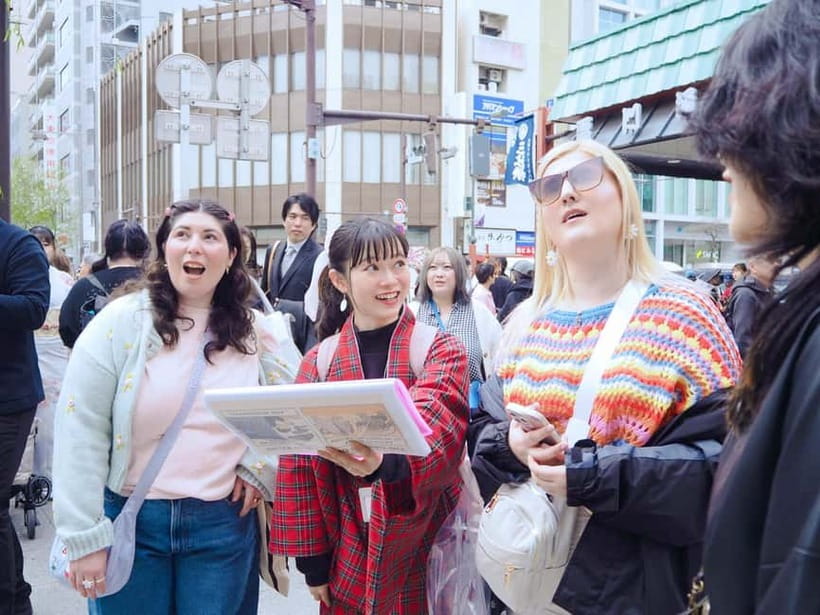
The meeting point is Store Tokyo Video Gamers. You are asked to arrive at least 15 minutes before the start time, which is sensible. This is where you meet your driver and get settled before the convoy heads out.
There is a small bonus here: a free Guaraná drink and free arcade play. It is not the reason to book the tour, but it gives you something to do while the group gathers. It also sets the right mood for an evening built around car culture and the Fast and Furious theme.
The exact group arrangement can vary. Cars carry two or three people, and the full outing can involve 10 to 30 vehicles. You may spend much of the drive with your assigned driver, but the wider group matters at the stops, where the cars gather and the atmosphere becomes more social.
Keep your phone ready for WhatsApp messages. The company says it sends an update at least one hour before departure, and WhatsApp is also the requested contact method if you are delayed or have trouble finding the meeting point.
The Wangan and C1 roads after dark
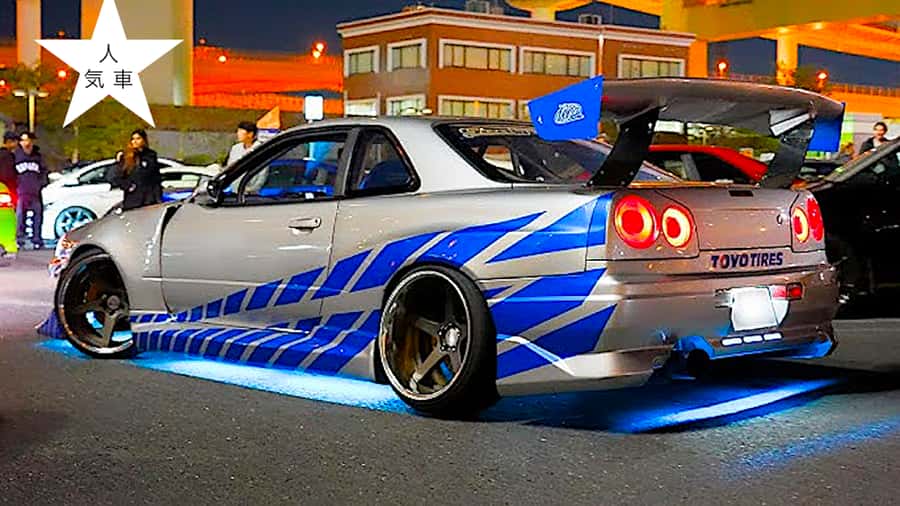
The first major pleasure is simply being on Tokyo’s expressways at night. The Wangan route runs through the wide urban network around Tokyo Bay, while the C1 is the central circular route through the city. Tunnels and elevated sections create the cinematic feel that fans of Japanese car culture are looking for.
You are not buying a driving lesson or a track session. You ride as a passenger while a local driver handles the route. Some people describe the pace as exciting, but the company’s stated focus is safe, legal passenger transport. The fun comes from the car, the roads, the convoy, and the city lights, not from expecting a guaranteed race or a particular top speed.
That distinction matters. If you want to drive a performance car yourself, this is not the right product. If you want to sit in a modified Japanese car while someone else manages Tokyo traffic and navigation, it makes much more sense.
Comfort can depend on the car. Rear seats in some sports cars are tight, and one passenger specifically flagged the limited back-seat space in a GT-R. If you are tall, broad-shouldered, or sensitive to cramped seating, ask about the seating arrangement before committing, though the exact car may not be known in advance.
Daikoku Parking Area and the JDM gathering
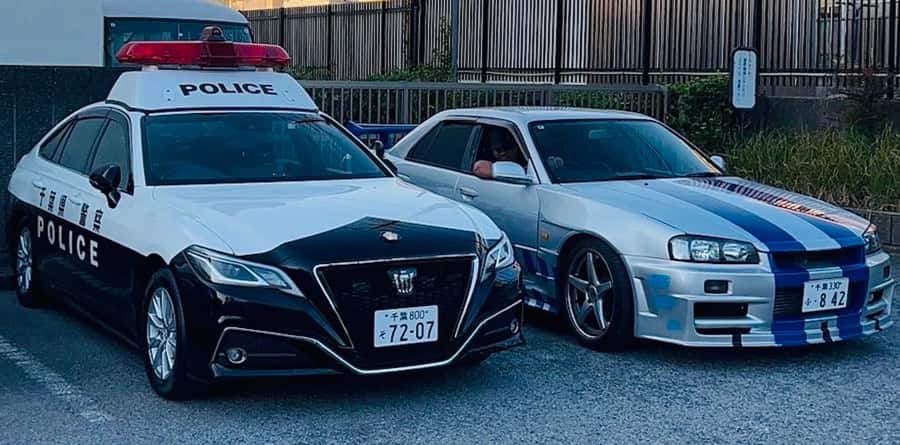
Daikoku PA is the heart of the evening. This large parking area near Yokohama is closely tied to Japan’s modified-car scene and is widely known among fans of Japanese performance vehicles. The point is not just to look at one famous car. It is to see the mix of machines, owners, passengers, and enthusiasts gathered in one place.
Entry is listed as free. The number of cars can change from night to night, and weather can affect the meeting. That is an important limitation. A bad-weather evening may produce a smaller gathering, and you should not expect a fixed display of rare models.
Still, Daikoku gives the experience its strongest sense of place. You are not merely looking at polished cars in a showroom. You are seeing a public meeting point tied to the living car scene. For anyone who follows JDM tuning, drift cars, Skyline culture, Subaru builds, or Japanese performance history, this may be the most valuable stop.
You should also follow the driver’s instructions here. Parking areas are working transport spaces, not private exhibition halls. Stay with the group, respect other people’s cars, and take photos without blocking traffic or touching vehicles.
Thirty minutes at A-PIT Autobacs
A-PIT Autobacs in Shinonome is a practical and entertaining stop. The shop is described as the largest car-supply store in Tokyo, and you get about 30 minutes to look around.
That half-hour is long enough to browse parts, accessories, tools, car-care products, and merchandise without turning the night into a shopping trip. If you are not a car person, you may find the stop less compelling than Daikoku or Rainbow Bridge. If you like the details of tuning, it can be one of the most useful parts of the route because it shows how car culture appears in an ordinary retail setting.
You do not need to buy anything. Treat it as a chance to see the products and styles that support Japan’s enthusiast scene. The short time limit also keeps the evening moving.
Rainbow Bridge, Tokyo Bay, and Odaiba
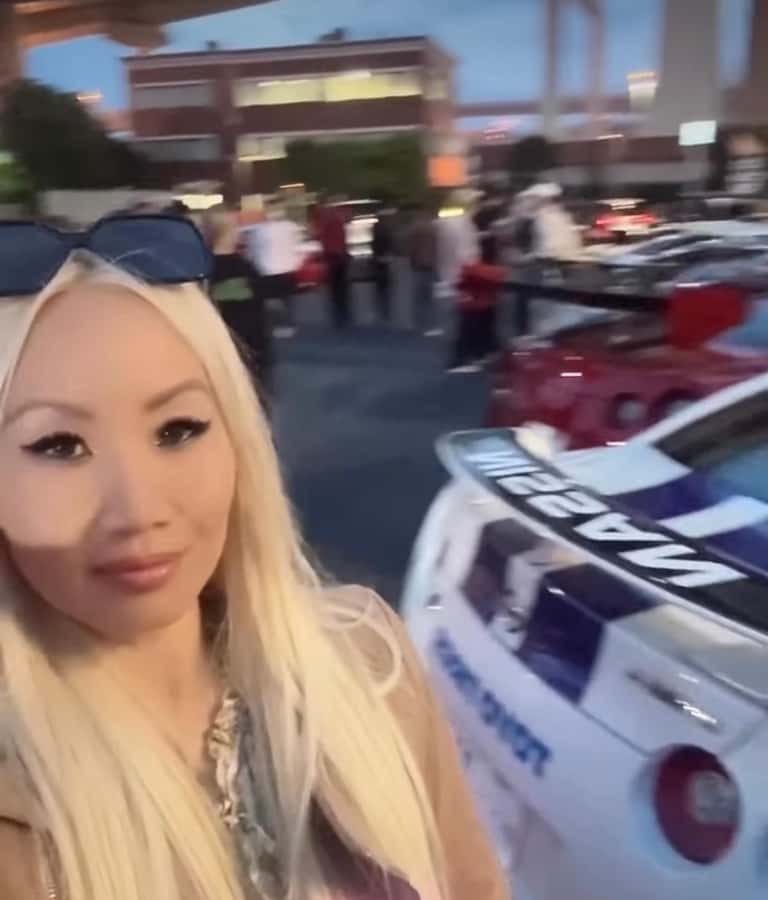
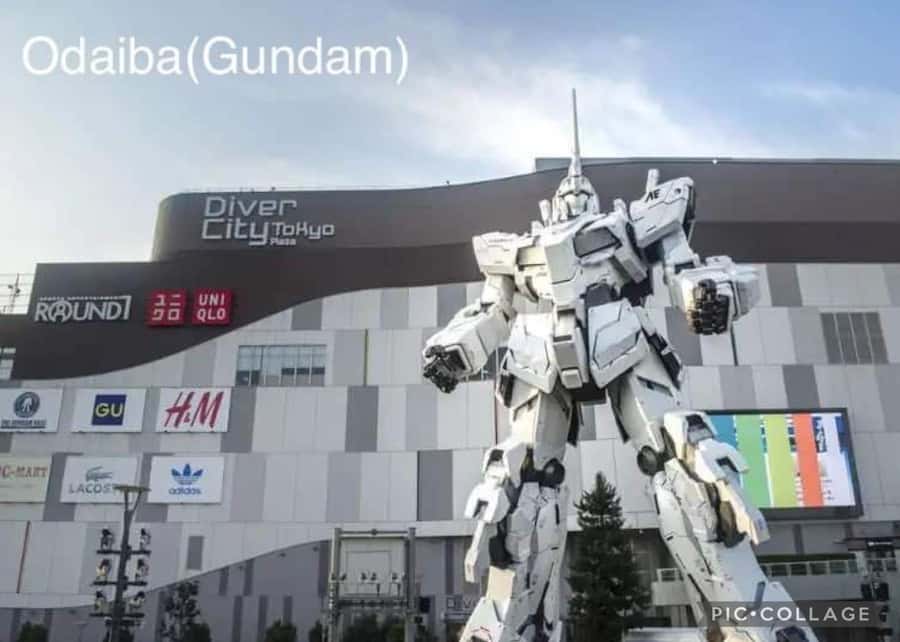
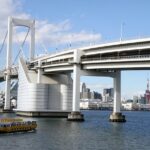
The route over Rainbow Bridge shifts the mood from car gathering to city sightseeing. From the bridge, you get views across Tokyo Bay and toward Odaiba, with the city spread around the water.
This is a good example of why the experience works best as a combination. A regular car meet might satisfy your interest in vehicles but leave you with little sense of Tokyo itself. Here, the bridge gives you a memorable city view while you remain in the same performance-car setting.
Lighting and visibility depend on the weather. On a clear night, the bay and Odaiba views should be a highlight. Cloud, rain, or snow can reduce the visual impact, and the company notes that weather may affect the number of cars at Daikoku.
Tokyo Tower or Shibuya Crossing at night
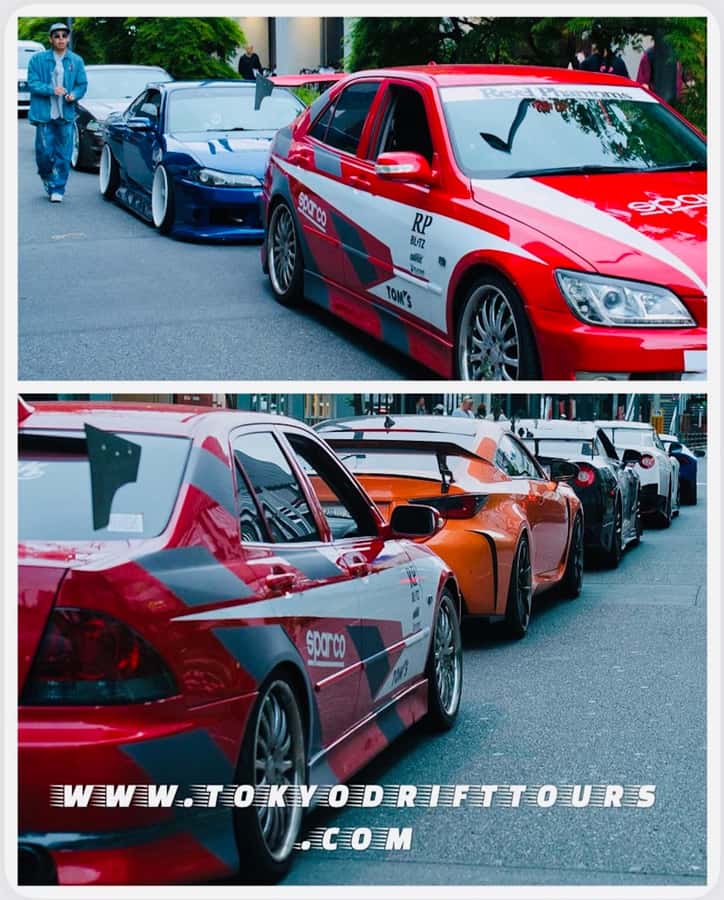
The sightseeing portion can include Tokyo Tower or Shibuya Crossing, with other Tokyo landmarks such as Tokyo Skytree also mentioned in the experience details. The exact stop may depend on the route and conditions, so do not treat every landmark as guaranteed in one fixed order.
Tokyo Tower works well as a photo stop and gives the evening a classic skyline image. Shibuya Crossing offers a very different view, with crowds, screens, and the famous intersection seen from street level or nearby roads. Passing through the city at night helps connect the car scene to Tokyo’s wider energy.
These stops are generally about seeing and photographing rather than taking a long guided tour. You should expect short breaks and time to walk around freely at some locations. Bring a phone or camera, but also keep track of the group and the agreed meeting time.
What the guides add to the night
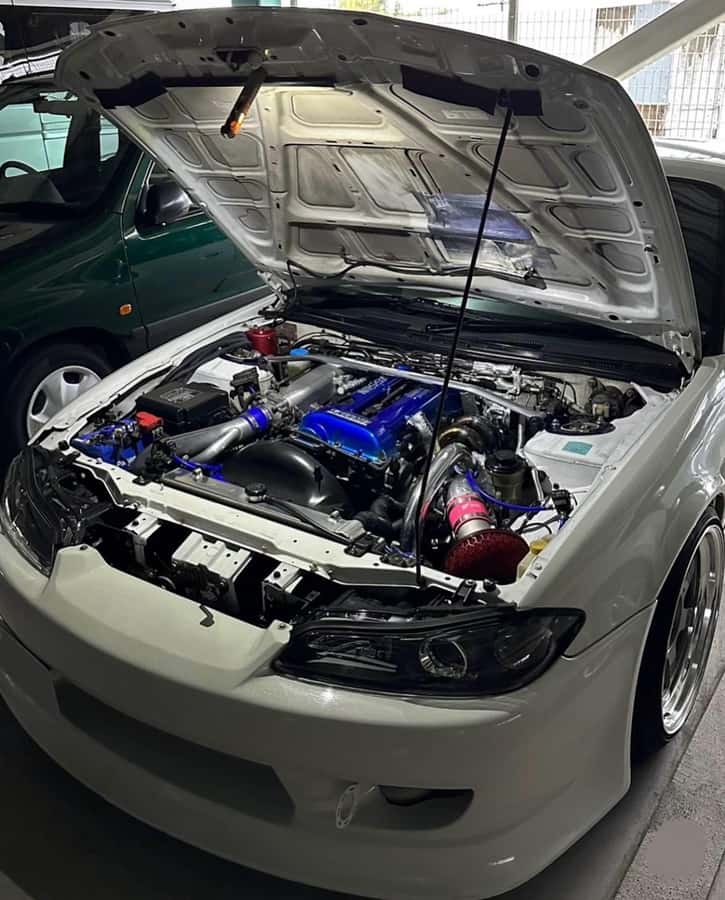
The guide can make or break a shared driving experience. The strongest part of this operation is the personal connection with drivers who care about their cars.
Names that appear repeatedly in the experience feedback include Kei, Ken, Kuroda, Lucy, Yuki, Masa, Kay, Kohei, Jeff, Vinnie, Victor, Koki, Sakamoto, Taiga, Yudai, and others. Driver assignments change, so you cannot reliably request one person or one vehicle with the standard booking.
Kei is described as friendly and a skilled driver who explains each stop. Masa has driven a Subaru WRX STI and is praised for balancing excitement with safety. Kuroda has used translation tools to share stories about Tokyo’s car culture despite limited English. Kohei is noted for a tuned car, friendly manner, and an ability to show the local JDM scene.
Those details point to the experience’s real strength: a good driver does more than steer. The driver photographs you, explains the stops, checks your comfort, and shares enthusiasm for the vehicle. Communication may be easier with some guides than others, but multiple languages are supported across the team.
The company says it is a registered tourism business and complies with passenger-transport regulations. It also describes a never-cancel approach, with alternate options if highways close or snow affects the normal route. That can be helpful, but it also means the evening may change in difficult weather rather than simply being refunded because conditions are poor.
Is $157 a fair price?
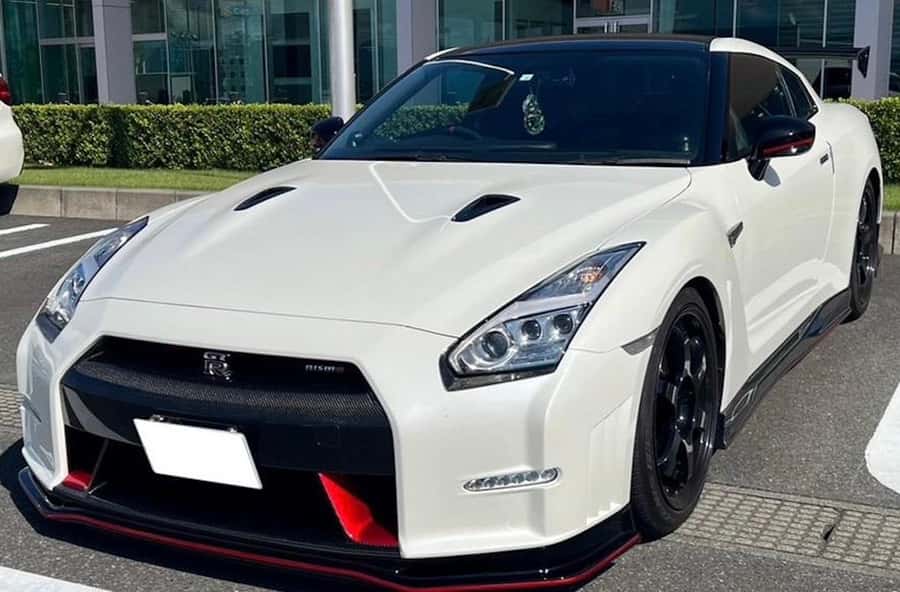
At $157 per person, this is not a cheap way to see Tokyo. You are paying for fuel, tolls, a performance-car passenger ride, several stops, a multilingual driver-guide, and drop-off anywhere inside the 23 wards.
The value depends on what you compare it with. If you only want Tokyo Tower, Rainbow Bridge, and Shibuya Crossing, you can see those areas more cheaply by train or on foot. If you want a standard bus tour, this experience is less predictable and less spacious.
For a car enthusiast, the calculation changes. A private sports-car rental, fuel, tolls, navigation, and access to Daikoku would require much more planning and could cost more. Here, the company handles the driving and route while you focus on the cars and views.
I would call the price fair for someone who would otherwise spend the evening trying to find Daikoku, A-PIT Autobacs, and the Wangan routes alone. It is less attractive for a casual sightseer who has no interest in modified cars or expressway culture.
The booking terms also reduce some risk. You can reserve and pay later, and cancellation is allowed up to 24 hours ahead for a full refund. Personal expenses are not included, though there is no need to spend money at the stops.
Who should book, and who should think twice?
I would recommend this to:
- JDM, drift, Skyline, GT-R, Subaru, and tuning fans
- Visitors who have already seen Tokyo’s main temples and neighborhoods
- Families with older children who can handle a long evening in a car
- Couples or friends looking for a memorable night rather than a standard sightseeing tour
- Visitors relying on trains who want to see Tokyo from the expressways
The experience can suit families. One recorded outing included a 13-year-old, and another family booked it for an eight-year-old’s birthday. Still, the ride is built around cars and night driving, so very young children may not find every stop interesting.
Think twice if you need a guaranteed vehicle, a private group, a quiet ride, or a precise timetable. The standard outing does not let you choose a car, and the larger convoy means the pace and stops are organized for the full group.
If you want a private experience and a chance to choose cars, the company says you need to reserve about a week ahead and select its higher-priced private option. That is a different product, so confirm the details before paying.
Practical advice for a smoother evening
Wear comfortable shoes and clothes. You may get out at several stops, walk around parking areas, and spend time taking photos.
Bring your passport or ID card. The instructions specifically request one, so keep it accessible rather than buried in hotel luggage.
Arrive 15 minutes early. Delays are tolerated for up to 15 minutes, but you should message through WhatsApp if something goes wrong. The stated policy is not to leave people behind, yet quick communication gives the team the best chance to help.
Check the weather before you go. The company says it operates in difficult conditions and may use alternate routes when highways close, but poor weather can reduce the number of cars at Daikoku and change the night’s route.
Do not build your expectations around a particular model. A Nissan GT-R, Skyline, STI, Chaser, or Silvia may be available, but it depends on the day. Your best approach is to see the car as one part of a larger evening.
The free hotel, Airbnb, or other drop-off within Tokyo’s 23 wards is a real convenience. Tokyo’s rail network is excellent, but after a late night of expressways and car meets, being driven back to your accommodation saves time and effort.
Should you book the Fast and Furious Tokyo Drift experience?
Book it if Japanese car culture is one of your reasons for visiting Tokyo. The combination of a tuned car, Wangan tunnels, Daikoku PA, A-PIT Autobacs, Rainbow Bridge, and nighttime landmarks gives you access to a side of the city that ordinary sightseeing does not reach.
I would not book it just for a guaranteed high-speed thrill or a specific supercar. The car changes, the group can be large, the weather may affect Daikoku, and the outing is a passenger experience rather than a track session.
For the right person, $157 buys more than a ride. It buys an organized way into Tokyo’s enthusiast scene, guided by someone who likely cares about the same machines you do. If that sounds like your kind of night, this is a strong pick.
FAQ
How much does the experience cost?
The listed price is $157 per person.
Where does the experience begin?
You meet the drivers at Store Tokyo Video Gamers. You should arrive at least 15 minutes before the scheduled start.
Which cars can I ride in?
The changing fleet may include Mitsubishi Evolution 10, Nissan Skyline GTR34 or GTT34, Nissan GT-R R35 Nismo, Lexus RC-F, Subaru STI, Toyota Chaser, Nissan Silvia S14 or S15, Toyota Celica, Mazda RX-8, BMW M3, Camaro, and other JDM or performance cars. The exact vehicle depends on the reservation date and driver availability.
Can I choose my car or driver?
The standard shared experience does not guarantee a chosen car or driver. The company says private bookings with car selection require advance reservation and a higher-priced option.
How many people ride in each car?
The cars are described as fitting two or three people. The overall outing may operate with 10 to 30 cars.
What places does the route visit?
The route can include the Wangan and C1 roads, Tokyo tunnels, Daikoku Parking Area, A-PIT Autobacs, Rainbow Bridge, Tokyo Bay, Odaiba, Tokyo Tower, Shibuya Crossing, and other Tokyo landmarks.
Is hotel drop-off included?
Yes. Drop-off is included at a hotel, Airbnb, or another chosen location within Tokyo’s 23 wards.
More JDM & Car Culture in Tokyo
More tours in Tokyo we've reviewed












JDM & Car Culture, compared.
 ★ 4.8Tokyo: FAST&FURIOUS EXPERIENCE Daikoku Tokyo Car ClubFrom $157
 ★ 4.8Tokyo Drift: GT-R Car Club R35 Liberty Walk Daikoku meetingFrom $240
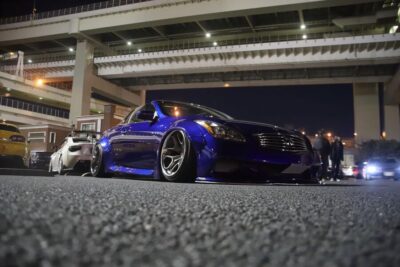 ★ 4.8Tokyo: Daikoku JDM Fast Furious Drift Style Car ExperienceFrom $123
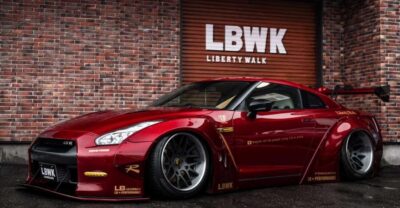 ★ 4.8Tokyo Drift: GO Daikoku Car Meet R34 Skyline Car ClubFrom $246
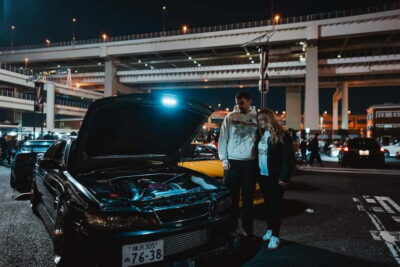 ★ 4.7Tokyo Drift: Daikoku PA Supreme Car Experience 大黒PAFrom $583 hours
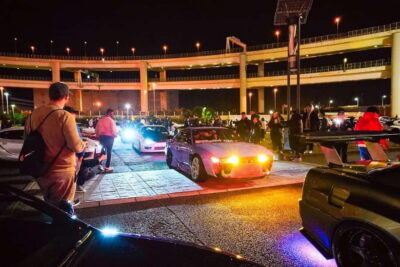 ★ 4.9Tokyo: Legendary JDM CAR Daikoku Underground MeetupFrom $824 hours