Reviewed · TOKYO FOOD TOURS
Tokyo: Shinjuku Food Tour (13 Dishes at 4 Local Eateries)
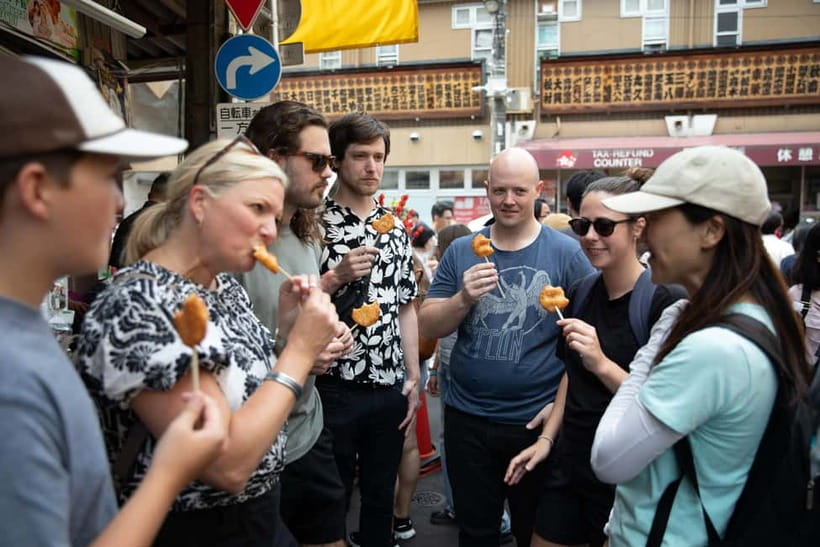
Shinjuku’s best food is often tucked into tiny alleys, upstairs rooms, and compact neighborhood eateries. This three-hour walk gives you a useful shortcut: 13 Japanese dishes at four stops, with two drinks included so you can focus on eating instead of checking menus and settling bills.
In This Article
- Key points to know before booking
- Why this Shinjuku food walk works well
- Omoide Yokocho starts the evening in tight quarters
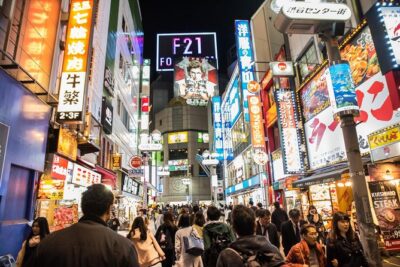
- Kabukicho adds food, nightlife, and local context
- Golden Gai brings the history lesson into the alleys
- Four eateries give you more variety than a normal meal
- The guide can make or break the evening
- Walking, meeting, and practical comfort
- Who should book this food tour
- Should you book the Shinjuku Food Tour?
- FAQ
- How long does the Shinjuku Food Tour last?
- How many dishes are included?
- Are drinks included?
- What types of places will I visit?
- Which Shinjuku districts are included?
- Where does the tour start?
- Where does the tour finish?
- How large is the group?
- Is the tour available with a mobile ticket?
- What is the cancellation policy?
I like the range, from street food and izakaya dishes to tonkotsu and taiyaki. I also like the small maximum of 12 people, which makes it easier to ask questions and meet other food-minded people. The main caution is that the quality of the guide and the exact stops can shape the experience, and a few people found the food explanations too thin or the group larger than ideal.
Key points to know before booking

- Four very different food settings: Expect one stall, one izakaya, one traditional Japanese restaurant, and one gastrobar.
- Thirteen tastings are included: The generous food count makes this a meal, not just a snack crawl.
- Two drinks are part of the price: Alcoholic and non-alcoholic choices are included.
- Shinjuku’s famous night districts provide the backdrop: The route covers Omoide Yokocho, Kabukicho, and the Golden Gai area.
- The group is capped at 12: That is small enough for conversation, though a full group can still feel crowded in tiny eateries.
- Strong value for first-time visitors: At $86.22 per person, you pay for food, drinks, a guide, and a quick introduction to Shinjuku’s dining culture.
Why this Shinjuku food walk works well
Shinjuku can be hard to read at first. The station is huge, the streets change character quickly, and many of the most interesting restaurants have small signs, narrow entrances, or menus that offer little help in English. A guide removes much of that friction.
You meet at AOKI Shinjukunishiguchi Honten, at 1-chōme-8-5 Nishishinjuku. From there, the walk heads toward the eating districts around the station and finishes near the Southeast Exit of JR Shinjuku Station. If you prefer, the guide can escort you back to the Starbucks meeting point.
The tour lasts about three hours. That is long enough to build a full meal and see several corners of Shinjuku, but short enough to fit into an evening without taking over your day. I would book it early in your Tokyo stay. The most useful benefit is not only the food you eat during the walk, but the confidence you gain for ordering later on your own.
The $86.22 price looks high if you compare it with the cost of a single Japanese meal. It makes better sense when you count 13 dishes, two drinks, four food stops, and a professional guide. You are also paying for the planning and the chance to enter places you might skip when faced with an unfamiliar menu.
Still, value depends on your expectations. If you want a serious food seminar with long explanations about every ingredient, this may feel light. If you want a social evening with many tastes, neighborhood context, and no need to make repeated payment decisions, the price is easier to justify.
A few more Tokyo tours and experiences worth a look
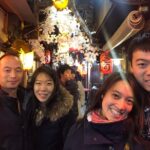
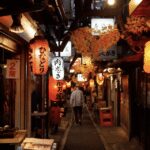
Omoide Yokocho starts the evening in tight quarters
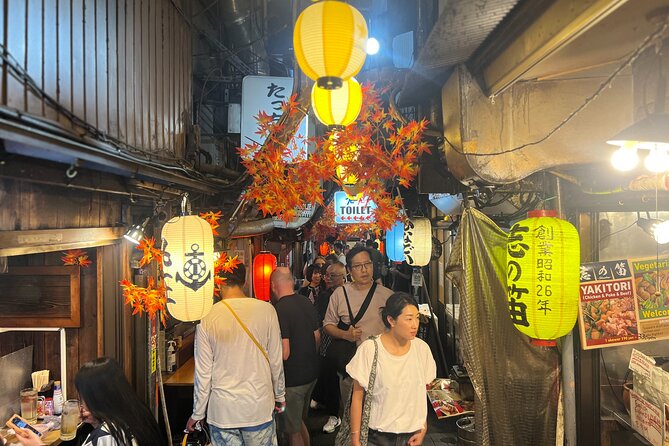
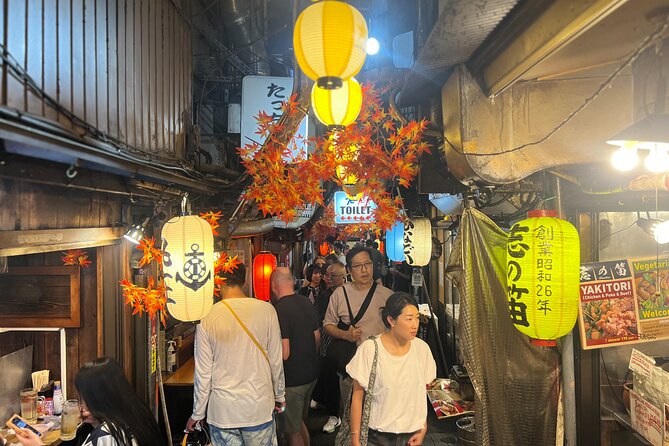
Omoide Yokocho is known for its narrow lanes packed with tiny izakayas and food stalls. This is a strong opening setting because it shows you the compact, informal side of Tokyo dining right away.
Do not expect a broad restaurant dining room here. The charm comes from the close quarters and the sense that food is being prepared for people who know exactly what they came to eat. The guide helps turn the setting into more than a quick photo stop by explaining how these small eateries fit into Shinjuku’s food culture.
The first stop lasts about an hour. That gives the group time to eat and get oriented, though a full group can make a tiny restaurant feel even tighter. You should arrive ready to try unfamiliar textures and flavors. The food list is not fixed in the supplied details, so the exact dishes may vary, but the overall promise is a wide sample rather than one large plate.
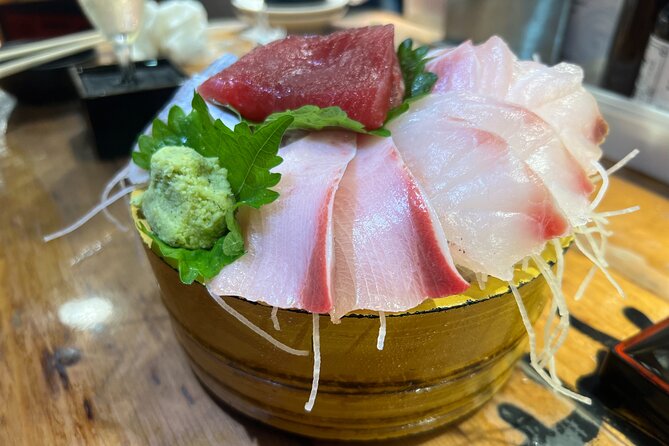
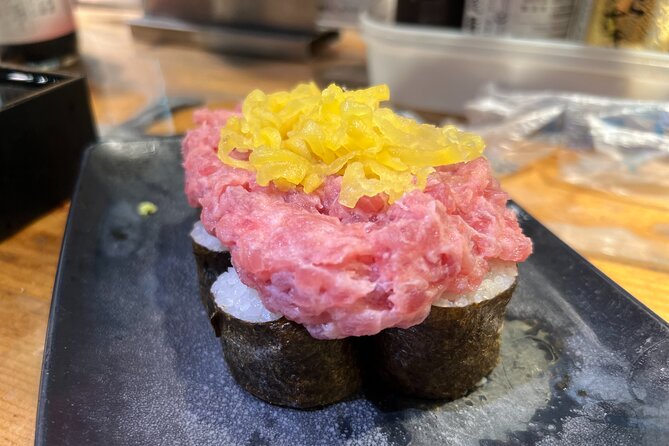
This is also where a guide can make the biggest practical difference. Raw ingredients or unfamiliar dishes may arrive without obvious instructions. One critical account described food being placed on the table without enough explanation, so do not hesitate to ask what you are eating and how it should be enjoyed.
Kabukicho adds food, nightlife, and local context
The route then moves into Kabukicho, Tokyo’s famous entertainment district. Your guide explains the area’s different establishments before taking the group to a traditional Japanese restaurant.
Kabukicho can feel like a lot to take in, especially at night. The value here is the connection between the streets and the dining stop. Instead of treating the district as a collection of bright signs, the guide gives you a framework for understanding what kind of place you are walking through and how its restaurants differ.
This stop has earned particular praise for its pork cutlet dish at a restaurant described as the oldest and famous for it. Another account singled out tonkotsu as one of the memorable tastes of the evening. The exact order can change, but you should expect the stop to focus on recognizable Japanese comfort food rather than fine dining.
The traditional restaurant is one of the better places to ask questions about etiquette, ordering, and ingredients. Some guides, including May, Hoshi, Igor, Kei, and others named by participants, have been praised for explaining Japanese food and culture in clear English. The experience can be less satisfying if your guide moves quickly or assumes you already understand the dishes.
Golden Gai brings the history lesson into the alleys
Golden Gai is known for its narrow lanes and more than 200 tiny bars. Its postwar architecture has survived in a part of Tokyo that has changed rapidly, making the area one of the more distinctive walking sections of the tour.
The itinerary includes a visit to Golden Gai, but the route may not always reach it. One person booked the experience mainly for this district and was disappointed when it was skipped. That is worth keeping in mind if Golden Gai is your main reason for booking. Treat it as an intended part of the route, not an absolute guarantee based on the information available.
If you do visit, the guide can explain the district’s nightlife and the unusual scale of its bars. You may pass places that are designed for only a handful of regulars, not large groups. The tour is not a bar crawl, and the included drinks are limited to two, but this section gives useful context for why the neighborhood matters.
The walk also offers chances to see well-known Shinjuku sights along the way. Guides have added stops such as the giant 3-D cat and Godzilla perched above a building. These extras are not listed as formal food stops, so think of them as guide-dependent additions rather than promised itinerary items.
Four eateries give you more variety than a normal meal
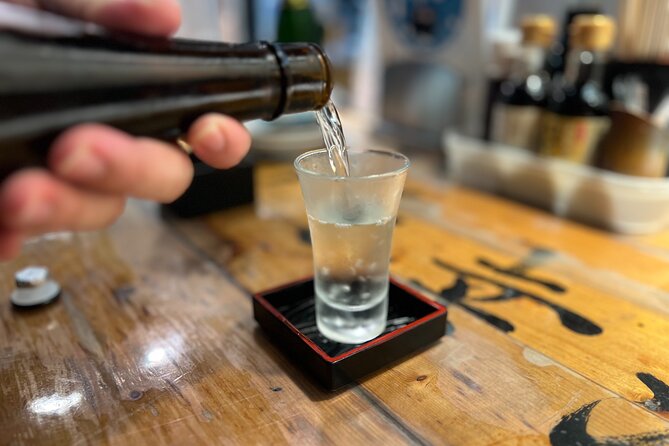
The food plan is the heart of the experience. You visit four different types of places:
- A food stall
- An izakaya
- A traditional Japanese restaurant
- A gastrobar
That mix matters. A standard restaurant meal might introduce you to one style of cooking, while this walk lets you compare casual street food, shared izakaya plates, a more established restaurant setting, and a modern bar-style venue.
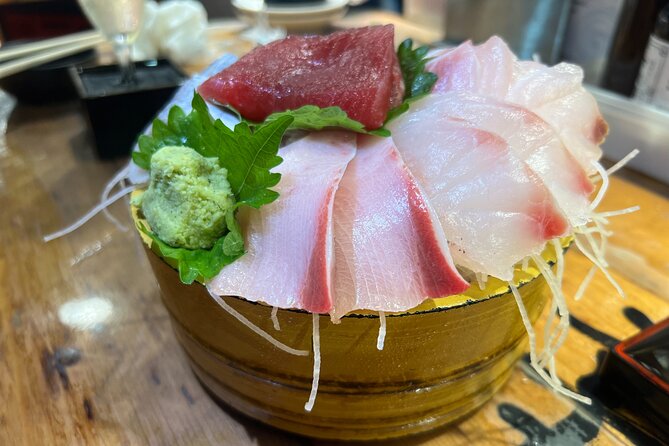
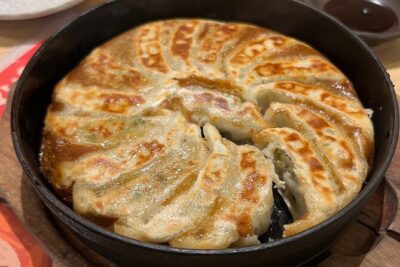
The total is 13 Japanese dishes. That is enough food to replace dinner for most people, so do not eat a large meal beforehand. At the same time, the food arrives across several stops, with walking between them, which makes the evening feel less heavy than sitting in one restaurant for three hours.
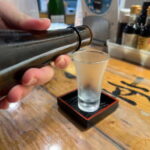
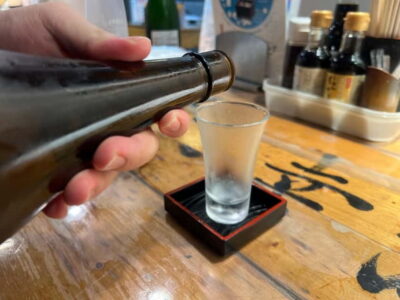
Two complimentary drinks are included, with alcoholic and non-alcoholic options. The details do not specify the exact beverages, so you should not book this expecting a particular sake, beer, or soft drink. The inclusion is still useful because drinks can quickly add to the cost of an evening in central Tokyo.
Food quality appears to be the strongest part of the experience for many people. The most praised guides are described as warm, energetic, and good at choosing varied local dishes. Some participants especially valued finding foods they would not have had the confidence to order alone.
The less favorable experiences focus on two issues: food that did not match personal taste and a lack of explanation. A food tour cannot guarantee that every dish will please every palate. It should, however, make clear what you are eating and why the stop was chosen. If that matters to you, ask direct questions throughout the evening.
A few more Tokyo tours and experiences worth a look




The guide can make or break the evening
This tour relies heavily on the person leading it. The strongest guide experiences include food explanations, neighborhood stories, ordering help, advice for the rest of a Tokyo visit, and attention to dietary preferences.
May was praised for choosing fun places and sharing useful suggestions. Hoshi received especially strong comments for clear English and insight into Japanese food and culture. Igor was praised for explaining the dishes and keeping a good walking pace. Kei helped add sightseeing stops and paid attention to food preferences. Lloyd assisted a parent with mobility issues by helping coordinate taxis between stops.
Other guides named in positive accounts include Agathe, Mak, Emma, Nathan, Hina, Izzy, Daiichi, Paula, Elena, Ami, Shane, and Maya. The repeated pattern is clear: a friendly guide can turn a simple restaurant sequence into a social and educational night.
There is also a fair warning here. A pleasant guide may not always provide enough detail about the food or restaurants. One person found the evening enjoyable but wanted more information about the area and the dishes. You should ask questions rather than wait for a lecture, especially at the first stop.
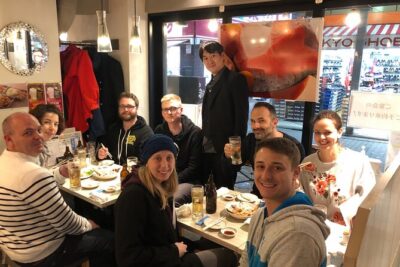
The maximum group size is 12. That is smaller than many city tours, and it supports conversation. However, 12 people entering a tiny izakaya or narrow bar area can still feel like a crowd. Solo visitors may find the social setup especially useful, since the relaxed format has helped people meet others and make plans for another evening.
Walking, meeting, and practical comfort
The tour is a city walking experience, not a seated tasting. You move between the three main areas and spend about an hour around each section. Wear comfortable shoes and leave room for a steady evening of walking.
Most people can participate, and the meeting point is near public transportation. The end point is close to the Southeast Exit of JR Shinjuku Station, which is convenient for continuing into the nightlife district or returning to your accommodation.
The information does not give a precise walking distance or a detailed accessibility plan. One guide did help coordinate taxis for a parent with mobility issues, and another person with a leg injury found the pace manageable, but these are examples of individual assistance rather than a formal accessibility guarantee. If you have mobility concerns, contact the provider before booking and tell the guide at the start.
A mobile ticket is provided, and confirmation arrives when you book. The cancellation policy is simple: cancel at least 24 hours before the local start time for a full refund. Changes or cancellations inside that window are not accepted and are not refunded.
Who should book this food tour
I would recommend this experience to first-time Tokyo visitors who want a quick introduction to Shinjuku without spending hours researching restaurants. It also suits solo visitors, couples, and small groups who like trying many dishes instead of ordering one safe meal.
It is a good match if you want:
- A full dinner spread rather than a single tasting
- Help entering local-style eateries
- A guide to explain Shinjuku’s districts
- Two included drinks
- A small group and a social evening
- Food suggestions for the rest of your Tokyo stay
You may want a different experience if you have strict dietary needs, dislike unfamiliar foods, or want detailed instruction about every dish. The supplied information does not list specific allergy or dietary options, although one guide was praised for accommodating preferences. Ask before booking and again when you meet.
You should also reconsider if Golden Gai is the one non-negotiable stop on your night. It is part of the planned route, but at least one outing did not include it. For a Golden Gai-focused visit, arrange a separate walk or visit on your own as a backup.
Should you book the Shinjuku Food Tour?
Book it if you want a well-fed introduction to Shinjuku with four food settings, two drinks, and a guide to handle the hard parts. The 4.9 rating from 6,603 reviews and 99 percent recommendation rate point to a reliably popular experience, while the occasional complaints show where expectations need adjusting.
The best reason to go is the combination of variety and access. You get 13 tastes in three hours, see Omoide Yokocho and Kabukicho, and may reach Golden Gai and several famous street sights. The best way to improve your odds of a great night is to arrive hungry, ask questions, and tell the guide about food limits or mobility needs at once.
At $86.22, it is not the cheapest way to eat in Tokyo. It is a fair buy for the food, drinks, planning, and local guidance, especially early in a trip. If you want a relaxed evening that teaches you how to order and where to look next, I would book it.
FAQ
How long does the Shinjuku Food Tour last?
The tour lasts approximately three hours.
How many dishes are included?
The experience includes 13 Japanese dishes at four eateries.
Are drinks included?
Yes. Two complimentary drinks are included, with alcoholic and non-alcoholic options.
What types of places will I visit?
The food stops include one stall, one izakaya, one traditional Japanese restaurant, and one gastrobar.
Which Shinjuku districts are included?
The planned route includes Omoide Yokocho, Kabukicho, and Shinjuku Golden Gai.
Where does the tour start?
It starts at AOKI Shinjukunishiguchi Honten, 1-chōme-8-5 Nishishinjuku, Shinjuku City, Tokyo 160-0023.
Where does the tour finish?
The tour ends near the Southeast Exit of JR Shinjuku Station. You can ask the guide to escort you back to the Starbucks meeting point.
How large is the group?
The maximum group size is 12 people.
Is the tour available with a mobile ticket?
Yes. A mobile ticket is provided, and confirmation is received at the time of booking.
What is the cancellation policy?
You can cancel for a full refund up to 24 hours before the experience start time. Cancellations or changes made within 24 hours are not accepted and are not refunded.
More Food Experiences in Tokyo
More Tokyo Food Tours in Tokyo
More Shinjuku Tours in Tokyo
More tours in Tokyo we've reviewed












Tokyo Food Tours, compared.
 ★ 4.9Tokyo: Shinjuku Food Tour (13 Dishes and 4 Eateries)From $97
 ★ 5.0Tokyo Night Foodie Tour in Shinjuku – Seasonal Sushi, Wagyu BeefFrom $111
 ★ 5.0Eat and Drink Like a Local: Tokyo Ueno Food Tour-Taverns&RamenFrom $95
 ★ 5.0Tokyo: Shibuya Food Tour (13 dishes and 4 Eateries)From $77
Tokyo: Shinjuku Food Tour – 15 Dishes, 3 Drinks, 4 EateriesFrom $723 hours
★ 5.0Tokyo: Shibuya Food Tour (13 dishes and 4 Eateries)From $77
Tokyo: Shinjuku Food Tour – 15 Dishes, 3 Drinks, 4 EateriesFrom $723 hours
 ★ 5.0Best of Shibuya Food TourFrom $217