Reviewed · SHINJUKU TOURS
Tokyo: Dark Side of Tokyo Shinjuku Red Light Walking Tour
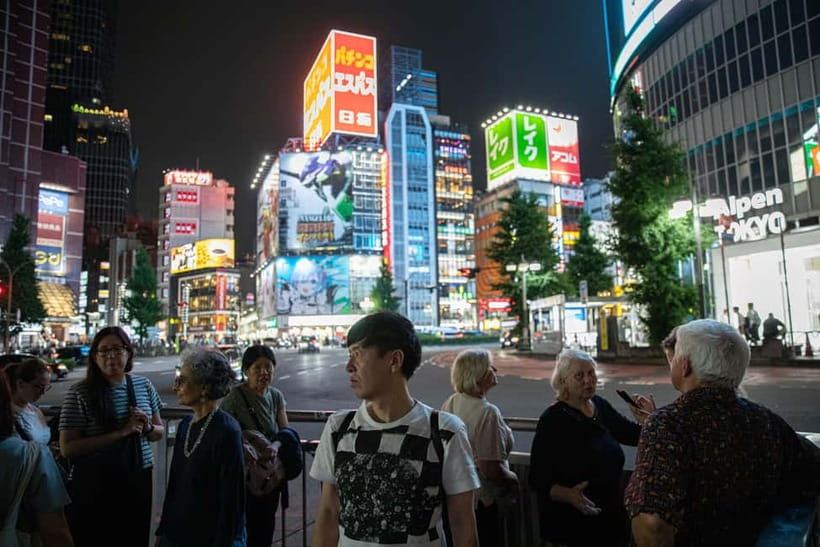
Tokyo’s neon heart beats loudest after sunset, and this tour puts you right in the middle of it. You’ll walk through Kabukicho, Golden Gai, Omoide Yokocho, Hanazono Shrine, and 2 Chome while learning how Shinjuku changed from a red-light district into one of Tokyo’s main after-dark centers. I especially like the mix of food streets and serious cultural context, plus the practical restaurant and bar tips you can use later. The main drawback is the meeting point at Shinjuku Station, which can be confusing even for seasoned Tokyo visitors.
In This Article
- Key points to know before you book
- Why Shinjuku after dark deserves a guided walk
- Meeting at one of the world’s busiest stations
- Omoide Yokocho: small lanes and old Tokyo atmosphere
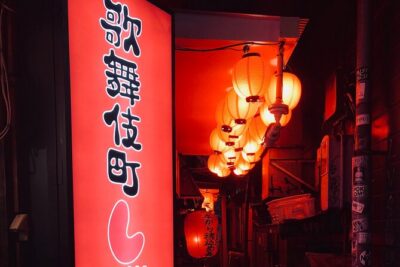
- Kabukicho: Tokyo’s adult entertainment center
- Golden Gai: tiny bars, big character
- Hanazono Shrine: a quiet pause in the neon
- 2 Chome and Tokyo’s LGBTQ district
- What the guides add to the experience
- Is two hours enough for Shinjuku?
- The $29 price and what you receive
- Who should book this evening walk?
- Final verdict: a smart first look at Shinjuku nightlife
- FAQ
- How long does the Tokyo Shinjuku Red Light Walking Tour last?
- Where does the tour meet?
- Which languages are available?
- Is the tour suitable for children?
- What places does the walking tour visit?
- Can I cancel the booking?
I also like that the tour stays on foot and lasts two hours, long enough to give you a useful map of the district without swallowing your whole evening. Guides such as Dani, Loc, Gray, Polina, Huy, and Danny have been praised for humor, clear explanations, and thoughtful answers. This is an adult-only outing, and you should arrive early because the group does not wait for late arrivals.
Key points to know before you book
- Five very different Shinjuku stops: The route links Omoide Yokocho, Kabukicho, Golden Gai, Hanazono Shrine, and 2 Chome in one evening.
- A look beyond the neon: You’ll hear about nightlife customs, the area’s past as a red-light district, and the social changes behind today’s entertainment scene.
- Useful food advice: Guides provide restaurant and ramen suggestions, with past recommendations including okonomiyaki and ramen spots.
- English and Spanish tours: Live guiding is available in both languages, with guides including Dani, Gray, Loc, Polina, Huy, and Danny.
- Good value at $29: The price is modest for a guided two-hour introduction to an area that can feel confusing on your own.
- Not for children: You must be 18 or older, and alcohol and drugs are not allowed during the activity.
Why Shinjuku after dark deserves a guided walk
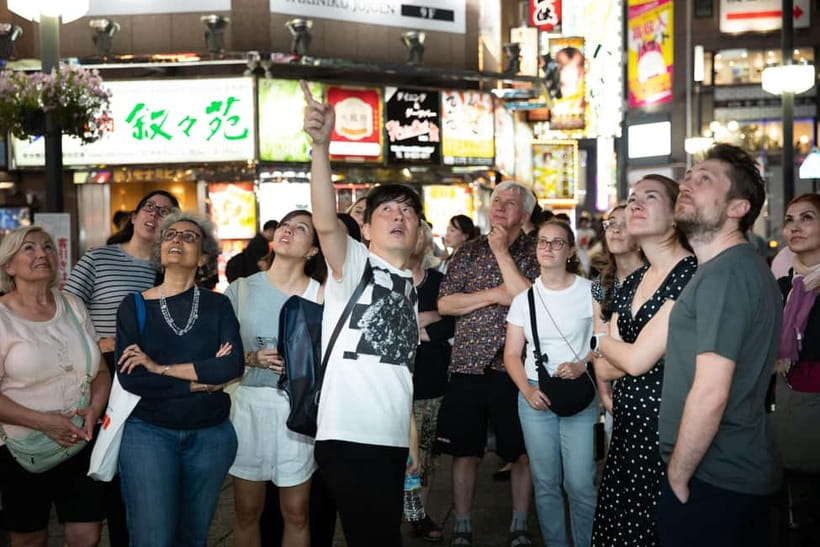
Shinjuku is easy to admire from a train platform or a skyscraper observation deck. It is harder to understand at street level. One block may hold a shrine, a row of tiny bars, a noodle counter, a karaoke venue, and a sign advertising services you may not immediately understand.
That is where a guide earns the $29 fee. The tour does not simply point at neon signs. It explains what the districts are for, how they developed, and how traditional Japanese customs sit beside modern nightlife. You can ask questions as you go, rather than trying to decode every sign later.
The title uses the phrase dark side, but this is not presented as a horror show. The route focuses on the adult entertainment world, the red-light past of Kabukicho, nightlife businesses, and the less polished parts of Tokyo. You should expect candid discussion, though not a visit inside adult venues.
The strongest part of the experience is the contrast. You may walk from a narrow alley lined with old-fashioned eateries to a giant entertainment complex, then reach a quiet shrine a few minutes later. That change of mood gives you a better feel for Tokyo than a string of famous photo stops would.
A few more Tokyo tours and experiences worth a look
Meeting at one of the world’s busiest stations
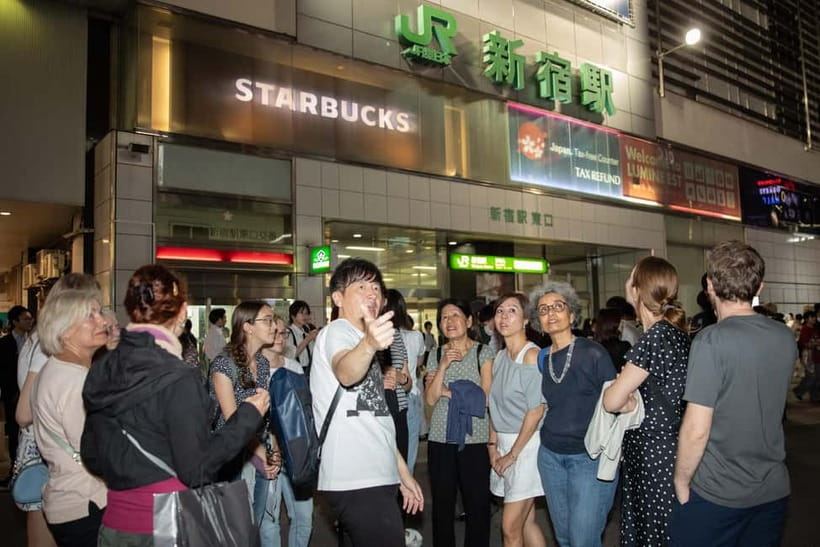
You can start at the Shinjuku Tourist Information Center or the Shinjuku Station East Exit Police Box, depending on the option you book. The second location is included in the route and is also the kind of place where several tour groups may gather.
Give yourself extra time. Shinjuku Station is enormous, and the East Exit area can be hard to read on your first day in Japan. One person specifically found the meeting area confusing because several companies were using nearby spots. I would arrive well before the stated time, confirm the guide’s name, and avoid assuming that any group with a sign is yours.
This matters more than usual because the tour does not wait for late arrivals. You will be walking through crowded streets soon after meeting, so a precise start helps the group stay together. The activity has two possible starting locations and two possible finishing points, so check your booking details carefully before setting out.
Omoide Yokocho: small lanes and old Tokyo atmosphere
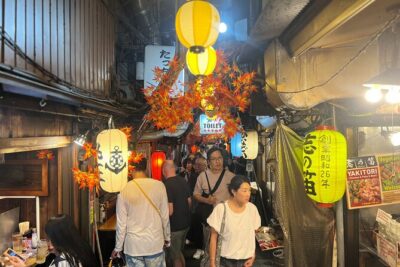
The first major stop is Omoide Yokocho, where you spend about 20 minutes with the guide. This compact food alley is a sharp change from the broad streets around the station. Its narrow lanes, small eateries, and close-set signs offer an early taste of the older side of Shinjuku.
The value here is not just taking photographs. Your guide can explain how these small dining lanes fit into Tokyo’s food and drinking culture, then point out what to look for if you return later. Food recommendations are a repeated strength of this activity, and Omoide Yokocho is a useful place to begin asking what to eat in Shinjuku.
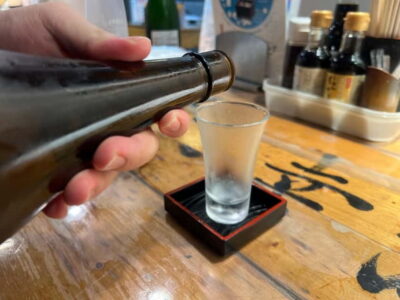
You should not expect a full meal as part of the tour. The guide is there to explain the area and make suggestions, not provide food or drinks. If you enjoy the stop, you can return after the walk and choose a place with advice already in hand.
Kabukicho: Tokyo’s adult entertainment center
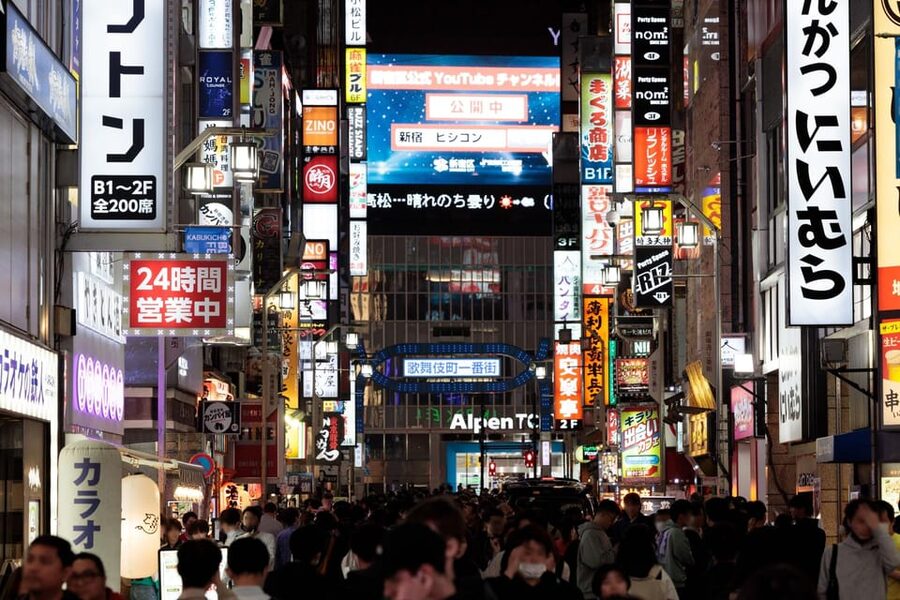
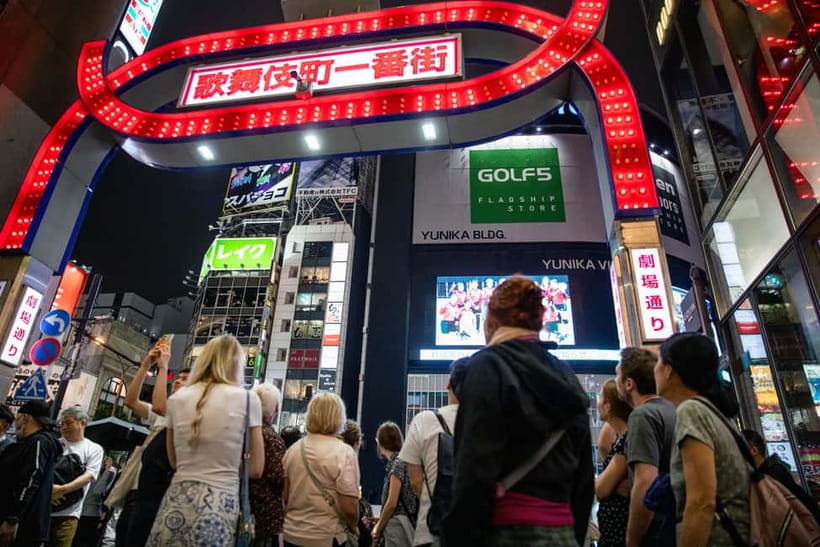
Kabukicho receives the longest section of the walk, about 40 minutes. That extra time makes sense. It is the district most closely tied to the tour’s theme, and it can feel like a jumble of hotels, bars, restaurants, clubs, arcades, and adult entertainment venues.
Here, the guide explains the area’s shift from a red-light district to a wider entertainment zone. That change is important because Kabukicho is not one simple thing. It is a working nightlife district with many types of businesses, and its identity has changed over time.
You’ll also see major buildings and entertainment complexes mixed with side streets. The contrast between large modern structures and tight alleys is part of the visual appeal. A guide helps you read the district rather than merely pass through it.
Several people valued the historical and social background offered at this point. Danny was praised for encouraging questions and discussing subjects that are not easy to understand from a quick online search. Loc was noted for telling stories about the district, while Dani was praised for connecting Shinjuku nightlife with modern Japanese culture and society.
The tone of your particular walk will depend on the guide. Some guides use plenty of jokes, while others focus more on explanation. Names frequently associated with strong feedback include Dani, Gray, Loc, Polina, Huy, Danny, Daichi, and Shota. Since guides rotate, you should book for the route and subject matter rather than expecting one specific person unless the booking clearly identifies your guide.
Golden Gai: tiny bars, big character
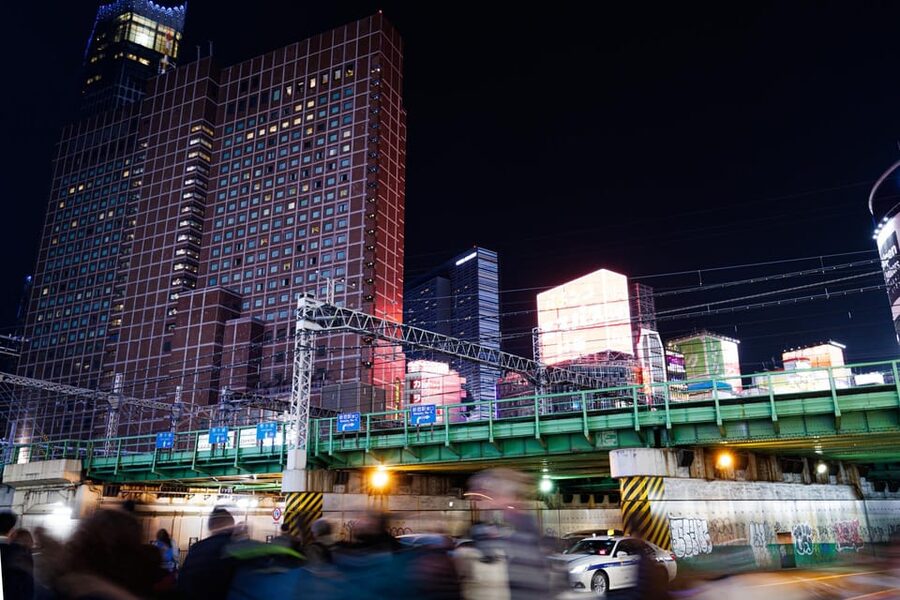
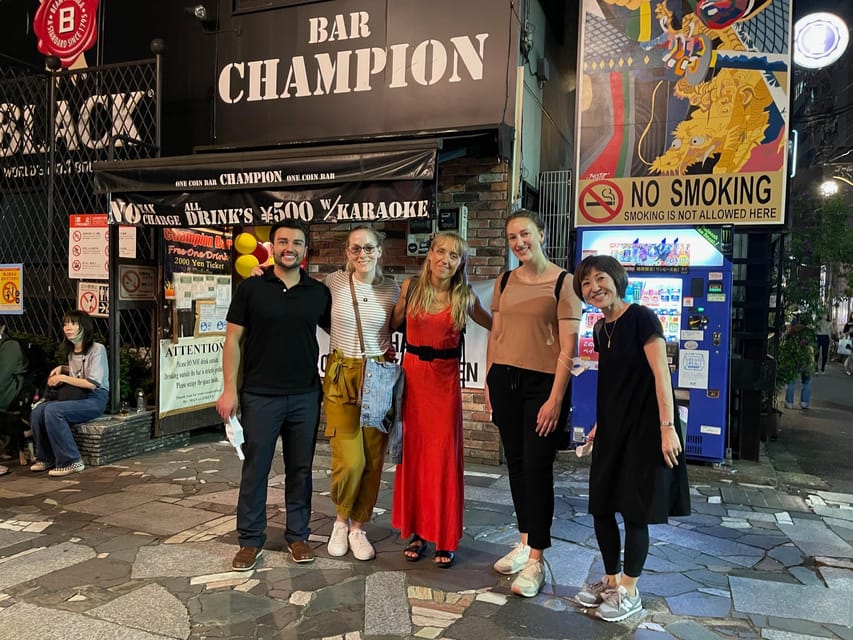
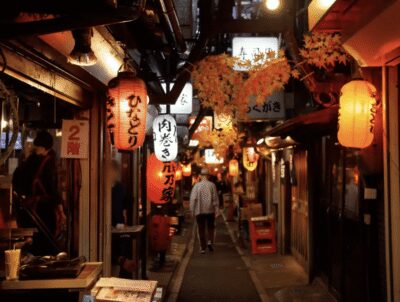
Golden Gai gets around 20 minutes. This famous cluster of narrow lanes is known for its very small bars and unusual layout. It feels almost like a separate town from the high-rise streets nearby.
The stop is valuable because it shows how personal and compact Tokyo nightlife can be. Instead of huge venues, you see doors leading to intimate spaces, each with its own style and rules. Your guide can help you understand the etiquette and atmosphere without requiring you to enter a bar.
That last point matters. A walking tour is a good first look, but 20 minutes is not enough to understand every corner of Golden Gai. You’ll get an introduction and perhaps a few ideas for returning later. Some bars may have limited space or particular entry rules, so do not assume you can simply walk into any place you see.
The tour finishes in or near the Golden Gai area at one of its possible drop-off points, Shinjuku Golden-Gai or 3 Chome. That is handy if you want to continue your evening nearby, though the exact finish should be checked when booking.
Other walking tours we've reviewed in Tokyo


Hanazono Shrine: a quiet pause in the neon
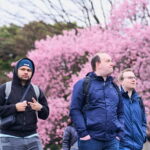
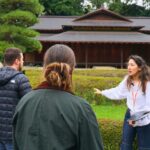
Hanazono Shrine receives about 20 minutes, and this is one of the route’s most useful changes of pace. A shrine in the middle of Shinjuku’s entertainment district shows how old and new Tokyo occupy the same few blocks.
The stop gives your guide room to discuss customs and the place of tradition in modern city life. It also prevents the tour from becoming a simple parade of nightlife signs. After the noise and commercial energy of Kabukicho and Golden Gai, a shrine offers a calmer setting for questions and reflection.
Do not treat this as a full shrine-focused sightseeing visit. The tour’s main subject remains Shinjuku after dark. Hanazono Shrine works best as a cultural counterpoint, a short stop that helps you see the neighborhood in a wider frame.
2 Chome and Tokyo’s LGBTQ district
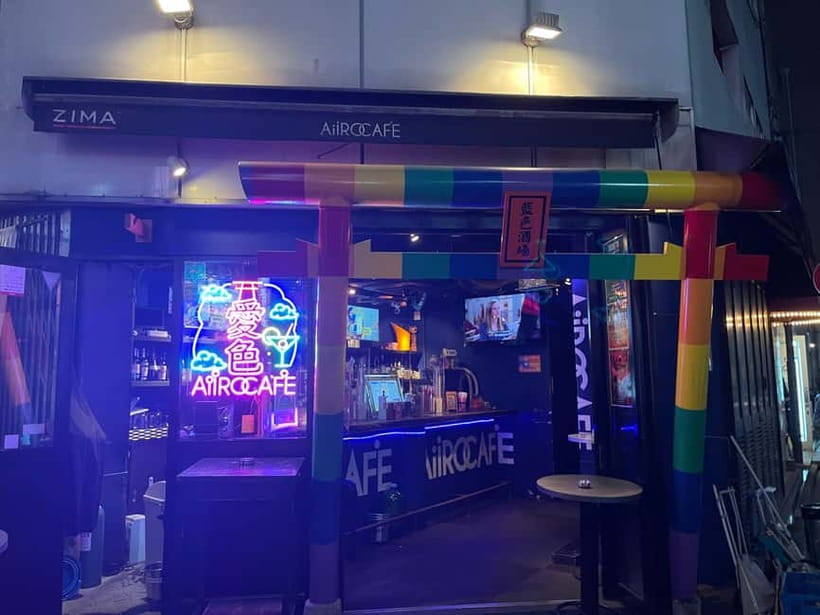
The final listed stop is 2 Chome, with about 20 minutes of guided time. This area is associated with Tokyo’s LGBTQ nightlife and adds another important layer to the evening.
The highlight here is the concentration of neon signs and small nightlife venues. The atmosphere differs from the large-scale entertainment feel of Kabukicho, and the stop helps show that Tokyo’s after-dark culture is not limited to one type of venue or customer.
A guide is especially useful because the area is best understood with care and respect. You’ll learn where the district fits within Shinjuku’s nightlife and receive context rather than just a list of bars. The tour does not include alcohol, and alcohol and drugs are not allowed during the activity.
The route gives you an overview, not a bar crawl. That makes it a sensible choice if you want to see the district and understand its place in Tokyo without committing to a full night out there.
What the guides add to the experience
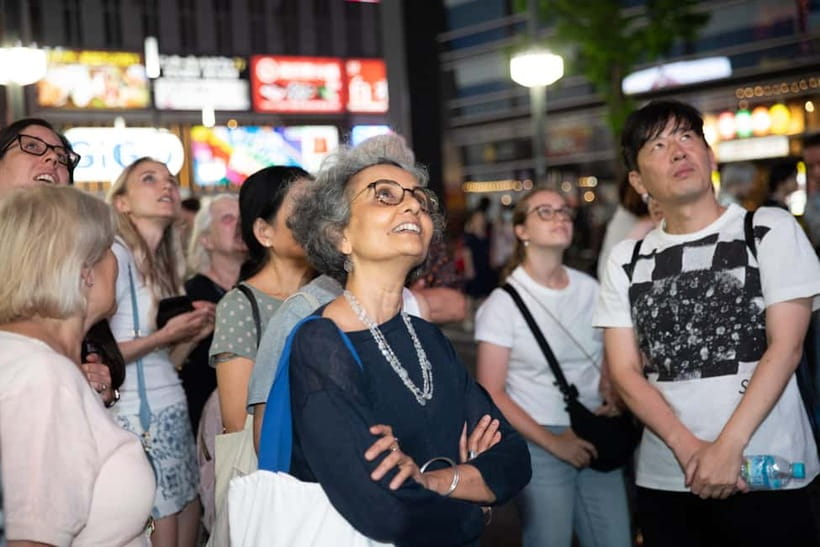
The strongest praise for this tour centers on the guides. The recurring qualities are clear explanations, humor, patience, and practical local advice. That combination matters in Shinjuku, where the streets can be crowded and the subject matter can be unfamiliar.
Dani is frequently described as friendly, outgoing, and good at explaining the area’s wider cultural setting. Gray is praised for humor, strong communication, and answers to many questions. Loc is often singled out as an engaging storyteller who gives useful food advice.
Polina is described as organized, approachable, and good at making the busy district easier to understand. Huy has been praised for clear, relevant information and funny stories. Danny is noted for thoughtful answers, excellent English, and a professional but relaxed manner.
One particularly useful feature is the food guidance after the walk. Suggestions have included ramen, okonomiyaki, and other places to eat. I would write down recommendations as you go. A good restaurant tip can be worth a surprising part of the tour price, especially when you are tired and surrounded by hundreds of choices.
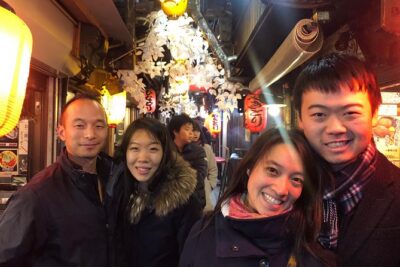
The group may also create a social evening, with people from several countries walking together. That is not the main reason to book, but it can make the two hours more enjoyable. Group size is not fixed in the supplied information. One past group had seven people, while other departures may differ.
Is two hours enough for Shinjuku?
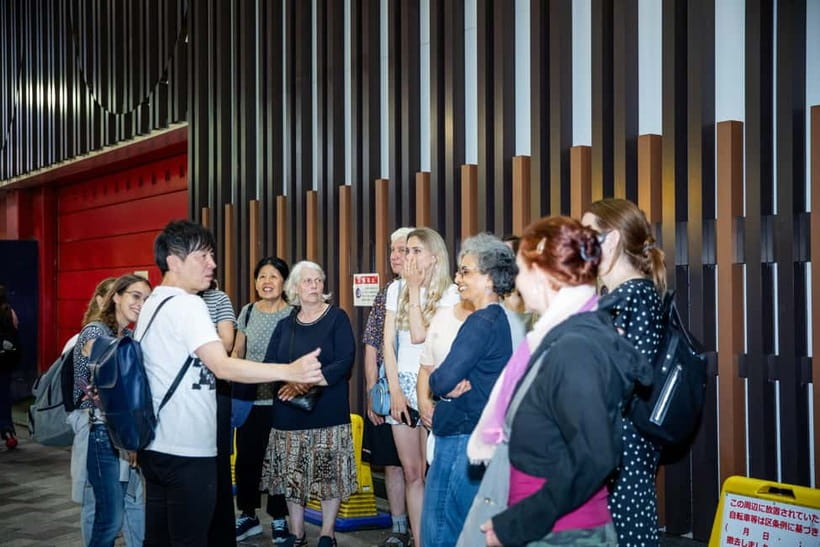
Two hours is enough for an introduction, not a complete study of Shinjuku. The route covers several districts, with the longest explanation in Kabukicho and roughly 20 minutes at each of the other major stops.
That pace works well if this is your first evening in the area. You’ll learn the basic layout, see streets you might skip on your own, and finish with a better idea of where to return. It also leaves time for dinner or drinks afterward.
The tradeoff is that stops are fairly short. You may want more time for photographs, shrine details, or browsing food alleys. The guide must keep moving to cover the route, so use the walk as an orientation rather than expecting long free periods.
Some departures have lasted around two and a half hours according to individual accounts, but the stated duration is two hours. Plan your evening around the official time and treat any extra time as a possibility, not a promise.
The $29 price and what you receive
At $29 per person, this is a reasonably priced guided introduction to one of Tokyo’s most confusing nightlife districts. You receive a live guide, a two-hour walking route, cultural explanation, local history, and food suggestions. There is no meal, drink, or transport included.
I see the best value for first-time Tokyo visitors. If you have never visited Shinjuku, the route gives you a useful starting map and helps you understand what you are seeing. The price is also modest compared with booking a longer private tour.
If you already know Kabukicho, Golden Gai, and 2 Chome well, the route may feel basic. You could explore independently, but you would lose the explanations about the district’s past, nightlife customs, and social context. The decision depends on whether you want context or simply street photography.
Flexible booking adds practical value. You can reserve now and pay later, and cancellation is free up to 24 hours in advance for a full refund. Check the exact starting time and meeting location before payment.
Who should book this evening walk?
I would recommend it to adults visiting Tokyo for the first time, solo travelers who want a safe-feeling introduction to the area, and couples or friends who prefer culture and conversation to a formal bar crawl.
It suits you especially well if you want:
- A guided look at Tokyo’s adult entertainment districts
- Background on Japanese nightlife and social customs
- Restaurant and ramen suggestions for later
- A mix of old lanes, neon streets, a shrine, and an LGBTQ district
- An easy first-night activity that helps you get your bearings
It is less suitable for children, anyone under 18, or people seeking a quiet sightseeing walk. It is also not the right choice if you want included food, drinks, or entry into nightlife venues.
Wear comfortable shoes. The route is entirely on foot, and crowded station areas and narrow lanes are easier to handle when you are not worrying about your feet. Bring a phone with the meeting instructions visible, and arrive early.
Final verdict: a smart first look at Shinjuku nightlife
Book this tour if you want Shinjuku explained rather than simply photographed. For $29, you get a compact route through several distinct neighborhoods, plus the kind of cultural and food advice that can shape the rest of your Tokyo stay.
The best reason to go is the range of the route. Omoide Yokocho, Kabukicho, Golden Gai, Hanazono Shrine, and 2 Chome each show a different side of the district. The main caution is the crowded meeting point and the short time at each stop.
I would choose it for your first or second night in Tokyo, then use the guide’s suggestions to return to the places that catch your interest. Arrive early, confirm the meeting point, expect an adult subject, and you’ll have a practical introduction to Shinjuku after dark.
FAQ
How long does the Tokyo Shinjuku Red Light Walking Tour last?
The stated duration is two hours. Availability varies by departure, so check the available starting times when booking.
Where does the tour meet?
The meeting point depends on the option booked. Possible starting locations are the Shinjuku Tourist Information Center and the Shinjuku Station East Exit Police Box.
Which languages are available?
The tour has live guides in English and Spanish.
Is the tour suitable for children?
No. The activity is not suitable for children under 18 years old.
What places does the walking tour visit?
The route includes the Shinjuku Station East Exit Police Box, Omoide Yokocho, Kabukicho, Golden Gai, Hanazono Shrine, and 2 Chome. Possible drop-off points are Shinjuku Golden-Gai and 3 Chome.
Can I cancel the booking?
Yes. You can cancel up to 24 hours in advance for a full refund. The activity also offers reserve-now-and-pay-later booking.
More Walking Tours in Tokyo
More Shinjuku Tours in Tokyo

More tours in Tokyo we've reviewed












Shinjuku Tours, compared.
 ★ 5.0Tokyo: Shinjuku Food Tour (13 Dishes at 4 Local Eateries)From $86
 ★ 5.0Tokyo Bar Hopping Tour in Shinjuku (All-You-Can-Drink + Dinner)From $106
 ★ 4.9Tokyo: Shinjuku Local Bar and Izakaya Guided Walking TourFrom $343 hours
 ★ 4.9Tokyo: Shinjuku Food Tour (13 Dishes and 4 Eateries)From $97
 ★ 5.0Tokyo Night Foodie Tour in Shinjuku – Seasonal Sushi, Wagyu BeefFrom $111
 ★ 5.0Tokyo: Shinjuku Local Bar & Izakaya Crawl TourFrom $39