Reviewed · MT FUJI DAY TRIPS
Tokyo: Mount Fuji Tour and Hakone Sakura Cherry Blossom Trip
Mount Fuji is the star here, but the real strength of this day is the range of viewpoints. You go from the mountain’s 5th Station to spring-fed ponds, a lakeside park, a shrine, an ice cave, and the famous pagoda view at Arakurayama Sengen Park. It is a lot of Japan in one long outing.
In This Article
- Key points at a glance
- Why this Fuji day trip works from Tokyo
- Reaching Mt. Fuji’s 5th Station
- Oshino Hakkai and its eight spring ponds
- Kitaguchi Hongu Fuji Sengen Shrine
- Inside Narusawa Ice Cave
- Lake Kawaguchi and Oishi Park
- Arakurayama Sengen Park and the pagoda view
- How the long schedule feels in practice
- What the $416 price really buys
- Who should book this private Fuji tour
- Should you book it?
- FAQ
- How long is the Mt. Fuji tour?
- Where does pickup take place?
- Is this a private tour?
- What languages are available?
- Is transportation included?
- Is Wi-Fi available during the tour?
- Is the tour wheelchair accessible?
- How cold is Mt. Fuji’s 5th Station?
- What should I bring?
- Can I cancel the tour for a refund?
I like the private group format, especially for up to six people sharing the $416 price. I also like the guide-led transport from Tokyo, since reaching all these Fuji-area stops independently would take more planning and several separate connections.
The tradeoff is time. Ten hours sounds generous, but this route has many stops, and traffic or weather can affect the day. The tour description also uses the words Hakone and cherry blossom, while the detailed route centers on the Fuji Five Lakes area and does not confirm a separate Hakone stop or guaranteed blossoms.
Key points at a glance
- A full Fuji-area route: Visit the 5th Station, Oshino Hakkai, Lake Kawaguchi, Oishi Park, a shrine, an ice cave, and Arakurayama Sengen Park.
- Private pickup in Tokyo: Send your location after booking and arrange pickup anywhere in Tokyo or nearby.
- Strong photo opportunities: The 5th Station, Chureito Pagoda area, Oishi Park, and Lake Kawaguchi each offer a different view of Mt. Fuji.
- A flexible guide experience: Guides named Ali and Efi have been praised for adjusting the day, helping with photos, and assisting with meal choices.
- A long but useful day: The 10-hour schedule works best if you want broad coverage rather than a slow, unhurried visit to one place.
- Good value for a group: At full capacity, the $416 cost works out to about $69 per person before any personal spending.
Why this Fuji day trip works from Tokyo
A Mount Fuji day trip from Tokyo can be awkward to organize. The mountain is outside the city, and the sights around it are spread between different towns and lakes. This tour solves that problem with a private vehicle, a guide, and a route that links several well-known places in one day.
You begin with pickup in Tokyo, with Shinjuku Station listed as the meeting point and the option to send your location to the driver anywhere in Tokyo or nearby after making the reservation. That flexibility matters if you are staying away from Shinjuku or traveling with a group carrying shopping bags and day packs.
The vehicle is air-conditioned and includes free Wi-Fi and drinks. The practical value is simple: you can rest between stops instead of working out train changes, bus schedules, and local connections. You also have a guide available in English or Japanese.
The group is private, with space for up to six people. For six, $416 is a reasonable shared cost for a full day of private transport and guiding. For two people, the per-person price is much higher, so the tour makes the most financial sense for families or friends who can fill most of the vehicle.
A few more Tokyo tours and experiences worth a look
Reaching Mt. Fuji’s 5th Station
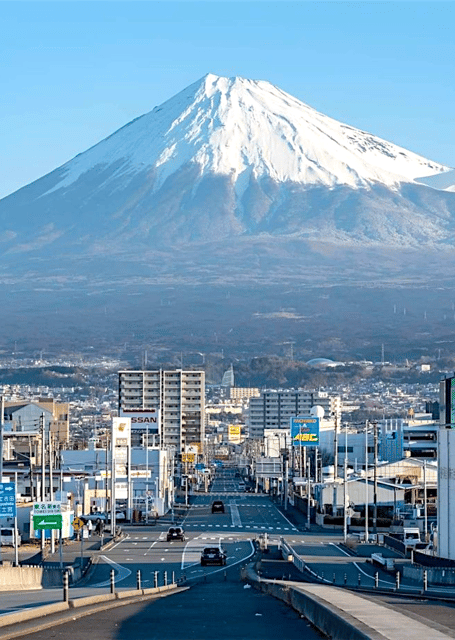
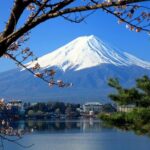
The first major stop is Mount Fuji, with about two hours listed for the visit. The 5th Station sits partway up the mountain and gives you a high viewpoint over the surrounding area. It is not the summit, but it is one of the most accessible places on a standard sightseeing day to feel close to the mountain itself.
I would treat this as the day’s main weather-dependent moment. Mt. Fuji can hide behind cloud, even when the rest of the area looks clear. The tour specifically warns that the 5th Station can be quite cold, so bring layers rather than relying on Tokyo’s temperature.
You will want comfortable shoes, a camera, and water. The day includes a moderate amount of walking, and the changing elevation and weather make a raincoat or umbrella sensible. If the mountain is visible, this stop gives you the classic Fuji setting. If cloud covers the peak, the rest of the route still offers other viewpoints.
Oshino Hakkai and its eight spring ponds
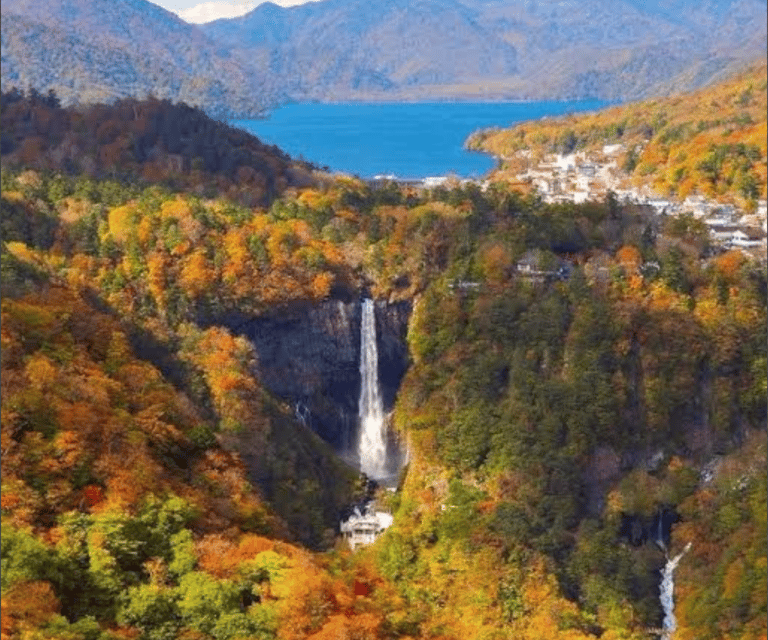
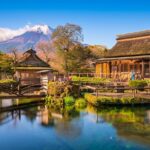
Oshino Hakkai is scheduled for about an hour and is described as a small village at the foot of Mt. Fuji. Its main feature is a group of eight ponds fed by snowmelt from the mountain.
This is a different kind of Fuji stop. At the 5th Station, you look up toward the mountain. At Oshino Hakkai, you focus on clear spring water, village scenery, and the connection between the mountain’s snow and the water below.
The stop is also listed for shopping, so you will have a chance to browse local goods and food. One person specifically enjoyed the food at the first stop, describing it as flavorful and delicious. Since the schedule allows only about an hour, I would keep your shopping focused and avoid letting this stop eat into the later viewpoints.
Kitaguchi Hongu Fuji Sengen Shrine
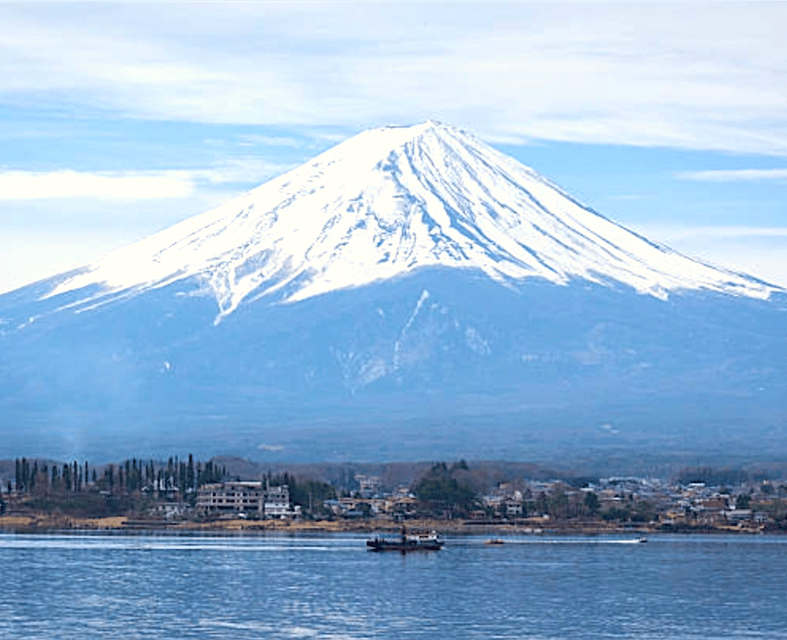
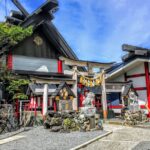
The route then allows about two hours at Kitaguchi Hongu Fuji Sengen Shrine. This historic shrine sits at the base of Mt. Fuji and adds a quieter, more traditional setting to a day otherwise built around scenic stops.
The shrine is a good counterpoint to the commercial side of a popular mountain day trip. You can slow down, look at the buildings and grounds, and take a break from constant photo hunting. A past booking note praised the temples and shrines for being calm and beautiful, which fits the role this stop plays in the itinerary.
Two hours is a substantial allocation. That gives the guide room to adapt the pace, but it also means you should ask how the time will be used if you prefer more time at the lake or pagoda. The private format helps here. Guides Ali and Efi have been singled out for shaping the day around personal preferences, helping with decisions, and making sure the group enjoyed the stops.
Inside Narusawa Ice Cave
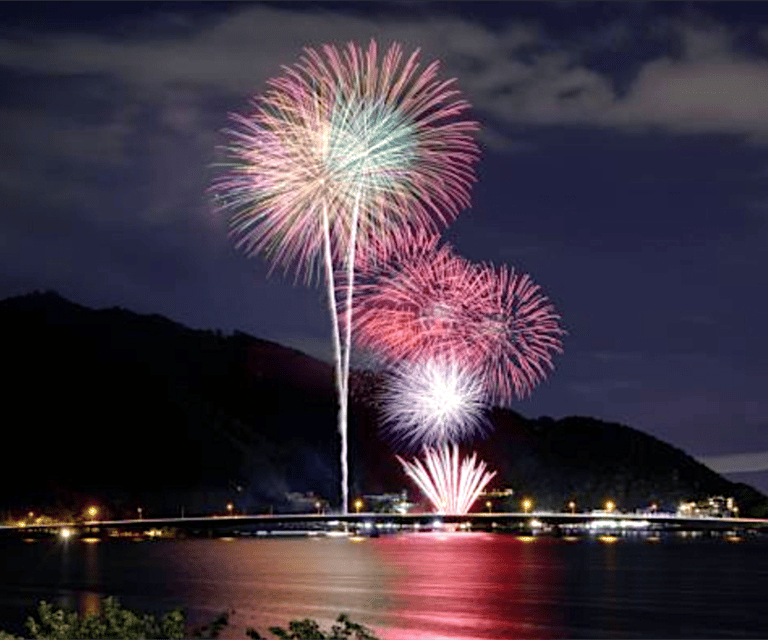
Narusawa Ice Cave receives about an hour and a half. It is one of the more unusual stops because it takes you below ground, away from the open views that dominate the rest of the trip.
The cave adds variety to the day. You are not simply moving from one lookout to another, and the cooler underground setting can be a welcome change after time in the sun. At the same time, cave visits are not ideal for every person, so ask your guide about the walking conditions if anyone in your group has mobility concerns.
The tour is described as wheelchair accessible, but the itinerary also warns of moderate walking. Those two details can both be true, yet the exact ease of each stop can vary. If accessibility is important for your group, confirm how the cave and each walking area will work before departure.
A few more Tokyo tours and experiences worth a look
Lake Kawaguchi and Oishi Park
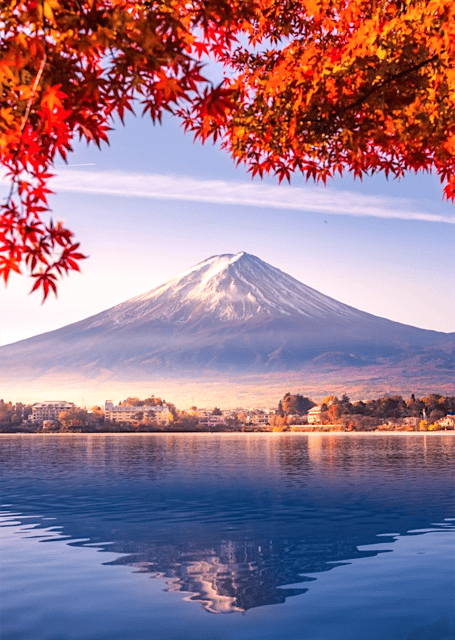
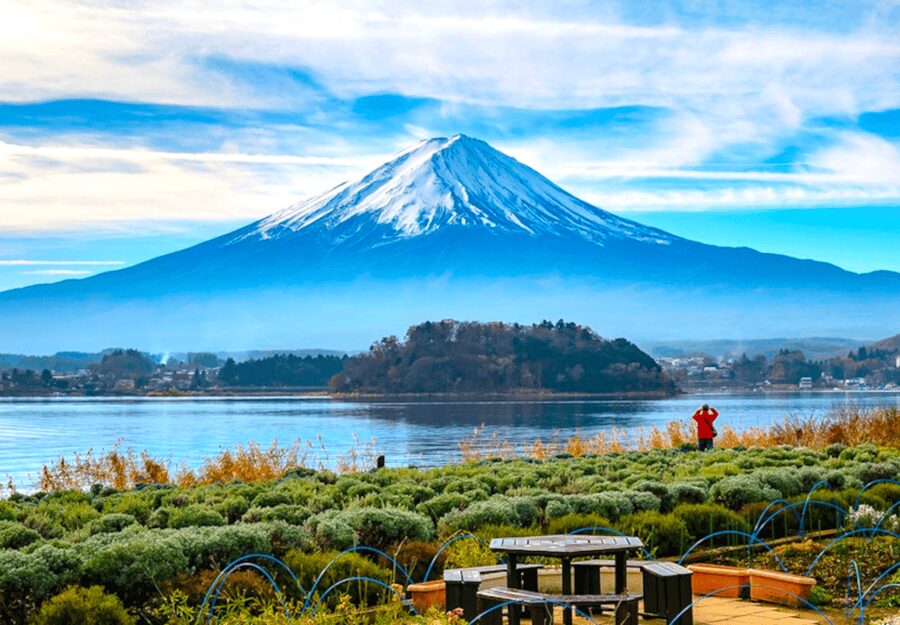
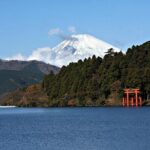
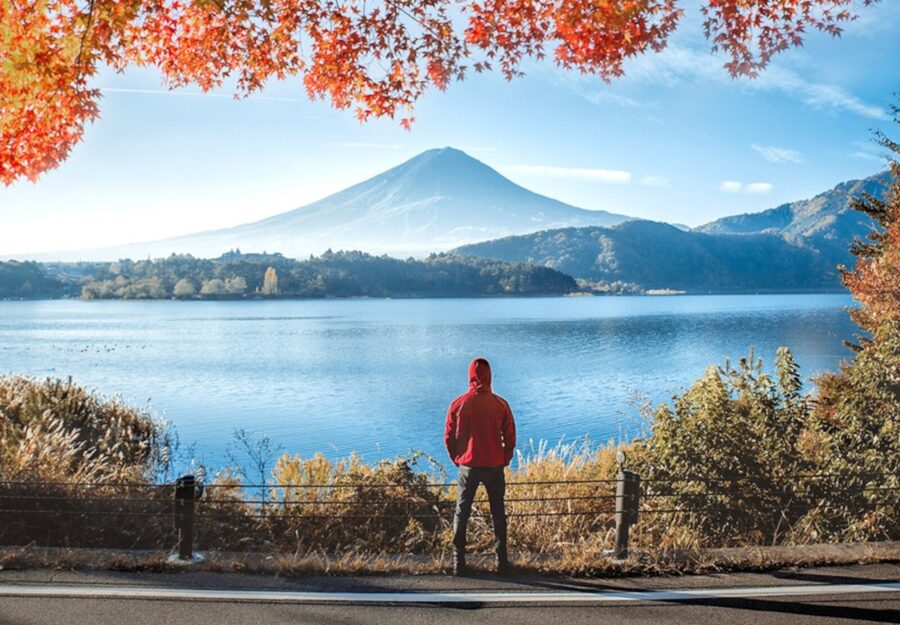
Lake Kawaguchi is one of the Fuji Five Lakes and receives about an hour. The lake offers a broad, open view of Mt. Fuji from a lower elevation, giving you a different composition from the mountain station and village.
A lakeside walk is the point here. You can enjoy the water, the mountain in the distance, and a less enclosed setting after the shrine and cave. The hour is enough for a look and some photographs, but not for a slow exploration of the entire shoreline.
Oishi Park follows with another hour for a break and free time. The park is one of the better places on this route for combining flowers, open space, and Fuji views when conditions cooperate. A person who enjoyed this trip especially liked the flower gardens and the matcha-peach ice cream, so that flavor is worth seeking if it is available during your visit.
The timing of flowers matters. The tour title mentions cherry blossoms, but no blossom dates or guarantee are provided. Seasonal displays can change with weather, and Mt. Fuji itself may be hidden by cloud. Book this for the collection of Fuji-area sights, not for a promise of one exact flower view.
Arakurayama Sengen Park and the pagoda view
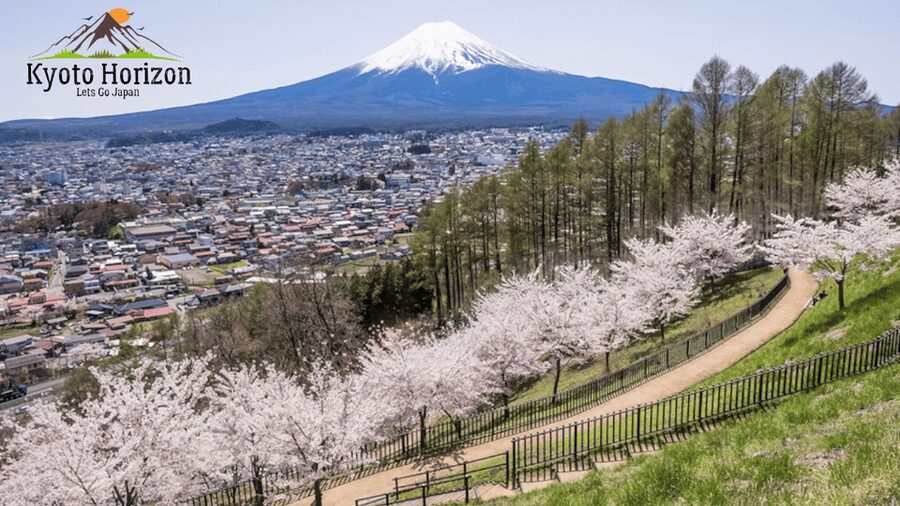
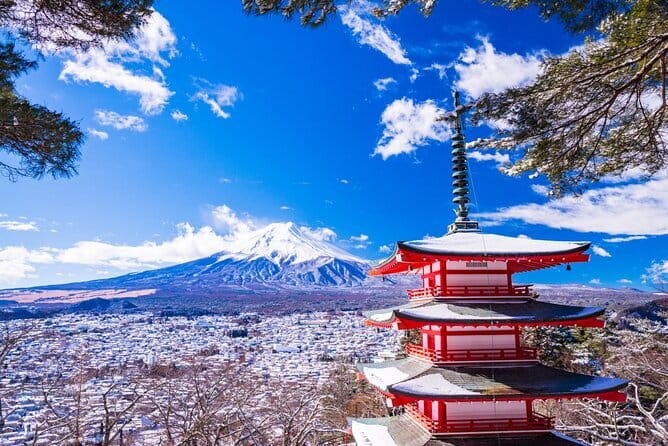
The final major sightseeing stop is Arakurayama Sengen Park, with about two hours for walking. The trip description also highlights Chureito Pagoda, a five-story pagoda on a hilltop with a panoramic Fuji view. The park and pagoda are the classic image-making portion of the day.
This is likely to be the most memorable stop for anyone who wants the familiar combination of red pagoda, mountain, and seasonal color. It is also the part of the day where comfortable shoes matter most, since the schedule calls for a walk and gives the stop a full two hours.
Do not assume the famous view will appear on demand. Cloud, rain, and seasonal conditions can change the scene. Still, even without a perfect Fuji backdrop, the elevated park setting gives you a strong final viewpoint and a chance to take photos at your own pace.
The guides’ help with photographs is a genuine advantage here. Efi has been praised for taking photos, opening doors, helping with food choices, and assisting with plans during the day. That kind of hands-on help can be useful at a crowded scenic site, particularly if your group wants photos together rather than a quick snapshot from one person’s phone.
How the long schedule feels in practice
The listed stops add up to a demanding day. You have two hours at the mountain, one hour at Oshino Hakkai, two hours at the shrine, ninety minutes at the ice cave, an hour at Lake Kawaguchi, an hour at Oishi Park, and two hours at Arakurayama Sengen Park, plus driving and pickup.
That is why I would not book this expecting a relaxed retreat. You are choosing breadth. The reward is seeing many sides of the Fuji area in one outing. The cost is that some stops may feel brief, and a long road day can become tiring.
Traffic is another consideration. The return to Tokyo is scheduled after the final park visit, but road conditions can affect the actual arrival time. Keep your evening plans flexible, especially if you have a timed dinner, theater ticket, or train connection.
The private vehicle makes the schedule easier to manage than a public group tour. You can ask questions, adjust your pace within reason, and tell the guide which stops matter most. Still, the tour cannot control mountain weather or Tokyo-area traffic.
What the $416 price really buys
The headline price is $416 per private group of up to six. That is not a cheap solo excursion, but it can be good value for a full group. Six people sharing the cost pay roughly $69 each, while a pair pays about $208 each.
Included are the English-speaking guide, air-conditioned coach transport, free Wi-Fi, and drinks. You should still plan for personal food and shopping costs, since the itinerary includes a shopping stop and free time at Oishi Park.
The strongest value is convenience. You are not paying only to look at Mt. Fuji. You are paying to connect a difficult set of sights from Tokyo in one day, with a guide who can help with photos, food decisions, and day-to-day choices.
For a couple, the price may be hard to justify unless private transport and flexible pickup are top priorities. For a family or group of friends, especially six people, it becomes much more attractive.
Who should book this private Fuji tour
I would recommend it to you if you want to see many famous Fuji-area locations without renting a car or arranging local buses. It is especially suitable for groups that value a private vehicle, hotel-area pickup flexibility, and help with photographs.
It also suits first-time visitors who want a clear introduction to the area. The route covers nature, a shrine, village ponds, a cave, a lake, a park, and the pagoda viewpoint. You get a broad sense of the region rather than a single scenic stop.
You should think twice if you want a quiet, slow day with long meals and unhurried walks. The schedule is packed, and the trip requires comfortable shoes and flexibility around weather. The advertised reference to Hakone should also be clarified before booking, since the detailed stop list names Fuji-area locations and does not confirm a separate Hakone visit.
Cancellation is flexible up to 24 hours before departure for a full refund, and you can reserve now and pay later. Those terms help if your Tokyo plans are still changing.
Should you book it?
Book this tour if your priority is efficient sightseeing around Mt. Fuji, especially with five or six people sharing the cost. The best reasons are the private transport, the wide range of stops, and the guide support offered by people such as Ali and Efi, who can help tailor the day and take group photos.
Skip it if you want guaranteed cherry blossoms, a confirmed Hakone itinerary, or a slow exploration of just one lake or shrine. Before paying, confirm the exact route for your date, then dress for cold conditions at the 5th Station, bring water and rain protection, and keep your evening free for a potentially long return to Tokyo.
FAQ
How long is the Mt. Fuji tour?
The tour lasts 10 hours, including pickup from Tokyo and the return journey.
Where does pickup take place?
Shinjuku Station is listed as the pickup location. After making a reservation, you can send your location to the driver anywhere in Tokyo or nearby.
Is this a private tour?
Yes. It is a private group experience for up to six people.
What languages are available?
The guide service is available in English and Japanese.
Is transportation included?
Yes. Transport by air-conditioned coach is included.
Is Wi-Fi available during the tour?
Yes. Free Wi-Fi is included in the transport.
Is the tour wheelchair accessible?
The activity is listed as wheelchair accessible. It also includes a moderate amount of walking, so confirm the practical details of each stop if accessibility is important for your group.
How cold is Mt. Fuji’s 5th Station?
The exact temperature depends on the day, but the tour warns that the 5th Station can be quite cold. Check the forecast and bring suitable layers.
What should I bring?
Wear comfortable shoes, carry water, and bring a camera. A raincoat or umbrella is also sensible because weather can change.
Can I cancel the tour for a refund?
You can cancel up to 24 hours in advance for a full refund. You can also reserve now and pay later.
More Hakone Day Trips in Tokyo
More Mt Fuji Day Trips in Tokyo

More tours in Tokyo we've reviewed












Mt Fuji Day Trips, compared.
 ★ 5.0Mt Fuji and Hakone 1-Day Bus Tour Return by Bullet TrainFrom $163
 ★ 4.0Mt Fuji & Hakone Cruise, Drum Show Bullet Train 1 Day from TokyoFrom $149
 ★ 4.4Tokyo Mt Fuji 5th St & Hakone Cruise Bus Tour w/Bullet TrainFrom $15410 hours
 ★ 4.5From Tokyo: Mount Fuji Full-Day Sightseeing TripFrom $6810 hours
 ★ 4.7Tokyo: Mt. Fuji Tour, Hakone Ropeway, Owakudani, Lake AshiFrom $5410 hours
 ★ 4.4Tokyo:Mt.Fuji,Kawaguchiko Oishi Park,Arakurayama Sengen ParkFrom $5410 hours