Reviewed · MT FUJI DAY TRIPS
From Tokyo: Mt. Fuji & Hakone Tour w/ Return by Bullet Train
Mt. Fuji and Hakone make a natural pair, but fitting both into one day by public transport is a puzzle. This 11-hour coach tour solves it neatly, taking you from Shinjuku to Fuji’s 5th Station, across volcanic Owakudani by ropeway, onto Lake Ashi, and back toward Tokyo by bullet train.
In This Article
- Key points at a glance
- Why this Mt. Fuji and Hakone tour works
- The 2.5-hour ride from Shinjuku
- Mt. Fuji’s 5th Station at 2,300 meters
- Japanese hot pot and buffet lunch
- Owakudani and the Hakone Ropeway
- Lake Ashi and the decorated Pirate Ship
- The Shinkansen from Odawara to Tokyo
- How much time do you really get?
- Who will enjoy this day most?
- Small tips that make the day better
- Should you book this Mt. Fuji and Hakone tour?
- FAQ
- Where does the tour meet in Tokyo?
- How long is the tour?
- Does the tour always reach Mt. Fuji’s 5th Station?
- Is Mt. Fuji guaranteed to be visible?
- Is lunch included?
- Is the bullet train seat reserved?
- Can wheelchair users join the tour?
I especially like the Shinkansen return, which turns a long day into a memorable finale, and the mix of mountain, volcano, cable car, lake, and local food. The catch is simple: the day is tightly packed, and Mt. Fuji may vanish behind clouds, fog, or rain.
Key points at a glance
- Mt. Fuji’s 5th Station: Reach about 2,300 meters by road, weather permitting, with time for the Komitake Shrine and souvenirs.
- Owakudani by ropeway: Watch the terrain change as you cross an active volcanic area, with sulphur vents and famous black eggs.
- Lake Ashi cruise: Ride the decorated Hakone Pirate Ship and look for Fuji from the deck.
- Optional Japanese lunch: Choose the lunch option for hot pot and a half buffet, though the meal may not suit every palate.
- Bullet train finish: Board a non-reserved Shinkansen from Odawara, with the ride to Tokyo taking about 34 minutes.
- Strong guiding: Guides including Yumi, Happy, Ai, Hide, and Yoko have been praised for warmth, organization, and useful local stories.
Why this Mt. Fuji and Hakone tour works
At $117 per person, this is a lot of Japan in one day. You are not paying only for a view of Fuji. The price covers an air-conditioned bus, a live guide, the Hakone Ropeway, the Lake Ashi cruise, and a Shinkansen ticket back to Tokyo. Lunch is included only if you select that option.
That bundle matters. Hakone’s transport connections can be confusing, and Mt. Fuji’s popular stops sit far from central Tokyo. I like having the long outward journey handled by bus, then finishing with a fast train instead of repeating the road trip in evening traffic.
This suits you best if you have limited time in Tokyo and want a broad taste of the Fuji and Hakone area. It is less suitable if you want a slow mountain day, long photo sessions, or a serious hike. The stops can last only 20 to 45 minutes, and traffic can force changes.
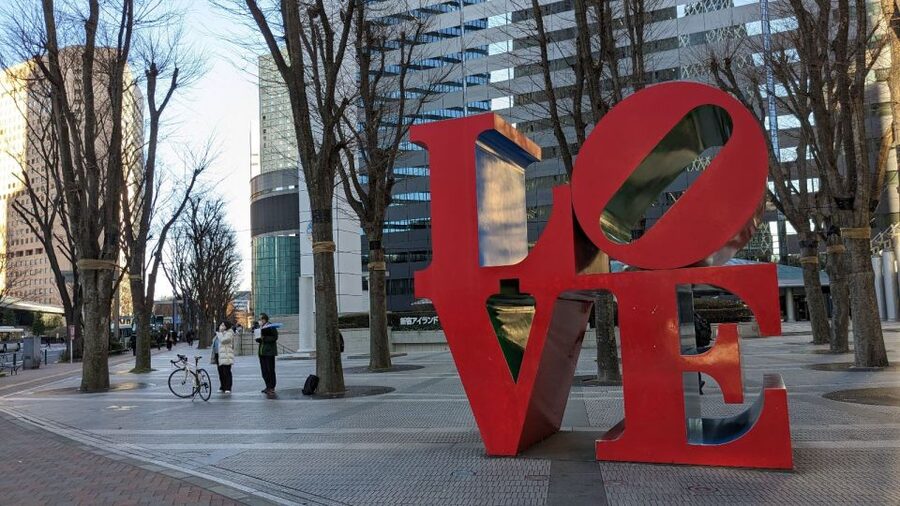
The meeting point is beside the Nishi Shinjuku LOVE sculpture outside the Shinjuku i-Land building. Arrive early. Several tours may gather nearby, and arriving late means you cannot join the group partway through.
A few more Tokyo tours and experiences worth a look
The 2.5-hour ride from Shinjuku
The first leg is a long coach journey, roughly two and a half hours to the Mt. Fuji area. That sounds tiring, but it is also what makes the day possible. You can sit back while the guide sets the scene and gives information about Japan, Fuji, and the places ahead.
Guides have made a real difference on this route. Happy has been praised for keeping the mood upbeat and handling the schedule firmly. Sachi-san has shared personal stories, while guides such as Ai, Yoko, Ken, and Hide have been singled out for clear explanations and good humor. One guide even sang briefly during the ride, which may or may not be your preferred form of transportation entertainment.
The coach ride can feel long in heavy Tokyo traffic. One practical advantage is that your return does not repeat it. After Hakone, you go to Odawara Station and take the Shinkansen independently.
Mt. Fuji’s 5th Station at 2,300 meters
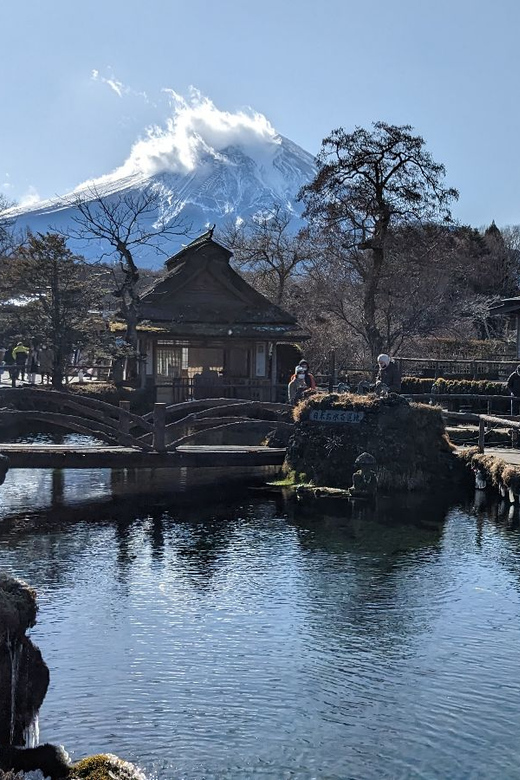
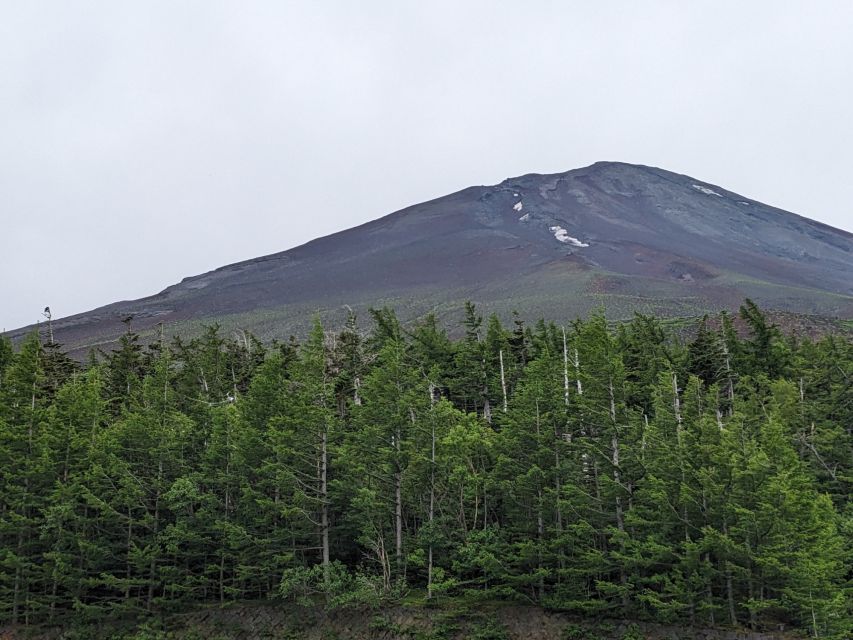
The Subaru Line leads up to Mt. Fuji’s 5th Station, the highest point this tour normally reaches by road. At roughly 2,300 meters above sea level, you are much closer to the summit than at the usual lakeside viewpoints, though you are not climbing the mountain.
This is a good place to look for the peak, visit Komitake Shrine, and browse for Fuji-themed souvenirs. The air and light can feel quite different from Tokyo, so bring comfortable shoes and an extra layer if you have one. The stop is also a useful reminder that Fuji is a real mountain, not just a postcard image.
The view is never guaranteed. Cloud, humidity, fog, rain, and road conditions can block the summit or prevent the bus from reaching the 5th Station. If the road is closed or conditions are poor, the guide takes you to the highest safe point available or changes the stop.
That flexibility protects the schedule, but it also means you should not book this as a guaranteed Fuji photograph. There are no weather refunds. On clear days, the reward can be superb. On cloudy days, simply reaching the mountain area can still feel worthwhile, but your expectations should be realistic.
Time here may feel short if Fuji appears. You might want to take photographs, visit the shrine, shop, and enjoy the view all at once. Keep an eye on the meeting time.
Japanese hot pot and buffet lunch
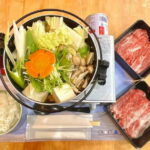
The optional lunch usually combines a Japanese hot pot with a half buffet. This gives you a chance to try several small dishes rather than committing to one unfamiliar plate, and it is one of the more useful parts of the day for first-time visitors to Japan.
The meal has received mixed personal reactions. Some people have found it excellent and more generous than expected. Others have liked the rice and fried chicken but not the hot pot or other Japanese selections. One useful point: drinks are not included, though water is available, so budget for a soft drink if you want one.
Tell the operator about food restrictions when booking. The supplied information says the restaurant can make arrangements, but you should not wait until you are sitting down to mention a serious allergy or dietary need.
If you skip the lunch option, the tour still visits the same main sights. The paid lunch is best for convenience, especially since the schedule leaves little time to search for food independently.
Owakudani and the Hakone Ropeway
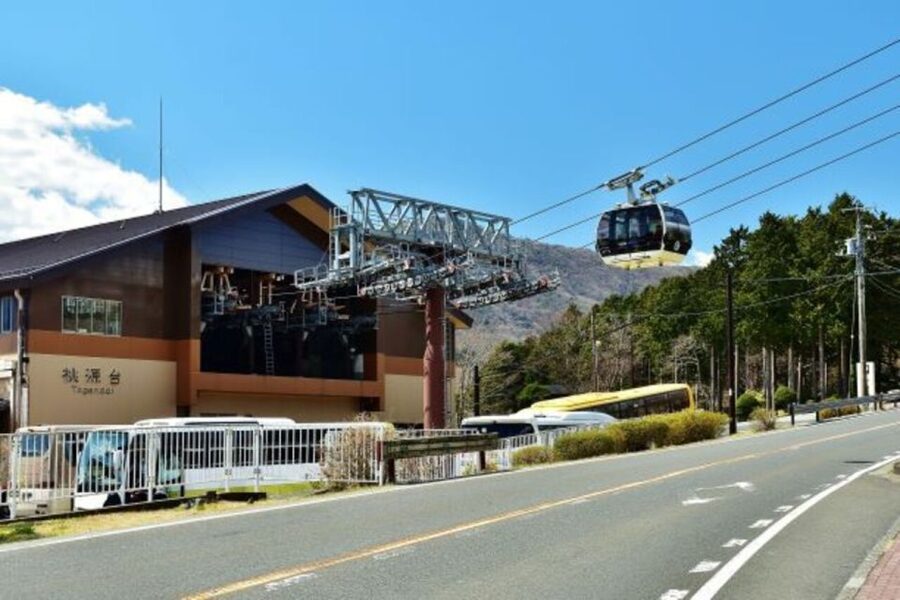
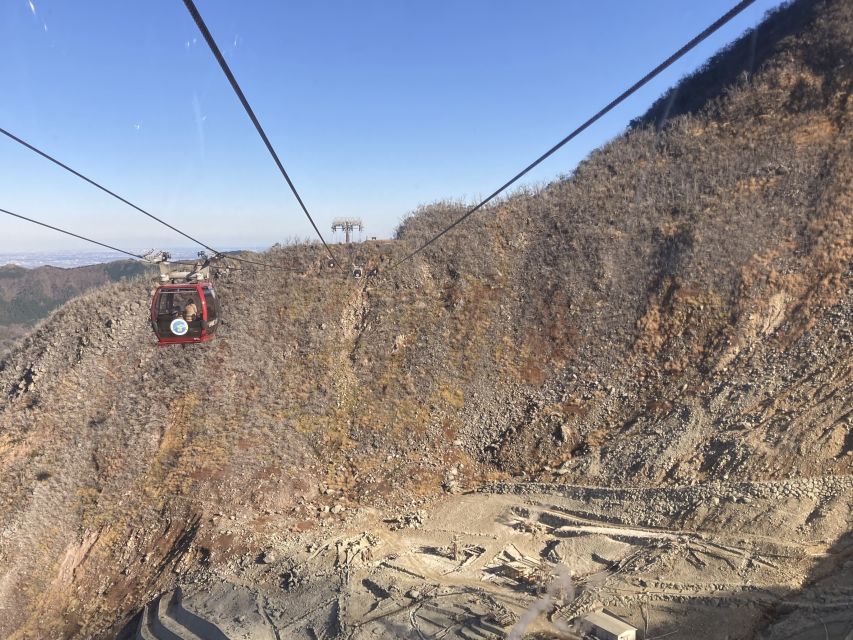
After lunch, the tour reaches Hakone’s volcanic Owakudani area by ropeway. This is one of the day’s most distinctive experiences. The gondola carries you above a rugged volcanic zone where sulphur gases rise from the ground and the colors and textures change with elevation.
The ride is not just transportation. It gives you a moving view of the valley and the volcanic activity below. If you dislike heights, know this in advance. The gondola can feel exposed, though one hesitant rider found it enjoyable once aboard.
At Owakudani, you can buy the famous black eggs. They are boiled in sulphur-heated water, which darkens the shells. The eggs cost extra, but they are an easy local snack and a memorable souvenir.
The air may smell strongly of sulphur, depending on conditions. Ropeway operations can also stop because of weather or volcanic activity. If that happens, the itinerary may switch to Komagatake Ropeway, the Mt. Fuji Panoramic Ropeway, Mishima Skywalk, Narukawa Art Museum, Hakone Checkpoint, Hakone Shrine, or another Lake Ashi cruise option.
These alternatives are not identical to Owakudani, but they keep the Hakone portion moving when the main ropeway is unavailable.
A few more Tokyo tours and experiences worth a look
Lake Ashi and the decorated Pirate Ship
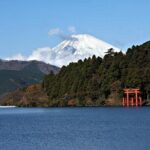
The next stage is a cruise on Lake Ashi, Hakone’s large volcanic lake. The boat adds a welcome change of pace after the coach and cable car. Find a spot outside if the weather is good, then look toward the mountain for a Fuji view.
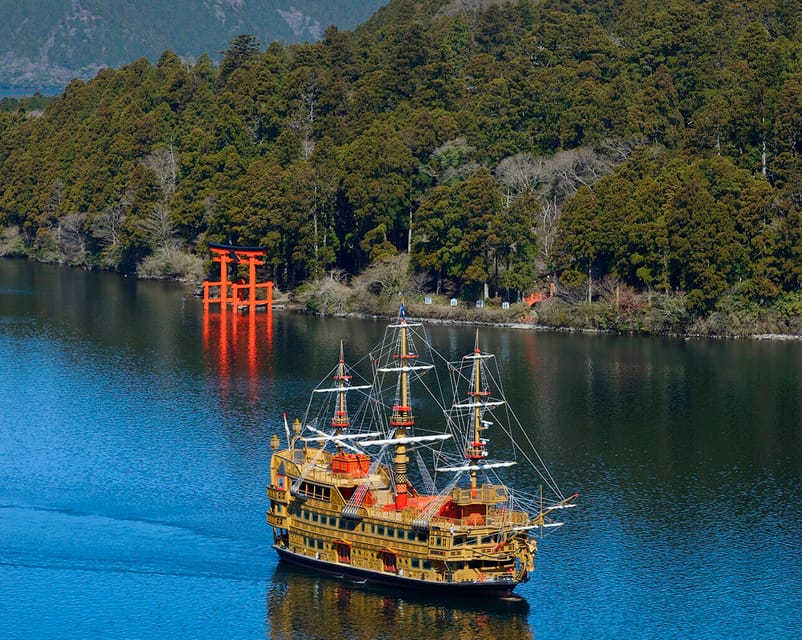
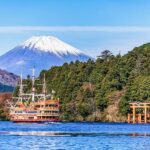
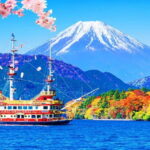
The boat used on this route is the Hakone Pirate Ship, an ornate sightseeing vessel with elaborate decoration. It is more theatrical than a plain commuter ferry, and the design makes the ride particularly appealing for families and anyone who enjoys unusual transport.
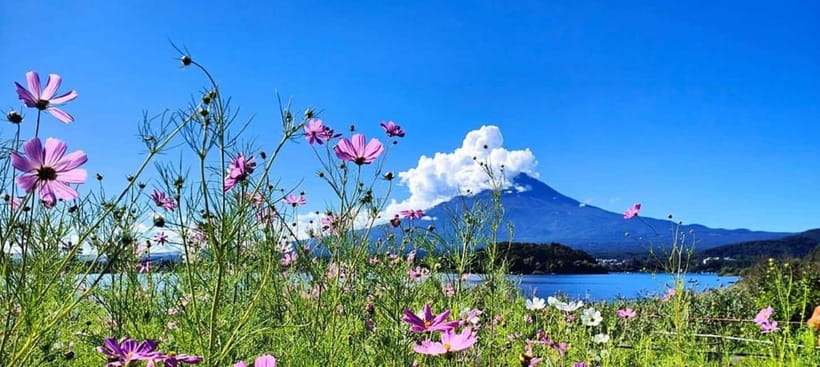
Fuji is visible only when the air cooperates. On a clear day, the cruise can bring together the lake, mountain, and surrounding hills in one satisfying view. On a grey day, the boat ride still gives you time to rest, but it will not replace the main Fuji sight.
Food sold aboard can run out quickly. If you want one of the limited cream buns, buy it soon after boarding. Do not assume there will be many snack choices later in the cruise.
The Shinkansen from Odawara to Tokyo
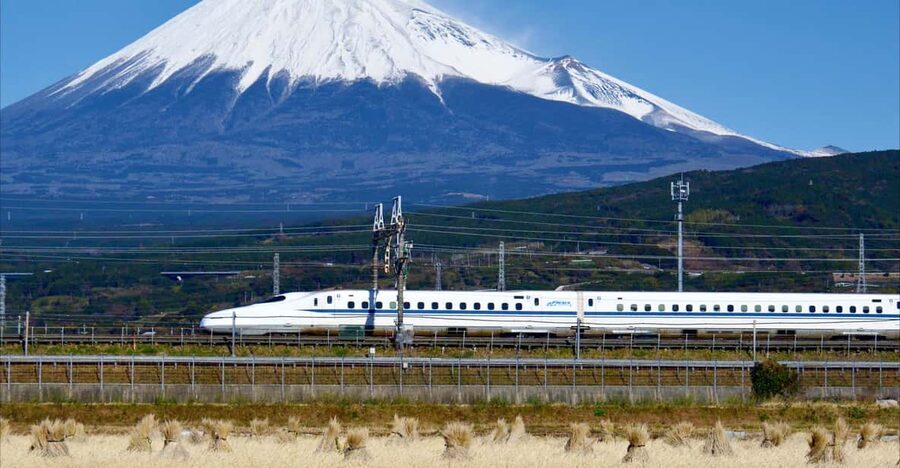
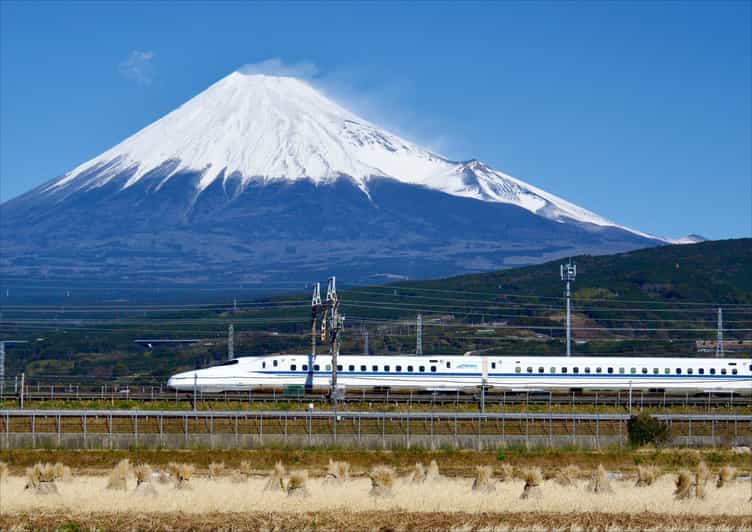
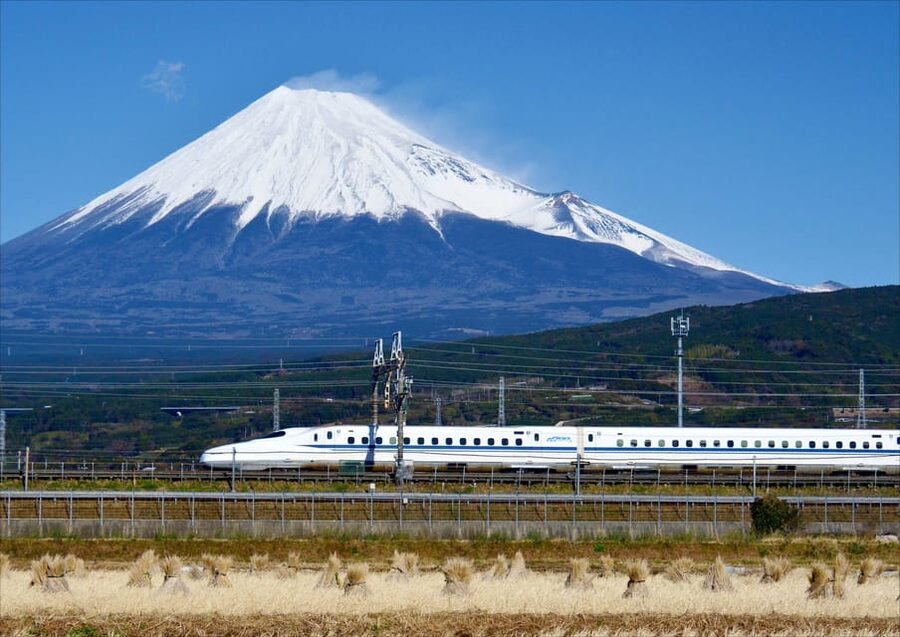
The final move is the tour’s cleverest feature. The bus drops you at Odawara Station, where you board a Shinkansen without the guide. The typical journey to Tokyo takes about 34 minutes, far faster than returning by coach.
Your ticket is for a non-reserved seat. There are usually two trains per hour, and you can use any available non-reserved coach listed for the route. The exact train depends on traffic on the way to Odawara, so the advertised timetable is not a promise.
Listed services include Kodama trains and, at one evening departure, a Hikari service. Timings can change, so follow the instructions given on the day. The guide will take you as far as the station but will not ride with you.
This independent finish is easy for confident rail users, but it is worth paying attention during the station handoff. You are responsible for finding the correct platform and boarding. The clear directions provided by guides make this manageable, and the ticket can also let you get off at Shinagawa, then transfer to the Yamanote Line toward Shinjuku or another stop on that loop.
If you are continuing to Kyoto, the Odawara connection can be useful. One practical note: the Shinkansen ticket is not needed if you already have an active JR Pass. There is also a cheaper return-by-motorcoach version of the same sightseeing plan, but the bus takes longer.
How much time do you really get?
This is a full sightseeing circuit, not a relaxed retreat. The day includes about five major movements: the outward coach ride, the Fuji stop, lunch, the ropeway, the lake cruise, and the transfer to the bullet train.
The short stops keep the route efficient, but they limit freedom. You may have only 20 to 45 minutes at some locations. At the 5th Station in particular, you could wish for more time if the summit is clear.
I would book this when your priority is variety. You see high mountain terrain, a volcanic valley, a lake, Japanese food, and a famous train in one day. I would not book it if your main goal is hiking, photography, or sitting quietly beside Lake Ashi for hours.
The schedule also depends heavily on traffic. Congestion leaving Tokyo can cut into Fuji time or force an alternative stop. The operator can reschedule the route for road and weather conditions, but you do not receive a refund simply because Fuji is hidden.
Who will enjoy this day most?
This outing is a strong match for first-time visitors who want to see beyond Tokyo without planning several complicated train and bus connections. Families can enjoy the cable car, Pirate Ship, and bullet train, while adults with limited holiday time get several major sights in one sweep.
It also works well for people who enjoy being looked after. The guide keeps the group moving, explains what you are seeing, and helps with transfers. The best guides bring local stories and a personal touch. Yumi, for example, has been praised for noticing a birthday and offering a thoughtful gesture when bad weather blocked Fuji.
You should think twice if you are pregnant, since the activity is listed as unsuitable. People using wheelchairs can join, and the sightseeing locations are described as accessible, but the standard buses do not have lifts or ramps. Folding wheelchairs can generally go in the luggage compartment. Electric wheelchairs may not fit because of size and weight limits, so disclose your needs when booking.
Small tips that make the day better
- Wear comfortable shoes. You will move through stations, sightseeing areas, and transport connections all day.
- Arrive early at the LOVE sculpture, and confirm the guide and company before boarding.
- Keep your camera ready at the 5th Station, since clouds can shift quickly.
- Bring a light layer for the higher elevations.
- Tell the operator about food restrictions when you book.
- If you want food on the Pirate Ship, buy it early, since limited items may sell out.
- Listen carefully at Odawara. The guide does not accompany you on the Shinkansen.
- If you have a JR Pass, compare this version with the itinerary that ends at Odawara, since you may not need the included train ticket.
Should you book this Mt. Fuji and Hakone tour?
Book it if you want a high-value day from Tokyo with transport, guiding, Hakone admissions, and a fast train home bundled together. The most praised parts are the friendly guides, smooth drivers, varied stops, and the satisfying Shinkansen finale.
Skip it if you need guaranteed Fuji views or plenty of time at each stop. Weather can erase the mountain, traffic can alter the plan, and the lunch is not universally loved. Still, the ropeway, volcanic valley, lake cruise, and train give the day several strong moments even when Fuji hides.
For most first-time visitors with only one free day, I would choose this version over the longer bus return. The train costs more, but it saves time and ends the outing with one of Japan’s signature rides.
FAQ
Where does the tour meet in Tokyo?
Meet your guide beside the Nishi Shinjuku LOVE sculpture outside the Shinjuku i-Land building. Arrive on time, since late arrivals cannot join the tour midway.
How long is the tour?
The experience lasts about 11 hours. The outward drive to the Mt. Fuji area takes about two and a half hours, while the Shinkansen ride from Odawara to Tokyo typically takes about 34 minutes.
Does the tour always reach Mt. Fuji’s 5th Station?
No. The bus normally goes to the 5th Station at about 2,300 meters, but bad weather, road accidents, or road conditions can require a stop at the highest point available or a change to another destination.
Is Mt. Fuji guaranteed to be visible?
No. High humidity, rain, fog, and cloud can block the mountain. Weather-related complaints do not qualify for a refund.
Is lunch included?
Lunch is included only when you select the lunch option. The meal features hot pot and a half buffet. Drinks are not included, and you should report food restrictions when booking.
Is the bullet train seat reserved?
No. The Shinkansen ticket is for a non-reserved seat. You return from Odawara Station by yourself, and the guide does not ride the train with you.
Can wheelchair users join the tour?
The sightseeing locations are wheelchair-accessible, but the standard buses do not have wheelchair lifts or ramps. Folding wheelchairs can generally be stored in the luggage compartment, while electric wheelchairs may not fit because of size and weight limits. Inform the operator when booking.
More Hakone Day Trips in Tokyo
More Mt Fuji Day Trips in Tokyo
More tours in Tokyo we've reviewed



Mt Fuji Day Trips, compared.
 ★ 5.0Mt Fuji and Hakone 1-Day Bus Tour Return by Bullet TrainFrom $163
 ★ 4.0Mt Fuji & Hakone Cruise, Drum Show Bullet Train 1 Day from TokyoFrom $149
 ★ 4.4Tokyo Mt Fuji 5th St & Hakone Cruise Bus Tour w/Bullet TrainFrom $15410 hours
 ★ 4.5From Tokyo: Mount Fuji Full-Day Sightseeing TripFrom $6810 hours
 ★ 4.7Tokyo: Mt. Fuji Tour, Hakone Ropeway, Owakudani, Lake AshiFrom $5410 hours
 ★ 4.4Tokyo:Mt.Fuji,Kawaguchiko Oishi Park,Arakurayama Sengen ParkFrom $5410 hours