Reviewed · MT FUJI DAY TRIPS
Tokyo:Mt.Fuji,Kawaguchiko Oishi Park,Arakurayama Sengen Park
Mt. Fuji gets the headline, but the best part of this 10-hour outing is seeing Japan’s most famous mountain from several very different angles. You’ll pair the classic Chureito Pagoda view with Lake Kawaguchi, flower-filled Oishi Park, and the old-style houses of Saiko Iyashi-no-Sato Nenba.
In This Article
- Key points to know before booking
- Leaving Tokyo for the Fuji Five Lakes area
- Arakurayama Sengen Park and the famous pagoda view
- Hikawa Clock Shop and Arakura Fuji Sengen Shrine
- Lake Kawaguchi: food, water, and open Fuji views
- Kawaguchiko Craft Park and three lunch choices
- Oishi Park and the 350-meter Flower Road
- Saiko Iyashi-no-Sato Nenba and its thatched houses
- What the guides and bus service add
- Weather, crowds, and the Fuji gamble
- Who will get the most from this $54 day trip
- Should you book this Mt. Fuji tour?
- FAQ
- How long does the Mt. Fuji and Kawaguchiko tour last?
- Where does the tour start?
- Where does the tour finish?
- Which languages are available?
- Is lunch included?
- What food is served at lunch?
- Is admission to Saiko Iyashi-no-Sato Nenba included?
- How difficult is the walk to Chureito Pagoda?
- Can I cancel the tour?
I like the variety of scenery and the fact that transport, a guide, and entry to Iyashi-no-Sato are included. I also like the choice of lunch, from Houtou noodles to A5 Wagyu shabu-shabu, instead of forcing every visitor into the same meal.
The tradeoff is the pace. This is a long day from Tokyo, and traffic can eat into your time at the stops. Mt. Fuji can also hide behind clouds, so book this for the full mix of sights, not only for one perfect mountain photograph.
Key points to know before booking
- The Chureito Pagoda view requires 398 steps: A slope option is available, but the main climb is a real workout.
- You see Mt. Fuji from several angles: Arakurayama, Lake Kawaguchi, Oishi Park, and the Saiko area each offer a different setting.
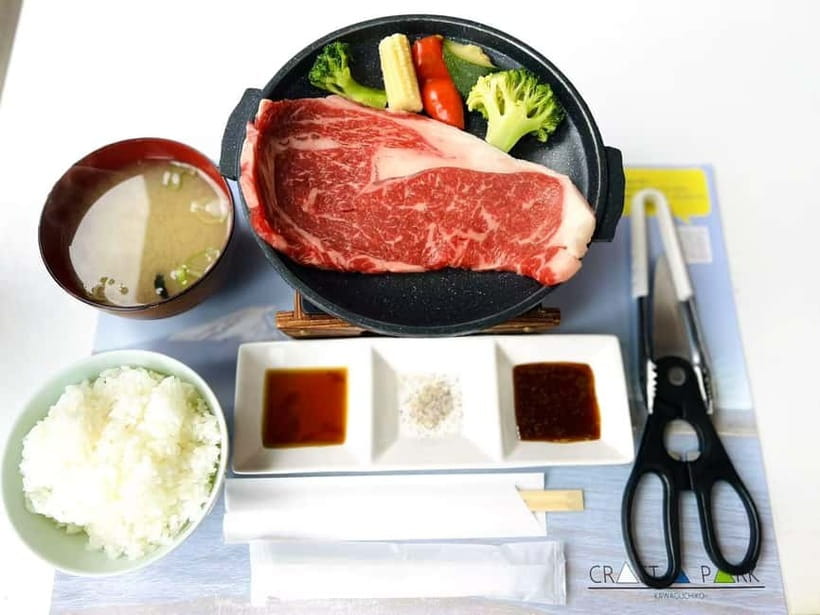
- Lunch is more than a quick snack: Choose from Houtou noodles, Koshu wine beef steak, or Kobe beef shabu-shabu when selecting the meal option.
- The restored village adds cultural interest: Saiko Iyashi-no-Sato Nenba has thatched houses used as craft studios, shops, and places to eat.
- Traffic is the main risk: The route can take a full day, and return times may shift when Tokyo traffic is heavy.
- Guide quality matters: Koji, Omar, Eric, George, and other guides have been praised for clear instructions, humor, and help during a busy day.
Leaving Tokyo for the Fuji Five Lakes area
The tour offers two starting locations, so check your booking carefully before setting out. One meeting point is by Robert Indiana’s LOVE sculpture at the Kokuyo Tokyo Shinagawa office. The day finishes at Shinjuku Station, which is useful if you want to continue your evening in central Tokyo.
An air-conditioned vehicle handles the long distances. That matters here. The main sights are spread around the Fuji Five Lakes area, and doing the same route by public transport would involve more planning, transfers, and time watching the clock.
Arrive at least 10 minutes early. The vehicle leaves on time, and a late arrival can affect the whole group. The bus size may change depending on numbers, and English and Chinese passengers may sometimes share one vehicle.
The first drive is part of the cost calculation. At about $54 per person, this is good value if you want a full day with transport, a guide, and several separate stops. It is less appealing if you prefer to linger at one shrine, spend an afternoon by the lake, or travel at your own speed.
A few more Tokyo tours and experiences worth a look
Arakurayama Sengen Park and the famous pagoda view
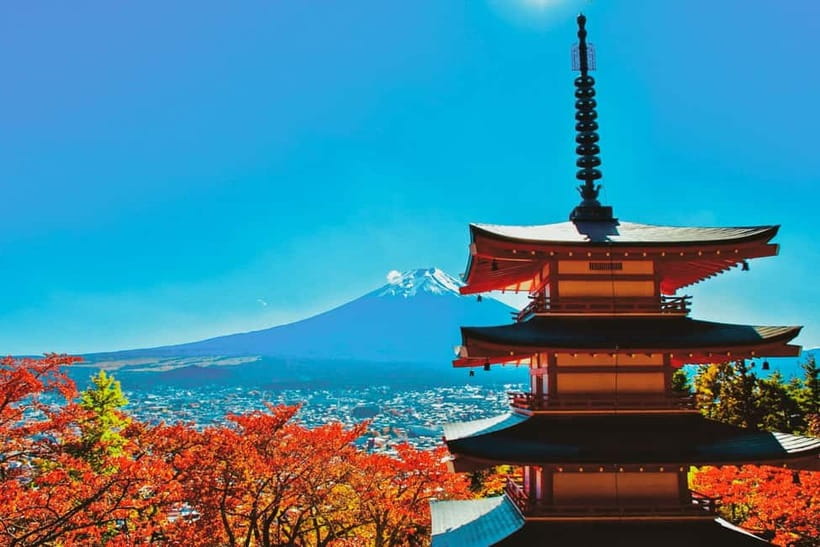
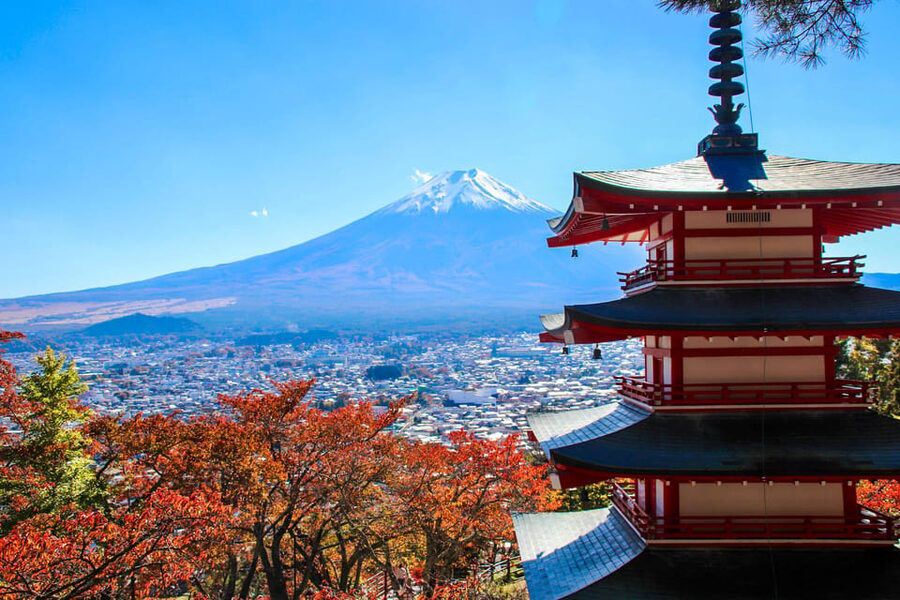
Arakurayama Sengen Park gives you the photograph many people associate with Fuji: snow-capped Mt. Fuji behind a red five-story pagoda, with the changing colors of the seasons in front. In spring, roughly 650 cherry trees bloom here, and the park’s Cherry Blossom Festival usually runs from late March into mid-April.
To reach the main observation deck, you climb 398 stone steps from the park entrance. The walk is manageable for many people, but it is not a casual stroll, especially after a long morning or in warm weather. A slope route is available for visitors who cannot manage the stairs, although it takes longer.
You’ll have time for photographs and free exploration, rather than being marched from one camera angle to the next. Still, the stop is not long enough for a slow park visit, a full shrine visit, and an extended photography session. Bring water and wear shoes that handle steps comfortably.
This is one of the strongest stops on the tour when the weather cooperates. It is also the place where timing and crowds matter most. A clear morning can give you the clean mountain-and-pagoda view shown in travel photographs, but clouds can cover Fuji completely.
Hikawa Clock Shop and Arakura Fuji Sengen Shrine
The nearby streets around Hikawa Clock Shop offer a different kind of Fuji photograph. Here, the mountain rises behind a town street, creating a pleasing contrast between ordinary local life and Japan’s most recognizable peak.
The stop is short and focused on photographs and a walk. Don’t expect a long shopping visit or a full neighborhood tour. Your guide may explain the setting and point out the best angles, then give you time to explore on your own.
Arakura Fuji Sengen Shrine adds the spiritual side of the area. The shrine and nearby park help explain why this mountain is more than a scenic backdrop in Japan. The route then connects this shrine setting with Chureito Pagoda, so you get both the cultural site and the broad viewing platform in the same part of the day.
Lake Kawaguchi: food, water, and open Fuji views
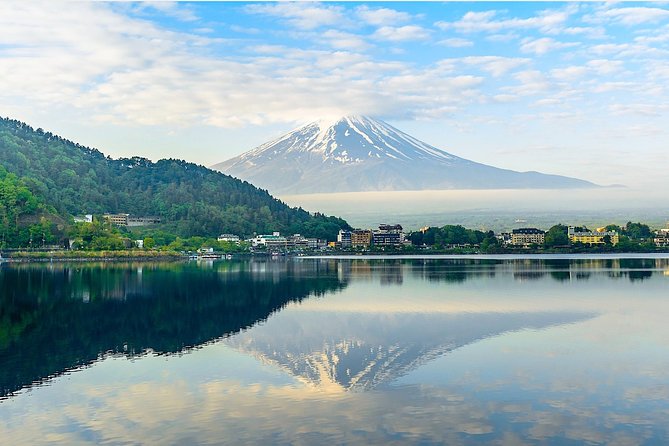
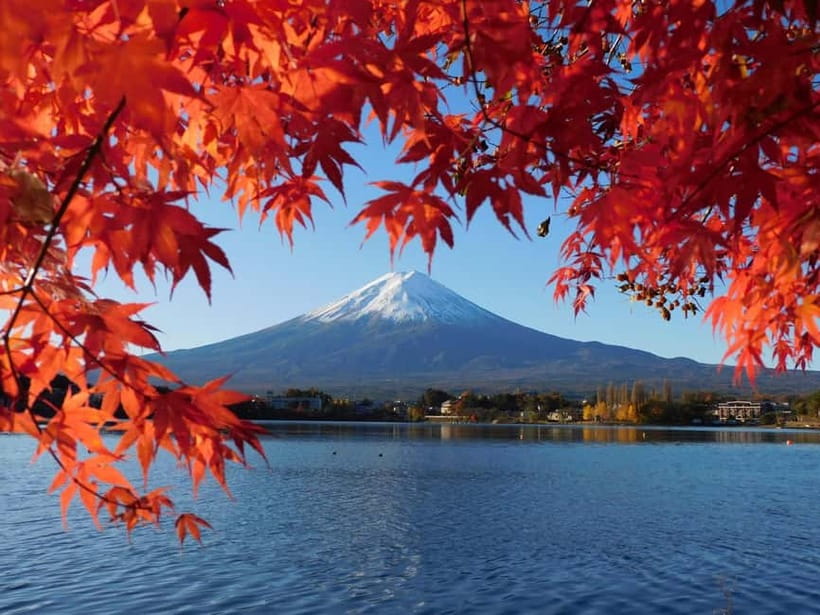
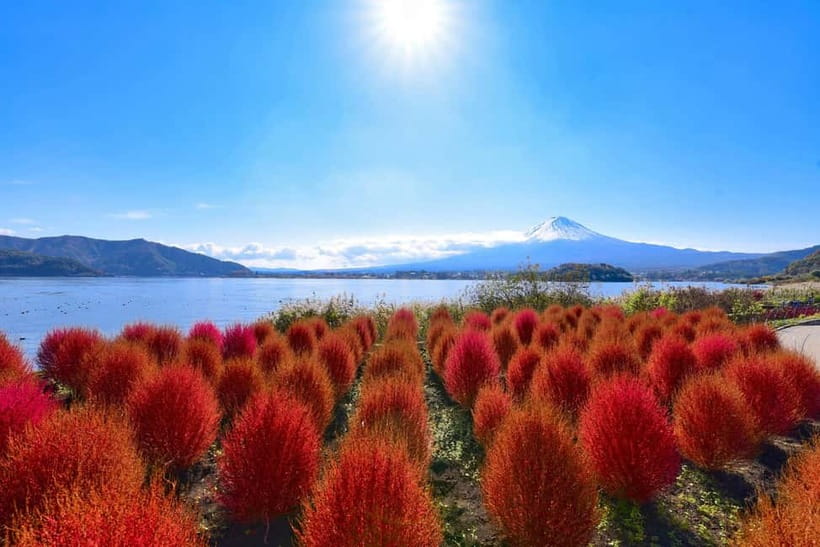
Lake Kawaguchi is the tour’s main central stop, with about two hours allocated to the wider Lake Kawaguchi area. The lake gives you a lower, more open view of Mt. Fuji than Arakurayama, and on a calm day you might see the mountain reflected on the water.
The lakeside is also a good place to slow down. Spring brings cherry blossoms along the paths, and autumn brings access to the nearby Maple Corridor, where the trees turn red and gold. The exact look depends on your travel date, so don’t book in summer expecting fall colors or in winter expecting flowers.
The schedule combines sightseeing, walking, food, and free time. That gives you useful flexibility, but it also means the two hours can pass quickly. Several people have wished for a little longer at the lake and village, so keep an eye on the meeting time.
Kawaguchiko Craft Park and three lunch choices
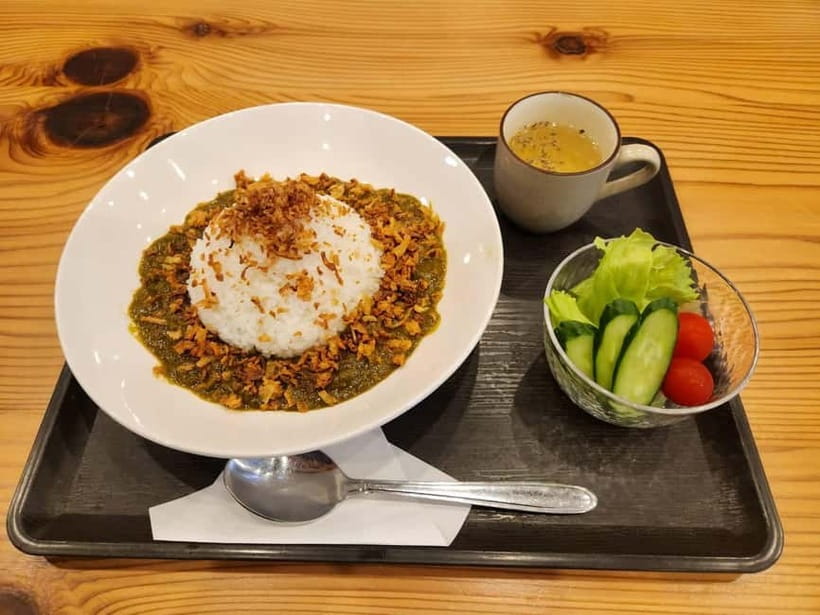
Kawaguchiko Craft Park sits on the northern shore of Lake Kawaguchi. It brings together hands-on craft activities, restaurants, and a souvenir area with local specialties and limited-edition goods.
The facility has indoor dining and open-air seating, allowing you to eat with views toward Mt. Fuji when the mountain is visible. A short walk leads to the lakeside, so you can combine lunch with a quick look at the water instead of treating the meal as a simple roadside stop.
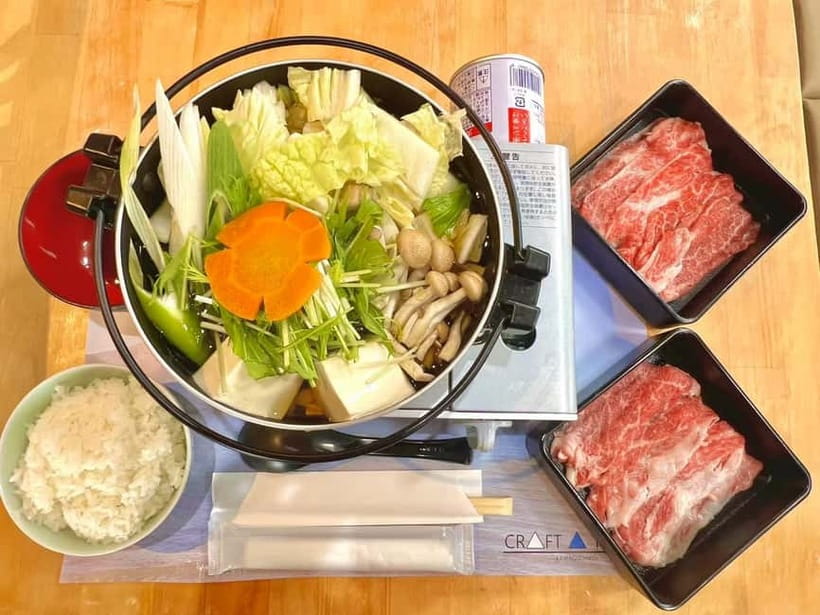
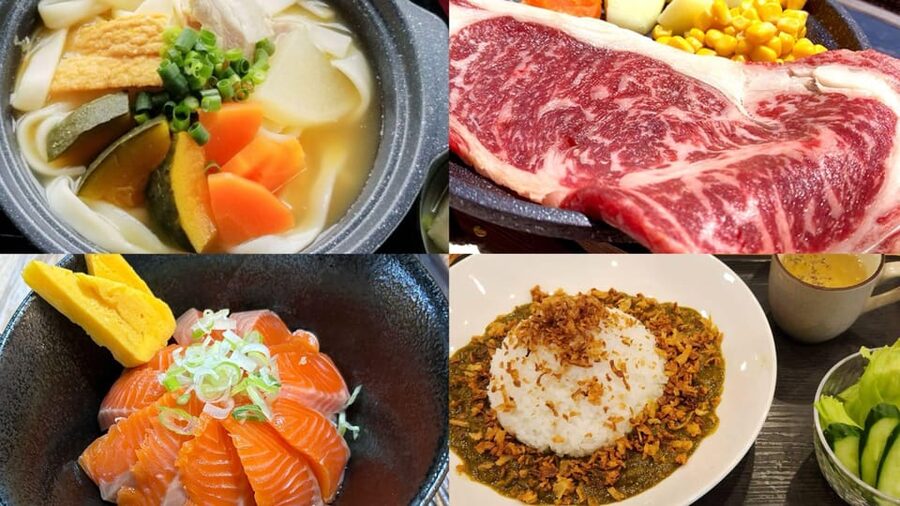
The lunch option is worth considering when comparing prices. You can choose among:
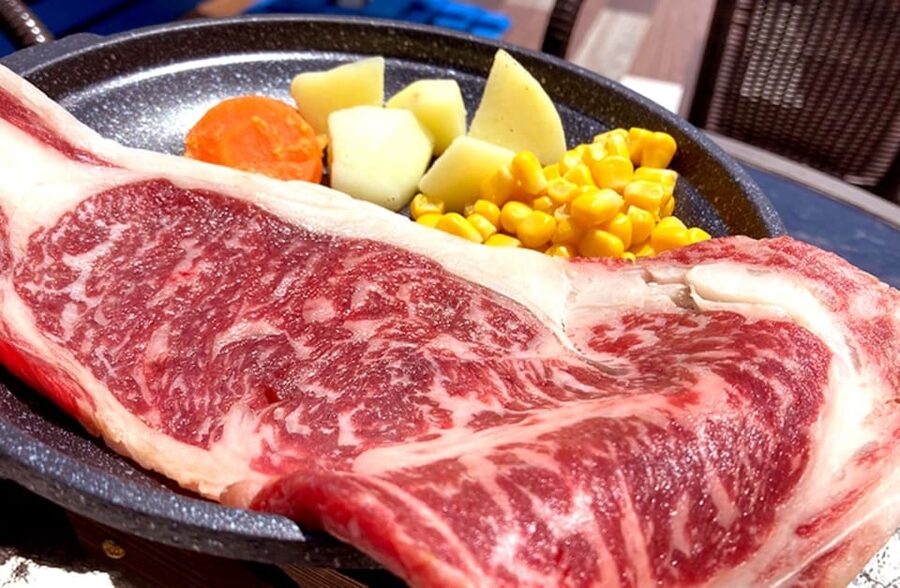
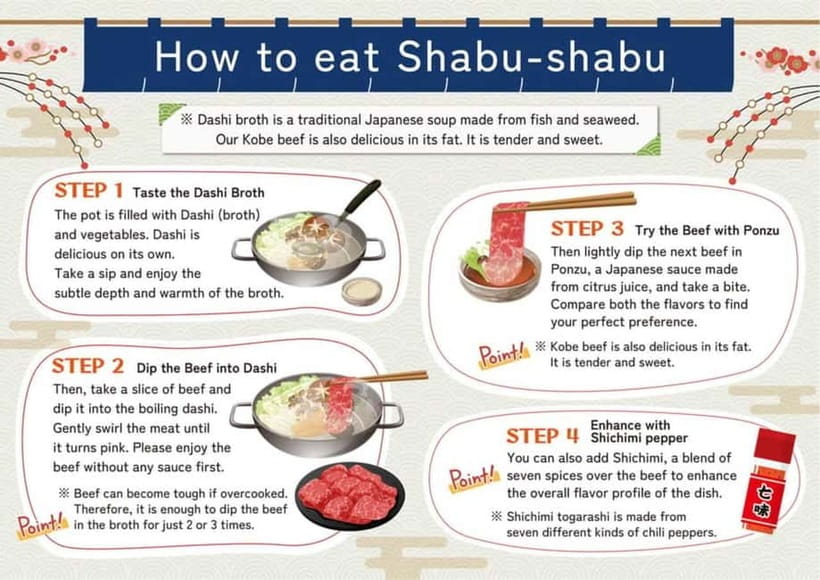
- Kobe beef shabu-shabu: A5-grade Japanese Black Wagyu served in a hot-pot style meal.
- Koshu wine beef steak: Wagyu raised in Yamanashi using grapes in its production.
- Houtou noodles: Thick local noodles cooked in miso broth with vegetables and chicken.
Houtou is the most regional choice and suits you if you want a dish tied closely to Yamanashi. The beef meals are more of a splurge. A vegan lunch option has also been handled successfully on at least one departure, but special dietary questions should be confirmed before the day because communication about gluten-free food has not always been smooth.
The craft center can also be a useful place to buy a gift. Just remember that shopping and a workshop may compete with your time for the lake. If food is your priority, make lunch first and browse afterward.


Oishi Park and the 350-meter Flower Road
Oishi Park is one of the finest open viewpoints on Lake Kawaguchi. A 350-meter Flower Road runs along the lake, with different seasonal displays throughout the year.
Spring may bring tulips. Summer is known for lavender, especially during the Kawaguchiko Herb Festival from late June to mid-July. In autumn, kochia, also called broom grass, adds warm color to the park. Mt. Fuji forms the backdrop, so the same path can look quite different depending on the month.
The planned stop is about 30 minutes. That is enough to take photographs, walk a section of the flower road, and enjoy the view, but not enough for a long visit to every part of the park. Keep the short timing in mind if you are choosing between this group tour and a private excursion.
Oishi Park is especially valuable when Fuji is partly clouded. The flowers, lake, and open space still give you something to enjoy. On a clear day, it may be the most relaxed of the mountain viewpoints.
Saiko Iyashi-no-Sato Nenba and its thatched houses
Saiko Iyashi-no-Sato Nenba is the tour’s most distinctive cultural stop. By Lake Saiko, this restored village has about 20 traditional thatched-roof houses styled after the old villages associated with Shirakawa-go.
The houses now serve as craft studios, souvenir shops, and eateries. You can walk between them, take photographs, and see a setting that feels far removed from Tokyo’s high-rise streets. The entry ticket is included, which improves the value of the tour.
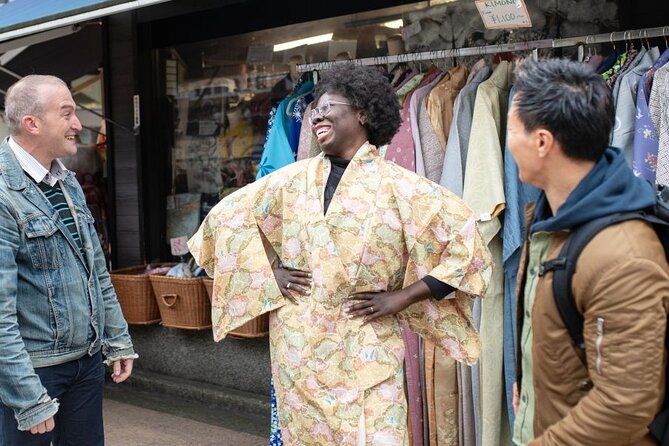
One of the most playful activities is dressing in a kimono or ninja outfit and posing with Mt. Fuji behind you. The mountain view is not guaranteed, of course, but the clothing gives you a memorable way to experience the village even when clouds roll in.
The village changes with the seasons. Spring may bring cherry blossoms and carp streamers. Summer brings green foliage, autumn brings colorful leaves, and winter can add snow to the roofs and surrounding hills.
The scheduled visit is about 50 minutes. That gives you enough time to walk through the main area and stop at a few houses, but you may want more time if you are interested in crafts, costume photographs, food, and shops. This is one point where a private visit would offer more freedom, while the group tour makes the stop easy to reach.
What the guides and bus service add
A good guide can make this kind of day much easier. The route has several meeting times, multiple walking areas, and a mix of sightseeing and free exploration. Clear instructions matter as much as commentary.
Koji has been especially praised for his humor, clear communication, and ability to keep the group engaged. Omar is known for a friendly manner, jokes, and practical help. Eric has been praised for explaining the stops and the journeys between them. George has also been noted for being kind, informative, and helpful with questions.
The guide does not stay beside you every second. At many stops, you receive an explanation, then explore independently before returning to the vehicle. I like this arrangement because you can take photographs or browse at your own pace, but you must listen closely to the return time.
The vehicle is air-conditioned, with numbered seats and clear speakers on some departures. That makes a difference on a 10-hour day. The drivers have also received praise for careful, calm service, including during heavy traffic.
Weather, crowds, and the Fuji gamble
No tour can control Mt. Fuji. The mountain may be hidden by rain or clouds even when the rest of the day is pleasant. Departures in spring and winter have a better chance of showing a snow-covered summit, but visibility is never promised. In September, you may see Fuji without its famous snow cap.
The strongest strategy is to treat the mountain as a bonus and the route as the main experience. You still have shrines, a lake, flowers, local food, a traditional village, and seasonal scenery if the summit disappears.
Clear days can be extraordinary. Seeing Fuji from all four major viewpoints is possible, though unusual. On cloudy days, Oishi Park and Iyashi-no-Sato still provide worthwhile settings, and the village area can become the highlight.
Traffic is the other variable. The drive back toward Tokyo may be slow, especially later in the day. Stops can be shortened when traffic or another unexpected delay affects the schedule. The guide communicates changes, but you should avoid booking an important evening flight or tight connection after the tour.
Who will get the most from this $54 day trip
I would choose this tour if you have limited time in Tokyo and want to cover the main Fuji-area sights without arranging several train and bus connections. It suits first-time visitors, solo travelers, couples, families able to manage a long day, and anyone who wants a guide to handle the route.
It is also a good match for photographers who want several compositions: mountain and pagoda, mountain above a town street, mountain over the lake, and mountain behind traditional houses.
You should think twice if you dislike group schedules, have trouble with long bus rides, or want extended time at one location. The first stop includes a substantial stair climb, and each later stop has a fixed return time. You can leave the group midway only after informing the guide and completing the required departure form.
The tour supports English and Chinese. Since different language groups may share a vehicle, explanations can take longer on some departures. Still, the guide’s practical instructions are more important than a nonstop lecture, and you get independent time at the stops.
Should you book this Mt. Fuji tour?
Book it if your priority is maximum variety for one reasonable price. The combination of transport, guide service, Iyashi-no-Sato admission, several Fuji viewpoints, and an optional regional lunch makes $54 a strong deal for a full day.
Skip it in favor of a private or slower outing if you want long walks, serious photography time, or a relaxed meal by the lake. Also book with realistic expectations about weather. Mt. Fuji may be the star, but the shrines, seasonal flowers, Houtou noodles, and thatched village are what keep the day worthwhile when the mountain hides.
FAQ
How long does the Mt. Fuji and Kawaguchiko tour last?
The tour lasts 10 hours, including transportation from Tokyo, sightseeing stops, free time, and the return to Shinjuku Station.
Where does the tour start?
There are two possible starting locations depending on the option booked. One listed meeting point is by the LOVE sculpture at the Kokuyo Tokyo Shinagawa office. Check the meeting point shown for your booking.
Where does the tour finish?
The tour finishes at Shinjuku Station.
Which languages are available?
Live guiding is available in English and Chinese. Passengers booking different languages may sometimes share the same vehicle.
Is lunch included?
Lunch is included only when you select the lunch option. Choices include Kobe beef shabu-shabu, Koshu wine beef steak, and Houtou noodles.
What food is served at lunch?
The listed choices are A5-grade Japanese Black Wagyu shabu-shabu, Koshu wine beef steak, and Houtou noodles with miso broth, vegetables, and chicken. A vegan option has also been available on a departure, but dietary requirements should be confirmed before booking.
Is admission to Saiko Iyashi-no-Sato Nenba included?
Yes. Entry to Saiko Iyashi-no-Sato Nenba is included in the tour.
How difficult is the walk to Chureito Pagoda?
The main route to the observation deck includes 398 stone steps. A slope option is available for people who cannot or prefer not to use the stairs.
Can I cancel the tour?
You can cancel up to 24 hours before departure for a full refund. The reserve-now, pay-later option allows you to hold a place without paying immediately.
More Mt Fuji Day Trips in Tokyo
More tours in Tokyo we've reviewed












Mt Fuji Day Trips, compared.
 ★ 5.0Mt Fuji and Hakone 1-Day Bus Tour Return by Bullet TrainFrom $163
 ★ 4.0Mt Fuji & Hakone Cruise, Drum Show Bullet Train 1 Day from TokyoFrom $149
 ★ 4.4Tokyo Mt Fuji 5th St & Hakone Cruise Bus Tour w/Bullet TrainFrom $15410 hours
 ★ 4.5From Tokyo: Mount Fuji Full-Day Sightseeing TripFrom $6810 hours
 ★ 4.7Tokyo: Mt. Fuji Tour, Hakone Ropeway, Owakudani, Lake AshiFrom $5410 hours
 ★ 4.2Tokyo: Mt. Fuji 5th Station & Hakone Cruise 1-Day Bus TourFrom $12911 hours