Reviewed · MT FUJI DAY TRIPS
3-Row Luxury Bus Tour to Mt. Fuji, Lake Kawaguchi from Tokyo
The best reason to book this 10-hour Mt. Fuji day trip is variety. In one long day, you get the famous Chureito Pagoda view, lakeside stops, seasonal flowers, a Kobe beef lunch, and a traditional thatched-roof village. It gives you a broad taste of the Fuji Five Lakes area without arranging several separate trains and buses.
In This Article
- Key points to know before booking
- What the $125 price really covers
- Starting in Tokyo and settling into the day
- Arakurayama Sengen Park and the climb to Chureito
- Lunch at Kawaguchiko Craft Park
- Maple Corridor and the changing face of Lake Kawaguchi
- Oishi Park, flowers, and a wide Fuji view
- Saiko Iyashi no Sato Nenba and rural Japan
- The guide and the group experience
- Weather, traffic, and physical demands
- Who will get the most from this Fuji day trip
- Should you book this Mt. Fuji tour?
- FAQ
- How long does the Mt. Fuji tour last?
- Where does the tour start?
- Where does the tour end?
- Is lunch included?
- Is the guide available in English?
- Is the Mt. Fuji view guaranteed?
- Does the bus have a toilet?
- Is the tour suitable for wheelchair users?
- Can I cancel the booking for a full refund?
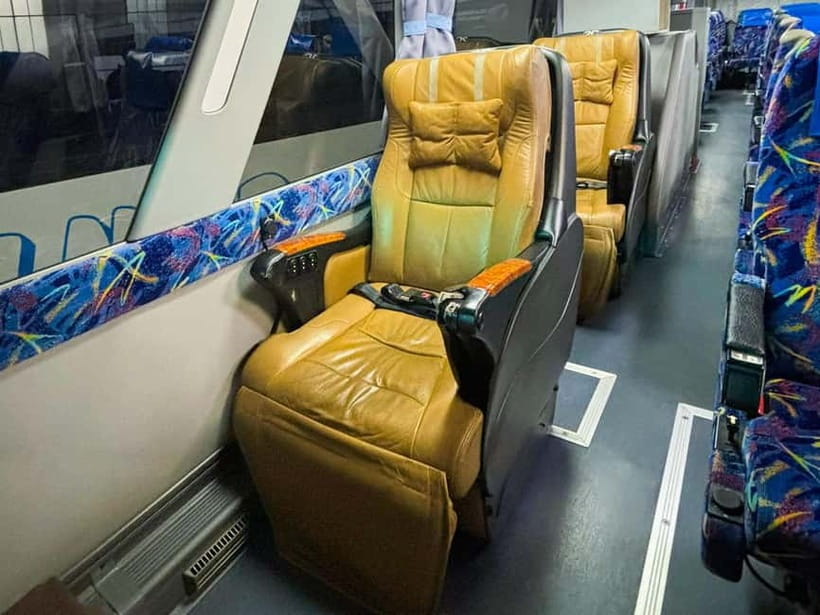
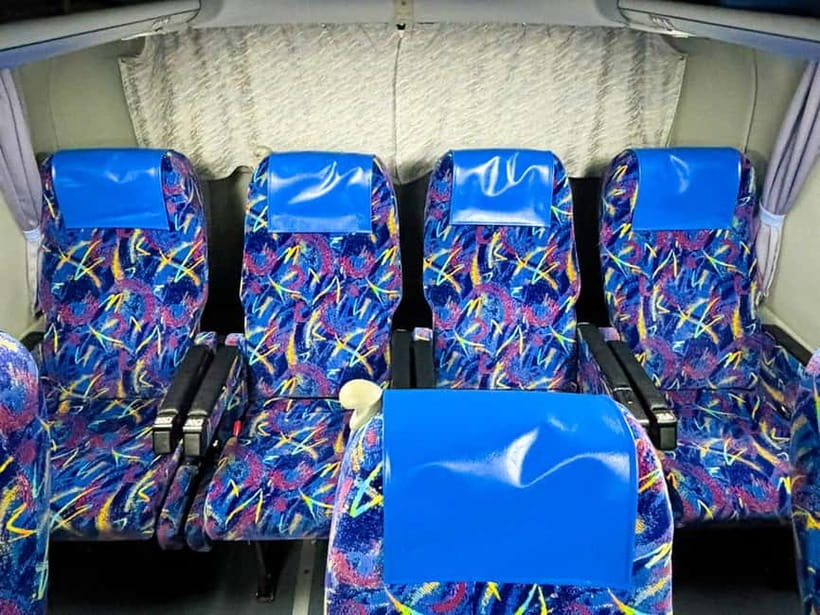
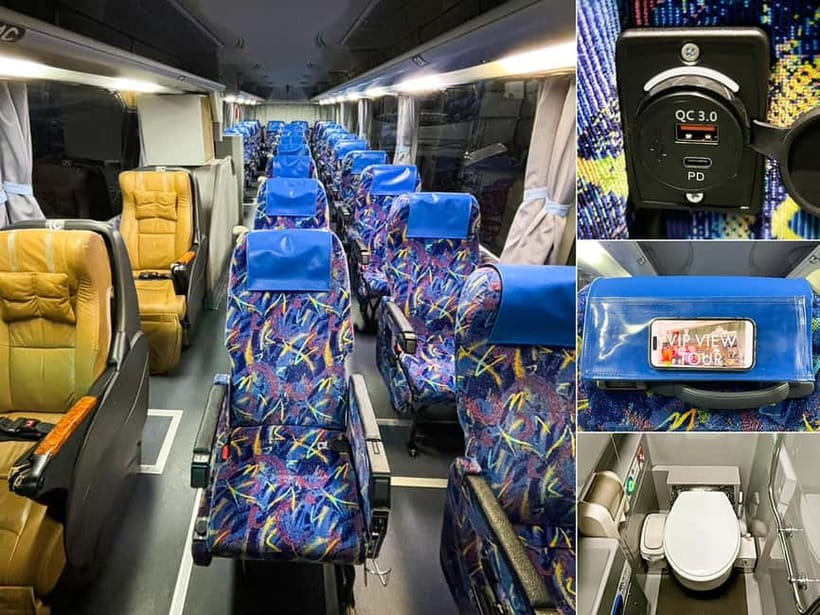
I like the clear mix of nature and Japanese culture, and I like that guide Omar has been singled out for keeping his group informed and involved. The biggest caution is the bus itself. It is sold as a 27-seat business-class vehicle with a toilet, yet one verified booking reported a regular bus with no toilet. Confirm the vehicle details before paying extra for luxury.
Key points to know before booking
- Chureito Pagoda takes effort: You climb stairs at Arakurayama Sengen Park for the classic pagoda and Mt. Fuji photograph.
- Five distinct Fuji views: The route includes Arakurayama, Lake Kawaguchi, Oishi Park, and Lake Saiko, so the day does not depend on one viewpoint.
- Kobe beef is part of lunch: The meal is listed as Kobe beef shabu-shabu, a useful inclusion at this price.
- Season matters: Oishi Park changes with the flowers, and the maple corridor is especially tied to autumn color.
- The schedule is weather-sensitive: Mt. Fuji may disappear behind cloud, and traffic can shorten stops or remove attractions.
- The bus promise needs checking: The advertised deluxe toilet and limited seating were not consistent with one verified account.
What the $125 price really covers
At $125 per person, this is not simply a scenic bus ride. Your fee includes air-conditioned transportation, highway tolls, parking, fuel, an English-speaking guide, lunch, and entry to Saiko Iyashi no Sato Nenba. That removes several small costs that can quietly add up on an independent Fuji day.
I see the strongest value in the route itself. Kawaguchiko is easy to reach from Tokyo in good conditions, but connecting Arakurayama Sengen Park, the lake, Oishi Park, and Lake Saiko by public transportation takes planning. A guided bus handles those links in one day.
The price becomes less attractive if your main goal is one quiet Fuji viewpoint. This is a packed sightseeing day, with several scheduled stops and a long return to Tokyo. You are paying for range and convenience, not a slow morning by the lake.
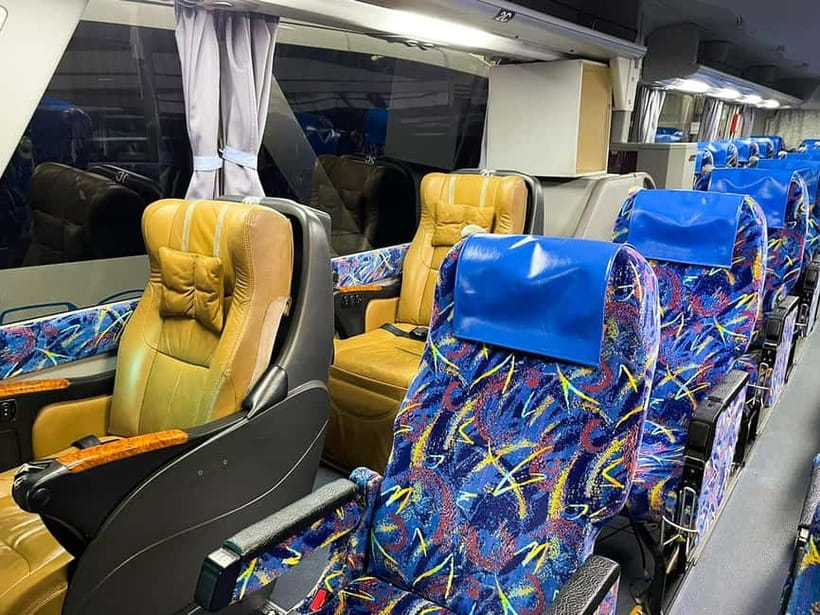
The advertised price also assumes that the promised bus comfort matters to you. The operator describes a three-row vehicle with 27 independent seats and a high-end toilet. One verified booking from August 2025 specifically reported that the bus was not the advertised luxury model and had no toilet. That is a serious difference on a full-day trip, so I would confirm this point directly before booking.
A few more Tokyo tours and experiences worth a look
Starting in Tokyo and settling into the day
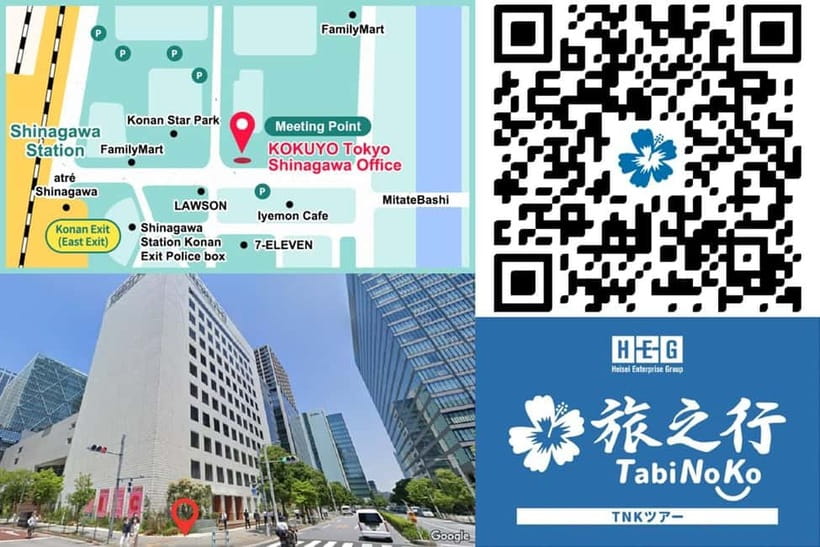
There are two possible starting arrangements, and the exact meeting point depends on the option you choose. One listed location is the KOKUYO Tokyo Shinagawa office near the Robert Indiana LOVE sculpture. The day ends only in the Shinjuku area, so plan your evening from there rather than expecting a return to Shinagawa.
The stated duration is about 10 hours. That sounds generous, but Tokyo traffic and the Fuji region’s narrow roads can take a large share of the day. The trip operates in rain, with cancellations reserved for extreme conditions such as typhoons. I would check the forecast before leaving and keep your evening free.
Your guide speaks English. If the group is large enough, commentary may also be given in Chinese on the same bus. That can mean a little less uninterrupted English explanation, but it also allows one vehicle to serve a mixed-language group.
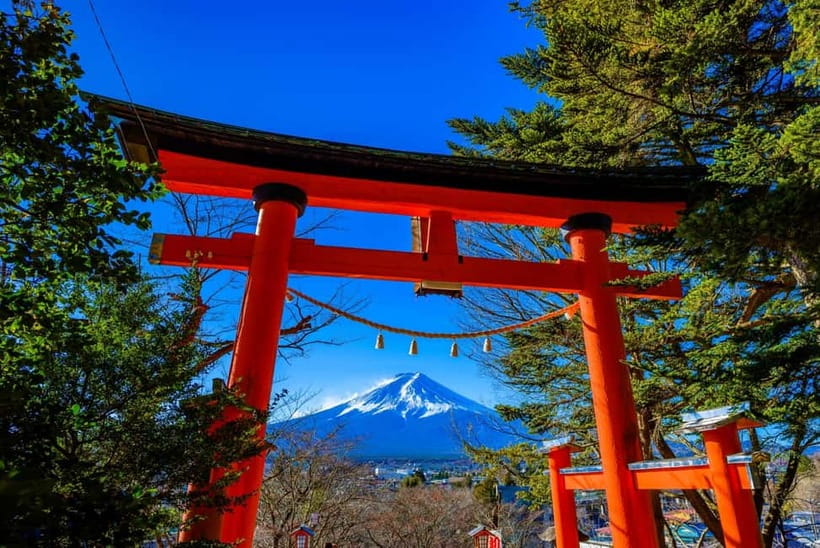
The operator asks you to wear comfortable clothes and shoes. That is especially important at Arakurayama, where the best view requires a climb rather than a simple step off the bus.
Arakurayama Sengen Park and the climb to Chureito
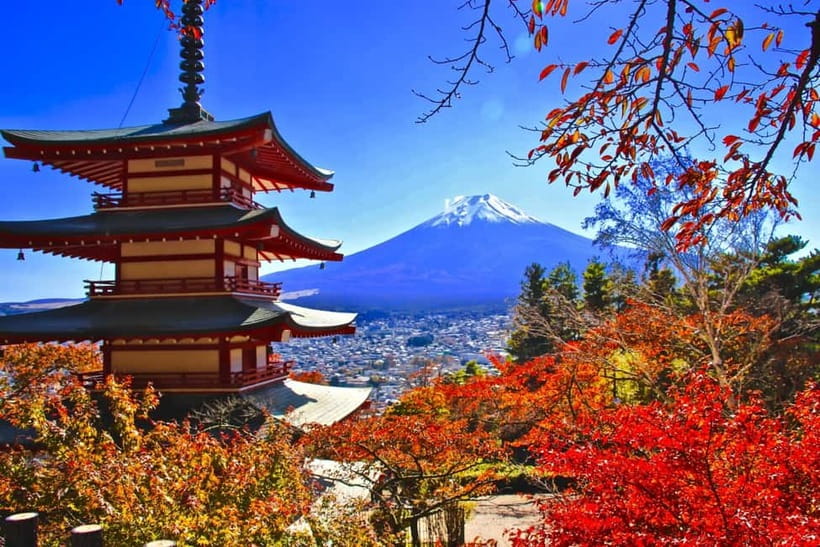
The first major stop is Arakurayama Sengen Park, with about 70 minutes for sightseeing. This is the image many people have in mind when they picture Mt. Fuji in Japan: the red-and-white Chureito Pagoda in front, with the mountain rising behind it.
You reach the viewpoint through the park and up a flight of stairs. The climb is part of the experience, not a minor detail. Comfortable shoes will help, and you should allow time for both the ascent and the return to the bus.
The view is strongest when Fuji is clear, but weather decides the result. Clouds can cover the summit or the entire mountain. Even on a gray day, the pagoda and surrounding trees provide a worthwhile setting, but you should not book this trip assuming the famous photograph is guaranteed.
Arakura Fuji Sengen Shrine is also included in this part of the route. The shrine adds context to the site, since Fuji has long held religious meaning in Japan. You get more than a quick photo stop here, but the time still goes quickly once you include the stairs, shrine, and crowded viewing area.
Lunch at Kawaguchiko Craft Park
The next stop is Kawaguchiko Craft Park, where you have about an hour for lunch, shopping, and a possible workshop. The park sits by Lake Kawaguchi, giving you a chance to look across the water toward Fuji while taking a break from the road.
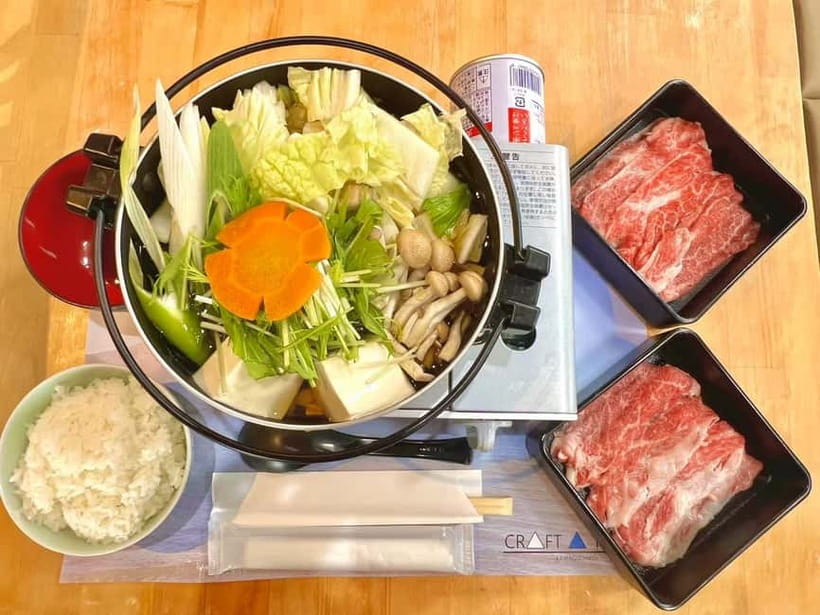
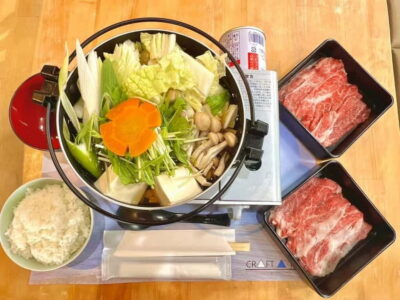
The meal is listed as Kobe beef shabu-shabu. Kobe beef is a premium form of Japanese Wagyu, known for its soft texture and marbled fat. Shabu-shabu is prepared by swishing thin slices through hot broth, so the meal is interactive rather than a plain boxed lunch.
I like having lunch included here because a full day around Fuji leaves little time to search for a restaurant. Still, keep your expectations measured. The supplied details confirm the meal type, but not the exact cut, portion size, broth, or other dishes. Treat the Kobe beef as a pleasant feature of the tour, not as a full restaurant tasting menu.
Craft Park also offers shopping and workshops. The available activity may depend on the schedule and what you choose to do. Since the stop is only one hour, you may need to choose between a relaxed meal, browsing, and a hands-on workshop rather than trying to fit in everything.
Maple Corridor and the changing face of Lake Kawaguchi
The route then moves to the Lake Kawaguchi Maple Corridor for a photo stop. This is one of the clearest seasonal parts of the day. In autumn, maple leaves give the area its strongest visual character, while other times of year may feel quieter and less colorful.
After that, you get roughly an hour at Lake Kawaguchi itself for photos and walking. This is useful because the lake is not just a background from the bus window. You have time to stand at the shore, look for Fuji across the water, and take in the changing light.
The lake views can be excellent, but they are also weather-dependent. Mount Fuji is often partly or fully hidden by cloud, especially when the weather shifts. The tour still gives you a pleasant waterside stop, but you should see Fuji as a bonus rather than a promise.
The order and length of these stops can change because of traffic, weather, or other conditions. During holidays, heavy traffic may lead to shorter visits or the removal of planned attractions without a refund. That risk matters most if you are booking around a popular autumn weekend or another busy travel period.
A few more Tokyo tours and experiences worth a look




Oishi Park, flowers, and a wide Fuji view
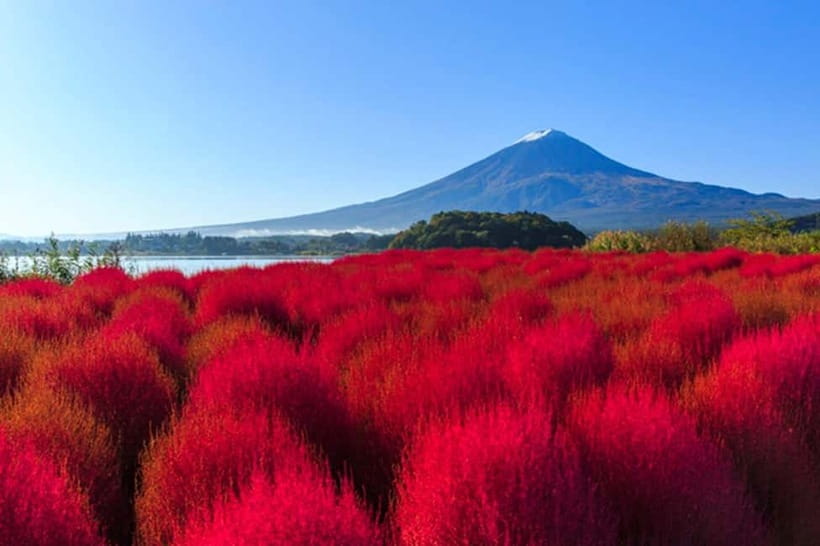
Oishi Park receives about 30 minutes. It is known for seasonal flower displays beside Lake Kawaguchi, with Fuji often appearing beyond the water. Lavender is a featured sight in the supplied description, and its color can form a pleasing band between the lake and mountain.
This stop works best as a short scenic pause. You can walk, take photographs, and enjoy the flowers without needing a long explanation from the guide. The scent of lavender is an added pleasure when the plants are in bloom.
The word seasonal matters here. Flower displays vary during the year, and no single visit can offer every color shown in promotional photographs. If lavender is the reason you are booking, check your travel dates carefully. Oishi Park remains attractive outside the peak display, but the visual effect will not be the same.
Thirty minutes is enough for a quick look, but not a deep visit. You will want to move efficiently if you plan to photograph both the flower beds and Fuji.
Saiko Iyashi no Sato Nenba and rural Japan
The final sightseeing stop is Saiko Iyashi no Sato Nenba, a preserved village beside Lake Saiko. Entry is included, and you have about 50 minutes to explore.
The village is made up of traditional thatched-roof houses. Inside and around the buildings, you can see a more rural side of Japan than the temples, neon signs, and train stations of Tokyo. Specialty products are sold under the eaves, giving you a chance to browse local goods as you walk.
The setting also looks toward Mt. Fuji and the surrounding satoyama, a Japanese term for the managed hills and countryside around settled communities. That combination of traditional houses, cultivated land, and mountain views gives this stop more cultural weight than a simple photo point.
Fifty minutes is enough to walk through the village and take photographs, though not enough for a slow study of every house. If you enjoy architecture, rural customs, or small local shops, this may be the most rewarding stop of the day. If your sole priority is Fuji, it may feel like time taken away from the lake.
The guide and the group experience
An English-speaking guide is included throughout the day. Guide Omar received especially strong praise for interacting with the whole group and giving the day a good rhythm. That matters on a long bus tour, where a guide can make the difference between a series of stops and a connected experience.
The supplied feedback is mixed overall, with a 4.3 rating based on three reviews. The activity and guide were described as excellent in one account, while the bus description caused serious disappointment in another. I would separate those two parts when deciding: the sightseeing plan and guiding appear stronger than the vehicle guarantee.
The group may include both English and Chinese commentary. If you prefer a completely English-only tour, this is worth considering before booking. The guide still operates in English, but announcements may be repeated in another language.
Weather, traffic, and physical demands
Mt. Fuji visibility is never guaranteed. This is the central fact to accept before booking any Fuji excursion. You may get the clear summit, a partial outline, or no mountain at all.
The tour runs in ordinary rain and cancels only under extreme conditions, such as a typhoon. Weather-related schedule changes can happen without prior notice. Traffic can also cause delays, shorten stops, or mean that an attraction is omitted.
Arakurayama is the only clearly stated physical challenge, but the day involves repeated boarding, walking, and standing. Comfortable shoes are essential. The experience is not suitable for wheelchair users, and anyone who has trouble with stairs should think carefully about the first stop.
The bus toilet is another practical concern. The activity description promises a high-end toilet, but one verified booking reported that no toilet was present. Since the tour can last 10 hours and may face traffic jams, I would ask for confirmation of the actual vehicle assigned to your date.
Who will get the most from this Fuji day trip
I would choose this tour if you have limited time in Tokyo and want to see several major Fuji area sights in one organized day. It suits first-time visitors who value a fixed route, included lunch, an English-speaking guide, and no need to manage local connections.
It also suits photographers who want several different settings: a pagoda, shrine, lake, flowers, maple trees, thatched houses, and Fuji. You get more chances for a clear view than on a trip that visits only one lookout.
I would hesitate if you dislike long bus days, need guaranteed luxury transport, or want a flexible schedule. The route is full, the return can be delayed, and the bus amenities need verification. Independent visitors may prefer to spend the whole day around one part of Kawaguchiko instead.
Cancellation is free up to 24 hours before departure, and you can reserve now and pay later. Those terms help if your Tokyo plans are still shifting, but they do not remove the weather and traffic risks on the actual day.
Should you book this Mt. Fuji tour?
Book it if your priority is convenience and variety. The combination of Chureito Pagoda, two Fuji lakes, Oishi Park, Kobe beef shabu-shabu, and Saiko’s thatched village gives you a strong overview for $125, especially with transport, guide, tolls, parking, and entry included.
Before paying, confirm the bus model, number of seats, and toilet. That is the one point where the advertised comfort and an actual experience did not match. If the vehicle is confirmed as promised, this is a practical, full-value day for a first visit to the Fuji area. If not, book it for the itinerary, not for business-class comfort.
FAQ
How long does the Mt. Fuji tour last?
The tour lasts about 10 hours, including transportation from Tokyo and the return to the Shinjuku area.
Where does the tour start?
There are two possible starting options. One listed meeting point is the KOKUYO Tokyo Shinagawa office near the Robert Indiana LOVE sculpture. Your exact meeting point depends on the option booked.
Where does the tour end?
The only available drop-off area is around Shinjuku Station.
Is lunch included?
Yes. Lunch is included and is described as Kobe beef shabu-shabu at Kawaguchiko Craft Park.
Is the guide available in English?
Yes. The tour includes a live English-speaking guide. Depending on the group, commentary may also be given in Chinese on the same bus.
Is the Mt. Fuji view guaranteed?
No. Visibility depends on the weather, and Mount Fuji may be hidden by clouds. The tour operates in rain unless extreme conditions, such as a typhoon, require cancellation.
Does the bus have a toilet?
The tour is advertised with a toilet on the luxury bus. However, one verified booking reported that the actual bus had no toilet and was not the advertised limited-seat luxury vehicle. Confirm the bus details before booking.
Is the tour suitable for wheelchair users?
No. The activity is not suitable for wheelchair users.
Can I cancel the booking for a full refund?
Yes. You can cancel up to 24 hours in advance for a full refund. You can also reserve now and pay later.
More VIP Experiences in Tokyo
More Mt Fuji Day Trips in Tokyo

More tours in Tokyo we've reviewed











Mt Fuji Day Trips, compared.
 ★ 5.0Mt Fuji and Hakone 1-Day Bus Tour Return by Bullet TrainFrom $163
 ★ 4.0Mt Fuji & Hakone Cruise, Drum Show Bullet Train 1 Day from TokyoFrom $149
 ★ 4.4Tokyo Mt Fuji 5th St & Hakone Cruise Bus Tour w/Bullet TrainFrom $15410 hours
 ★ 4.5From Tokyo: Mount Fuji Full-Day Sightseeing TripFrom $6810 hours
 ★ 4.7Tokyo: Mt. Fuji Tour, Hakone Ropeway, Owakudani, Lake AshiFrom $5410 hours
 ★ 4.4Tokyo:Mt.Fuji,Kawaguchiko Oishi Park,Arakurayama Sengen ParkFrom $5410 hours