Reviewed · TOKYO
Exclusive Ramen Kitchen Experience
The best part of this Tokyo experience is the backstage access. You step into a real award-winning ramen kitchen, learn how the pros handle noodles, and finish with a bowl you helped prepare. This is not a full recipe class, since the broth takes about 10 hours to make, but it gives you a close look at the work behind a great bowl.
In This Article
- Key points to know before booking
- Inside an award-winning Tokyo ramen kitchen
- What you learn about the ingredients and broth
- Temomi: massaging the noodles by hand
- Tebo: shaking water from the noodles
- Building and eating your own Tokyo ramen
- Why the one-hour length matters
- A small group makes the kitchen access useful
- Is $78.38 a fair price?
- Who will enjoy this ramen experience most
- Practical details for planning your visit
- Should you book this Tokyo ramen experience?
- FAQ
- Where does the ramen experience start?
- Where does the activity end?
- How long does the ramen experience last?
- How many people can join?
- Is this a full cooking class?
- What ramen techniques will I learn?
- Does the ramen contain meat or fish?
- Can I cancel for a full refund?
I like the hands-on noodle work, especially temomi, the massaging of the noodles, and tebo, the quick shaking that removes water before serving. I also like the small group limit of six, which gives you a better chance to ask questions about ingredients, recipes, and the place of ramen in Japanese food.
The main drawback is the short one-hour format. You will not make every element from scratch, and the menu is not suitable for anyone avoiding chicken, pork, or fish. The meeting information also deserves careful checking, since the listed meeting address is in Nezu while Nakameguro Koukashita appears in the itinerary.
Key points to know before booking
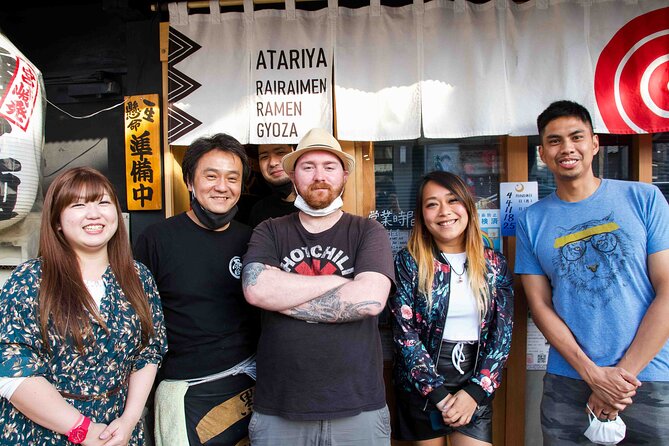
- Exclusive kitchen access: You enter a working, award-winning ramen shop rather than sitting only in the dining room.
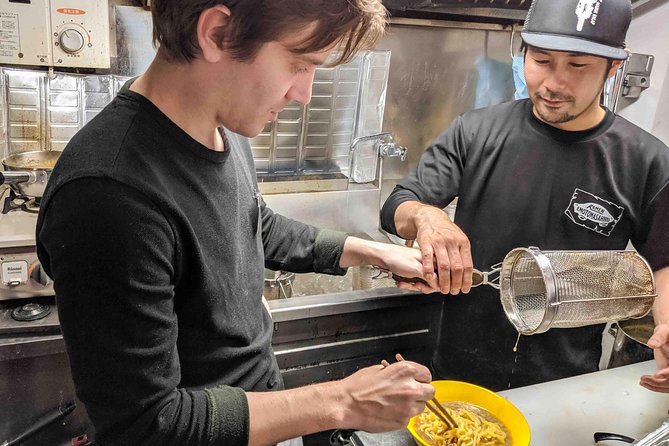
- Real noodle techniques: You practice temomi, or massaging the noodles, and tebo, or shaking off cooking water.
- Your own finished bowl: You add your chosen toppings and eat the ramen you helped put together.
- Small group size: The experience accepts a maximum of six people, useful for questions and close instruction.
- Short but focused format: The visit lasts about one hour and skips the long broth-making process.
- Important food warning: The ramen contains chicken, pork, and fish, so check this before reserving.
Inside an award-winning Tokyo ramen kitchen
Ramen can look simple when it reaches the table: noodles, broth, toppings, and perhaps a sheet of nori. The work behind it is anything but simple. This experience gives you a look at that work without asking you to spend half a day waiting for stock to cook.
You begin at the supplied meeting point at 2-chōme-12-6 Nezu, Bunkyo City, Tokyo 113-0031. The activity information also names Nakameguro Koukashita as a stop, so I would confirm the exact meeting instructions before setting out. That small check matters in Tokyo, where a wrong station or neighborhood can cost you valuable time.
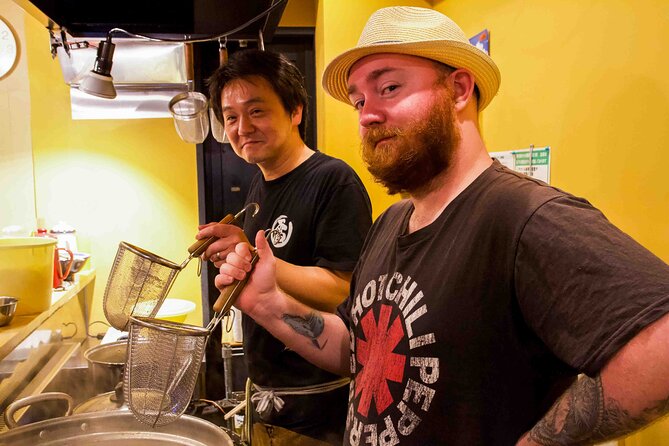
Once inside the ramen shop, you get more than a standard bowl at a counter. The shop has won several awards, and the kitchen access is offered specially for this activity. You can expect the sights and sounds of a working ramen operation, along with an explanation of what the ingredients do and where they come from.
The point is not to turn you into a ramen professional in 60 minutes. It is to show you the key steps that make the finished dish work. That is a sensible design. A proper broth alone can take around 10 hours, so a short class that promised the entire process would either be misleading or painfully slow.
Instead, the kitchen prepares the lengthy parts ahead of time. You spend your limited time on the parts that give you a feel for the craft: handling the noodles, removing excess water, choosing toppings, and putting everything together.
If you're still narrowing it down, here are other tours in Tokyo we've reviewed.



What you learn about the ingredients and broth
A good ramen bowl depends on balance. The broth must support the noodles, the noodles must hold their texture, and the toppings must add flavor without taking over. During the experience, you learn about the ingredients and the purpose of each one.
That explanation adds value to the meal. You are not simply told to place items in a bowl. You get a clearer sense of why the components are there and how they work together. The chef also answers questions about recipes and the role of ramen in Japanese cuisine, so you can connect the practical steps with the wider food culture.
The broth is already prepared, which is both a limit and a benefit. You miss the long simmering stage, but you also avoid spending most of the activity watching a pot. For a visitor with a busy Tokyo schedule, this makes the experience easier to fit between other plans.
You should also treat the menu warning seriously. The ramen contains chicken, pork, and fish. The supplied information does not describe vegetarian, vegan, halal, or allergy substitutions, so you should not book expecting a modified bowl unless the provider confirms one in advance.
Temomi: massaging the noodles by hand
The first distinctive technique is temomi. This means massaging the noodles, and it gives you a direct role in preparing the texture of your bowl.
Noodles are more than a carrier for soup. Their thickness, feel, and bite affect how the broth tastes with every mouthful. Temomi lets you see that noodles require handling before they reach the cooking water. You get to work them in the same kitchen where ramen is served professionally.
This is also the sort of task that sounds easier than it is. A ramen chef has practiced the movement many times, while you are learning it during a compact class. The advantage of a maximum six-person group is that the guide can keep the instruction close and answer questions as you work.
You do not need to arrive with cooking experience. The activity is designed around selected steps rather than a test of your kitchen skills. Pay attention to the texture and movement of the noodles, and do not rush simply because the task looks familiar.
Tebo: shaking water from the noodles
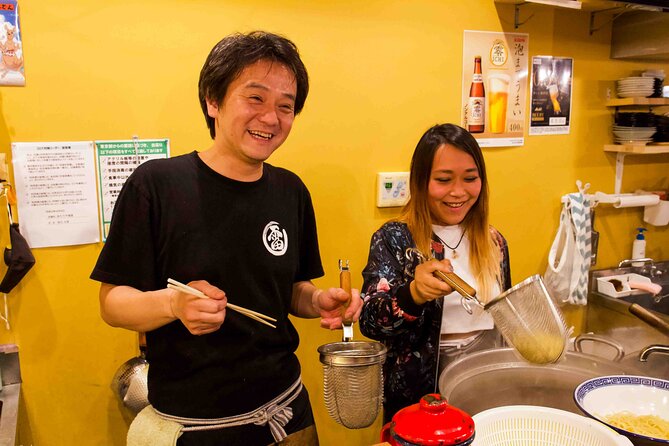
After the noodles are cooked, you try tebo, the technique used to shake off water. This is a quick, physical step, but it has a clear purpose. Too much water left on the noodles can dilute the broth and change the final balance.
The motion helps explain why ramen preparation at a busy shop can look so fast. A professional cook may make the process appear effortless, but each movement has a job. You get to try that job yourself before your bowl is assembled.
This is one of the most useful moments for anyone who usually thinks of ramen as a finished product rather than a craft. The step is brief, yet it connects cooking time, noodle texture, and soup strength. It also gives the class a bit of energy without turning the activity into a theatrical show.
Keep your expectations realistic. You will practice the technique, but the experience does not suggest that you will operate the full kitchen or prepare multiple bowls independently. The focus is on understanding and taking part in key stages.
Building and eating your own Tokyo ramen
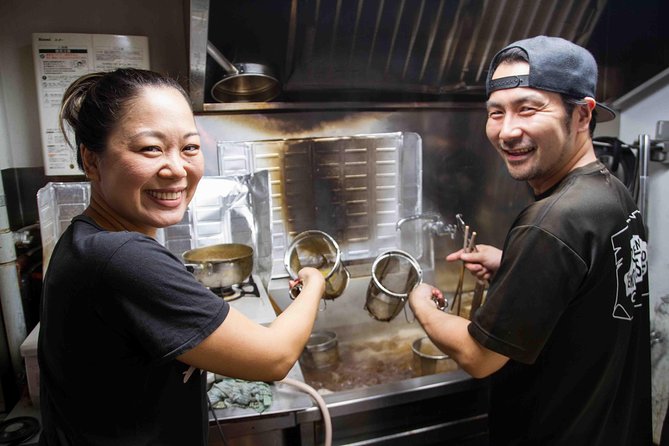
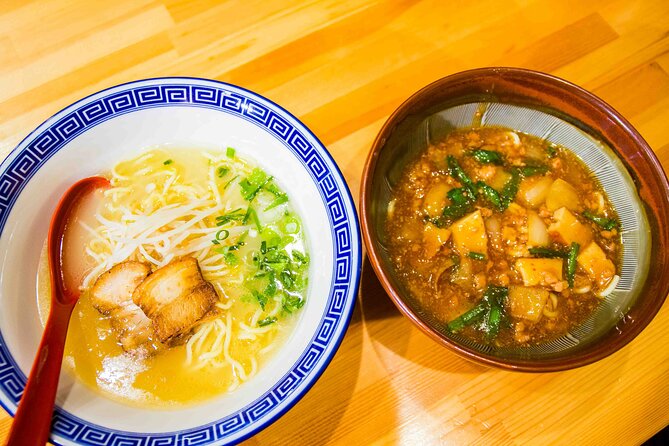
Once the noodles are ready, you add the toppings and put together your bowl. This is where the earlier work pays off. You can see the separate parts come together, then eat the ramen you helped prepare.
The meal is more satisfying because you understand the sequence behind it. You have handled the noodles, worked on the draining step, and learned why the ingredients are used. The final bowl is not simply lunch served during a class. It is the end result of your short tour through the kitchen.
The available information says you add your preferred toppings, though it does not provide a full topping list. Do not assume every possible option is included. The safe expectation is that you will have some choice in finishing your bowl, while the provider controls the ramen format and prepared components.
One especially good part of the experience is the chance to ask about recipes and their background while you eat. The chef is described as kind and helpful, and the food is presented as a substantial meal. Plan for this to function as both an activity and a filling food stop, not just a quick demonstration.





Why the one-hour length matters

One hour is short for a cooking class, but it suits the purpose here. You get the most distinctive parts of ramen preparation without waiting through the entire broth process.
That makes this a practical choice for a Tokyo itinerary packed with museums, neighborhoods, shopping, or evening plans. You can learn something specific and eat a proper bowl without giving up half a day.
The short length also creates a limitation. You will not get a full course in ramen production. There is no indication that you will make the broth, prepare every ingredient from raw materials, or build the noodles from flour at the start. If you want a detailed, from-scratch cooking lesson, this may feel more like a kitchen visit with guided participation.
I see the format as best for someone who wants access and context rather than a new recipe to recreate at home. You get a working view of professional ramen preparation, not a complete home-cooking manual.
A small group makes the kitchen access useful
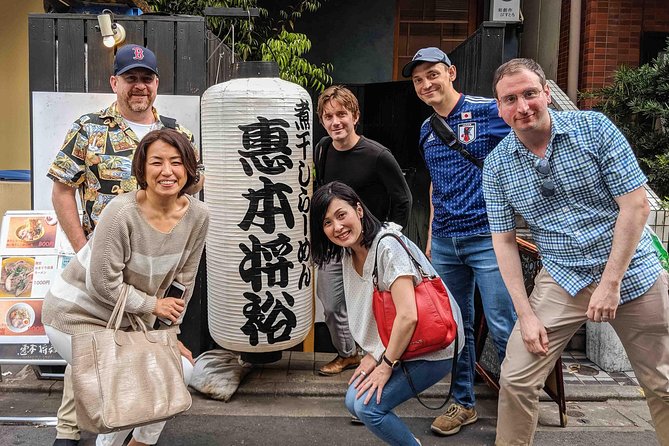
The maximum group size is six people. That is a strong feature for this kind of activity, since kitchen demonstrations can lose their value when you are standing far from the action or waiting behind a crowd.
With six or fewer, you should have a better view of the noodle work and more room to ask about ingredients. The group size also makes it easier to take your turn with temomi and tebo instead of only watching a guide perform them.
The provider uses multiple guides, and no specific guide names are supplied. That means your host may vary by date. The format should remain focused on kitchen access, instruction, and a finished bowl, but the personal style of the session can differ.
If you enjoy asking questions, prepare a few before you arrive. Good topics include how the broth is balanced, why a certain noodle style suits the soup, and how the shop approaches toppings. The chef is prepared to discuss recipes and ramen’s place in Japanese cuisine, so this is a chance to get more than a quick photo and meal.
Is $78.38 a fair price?
At $78.38 per person, this costs more than simply ordering ramen in Tokyo. You are paying for the meal plus the guided access, instruction, small group setting, and chance to work inside a well-regarded shop.
The value depends on what you want from the outing. If you only want a bowl of ramen, the price is hard to justify. Tokyo offers plenty of places to eat ramen for far less, and a normal meal will take less time and planning.
If you want a food-focused activity with a clear hands-on element, the cost is more reasonable. Exclusive access to an award-winning kitchen is difficult to arrange on your own, and the small group cap gives the hour a more personal feel. You also leave with a better understanding of why ramen preparation involves more than boiling noodles and pouring in soup.
I would compare it with other Tokyo cooking activities on your schedule. A longer class may teach more techniques, while this one offers the special setting of a real ramen shop. Choose this experience for access and focused participation, not for the amount of food or the number of recipes you will learn.
Who will enjoy this ramen experience most
I would recommend it to anyone who already likes ramen and wants to understand what happens behind the counter. You do not need to be an expert, but curiosity about noodles and Japanese food will make the short session more rewarding.
It also suits couples, families with older children, and small groups of friends who want an activity that ends with lunch. The six-person limit keeps the experience from feeling like a large demonstration.
It is less suitable for people seeking a full cooking course. You will not prepare the long-cooked broth from scratch, and the activity is over in about an hour. It is also a poor fit if you cannot eat chicken, pork, or fish unless the provider confirms an alternative.
The experience has a strong food-and-culture angle. The chef explains ramen’s place in Japanese cuisine and discusses recipes and ingredients, so you get some context along with the practical work. That balance is useful if you prefer an activity that teaches you something rather than simply taking you to a restaurant.
Practical details for planning your visit
Confirmation is provided at booking, and the activity is near public transportation. The experience ends back at the meeting point, so allow time to continue your day from there.
The meeting information needs a little attention. The start address is listed as 2-chōme-12-6 Nezu, Bunkyo City, Tokyo 113-0031, while the itinerary names Nakameguro Koukashita. Since those are different place references, check the final booking instructions and map location carefully before you go.
The activity is commonly booked about 16 days ahead. That is not a guarantee of availability, but it is a useful planning clue. With only six places, I would reserve before arriving in Tokyo if this is a high priority.
You can cancel for a full refund up to 24 hours before the start time. Cancellations or changes made inside that window are not refunded or accepted. The experience also requires a minimum number of participants, and if the provider cancels for that reason, you will be offered another date or experience, or a full refund.
Should you book this Tokyo ramen experience?
Book it if you want a compact, hands-on look at professional ramen making and like the idea of eating your own finished bowl. The award-winning shop, exclusive kitchen access, noodle techniques, and six-person limit give it more substance than a standard ramen meal.
Skip it if you need a vegetarian menu, want every part made from scratch, or are mainly looking for an inexpensive lunch. At $78.38, the meal alone is not the value. The value is the access, instruction, and chance to take part in the small but important steps that shape a bowl of ramen.
For the right person, this is a smart Tokyo food stop: short, specific, filling, and rooted in the work of a real ramen kitchen.
FAQ
Where does the ramen experience start?
The listed start point is 2-chōme-12-6 Nezu, Bunkyo City, Tokyo 113-0031, Japan. Nakameguro Koukashita is also named in the itinerary, so confirm the exact meeting location before departure.
Where does the activity end?
The experience ends back at the meeting point.
How long does the ramen experience last?
The activity lasts approximately one hour.
How many people can join?
The maximum group size is six people.
Is this a full cooking class?
No. You do not make every part from scratch. The broth takes about 10 hours to prepare, so the activity focuses on selected preparation steps, noodle handling, toppings, and assembling your bowl.
What ramen techniques will I learn?
You learn temomi, which is massaging the noodles, and tebo, which is shaking water from the noodles before serving.
Does the ramen contain meat or fish?
Yes. The ramen contains chicken, pork, and fish.
Can I cancel for a full refund?
Yes. You can cancel at least 24 hours before the experience start time for a full refund. Cancellations or changes made less than 24 hours before the start time are not refunded or accepted.
More tours in Tokyo we've reviewed







Tokyo, compared.
 ★ 5.0Mt Fuji and Hakone 1-Day Bus Tour Return by Bullet TrainFrom $163
 ★ 5.01-Day Tokyo Bus TourFrom $129
 ★ 4.6Tokyo: teamLab Planets TOKYO Digital Art Museum Entry TicketFrom $251 day
 ★ 4.0Mt Fuji & Hakone Cruise, Drum Show Bullet Train 1 Day from TokyoFrom $149
 ★ 5.0Tokyo: Shinjuku Food Tour (13 Dishes at 4 Local Eateries)From $86
 ★ 4.4Tokyo Mt Fuji 5th St & Hakone Cruise Bus Tour w/Bullet TrainFrom $15410 hours