Reviewed · TOKYO FOOD TOURS
Tokyo: Night Cooking Class: 5 Home-Cooked Japanese Dishes
Tokyo’s best food lessons do not always happen in grand restaurants. This three-hour evening class brings you into the relaxed world of Japanese home drinking, where small plates arrive one after another and food is made to match the drink in your hand. I like the practical recipes and the small group, limited to six people. I also like that you get three alcoholic or soft drinks, not just a cooking demonstration.
In This Article
- Key points to know before booking
- What this Tokyo night is really about
- Preparing five dishes in three hours
- Drinks are part of the lesson
- Why the small group matters
- The value of $103 per person
- Who should book this class
- Dietary limits and kitchen access
- Timing, meeting point, and planning advice
- The best reasons to choose it
- The reasons to think twice
- Should you book this Tokyo cooking class?
- FAQ
- Where does the Tokyo cooking class meet?
- How long does the experience last?
- What dishes will I prepare?
- Are drinks included?
- Can vegetarians join?
- Is the class suitable for children?
- Can people with vegan, gluten-free, or allergy needs join?
The class covers sushi hand rolls, wagyu or tofu steak, Japanese rolled egg, grilled eggplant with miso sauce, and other izakaya-style dishes. The main catch is that this is not a good fit for vegans or people needing strict gluten-free or allergy-safe food, and children under 12 cannot take part in knife or heat work.
Key points to know before booking

- Five home-style dishes: Prepare sushi hand rolls, steak or tofu, rolled egg, grilled eggplant with miso, and savory party food.
- A real drinking-culture lesson: Learn how Japanese small plates are matched with sake, beer, and soft drinks.
- Small group format: With no more than six participants, you get more hands-on time and a better chance to ask questions.
- English-speaking guides: Alice, Masae, and Fuji have led highly praised sessions, with warmth and clear instruction.
- Useful recipes to take home: The ingredients are chosen so you can repeat the dishes outside Japan.
- Family limits matter: Children age six and older may attend, but only those 12 and over can handle knives and heat with a parent or guardian present.
What this Tokyo night is really about

This is not a formal sushi-school lesson. It is closer to learning how Japanese friends might set out food for a relaxed evening at home. The idea is simple: prepare several modest dishes, sit down with drinks, and see how salty, sweet, crisp, smoky, and savory flavors work together.
That makes the class useful for anyone who wants more than a recipe card. You learn a little about nomikai, the Japanese drinking-party tradition, without needing to join a large bar crawl or spend the night moving from place to place. The food is the main event, but the drinks help explain why these dishes are served in small portions.
The setting is in the Iriya area, with the meeting point in front of the FamilyMart beside the Gindako takoyaki shop and Doutor Coffee near Exit 2 of Iriya Station. Take care here: there are two FamilyMart stores at Iriya Station. The Gindako and Doutor landmarks are the useful clues.
A few more Tokyo tours and experiences worth a look
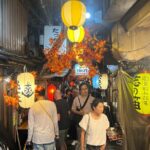
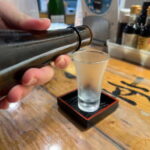
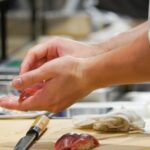
Preparing five dishes in three hours
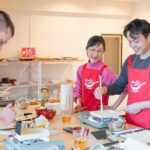
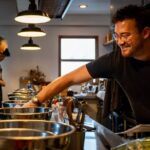
The class includes hands-on cooking, ingredients, equipment, a local English-speaking guide, three cans of alcoholic or soft drinks, recipes, and tour photos. You are not simply watching someone cook while standing at the back of a room. The format is designed for you to take part.
The exact order can vary, but the food list gives you a good picture of the evening. Sushi hand rolls provide a fresh, flexible first course. You can learn how to assemble them without the pressure of shaping perfect restaurant sushi. Hand rolls also work well for a home party because each person can make one at the table.
The wagyu or tofu steak gives the menu a hearty center. If you eat meat, wagyu adds a distinctly Japanese touch. If you are vegetarian, tofu is the planned alternative, so you do not need to skip the main dish. Vegetarian arrangements are available, but vegan and gluten-free diets cannot be accommodated.
Japanese rolled egg, or tamagoyaki, is one of the more useful skills in the class. It looks easy until you try to build a neat roll in layers. This dish is common in home cooking and lunch boxes, and it teaches you how Japanese food often balances a soft texture with a lightly sweet or savory taste.
Grilled eggplant with miso sauce brings a different character to the table. Eggplant absorbs flavor well, and miso adds depth without requiring a long list of ingredients. It is the sort of side dish you can make for a weeknight meal or serve with drinks when friends come over.
You will also prepare savory skewers, crispy tempura, tangy pickles, and other small dishes as part of the izakaya-style spread. Since the class emphasizes ingredients available in your home country, the recipes are meant to be repeated rather than admired once and forgotten.
Drinks are part of the lesson

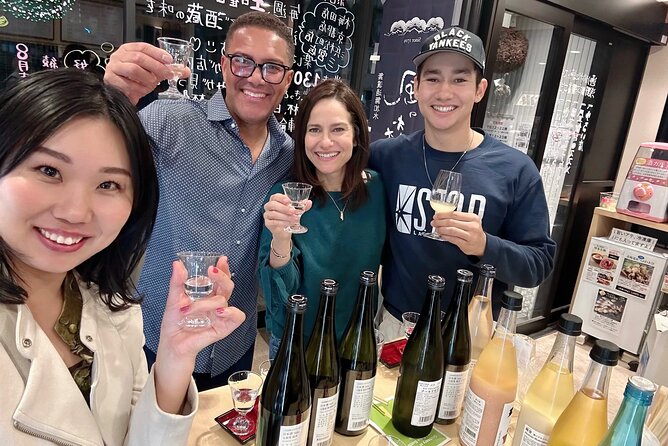
Three cans of alcoholic or soft drinks are included. If you are 20 or older, you can taste sake and alcoholic drinks in line with Japanese law. Younger participants receive soft drinks instead.
The useful part is not just getting a drink with dinner. You learn which styles work best with different foods. A crisp drink can cut through fried tempura, while sake can suit savory dishes such as steak, miso eggplant, or rolled egg. The point is to notice the relationship between food and drink, then use that knowledge when you order at an izakaya later in your trip.
This also makes the evening social without turning it into a drinking obligation. You can choose soft drinks, and the class still works as a cooking lesson. I would especially recommend this for couples or friends who enjoy trying local drinks but want a structured activity rather than a pub visit.
The three-can limit is worth noting. This is a tasting element, not an open bar. The price includes drinks, but you should not book it expecting a long night of alcohol.
Why the small group matters

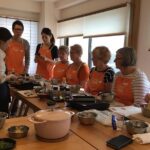
A maximum of six participants is a strong feature here. Cooking involves small practical questions: how much filling to use, when to turn the egg, how dark the miso sauce should become, or how to handle a particular ingredient. In a large class, you may spend more time watching than doing.
A small group also suits solo visitors. You have a natural reason to talk with the other people at the table, and the shared meal gives the evening a friendly rhythm. Couples can work together, though you should be ready to share equipment and counter space with the rest of the group.
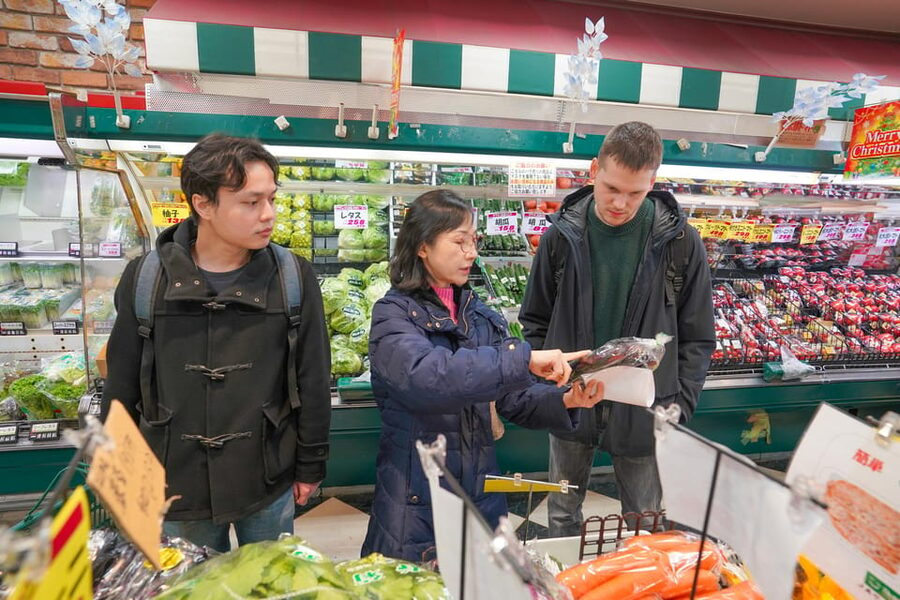
The guide is central to the experience. Alice is described as bringing clear instruction and good humor to the evening. Masae has led a session that included a supermarket visit before cooking, with explanations of Japanese techniques and food culture. That supermarket stop is not listed as a guaranteed part of every class, so treat it as a possible variation rather than a promised feature. Fuji has also led the class as both guide and instructor.
The guide names matter because this experience depends less on sightseeing and more on personal teaching. A warm, organized leader can turn several simple recipes into a memorable night. The strong 4.9 rating from 13 reviews points to consistent satisfaction, but the sample is small, so I would still judge the class by its format and food limits rather than by the number alone.
The value of $103 per person

At $103 per person, this is not a bargain meal. You are paying for more than the ingredients on the plate: a three-hour activity, an English-speaking local guide, all cooking equipment, three drinks, recipes, photos, and a small group setting.
The value is strongest if you want to learn dishes you can make again. A restaurant meal gives you a finished plate. This class gives you techniques, ingredient ideas, and a better sense of how Japanese home drinking food fits together. The recipes also reduce the common problem of returning home with no practical way to repeat what you ate.
The price makes less sense if you mainly want to eat wagyu or sample sake. In that case, a meal may offer more food and drink for less money. Here, the cooking and cultural explanation are the point.
The included choice between alcoholic and soft drinks is helpful for mixed groups. One person can taste sake while another stays alcohol-free. Vegetarian participants can receive tofu in place of wagyu, though anyone with more complex dietary needs should be cautious before booking.
Other cooking classes in Tokyo


Who should book this class

I would choose this class if you enjoy cooking, Japanese food, or small-group cultural activities. It works especially well on a Tokyo evening when you want a break from shopping, temples, and crowded restaurant counters.
It is also a good choice for solo visitors. The group is small, the guide provides structure, and the shared meal gives you an easy way to meet people. Couples who normally book cooking classes on trips should find the format familiar, with enough food variety to keep the evening interesting.
Families can attend from age six, but the age rules need careful reading. Participants under 12 cannot use knives or handle heat, even under supervision. That means younger children may watch, help with safe tasks, or use the kids’ playroom, but they will not take part in every cooking step. The activity information also lists it as not suitable for children under 12, so families should confirm the arrangement before booking.
Pregnant participants should not book this experience. Smoking is not allowed, and parts of the venue are not accessible by wheelchair or stroller.
Dietary limits and kitchen access

Vegetarians are welcome, with ingredients and cooking steps arranged for them. The tofu steak option is the clearest example of this adjustment.
This is not a vegan or gluten-free class. Allergy-free preparation cannot be guaranteed because the food is made in kitchens that do not belong to MagicalTrip. Substitutions may not be possible at every point, though the team will try to make up for this at other stops.
If you have a serious allergy, ask detailed questions before paying. Do not assume that a dish can simply be removed or replaced. Shared kitchens and Japanese sauces can contain ingredients that are hard to avoid, and the stated policy gives you an important warning.
Accessibility also deserves attention. Some places in the itinerary are not suitable for wheelchairs or strollers. Hotel pickup and drop-off are not included, so you will need to reach the Iriya meeting point yourself.
Timing, meeting point, and planning advice
The experience lasts three hours, with starting times based on availability. Since it is a night class, leave enough time to reach Iriya Station without rushing. Look for the FamilyMart next to Gindako and Doutor Coffee at Exit 2, not simply any FamilyMart near the station.
The class is offered in English. That makes it practical for visitors who want explanations of cooking methods and drinking customs without relying only on visual demonstrations.
Wear something comfortable for standing and cooking. The supplied information does not specify a dress code, so I would avoid clothing you would worry about around oil, sauces, or heat. You should also arrive ready to participate rather than expecting a sit-down tasting from the start.
Free cancellation is available up to 24 hours before the activity for a full refund, and you can reserve now and pay later. Those terms are useful when your Tokyo schedule is still shifting, though you should check the current starting time before confirming.
The best reasons to choose it
The strongest feature is the connection between cooking and Japanese home drinking culture. You are not just learning isolated recipes. You are seeing how a meal can be built from several small dishes, each suited to sharing and pairing.
I also value the repeatability of the menu. Sushi hand rolls, rolled egg, tofu steak, miso eggplant, pickles, and skewers are more useful to recreate at home than a complicated restaurant specialty requiring rare equipment. The recipes and readily available ingredients give the class lasting value.
The guide can make a major difference. Alice, Masae, and Fuji have all been praised for friendly instruction and a fun atmosphere. Masae’s possible supermarket stop adds a useful local-shopping angle, but remember that it may not be part of every session.
The reasons to think twice
The dietary rules are the biggest concern. If you are vegan, gluten-free, or managing a serious allergy, choose another class. Vegetarian cooking is supported, but the kitchen cannot promise an allergy-free meal.
The age information is also slightly mixed. The activity allows participants from age six, yet the suitability note says it is not suitable for children under 12. Since knife and heat work is limited to those 12 and older, families with young children should confirm exactly what their child can do.
Finally, $103 is a fair price only if you want the lesson, guide, drinks, and social setting. It is not the right pick for someone seeking the cheapest Japanese dinner or a broad sake tasting.
Should you book this Tokyo cooking class?
Book it if you want a friendly, hands-on evening with a small group, practical recipes, and a clear introduction to izakaya-style food. The combination of five dishes, three drinks, recipes, and an English-speaking guide gives you something to take home beyond a full stomach.
Skip it if you need vegan, gluten-free, or strict allergy-safe food, or if you want every child in your group to handle the cooking. For everyone else, this is a well-focused way to spend three hours in Tokyo, especially if you like learning by doing and want to understand why Japanese drinks are served with so many small, flavorful plates.
FAQ
Where does the Tokyo cooking class meet?
Meet in front of the FamilyMart next to the Gindako takoyaki shop and Doutor Coffee shop at Iriya Station Exit 2. There are two FamilyMart stores at Iriya Station, so use those nearby shops to identify the correct one.
How long does the experience last?
The cooking class lasts three hours. Starting times depend on availability.
What dishes will I prepare?
The hands-on class includes sushi hand rolls, wagyu or tofu steak, Japanese-style rolled egg, and grilled eggplant with miso sauce. The experience also includes savory skewers, crispy tempura, tangy pickles, and other small dishes.
Are drinks included?
Yes. Three cans of alcoholic or soft drinks are included. Alcoholic drinks and sake are available only to people age 20 and over under Japanese law.
Can vegetarians join?
Yes. Vegetarian participants are welcome, and the cooking process and ingredients can be arranged for them. The wagyu steak can be replaced with tofu.
Is the class suitable for children?
Participants must be at least six years old, but knife and heat work is limited to people age 12 and older under parent or guardian supervision. The activity is also listed as not suitable for children under 12, so families should confirm the arrangement before booking.
Can people with vegan, gluten-free, or allergy needs join?
The class is not available for vegan or gluten-free diets. Allergy-free preparation cannot be guaranteed, and substitutions may not be possible at every point.
More Night Tours in Tokyo



More Cooking Classes in Tokyo
More Tokyo Food Tours in Tokyo


More tours in Tokyo we've reviewed








Tokyo Food Tours, compared.
 ★ 5.0Tokyo: Shinjuku Food Tour (13 Dishes at 4 Local Eateries)From $86
 ★ 4.9Tokyo: Shinjuku Food Tour (13 Dishes and 4 Eateries)From $97
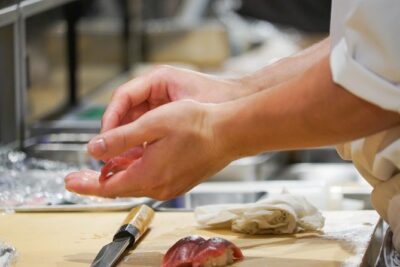 ★ 5.0Tokyo Night Foodie Tour in Shinjuku – Seasonal Sushi, Wagyu BeefFrom $111
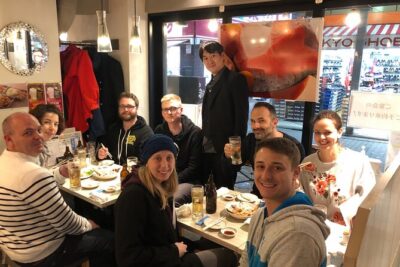 ★ 5.0Eat and Drink Like a Local: Tokyo Ueno Food Tour-Taverns&RamenFrom $95
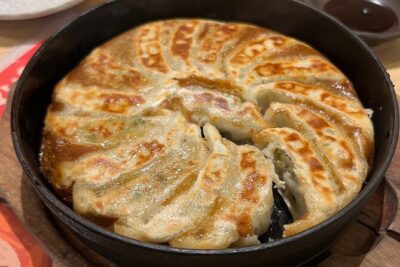 ★ 5.0Tokyo: Shibuya Food Tour (13 dishes and 4 Eateries)From $77
Tokyo: Shinjuku Food Tour – 15 Dishes, 3 Drinks, 4 EateriesFrom $723 hours
★ 5.0Tokyo: Shibuya Food Tour (13 dishes and 4 Eateries)From $77
Tokyo: Shinjuku Food Tour – 15 Dishes, 3 Drinks, 4 EateriesFrom $723 hours