Reviewed · SUSHI MAKING CLASSES
Ramen and Sushi Cooking Class with Sake Pairing Set in Tokyo
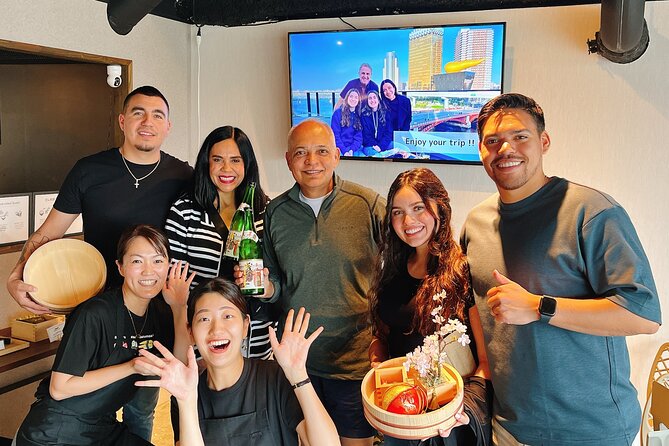
The best part of this Tokyo cooking class is that you do not just eat sushi and ramen, you learn the moves behind them. In about three hours, you prepare sushi, build savory ramen broth, and taste sake chosen to match the meal. I especially like the maximum group size of eight, which gives the instructor time to correct your rice shaping or rolling technique. I also like the relaxed teaching style associated with Sato, Ryushi, Alex, Taka, and Kaori, who keep the class friendly rather than formal.
In This Article
- Key things to know before booking
- Starting in Tsukuda at HAUS Tsukishima
- Meeting the cooking team
- Learning the sushi basics by making your own meal
- Building ramen broth from scratch
- Tasting sake with the food
- How the three hours are likely to feel
- What the $79.59 price includes
- Who will enjoy this class most
- Practical booking advice for Tokyo
- Should you book the ramen and sushi class?
- FAQ
- Where does the cooking class begin?
- How long does the activity last?
- How large is the group?
- What food do I make?
- Is sake included?
- Is an English-speaking instructor provided?
- Is hotel transportation included?
- Can I cancel for a refund?
The main thing to consider is the balance of hands-on work. Sushi receives the most direct instruction, while the ramen process includes more preparation and customization than from-scratch cooking at every stage. At $79.59 per person, the price is fair for a meal, drinks, ingredients, and a small-group lesson, but this is best for people who want to learn and participate, not simply sit down to a restaurant meal.
Key things to know before booking
- Sushi is the most hands-on part: Expect close guidance as you shape and assemble your pieces.
- Ramen includes broth made from scratch: You learn the base of the dish and can adjust parts of the finished bowl.
- Sake is part of the meal: The class includes drinks selected to pair with what you prepare.
- The group is capped at eight: This matters when you need help with rice, rolling, or knife work.
- The class meets in Tsukuda: The address is HAUS Tsukishima, 2-chōme 13-5, in Chuo City.
- The full three-hour experience ends where it begins: There is no hotel pickup or drop-off.
Starting in Tsukuda at HAUS Tsukishima
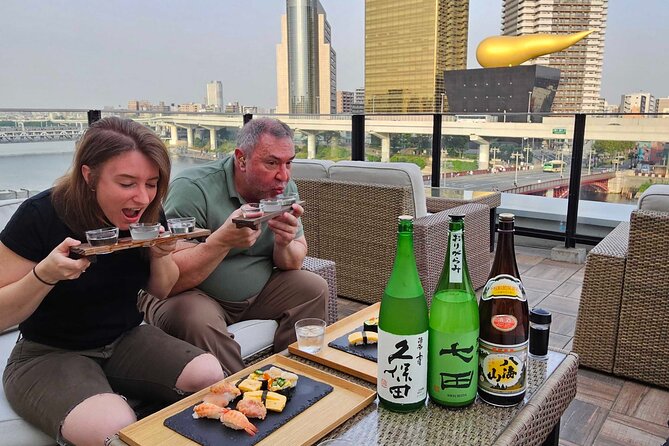
The class begins at Japan, 104-0051 Tokyo, Chuo City, Tsukuda, 2-chōme 13-5, HAUS Tsukishima. That puts the activity in a practical Tokyo neighborhood rather than at a major sightseeing monument, so you should plan your route before class and allow enough time to find the building.
The meeting point matters because this is not a hotel pickup experience. You make your own way there, and the activity returns to the same location at the end. The venue is near public transportation, which helps, but the exact station route is not provided here. I would save the address on your phone and check your route on the day of the class.
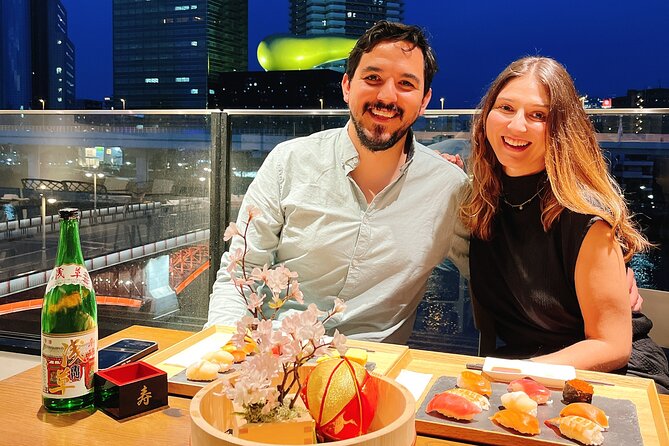
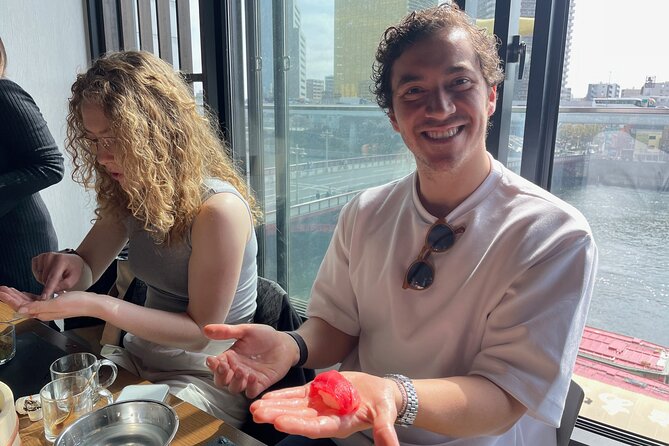
The setting appears designed for a small, personal lesson. One class description highlights an intimate room, and a class account specifically mentions a view overlooking the river. The view may depend on where you sit and the session you receive, so I would treat it as a pleasant extra rather than the reason to book.
The mobile ticket keeps things simple. Confirmation arrives at booking, so you can have the reservation ready on your phone instead of printing paperwork.
A few more Tokyo tours and experiences worth a look
Meeting the cooking team
The class is taught in English, which is important if you want to understand not only what to do but why you are doing it. Instructors named in class feedback include Sato, Ryushi, Alex, Taka, and Kaori. You may not meet every member of that team, but the teaching approach is presented as warm, patient, and easy to follow.
That friendly tone is useful for beginners. Sushi can look simple when it arrives at a counter, yet the rice, pressure, shape, and proportions take practice. A good instructor can save you from the usual home-cooking frustration: watching a video, copying the motion, and still ending up with loose or misshapen rolls.
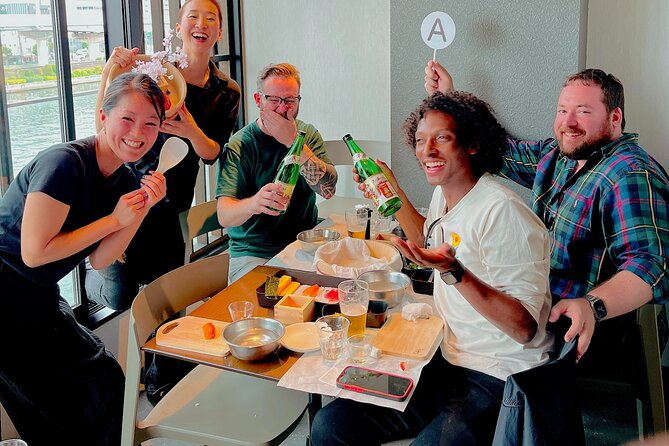
The small group makes a real difference here. With no more than eight people, you should have a better chance to ask questions and receive direct help. A larger class might offer the same menu, but it would be harder for an instructor to watch every hand as you work.
The atmosphere also seems social without being forced. A quiz about sushi and ramen history and facts may be included, giving the class a bit of play between cooking tasks. You get food culture in manageable pieces, rather than a long lecture before the meal begins.
Learning the sushi basics by making your own meal
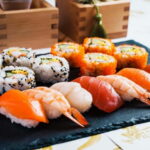
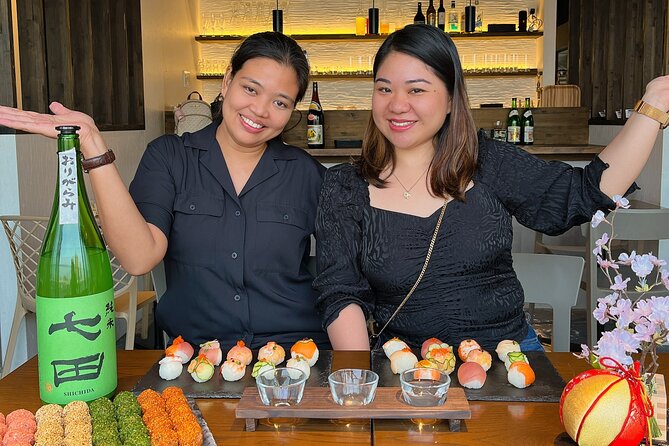
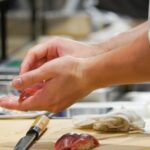
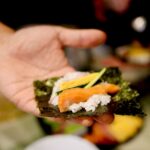
Sushi is the clearest hands-on lesson in the class. You prepare and assemble your own pieces, then eat what you make. That gives the activity a practical payoff: you can see at once how your technique affects the finished food.
Expect the instructor to focus on the details that are hard to pick up from a video. Rice handling, portion size, rolling pressure, and presentation all matter. The point is not to turn you into a professional sushi chef in one afternoon. It is to give you enough understanding to repeat the basic process at home without feeling lost.
I like that the class ties the food to its cultural background. Sushi is not treated as a generic craft project. You hear stories and facts behind the dish, which helps explain why ingredients, preparation, and presentation are handled in particular ways.
A small group is especially useful at this stage. If your roll is too loose or your rice is uneven, you can ask for a correction before moving on. The close teaching also suits couples, families with older children, and friends who want an activity they can share rather than watch.
The sushi is served as part of the meal, not just placed on a plate for display. That sounds obvious, but it changes the mood. You are working toward lunch or dinner, and the food you make becomes part of the experience.
Building ramen broth from scratch
The ramen portion gives the class a second kind of lesson. Sushi teaches careful assembly, while ramen shows how a bowl develops through broth, toppings, and final choices. The class specifically includes brewing a savory broth from scratch, so this is more than adding noodles to a prepared soup base.
The process is not described as fully hands-on at every step. That is the main limitation for anyone expecting to cook every element from start to finish. One account notes that ramen is less hands-on than sushi, although it allows more customization. I would book with that distinction in mind.
You still gain useful home-cooking knowledge. The instructor shares professional tips and tricks for getting Japanese dishes right in your own kitchen, and the ramen section gives you a sense of how the broth supports the rest of the bowl. Customizing the finished ramen can also help you understand how flavor and texture work together.
Pork belly is included in the meal, and it has been singled out as a particularly good part of the ramen. You should not expect a restaurant-style tasting menu with many separate courses. Instead, you make two familiar Japanese dishes, then sit down to eat a filling meal.
The ramen is a good reason to choose this class over a sushi-only workshop. You get contrast: one dish built through precision and shaping, another built around warmth, broth, and personal choices.
Tasting sake with the food
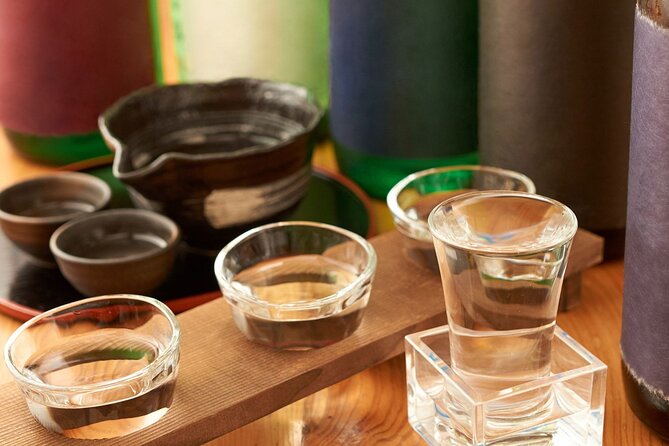
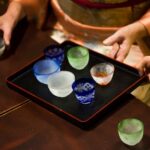
Sake is included, not sold as an optional extra. The class pairs sake with the sushi and ramen, so you can taste how the drink works alongside different flavors rather than sampling it on its own.
The drink selection is described as carefully chosen, and the sake has been praised as smooth and high quality. Still, this is a cooking class with sake pairing, not a dedicated brewery visit or a formal sake seminar. The useful lesson is the connection between drink and food.
All drinks are included in the activity price. That makes the cost easier to judge because you are not adding a separate beverage bill after the cooking. If you do not drink alcohol, you should confirm the available arrangements before booking, since the provided details do not specify nonalcoholic alternatives.
The sake also adds a natural social rhythm to the class. You cook, taste, compare, and learn a little more about Japanese dining customs without turning the experience into a stiff tasting session.
Other cooking classes in Tokyo


How the three hours are likely to feel
The activity lasts approximately three hours, which is long enough for instruction, cooking, eating, and conversation without taking an entire day from your Tokyo plans. I would place it on a day when you can enjoy a slower meal and do not need to rush straight to another reservation.
The time is divided between teaching and participation. You hear about Japanese culinary culture, learn techniques, prepare sushi, work through the ramen process, and eat the results. The exact order may vary, but the experience is built around doing rather than watching.
Because the meal is included, you should not need to plan a separate lunch or dinner immediately afterward. One class account makes clear that the portions are filling. That is helpful after a morning of sightseeing, though it also means this is not a quick snack stop.
The class may feel especially valuable in poor weather. Tokyo has plenty of indoor attractions, but many of them involve standing in line or moving through crowded rooms. Cooking gives you a warm, seated activity with a clear result at the end.
What the $79.59 price includes
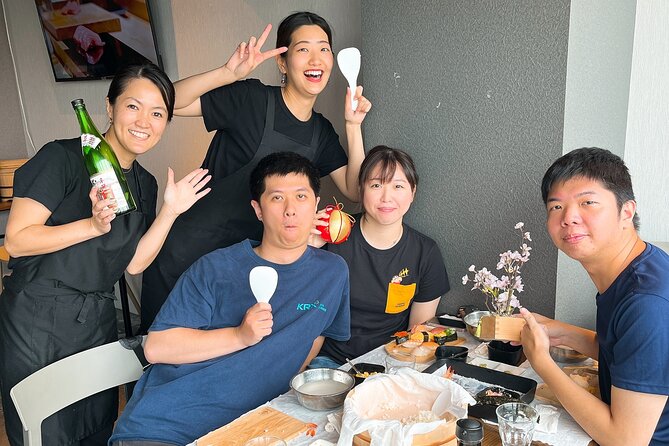
At $79.59 per person, the value comes from the combination of instruction, a full meal, drinks, and a small group. You are not paying only for a bowl of ramen. You are paying for the ingredients, English-language guidance, cultural explanation, sushi practice, ramen preparation, and sake.
The eight-person cap is central to that value. If the class had thirty people, the same menu might feel like a demonstration with a quick turn at the work table. With eight or fewer, personal help becomes a real part of what you are buying.
The price is less compelling if you only want to eat sushi and ramen. Tokyo offers many ways to do that without taking three hours. This activity earns its cost through the learning and the social setting.
It also helps that all cooking ingredients and the meal are included, along with all drinks. Hotel pickup and drop-off are not included, so transportation is your responsibility. Build that small extra effort into your budget and schedule.
Who will enjoy this class most
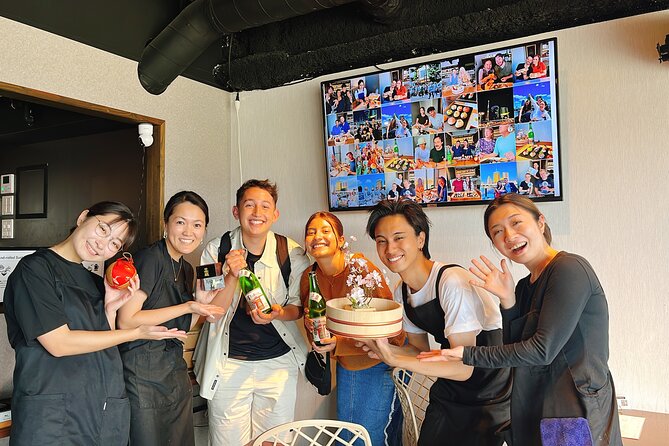
I would recommend this activity to first-time visitors who want a food experience with structure. You get a clear meeting point, an English-speaking instructor, a set duration, and dishes familiar enough to enjoy even if you are new to Japanese cooking.
It also suits people who have tried making sushi at home and struggled. The hands-on correction can make a larger difference than another online video. You leave with practical methods, not just photographs of attractive food.
Couples and small groups should find the format comfortable. The cooking gives you something to do together, while the sake and meal create time to talk. Solo participants can also fit well because the group is small and the instructors focus on making people feel at ease.
Food-focused visitors will get the most from the cultural stories and pairing. If you want a technically demanding chef course, this may feel too relaxed. If you want a friendly introduction to sushi, ramen, and sake, the level should be a better match.
The class is also suitable for people using mobility assistance in some respects, since service animals are allowed and the venue is near public transportation. The supplied information does not give detailed wheelchair access notes, so anyone with specific mobility needs should confirm the setup before paying.
Practical booking advice for Tokyo
The experience offers free cancellation if you cancel at least 24 hours before the local start time. A cancellation within 24 hours is not refunded, and changes during that period are not accepted. I would avoid booking it too tightly against a flight, train, or another timed attraction.
Use the mobile ticket and keep the confirmation easy to reach. Since there is no hotel transfer, check the route to HAUS Tsukishima before leaving your hotel, and remember that the class ends back at the meeting point.
The maximum is eight people, but the actual group may be smaller. A very small session can feel almost private, while a full group still remains manageable. If personal instruction is your priority, book early enough to secure the date and time you want.
Should you book the ramen and sushi class?
I would book this class if you want to understand Japanese food by making it, eating it, and asking questions along the way. The strongest reasons are the small group, English instruction, hands-on sushi practice, from-scratch ramen broth, included sake, and the chance to learn from instructors such as Sato, Ryushi, Alex, Taka, or Kaori.
I would skip it if your main goal is a quick meal, a specialist sake tasting, or advanced chef training. The ramen work is less hands-on than the sushi, and three hours is a real commitment in a city full of other choices.
For most food-loving visitors, though, the $79.59 fee is reasonable. You get a substantial meal and drinks, but more importantly, you get techniques you can try again at home. That lasting usefulness is what makes this more than a pleasant lunch in Tokyo.
FAQ
Where does the cooking class begin?
It begins at HAUS Tsukishima, Japan, 104-0051 Tokyo, Chuo City, Tsukuda, 2-chōme 13-5.
How long does the activity last?
The cooking class lasts approximately three hours.
How large is the group?
The activity has a maximum of eight travelers.
What food do I make?
You make sushi and prepare ramen with savory broth made from scratch. Pork belly is included with the ramen meal.
Is sake included?
Yes. All drinks are included, and the class features sake selected to pair with the dishes.
Is an English-speaking instructor provided?
Yes. An English-speaking instructor leads the class.
Is hotel transportation included?
No. Hotel pickup and drop-off are not included. The activity ends back at the meeting point.
Can I cancel for a refund?
Yes, if you cancel at least 24 hours before the experience start time. Cancellations within 24 hours are not refunded, and changes during that period are not accepted.
More Cooking Classes in Tokyo
More Cooking Classes in Tokyo
More Sushi Making Classes in Tokyo
More tours in Tokyo we've reviewed




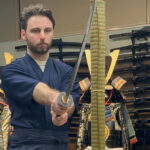

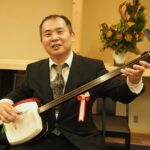


Sushi Making Classes, compared.
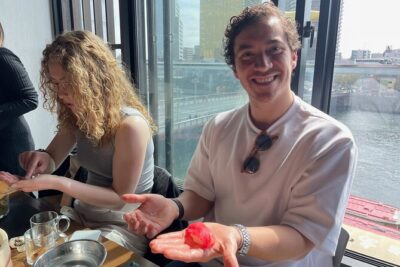 ★ 5.0Sushi Making Tokyo Roll and Authentic Japanese Sushi ClassFrom $59
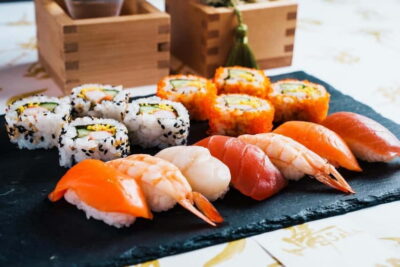 ★ 4.9Tokyo: Roll and Authentic Sushi Making Class in AsakusaFrom $581h 40m
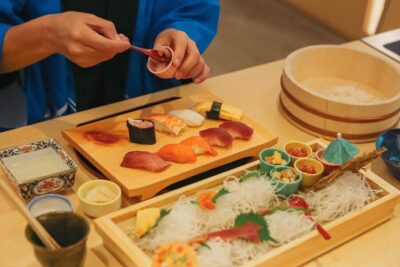 ★ 4.9Tokyo: Sushi Making Class in a Happi Coat near a Famous SpotFrom $421h 30m
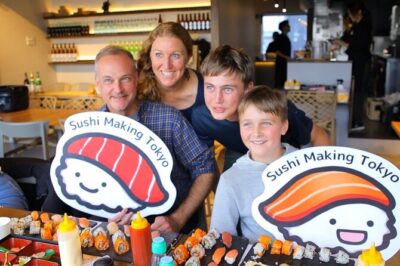 ★ 5.0Sushi Making Tokyo! Popular Maki Sushi & Japanese Sushi(+Recipe!)From $63
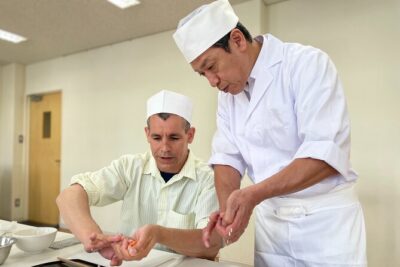 ★ 5.0Tokyo Sushi Making Class in Tsukiji with Professional ChefFrom $49
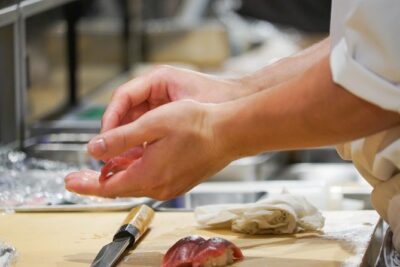 ★ 5.0Tokyo Night Foodie Tour in Shinjuku – Seasonal Sushi, Wagyu BeefFrom $111