Reviewed · SHINJUKU TOURS
Tokyo: The Best of Izakaya in Shinjuku Food & Cultural Tour
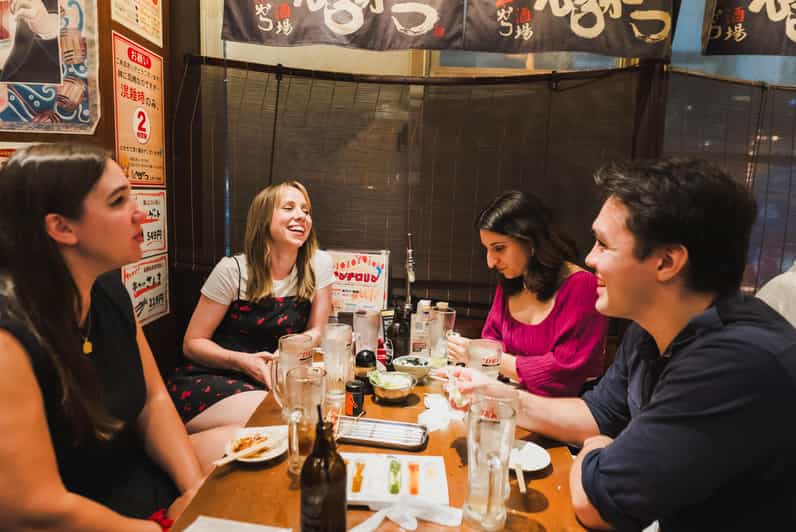
Shinjuku makes a fine classroom for Japanese food. This three-and-a-half-hour evening moves from neon streets and tiny Golden Gai alleys to two local izakayas, where you may eat more than 14 dishes, including chicken skewers, sashimi, handmade croquettes, dumplings, tonkotsu, and sake.
In This Article
- Key points to know before booking
- Why Shinjuku works so well for an izakaya evening
- Meeting at Kirin City and getting oriented
- Golden Gai: tiny bars and a complicated past
- The main meal: two izakayas and a full Japanese dinner
- Sashimi, skewers, croquettes, and the role of sake
- Omoide Yokocho and Kabukicho after dark
- The guides make the difference
- Is $129 a fair price in Tokyo?
- Who should book this Shinjuku food tour?
- Should you book it?
- FAQ
- How long does the Shinjuku izakaya tour last?
- Where does the tour meet?
- Where does the tour finish?
- How many people are in the group?
- What food is included?
- Are drinks included?
- Can food allergies and dietary restrictions be accommodated?
I like the generous portions, since this is dinner rather than a few token bites. I also like the small group limit of 10, which gives guides such as Joe, Max, Chizuru, Ayaka, and Nobu room to explain dishes, answer questions, and help solo visitors feel part of the group.
The main drawback is price. At $129 per person, you pay a sizable premium over eating cheaply on your own in Tokyo, so the value depends on how much you want local guidance, organized tastings, two drinks, and a sociable evening.
Key points to know before booking
- More than 14 dishes: Portions are often large enough to replace dinner, not just provide a sample.
- Two local izakayas: The restaurants and tasting menu change with the day’s fresh ingredients.
- Golden Gai and Kabukicho: You see Shinjuku’s old drinking lanes alongside its neon entertainment district.
- Two alcoholic drinks included: Sake is part of the experience, with nonalcoholic options available.
- English-speaking guides: Past guide names include Joe, Max, Chizuru, Ayaka, Nobu, Megan, and Taiga.
- Small group format: The group is capped at 10, useful for questions and meeting other diners.
Why Shinjuku works so well for an izakaya evening
Shinjuku is more than Tokyo’s famous train station. It is a huge dining and entertainment district, and the tour uses that variety well. You begin near Kirin City Shinjukuhigashi, then walk through several sides of the neighborhood before settling in for a long meal.
The timing matters. The tour generally runs from 17:00 to 20:30, although the activity is also described as three hours, so check the current start and finish details when booking. An early evening start lets you see Shinjuku change from day into night, with signs, bars, and restaurants taking on a different character as the streets fill.
I like that the walking section is not treated as a long history lecture. You spend about 40 to 50 minutes seeing the surrounding area, then the food takes center stage. That balance suits you if you want cultural context but do not want to spend the entire evening on foot.
The neighborhood can be confusing for a first-time visitor. Shinjuku has several exits, huge crowds, and layers of streets that look similar once the lights come on. Having a guide lead you to restaurants you might not identify from Japanese-only signs is a real part of what you are paying for.
A few more Tokyo tours and experiences worth a look
Meeting at Kirin City and getting oriented
The meeting point is in front of Kirin City Shinjukuhigashi, a beer hall. Look for a guide carrying a Ninja Bowl logo tote bag, which is more useful than simply searching for a person in a crowded station district.
Transportation is not included, so you need to reach the meeting point yourself. Allow extra time if you are coming from another part of Tokyo, since Shinjuku Station is enormous and the correct exit can make the difference between an easy arrival and a frantic street search.
Your guide should set the tone quickly. Names associated with this experience include Joe, often called Hawaii Joe, as well as Max, Chizuru, Nobu, Ayaka, Megan, Julian, Taiga, Harumi, and others. Guide assignments can change, but the format calls for an English-speaking live guide in a group of no more than 10 people.
That small size is especially useful if you are traveling alone. You can ask how to order, check the meaning of a dish, or get suggestions for later meals without trying to catch a guide’s attention across a large group.
Golden Gai: tiny bars and a complicated past
Golden Gai is scheduled as a 30-minute visit, and it gives you a quick look at one of Shinjuku’s most unusual areas. Its narrow lanes are packed with tiny bars, many with only a handful of seats, and the cramped layout feels worlds away from the broad avenues near the station.
This is a place where a guide adds real value. The streets can look like a maze, and the small storefronts do not always explain themselves to an English-speaking visitor. Your guide can point out preserved details, explain how the area fits into Shinjuku’s past, and help you understand why the district remains so distinctive.
Keep your expectations sensible. A short walk through Golden Gai is not the same as having a drink in one of its bars, and the itinerary does not promise a bar visit there. You are seeing the lanes as part of the neighborhood tour before moving on to dinner.
The area is also tight, and the walk may feel crowded. If you prefer wide streets and quiet restaurants, this portion may be less comfortable. If you enjoy unusual urban spaces, tiny signs, and the feeling of peeking into a part of Tokyo you would likely miss alone, it is one of the evening’s strongest stops.
The main meal: two izakayas and a full Japanese dinner
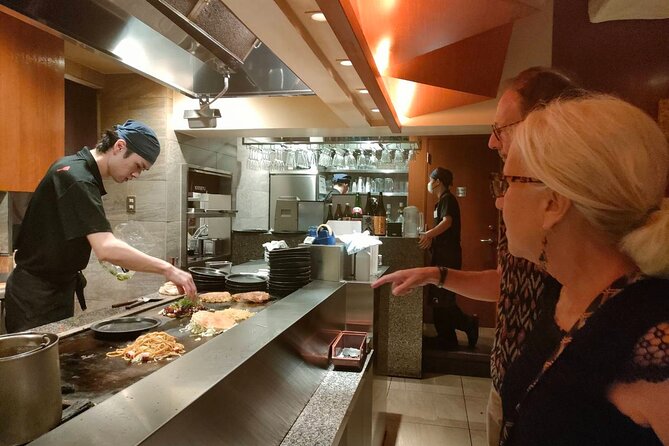
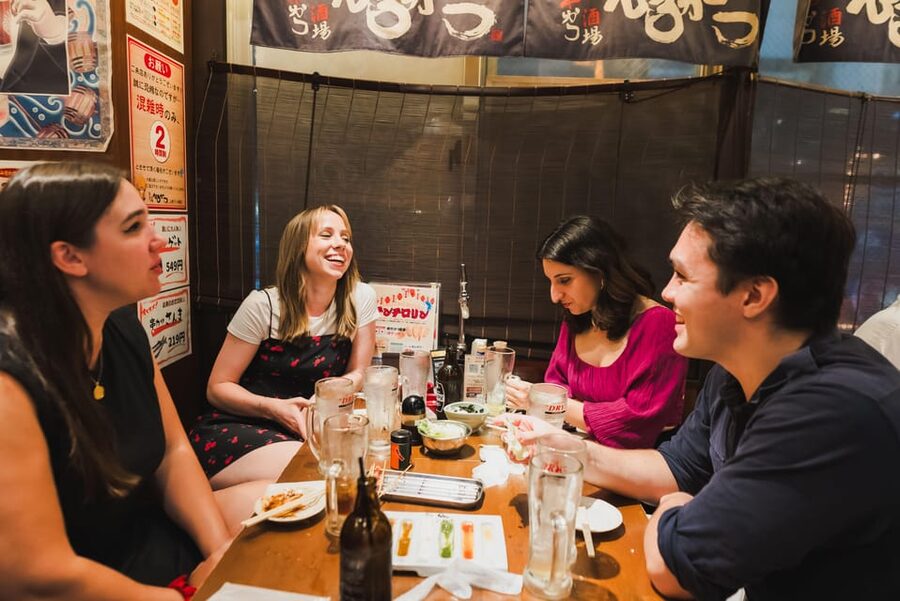
The food portion takes about two and a half hours and is the heart of the experience. You visit two popular local restaurants, with the menu changing according to fresh ingredients available that day.
I like this setup more than a single fixed restaurant meal. Two venues let you compare different izakaya styles, atmospheres, and drinks without asking you to research several places yourself. The tradeoff is that you do not control the restaurant selection or the exact menu, so you should book this for variety rather than for one specific dish.
The tasting list can include:
- Chicken skewers
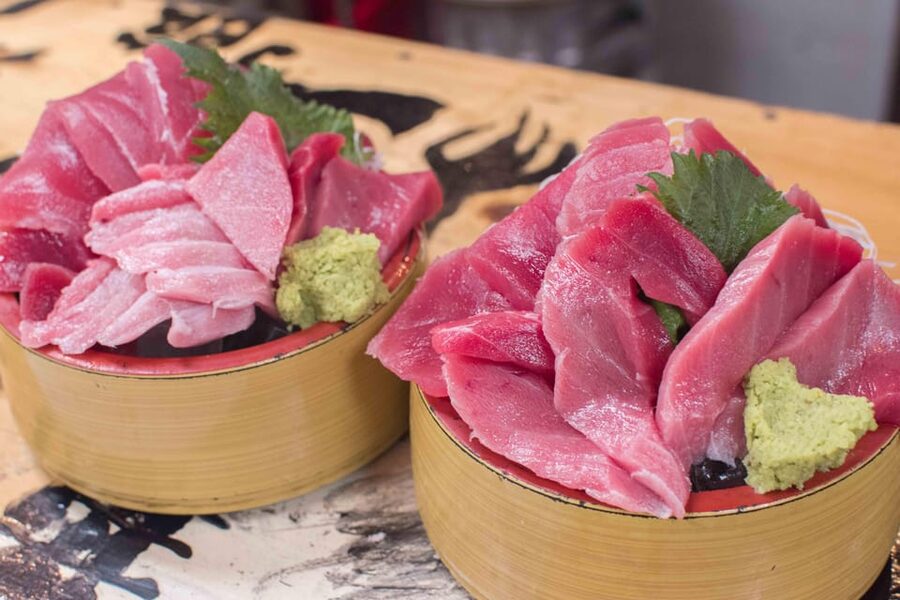
- Fresh sashimi
- Handmade Japanese croquettes
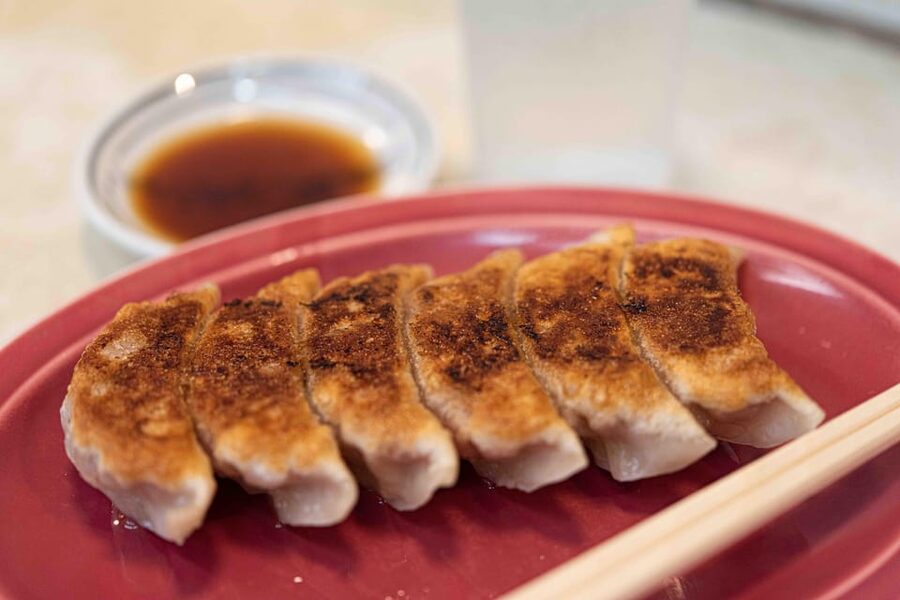
- Dumplings
- Tonkotsu
- Traditional izakaya snacks
- Sake
- Lemon sorbet
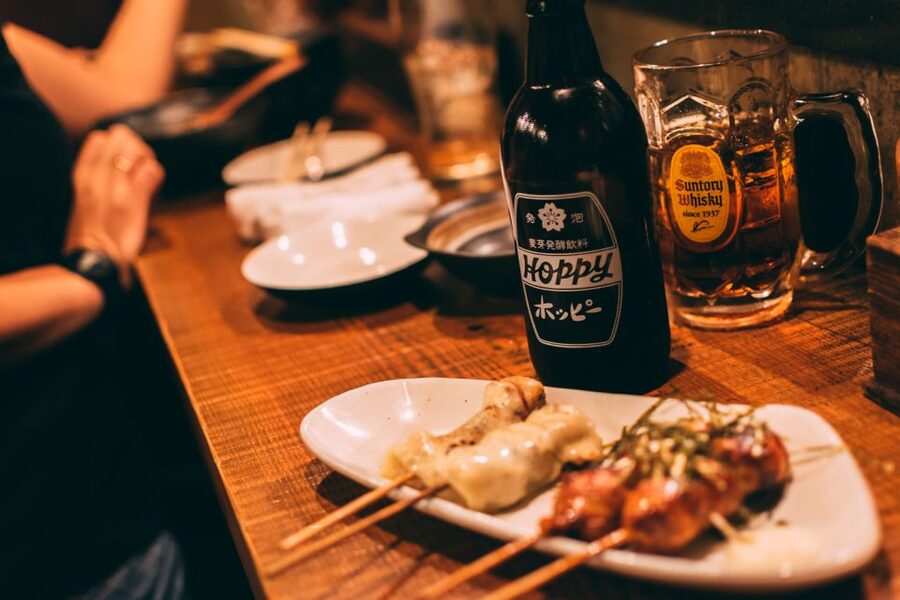
The exact combination is not guaranteed, and that is worth noting if you have your heart set on a particular food. Still, the range gives you a useful introduction to the casual Japanese dining style that izakayas do so well: small plates, grilled items, fried food, raw seafood, noodles, and drinks shared around the table.
Several parts of the meal are described as full portions rather than tiny tastes. You may start hungry and finish very full, so do not eat a large dinner before meeting the group. The food also arrives over a long period, which makes the evening feel like a social meal rather than a quick checklist of samples.
Sashimi, skewers, croquettes, and the role of sake
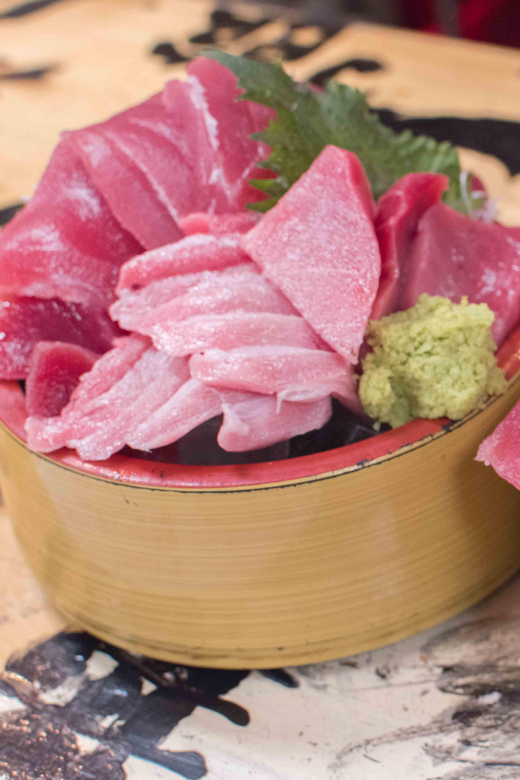
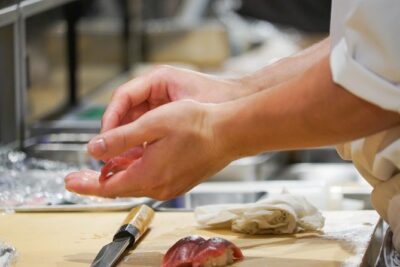
The strongest appeal here is the chance to try a broad mix of dishes in one sitting. Sashimi gives you a clean, delicate taste of seafood, while chicken skewers offer a warmer, more familiar entry point into izakaya cooking. Croquettes and dumplings add the comforting fried and savory side of the menu.
The food is explained as you go. Guides such as Max, Chizuru, Ayaka, and Joe have been singled out for explaining ingredients, food customs, pronunciation, and the best way to enjoy the dishes. That turns dinner into something more useful than simply being fed.
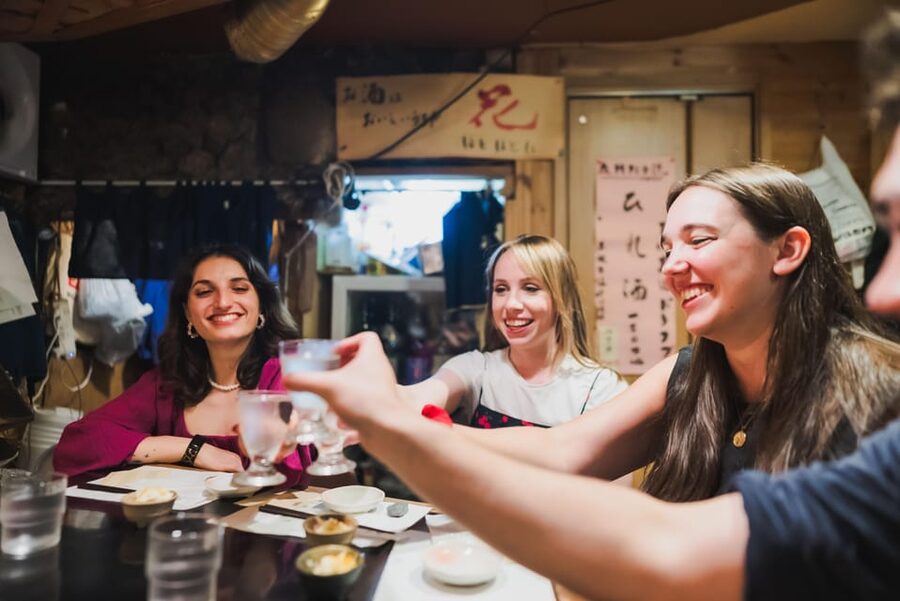
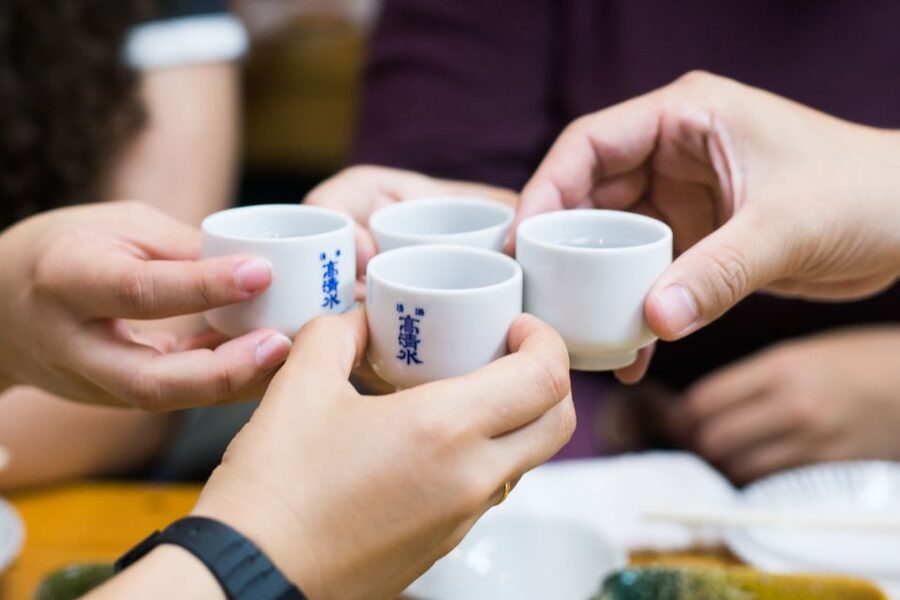
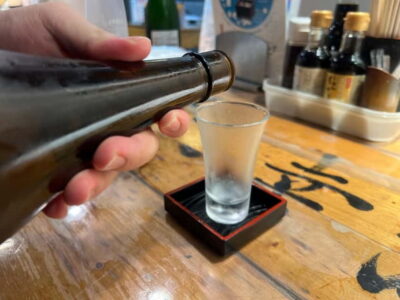
Two alcoholic drinks are included, and sake is a major feature. The tour highlights smooth Japanese sake that may not be available in your home country, and one stop can include a sake tasting served alongside the food.
You do not need to be a sake expert. The guide can help you understand what you are drinking and suggest choices, which is helpful when a menu offers unfamiliar names. If you do not drink alcohol, you can still join and receive more than 10 food samplings, while choosing nonalcoholic drinks instead.
Food restrictions can be accommodated based on allergies and dietary needs, but you should provide that information in advance. Since the menu changes with the day’s ingredients, do not assume every restriction can be handled without notice.
A few more Tokyo tours and experiences worth a look

Omoide Yokocho and Kabukicho after dark
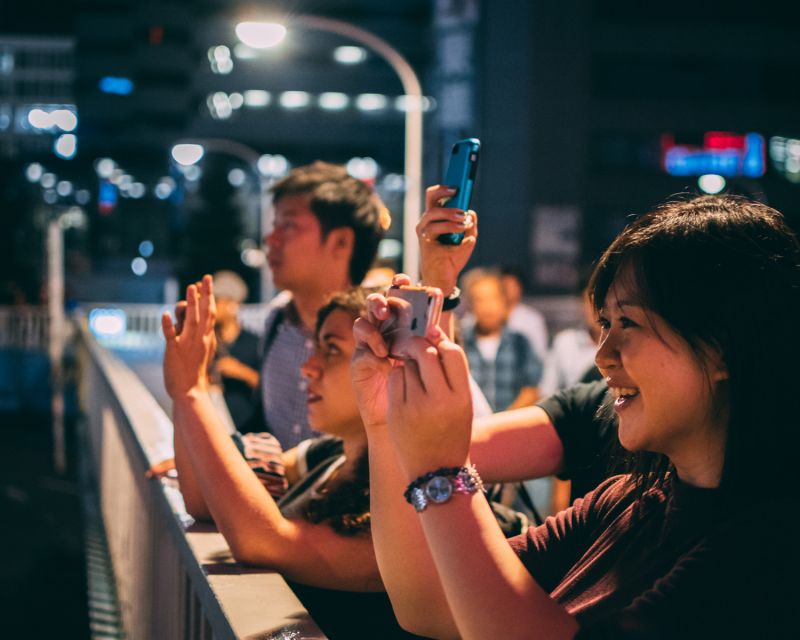
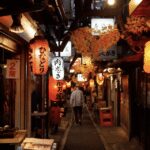
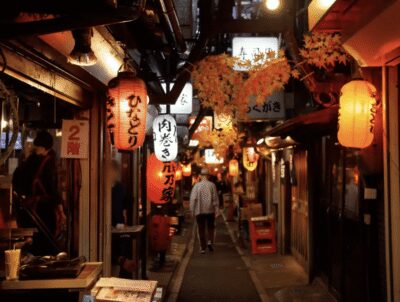
Omoide Yokocho is listed as a 15-minute visit. Its narrow restaurant lanes offer another look at old-style Shinjuku dining, with a very different feel from the larger streets around the station.
The stop is brief, but that is probably a good thing in a food-focused evening. You get a quick sense of the area without sacrificing too much time at the table. Your guide may use the walk to explain how Shinjuku’s small drinking districts sit beside modern shopping, hotels, and entertainment venues.
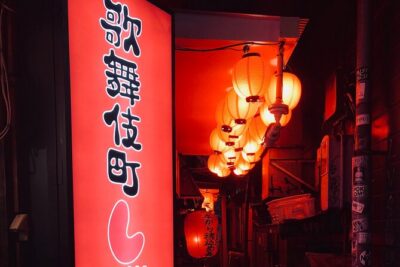
Kabukicho receives about 30 minutes. This is Shinjuku’s famous entertainment quarter, best known for neon, nightlife, and a busy evening atmosphere. You see it as part of the broader cultural picture rather than as a separate sightseeing attraction.
The route ends in the Nishishinjuku area, at Wakore Shinjuku Daiichi Building, not back at the original meeting point. Pay attention to that detail when planning your evening. The finish is still within Shinjuku, but you should not assume you will return to Kirin City.
The guides make the difference
Food tours depend heavily on the person leading them, and this one has a people-first format. Guides are expected to explain dishes, give background on Shinjuku, manage restaurant timing, and keep a small group talking through several hours of eating.
Joe is repeatedly described as funny, attentive, and strong on food, architecture, and local recommendations. Max is associated with infectious enthusiasm for Japanese cuisine and with helping first-time diners try unfamiliar foods. Chizuru is noted for combining food explanations with cultural information and for making the group comfortable.
Ayaka has led walks through areas you might otherwise miss, while Nobu has been praised for helping a group relax and for teaching pronunciation. Other named guides include Megan, Julian, Taiga, Harumi, and Sabian.
You cannot normally select a particular guide when booking, so treat those names as examples of the people who may lead the experience, not a promise. The important point is the format: an English-speaking guide who can bridge the language gap and help a mixed group share a table.
That social side is worth considering. The tour works well for solo visitors, couples, and friends who want to meet people during dinner. It may be less appealing if you want a private meal or prefer to choose every restaurant yourself.
Is $129 a fair price in Tokyo?
Tokyo food can be inexpensive, especially if you are happy with convenience-store meals, ramen, standing sushi, or casual restaurants. You can certainly spend less than $129 on dinner if you plan your own route.
The comparison is not quite one-to-one. The tour includes a guide, two alcoholic drinks, food at two restaurants, neighborhood walks, cultural explanations, and enough food to serve as dinner. It also removes the work of finding places, interpreting menus, ordering unfamiliar dishes, and deciding how much to order.
I see the price as reasonable for someone who values structure and access, but high for a confident independent eater. If you already know Shinjuku well and enjoy choosing restaurants on your own, the premium may not feel worthwhile.
For a first Tokyo visit, the value is stronger. You get an introduction to izakaya dining, a look at Golden Gai, Omoide Yokocho, and Kabukicho, plus restaurant ideas you can revisit later. Several diners have returned to places encountered on the tour, which is one of the better signs that the evening can serve as a practical dining guide for the rest of your trip.
Who should book this Shinjuku food tour?
I would point this experience toward you if you want dinner and sightseeing in one evening. It suits first-time Tokyo visitors who find Shinjuku intimidating, solo visitors hoping to meet people, and curious eaters who want to try sashimi, skewers, sake, and local snacks without decoding every menu alone.
It is also a good choice if you want substantial food. This is not a tour built around one bite at each stop. The portions can be large, and the final meal may leave you too full for dessert elsewhere.
You should think twice if you have severe dietary restrictions, dislike raw seafood, avoid alcohol but do not want a food-centered evening, or prefer a fixed menu. Restrictions can be accommodated, but the changing menu means flexibility still matters.
Wear comfortable shoes and arrive hungry, but not starving. The walk is moderate rather than a major hike, though Shinjuku’s crowds, narrow lanes, and evening streets require attention.
Should you book it?
Book this tour if you want a friendly, organized introduction to Shinjuku’s food culture and would rather spend $129 on guidance, variety, and a full dinner than gamble on finding the right places yourself. The small group, two restaurants, included drinks, and generous portions make it more than a simple neighborhood walk.
Skip it if your main goal is the cheapest possible meal or if you already have a carefully planned list of Shinjuku izakayas. For everyone else, especially first-time visitors and solo diners, this is a practical way to get oriented, eat very well, and leave with a better sense of where to go next.
FAQ
How long does the Shinjuku izakaya tour last?
The activity is listed as three hours, while the planned evening generally runs from 17:00 to 20:30, or about three and a half hours. Check the available time when booking.
Where does the tour meet?
Meet in front of Kirin City Shinjukuhigashi, a beer hall. Look for a guide carrying a Ninja Bowl logo tote bag.
Where does the tour finish?
The tour finishes at Wakore Shinjuku Daiichi Building in Nishishinjuku, Tokyo. It does not finish at the original meeting point.
How many people are in the group?
The tour is limited to 10 participants, making it a small-group experience.
What food is included?
The menu can include more than 14 Japanese dishes, such as chicken skewers, sashimi, handmade croquettes, dumplings, tonkotsu, and other izakaya dishes. The menu changes with the fresh ingredients available that day.
Are drinks included?
Yes. The price includes two alcoholic drinks of your choice. You can also join without drinking alcohol and still receive more than 10 food samplings.
Can food allergies and dietary restrictions be accommodated?
Food requests can be accommodated based on allergies and dietary restrictions. Provide your requirements in advance, since the menu changes according to the ingredients available that day.
More Food Experiences in Tokyo
More Bar Hopping & Izakaya Tours in Tokyo
More Shinjuku Tours in Tokyo
More tours in Tokyo we've reviewed












Shinjuku Tours, compared.
 ★ 5.0Tokyo: Shinjuku Food Tour (13 Dishes at 4 Local Eateries)From $86
 ★ 5.0Tokyo Bar Hopping Tour in Shinjuku (All-You-Can-Drink + Dinner)From $106
 ★ 4.9Tokyo: Shinjuku Local Bar and Izakaya Guided Walking TourFrom $343 hours
 ★ 4.9Tokyo: Shinjuku Food Tour (13 Dishes and 4 Eateries)From $97
 ★ 5.0Tokyo Night Foodie Tour in Shinjuku – Seasonal Sushi, Wagyu BeefFrom $111
 ★ 5.0Tokyo: Shinjuku Local Bar & Izakaya Crawl TourFrom $39