Reviewed · TOKYO FOOD TOURS
Eat and Drink Like a Local: Tokyo Ueno Food Tour-Taverns&Ramen
Ueno after dark is not a polished food district built for sightseeing. It is a maze of standing bars, izakayas, narrow restaurant streets, train lines, and Ameya Yokocho stalls. This tour puts you into that local scene quickly, with a guide handling the ordering and translation. You may try sashimi, skewered meat, grilled fish, unusual pork cuts, sake, and ramen in one three-hour evening.
In This Article
- Key points to know before booking
- Why Ueno is a smart place for a first food tour
- Meeting at atré Ueno and getting oriented
- Stop one in Ueno: four dishes and a quick food lesson
- Walking through Ameya Yokocho
- Stop two on Okachimachi Ekimae Street
- Stop three: learning how a Japanese tavern works
- Stop four near Okachimachi Panda Hiroba: finishing with ramen
- What the $95.21 price gets you
- Group size, language, and the social side
- Who should book, and who should think twice
- Practical details that affect your evening
- Should you book the Ueno food tour?
- FAQ
- How long does the Tokyo Ueno food tour last?
- What is the price of the tour?
- What food is included?
- Are drinks included?
- Where does the tour begin?
- Where does the tour end?
- How many people can join?
- Is the tour conducted in English?
- Can dietary restrictions be accommodated?
- What is the cancellation policy?
I like the small group of no more than 10 and the fact that food and drinks are included, so you can focus on the meal rather than the bill at every stop. I also like the practical help: your guide explains what you are eating, how Japanese taverns work, and how to order ramen. The main caution is the menu. Some dishes are adventurous, and one past participant found several hard to enjoy, so this is not the best choice if you want familiar food or a high-end restaurant meal.
Key points to know before booking
- Four food stops in Ueno and Okachimachi: The route includes a first restaurant, an izakaya area, another tavern-style stop, and a ramen shop.
- Aki and Akira Wada are associated with the tour: Shota has also led some departures, so the exact guide may vary.
- Food tastings and drinks are included: Expect several dishes and Japanese alcoholic drinks, with nonalcoholic participation also possible.
- The menu favors local tavern food: Sashimi, skewers, grilled food, stews, mystery meats, sake, and ramen may appear.
- The walking route adds useful context: You pass through Ameya Yokocho and learn about Ueno Park, Ueno Zoo, and Tokyo’s train system.
- The tour suits first-time visitors best: It removes much of the anxiety of entering small Japanese bars on your own.
Why Ueno is a smart place for a first food tour
Many first-time visitors begin Tokyo with sushi counters, department-store food halls, or famous ramen queues. Those are worthwhile, but they do not always show you how people eat after work. Ueno offers a different introduction.
The area around Ueno Station and Okachimachi is known for compact eateries, standing bars, and izakayas where the food is ordered in small portions and shared. You are not simply eating one large meal. You are moving through a series of stops, trying different flavors, and learning how Japanese drinking culture works along the way.
That local setting is the real reason to book. A small tavern can feel intimidating when you cannot read the menu or explain what you want. Here, the guide orders, translates, and explains the dishes. That lets you pay attention to the experience instead of worrying about etiquette.
Aki is the guide most often associated with the tour, and the comments about his style are consistent: warm, energetic, funny, and attentive. Akira Wada is also named in the tour information, while Shota has led at least some departures. You should check your confirmation for the guide assigned to your date.
A few more Tokyo tours and experiences worth a look
Meeting at atré Ueno and getting oriented
The meeting point is Starbucks Coffee at atré Ueno, on the first floor of the station complex at 7-chome 1, Ueno. This is a practical start because Ueno Station is well connected and easy to reach by public transportation.
Do not treat the station as a minor detail. Ueno is large, and the streets around it quickly become confusing if you leave through the wrong exit. Allow time to find atré Ueno and the Starbucks meeting point. A mobile ticket is provided, and booking confirmation is sent at the time of purchase.
The opening introduction covers Tokyo, Ueno Park, and Ueno Zoo. That context helps explain why the neighborhood feels different from the Ginza or Shibuya areas. You also hear about Tokyo’s train system, a useful subject when you are still learning how to move around the city.
The route lasts about three hours. The supplied schedule gives roughly 30 minutes to each main stop, with walking and conversation between them. You should arrive ready to eat. Several people who enjoyed the tour strongly advised coming hungry, and that is sensible advice.
Stop one in Ueno: four dishes and a quick food lesson
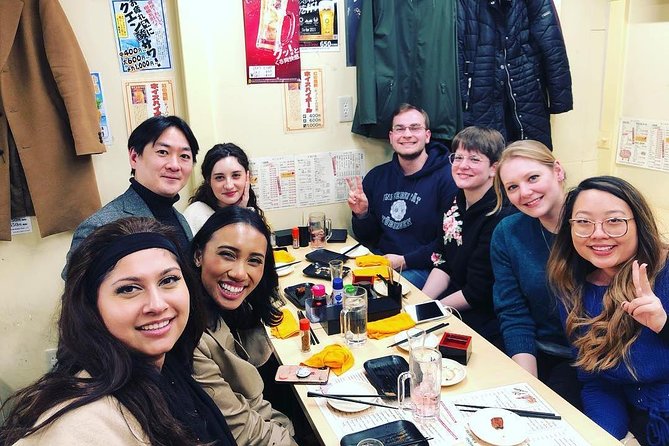
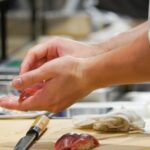
The first food stop is in Ueno, where four dishes are served. The exact menu can change, but the tour description points to Japanese specialties such as sashimi, skewered meat, and grilled fish. The guide explains each dish rather than dropping plates in front of you without context.
This is an effective start because you get a broad sample early. You may encounter familiar dishes alongside food that is less common outside Japan. Some meals have included miso soup, stews, different pork cuts, and other tavern staples.
The menu is part of the adventure, but it is also the tour’s biggest point of uncertainty. One participant felt that some food was too unusual and wanted more traditional choices. That criticism is useful to keep in mind. Adventurous here means more than trying a different style of sushi. You may be asked to consider ingredients or cuts you would normally skip.
If you have allergies, dietary restrictions, or vegetarian needs, tell the provider before the tour. The guide has arranged vegetarian options and handled food requests in the past, but you should not wait until the plate arrives. The available information does not promise that every restriction can be met, so ask clearly when booking.
Walking through Ameya Yokocho
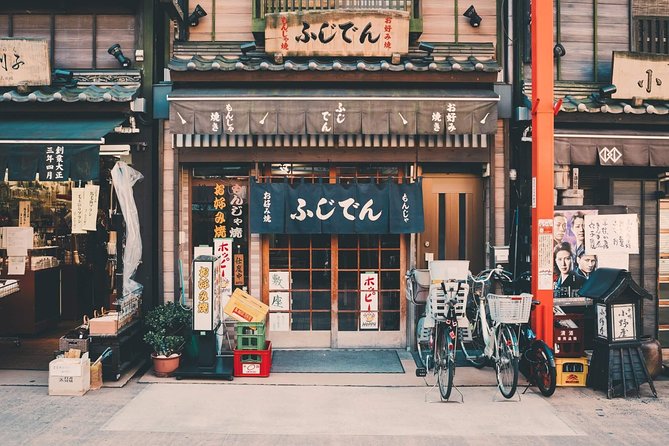
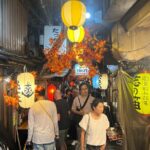
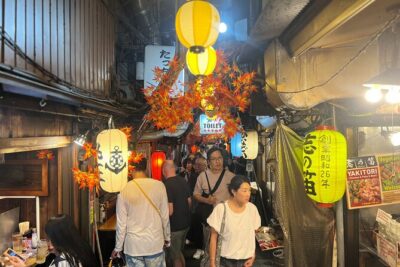
Between food stops, the group walks through Ameya Yokocho. This market street runs beside the railway tracks and connects Ueno with Okachimachi. The route gives you a look at one of the district’s most recognizable commercial areas without turning the evening into a formal sightseeing walk.
This is also when the guide can explain how the neighborhood fits into Tokyo life. The tour is not just a sequence of restaurants. You get bits of information about Ueno, local eating habits, and the way the train network shapes the city.
Keep in mind that this is a walking food tour, not a seated tasting event. You will move between venues and spend time standing or in compact restaurants. Comfortable shoes are a good idea, particularly if you have already spent the day walking around Tokyo.
Stop two on Okachimachi Ekimae Street
The second main stop is around Okachimachi Ekimae Street, an area with Japanese-style restaurants and izakayas. Here, the guide explains more dishes and talks about drinking culture in the Okachimachi area.
I like this part of the route because it shifts the focus from individual ingredients to the way people use these places. Izakaya dining is social and flexible. You order several items, share them, and pair them with drinks rather than following a formal sequence of courses.
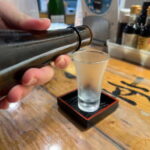
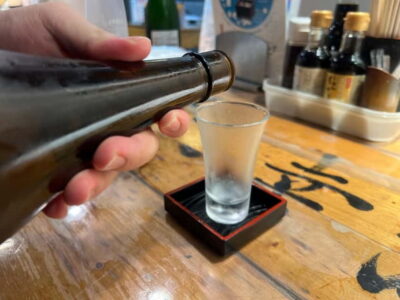
You may sample additional grilled food, skewers, sashimi, or other small dishes. The tour material also points to Japanese alcoholic drinks, and past departures have included sake, infused sake, whiskey, and other beverages. The exact selection is not fixed, so you should think of the drinks as a tasting experience rather than a promised list.
A welcome drink has included pear-infused sake on at least one departure. That does not mean it is guaranteed every time, but it gives you an idea of the informal tone. A friendly kampai can make it easier for a mixed group to start talking.
A few more Tokyo tours and experiences worth a look

Stop three: learning how a Japanese tavern works
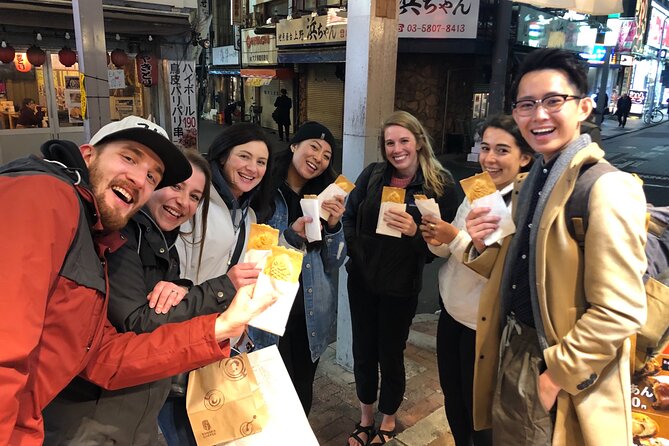
The third stop is in the Ueno district and is designed to show you what a Japanese tavern feels like. The guide orders the dishes, describes them, and invites questions about both food and drinks.
This may be the most useful stop for anyone who plans to eat independently later in the trip. You can watch how the ordering works, learn what different drinks taste like, and see how several dishes fit together at the table. After a guided introduction, a narrow menu and a Japanese-only sign are less intimidating.
The food can be varied. Past meals have included sashimi, grilled items, stews, pork skewers, and less familiar cuts. Non-drinkers can still take part in the food side of the experience. People in mixed groups have enjoyed the tour without everyone drinking alcohol.
The guide’s personality matters here. Aki is described as a former hospitality worker with kitchen experience, and that background helps with food questions and special requests. He also takes photos for some groups, which can be a nice extra when everyone is busy eating. Still, guide style can differ by departure, especially if Shota or another guide leads your group.
Stop four near Okachimachi Panda Hiroba: finishing with ramen
The final stop is a ramen shop near Okachimachi Panda Hiroba. The guide explains how to order and eat ramen, then the group finishes with a bowl.
Ending with ramen makes practical sense. After several snacks and drinks, you get a familiar, filling dish rather than another small plate. Many participants singled out the ramen as a highlight, with some calling it the best ramen they had eaten in Japan. That is personal taste, of course, but the final bowl clearly leaves a strong impression.
The ramen stop is also a lesson in everyday procedure. You learn how to place the order and how to approach the meal in a local shop. If you are nervous about ordering ramen on your own later, this is useful practice.
The main drawback is timing. Thirty minutes is not a long meal period, and the tour has to keep moving. You may not have the freedom to linger over every bowl or drink. The benefit is variety, but the tradeoff is that no single stop receives a long, relaxed dinner pace.
What the $95.21 price gets you
The listed price is $95.21 per person. That is not cheap for a three-hour food walk, but the value depends on how you use it.
You are paying for several food stops, included drinks, translation, ordering help, neighborhood orientation, and a guide who knows where to take a first-time visitor. If you tried to reproduce the same evening alone, you would still pay for food and drinks, but you would not have the same access to explanations or the confidence of someone choosing the places.
The price also makes more sense if you see this as an introduction to Tokyo’s food culture, not as a restaurant critic’s tasting menu. The tour is not promising Michelin-level dining or luxury service. The food is local tavern fare, served in places selected for their character and everyday appeal.
I would book it early in a Tokyo visit. The tour can teach you enough about izakayas, sake, ramen, and ordering customs to improve the rest of your trip. You can then return to Ueno or Okachimachi on your own, using the confidence and information you gained.
Group size, language, and the social side
The maximum group size is 10 people. That is small enough for the guide to answer questions and keep the group together, though it is not a private tour unless your own party fills the booking.
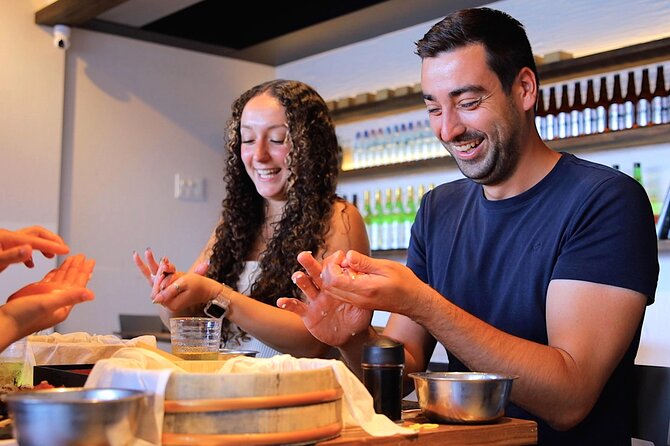
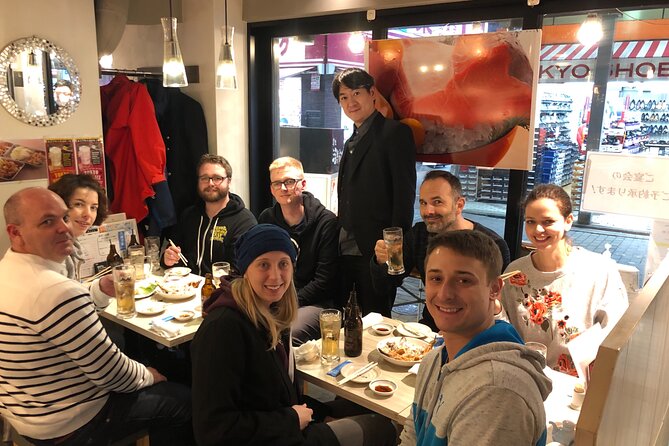
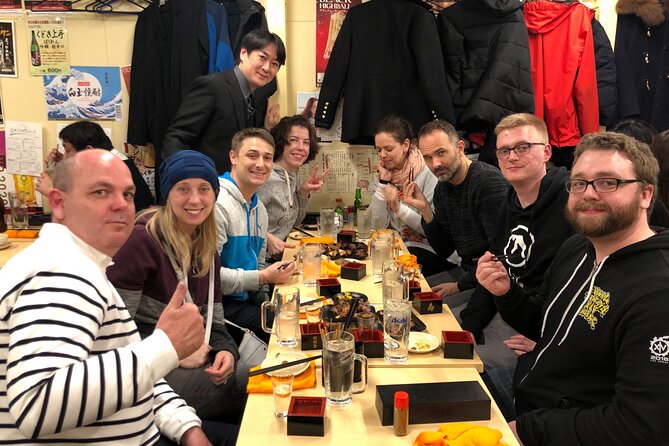
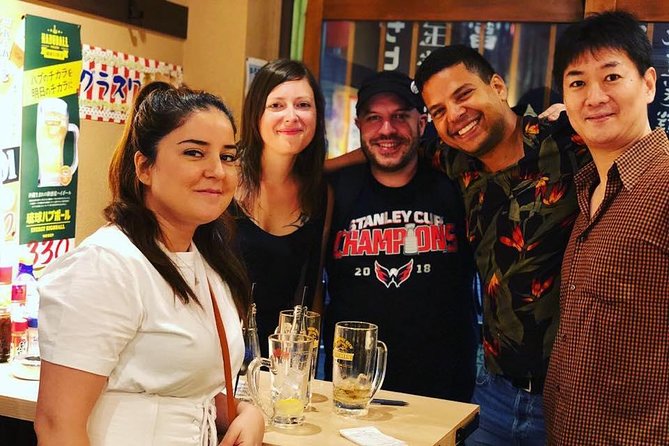
The social mood is part of the appeal. Groups have included couples, families, solo participants, non-drinkers, and people of different ages. The guide encourages conversation, and the meal format naturally gives people something to discuss.
English support is a central feature. The guide handles translation and explains dishes and customs in English. One dissatisfied participant found the guide difficult to understand, so communication may not feel perfect for everyone. Still, the general expectation is that English-speaking visitors can ask questions and follow the meal.
The tour is best for people who want an outgoing evening. If you prefer to eat quietly, avoid group conversation, or control every item on your plate, a private restaurant meal may suit you better.
Who should book, and who should think twice
I would recommend this tour to first-time visitors who want help entering the local food scene. It is especially useful if you are curious about izakayas but would not feel comfortable walking into one alone.
It also fits adventurous eaters who enjoy surprise dishes, Japanese drinks, and a meal that changes from stop to stop. Solo participants can meet other people, while couples and families get an easy introduction without planning every restaurant.
I would be more cautious if you have a strict diet, dislike seafood, do not drink, or want only familiar Japanese dishes. Non-drinkers can participate, but alcohol is a major part of the format. Vegetarian options have been arranged before, but you need to discuss your needs in advance.
This is also not the right pick for a luxury food outing. The emphasis is on local tavern culture, translation, variety, and fun. You may love the relaxed neighborhood places precisely because they are not formal. You may also find a few dishes outside your comfort zone.
Practical details that affect your evening
The tour starts at Starbucks Coffee in atré Ueno and ends at 5-chome-27 Ueno, Taito City. The finish is in the Ueno area rather than back at the starting point, so plan your next train or dinner from there.
Most people can participate, and the tour is near public transportation. The duration is approximately three hours, with about 30 minutes allocated to each main stop. The ticket is mobile, and confirmation arrives when you book.
The cancellation policy is simple: cancel at least 24 hours before the local start time for a full refund. Cancellations or changes made within 24 hours are not refunded or accepted.
Should you book the Ueno food tour?
Book this if you want a guided first night in Tokyo with plenty of food, drinks, local context, and help ordering in places you might otherwise pass by. The strongest reasons are the included tastings, the small group, the English translation, and the chance to learn how ordinary Ueno taverns operate.
Skip it if your priority is refined dining, a predictable menu, or complete control over ingredients. For everyone else, especially adventurous first-time visitors, $95.21 buys more than dinner. It buys a useful start to eating on your own in Tokyo.
FAQ
How long does the Tokyo Ueno food tour last?
The experience lasts approximately three hours.
What is the price of the tour?
The listed price is $95.21 per person.
What food is included?
The tour includes food tastings at several stops. Dishes may include sashimi, skewered meat, grilled fish, stews, other izakaya dishes, and ramen.
Are drinks included?
Yes. Drinks are included, with Japanese alcoholic drinks forming part of the experience. Non-drinkers can still take part in the food tour.
Where does the tour begin?
The meeting point is Starbucks Coffee at atré Ueno, on the first floor at 7-chome 1, Ueno, Taito City, Tokyo.
Where does the tour end?
The tour ends at 5-chome-27 Ueno, Taito City, Tokyo.
How many people can join?
The tour has a maximum of 10 participants.
Is the tour conducted in English?
The guide handles translation and explains the food, ordering process, and Japanese dining culture in English.
Can dietary restrictions be accommodated?
Dietary needs, allergies, and vegetarian requests have been accommodated on past departures. You should tell the provider about your needs before the tour so arrangements can be checked.
What is the cancellation policy?
You can cancel at least 24 hours before the local start time for a full refund. Cancellations or changes within 24 hours are not accepted, and the payment is not refunded.
More Food Experiences in Tokyo
More Tokyo Food Tours in Tokyo
More Ueno & Yanaka Walks in Tokyo
More tours in Tokyo we've reviewed












Tokyo Food Tours, compared.
 ★ 5.0Tokyo: Shinjuku Food Tour (13 Dishes at 4 Local Eateries)From $86
 ★ 4.9Tokyo: Shinjuku Food Tour (13 Dishes and 4 Eateries)From $97
 ★ 5.0Tokyo Night Foodie Tour in Shinjuku – Seasonal Sushi, Wagyu BeefFrom $111
 ★ 5.0Tokyo: Shibuya Food Tour (13 dishes and 4 Eateries)From $77
Tokyo: Shinjuku Food Tour – 15 Dishes, 3 Drinks, 4 EateriesFrom $723 hours
★ 5.0Tokyo: Shibuya Food Tour (13 dishes and 4 Eateries)From $77
Tokyo: Shinjuku Food Tour – 15 Dishes, 3 Drinks, 4 EateriesFrom $723 hours
 ★ 5.0Best of Shibuya Food TourFrom $217