Reviewed · SAKE TASTING
Tokyo: 7 Kinds of Sake Tasting with Japanese Food Pairings
Tokyo’s sake story comes to life one small glass at a time in this 75-minute tasting near Tokyo Tower. You’ll move from sparkling and sweet styles to savory pours and dessert sake, with a bite matched to each sample rather than a plate of random bar snacks.
In This Article
- Key points
- Seven glasses that show sake’s range
- What the sommelier explains in 75 minutes
- Seven food pairings, not seven empty glasses
- The food-classroom setting near Tokyo Tower
- A small group changes the feel
- Is $106 a fair price?
- Who should book this tasting?
- What to expect from the tasting itself
- Accessibility, age, and booking flexibility
- My practical verdict
- FAQ
- How long does the sake tasting last?
- How many sake samples are included?
- Is food included?
- Is the instructor accredited?
- Is the activity conducted in English?
- What is the maximum group size?
- Where is the meeting point?
- What should I do if I cannot find the instructor?
- Is the activity wheelchair accessible?
- Can people under 20 join?
I like the seven carefully contrasted pours, which make it easier to notice how sake can change from crisp to rich. I also like the food pairings, including Japanese and Western bites, with some dishes prepared warm in front of you. The main drawback is practical: the meeting point inside the office building can be hard to spot, so allow extra time and keep the B1 True Japan Tour room number handy.
Key points
- Seven sake samples: Taste styles ranging from sparkling and sweet to dessert sake.
- Seven matching bites: Each pour comes with a Japanese or Western food pairing.
- Accredited English-speaking instructor: Learn how sake is produced, served, and used in Japanese culture.
- Small group setting: The class is limited to 10 people and may feel almost private on a quiet day.
- Tokyo Tower location: The Kikai Shinko Kaikan building sits directly opposite the tower.
- 75 minutes for $106: The price makes the most sense if you value instruction, food, and a broad tasting rather than drinks alone.
Seven glasses that show sake’s range

Many first-time sake tastings make the same mistake: they present several bottles without giving you a clear way to compare them. This session has a better shape. You sample seven varieties in a guided progression, moving across different flavors instead of simply drinking seven similar glasses.
You might begin with a sparkling style, then try sake with a sweeter or more savory character. The final sample is a dessert-style sake, giving the tasting a clear finish. The exact brands and order can vary, so I would treat the range as the main promise rather than expect a fixed bottle list.
That variety matters. Sake is not one uniform drink, and a single restaurant pour gives you only a small piece of the picture. Here, your instructor explains what you are tasting and helps connect the flavor to the production method and the style of sake in your glass.
The portions are designed for tasting, not for getting drunk. Still, seven samples add up, especially when combined with food. Eat normally before you arrive, and plan the rest of your day with a clear head rather than assuming this is just a quick pre-dinner drink.
A few more Tokyo tours and experiences worth a look

What the sommelier explains in 75 minutes

Your instructor covers the basic history of sake, how it is made, and the different varieties available in Japan. The subject reaches back more than a thousand years and connects with Japanese religion and traditional customs, so this is not simply a lesson in alcohol.
I especially like that the cultural explanation sits alongside the tasting. You learn why sake has mattered in Japan, then see how that tradition appears in modern drinking culture. The session also explains sake as an international drink, while keeping the focus on its Japanese roots.
The instruction is in English and led by a nationally accredited sake instructor. Past sessions have included Tanaka-san and Taka-san, and the teaching style can feel personal when attendance is low. A few bookings have effectively become private tastings, while the maximum group size is 10.
That small limit is useful. You can ask questions without trying to interrupt a large lecture, and the instructor can respond to your reactions. If you are already an expert on sake, the class may cover familiar ground, but you will still get seven pairings in one sitting.
Seven food pairings, not seven empty glasses
Each sake sample comes with a food pairing. The menu combines Japanese and Western dishes, which gives you a practical lesson in how sake works beyond traditional Japanese meals.
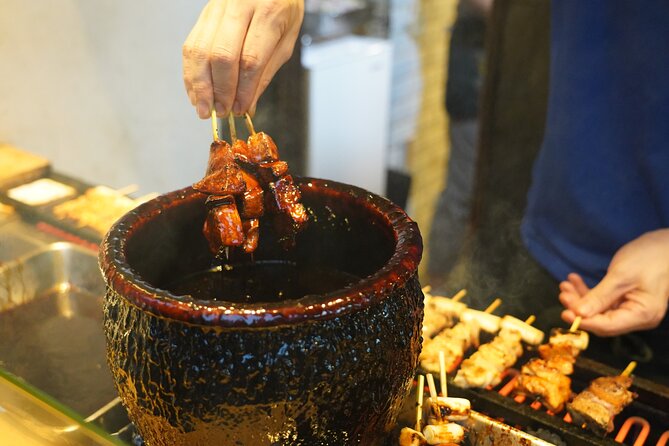
The food examples include Japanese cheese, crudités, duck, and other prepared bites. Some items are cooked in front of you and served hot, adding a little action to what could otherwise be a seated talk. The menu is not presented as a full restaurant meal, but it is more substantial and thoughtful than a few crackers beside the drinks.
This pairing format is one of the strongest reasons to book. A sip on its own tells you about the sake. A sip with food shows you how the drink behaves at the table. One style might feel sweeter beside a savory bite, while another may work better with a lighter dish. You do not need a trained palate to notice the contrast.
The Japanese and Western mix is also helpful if you are still learning what you like. You may discover that you prefer a particular sake with foods you already recognize, rather than deciding only on the basis of a small glass.
The food-classroom setting near Tokyo Tower

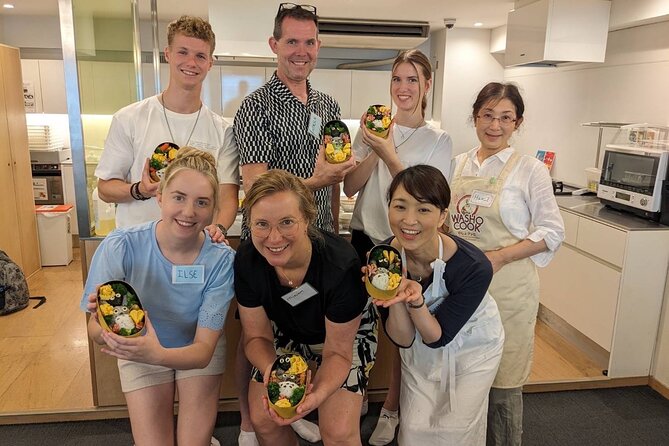
The tasting takes place in the Kikai Shinko Kaikan building, directly opposite Tokyo Tower. The activity is not set in a grand sake cellar or a showy bar. Instead, the meeting location leads to a demo kitchen and lunchroom on the lower level, where True Japan Tour also holds cooking classes.
That setting has a practical upside. Food can be prepared and served in the same place, and the room suits a small lesson. It also has a downside: the building entrance is not instantly obvious, and the lower-level location can surprise you if you expect a conventional bar.
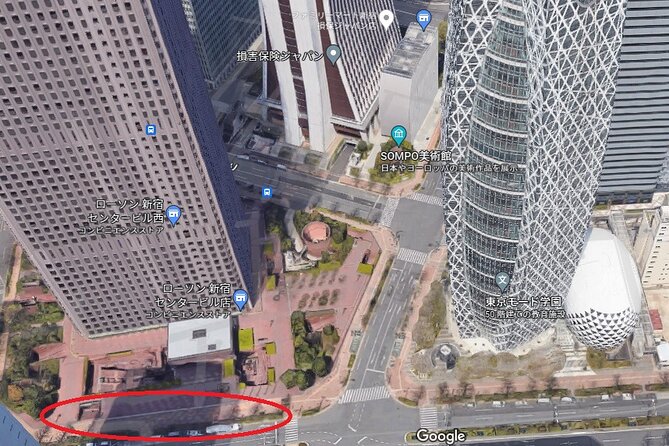
Meet the instructor at the main entrance on the first floor. If you cannot find the instructor, go to True Japan Tour in Room B109 on the B1 floor. One important tip: directions have caused confusion for some people, including an outdated or unclear room reference. I would arrive early, look for the building directly opposite Tokyo Tower, and keep the B109 instruction available.
This is not a good activity for rushing in at the last second. The tasting lasts only 75 minutes, so losing 10 minutes to finding the entrance takes a noticeable bite out of the experience.
A small group changes the feel
The class is limited to 10 participants, and the actual attendance can be much smaller. Several sessions have had only two people or a very small number, creating the feel of a private lesson without a separate private-tour fee.
That is valuable if you want to ask about production, serving customs, or which types of sake to buy in Japan. The hosts have been described as friendly, attentive, and welcoming, and the instructor can spend more time answering questions when the group is small.
You should not book this expecting a guaranteed private class. The stated format is a small group, not a private appointment. If all 10 places fill, the experience will feel more like a compact seminar. Even then, the group cap should keep the conversation manageable.
The personal format also suits solo visitors and couples. You do not need to bring a large party to make the activity worthwhile. It can be an easy way to meet a few other people while sharing food and drinks in a calmer setting than a crowded nightlife stop.



Is $106 a fair price?
At $106 per person, this is not the cheapest way to drink sake in Tokyo. You can buy a single glass or bottle for far less. The price here pays for seven samples, seven food pairings, an English-language lesson, and an accredited instructor in a small setting.
I think the value is fair for someone who wants structure. The experience removes the guesswork from choosing sake and gives you a chance to compare several styles in one sitting. The food also means you are paying for more than alcohol.
The value is weaker if you only want a large amount of sake or a casual night out. This is a tasting class, not a bar crawl. The glasses are there to compare and learn from, and the 75-minute schedule keeps the session focused.
For couples, food-focused visitors, and anyone planning to buy sake during a Japan trip, the price is easier to justify. You leave with a better idea of what you enjoy, which can prevent expensive guesswork later. I would also see it as a good rainy-day activity near Tokyo Tower, provided the meeting point is clear before you set out.
Who should book this tasting?
This experience suits you if you are curious about sake but do not know where to start. You do not need prior knowledge, and the seven-style format gives you a broad introduction without demanding a full day.
It is also a good choice for people who already enjoy Japanese food. The pairings show how sake fits with a meal, not just how it tastes in a glass. Food lovers may get as much from the cooked bites and pairing ideas as from the alcohol itself.
I would recommend it for:
- Couples who want a short cultural activity near Tokyo Tower
- Solo visitors who enjoy small-group classes
- Sake beginners looking for clear explanations in English
- Food lovers who want Japanese and Western pairings
- Repeat Japan visitors seeking a more focused activity than sightseeing
It is less suitable for anyone under 20, since the activity is restricted to people aged 20 and older. It may also disappoint someone seeking a brewery visit, a long dinner, or a large selection of full pours.
What to expect from the tasting itself
The session begins with an introduction to sake and its place in Japanese culture. Your instructor then guides you through the seven samples, explaining the style and helping you compare what is in each glass.
The food arrives alongside the drinks, with one pairing for each sake. The experience may include cold bites and items cooked in front of you, so the meal has a little variety in texture and temperature.
The sequence ends with dessert-style sake. That last pour is a useful reminder that sake can move well beyond the dry, savory image many people have in mind. If you usually avoid sweet drinks, it still gives you an important comparison point.
The session is compact rather than leisurely. You will have enough time to taste, eat, and ask questions, but this is not a three-hour dining event. I would avoid scheduling a major attraction immediately afterward if you want time to chat with the instructor or find dinner nearby.
Accessibility, age, and booking flexibility
The activity is wheelchair accessible, which is useful for anyone who wants a seated food and drink experience without a long walking route. The supplied details do not promise hotel pickup, so you need to make your own way to the building near Tokyo Tower.
The instructor speaks English, and the group size is capped at 10. The activity is for people aged 20 and older.
You can cancel up to 24 hours before the start time for a full refund. You can also reserve now and pay later, which helps if your Tokyo schedule is still changing. I would still check the available starting time before booking, since the activity runs for a fixed 75 minutes and the location deserves a little arrival time.
My practical verdict

I like this tasting because it connects the drink, the food, and the culture in one neat package. The strongest parts are the seven distinct samples, the matching bites, and the chance to ask an English-speaking instructor questions in a small room.
The meeting point is the only clear nuisance. The building can be difficult to identify, and the lower-level classroom is not what many people expect when they hear Tokyo Tower. Give yourself extra time and use B109 as your fallback location.
Book it if you want a guided introduction to sake with enough food to make the session feel complete. Skip it if you want a loud evening, generous pours, or a full restaurant meal. For a focused 75 minutes near one of Tokyo’s best-known landmarks, this is a useful and good-value way to understand what is in your glass.
FAQ
How long does the sake tasting last?
The experience lasts 75 minutes.
How many sake samples are included?
Seven sake samples are included, covering styles from sparkling and sweet to dessert-style sake.
Is food included?
Yes. Seven food pairings are included, with Japanese and Western dishes served alongside the sake.
Is the instructor accredited?
Yes. The experience is led by a nationally accredited sake instructor.
Is the activity conducted in English?
Yes. The instructor speaks English.
What is the maximum group size?
The small group is limited to 10 participants.
Where is the meeting point?
Meet at the main entrance of the Kikai Shinko Kaikan building on the first floor. The building is directly opposite Tokyo Tower.
What should I do if I cannot find the instructor?
Go to True Japan Tour in Room B109 on the B1 floor of the Kikai Shinko Kaikan building.
Is the activity wheelchair accessible?
Yes. The activity is wheelchair accessible.
Can people under 20 join?
No. The activity is not suitable for anyone under 20 years old.
More Food Experiences in Tokyo


More tours in Tokyo we've reviewed












Sake Tasting, compared.
 ★ 5.0Ramen and Sushi Cooking Class with Sake Pairing Set in TokyoFrom $79
 ★ 5.0Sake Tasting Masterclass in Shinjuku (8+ Varieties with a Pro)From $72
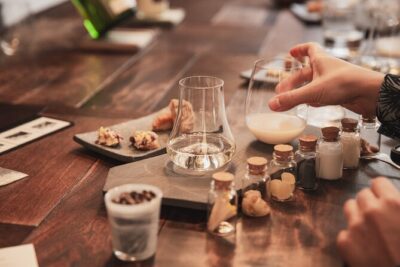 ★ 5.0Sake Omakase in Tokyo: Guided Tasting by Certified SommeliersFrom $79
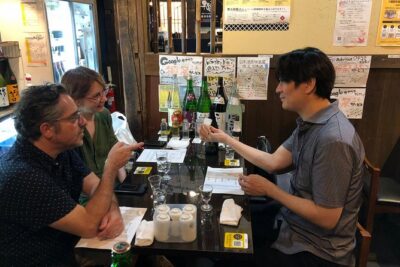 ★ 5.0Tasting All Types of Sake with SommelierFrom $62
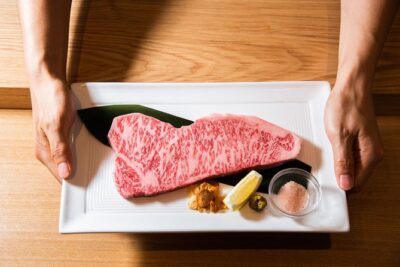 ★ 5.0Wagyu & Sake Pairing in Shinjuku – Steak, Shabu-Shabu & MoreFrom $148
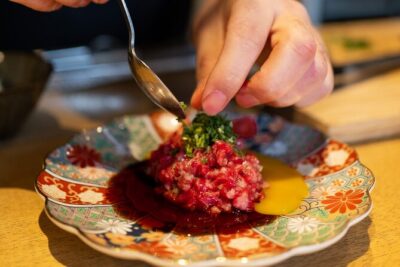 ★ 5.0Tokyo Wagyu & Sake Pairing Tasting Experience with Local FlavorsFrom $151