Reviewed · SAKE TASTING
Tokyo Wagyu & Sake Pairing Tasting Experience with Local Flavors
Tokyo’s best beef arrives here in small, carefully prepared portions, not on a sizzling restaurant platter. At EMC, near Tokyo Skytree, you’ll work through several Wagyu cuts and Japanese flavors, with sake matched to the food as the evening moves along. It is a compact, two-hour tasting dinner rather than a broad Tokyo food tour.
In This Article
- Key details before you reserve
- What this Wagyu and sake dinner really is
- Starting near Tokyo Skytree
- The first courses: learning Wagyu by taste
- Sake pairings that change the meal
- The room, service, and language
- Seasonal ingredients and a changing menu
- Is $151.96 a fair price?
- Who will enjoy this most?
- Booking and timing tips
- Should you book the EMC Wagyu dinner?
- FAQ
- Where does the Wagyu and sake dinner take place?
- Is the restaurant near Tokyo Skytree?
- What time does the experience start?
- How long does the dinner last?
- How many people can join?
- What food is included?
- Are drinks included?
- Can someone who does not drink alcohol participate?
- Can children join the experience?
- Can gluten-free diners be accommodated?
- Is private transportation included?
- What happens if I need to cancel?
I like the close look at Wagyu itself, including the way different cuts can taste and feel so different. I also like the small scale, with a maximum of 12 people, and the thoughtful sake pairings explained as you eat. The main consideration is price: at $151.96 per person, this is a special-occasion meal, not a budget dinner. The room is also small, and one diner reported being seated at the bar rather than with the main group.
Key details before you reserve
- Wagyu in many forms: You’ll taste several cuts and preparations rather than one standard steak.
- Sake with each course: The food and drinks are planned together, with seasonal changes in the menu.
- A small setting near Skytree: EMC is a short walk from Tokyo Skytree in Sumida City.
- About two hours: The evening is focused and paced as a tasting dinner.
- Up to 12 people: The intimate format suits couples, solo diners, and small groups.
- Alcohol rules matter: Everyone must be at least 20, though non-drinkers can receive up to three craft juices.
What this Wagyu and sake dinner really is
This is a guided Japanese dinner built around Wagyu beef. The meal is served omakase-style, meaning the kitchen decides the sequence rather than asking you to choose separate dishes from a menu. That format works well here because the point is comparison: how one part of the beef differs from another, and how each preparation changes its flavor.
The supplied details describe the meal in two ways. The general course description refers to seven dishes, each paired with sake, while the fuller dining description calls it a 10-course omakase menu. The safest way to understand it is as a multi-course tasting with several Wagyu preparations and a number of sake pairings. The exact dishes change with the season, so you should not book expecting a fixed list.
The food is paired with Japanese ingredients and traditional flavors. That matters because the dinner is not simply a parade of rich beef. The kitchen uses different seasonings and preparations to show what the meat can do, while the drinks provide another point of contrast. You may find one sake that is crisp and clean beside a delicate bite, then another with more weight beside a fuller preparation.
The evening begins with a brief explanation for the group. You are introduced to the idea behind the meal, then the dishes arrive one by one. Staff explain what you are eating and how the sake fits with it. Several diners particularly appreciated the clear explanations, and Mike, identified in the dining feedback as the guide or chef-host, is described as friendly and informative.
If you're still narrowing it down, here are other tours in Tokyo we've reviewed.

Starting near Tokyo Skytree
EMC is at 3-25-17 Oshiage, Sumida City, on the first floor of the Loh building. The meeting time is 6:00 pm, and the activity returns to this same location at the end.
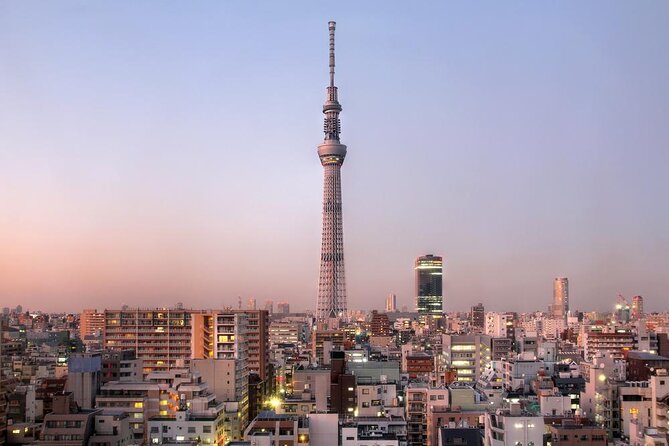
The Tokyo Skytree reference is useful for orientation, but this is not a Skytree observation-deck tour. The tower is the nearby landmark that helps you find the neighborhood and plan your evening. If you are already sightseeing around Skytree, the dinner fits neatly into the same part of Tokyo.
The restaurant is described as understated from the outside and easy to miss, with a small bar and a separate room where food is prepared and cooked. That modest setting is part of the appeal for many diners. You are not entering a grand dining hall. You are sitting close to the action in a compact place that feels more like a personal food event than a large restaurant service.
That small room has a tradeoff. Seating may not give everyone the same view or social setup. One unhappy diner was seated at the bar away from the main table and felt this reduced the group atmosphere. If meeting other people is important to you, understand that the format is centered on eating and explanation, not on a hosted social mixer.
The first courses: learning Wagyu by taste
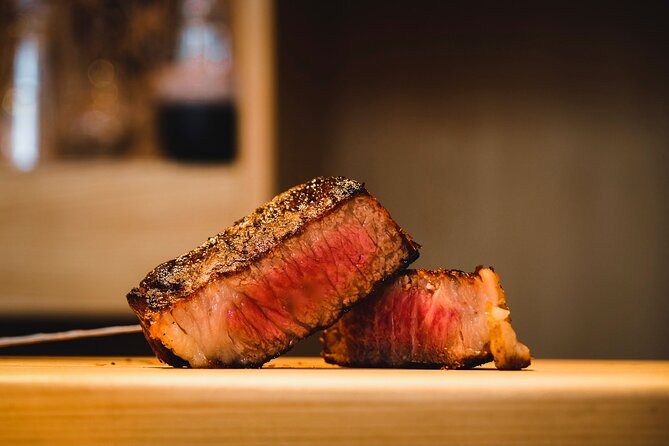
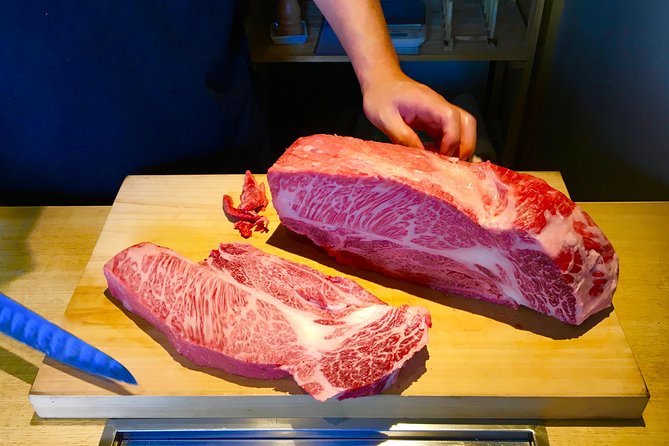
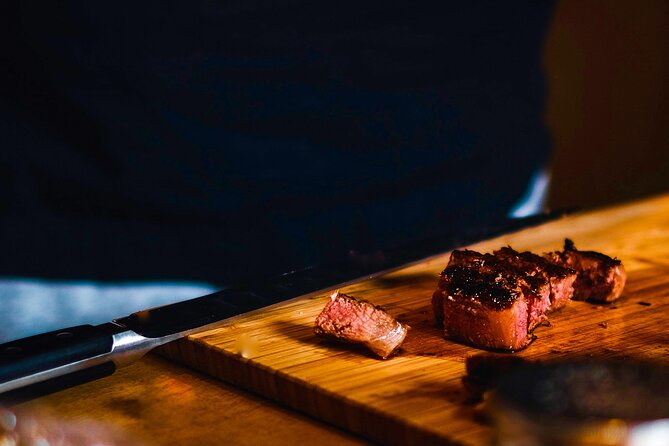
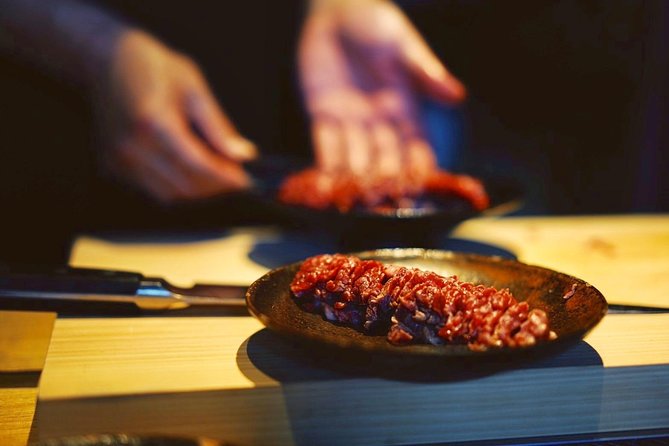
The strongest part of the evening is the progression through different cuts. Wagyu is famous for its marbling, but a tasting like this helps you notice more than tenderness. The cut, cooking method, seasoning, and portion size all change the result.
You may find the early dishes set up that comparison with fairly direct flavors. The goal is to let you recognize the beef before the meal adds more Japanese accents. Later plates can show how Wagyu works with seasonal ingredients and traditional flavors.
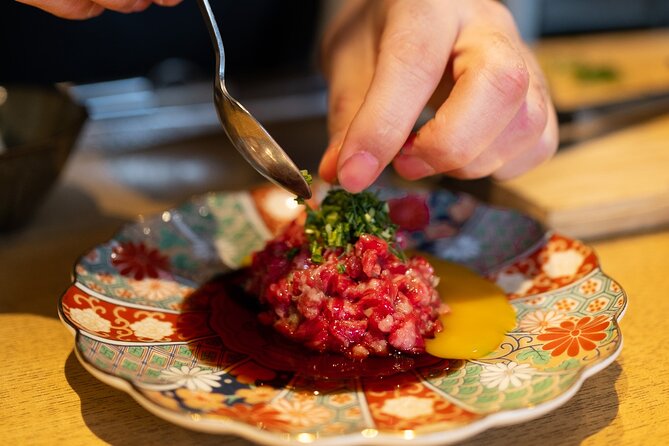
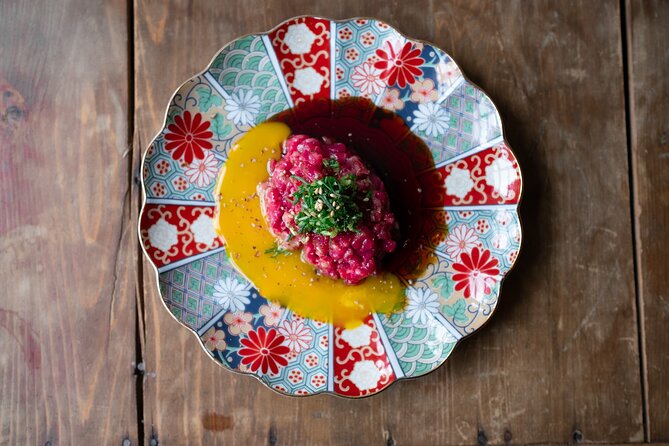
I like this approach because it gives the dinner a clear purpose. You are not paying simply for a large steak. You are paying to see how a prized ingredient behaves across a sequence of small dishes. Diners repeatedly singled out the range of preparations and the care given to plating.
The portions are part of the design. A tasting menu offers variety, but it can leave you wishing for one more bite of a favorite dish. One person specifically advised being ready to leave wanting more. That is not necessarily a flaw, but it is worth knowing if you prefer a generous single entrée to several small servings.
Sake pairings that change the meal
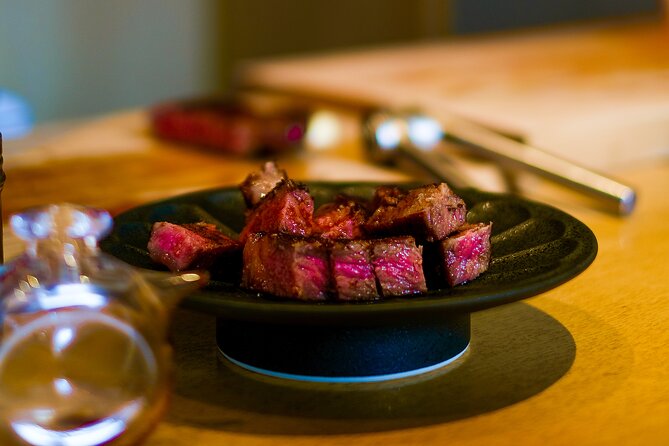
Each dish is paired with sake, and the selection includes different types rather than one bottle poured all night. A welcome drink made by the restaurant is also mentioned as a favorite among the pours. If you are curious about sake but normally find it hard to understand, the pairing format gives you a useful starting point.
You do not need to arrive as a sake expert. The staff explain the drinks as they serve them, and the pairings are meant to show how the alcohol interacts with the food. Notice whether the sake makes a beef dish seem lighter, sweeter, sharper, or more savory. That simple comparison is often more useful than trying to memorize labels.
A practical tip: if you enjoy a particular pour, ask about the bottle and take a photo of the label. One diner did exactly that in order to search for favorite sakes later. The dinner can become a small introduction to Japanese bottles you may want to find elsewhere in Tokyo.
Alcohol is central to the published format, so anyone under 20 cannot participate. If you do not drink, the team can provide up to three glasses of craft juice. That makes the dinner possible for non-drinkers, but the juice alternative does not change the fact that the meal is designed around sake.
The room, service, and language
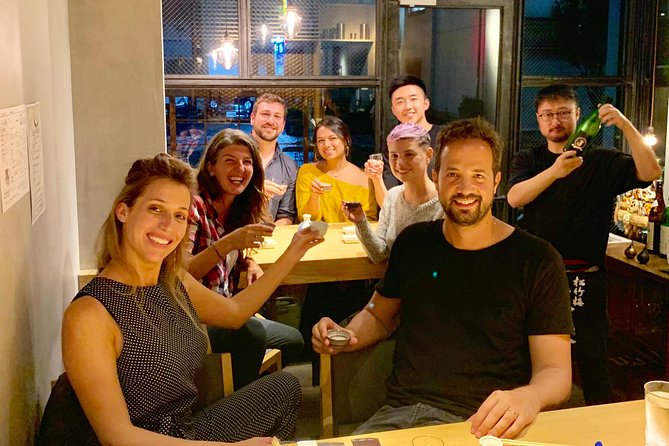
The maximum group size is 12, and some sessions may feel smaller. A six-person seating was described as especially intimate, while another solo diner enjoyed being part of a compact group with people from different countries. For a solo visit, this is one of the easier high-end meals to consider because the set format gives you something to discuss without requiring you to arrange a private dining partner.
Staff are described as warm, attentive, and able to explain the food in English. Mike is repeatedly associated with the hosting and explanations, while the chef and other staff handle preparation and service. The strongest praise goes to the way each plate and sake is introduced, not just to the beef itself.
The room has a casual, personal character. One account mentions old-school hip-hop playing in the background, which tells you this is not a formal, silent kaiseki setting. The chairs were criticized by one diner, so comfort may not match the cost of the food. I would choose this for the cooking, instruction, and intimacy rather than for polished luxury décor.
There is also a useful human benefit to the format: staff may offer suggestions for other places to eat in Tokyo. You can ask about favorite food spots after dinner, though the supplied information does not promise a formal neighborhood tour or restaurant consultation.


Seasonal ingredients and a changing menu
The menu changes by season. This is good news if you care about Japanese ingredients at their best, but it means the exact course list cannot be guaranteed in advance. You should treat any sample description as a picture of the format, not a promise of specific cuts or dishes.
Seasonal changes also keep the meal from becoming a rigid demonstration. Japanese cooking often relies on timing, and the kitchen can use different ingredients and alcoholic drinks as the year changes. The Wagyu remains the center, but the supporting flavors may shift.
If you have dietary needs, tell the provider in advance. Gluten-free requests can be accommodated with at least 24 hours notice. A soy allergy was also handled carefully in one dinner, but you should still report allergies before arrival rather than assume a substitution will be available.
The published details only specifically promise gluten-free accommodation with notice. For other restrictions, ask before booking. Since the menu is set and the dishes are prepared as a sequence, last-minute changes may be harder than at an ordinary restaurant.
Is $151.96 a fair price?
At $151.96 per person, the cost is high by Tokyo dinner standards. It becomes easier to justify if you want one concentrated Wagyu meal that includes several cuts, seasonal Japanese flavors, instruction, and multiple sake pairings. You are paying for the structure and access to a guided tasting, not merely for calories.
The value is strongest for someone who would otherwise spend a similar amount on separate beef and sake purchases without knowing how to match them. The staff do the planning, cooking, serving, and explanation. That saves you from choosing an expensive restaurant at random and hoping the Wagyu lives up to its reputation.
The value is weaker if you want a large steak, a long evening, or a luxurious room. The dinner lasts less than two hours, the setting is small, and the portions are tasting-menu size. You may leave satisfied but still thinking about another meal afterward.
I would compare it with the cost of your planned special dinners in Tokyo. If Wagyu is high on your list and sake interests you, this can be a better use of money than a generic upscale meal. If you mainly want a cheap introduction to Japanese beef, choose a less elaborate restaurant and spend the difference on other foods.
Who will enjoy this most?
This dinner suits you if you like tasting menus, want to learn through food, or have been curious about the difference between Wagyu cuts. It is also a good fit for couples marking a special evening, solo diners who enjoy a guided format, and small groups that prefer a quiet meal to a loud food crawl.
You will get the most from it if you drink sake or are willing to taste it with an open mind. Non-drinkers can receive craft juice, but the beverage pairing remains a major part of the evening.
Children under 10 are not allowed, and no one under 20 may participate because alcohol is served. Most older diners can take part, and service animals are allowed. The location is near public transportation, though private transportation is not included.
This is not the best choice if you need a flexible menu, want to socialize above all else, or dislike small portions. The one negative account also shows why expectations matter: the service can feel less personal if you are placed at the bar, and one diner found the chef’s manner unfriendly. That was sharply different from the many accounts praising the warmth of Mike and the rest of the team, but it is a fair reminder that a small operation can feel uneven on a particular night.
Booking and timing tips
The experience is commonly booked about 55 days ahead, which tells you to reserve early if your Tokyo dates are fixed. Confirmation is sent at booking, and a mobile ticket is provided.
Arrive on time for the 6:00 pm start. If you expect to be late, contact the provider in advance. If the team cannot reach you within 30 minutes of the reservation time, the booking may be canceled.
Free cancellation is available until 24 hours before the local start time. After that point, the payment is not refunded and changes are not accepted. The activity can also be canceled if the minimum number is not met or if poor weather affects the operation, in which case you are offered another date, another activity, or a full refund.
Should you book the EMC Wagyu dinner?
I would book this if you want a focused, high-quality Wagyu and sake night near Tokyo Skytree, and you are comfortable paying $151.96 for a set tasting. The strongest reasons are the variety of beef preparations, the drink pairings, the small group, and the clear food explanations.
I would skip it if you want a big meal, a roomy dining space, or a social evening built around conversation. Before reserving, tell EMC about allergies, confirm the non-alcohol option if needed, and accept that the seasonal menu and seating arrangement may vary.
For the right diner, this is a memorable way to understand Wagyu beyond the usual famous-steak label. It gives you many small chances to decide what you like, which is exactly what a good tasting dinner should do.
FAQ
Where does the Wagyu and sake dinner take place?
It takes place at EMC, also identified as emcJapan, at 131-0045 Tokyo, Sumida City, Oshiage, 3-chōme 25-17, Loh Building, first floor.
Is the restaurant near Tokyo Skytree?
Yes. EMC is located near Tokyo Skytree, and the tower is the listed stop associated with the activity. The dinner itself takes place at EMC.
What time does the experience start?
The start time is 6:00 pm.
How long does the dinner last?
The activity lasts approximately two hours.
How many people can join?
The maximum group size is 12 people.
What food is included?
Dinner is included. The meal features several Wagyu cuts, Japanese ingredients, seasonal flavors, and a multi-course omakase-style format.
Are drinks included?
Each dish is paired with sake as part of the experience. Alcohol is served during the dinner.
Can someone who does not drink alcohol participate?
Yes. Non-drinkers can receive up to three glasses of craft juice instead of alcoholic drinks.
Can children join the experience?
Children under 10 are not allowed. Because alcohol is served, anyone under 20 cannot participate.
Can gluten-free diners be accommodated?
Yes, gluten-free requests can be accommodated when you provide at least 24 hours notice.
Is private transportation included?
No. Private transportation is not included, though the location is near public transportation.
What happens if I need to cancel?
You can receive a full refund if you cancel at least 24 hours before the local start time. Cancellations or changes made less than 24 hours before the start are not refunded or accepted.
More tours in Tokyo we've reviewed












Sake Tasting, compared.
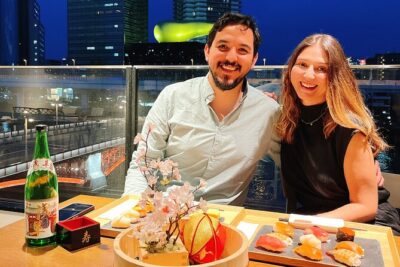 ★ 5.0Ramen and Sushi Cooking Class with Sake Pairing Set in TokyoFrom $79
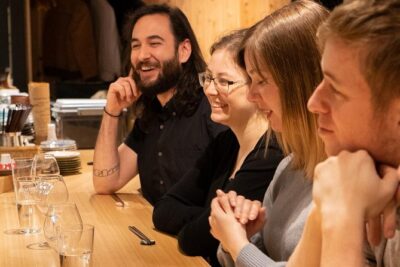 ★ 5.0Sake Tasting Masterclass in Shinjuku (8+ Varieties with a Pro)From $72
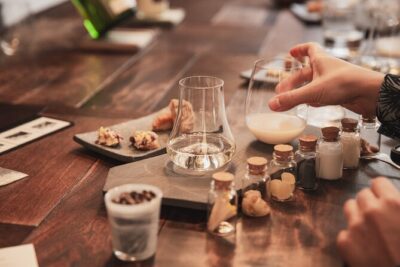 ★ 5.0Sake Omakase in Tokyo: Guided Tasting by Certified SommeliersFrom $79
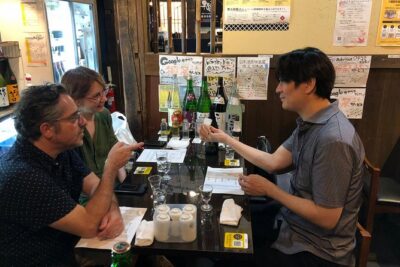 ★ 5.0Tasting All Types of Sake with SommelierFrom $62
 ★ 5.0Wagyu & Sake Pairing in Shinjuku – Steak, Shabu-Shabu & MoreFrom $148
 ★ 4.9Tsukiji: Outer Market Walking Tour & Sake Tasting ExperienceFrom $703 hours