Reviewed · GINZA TOURS
Tokyo: Izakaya Bar at Bistro Fukumimi, Ginza Corridor
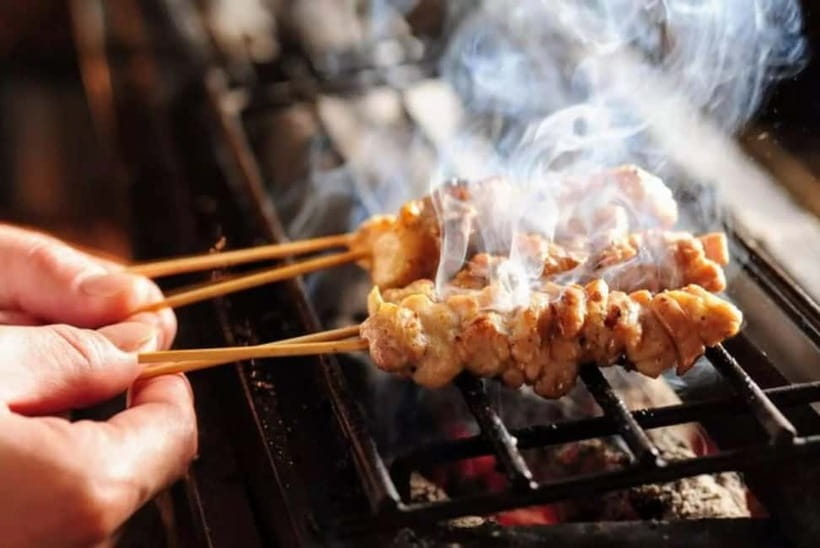
At Bistro Fukumimi, the main event is the grill. Chicken, beef, pork, vegetables, and seafood arrive on skewers, cooked by yakiniku-certified chefs in the warm, noisy style of a Tokyo izakaya. The restaurant also focuses on Wagyu and wine, giving you more than a standard yakitori stop.
In This Article
- The Ginza Corridor setting
- What arrives during the Fukumimi Course
- The twelve-skewer Kushiyaki Satisfaction Course
- Wagyu, wine, and the role of the grill
- The izakaya mood: lively rather than polished
- Choosing food-only or all-you-can-drink
- Price and what your $41 buys
- Who will enjoy this dinner most
- Useful booking details before you go
- Should you book Bistro Fukumimi?
- FAQ
- Is Bistro Fukumimi a guided tour?
- How long is the meal?
- Where is Bistro Fukumimi located?
- What food is included in the standard Fukumimi Course?
- What is included in the Kushiyaki Satisfaction Course?
- Are drink packages available?
- Is sparkling sake included?
- Can children attend?
- What is the legal drinking age?
- Can I report dietary restrictions?
- Can I request a particular seat?
- What happens if I need to cancel?
I like the wide choice of skewers, especially the tender chicken meatball, beef tongue, chicken skin, and grilled mackerel. I also like the simple two-hour format, which gives you a complete Japanese meal without asking you to plan every dish yourself. The one thing to consider is the setting: it is lively, loud, and more rustic than the polished photos may suggest.
- Seven or twelve skewers: Choose between two food courses, each with a broad mix of chicken, beef, pork, seafood, and vegetables.
- Ginza Corridor location: You eat in one of Tokyo’s best-known nightlife areas, close to the city’s restaurants, bars, and evening energy.
- Certified grill masters: The yakitori and kushiyaki are prepared by chefs trained in yakiniku cooking.
- Sake with your meal: Each course includes one bottle of sparkling sake per group, with an all-you-can-drink upgrade available.
- A full Japanese menu: Expect salad, seared mackerel, skewers, chicken Nanban, and chicken-broth rice porridge.
- A true restaurant booking: There is no guide or walking tour. Enter the restaurant at your reserved time and settle in for dinner.
The Ginza Corridor setting
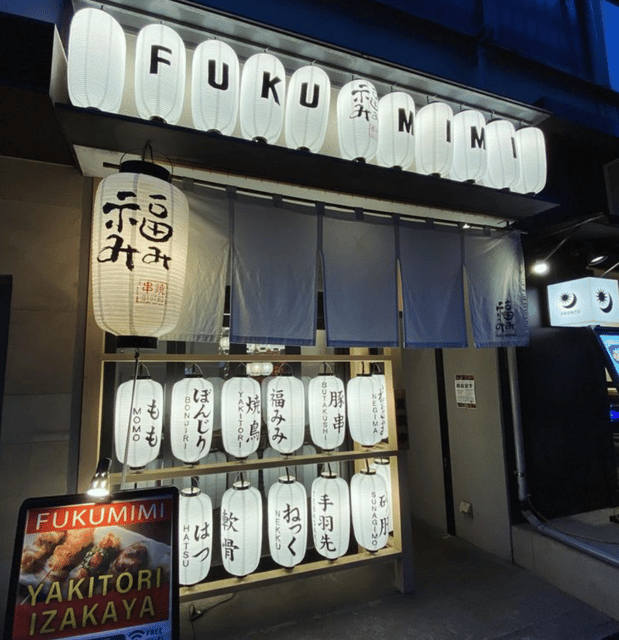
Bistro Fukumimi sits in the Ginza Corridor, an area known for compact restaurants and evening dining. The meeting point is diagonally across from Starbucks, but this is not a guided meeting. At reservation time, you enter the restaurant directly.
That distinction matters. You are not joining a food tour or following a guide through Tokyo. You are booking a reserved meal in a popular part of the city. The experience begins when you find the restaurant and take your seat.
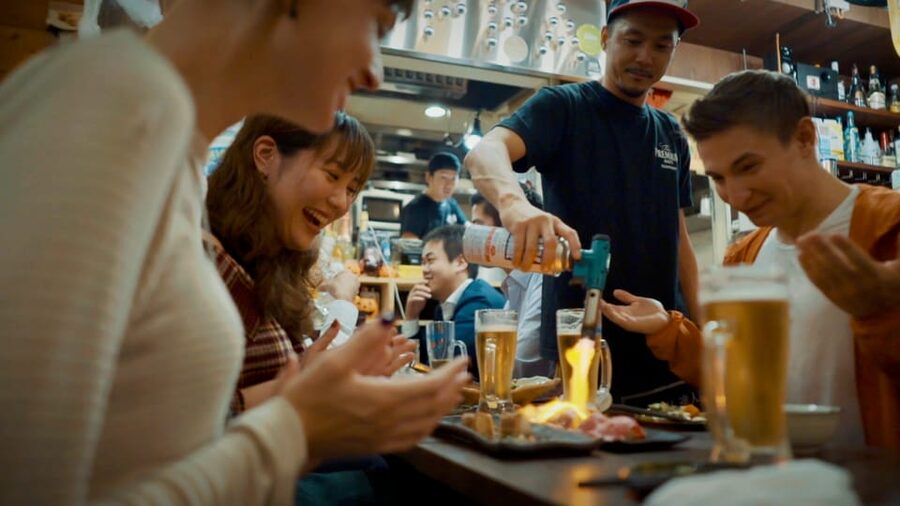
Ginza can feel formal in places, but the corridor has a more relaxed restaurant-row character. Bistro Fukumimi fits that mood with an izakaya setting that is lively, close, and informal. Expect conversation, cooking sounds, and the easy noise of people eating and drinking together.
One practical point: seating is held for a maximum of two hours. That is enough time for the fixed course, but it is not a dinner to stretch across an entire evening. If you want a long, leisurely meal, the time limit may feel tight. If you have theater tickets, a night view, or another Ginza plan afterward, the schedule works well.
What arrives during the Fukumimi Course
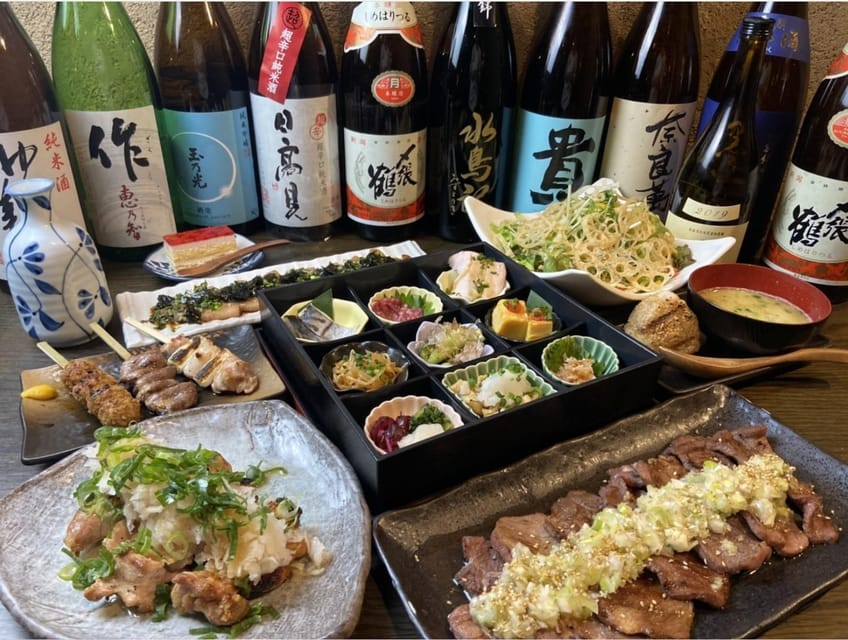
The standard Fukumimi Course begins with homemade apple cream cheese and crackers. This is a small opening dish, but it sets a pleasant contrast between sweet apple, creamy cheese, and the savory food to come.
Next comes the day’s salad and seared mackerel, or shimesaba. The mackerel adds a cool, clean seafood note before the grill takes over. It also keeps the meal from becoming a parade of meat alone.
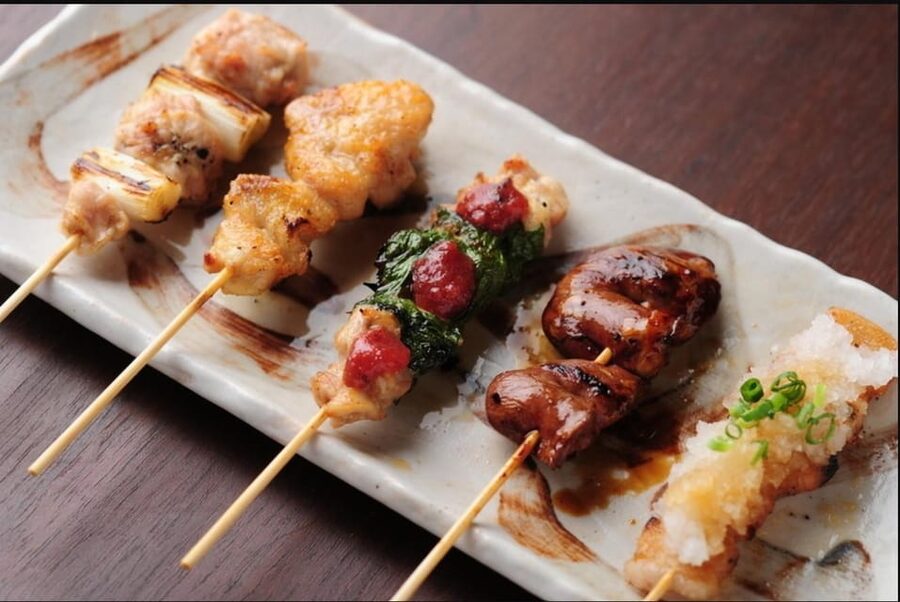
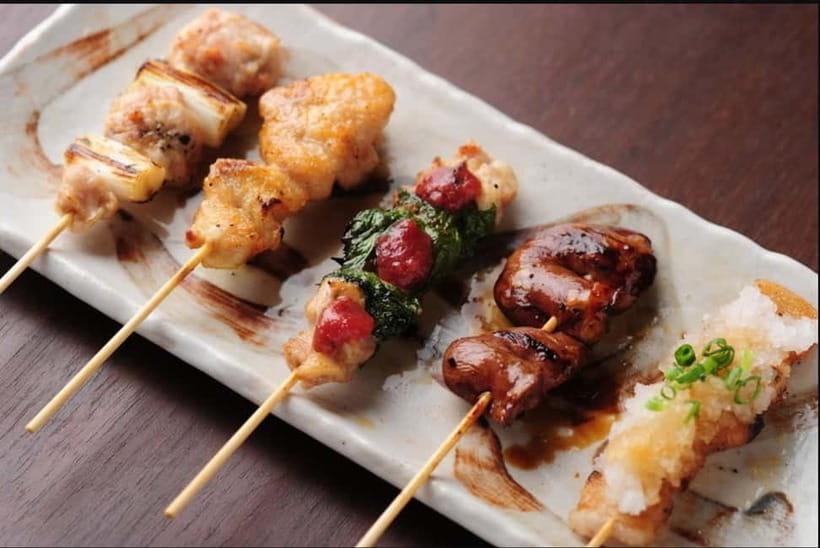
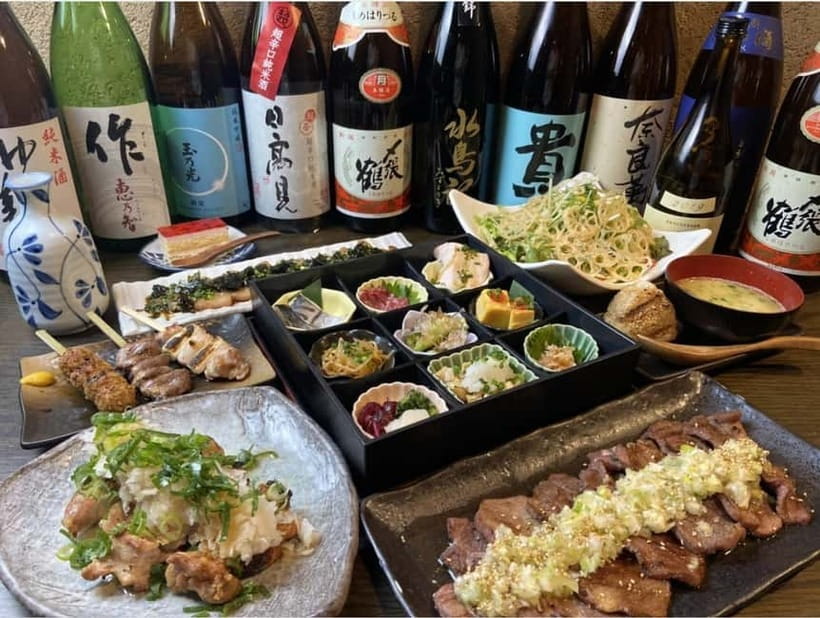
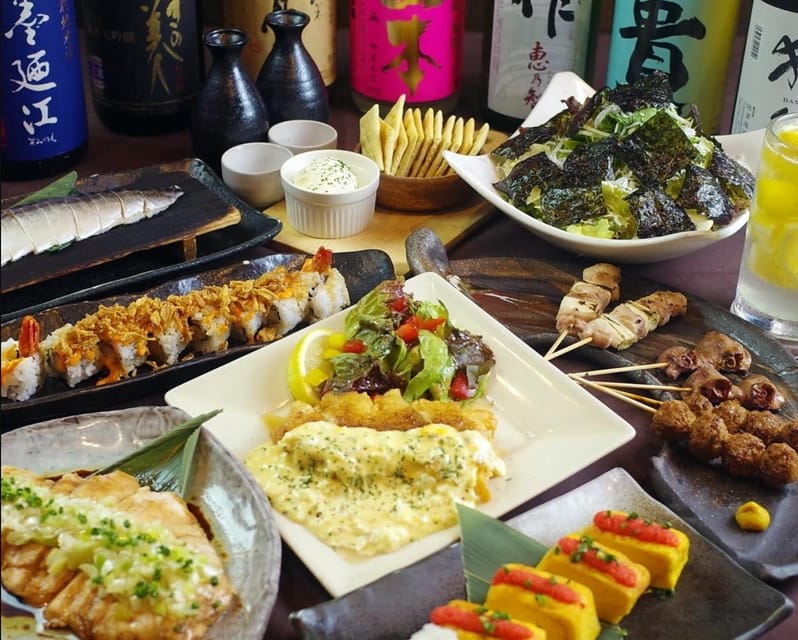
The main portion includes seven assorted skewers selected by the grill master. The selection can include beef harami, beef tongue, chicken meatball, chicken and leek, chicken skin, chicken wing, and grilled tomato.
Beef harami is a good choice for diners who want a meatier skewer with a firm bite. Beef tongue has a different texture, often pleasantly springy rather than soft. Chicken and leek, known as negima, gives you a familiar yakitori combination, while chicken skin brings more fat and crispness.
The Man’s tsukune is a chicken meatball skewer. It is a useful introduction to one of the most recognizable izakaya preparations, since ground chicken takes seasoning and sauce differently from a simple piece of grilled meat. The grilled tomato gives the course a lighter, juicier pause.
The meal then moves to golden tartar chicken Nanban, fried chicken served with tartar sauce. This is not another skewer. It brings crunch, richness, and a creamy finish, so the course has more range than the menu’s emphasis on grilled items might suggest.
The final dish is a rich chicken broth rice porridge, called tori takikomi gohan. It gives you a warm, filling finish after the skewers and fried chicken. One bottle of sparkling sake is included per group, not per person, so keep that detail in mind when comparing the course options.
A few more Tokyo tours and experiences worth a look


The twelve-skewer Kushiyaki Satisfaction Course
If the grill is your reason for booking, the Kushiyaki Satisfaction Course is the stronger choice. It includes twelve assorted skewers rather than seven, with the grill master selecting from a longer list of ingredients.
You can expect the same core favorites: beef harami, beef tongue, chicken meatball, chicken and leek, chicken skin, chicken wing, and grilled tomato. The expanded course adds chicken cartilage, pork belly, bonjiri, cheese mochi, and garlic sprout-wrapped skewers.
Chicken cartilage is especially useful for adventurous eaters who enjoy a firm, crunchy texture. Bonjiri is chicken tail, a fatty cut with a richer mouthfeel. Pork belly adds another kind of richness, while cheese mochi brings a chewy, mild, and slightly playful change of pace.
The garlic sprout-wrapped skewer gives the longer course a vegetable element with a savory coating. These additions make the twelve-skewer plan feel less like simply ordering extra food and more like a wider tour of kushiyaki ingredients.
You still receive the salad, seared mackerel, chicken Nanban, rice porridge, and sparkling sake. That means the additional skewers are added to a full meal, not substituted for other courses. For a hearty dinner, this is likely the better value, especially if you enjoy trying unfamiliar cuts.
The drawback is simple: twelve skewers plus the other dishes can be a lot of food in two hours. If you have a small appetite, prefer a lighter meal, or want room for dessert elsewhere, the seven-skewer course may be more comfortable.
Wagyu, wine, and the role of the grill
Bistro Fukumimi is described as a Wagyu-only specialized restaurant, with a focus on pairing Wagyu and wine. The available course details center heavily on yakitori and kushiyaki, so you should not assume that every Wagyu cut or wine pairing appears as a separate included course item.
Still, the Wagyu focus helps explain the attention given to beef options such as harami and tongue. Beef skewers are not treated as an afterthought beside the chicken. They are part of the restaurant’s broader identity.
The grill work is important here. Skewers are small, but they are not automatically simple. Chicken skin can become greasy if poorly cooked. Beef tongue can turn tough. Chicken meatballs can dry out. A skilled grill cook manages heat and timing one skewer at a time.
That is why the fixed selection can be useful. You do not need to know every Japanese cut or decide how to order in a busy restaurant. The grill master chooses a mix, and you get a guided tasting through the kitchen’s strengths.
If wine matters more to you than sake, check the exact drink details when selecting your course. The listed meal includes sparkling sake, while the restaurant also presents itself around the combination of wine and Wagyu. The food and drink concept is clear, but the specific wine inclusions are not spelled out.
The izakaya mood: lively rather than polished
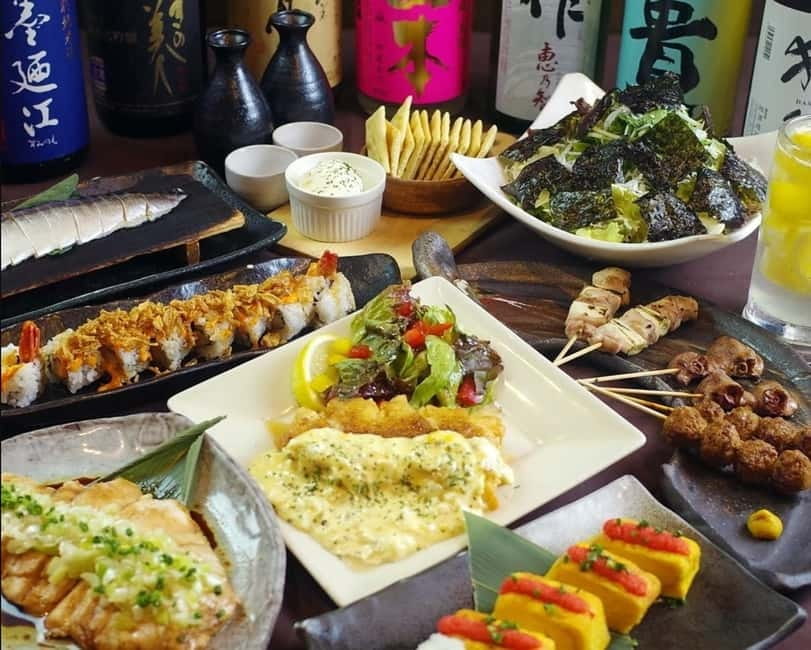
The atmosphere is one of the best reasons to choose this meal. You get the sound and pace associated with an izakaya, where eating and drinking are social activities rather than a quiet ceremony.
Do not expect a hushed dining room or a formal tasting menu. The restaurant can be loud, and the style is described as rustic and cozy rather than as sleek as the promotional images might suggest. That is not necessarily a problem. In fact, the less polished feel may suit you if you want a more ordinary Tokyo night out.
The staff are described as friendly, and the welcoming service helps first-time izakaya diners relax. You can focus on the food instead of worrying about unfamiliar customs or a complicated menu.
The lively setting is less suitable if you need a quiet conversation. It may also be a poor fit for someone seeking a high-end Ginza dining room with formal service. Think of it as a place for skewers, drinks, and atmosphere, not a carefully staged luxury dinner.
The sparkling sake deserves special attention. MIO sake is specifically remembered as sweet, smooth, and easy to drink. That makes it approachable if you have never tried sake, though its sweetness may not suit someone who prefers dry wine or crisp beer.
The drinking age in Japan is 20. Anyone under that age should not take part in the alcoholic drinks, even if an adult in the group orders them.
Choosing food-only or all-you-can-drink
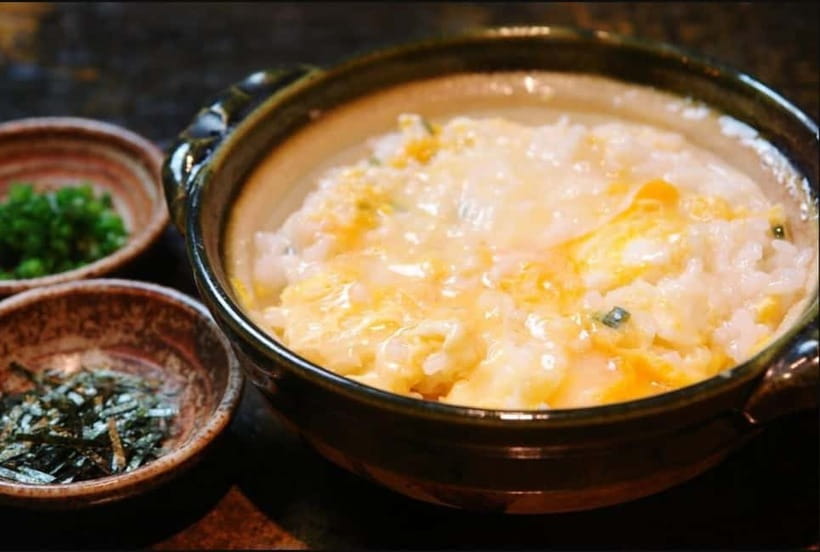
Each course comes in a food-only version and an all-you-can-drink version. The meal itself remains the same. Your choice is mainly about how much you want to drink during the two-hour seating.
The food-only plan gives you flexibility. You can order and pay for other drinks as needed, or keep the meal focused on the included sparkling sake. This is the sensible pick if you drink little, have evening plans, or prefer to choose wine or beer carefully.
The all-you-can-drink plan can offer better value for a group that plans to drink steadily throughout the meal. It also matches the izakaya custom of pairing food with drinks over a fixed period.
Do the math before booking. The drink upgrade is most useful when several adults in your group will have more than one drink during the two-hour reservation. It is less useful for a non-drinker or for a pair who only wants one taste of sake.
The included sparkling sake is one bottle per group, not one bottle for every person. If you are traveling alone, that is a generous amount. In a larger group, it will be shared quickly.
A few more Tokyo tours and experiences worth a look

Price and what your $41 buys
At about $41 per person, this is not a cheap snack stop, but it is a reasonable price for a complete Ginza dinner if you value variety and convenience. The course includes multiple starters, a substantial skewer selection, a fried chicken dish, rice porridge, and sparkling sake for the group.
The value is strongest in the longer course or in a group that wants a set meal without navigating Japanese menu terms. You are paying for a reserved restaurant experience, organized service, and a broad selection of grilled items in one sitting.
The price is less attractive if you only want two or three yakitori skewers. Tokyo has many casual places where you can order a smaller meal. Bistro Fukumimi makes more sense when you want a full evening meal and like the idea of sampling many cuts.
Taxes and the reservation are included. Personal expenses beyond the selected course are not. Check the exact price of the all-you-can-drink option before committing, since the base price alone does not tell you which drink plan you are choosing.
Who will enjoy this dinner most
I would recommend Bistro Fukumimi to you if you want a first taste of izakaya food without having to build your own order. The fixed course covers familiar items such as chicken and leek, while also giving you a chance to try cartilage, chicken tail, beef tongue, and cheese mochi.
It suits couples, friends, and small groups who enjoy sharing food and drinks. The two-hour limit gives the meal a clear shape, and the Ginza location makes it easy to include with an evening in the district.
The restaurant is also a good fit for diners who like meat but want some balance. The mackerel, salad, tomato, garlic sprout, and rice porridge keep the meal from being only grilled chicken.
I would be more cautious about booking it for very young children, even though children under eight are free. The atmosphere is loud, the course is designed around adult dining, and children aged eight and older must order the regular course. Families should also mention dietary restrictions during checkout.
Vegetarians and diners with serious allergies need to communicate clearly before arrival. The listed menus are strongly meat-focused, with seafood and chicken appearing throughout. Dietary requests can be left in the booking comments, but alternative dishes are not specified.
Useful booking details before you go
This is a restaurant reservation only. No guide meets you, explains the district, or escorts you inside. Plan to locate Bistro Fukumimi yourself, using the Starbucks landmark described for the meeting area.
Choose the number of diners carefully. The reservation should match everyone who will eat, and children aged eight and above need the regular course. Specific seat types cannot be guaranteed, so do not book expecting a particular table arrangement.
The photos are for reference only. Based on the available description, the real setting may feel more rustic, compact, and noisy than the images suggest. That is worth knowing if appearance is a major part of your decision.
Free cancellation is available up to three days in advance for a full refund. After that point, the terms may not offer the same flexibility, so check the timing before you finalize other plans.
Should you book Bistro Fukumimi?
Book it if you want a structured, filling introduction to Tokyo izakaya food, especially if yakitori, beef tongue, Wagyu, and sake sound appealing. The best parts are the range of skewers, the skilled grilling, the friendly service, and the lively Ginza setting.
Choose the twelve-skewer course if you are hungry and enjoy unusual cuts. Choose the seven-skewer course if you want a full dinner with a little more restraint. Add all-you-can-drink only when your group expects to drink enough to make the upgrade worthwhile.
Skip it if you want a quiet, formal dinner, a guided food walk, or a completely flexible menu. Bistro Fukumimi is at its best as a social two-hour meal: plenty of skewers, a sweet sparkling sake, and the pleasant noise of Tokyo nightlife around you.
FAQ
Is Bistro Fukumimi a guided tour?
No. This is a restaurant reservation only. You enter the restaurant directly at your reserved time, and no guide is provided.
How long is the meal?
The reserved dining time is two hours.
Where is Bistro Fukumimi located?
It is in Tokyo’s Ginza Corridor. The meeting point is described as diagonally across from Starbucks.
What food is included in the standard Fukumimi Course?
It includes apple cream cheese with crackers, salad, seared mackerel, seven assorted skewers, beef harami, beef tongue, chicken meatball, chicken and leek, chicken skin, chicken wing, grilled tomato, chicken Nanban, chicken broth rice porridge, and one bottle of sparkling sake per group.
What is included in the Kushiyaki Satisfaction Course?
It includes salad, seared mackerel, twelve assorted skewers, beef harami, beef tongue, chicken meatball, chicken and leek, chicken skin, chicken wing, grilled tomato, chicken cartilage, pork belly, chicken tail, cheese mochi, garlic sprout-wrapped skewers, chicken Nanban, chicken broth rice porridge, and one bottle of sparkling sake per group.
Are drink packages available?
Yes. Both the Fukumimi Course and the Kushiyaki Satisfaction Course are available with food only or with an all-you-can-drink option.
Is sparkling sake included?
Yes. The listed courses include one bottle of sparkling sake per group.
Can children attend?
Children under eight years old are free. Children aged eight and older must order the regular course.
What is the legal drinking age?
The legal drinking age in Japan is 20 years or older.
Can I report dietary restrictions?
Yes. You can leave dietary restrictions in a comment during checkout. The available information does not specify which substitutions the restaurant can provide.
Can I request a particular seat?
No specific seat type is guaranteed.
What happens if I need to cancel?
You can cancel up to three days in advance for a full refund.
More Bar Hopping & Izakaya Tours in Tokyo
More Ginza Tours in Tokyo


More tours in Tokyo we've reviewed




Ginza Tours, compared.
 ★ 4.8Chopstick Making Workshop in GinzaFrom $251 hour
 ★ 4.5Tokyo: Art Aquarium Museum GINZA Entry TicketFrom $171 day
 ★ 5.0Tokyo: Best Ginza Food Tour at 3 Local EateriesFrom $150
 ★ 4.5Official Japan Go-Kart Through Tokyo Bay / Ginza (IDP Required)From $85
 ★ 5.0Private Ginza Architecture Walking TourFrom $132
 ★ 4.8Tokyo GINZA: KONPARU Japanese Cabaret Show with DrinkFrom $502 hours