Reviewed · GINZA TOURS
Tokyo: Art Aquarium Museum GINZA Entry Ticket
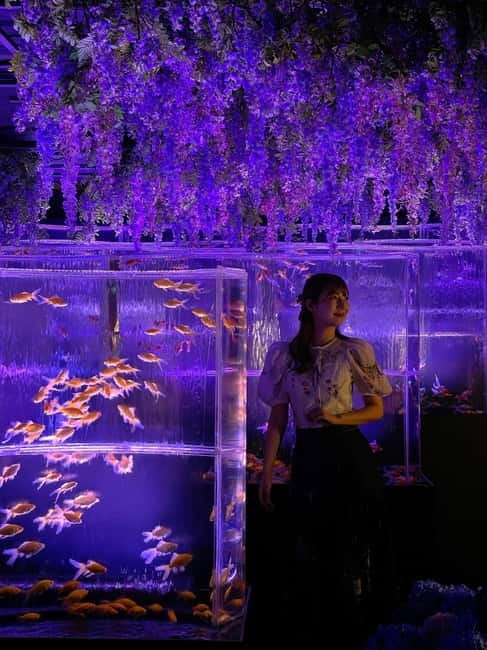
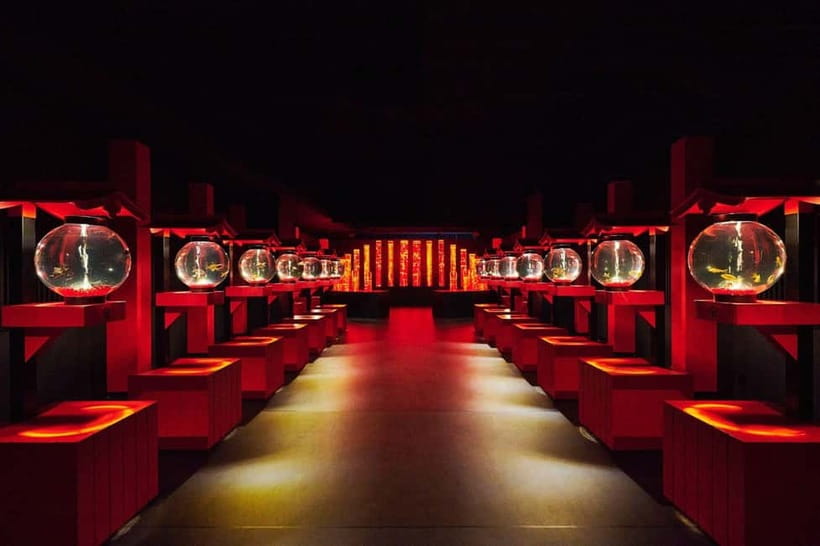
Art Aquarium Museum GINZA turns goldfish into living art. Inside Ginza Mitsukoshi, fish glide through sculptural tanks while colored light, music, and gentle scents change the mood around you. It is a modern spin on the Edo-period habit of enjoying ornamental goldfish.
In This Article
- Key points at a glance
- What the Art Aquarium is really about
- Entering at Ginza Mitsukoshi
- The first displays: light, sound, and movement
- Goldfish displays worth taking your time with
- Why the seasonal program matters
- Photographing the exhibits
- How crowded is the museum?
- Is $17 a good value?
- Who will enjoy this most?
- A practical Ginza plan
- Should you book Art Aquarium Museum GINZA?
- FAQ
- Where is Art Aquarium Museum GINZA located?
- How do I reach the museum by train?
- How long should I allow for the visit?
- What does the admission ticket include?
- Can I take photographs inside?
- Can I use a flash or extra lights?
- Does the museum change during the year?
- Is the ticket refundable?
- Can the museum’s opening days and hours change?
I especially like the strong visual design and the fact that you can visit in about an hour. The permanent venue also changes with the seasons, and some of the displays may be different when you return. My main caution is simple: this is a compact art exhibition, not a large aquarium. You may be finished in 30 to 60 minutes.
I also like how easy it is to add to a Ginza day. The museum is reached directly from several subway stations, and photography is allowed. Go early if you want quieter viewing and cleaner pictures. The $17 admission is fair for a polished, unusual stop, but less attractive if you expect a full-day attraction.
Key points at a glance
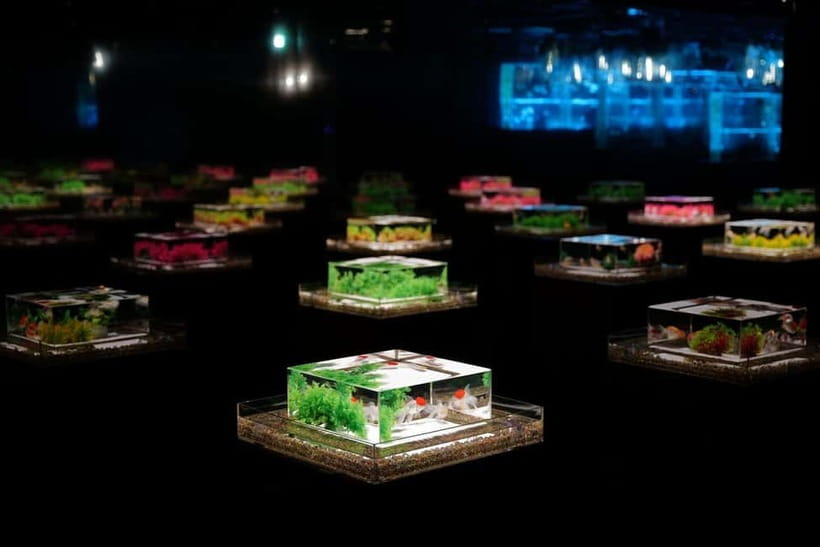
- Goldfish as living art: Watch ornamental fish move through specially designed tanks, light, sound, and scent.
- A modern Edo tradition: The exhibition draws on Japan’s long appreciation of beautiful goldfish and presents it in a contemporary setting.
- About one hour inside: The museum is compact, so it fits neatly between shopping, meals, and other Ginza sights.
- Good for photography: You can take pictures, but tripods, monopods, strobes, and extra lighting are prohibited.
- Seasonal changes: The permanent museum adjusts parts of its presentation throughout the year.
- Simple subway access: Enter through Ginza Mitsukoshi, with reception and same-day tickets on the ninth floor of the new building.
What the Art Aquarium is really about
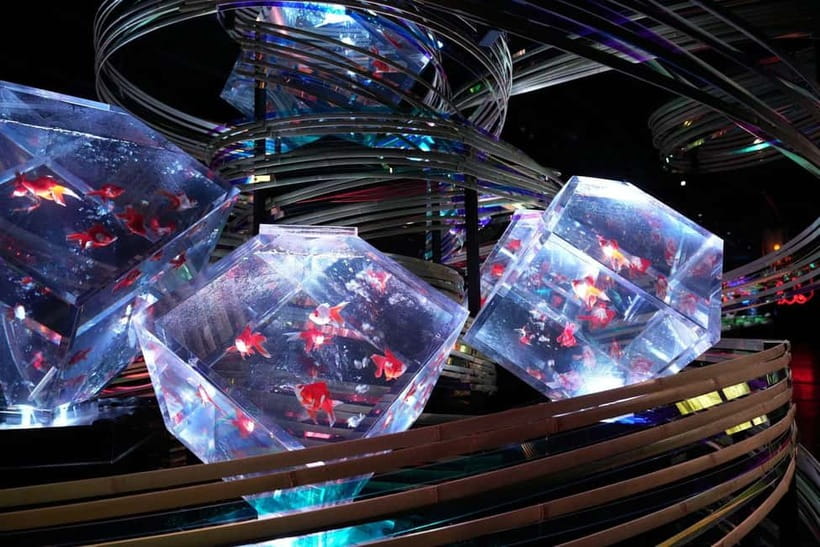
This is not a conventional aquarium built around marine science or a large collection of species. Its focus is the beauty of goldfish, presented through room design and visual effects.
Goldfish have a special place in Japanese culture. During the Edo period, people enjoyed keeping and viewing ornamental goldfish as objects of beauty. The Art Aquarium takes that old custom and gives it a theatrical setting. Instead of placing a fishbowl on a shelf, it builds an entire visual world around the fish.
As you move through the museum, your attention shifts between the fish, the tanks, the reflections, and the surrounding color. Music and scent add another layer. The result feels closer to a gallery installation than to a standard aquarium visit.
That difference matters when you decide if the ticket suits you. If you want facts about sea life, hands-on exhibits, or a long route through many habitats, this is not the right pick. If you enjoy design, photography, Japanese aesthetics, and short cultural stops, it can be a memorable hour.
A few more Tokyo tours and experiences worth a look


Entering at Ginza Mitsukoshi
The Art Aquarium Museum GINZA is inside Ginza Mitsukoshi at 4-6-16 Ginza, Chuo-ku. Do not search for a separate street-level museum entrance. Admission reception and same-day ticket sales are on the ninth floor of the new building.
The location works well with a Ginza shopping day. You can reach Ginza Station on the Tokyo Metro Ginza, Marunouchi, or Hibiya lines, then use Exit A7. From Ginza 1-chome Station on the Yurakucho Line, it is about a five-minute walk from Exit 9.
Higashi Ginza is even closer. The Toei Asakusa Line and Tokyo Metro Hibiya Line connect there, and the museum is about two minutes away through the underground passage toward Ginza Station.
That underground access is useful in bad weather, though the department store setting can make the first approach less obvious than a stand-alone museum. Give yourself a few extra minutes to find the correct building and reach the ninth floor.
The first displays: light, sound, and movement
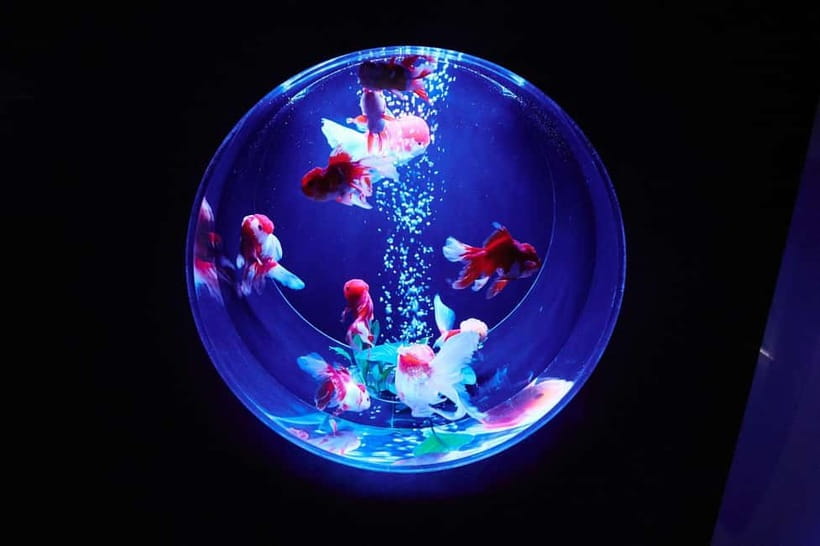
The first impression comes from presentation rather than size. Goldfish swim through tanks arranged as art objects, with colored illumination drawing your eye to their fins, tails, and slow movement.
The lighting changes how you read each display. A fish that looks delicate in one setting may appear bold in another. Reflections in glass and water add depth, so a simple tank can feel more elaborate than it first appears.
Music plays throughout the exhibition. At its best, it slows your pace and gives the rooms a calm, dreamlike quality. Several people specifically enjoyed the quiet background music, and that makes sense: the sound is not just decoration, it helps link the rooms together.
Scent is part of the design, too. Aromatic effects may not appeal to everyone, but they help make this different from looking at fish in an ordinary pet shop or aquarium. If you are sensitive to fragrance, keep in mind that scent is an intentional part of the visit.
The museum provides information about the goldfish in English, which adds useful context without turning the experience into a formal lecture. You can take in the visual side first, then pause at the English descriptions if you want to learn about the fish.
Goldfish displays worth taking your time with
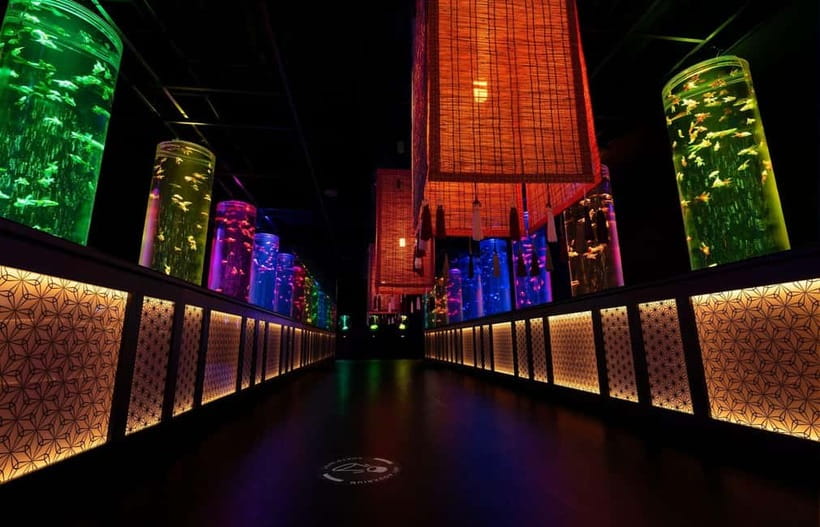
The fish are the reason to come, but the tanks decide how you see them. Each spatial presentation frames the goldfish in a different way, using shape, color, darkness, or reflection.
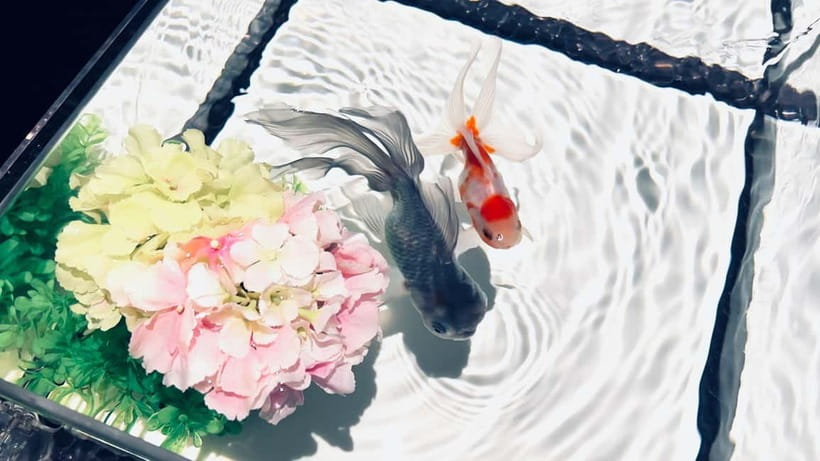
Take a moment to watch the fish before reaching for your phone. Their movement is slow enough to reward patience, and the changing light can make a picture look very different a few seconds later.
The displays are designed for close viewing, so you are not walking through a huge hall. This compact scale is both a strength and a limitation. You can appreciate the details without becoming tired, but you will not find a long sequence of galleries.
One recent visit took about 30 minutes, while another visitor found 45 minutes to an hour more suitable. Plan for an hour if you want to read the information, wait for a clear photo, and enjoy the music and scent rather than simply pass through.
Some people have also raised a concern about the presentation of certain fish. The colorful setting is striking, but you may wonder about the welfare of fish kept in highly stylized tanks. The experience does not provide enough information here to settle that question for you, so consider your own comfort with ornamental fish displays before booking.
Why the seasonal program matters
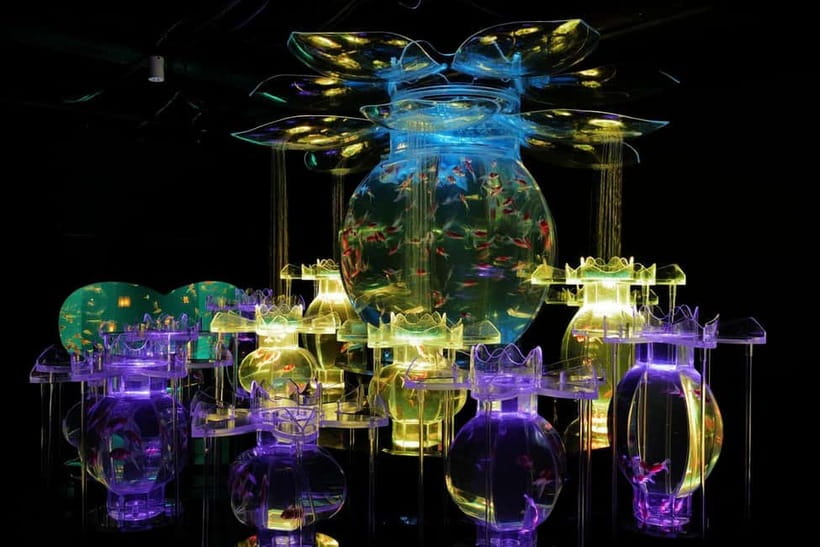
The museum has operated as a permanent Ginza venue since May 2022. That makes it different from a short pop-up exhibition that disappears after one visit.
The displays change with the seasons. A return visit may offer noticeably different art, color schemes, or decorative treatment. One repeat visitor found that more than half of the art had changed over two years, which suggests that the museum does make an effort to refresh the experience.
You should not assume every visit will be completely new. The goldfish theme and the general format remain the same. Still, the seasonal changes give the museum more value for repeat visitors, especially if you already plan to return to Ginza.
Because closing days and operating hours can vary, check the schedule before you go. The ticket is valid for one day, but the supplied details do not give a fixed daily timetable.
A few more Tokyo tours and experiences worth a look


Photographing the exhibits
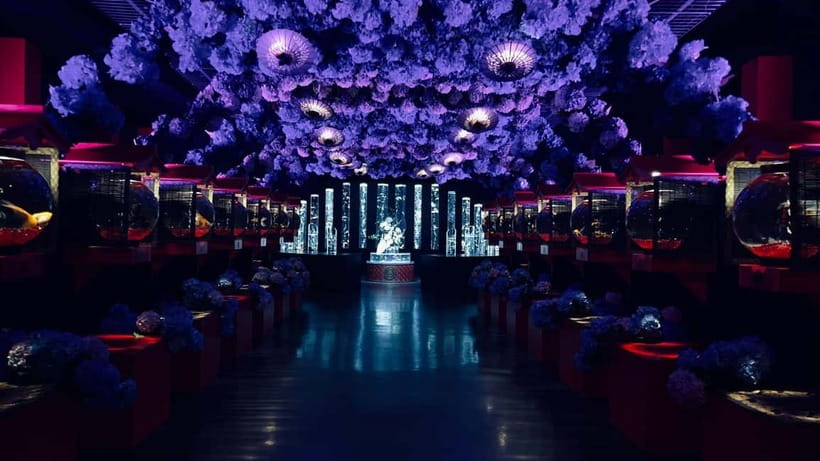
This is a natural stop for anyone who enjoys taking pictures. The lighting, reflective surfaces, goldfish, and saturated colors give you plenty to work with.
Photography is permitted, but the rules keep the rooms from turning into a studio. Tripods, monopods, and similar equipment are not allowed. Strobes and separate lighting equipment are also prohibited.
That means you need to work with a handheld camera or phone and the existing light. The restriction is reasonable in a compact exhibition, where a tripod could block the view and extra lighting could disturb both the fish and other people.
For better pictures, visit at a quieter time. A midweek entry around 10:30 in the morning can be a smart choice. With fewer people around, you have more room to frame a shot and less need to hurry.
Do not let photography take over the entire visit. The best part of the exhibition is the way the displays look in person, with sound and scent included. A phone records only part of that effect.
How crowded is the museum?
Crowds can change the feel of the experience. When several people stop at each display to take pictures, the compact rooms may feel tight. On a quieter morning, you can look closely without interrupting anyone else.
The museum appears to work well for people who want a calm indoor stop, but you should not treat the one-hour estimate as a guarantee of a private visit. Ginza is a busy shopping district, and popular photo spots can attract attention at certain times.
Your best plan is to choose a weekday morning when possible. If your schedule only allows a busier time, accept that you may need to wait briefly for a clear view. Since the route is short, you can often return to a display later in the visit.
Is $17 a good value?
At $17 per person, this is a moderate Tokyo attraction price. The value depends on how you measure a museum visit.
If you judge admission by time alone, the ticket may feel expensive for 30 minutes. You can spend up to an hour inside, but it is not an all-day museum. There is no extended guided tour, large collection of exhibits, or broad aquarium route.
I think the price works better when you treat Art Aquarium as one part of a Ginza outing. It gives you a distinctive visual experience, a break from shopping, and an easy indoor activity near several subway lines. The gift shop also offers attractive souvenirs, which can extend the stop for a few minutes, though purchases are not part of admission.
Families get a small price advantage. Up to two children under elementary school age may enter free with one paying adult. Older children require the standard arrangement shown at booking.
The ticket is non-refundable, so confirm your date and schedule before buying. Since operating days and hours may vary, checking those details first is especially important.
Who will enjoy this most?
I would suggest this museum to you if you like:
- Japanese design and traditional customs presented in a new way
- Photography and carefully lit interiors
- Short cultural attractions that fit into a busy city day
- Goldfish and ornamental fish
- Quiet music, scent, and visual effects
- Indoor activities near Ginza shopping and restaurants
It is also a good choice for couples, solo visitors, families with young children, and anyone looking for something different from Tokyo’s major temples and towers.
You may want to skip it if you need a full morning activity, prefer natural habitats, or dislike strong visual effects. The museum’s appeal is artistic and atmospheric. It does not try to be a scientific aquarium.
A practical Ginza plan
Allow about one hour for the museum, then continue with your Ginza plans. Because the entrance is in a department store, you can combine the visit with shopping or a meal without making a separate cross-city trip.
A morning entry can help with pictures and give you the rest of the day for other sights. An afternoon stop may be convenient if you are already in the district, but you should check the day’s closing time before setting out.
The museum is also useful on a rainy day. Most of the journey from the nearby stations can be made through underground routes, and the attraction itself is indoors. That practical advantage adds value in Tokyo, where weather can change your plans quickly.
Do not expect the surrounding area to feel like a historic sightseeing quarter. Ginza is primarily a modern shopping and commercial district. One person found there was not much else to do nearby, but I see the location differently if you already want Ginza department stores, restaurants, or an easy subway connection. The museum works best as part of a district visit, not as your only reason to spend an entire day there.
Should you book Art Aquarium Museum GINZA?
Book it if you want a polished, unusual stop that combines goldfish with light, sound, scent, and Japanese cultural tradition. The displays are visually strong, photography is welcome, and the seasonal changes give the permanent venue some repeat value.
I would choose a weekday morning around 10:30 if pictures matter to you. Plan for 45 minutes to an hour, but be pleased if you finish sooner. At $17, it is worthwhile when fitted into a Ginza itinerary, particularly for design fans, couples, and families with young children.
Skip it if you are searching for a large aquarium or a long museum visit. Also think carefully if stylized fish displays may trouble you. For the right audience, though, this is a small and memorable piece of Tokyo, best enjoyed slowly rather than rushed through with a camera in hand.
FAQ
Where is Art Aquarium Museum GINZA located?
It is inside Ginza Mitsukoshi at 4-6-16 Ginza, Chuo-ku, Tokyo. Admission reception and same-day ticket sales are on the ninth floor of the new building.
How do I reach the museum by train?
From Ginza Station, use Exit A7 on the Tokyo Metro Ginza, Marunouchi, or Hibiya lines. It is also about a five-minute walk from Ginza 1-chome Station Exit 9, or two minutes through the underground passage from Higashi Ginza Station toward Ginza Station.
How long should I allow for the visit?
The estimated viewing time is one hour. Depending on your pace and how long you spend taking pictures, you might finish in about 30 minutes or stay for 45 minutes to an hour.
What does the admission ticket include?
The ticket includes admission to Art Aquarium Museum GINZA. Up to two children under elementary school age may enter free with one adult.
Can I take photographs inside?
Yes. Photography is permitted, but tripods, monopods, and similar equipment are not allowed.
Can I use a flash or extra lights?
No. Strobes and lighting equipment are prohibited inside the museum.
Does the museum change during the year?
Yes. The permanent venue presents seasonal changes throughout the year, and parts of the art may be different on a later visit.
Is the ticket refundable?
No. This activity is non-refundable.
Can the museum’s opening days and hours change?
Yes. Closing days and business hours may vary, so check the available schedule before you go.
More Tickets in Tokyo

More Tickets & Passes in Tokyo
More Ginza Tours in Tokyo


More tours in Tokyo we've reviewed












Ginza Tours, compared.
 ★ 4.8Chopstick Making Workshop in GinzaFrom $251 hour
 ★ 5.0Tokyo: Best Ginza Food Tour at 3 Local EateriesFrom $150
 ★ 4.5Official Japan Go-Kart Through Tokyo Bay / Ginza (IDP Required)From $85
 ★ 5.0Private Ginza Architecture Walking TourFrom $132
 ★ 4.8Tokyo GINZA: KONPARU Japanese Cabaret Show with DrinkFrom $502 hours
 ★ 4.9Tokyo: Discover the Art of Kintsugi in GinzaFrom $751h 30m