Reviewed · TOKYO FOOD TOURS
Tokyo: Togoshi Ginza Street Food Tour
Tokyo’s best food experiences often happen away from the famous crossings and neon streets. This two-hour walk takes you through Musashi Koyama and Togoshi Ginza, where residents shop, eat, and get on with daily life. You’ll try charcoal-grilled yakitori, award-winning karaage, unusual onigiri, curry bread, pudding, and more.
In This Article
- Key points at a glance
- Why this Tokyo food walk feels different
- Starting with yakitori in Musashi Koyama
- Walking through Musashi Koyama and toward Togoshi Ginza
- Award-winning karaage, Tokyo’s beloved fried chicken
- Picking an onigiri from more than 40 fillings
- Curry bread for a savory change of pace
- Finishing with pudding and another dessert
- What the $95 price is really buying
- How the two-hour format affects the experience
- Who will get the most from this tour
- Practical planning before you go
- Should you book the Togoshi Ginza food tour?
- FAQ
- How long does the Togoshi Ginza Street Food Tour last?
- How much walking is involved?
- Where does the tour meet?
- How many food tastings are included?
- Is a drink included?
- Which foods will I try?
- How many onigiri fillings are available?
- Is the tour conducted in English?
- How large is the group?
- Is hotel pickup included?
- Can I cancel for a full refund?
- Can I reserve now and pay later?
I especially like the chance to choose from more than 40 onigiri fillings, and I like that the route gives you a look at a less touristy side of Tokyo. Guides such as Sahori, Daisy, Bunga, and Brian have also received strong praise for their friendly manner and local insight.
The main drawback is the price: $95 per person is a serious bill for two hours of food stalls. You also walk about 1.86 miles, or 3 kilometers, so this is not the best pick if you have a low level of fitness or want a seated meal.
Key points at a glance

- Seven tastings in two hours: Expect a generous run of Japanese street foods, plus one alcoholic or non-alcoholic drink.
- A local shopping-street setting: Togoshi Ginza has about 400 shops and offers a far more residential feel than Tokyo’s major sightseeing districts.
- Yakitori with a long history: The tour includes charcoal-grilled chicken skewers from a shop operating since 1929.
- Onigiri with unusual choices: You can choose from more than 40 fillings, including bacon with cream cheese and spicy tuna.
- Small English-speaking group: The group is limited to eight people, allowing time for questions and personal help.
- Come hungry and wear comfortable shoes: The food adds up quickly, and the route includes roughly 3 kilometers of walking.
Why this Tokyo food walk feels different

I like this tour because it makes food part of the neighborhood rather than treating it as a series of isolated restaurant visits. You begin outside the Starbucks at the entrance to Musashi Koyama Palm Shopping Street, then move through two connected local areas on foot.
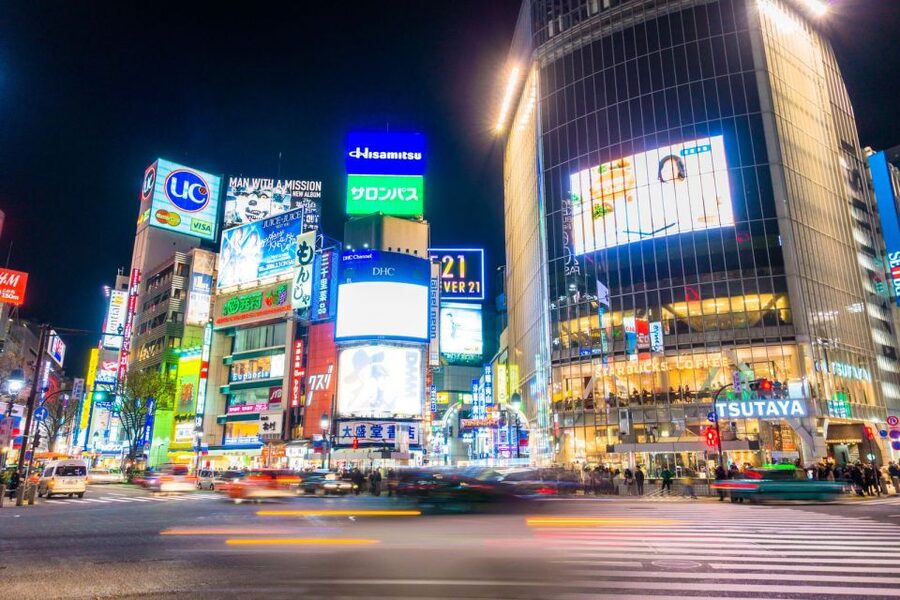
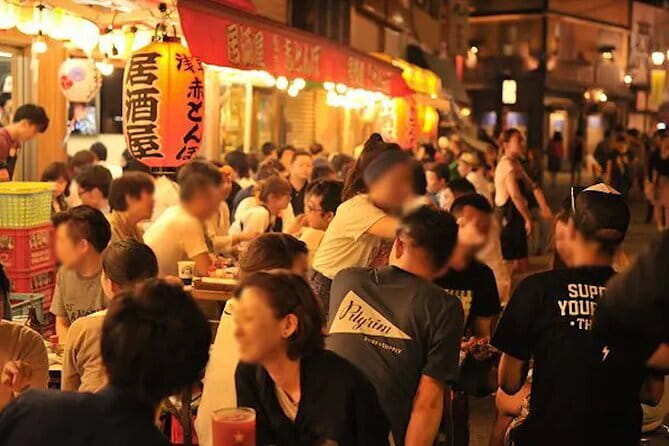
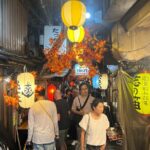
There is no grand sightseeing set piece here. Instead, you see shopping streets, food counters, and the everyday rhythm of Tokyo neighborhoods that many first-time visitors skip. That is useful if you have already visited Shibuya, Shinjuku, Asakusa, or the major temples and want something less familiar.
The route ends in Togoshi Ginza, known as Tokyo’s longest shopping street. With roughly 400 shops, it is not just a place for food stalls. It is a working commercial street where local residents buy meals, snacks, and household goods.
The setting also makes the guide important. A sign reading Food Tours Tokyo identifies the meeting point, but the quality of the experience depends on the person leading your group. Past guides have included Sahori, Daisy, Bunga, Brian, and Frank. Sahori has been praised for helping with Tokyo’s train system after the tour, while Daisy has been especially good with families and children. Bunga and Brian have also been praised for making the walk relaxed and personal.
Guide assignments can change, so you should not book expecting one particular person. Still, the small group format gives your guide room to explain the foods, answer questions, and help you make choices.
A few more Tokyo tours and experiences worth a look

Starting with yakitori in Musashi Koyama
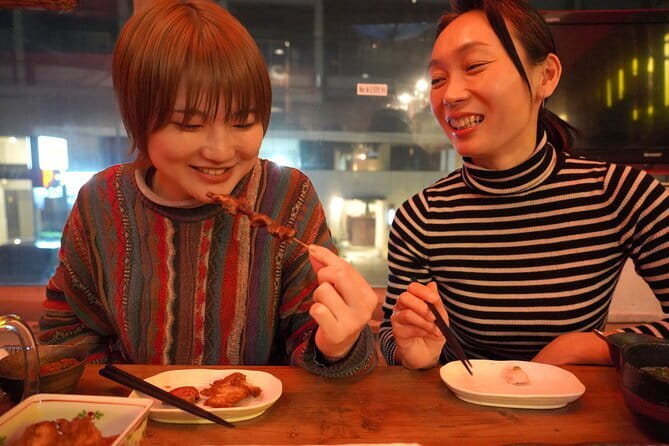
The first food stop is charcoal-grilled chicken skewers, or yakitori. The shop has been around since 1929, which gives this opening tasting a useful connection to the neighborhood’s past.
Yakitori is simple food, but it rewards attention. Chicken is grilled on skewers over charcoal, and the cooking method gives the meat a smoky flavor. You will learn about the dish as you eat rather than simply receiving a plate and moving on.
This is also where the tour begins to show its practical value. A local food counter can feel hard to approach when you cannot read the menu or are unsure how ordering works. Having an English-speaking guide removes much of that hesitation.
You should expect to eat standing or outdoors for much of the tour. One past participant specifically noted that the experience is largely outside, so dress warmly on a cold day. In hot or wet weather, conditions may also feel less comfortable than they would inside a restaurant, although no specific weather arrangement is provided.
Walking through Musashi Koyama and toward Togoshi Ginza

The route covers about 3 kilometers, so the walking is not just a short stroll between two restaurants. You will move through lively shopping streets and residential parts of Tokyo, stopping for food along the way.
I see this as one of the tour’s strongest features. You are not being rushed from one major attraction to the next. You get a sense of how local shopping streets work, and the guide can explain the background of each dish as the neighborhood changes around you.
The pace also helps balance the amount of food. Several tastings arrive during the two-hour route, so walking between stops is welcome. One participant who regularly eats Japanese food noted that there was plenty of walking, but felt it suited the amount of food served.
Still, plan your footwear carefully. Comfortable shoes matter, and the route is not recommended for people with a low level of fitness. This is not a good choice if you want to minimize walking or need frequent long breaks.
Award-winning karaage, Tokyo’s beloved fried chicken

At Togoshi Ginza, you will try karaage, Japanese fried chicken. This is one of the tour’s headline foods, and the stop features an award-winning version.
Karaage differs from ordinary Western fried chicken in texture, seasoning, and portion style. Small pieces are seasoned, coated, and fried, making them easy to eat as a street snack. The contrast between a crisp coating and juicy chicken is the point.
This stop works well in the middle of the route because it offers a different texture from the grilled yakitori. You are not eating several versions of the same snack. The tour moves from smoky skewers to crisp fried chicken, then into rice and bread-based foods.
You should keep your appetite in reserve. The portions are described as generous, and several people found themselves very full by the end. The food is not simply a few token bites designed for photographs.
Picking an onigiri from more than 40 fillings

The onigiri stop is likely to be the most memorable for curious eaters. These rice balls are a basic Japanese food, but this shop offers more than 40 fillings.
Choices include familiar options such as spicy tuna and less expected combinations such as bacon with cream cheese. That range lets you choose something safe, adventurous, or somewhere between the two.
Onigiri makes sense as a tour food because it is portable and filling. It also gives your guide a chance to explain an everyday Japanese staple that you might otherwise buy quickly from a convenience store without thinking much about it.
This is one place where the tour is more useful than ordering alone. The number of fillings can make the choice difficult, especially if the menu is mainly in Japanese. Your guide can explain the options and help you decide based on what you already like.
If you are traveling with children, this stop may be especially practical. Rice is familiar to many young eaters, while the filling choices allow adults to try something more unusual. The exact choice remains up to you, and the available fillings may vary.
A few more Tokyo tours and experiences worth a look


Curry bread for a savory change of pace

Next comes curry bread, a piece of savory bread filled with beef curry. It is a satisfying change from the chicken and rice.
Japanese curry bread combines a fried or baked bread shell with a warm, seasoned curry filling. The result is portable, substantial, and easy to understand after you have tried several smaller snacks.
The curry bread also adds a little more weight to the meal. By this point, you may no longer think of the experience as light grazing. The route offers enough food to replace part of a meal, though the tour should not be treated as a fixed restaurant lunch or dinner.
People with strict dietary needs should ask the operator before booking. The provided details do not list vegetarian, halal, allergy, or gluten-free alternatives, and several stops involve meat or wheat.
Finishing with pudding and another dessert

The final planned tasting is extra-rich Japanese pudding, followed by another dessert if you still have room. That last condition is worth taking seriously because the earlier stops are filling.
Japanese pudding is usually smooth and custard-like, with a soft texture that contrasts with the crisp karaage and curry bread. Ending with dessert gives the tour a clear finish instead of leaving you with one more savory snack.
You also receive one alcoholic or non-alcoholic drink during the experience. The available choice is not specified, so do not book this expecting a particular beverage.
The dessert ending is pleasant, but it also exposes the tour’s only real food-related risk: you may be too full to enjoy the last stop fully. I would eat a light breakfast or lunch beforehand rather than arriving after a large meal.
What the $95 price is really buying

At $95 per person, this is not a bargain if you count only the food. You could likely spend less by walking through Togoshi Ginza on your own and buying one or two snacks.
The value comes from the combination of seven tastings, a drink, a guide, and access to choices that can be intimidating without Japanese language skills. You are paying to understand what you are eating, find several stops efficiently, and visit a part of Tokyo you might not reach on your own.
The small group limit of eight also matters. A food walk with a large crowd can become a line-following exercise. With fewer people, the guide can explain the history of each dish and respond to different tastes.
I would consider the price reasonable for a first visit to Tokyo if you care about food and want personal help. I would be less likely to recommend it to someone who is comfortable ordering independently, has a tight budget, or simply wants one excellent meal.
How the two-hour format affects the experience

Two hours is long enough for a solid introduction but short enough to fit into a busy Tokyo itinerary. You can use it as a food-focused afternoon or as a way to explore a neighborhood before another activity.
The compact schedule also means the group keeps moving. You should not expect extended time at each shop, a long sit-down meal, or a slow photography stop. This is a tasting walk, not a restaurant crawl with table service.
The route includes seven food tastings, but the exact order and available items can change. Shops may have different stock, and the guide may adjust the sequence. The named foods give you a clear picture of the experience, but they should not be treated as a guarantee of one exact portion at every stop.
Who will get the most from this tour
I would recommend this experience to you if you:
- Want to eat Japanese street food without guessing what to order
- Have already seen Tokyo’s most famous districts
- Prefer small groups to large guided outings
- Enjoy walking through ordinary neighborhoods
- Like trying several foods instead of sitting down for one meal
- Want a guide who can explain food customs and local details in English
Families can also do well here. A past guide, Sahori, was praised for handling children, and Daisy received similar praise for making a family outing enjoyable. Still, keep the 3-kilometer walk and the amount of food in mind when deciding if younger children will manage comfortably.
This tour is less suitable if you need a fully seated experience, have limited mobility, follow a strict diet, or dislike eating outdoors. The available information does not promise substitutions or accessible arrangements, so contact the operator before paying if those points matter to you.
Practical planning before you go
Meet outside the Starbucks at the entrance to Musashi Koyama Palm Shopping Street. Your guide will carry a Food Tours Tokyo sign, and the tour is conducted in English.
Wear comfortable walking shoes and arrive ready to eat. Since the route is outdoors for much of the time, add a warm layer on a cold day and check the forecast before setting out.
The booking terms are useful if your plans are still shifting. You can cancel up to 24 hours before the tour for a full refund, and the reserve-now, pay-later option lets you hold a place without paying immediately. Hotel pickup and drop-off are not included.
Should you book the Togoshi Ginza food tour?
Book it if you want a friendly, food-heavy introduction to a local side of Tokyo and value guidance more than the lowest possible price. The strongest reasons are the range of food, the unusual onigiri choices, the small group, and the chance to explore two shopping streets that sit outside the usual sightseeing circuit.
Skip it if $95 feels too high for street food, if you need dietary flexibility, or if 3 kilometers of walking sounds tiring. For most food-focused visitors with two free hours and a healthy appetite, I think the tour offers a distinctive look at Tokyo, provided you arrive hungry and treat the guide and neighborhood access as part of what you are paying for.
FAQ
How long does the Togoshi Ginza Street Food Tour last?
The tour lasts two hours.
How much walking is involved?
The route involves about 1.86 miles, or 3 kilometers, of walking.
Where does the tour meet?
Meet outside the Starbucks at the entrance to Musashi Koyama Palm Shopping Street. The guide will hold a Food Tours Tokyo sign.
How many food tastings are included?
Seven food tastings are included.
Is a drink included?
Yes. The tour includes one alcoholic or non-alcoholic drink.
Which foods will I try?
The listed foods include yakitori, karaage, onigiri, beef curry bread, Japanese pudding, and another dessert if you still have room.
How many onigiri fillings are available?
The onigiri stop offers more than 40 filling choices, including bacon with cream cheese and spicy tuna.
Is the tour conducted in English?
Yes. The tour has a live English-speaking guide.
How large is the group?
The tour is limited to eight participants.
Is hotel pickup included?
No. Hotel pickup and drop-off are not included.
Can I cancel for a full refund?
Yes. You can cancel up to 24 hours in advance for a full refund.
Can I reserve now and pay later?
Yes. The reserve-now, pay-later option allows you to hold your plans without paying at the time of booking.
More Food Experiences in Tokyo
More Tokyo Food Tours in Tokyo
More Ginza Tours in Tokyo


More tours in Tokyo we've reviewed












Tokyo Food Tours, compared.
 ★ 5.0Tokyo: Shinjuku Food Tour (13 Dishes at 4 Local Eateries)From $86
 ★ 4.9Tokyo: Shinjuku Food Tour (13 Dishes and 4 Eateries)From $97
 ★ 5.0Tokyo Night Foodie Tour in Shinjuku – Seasonal Sushi, Wagyu BeefFrom $111
 ★ 5.0Eat and Drink Like a Local: Tokyo Ueno Food Tour-Taverns&RamenFrom $95
 ★ 5.0Tokyo: Shibuya Food Tour (13 dishes and 4 Eateries)From $77
Tokyo: Shinjuku Food Tour – 15 Dishes, 3 Drinks, 4 EateriesFrom $723 hours
★ 5.0Tokyo: Shibuya Food Tour (13 dishes and 4 Eateries)From $77
Tokyo: Shinjuku Food Tour – 15 Dishes, 3 Drinks, 4 EateriesFrom $723 hours