Reviewed · SHIBUYA TOURS
Tokyo: Shibuya Bike Tour
Tokyo: Shibuya Bike Tour
In This Article
- Key points to know before booking
- Why a bicycle works well in Shibuya
- Starting near Kabukicho and Shinjuku
- Shinjuku: your first 20 minutes on the road
- Shibuya Crossing and the Hachiko area
- Meiji Shrine: the quietest pause
- Harajuku and the final 20 minutes
- What the small group changes
- Is $46 good value for 80 minutes?
- Height, weight, and clothing rules
- Who should book this Tokyo bike ride?
- Should you book the Shibuya Bike Tour?
- FAQ
- How long does the Tokyo Shibuya Bike Tour take?
- Where does the tour start and finish?
- Which places does the bicycle tour visit?
- Is the tour available in English?
- Are costumes and helmets included?
- What are the age and size requirements?
Tokyo can feel huge from street level, but a bicycle gives you a quick, lively way to connect its famous districts. In 80 minutes, you ride from the Shinjuku branch through Shibuya Crossing, stop at the entrance to Meiji Shrine, and pass through Harajuku with a local guide leading the way.
I like the small group of no more than five, which keeps the ride personal and makes it easier to adjust the pace. I also like the practical setup: bikes are checked and adjusted before departure, a test ride is included, and costumes and helmets are available at no extra cost.
The main consideration is fit. The bikes are best suited to people between 160 and 185 centimeters tall, and the streets are not the place for uncertain cyclists. You should be comfortable riding in city traffic and wearing proper shoes.
Key points to know before booking
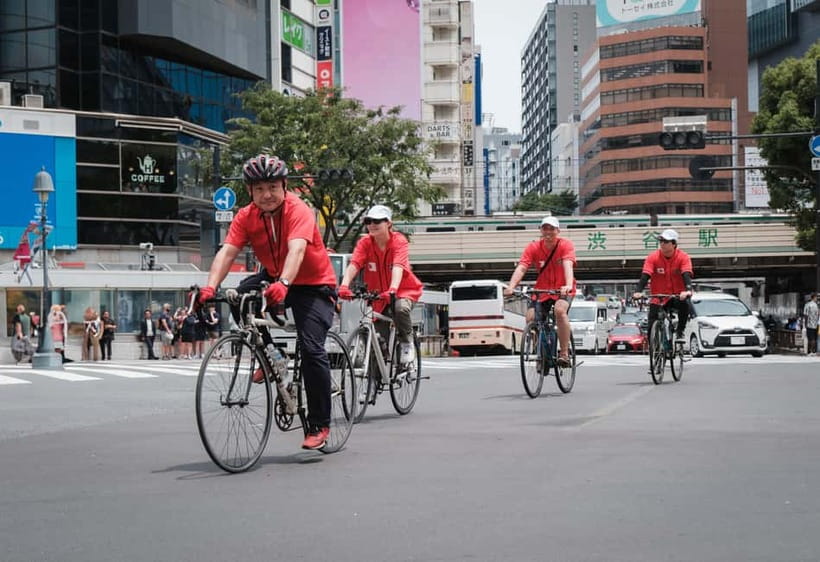
- You see four Tokyo districts in one short ride: Shinjuku, Shibuya, Meiji Shrine, and Harajuku all feature in the route.
- The group is capped at five people: This gives the English-speaking guide room to keep an eye on the group and adapt the ride.
- A 5 to 10 minute Meiji Shrine stop breaks up the cycling: It is a useful pause for photos and a change of pace.
- The starting point is near Kabukicho: Shinjuku-sanchome Station is the nearest station to the JAPANKART Shinjuku Branch.
- Costumes and helmets are free: You can choose a costume for a playful photo, but the helmet is the more practical choice.
- The ride suits confident cyclists aged 12 and older: Height, weight, clothing, and footwear rules matter here.
Why a bicycle works well in Shibuya
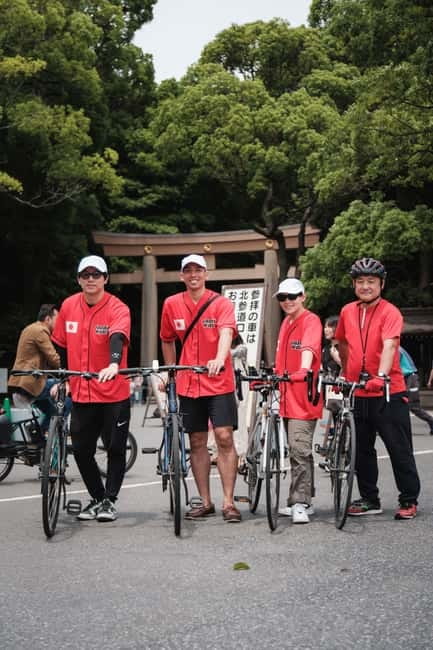
Shibuya is often viewed from pavement level, packed into the famous crossing and the streets around it. A bike gives you a different sense of how the area connects. You are not simply moving between photo stops. You are riding through the city as it works around you.
That is the appeal of this tour. The route links places that many people visit separately, and the bicycle keeps the experience active without turning it into a long athletic outing. The advertised ride lasts about 80 minutes, with around 90 to 100 minutes needed once check-in, bike adjustment, and preparation are added.
The ride is also short enough to fit into a busy Tokyo day. You could schedule it around a meal in Shinjuku, shopping in Harajuku, or an evening plan elsewhere. At the same time, 80 minutes is long enough to feel like an activity rather than a quick photo stop.
Your English-speaking guide leads the way and helps with the route. Miki and Mikihiro are among the guides connected with this experience, though the guide on your departure may differ. The group size matters here. With a maximum of five people, you get a more manageable ride than you would on a large cycling outing.
A few more Tokyo tours and experiences worth a look
Starting near Kabukicho and Shinjuku
The meeting point is the JAPANKART Shinjuku Branch, near Kabukicho, with Shinjuku-sanchome Station listed as the nearest station. Allow time to find the branch, especially if you are not familiar with Shinjuku’s dense streets and multiple station exits.
The first part of the experience is not just paperwork. You check the bicycle, adjust it to your body, and take a test ride. This is a useful safety step, especially if you have not ridden in Tokyo before or if the bike feels different from the one you use at home.
Water is provided, which is a small but welcome touch. Wear comfortable clothing that will not catch on the bike, and choose closed, comfortable shoes. Sandals and flip-flops are not allowed. Short skirts and skirts in general are also listed as unsuitable, so dress for easy movement rather than a formal day out.
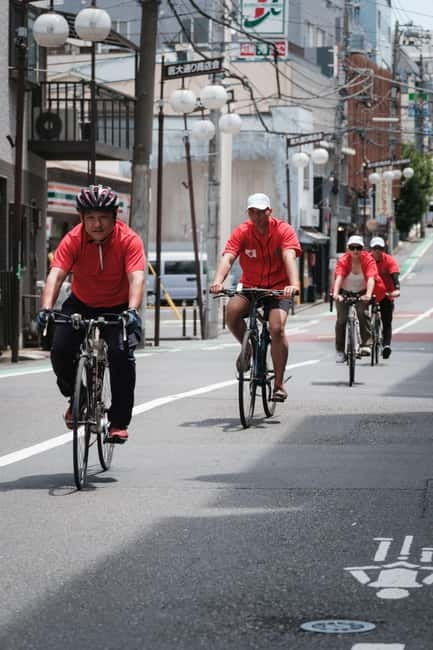
You may choose one of the available costumes. The outfits add a comic, memorable touch, and one ride used red uniforms that helped the group get noticed by people around them. You do not need a costume to enjoy the tour, but it can make the photos more distinctive.
Helmets are provided free of charge. Japanese law does not require adults to wear one, but I strongly recommend taking the helmet. Costumes are optional. The helmet is not.
Shinjuku: your first 20 minutes on the road
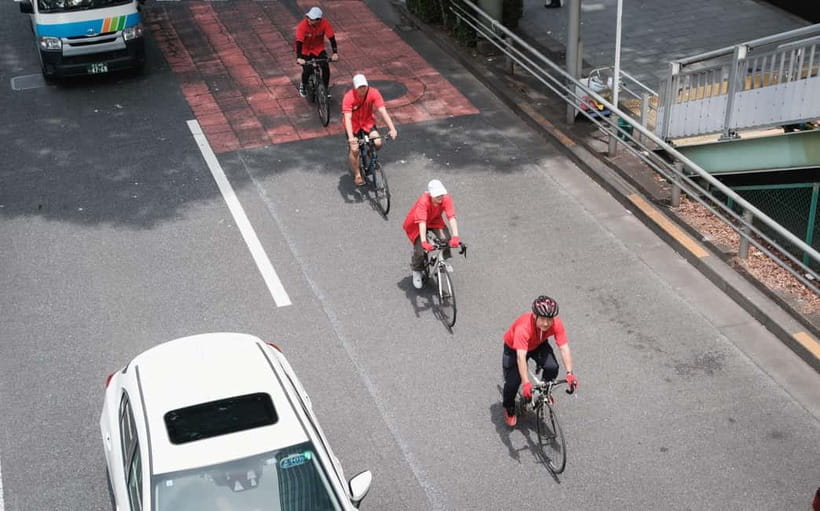
The opening guided section takes about 20 minutes through Shinjuku. This gives you time to get used to the bicycle and the rhythm of following a guide through city streets.
Shinjuku is a good starting district because it quickly shows you Tokyo’s scale and movement. It is a major entertainment and shopping area, but the value of seeing it by bike is not limited to famous buildings. You get a closer look at the connections between the main streets and the surrounding areas as you ride.
Do not expect a long stop at every sight. The tour is built around movement, with the guide choosing the route and keeping the group together. If you want extended time for shopping, food, or detailed photography, you will need to return to those districts later on your own.
The route may be adjusted for fitness level. A gentler option is available, while stronger cyclists may be offered a somewhat more demanding version. That flexibility is useful, but be honest about your ability. The point is to enjoy Tokyo, not to prove anything on a rented bike.
Shibuya Crossing and the Hachiko area
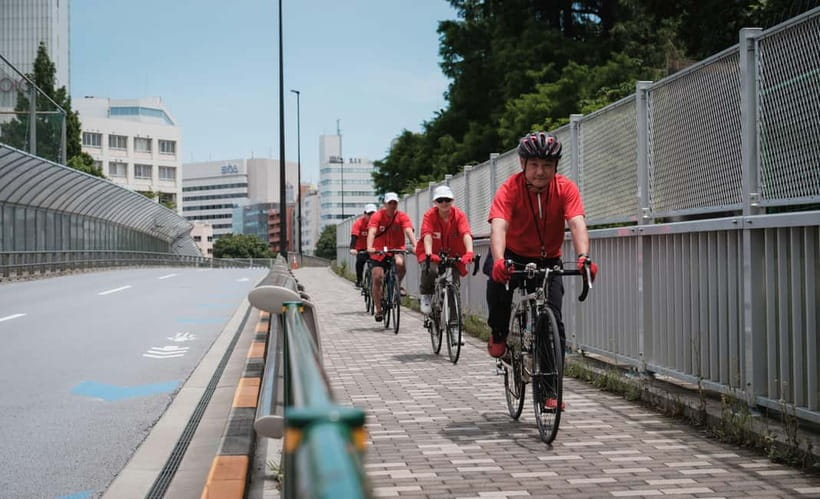
The tour gives about 20 minutes to Shibuya Crossing, one of Tokyo’s most recognizable public spaces. This is the part most likely to appeal to first-time visitors who want to connect a famous image of Tokyo with the surrounding streets.
The experience includes Shibuya Crossing and the Hachiko Statue. Seeing both in one guided visit helps you understand the area rather than simply stopping for a single crossing photo. Your guide can direct the group to the relevant points and keep the visit moving within the short time available.
There is an important distinction here. This is a cycling tour through Shibuya, not a long walking tour of every shopping center and side street. You will have time to see the key areas, but not enough time for a leisurely browse or a full set of photographs at each one.
The ride can also feel more exciting than a standard sightseeing walk. You are moving through the district, then pausing at selected points. That change between cycling and short visits keeps the 80-minute schedule lively.
Meiji Shrine: the quietest pause
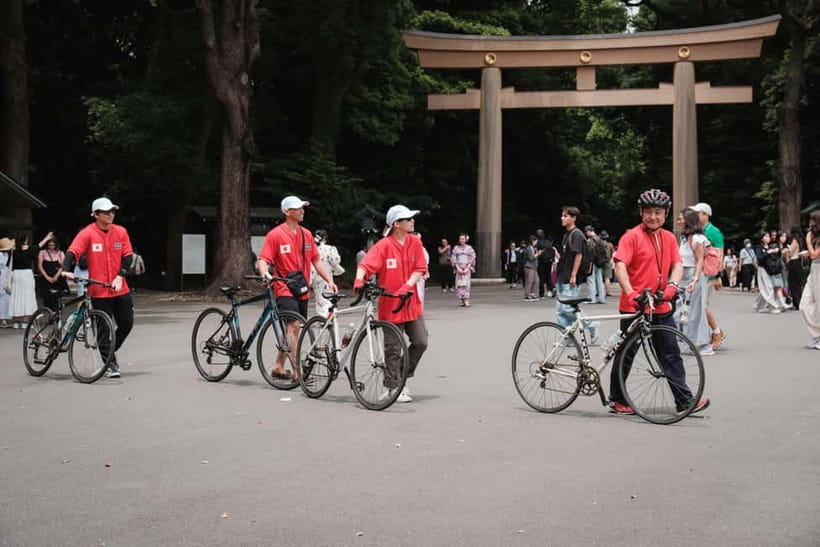
The stop at the entrance to Meiji Shrine is scheduled for about 20 minutes, with a scenic break of roughly 5 to 10 minutes within that section. This is the tour’s best chance to slow down, take photographs, and let your legs rest.
Meiji Shrine provides a sharp change from the commercial streets around Shibuya and Harajuku. Even without a long visit inside the grounds, the entrance gives you a calmer setting and a useful contrast to the crowded city roads.
Keep your expectations clear. The route calls for a stop at the entrance, not an extended shrine visit. If you want to explore the full shrine grounds, read the displays, or spend time with the religious details, plan a separate visit.
Still, the pause is well chosen. A short break at Meiji Shrine gives the tour a better rhythm than 80 straight minutes of riding. It also creates one of the strongest photo opportunities, especially if you have chosen a costume.
Other cycling tours in Tokyo


Harajuku and the final 20 minutes
The route continues through Harajuku for around 20 minutes. Harajuku is closely linked with youth fashion, shopping, and creative street culture, so it adds a different tone to the route after Shinjuku and Shibuya.
Cycling through the area lets you sample its character without committing your whole afternoon to it. You can note places to revisit on foot later, when you have more time to browse. The bike is especially useful for giving you a quick connection between the major districts.
Again, the time is limited. You should think of Harajuku as a moving introduction, not a shopping session. If your main goal is fashion stores, cafés, or people-watching, save those plans for after the ride.
The tour then returns to the JAPANKART Shinjuku Branch. Since the start and finish are at the same place, you do not need to arrange a separate pickup point at the end. That makes the activity easier to fit around other plans in central Tokyo.
What the small group changes
A maximum of five participants is one of the strongest practical features of this experience. In city cycling, group size affects more than conversation. Smaller groups are easier to keep together, and the guide has a better chance of noticing if someone is struggling with the pace or the bike.
A small group also gives you a better chance to ask questions during pauses. You can tell the guide if you prefer a gentler route or need a moment to settle into the ride.
The experience is conducted in English. That helps with instructions, route guidance, and the safety briefing. It also means you should be comfortable following spoken directions while riding.
The pace is described as fun and relaxed, but the route still includes busy central streets. You need basic cycling confidence and good attention. The tour is not suitable for anyone who is intoxicated, and the clothing restrictions are sensible rather than fussy.
Is $46 good value for 80 minutes?
At $46 per person, this is not the cheapest way to see Shibuya. You can walk around the crossing and visit nearby areas without paying for an organized activity. The value comes from the combination of a bicycle, a guide, a short route linking several districts, a small group, and the setup equipment.
You are paying for more than transportation. The guide handles the route, helps adjust the bike, offers a test ride, and can select a pace that fits the group. Costumes, helmets, and water are included, so there are no equipment rental costs added to the advertised price.
The tour makes the most sense for you if you want a memorable introduction to several central Tokyo neighborhoods and enjoy being active. It is less suitable if you prefer slow sightseeing, dislike riding near traffic, or want deep visits inside Meiji Shrine and Harajuku shops.
The reserve-now-and-pay-later option can help if your Tokyo schedule is still shifting. You can also cancel up to 24 hours before the tour for a full refund, according to the booking terms. Check the available start times before committing, since the activity lasts less than two hours but still needs to fit around your day.
Height, weight, and clothing rules
The recommended height range is 160 to 185 centimeters. If you are under 160 centimeters, you may still ride if you can safely straddle the bicycle and place both feet on the ground. People over 185 centimeters may find the bikes cramped.
The recommended weight limit is 125 kilograms. Being at or above that weight does not automatically rule you out, but comfort and safety can vary with body proportions and the way you fit the bicycle.
The minimum age is 12. Children under 12 cannot join, and the activity is not presented as a child-focused ride. Every participant needs to be able to control the bicycle and follow the guide’s instructions.
Wear comfortable clothes and shoes. Avoid sandals, flip-flops, skirts, and short skirts. The supplied helmet is strongly encouraged, even though it is not legally required in Japan. These rules are worth checking before you book, since a poor fit or unsuitable clothing can turn a fun ride into an uncomfortable one.
Who should book this Tokyo bike ride?
I would recommend it to confident cyclists who want a fast, active look at central Tokyo. It suits first-time visitors, pairs of friends, and families with older children who meet the age and size requirements.
It is particularly useful if someone in your group already enjoys biking. A ride described by the operator included a bike check, a test ride, route choices based on fitness, and a more intense option for stronger cyclists. That flexibility lets the guide shape the outing instead of forcing every participant into the same speed.
You should think twice if you have not ridden a bicycle recently. Shibuya and Shinjuku are not quiet country lanes, and the tour’s relaxed tone does not remove the need for balance, awareness, and quick reactions.
I would also avoid booking this as your only chance to visit Meiji Shrine or Harajuku. The tour introduces both areas, but the stops are short. Use it as an active overview, then return later if one district catches your interest.
Should you book the Shibuya Bike Tour?
Book it if you want to see Shinjuku, Shibuya Crossing, Meiji Shrine, and Harajuku in one compact outing, and if cycling feels natural to you. The small group, bike fitting, route flexibility, included helmet, and free costume make $46 a fair price for a guided experience rather than a simple rental.
Skip it if you want a slow cultural visit, extensive shopping time, or a full shrine tour. The best reason to choose this activity is its mix of movement and famous Tokyo sights. You get a quick burst of city energy, a quiet shrine pause, and a guide-led route without giving up most of your day.
FAQ
How long does the Tokyo Shibuya Bike Tour take?
The cycling portion lasts about 80 minutes. With check-in, bicycle adjustment, testing, and preparation, allow about 90 to 100 minutes in total.
Where does the tour start and finish?
It starts and finishes at the JAPANKART Shinjuku Branch near Kabukicho. Shinjuku-sanchome Station is the nearest station listed for the meeting point.
Which places does the bicycle tour visit?
The route includes Shinjuku, Shibuya Crossing, Meiji Shrine, and Harajuku. The Meiji Shrine portion includes a stop at the entrance for a scenic break and photographs.
Is the tour available in English?
Yes. The tour includes a live English-speaking guide.
Are costumes and helmets included?
Yes. Costumes and helmets are available free of charge. Helmets are strongly encouraged for safety, although adults are not legally required to wear them in Japan.
What are the age and size requirements?
Participants must be at least 12 years old. The recommended height is 160 to 185 centimeters, and the recommended weight limit is up to 125 kilograms. People under 160 centimeters may still participate if they can safely straddle the bike and place both feet on the ground.
More Cycling Tours in Tokyo
More Shibuya Tours in Tokyo

More tours in Tokyo we've reviewed
Shibuya Tours, compared.
 ★ 5.0Official Street Go-Kart in ShibuyaFrom $76
 ★ 5.0Shibuya Meltdown Nightlife Tour: All-You-Can-Drink Bar HoppingFrom $106
 ★ 4.9Tokyo: Street Kart Experience in ShibuyaFrom $99
 ★ 5.0Shibuya Official Street Go-Kart in Shibuya AnnexFrom $69
 ★ 5.0Tokyo: Shibuya Food Tour (13 dishes and 4 Eateries)From $77
 ★ 5.0Best of Shibuya Food TourFrom $217