Reviewed · MT FUJI DAY TRIPS
Mt Fuji & Hakone Private Tour from Tokyo: Return by Bullet Train
Mount Fuji is best seen beyond Tokyo’s crowded streets, and this private day tour gives you a full, busy day around the mountain and Hakone. You can shape the route to suit your interests, travel in an air-conditioned vehicle, and finish with a bullet train back toward Tokyo.
In This Article
- Key points to know before booking
- A long Fuji day with room to make it yours
- Chureito Pagoda and the Fuji photograph everyone wants
- Kitaguchi Hongu Fuji Sengen Jinja, a quieter change of mood
- Oshino Hakkai and its clear spring ponds
- Lake Yamanaka, the broadest of the Fuji Five Lakes
- Lake Kawaguchiko, the safest all-round lake stop
- Hakone Ropeway and the volcanic hills
- Lake Ashinoko and the boat across the caldera
- What the guides add to the day
- Returning by shinkansen from Odawara
- Is $295 per person good value?
- Who should book this Fuji and Hakone day?
- Should you book it?
- FAQ
- How long does the Mt Fuji and Hakone tour last?
- What time does pickup begin?
- Is this a private tour?
- Is lunch included?
- Are the Hakone Ropeway and cruise included?
- Does the guide ride the bullet train back to Tokyo?
- How do I return to my hotel after arriving in Tokyo?
I like the flexible private format, especially for families or small groups who want photo stops, shrine visits, and food breaks without following a fixed coach schedule. I also like the one-way shinkansen return, which avoids repeating the long road journey to Tokyo.
The main catch is the pace. Seven listed stops in about 10 hours is ambitious, and the tour price of $295 per person does not cover lunch, activity tickets, or the train fare. You need to confirm the day’s priorities before setting off.
Key points to know before booking

- Chureito Pagoda gives you the classic Fuji view, with a one-hour visit in the Fuji Five Lakes area.
- Your guide can adjust the day, so you can focus on shrines, lakes, village scenery, or Hakone attractions.
- Ryu receives especially strong praise for explanations, photos, food suggestions, and help at the station.
- Lake Ashi adds a scenic boat element, though the cruise costs extra.
- The Hakone Ropeway is also extra, listed at ¥3,000 per person.
- The tour ends at Odawara Station, and you return to Tokyo without the guide on the bullet train.
A long Fuji day with room to make it yours

The tour begins with pickup from your Tokyo hotel or apartment at about 8:00 am, arranged in advance. From there, you travel in a private air-conditioned vehicle toward the Mt Fuji area, with driving time included in the roughly 10-hour duration.
That private vehicle matters. Fuji and Hakone are spread across a wide area, and moving between lakes, shrines, viewpoints, and cable-car stations can be awkward by public transport in a single day. You avoid gathering strangers at several hotels, and your guide can help decide when to move on.
The route is not a quiet, single-destination outing. It is a broad sampler of the Fuji Five Lakes and Hakone. You may cover Chureito Pagoda, a shrine, two or three lakes, the Ropeway, and Lake Ashi in one day. That gives you variety, but it also means you should not expect long, unhurried visits at every stop.
The tour has a perfect five-star score from 22 ratings and a 100 percent recommendation figure. The most consistent praise centers on the guides’ care and communication. Ryu is singled out for explaining Japanese culture, taking photos, suggesting food, and helping with the bullet train. Malik Ali is also praised for explaining the sites clearly.
A few more Tokyo tours and experiences worth a look
Chureito Pagoda and the Fuji photograph everyone wants
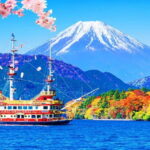
Your first listed stop is Chureito Pagoda, where you have about an hour. The pagoda sits above the Fuji Five Lakes region and is famous for the view of Mount Fuji framed by its red structure. In cherry blossom season, the scene is especially striking, though visibility depends on weather and the mountain’s cloud cover.
This is one of the tour’s strongest photo stops. You get a recognizable image that combines Japanese architecture, mountain scenery, and seasonal color. An hour gives you time to see the pagoda and take photographs, but the approach involves stairs, so the visit is not entirely effortless.
The view is weather-dependent. Mount Fuji can disappear behind clouds even on an otherwise pleasant day. The operator requires good weather for the experience and offers a different date or full refund if poor conditions force cancellation, but no private tour can guarantee a clear summit.
Kitaguchi Hongu Fuji Sengen Jinja, a quieter change of mood
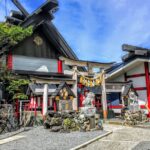
The next stop is Kitaguchi Hongu Fuji Sengen Jinja Shrine, with about 30 minutes allotted. Its red torii gates and wooded shrine grounds offer a calmer experience than a major viewpoint.
This shrine is useful because it gives the day some cultural depth. Instead of treating Fuji as only a scenic backdrop, you get a place tied to religious traditions around the mountain. Your guide can explain what you are seeing, and guides such as Ryu have been praised for providing background on Japanese culture and history.
Thirty minutes is short, so think of this as a focused visit rather than a full shrine exploration. If you care more about religious sites than lake scenery, tell your guide early. The private format makes that conversation possible, though the number of stops may require cutting something else.
Oshino Hakkai and its clear spring ponds

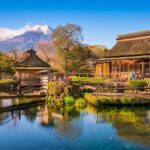
Oshino Hakkai is scheduled for about an hour. This small collection of eight ponds is supplied by groundwater filtered through Mt Fuji’s volcanic lava fields. The water is known for its clarity, and the ponds make a pleasant contrast to the large lakes later in the day.
The appeal here is simple and visual: clear water, traditional village scenery, and a close look at how Fuji’s snow and rain feed the area. It is also a good place to pause for local food or a drink, though lunch and snacks are not included in the tour price.
The stop can feel more commercial than a remote mountain setting, so I would treat it as a short cultural and scenic break rather than the day’s main event. If you have already seen similar spring villages in Japan, you may prefer to give that time to Lake Kawaguchiko or Hakone.
Lake Yamanaka, the broadest of the Fuji Five Lakes

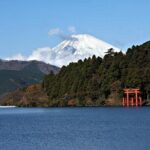
Lake Yamanaka is the largest of the Fuji Five Lakes, and the tour allows about an hour beside it. Forests and mountains surround the water, giving you a more open setting after the compact shrine and pond visits.
This is a good stop if you want breathing room and broad views. The lake is associated with outdoor activities such as boating, but the tour details do not promise a particular activity here. Do not assume a boat rental is included.
Lake Yamanaka also shows why a private car is useful. You can make a short scenic visit without working out separate bus connections between the different lakes. The tradeoff is that every lake stop adds road time, which may reduce your time in Hakone later.
A few more Tokyo tours and experiences worth a look
Lake Kawaguchiko, the safest all-round lake stop

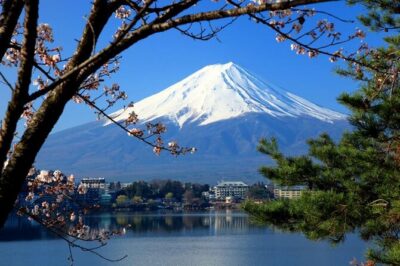
Lake Kawaguchiko is another one-hour stop and one of the most popular places for Fuji views. The lake is surrounded by villages, forests, and mountain scenery, with opportunities for a walk, photographs, or a quiet pause by the water.
For many people, this is the most useful lake stop because it combines scenery with nearby services. Your guide can help you decide where to spend your limited time, and the private arrangement means you do not need to follow a rigid group timetable.
Still, Fuji views remain unpredictable. A lake visit can be worthwhile even when the summit is hidden, but you should set your expectations accordingly. If a clear Fuji photograph is your top goal, ask the guide to put the best weather window toward the most promising viewpoint.
Hakone Ropeway and the volcanic hills

The Hakone Ropeway provides an aerial trip through Hakone National Park, with views toward Mt Fuji, Lake Ashi, and the volcanic terrain. The listed visit lasts about an hour.
This is one of the day’s most distinctive experiences. After several ground-level lake and shrine stops, the cable car changes your view completely. You see Hakone from above rather than simply driving around it.
The Ropeway ticket is not included. The listed admission cost is ¥3,000 per person, and the tour also notes that activity tickets and taxes are separate. That extra cost is important when comparing the $295 headline price with the final amount for your group.
The timing also deserves attention. A one-hour allocation may be enough for a section of the route, but it leaves little room for delays, queues, or a long stop at each station. Ask exactly which Ropeway segment the guide expects to use on your date.
Lake Ashinoko and the boat across the caldera

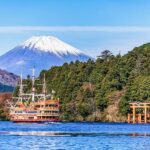
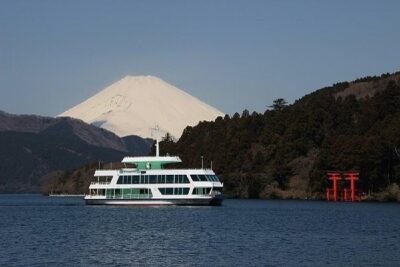
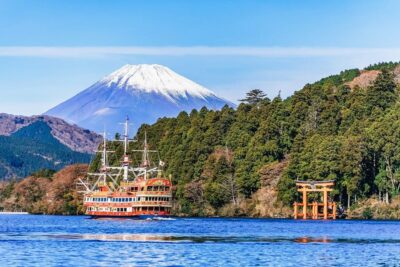
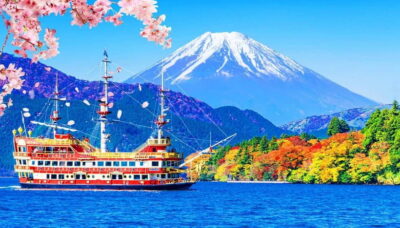
Lake Ashinoko, often called Lake Ashi, is a volcanic caldera lake surrounded by wooded hills and mountain views. The tour includes about an hour here and highlights a scenic boat ride across the water.
The boat is a welcome change from the road. You get a different view of Hakone’s shores, and on a clear day the setting can be spectacular. The tour description also refers to cruise ships and lists a Hakone cruise admission cost of ¥3,000 per person, so confirm which boat service is planned and whether the price applies to your chosen ride.
The lake stop is free to visit, but the cruise is not automatically covered. The same applies to other activities, including a speedboat if one is selected. Bring extra money and ask your guide which options fit the available time.
Because Hakone comes after the Fuji Five Lakes stops, the day may feel rushed by this point. If Lake Ashi and the Ropeway matter most to you, say so at the start. A private tour is most useful when you make those priorities clear.
What the guides add to the day
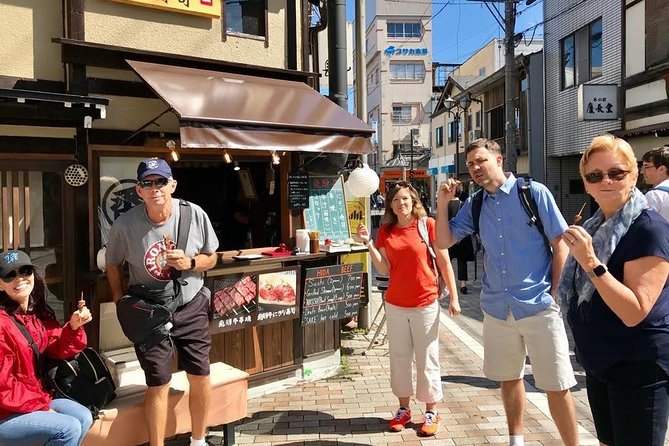
The guide is the heart of this experience. Ryu receives particular praise for his explanations of Japanese culture, help with photographs, food recommendations, and attention to the group’s welfare. One family also appreciated being escorted to the bullet train and looked after through the station process.
Malik Ali is praised for explaining several of the sites and giving clear background along the way. Another account describes a guide who discussed Japanese history and took the group to a samurai village, although that village is not part of the listed itinerary, so you should not book expecting it.
English-language support may vary by vehicle and guide. One booking party noted that two other vehicles did not have English-speaking tour staff, while expressing strong approval of its own guide. If detailed English commentary is important, confirm your assigned guide before booking.
You should also ask for help with the exact day plan. The supplied tour information says you can visit only the sites that interest you, but it lists a large number of possible stops. That flexibility is useful only if you use it.
Returning by shinkansen from Odawara
The road portion ends at Odawara Station, where you continue toward Tokyo Station by bullet train. The guide does not accompany you on the train.
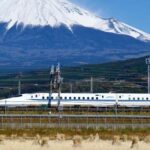
This is a smart way to finish a long day. The return does not retrace the entire drive, and the faster rail journey can get you back to central Tokyo with less road fatigue. The guide can help book or arrange the shinkansen tickets, but the ticket cost is not listed among the inclusions. Confirm whether your fare is separate.
The final transfer is also your responsibility. After arriving at Tokyo Station, you must arrange your own way back to your hotel or Airbnb. That is easy enough for confident rail users, but it is worth planning if you are carrying luggage or staying far from the station.
Is $295 per person good value?
At $295 per person, this is not a cheap sightseeing day. The price becomes easier to justify for a small family or group that values a private car, a dedicated guide, and a flexible route. A family of five can also split the benefit of private transport and guiding across the group.
The price does not cover lunch, drinks, snacks, Ropeway admission, cruise admission, other activity tickets, taxes, or your final transfer from Tokyo Station. The listed Ropeway and cruise costs alone are ¥6,000 per person if you take both, so budget beyond the advertised rate.
You are paying for convenience and access to several widely separated places in one day. If you want a slow lake walk, a long lunch, and plenty of time at each shrine, public transport and an overnight stay in the Fuji or Hakone area may suit you better. If you have only one open day from Tokyo, the private vehicle and one-way train return make this more practical.
Who should book this Fuji and Hakone day?
I would recommend it most strongly for families, first-time Japan visitors, and small groups who want a guide to handle the driving and station transition. It also suits people who prefer choosing viewpoints and cultural sites rather than being locked into a large group’s schedule.
It is less suitable if you dislike early starts, long road transfers, or fast sightseeing. The tour includes travel time in the 10-hour duration, and the route covers a lot of ground. People with one must-see priority should tell the guide at once and be ready to drop lower-priority stops.
The tour is also a good match for anyone who wants both Fuji scenery and Hakone in a single day. Those are different areas, and combining them saves a separate planning day, but the result is a sampler rather than a leisurely stay.
Should you book it?
Book this tour if you value private transport, personal guidance, and a faster train return more than a low base price. Ryu and Malik Ali are names associated with especially strong guiding, but confirm your assigned guide and language support before paying.
I would book it for a group with a clear priority list: perhaps Chureito Pagoda, one Fuji lake, the Hakone Ropeway, and the Lake Ashi boat. I would not book it expecting every listed stop to receive a relaxed visit. Plan for extra admission costs, accept that Fuji may be hidden by clouds, and make sure you know how you will get from Tokyo Station back to your accommodation.
Free cancellation is available up to 24 hours before the start time. Changes or cancellations inside that window are not accepted for a refund, and poor weather may lead to a new date or full refund.
FAQ
How long does the Mt Fuji and Hakone tour last?
The experience lasts approximately 10 hours, including travel time between Tokyo, the Fuji area, Hakone, and Odawara Station.
What time does pickup begin?
The listed start time is 8:00 am. Pickup from Tokyo hotels and apartments is arranged in advance.
Is this a private tour?
Yes. Only your group participates in the private activity, and transport is provided in an air-conditioned private vehicle.
Is lunch included?
No. Lunch, drinks, and snacks are not included.
Are the Hakone Ropeway and cruise included?
No. The listed admission cost for the Hakone Ropeway is ¥3,000 per person, and the Hakone cruise ship admission is also listed at ¥3,000 per person.
Does the guide ride the bullet train back to Tokyo?
No. The tour ends with drop-off at Odawara Station, and the guide does not accompany you on the bullet train.
How do I return to my hotel after arriving in Tokyo?
You are responsible for transportation from Tokyo Station to your hotel or Airbnb.
More Private Tours in Tokyo


More Hakone Day Trips in Tokyo
More Mt Fuji Day Trips in Tokyo

More tours in Tokyo we've reviewed












Mt Fuji Day Trips, compared.
 ★ 5.0Mt Fuji and Hakone 1-Day Bus Tour Return by Bullet TrainFrom $163
 ★ 4.0Mt Fuji & Hakone Cruise, Drum Show Bullet Train 1 Day from TokyoFrom $149
 ★ 4.4Tokyo Mt Fuji 5th St & Hakone Cruise Bus Tour w/Bullet TrainFrom $15410 hours
 ★ 4.5From Tokyo: Mount Fuji Full-Day Sightseeing TripFrom $6810 hours
 ★ 4.7Tokyo: Mt. Fuji Tour, Hakone Ropeway, Owakudani, Lake AshiFrom $5410 hours
 ★ 4.4Tokyo:Mt.Fuji,Kawaguchiko Oishi Park,Arakurayama Sengen ParkFrom $5410 hours