Reviewed · COOKING CLASSES
Tokyo Washoku 4-hour Cooking Class: From Market to Table
Tokyo Washoku 4-hour Cooking Class: From Market to Table
In This Article
- Key points to know before booking
- Starting with Japanese food shopping near Iriya Station
- Four dishes, four useful Japanese techniques
- A class shaped by the guide and the group
- Eating the meal, with sake or beer on the side
- Recipes that make the $79.59 price easier to judge
- Pair it with Kappabashi Dougu Street
- Timing, cancellation, and practical planning
- Who will enjoy this Tokyo cooking class most
- Should you book the From Market to Table class?
- FAQ
- Where does the cooking class meet?
- What time does the class start?
- How long does the experience last?
- What dishes will I prepare?
- Is the class suitable for vegan and vegetarian participants?
- Can the class accommodate allergies?
- What happens if I cannot eat eggs?
- What is the cancellation policy?
The best part of this Tokyo cooking class happens before you reach the stove. You begin at a local supermarket near Iriya Station, where your guide shows you how to choose Japanese ingredients instead of simply handing you a premeasured basket. Then you walk to a spacious cooking studio and turn those ingredients into a full meal.
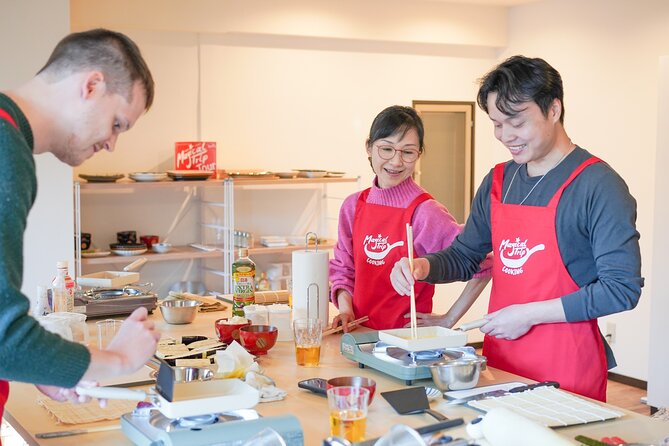
I like the market visit, because it gives you a useful look at everyday Japanese food shopping. I also like the amount of hands-on work: you practice knife cuts, roll sushi, cook dashimaki tamago, and make miso soup rather than watching a demonstration from the sidelines.
The main thing to consider is the strict start time. Meet at 10 a.m., and arrive early. If you are more than five minutes late without contacting the operator, you can be treated as a no-show with no refund or date change.
Key points to know before booking
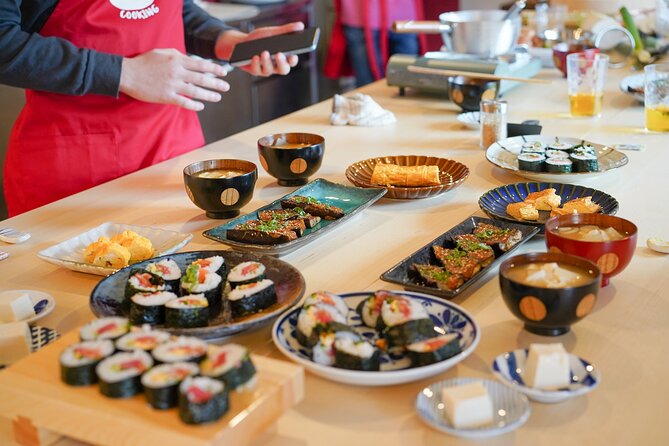
- The supermarket comes first: Learn how Japanese vegetables, seasonings, meat, fish, and other ingredients are selected in a real local shop.
- You cook four familiar dishes: The usual menu includes makisushi, miso soup, dashimaki tamago, and nasu dengaku.
- The class is genuinely hands-on: Your guide teaches cutting and cooking methods while you prepare the food yourself.
- Sake and beer may join the meal: Tastings can add a pleasant food-pairing lesson to the class.
- The group is small: The maximum is seven people, so there is room for questions and personal help.
- Recipes go home with you: You can try the dishes again after returning home.
Starting with Japanese food shopping near Iriya Station
The meeting point is outside FamilyMart at 2-chōme-1-10 Shitaya in Taito City. The class starts at 10 a.m. and is near public transportation, but Tokyo’s streets and station exits can still slow you down. I would aim to reach the area at least 10 to 15 minutes early.
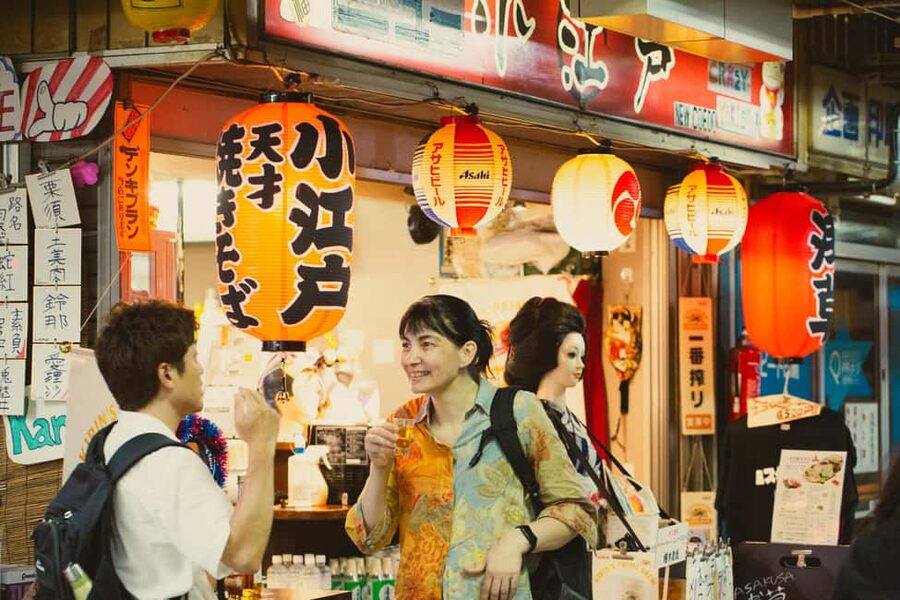
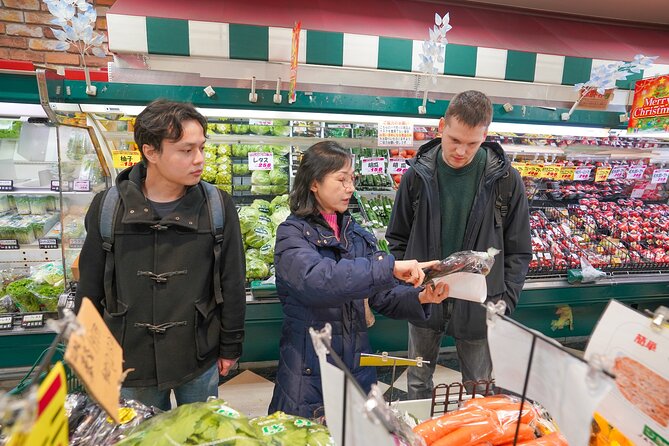
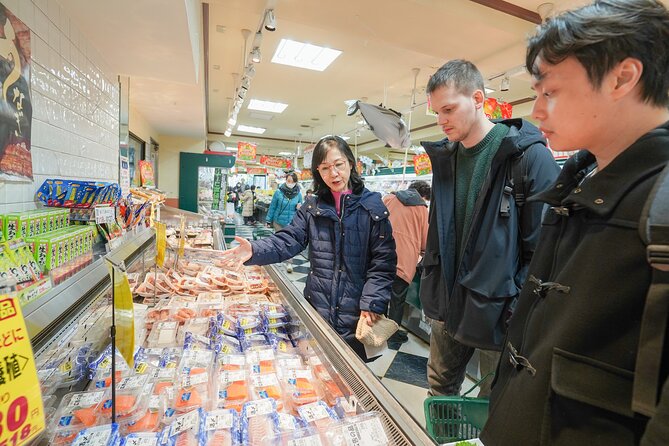
Your guide takes you into a nearby supermarket and explains how to shop for Japanese ingredients. This is more useful than it may sound. A supermarket reveals the everyday side of Japanese cooking: the packaged staples, vegetables, sauces, seasonings, and prepared foods used in ordinary homes.
You can ask questions as you shop. The guide may explain which ingredients work well together, how to judge quality, and what unfamiliar labels or products mean. The exact shopping route and explanations can vary by guide, but the central idea remains practical: you learn how to make sensible choices in a Japanese food shop.
I especially like this opening because it gives context to the cooking. Instead of seeing miso, eggplant, or sushi ingredients as isolated items on a worktable, you see how they are presented and sold in Japan. It also gives you a chance to ask about Japanese food customs before the cooking begins.
The supermarket visit does involve walking, followed by a walk to the cooking studio. Wear comfortable shoes. In summer, Tokyo can reach about 40°C, while winter temperatures can fall as low as -5°C, so dress for the season.
Other cooking classes in Tokyo


Four dishes, four useful Japanese techniques
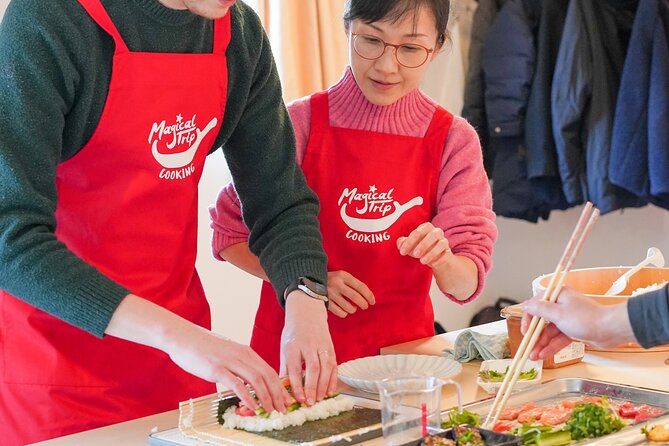
After shopping, you continue to the cooking studio. The class prepares traditional home-style dishes from scratch, with the menu generally including makisushi, miso soup, dashimaki tamago, and nasu dengaku.
Makisushi is rolled sushi, and the process gives you a clear introduction to handling rice, fillings, and nori. It is a fun dish to make because the finished roll depends on technique rather than expensive ingredients. You get to practice spreading, filling, and rolling, then cut the sushi into portions for the meal.
Miso soup looks simple, but it teaches an important Japanese cooking idea: building flavor from a small number of ingredients. The finished soup also becomes a good test of seasoning. One participant described the class miso soup as the best they had tasted, which tells you that the preparation receives careful attention.
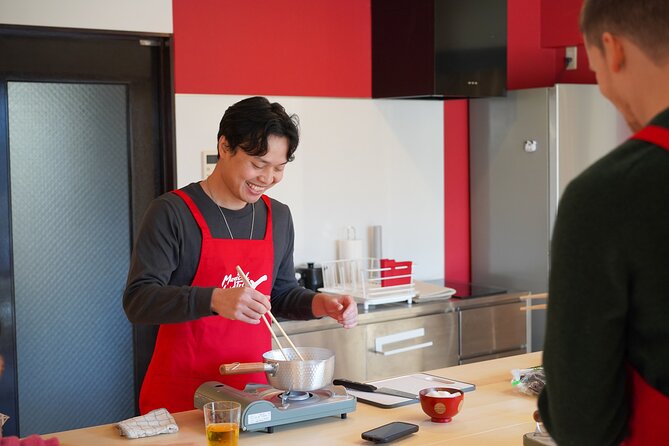
Dashimaki tamago is a Japanese rolled omelet. This is one of the more technical dishes in the class, since the egg is cooked in layers and rolled into shape. It rewards patience and gives you a technique you can repeat at home once you have the recipe and a little practice.
Nasu dengaku uses grilled eggplant with a savory miso topping. It is a useful introduction to the way Japanese cooking can make a vegetable the center of a dish. The result brings a different texture and flavor to the meal, balancing the sushi, soup, and egg.
The instructor leads you through cutting techniques and cooking methods step by step. You should expect to do real preparation, not simply garnish a dish or stir a pot once. That makes the four-hour length feel justified, especially if you want skills you can use later.
A class shaped by the guide and the group
The guides are a major part of the experience. Names mentioned for this class include April, Yuri, Masai, Alice, Minnie, Mihori, Taka, Suzy, and Nigiri. Your guide will depend on the date, but the format calls for a local instructor who enjoys Japanese cooking and can explain the process in English.
April received particular praise for encouraging participants through each stage of the cooking. Yuri was noted for explaining the dishes in detail and providing recipes for home use. Masai helped make the class a comfortable first taste of Japan for people who had arrived only the night before.
Alice brought cheerful conversation and stories to the cooking table, while Minnie was praised for clear instructions. Mihori handled both the supermarket visit and the cooking lesson, helping explain Japanese vegetables and meat along the way. Suzy was described as patient and personable, with strong English.
These details matter because a cooking class can feel either relaxed or rushed depending on the instructor. Here, the small maximum of seven people should help the guide answer questions and watch your technique. It also means the social mood can change with the group. You may cook with people from several countries, or you may find the session quieter.
The class is not designed as a private lesson unless your booking happens to be private. Other participants may join, so you should be comfortable sharing the studio and meal. For many people, that shared table is part of the appeal. For someone seeking a completely private or highly formal lesson, it is a point to weigh.
Eating the meal, with sake or beer on the side
Once the cooking is finished, you sit down and eat together at the studio. This turns the lesson into a complete four-hour outing rather than a short demonstration followed by a quick tasting.
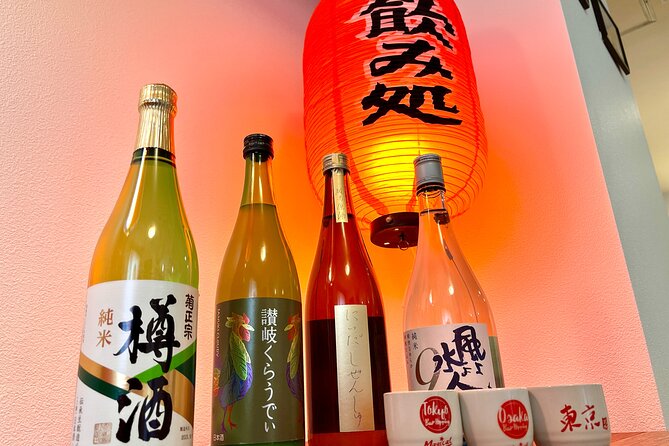
Beer and sake tasting may be included during the cooking and meal. The pairing element adds another layer to the class, since you can see how different drinks work with salty, sweet, fermented, and savory flavors. It is not just about drinking. It gives you a relaxed way to talk with the guide and other people at the table.
The meal should feel satisfying because you have prepared several dishes yourself. You also get a better sense of how the foods fit together: sushi provides the familiar centerpiece, miso soup adds warmth, the rolled omelet brings a soft egg texture, and eggplant gives the meal a vegetable dish with strong miso flavor.
If you cannot eat eggs, the food selection drops from four types to three. That is an important detail for anyone considering the class, since dashimaki tamago is one of the main dishes. Vegan and vegetarian arrangements are welcome if requested at least one day in advance, and the cooking process and ingredients can be adjusted.
Allergies require more caution. The operator cannot guarantee an allergy-free kitchen, and substitutions may not always be possible. Tell the operator about allergies or dietary needs at least one day before the class. Same-day requests cannot be accommodated.
Recipes that make the $79.59 price easier to judge
The listed price is $79.59 per person. For four hours in Tokyo, the value comes from the combination of a guided supermarket visit, instruction, ingredients, a multi-dish meal, and recipes to take home.
I would not compare this only with the cost of buying the same meal in a restaurant. You are paying for the teaching, the shopping advice, the cooking time, and the chance to ask questions. The supermarket stop is especially useful if you plan to cook Japanese food after your trip.
The recipes are a practical benefit. A cooking class can be enjoyable but fleeting if you cannot remember what you did. Here, you have a way to recreate the dishes at home, including the techniques for sushi, miso soup, rolled omelet, and eggplant.
The value is weaker if you only want to eat Japanese food without handling ingredients. You could have a simpler restaurant meal for less time and effort. This class suits you best if you enjoy participating and want to understand how the dishes are made.
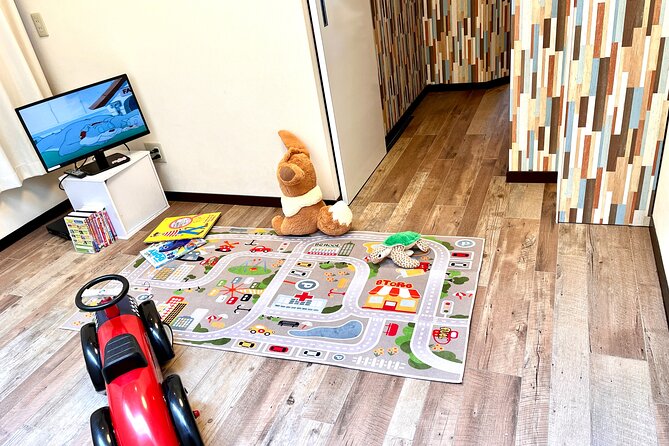
The studio is described as spacious and well set up, which matters when several people are chopping and cooking at once. Still, you should expect a working kitchen, not a polished restaurant dining room. The appeal is the activity and the instruction.
Other shopping tours in Tokyo


Pair it with Kappabashi Dougu Street
The official activity ends back at the cooking studio. Afterward, you may visit Kappabashi Dougu Street on your own.
That is a smart add-on for anyone interested in Japanese cooking. The area is known for kitchen goods, so it gives you a natural next step after learning Japanese recipes. You can browse knives, cooking tools, dishes, and other kitchen items at your own pace.
The visit is not part of the four-hour class, and transportation or time spent there is not included in the stated activity details. Treat it as an optional extension rather than a guaranteed final stop with the guide.
Timing, cancellation, and practical planning
The class begins at 10 a.m. and runs for about four hours. Because the group starts together at the supermarket, arriving late is a serious problem. If you are over five minutes late without contacting the operator, the booking may be canceled with no refund or rescheduling.
Free date and time changes are available up to 24 hours before the start time. You can cancel up to 24 hours in advance for a full refund. Changes or cancellations inside that window are not accepted, and a no-show is not refunded.
The experience requires good weather. If poor weather causes cancellation, you will be offered another date or a full refund. Since the class includes outdoor walking between the meeting point, supermarket, and studio, check the forecast and wear suitable clothing.
The mobile ticket is convenient, but do not rely on your phone alone for finding the FamilyMart meeting point. Save the address and allow extra time for Tokyo’s large stations and confusing exits.
Who will enjoy this Tokyo cooking class most
I would recommend this class to curious eaters, home cooks, couples, families, and older children or teenagers who like active activities. Two teenagers particularly enjoyed the mix of supermarket shopping, cooking, eating, and conversation, which suggests the class can hold the attention of younger participants better than a long food lecture.
It is also a good first-day activity if you want an approachable introduction to Japan. The food is familiar enough to enjoy, while the supermarket and cooking techniques give you a view of everyday life beyond major sights.
You should book it if you want to learn by doing, ask questions, and leave with recipes. It is less suitable if you have severe allergies, dislike eggs, do not want to share a class, or prefer a quiet meal with no kitchen work.
Should you book the From Market to Table class?
For $79.59, this is a strong choice if you value instruction as much as the meal. The supermarket visit is the feature I find most useful, and the combination of sushi, miso soup, rolled omelet, eggplant, recipes, and possible sake or beer tasting gives you plenty to do during four hours.
Book early in your trip if you want ideas for Japanese food shopping and restaurant ordering later. Just arrive early, report dietary needs at least a day ahead, and remember that the class is a shared, hands-on experience. If that sounds like your kind of morning, this class offers a friendly and practical way to meet Japanese cuisine at the market, the stove, and the table.
FAQ
Where does the cooking class meet?
The meeting point is FamilyMart at 2-chōme-1-10 Shitaya, Taito City, Tokyo 110-0004, Japan, near Iriya Station.
What time does the class start?
The class starts at 10 a.m.
How long does the experience last?
The experience lasts approximately four hours.
What dishes will I prepare?
The usual dishes include makisushi, miso soup, dashimaki tamago, and nasu dengaku.
Is the class suitable for vegan and vegetarian participants?
Yes. Vegan and vegetarian participants are welcome, but you must provide your dietary request at least one day before the class.
Can the class accommodate allergies?
You must report allergies at least one day before the tour. The operator cannot guarantee an allergy-free kitchen, and substitutions may not always be possible.
What happens if I cannot eat eggs?
Your food selection will be reduced from four types to three.
What is the cancellation policy?
You can cancel for a full refund up to 24 hours before the start time. Cancellations, no-shows, and changes made less than 24 hours before the start are not eligible for a refund or date change.
More Markets in Tokyo
More Shopping Tours in Tokyo
More Cooking Classes in Tokyo
More tours in Tokyo we've reviewed












Cooking Classes, compared.
 ★ 5.0Ramen & Gyoza Cooking Class in Tokyo with Local Supermarket VisitFrom $122
 ★ 5.0Ramen and Sushi Cooking Class with Sake Pairing Set in TokyoFrom $79
 ★ 4.9Tokyo: Wagyu and 7 Japanese Dishes Cooking ClassFrom $673 hours
 ★ 5.0Professional Ramen & Gyoza with Ramen Chef in a restaurant!From $159
 ★ 5.0Small-Group Wagyu Beef and 7 Japanese Dishes Tokyo Cooking ClassFrom $72
 ★ 5.0Tokyo Sushi Making Experience & Japanese Cooking ClassFrom $59