Reviewed · TOURS
Tokio A: Tour de la ciudad en Español – Spanish
Tokyo A takes you across several very different sides of the city in one long day. You begin at Sensō-ji in Asakusa, move through Ueno and its market streets, then finish among the bright signs and late-night energy of Shinjuku and Kabukicho.
In This Article
- Key points
- From Sensō-ji’s red gate to Tokyo’s neon nights
- Two hours in Asakusa and Sensō-ji
- Ueno Park and an 80-minute lunch break
- Ameyoko, Tokyo’s everyday market side
- Shinjuku and the question of the viewpoint
- Kabukicho and the final 50 minutes
- What the Spanish guide adds
- Pace, transport, and physical effort
- Is $96 a fair price?
- Who should book this Tokyo day tour?
- FAQ
- Is the tour conducted in Spanish?
- How long does the tour last?
- Where does the tour meet?
- Is hotel pickup available?
- Are transport, lunch, and drinks included?
- What happens if the Shinjuku viewpoint is closed?
I like the Spanish-speaking guides, especially for a first day when small cultural details can easily get lost. I also like the route itself: temples, a public park, a market, a viewpoint, and nightlife districts give you a useful picture of Tokyo. The main drawback is the pace. Eight hours, several train rides, and plenty of walking can feel demanding, and food and transport cost extra.
Key points
- A full Tokyo contrast in eight hours: See traditional Asakusa, Ueno market life, modern Shinjuku, and neon-lit Kabukicho in one route.
- Spanish guidance throughout: Guides including Nikita, Camila, and Emi are praised for friendly help, clear explanations, flexibility, and practical tips.
- Public transport is part of the experience: Allow 400 yen for transportation, plus time for subway and train connections.
- Lunch is not included: You get an 80-minute lunch break in Ueno, but you choose and pay for your own food and drinks.
- The tour ends in Kabukicho: The final stop is near Kabukicho Theater, with access to karaoke bars, restaurants, gaming stores, and Golden Gai.
- Private pickup is possible: Hotel pickup can be added, but it is done by public transport rather than private vehicle.
From Sensō-ji’s red gate to Tokyo’s neon nights

The best feature of this tour is its sharp change of mood. Asakusa gives you temple grounds, old-fashioned streets, and one of Tokyo’s most recognizable religious sites. By evening, Kabukicho offers glowing signs, narrow entertainment lanes, karaoke, bars, restaurants, and gaming shops.
That contrast helps you understand Tokyo better than a day spent in only one district. The city is not simply old or modern. It shifts from quiet temple ritual to crowded shopping streets, then to high-rise views and nightlife in the space of a few train stops.
You meet in front of the Asakusa Tourist and Cultural Information Center. Look for the guide wearing identification marked NIPONEANDO. The starting point can change with the selected option, so check your booking details carefully, especially if you choose hotel pickup or a private version.
If you're still narrowing it down, here are other tours in Tokyo we've reviewed.
Two hours in Asakusa and Sensō-ji

Sensō-ji is the natural opening for a first look at Tokyo. The temple is among Japan’s best-known, and the surrounding Asakusa neighborhood gives you a strong sense of the city’s traditional side.
You have about two hours of guided time here. That is enough to do more than take a quick photograph at the entrance. Your guide can explain what you are seeing, help you follow local temple customs, and point out details that are easy to miss when you are walking alone.
The nearby streets also make Asakusa useful as an introduction to Tokyo. The atmosphere changes from the temple grounds to shops and food stands around the approach. You will have time to look around, but remember that this is only the first major stop. Avoid carrying purchases that become awkward later, since large bags and luggage are not allowed on the tour.
A separate entrance is advertised for the activity, which may help the visit move along. Still, do not expect a private temple experience. Sensō-ji is one of Tokyo’s most popular sights, and the public areas can be busy.
This section suits you best if you want cultural context rather than a quick checklist of sights. The Spanish language also matters here. Religious customs and visual details often need more explanation than a short English sign can provide, and a guide can answer questions as you go.
Ueno Park and an 80-minute lunch break
After Asakusa, the group uses the subway for about 10 minutes to reach Ueno. The short ride is practical, but it also shows you how the tour works. You are using Tokyo’s public transport, not traveling in a private bus that keeps you removed from the city.
Ueno Park receives about 90 minutes of guided attention. It is one of Tokyo’s best-known parks and gives the day a change of pace after Asakusa. The supplied details do not specify which park sights are included, so your exact route may depend on the guide, the season, and the group’s pace.
I like this stop because it breaks up the temples and shopping streets. You get open space, a place to pause, and another view of daily Tokyo. It is also a sensible point for lunch.
The lunch break lasts about 80 minutes. Food and drinks are not included, so plan to pay separately. This gives you freedom to choose what appeals to you, but it also means the final cost will be higher than the $96 tour price.
An 80-minute stop is long enough for a proper meal rather than a hurried snack. It is also one of the few parts of the day where you can slow down. Ask your guide for suggestions if you want help choosing, as practical recommendations are one of the stated aims of the experience.
Ameyoko, Tokyo’s everyday market side

After lunch, the tour visits Ameyoko, an atypical market area in Ueno. This is an important change from the formal beauty of Sensō-ji and the calm of the park.
Ameyoko is the kind of place where Tokyo feels less polished and more immediate. The market setting gives you a chance to see shopping, food, and street activity in a more everyday context. It is not presented as a museum or a staged cultural display. You are seeing a working part of the city.
The details do not assign a separate time for Ameyoko, so the guide will fit it into the Ueno portion of the day. That is worth knowing if the market is your main reason for booking. The route covers several districts, which means no single stop receives unlimited time.
You should also keep your belongings close in crowded market areas. Large luggage is not allowed on the tour, and a small day bag is the more sensible choice for a long day on foot and by train.
Shinjuku and the question of the viewpoint

From Ueno, the group takes a train for about 25 minutes to Shinjuku. This is the longest scheduled transfer, and it moves the tour into one of Tokyo’s major modern districts.
You get about 90 minutes of guided time in Shinjuku. The main goal is a city viewpoint, described as one of the best in Tokyo. A high view gives the day a useful pause. After seeing Tokyo at street level in Asakusa, Ueno, and Ameyoko, you can look across the city and grasp its scale.
There is one important condition. If the planned Shinjuku viewpoint is closed for reasons outside the operator’s control, the visit may be changed to the Ebisu viewpoint. That is not necessarily a poor substitute, but it is a change from the advertised plan. If the view is a major priority for you, keep this possibility in mind.
Weather and operating conditions can also affect how much you see from any viewpoint, though no specific weather policy is provided. The value here is not just a photograph. Your guide can connect the districts you have visited with the larger city below, making the day’s route easier to understand.


Kabukicho and the final 50 minutes

A 10-minute walk takes you from Shinjuku to Kabukicho. The tour ends with about 50 minutes of guided time in this entertainment district, finishing at Kabukicho Theater.
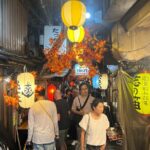
Kabukicho is often described as Tokyo’s red-light district, but the area also includes karaoke bars, restaurants, gaming stores, and bright neon facades. The tour presents it as a nightlife district with many forms of entertainment, not as a single attraction.
You may also visit or see Golden Gai, known for its tiny bars and narrow lanes. The provided details group Kabukicho and Golden Gai together, so confirm with your guide exactly how much time is planned in each area.
This final stop is best for seeing Tokyo’s modern night face. It is less about a formal monument and more about atmosphere, signs, side streets, and the way the district changes after dark. The timing matters. Because the tour ends here, you can continue exploring the area on your own afterward if you want to stay out, but the tour itself lasts eight hours.
Use normal city awareness in an entertainment district. Stay with the guide during the visit, follow local rules, and be cautious about entering any venue unless you understand its prices and conditions. The tour does not include nightlife expenses.
What the Spanish guide adds

The language is not a minor extra here. You spend the day moving through religious, commercial, residential, and entertainment areas, each with its own customs and feel. A Spanish-speaking guide lets you ask questions without stopping to translate every detail.
Several guide names appear in the booking feedback. Nikita is described as kind, attentive, polite, and ready to help. Camila is praised as a warm host who shared useful tips, and another strong account describes her as especially good at combining temples, parks, markets, and other characteristic places in Japan. Emi is noted for communication, excellent explanations, flexibility, and hotel pickup.
You should not assume you will receive a particular guide unless the booking confirms it. But these details give you a sense of what to look for: clear explanations, help with the day’s route, and useful advice for the rest of your Japan trip.
The provider also emphasizes respectful treatment of the environment and a friendly, close style. The practical effect is that this feels designed for conversation rather than a distant lecture. That is especially helpful during public transport connections, when you can ask about Tokyo beyond the formal sightseeing stops.
Pace, transport, and physical effort

This is an active day. The schedule includes temple and park walks, a market visit, a 10-minute walk in Shinjuku, subway travel, a 25-minute train ride, and transfers between districts.
Transportation costs about 400 yen, paid separately. The tour uses public transport for group tours, private tours, and hotel pickup. A hotel pickup does not mean a private car will collect you. The guide will meet you at the hotel and travel with you by public transport.
The experience is listed as wheelchair accessible, but the route includes public transport, walking, markets, and several districts. If you use a wheelchair, confirm the practical details of the exact route and station access before booking.
The activity is not suitable for people with hearing impairments, according to the supplied conditions. Unaccompanied minors are not allowed, and large bags or luggage cannot be brought along. Wear comfortable shoes and bring only what you need for the day.
The private option may be a better fit if you want a slower pace or more control over the route. It can also include hotel pickup if selected. If you add an earlier 9:00 start to the private option, the finish moves one hour earlier, to 17:00.
Is $96 a fair price?

At $96 per person, this is not the cheapest way to see Tokyo. You still pay for transport, lunch, and drinks. You could visit several of these districts independently for less money if you are comfortable planning routes and researching each place.
The value comes from the structure and the Spanish guidance. In eight hours, you cover four major areas without having to work out each connection yourself. You also get help understanding why Sensō-ji, Ueno, Ameyoko, Shinjuku, and Kabukicho feel so different.
For a first Tokyo visit, that can be worthwhile. The guide’s tips may also help you plan the rest of your trip, which adds value beyond the scheduled stops. The high 4.9 rating from 64 ratings supports the idea that the personal guidance is a major strength, particularly for Spanish-speaking visitors.
The price is harder to justify if you already know Tokyo well, speak Japanese, or prefer spending a whole day in one neighborhood. The route is broad rather than slow and detailed. You pay for coverage, language support, and navigation more than for exclusive access.
Who should book this Tokyo day tour?

I would recommend it to a Spanish-speaking visitor who wants a strong first look at Tokyo and prefers having a guide explain the city as the day unfolds. It is especially useful if you want traditional sights, local market streets, a viewpoint, and nightlife districts in one organized day.
It also suits solo visitors, couples, and families with older children who are comfortable using public transport and walking for much of the day. The private option gives you more control if your group has special interests or needs.
I would hesitate if you dislike long scheduled days, want plenty of free time, or hope to focus closely on one museum or neighborhood. I would also think twice if you are carrying luggage, need a quiet pace, or rely heavily on hearing rather than spoken explanations.
Book it if Spanish conversation and practical Tokyo advice are central to your plans. Skip it if your priority is saving money or exploring independently. The route gives you a useful first map of the city, but the tradeoff is a full day with little room for wandering on your own.
FAQ
Is the tour conducted in Spanish?
Yes. The tour has a live Spanish-speaking guide, and the activity is conducted in Spanish.
How long does the tour last?
The tour lasts eight hours. The private option can start at 9:00 and finish at 17:00 if the earlier start is added.
Where does the tour meet?
The standard meeting point is in front of the entrance to the Asakusa Tourist and Cultural Information Center. The guide will wear identification marked NIPONEANDO. The exact starting point depends on the selected option.
Is hotel pickup available?
Yes. Hotel pickup can be added as a supplement or selected with the private tour option. Pickup takes place by public transport.
Are transport, lunch, and drinks included?
No. Transportation costs about 400 yen, and food and drinks are not included. The tour includes an 80-minute lunch break in Ueno.
What happens if the Shinjuku viewpoint is closed?
The viewpoint may be changed to the Ebisu viewpoint if the planned Shinjuku viewpoint is closed for reasons outside the operator’s control.
More tours in Tokyo we've reviewed












Tours, compared.
 ★ 5.0Mt Fuji and Hakone 1-Day Bus Tour Return by Bullet TrainFrom $163
 ★ 5.01-Day Tokyo Bus TourFrom $129
 ★ 5.0Tokyo: Shinjuku Food Tour (13 Dishes at 4 Local Eateries)From $86
 ★ 4.4Tokyo Mt Fuji 5th St & Hakone Cruise Bus Tour w/Bullet TrainFrom $15410 hours
 ★ 5.0Flagship 2-Hours Official Street Go-Kart Tour – Tokyo Bay ShopFrom $642 hours to 2 hours 30 minutes (approx.)
 ★ 4.7Tokyo: Mt. Fuji Tour, Hakone Ropeway, Owakudani, Lake AshiFrom $5410 hours