Reviewed · SUSHI MAKING CLASSES
Tokyo: Sushi Making & Ramen Cooking & Drink Set Class
The best part of this Tokyo cooking class is that you do not simply watch someone prepare Japanese food. You make ramen from scratch, shape nigiri sushi, and learn why these dishes became such important parts of Japan’s food culture. The class takes place near Tsukiji, so you can pair it with a visit to the old fish-market district.
In This Article
- Key points at a glance
- Starting with ramen, sushi, and the story behind both
- A three-hour class with real hands-on practice
- Building ramen broth and preparing chashu
- Shaping nigiri sushi by hand
- Eating what you prepare
- Why the small group matters
- The Tsukishima location and Tsukiji connection
- What the $140 price really covers
- Practical details that can affect your day
- Who will get the most from this class
- Should you book the Tsukishima sushi and ramen class?
- FAQ
- How long does the cooking class last?
- Where does the activity begin?
- Is the instructor English-speaking?
- What foods do you make?
- Is sake included?
- Are vegetarian options available?
- Can I cancel the booking?
I like the small-group setting, which gives you more time to ask questions and practice, and I like the three-sake tasting led by a certified sake sommelier. The main consideration is the $140 price, which is not cheap for a three-hour class. It makes the most sense if you value personal instruction, cultural context, and recipes you can use at home.
Key points at a glance
- Make two Japanese classics: Prepare ramen, chashu pork, and hand-formed nigiri sushi.
- Taste three types of sake: A certified sake sommelier selects and explains the drinks.
- Learn near Tsukiji: The class is five minutes from Tsukishima Station and close to Tsukiji Fish Market.
- Get close instruction: The group is limited to eight, with the class described as especially intimate at about four people.
- Take home useful extras: You receive a recipe booklet and a pair of high-quality chopsticks.
- Plan for a little mess: Comfortable clothes are best, and vegetarians should request suitable options in advance.
Starting with ramen, sushi, and the story behind both

This is a practical class rather than a polished food demonstration where you sit quietly and take pictures. You work with the ingredients, follow the preparation steps, and eat what you make. That matters if you want to leave Tokyo with more than a pleasant meal and a few photographs.
The class focuses on two dishes that can look simple but require plenty of small decisions. Ramen depends on the balance of broth, seasoning, noodles, and toppings. Nigiri sushi depends on rice preparation, portion size, and the gentle hand pressure used to shape each piece.
You also get cultural background along the way. The sushi portion includes an explanation of sushi’s origins, while the ramen lesson shows how broth and chashu pork fit into the finished bowl. The teaching is aimed at beginners, so you do not need previous cooking experience.
English-speaking Japanese instructors lead the class. One particularly useful detail for solo bookers is that a participant described receiving a one-on-one lesson with Sato when attending alone. That does not guarantee a private class, but it suggests that the small-group format can work well even if you arrive by yourself.
A few more Tokyo tours and experiences worth a look
A three-hour class with real hands-on practice

Allow the full three hours. The class is not just a quick sushi rolling activity followed by lunch. You are learning several separate techniques, tasting sake, hearing about food traditions, and receiving practical advice for cooking Japanese dishes outside Japan.
The exact order can vary, but you can expect the class to move through the main elements below.
Building ramen broth and preparing chashu
Ramen is often treated as a fast bowl of noodles, but the flavor comes from the parts around the noodles. Here you learn how to make the soup and prepare chashu, the tender pork belly commonly served on top.
The chashu lesson is one of the class’s strongest features for home cooks. Sushi can be difficult to recreate depending on the fish available where you live, but pork belly and ramen ingredients may be easier to find. The instructor also offers substitution advice for cooking overseas, which helps turn the class from a one-time activity into something you can repeat.
Do not expect to master every ramen style in one session. The useful goal is to understand the basic method, the role of the broth, and how the toppings bring the bowl together. You will gain a working recipe and a better sense of why restaurant ramen tastes more layered than a quick packet meal.
Shaping nigiri sushi by hand
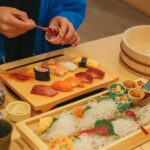
The sushi portion covers nigiri, the small pieces of seasoned rice topped with fish or another ingredient. You are shown how to use the provided ingredients and tools, then practice forming the rice and placing the topping.
Nigiri looks easy until you try to make pieces that hold together without becoming dense. That makes direct guidance valuable. An instructor can correct your grip, portion size, and pressure before you develop habits that are hard to change.
The lesson also gives you a starting point for understanding sushi beyond raw fish. The class explains the origins of sushi and places the dish in a wider Japanese food tradition. That context is useful in Tokyo, where sushi is not merely a tourist symbol but part of daily dining and specialized craft.
Eating what you prepare
The reward is immediate: you sit down and enjoy the ramen and sushi you helped make. This is a relaxed way to finish the lesson, since you can compare the separate components and see how preparation affects the final dish.
The drink set adds another layer. You taste three premium Japanese sakes selected by a certified sake sommelier. The tasting is included in the experience, giving you a chance to compare sake with the food rather than ordering an unfamiliar bottle at random.
The drink element may be less suitable for anyone who does not drink alcohol, but the food instruction remains the main reason to book. If you are interested in Japanese drinks, the tasting adds real value to the price.
A few more Tokyo tours and experiences worth a look


Why the small group matters
The activity is limited to eight participants, while its description also presents the usual atmosphere as an intimate group of about four. Since those figures are not identical, check the current booking details if group size is especially important to you.
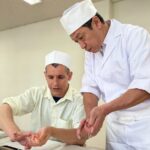
Even with eight people, this is a much more personal setup than a large demonstration. You can ask about ingredients, request help with sushi shaping, and get advice on adapting recipes to your home kitchen. The setting also makes it easier to talk with the instructor and other participants.
The friendly tone comes through in the teaching style. Several participants praised the patient support and easygoing atmosphere, especially for first-time sushi makers. That is important in a class involving knives, hot cooking equipment, and unfamiliar techniques. You want clear guidance without feeling rushed or embarrassed by an uneven first attempt.
Solo visitors can also fit in comfortably. The experience has enough structure to keep you occupied, but enough interaction to make it social. Couples and families may appreciate the shared activity, while food-focused visitors can use the lesson as a practical break from sightseeing.
The Tsukishima location and Tsukiji connection

The meeting point is on the second floor of HAUS Tsukishima, at 2-13-5 Tsukuda in Chuo-ku. It is a five-minute walk from Exit 4 of Tsukishima Station, station Y21.
The location is close enough to make a Tsukiji food day easy to plan. By taxi, it is about six minutes from Tsukiji Fish Market, nine minutes from Ginza, and ten minutes from Tokyo Station. It is also about eleven minutes by taxi from teamLab Planets and thirty minutes from Shinjuku, though traffic can affect those times.
The class ends back at the meeting point, so you do not need to arrange a separate return transfer. Hotel pickup and drop-off are not included. Arrive five minutes before the start, since late arrival could cut into a tightly scheduled lesson.
After class, you can head toward Tsukiji to explore its food stalls, shops, and historic market area. I like this pairing because the cooking lesson gives you context before you look at Japanese ingredients in the city. Just remember that the class itself is in Tsukishima, not directly inside Tsukiji Fish Market.
For taxi drivers, show this address:
東京都中央区佃2-13-5 HAUS Tsukishima 2階
What the $140 price really covers
At $140 per person, this class belongs in the special-activity part of your Tokyo budget. It is more expensive than a casual meal and more involved than a short market tour, but the fee covers three hours of instruction, ingredients, sushi making, ramen preparation, an English-speaking instructor, and the sake tasting.
You also receive a recipe booklet with instructions for ramen, gyoza, and sushi. Gyoza is not listed as one of the main dishes prepared during the class, so think of it as an added recipe rather than a third cooking lesson. The booklet is useful because cooking techniques are easy to forget after a busy Japan trip.
The chopsticks are another small but worthwhile extra. A pair of good chopsticks makes a more useful souvenir than a generic trinket, especially when you have learned dishes to prepare with them.
I would consider the price fair for someone who wants personal attention and plans to cook at home. It is less compelling if you only want a cheap lunch, do not drink sake, or have already taken several Japanese cooking classes. The value comes from combining instruction, food, cultural explanation, drinks, recipes, and a central location.
Practical details that can affect your day

Wear comfortable clothes that you do not mind getting a little dirty. Cooking with broth, pork, rice, and seasonings can be messy, and this is not the place for your most delicate sightseeing outfit.
Vegetarian options are available, but you must notify the provider in advance. The information does not specify every substitution, so contact the class before booking if you have allergies, strict dietary rules, or other food concerns.
The instructor speaks English, and the teaching is designed for beginners. Still, this is a working kitchen class, not a passive cultural talk. You should be ready to handle ingredients, follow directions, and take part throughout the session.
The activity allows free cancellation up to 24 hours before the start for a full refund. You can also reserve now and pay later, which is useful when you are arranging a Tokyo itinerary with several moving parts.
Who will get the most from this class
I would recommend this experience to you if Japanese food is a major part of your trip and you want to understand how it is made. It is particularly suitable for first-time cooks, since the instructors guide you through each stage and do not assume professional skills.
It also works well for:
- Couples looking for a shared activity beyond sightseeing
- Families with older children who enjoy hands-on food preparation
- Solo visitors who want a social class with personal support
- Home cooks who want recipes and substitution advice
- Sake drinkers interested in learning how Japanese rice wine pairs with food
- Visitors planning to explore Tsukiji before or after the lesson
You may want to skip it if your schedule is packed and you cannot spare three hours, or if you are seeking a very advanced culinary course. The class gives you a solid introduction, not professional sushi-chef training.
Should you book the Tsukishima sushi and ramen class?
Book it if you want to make the food yourself, not simply eat it. The combination of ramen broth, chashu pork, nigiri sushi, cultural background, sake tasting, recipes, and a small English-speaking class gives the experience more substance than a basic sushi workshop.
The strongest reasons to choose it are the patient instruction, the chance to cook two iconic dishes in one session, and the useful take-home material. The main caution is cost, plus the need to request vegetarian arrangements ahead of time and confirm the group size if you want an especially private setting.
For a first Tokyo visit, schedule it on a day when you can continue to Tsukiji afterward. You will get a better sense of the food district after learning what goes into the dishes on your plate.
FAQ

How long does the cooking class last?
The class lasts three hours. Starting times depend on availability when you book.
Where does the activity begin?
It begins on the second floor of HAUS Tsukishima, at 2-13-5 Tsukuda, Chuo-ku, Tokyo. The location is a five-minute walk from Exit 4 of Tsukishima Station, station Y21.
Is the instructor English-speaking?
Yes. The class is conducted with an English-speaking instructor.
What foods do you make?
You learn to make ramen, including the soup and chashu pork, as well as nigiri sushi. The recipe booklet also includes recipes for gyoza, ramen, and sushi.
Is sake included?
Yes. The experience includes a tasting of three Japanese sakes selected by a certified sake sommelier.
Are vegetarian options available?
Yes. Vegetarian options are available, but you must notify the provider in advance.
Can I cancel the booking?
You can cancel up to 24 hours before the activity for a full refund. Reserve now and pay later is also available.
More Workshops & Classes in Tokyo
More Sushi Making Classes in Tokyo
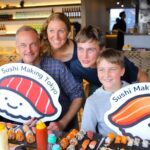
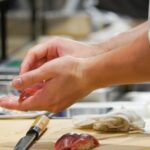
More tours in Tokyo we've reviewed












Sushi Making Classes, compared.
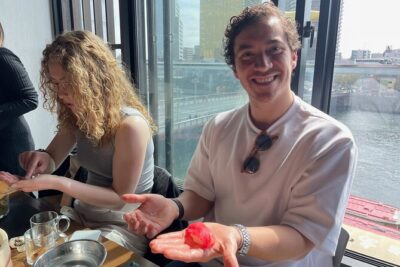 ★ 5.0Sushi Making Tokyo Roll and Authentic Japanese Sushi ClassFrom $59
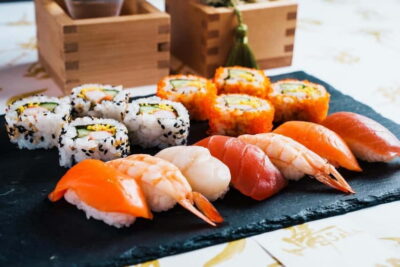 ★ 4.9Tokyo: Roll and Authentic Sushi Making Class in AsakusaFrom $581h 40m
 ★ 4.9Tokyo: Sushi Making Class in a Happi Coat near a Famous SpotFrom $421h 30m
 ★ 5.0Sushi Making Tokyo! Popular Maki Sushi & Japanese Sushi(+Recipe!)From $63
 ★ 5.0Tokyo Sushi Making Class in Tsukiji with Professional ChefFrom $49
 ★ 5.0Tokyo Night Foodie Tour in Shinjuku – Seasonal Sushi, Wagyu BeefFrom $111