Reviewed · MT FUJI DAY TRIPS
From Tokyo: Kyoto, Mount Fuji, and Hiroshima Guided Tour
Japan’s grandest sights are packed into one unusual eight-hour guided experience: Tokyo, Kyoto, Mount Fuji, and Hiroshima. I like the small group limit of five, and I like that admission, an English-speaking guide, and headsets are included. The route offers a quick look at both old Japan and modern city life.
In This Article
- Key points at a glance
- Four famous places, one very tight schedule
- Tokyo: modern Japan at Shibuya Crossing
- Kyoto gardens and the red gates of Fushimi Inari
- Mount Fuji and the promised sunrise
- Hiroshima’s Peace Memorial Park
- What the small group and headsets add
- Walking, weather, and who should skip it
- The reliability problem you should not ignore
- Is $667 a fair price?
- Who should book, and who should pass?
- FAQ
- How long is the tour?
- How many people can join?
- Is transportation included?
- Are food and drinks included?
- Is an English-speaking guide provided?
- Is the tour suitable for wheelchair users?
- Can I cancel for a full refund?
The main concern is serious: the tour description does not explain how these far-apart places are connected in eight hours, and two of the three recorded comments say the guide never arrived. I would treat the booking as unverified until the operator confirms the schedule, meeting point, and whether this is a virtual presentation rather than a physical day trip.
Key points at a glance
- Four major destinations in eight hours: Tokyo, Kyoto, Mount Fuji, and Hiroshima are all included in the stated plan.
- Small group of up to five: The limited size should allow more direct contact with the guide if the tour operates as planned.
- Tokyo bookends the journey: Expect city scenes, Shibuya Crossing, and neon-lit streets alongside Japan’s older cultural sites.
- Kyoto focuses on classic sights: The program includes serene gardens and Fushimi Inari Shrine.
- Mount Fuji is presented as a sunrise highlight: The description promises views from Japan’s highest summit, but the timing and physical plan are not explained.
- Reliability needs checking: Two of three recorded comments report that the operator did not show up.
Four famous places, one very tight schedule
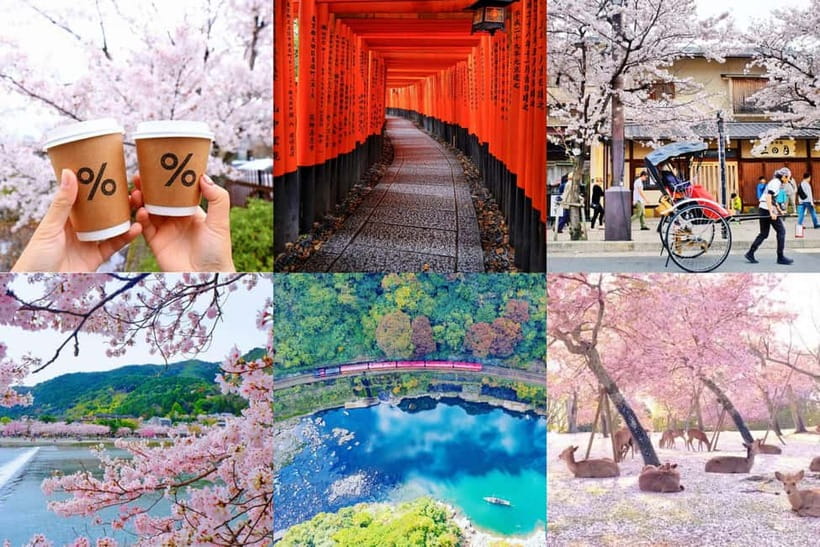
The appeal is easy to understand. In a single booking, you get a broad introduction to Japan’s cultural and visual icons. Tokyo supplies the modern energy, Kyoto the temples and gardens, Mount Fuji the natural drama, and Hiroshima the wartime remembrance that gives the trip emotional weight.
The problem is geography. Kyoto, Mount Fuji, and Hiroshima are not neighboring stops, and the listed duration is only eight hours. No transportation is included in the details provided, and hotel pickup and drop-off are specifically excluded. The wording also calls this a virtual tour in one place, while other sections describe admission to sites and a physical walking experience.
That mismatch matters. Before paying, ask the operator to confirm whether you are joining a live online presentation, a real guided outing, or a proposed itinerary that expects you to arrange separate transportation. You should also request exact start and end times. The availability calendar may show a start time, but it does not solve the larger question of how the route works.
A few more Tokyo tours and experiences worth a look
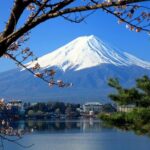

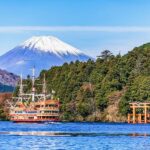
Tokyo: modern Japan at Shibuya Crossing
Tokyo is the natural opening for this kind of introduction. The tour presents the city as a meeting point of tradition and innovation, with old customs set against skyscrapers, bright signs, and dense city streets.
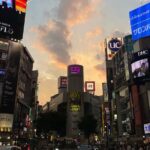
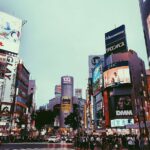
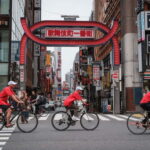
The named Tokyo highlight is Shibuya Crossing, one of the city’s best-known public spaces. The crossing gives you a fast visual lesson in Tokyo’s scale and rhythm. At night, the neon lights are meant to provide the final city scene before the experience returns to Tokyo.
I like the contrast built into the program. You are not being shown only shrines or only shopping streets. Instead, the plan tries to place traditional Japan beside its modern capital. That is useful for a first-time visitor who wants a broad orientation before choosing which places deserve a longer visit.
Still, the Tokyo portion may be brief. The description does not list a neighborhood route, observation deck, market, or specific historic site beyond Shibuya Crossing. If you want detailed Tokyo sightseeing, this will likely feel more like a survey than a full city tour.
Kyoto gardens and the red gates of Fushimi Inari
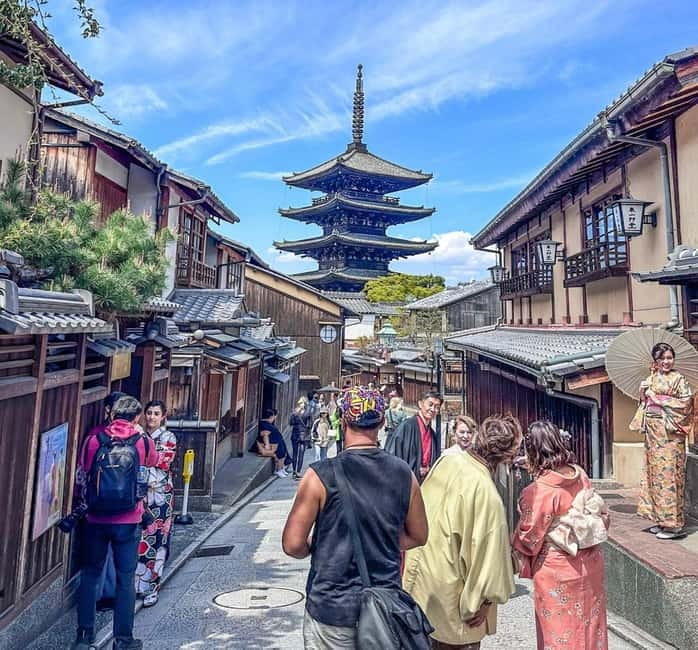
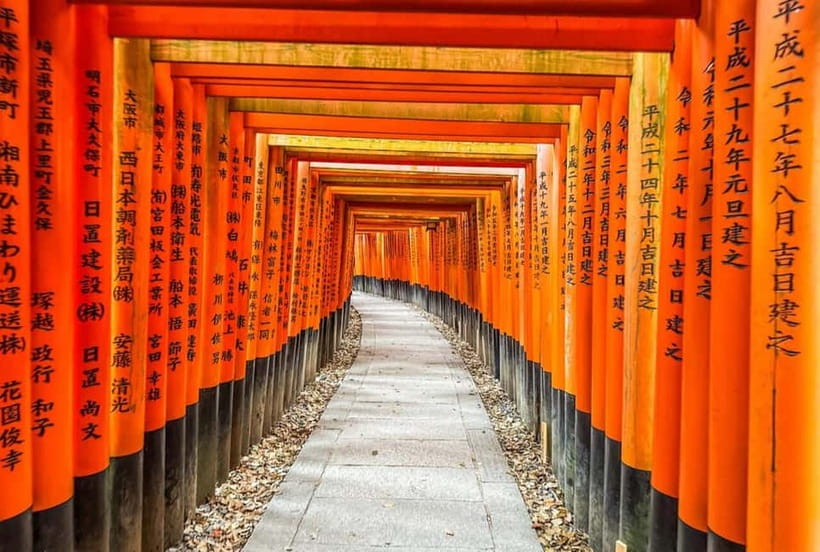
Kyoto is represented by serene gardens and Fushimi Inari Shrine. Those choices make sense. Gardens offer a quieter view of Japanese aesthetics, while Fushimi Inari is known for its long rows of bright torii gates and its strong spiritual character.
The program describes Kyoto as Japan’s cultural heart, with temples, tea ceremonies, and geisha traditions forming the background. Only the gardens and Fushimi Inari Shrine are specifically named as stops, so you should not assume that a tea ceremony or geisha performance is included.
Fushimi Inari can involve a fair amount of walking, particularly if you go beyond the lower shrine area. The activity information warns of moderate walking and uneven surfaces. Comfortable shoes are not just a polite suggestion here. They are essential if the physical visit takes place.
The Kyoto segment is likely to appeal most to you if you want a quick cultural introduction rather than a slow temple day. Gardens reward patience, and a hurried visit may give you attractive views without much time to understand the religious setting. A professional guide and headsets could help, especially in a small group, but the guide may be multilingual, so confirm that English commentary is guaranteed for your departure.
Mount Fuji and the promised sunrise
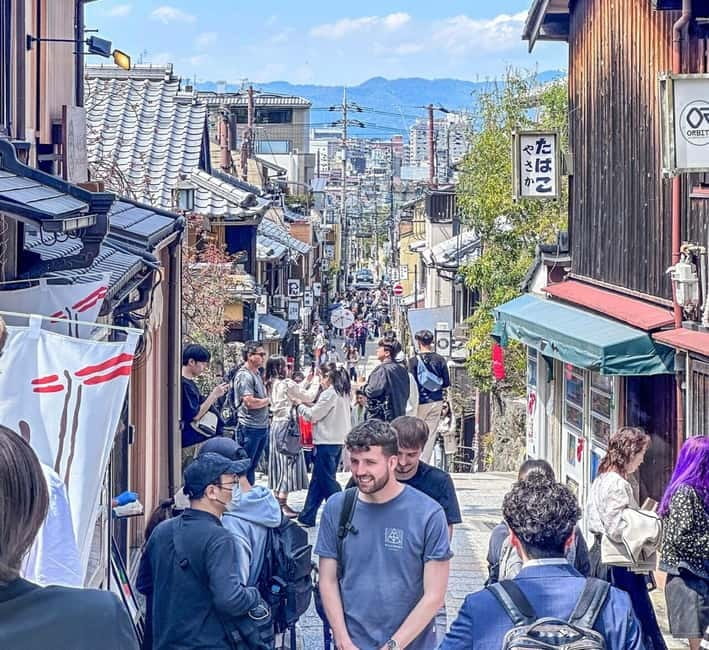
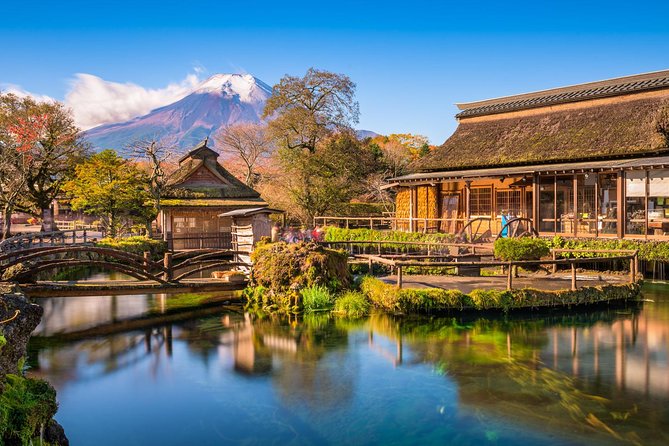
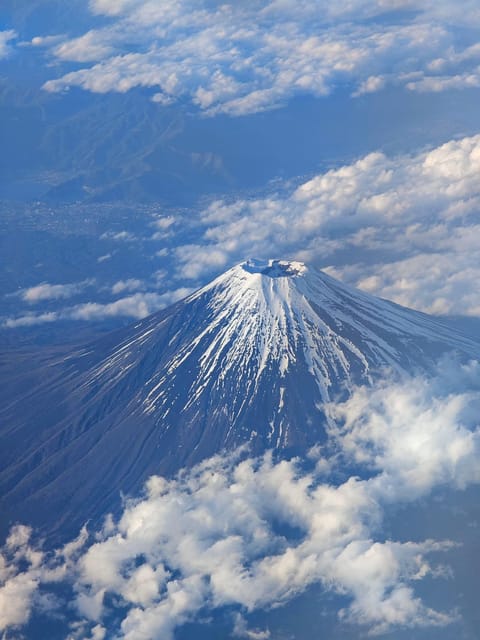
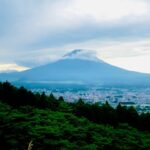
Mount Fuji is presented as the visual centerpiece. The description refers to a sunrise from Japan’s highest summit, with views over lakes and forests below. That is a powerful idea, but it raises practical questions that the tour details do not answer.
There is no information about a climbing route, required permits, transport, weather backup, or the location from which you see the mountain. There is also no explanation of how a sunrise visit fits with Kyoto and Hiroshima in the same eight-hour period. You should not assume that the tour includes a climb to the summit simply because the wording mentions a sunrise from Japan’s highest summit.
Weather is another factor. The experience operates in all weather conditions, so rain, cloud, wind, or poor visibility may affect the view. You are told to bring weather-appropriate clothing and water, which suggests that outdoor time is expected. A camera is also sensible, since Mount Fuji is being sold as a major photo opportunity.
I would ask one direct question before booking: Where exactly will I be for the Mount Fuji sunrise, and how will I get there? If the answer is vague, the itinerary is not ready for your money.
Hiroshima’s Peace Memorial Park
Hiroshima gives the program its most serious stop. Peace Memorial Park is devoted to remembrance after the atomic bombing of 1945, and the Atomic Bomb Dome is named as a key sight. This is not a casual photo stop. Even a short visit deserves quiet attention.
The park can help you understand the human cost behind the city’s modern identity. The description frames the Atomic Bomb Dome as a reminder of tragedy, resilience, and hope. A good guide can add essential context and help you approach the area respectfully.
At the same time, the itinerary gives no information about the Peace Memorial Museum. Do not assume museum admission is included simply because admission to all sites is listed. The tour may only cover the outdoor park and dome.
Hiroshima is also the clearest sign that this is not an ordinary day trip from Tokyo. The destination is far from the capital, Kyoto, and Mount Fuji. If the operator describes the experience as virtual, the stops may be presented through live video or digital material. If it is meant to be physical, transportation details are essential and currently missing.
Other guided tours in Tokyo



What the small group and headsets add
A group limit of five is one of the better features here. Small groups make it easier to ask questions, keep the guide’s attention, and avoid the impersonal feel of a large coach outing. If you are traveling with a few friends or family members, the price of $667 per group could be reasonable, but only if the experience is real and the scope is clear.
For five people, the cost works out to about $133 per person before food, drinks, and transport. For two people, it becomes more than $333 each. Since hotel pickup, hotel drop-off, meals, and drinks are excluded, your final cost could be much higher.
Headsets are included so you can hear the guide clearly. That is useful in busy public places, though it may be less important if this is a virtual tour. Admission to all sites is also included according to the details, but the unnamed sites and the physical or virtual format need confirmation.
The guide is described as professional and English-speaking, with the possibility of a multilingual guide. No guide’s name is provided. That is not automatically a problem, but it means you cannot assess a particular person’s background or language ability before booking.
Walking, weather, and who should skip it
You should expect a moderate amount of walking, uneven ground, and outdoor exposure. The activity is not recommended for people with walking disabilities, mobility impairments, or wheelchair users. It is also not suitable for children under 10.
Wear comfortable shoes, bring water, and dress for the forecast. The tour runs in all weather, so a clear morning and a dependable Fuji view are not guaranteed. Smoking is not allowed.
The format suits an able-bodied adult who wants a fast overview and is comfortable with a packed schedule. It is less suitable if you want slow temple visits, museum time, a real Mount Fuji climb, or a carefully paced day with meals and rest breaks.
The reliability problem you should not ignore
The most important practical fact is not a sightseeing detail. It is the operating record. The experience has a rating of 1 out of 5 from three recorded comments, with two separate reports saying the guide did not show up. The third comment also says the experience never happened.
That is a major warning, not a minor complaint about a late start or a crowded stop. A spectacular itinerary has no value if nobody arrives to operate it.
The stated free cancellation window is 24 hours in advance for a full refund, and the reserve-now, pay-later option lets you delay payment. Those terms reduce financial risk, but they do not prevent a wasted day or ruined plans. Contact the operator before booking and ask for written confirmation of:
- The exact meeting or online access details
- Whether the tour is physical or virtual
- The transport plan between Tokyo, Kyoto, Mount Fuji, and Hiroshima
- The guide’s language
- The precise start time and end time
- What admission means in each location
- The process for contacting the operator if the guide is late
If you receive no clear reply, I would not build an important vacation day around this booking.
Is $667 a fair price?
The price can look attractive for a private or small-group experience, especially if five people share it. A group of five pays about $133 each, and the package lists a guide, headsets, and admission. Those inclusions could make the cost fair for a focused local experience.
But price only has meaning when the service is defined. Here, transportation is not included, and the route covers destinations spread across Japan. If you must arrange trains, transfers, or other transport yourself, the real cost rises quickly. Food and drinks are also extra.
The eight-hour limit creates another value problem. Even if the tour runs, you may get only a brief introduction at each stop. You are paying for range, not depth. That may suit you if your goal is to sample the country’s headline sights. It is poor value if you want time to explore Kyoto, reflect in Hiroshima, or enjoy Mount Fuji without rushing.
Who should book, and who should pass?
I would consider this only if the operator gives a clear written explanation of the format and confirms the booking personally. The small group, English-speaking guide, included admission, and flexible cancellation are useful features. The wide range of sights could also help you decide where to spend more time on a later Japan trip.
I would pass if you need dependable transport, a physically realistic itinerary, or a confirmed live guide. The reports that the operator did not appear are the deciding concern. No amount of scenic promise makes up for that.
For a first visit to Japan, a slower plan would usually give you more value: Tokyo on its own, Kyoto with time for its temples and gardens, Mount Fuji as a separate excursion, and Hiroshima with enough time for Peace Memorial Park. This experience may work as a virtual overview, but the wording needs to say so clearly before you book.
FAQ
How long is the tour?
The activity is valid for eight hours. You need to check availability for the available starting times.
How many people can join?
The tour is limited to five participants in a small group.
Is transportation included?
No. Hotel pickup and drop-off are not included, and the provided details do not state that transportation between the destinations is included.
Are food and drinks included?
No. Food and drinks are not included unless specifically stated.
Is an English-speaking guide provided?
A professional English-speaking guide is listed, but the guide may be multilingual. Confirm the language for your chosen departure.
Is the tour suitable for wheelchair users?
No. The activity is not recommended for wheelchair users or people with mobility impairments because of walking and uneven surfaces.
Can I cancel for a full refund?
Yes. You can cancel up to 24 hours in advance for a full refund. The reserve-now, pay-later option lets you book without paying immediately.
More Guided Tours in Tokyo
More Mt Fuji Day Trips in Tokyo

More tours in Tokyo we've reviewed

Mt Fuji Day Trips, compared.
 ★ 5.0Mt Fuji and Hakone 1-Day Bus Tour Return by Bullet TrainFrom $163
 ★ 4.0Mt Fuji & Hakone Cruise, Drum Show Bullet Train 1 Day from TokyoFrom $149
 ★ 4.4Tokyo Mt Fuji 5th St & Hakone Cruise Bus Tour w/Bullet TrainFrom $15410 hours
 ★ 4.5From Tokyo: Mount Fuji Full-Day Sightseeing TripFrom $6810 hours
 ★ 4.7Tokyo: Mt. Fuji Tour, Hakone Ropeway, Owakudani, Lake AshiFrom $5410 hours
 ★ 4.4Tokyo:Mt.Fuji,Kawaguchiko Oishi Park,Arakurayama Sengen ParkFrom $5410 hours