Reviewed · SAMURAI & NINJA EXPERIENCES
Tokyo: Xinobi Samurai Legacy Journey, 60-minute Seminar
The most memorable part of this Tokyo experience is not a staged sword fight. It is the shift in mood when you put on a samurai battle jacket, enter a family dojo with 450 years of tradition, and learn that warrior training begins with posture, breathing, and control. You will practice Hasso, Johdan, and Gedan stances, handle a wooden sword, and try throwing a shuriken.
In This Article
- Key points to know before you book
- Entering the Asakusa dojo
- Dressing for the part
- Learning the samurai mindset first
- Practicing Hasso, Johdan, and Gedan
- Trying shuriken with clear rules
- History, shinobi travel, and warrior philosophy
- Photos, videos, and the relaxed pace
- Who gets good value from $117.99
- Age, participation, and group fit
- Booking, timing, and cancellation
- Should you book the Xinobi Samurai Legacy Journey?
- FAQ
- How long does the samurai seminar last?
- Where does the activity take place?
- What is included in the price?
- Can I wear samurai clothing?
- Which sword stances will I learn?
- Will I get to throw a shuriken?
- Is the class physically demanding?
- Can children participate?
- Can someone come just to watch?
- What is the cancellation policy?
I like the way the session mixes physical practice with meditation and cultural explanation. I also like that the staff dress you, take photos and videos, and keep the class small, with no more than 12 people. The main consideration is the price: at $117.99 per person for about one hour, this is best for people who value expert instruction and atmosphere, not those seeking a long martial arts lesson.
Key points to know before you book
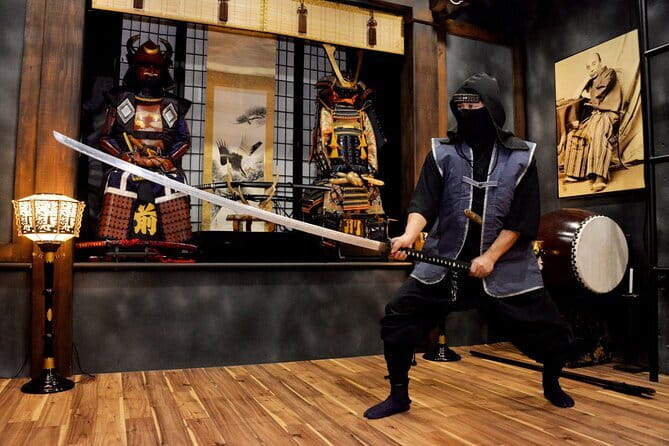
- A 450-year family dojo: The setting gives the hour a sense of place that a generic activity room cannot match.
- Low-movement training: You learn stances, breathing, focus, and weapon handling rather than taking part in a strenuous workout.
- Three classic sword positions: Hasso, Johdan, and Gedan form the basic body language of the session.
- Hands-on weapons practice: A bokken and shuriken are provided, with permission required before touching any weapon.
- Traditional clothing included: A dogi is supplied, and samurai garb can be requested when booking.
- Small-group format: The class has a maximum of 12 participants, and group start times can be arranged for five or more people.
Entering the Asakusa dojo
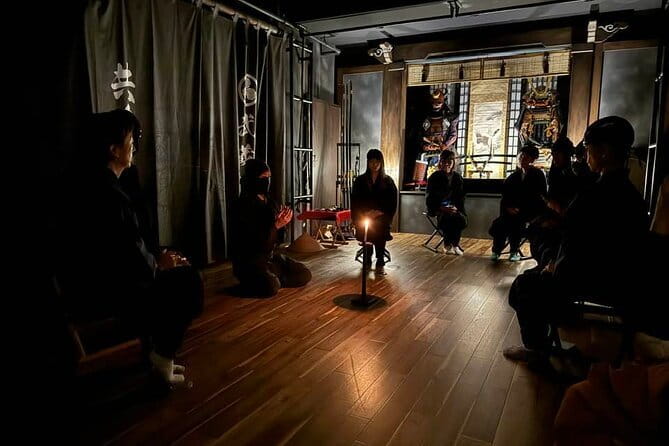
The Musashi Ninja Clan Honjin Dojo is in Tokyo’s Taito City, at Matsugaya 3-chome, in the Mets八番館 building on the third floor. This is a city location rather than a remote training compound, so you can fit the class into a day exploring Asakusa and nearby parts of eastern Tokyo.
Plan to arrive five minutes early. That is not much extra time, but it gives you a moment to find the dojo, settle down, and switch from sightseeing mode to training mode. The activity begins and ends at the same meeting point, with no hotel pick-up or drop-off.
The class takes place in a family dojo connected with 450 years of tradition. That detail matters because the room is part of the lesson. You are not simply holding a plastic prop in a photo studio. You are entering a space intended for concentration, respect, and controlled movement.
The atmosphere is described as peaceful and serious rather than loud or theatrical. That will appeal to you if you want a cultural activity with a quiet tone. If you are hoping for a fast-moving ninja show, staged combat, or a full afternoon of drills, this one-hour format may feel restrained.
A few more Tokyo tours and experiences worth a look

Dressing for the part
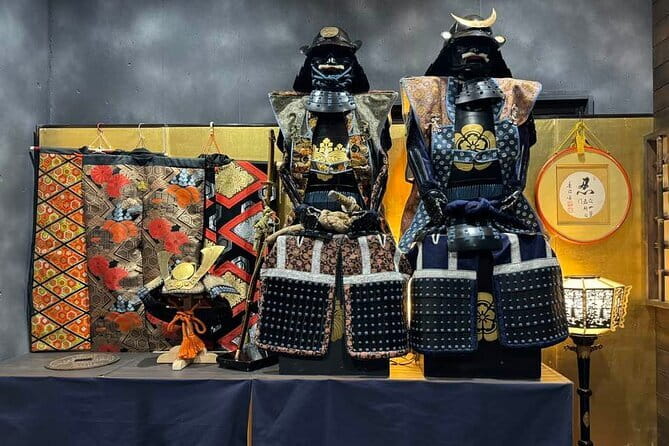
The session includes rental of a dogi, the standard training outfit. If you prefer samurai clothing, you can request samurai garb when booking. The supplied information also describes a Jimbaori battle jacket, which adds a strong visual element and makes the photo session feel more connected to the subject.
Getting dressed is more than a costume change. It gives the class a clear beginning and helps you take the etiquette seriously. You will be asked to handle weapons with care, follow instructions, and avoid touching anything without permission.
A useful practical point: the activity is designed for participation, not just observation. A spectator fee of 2,750 JPY per person applies to anyone who comes only to watch and is paid at the dojo. If a family member or friend wants to take part, booking them as a participant is the simpler choice.
Learning the samurai mindset first
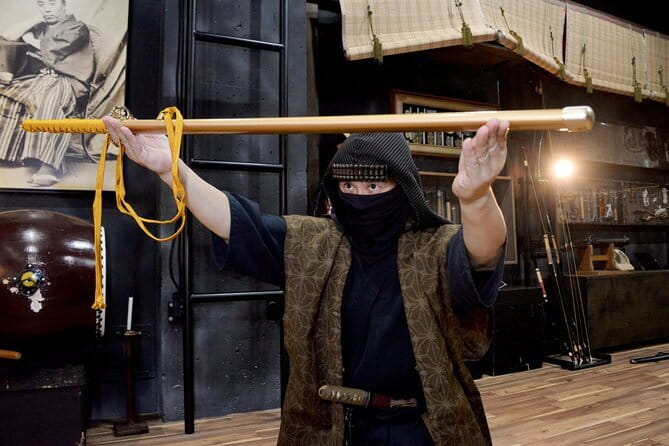
The lesson is built around the idea that samurai skill begins in the mind. You will be introduced to meditation, breathing methods, chanting techniques, and exercises intended to improve concentration.
This portion may be the most surprising part of the hour. Popular images of samurai focus on blades and battles, but the class gives equal weight to stillness and mental control. You may find that the breathing work helps you remember the stances more easily, since it slows your movements and makes you pay attention to balance.
The pace is suitable for people who prefer a low-movement activity. Most participants can take part, and you do not need to arrive as a martial artist. At the same time, inattentive people may be asked to leave the dojo. That rule is reasonable in a room where wooden swords and throwing weapons are being used.
You should arrive sober and alert. No one under the influence of alcohol or drugs is admitted, and the class expects you to listen closely to the instructor’s directions.
Practicing Hasso, Johdan, and Gedan
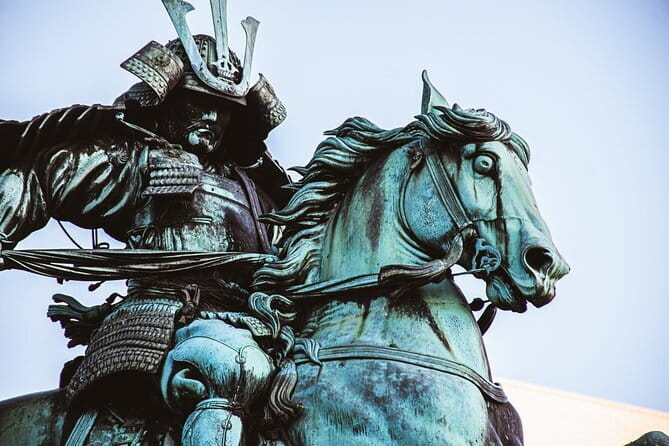
The sword section introduces three traditional stances: Hasso, Johdan, and Gedan. The class explains where to hold the bokken and how the body should align in each position.
You will use a wooden sword, called a bokken, rather than a sharp katana. That makes the activity appropriate for beginners while still allowing you to work with the weight, grip, and formal posture of a sword. The instructor also uses partner practice, so you can work through basic sparring movements in a controlled setting.
This is not a free-for-all sword battle. The purpose is to learn the shape and discipline of the movements. You will need to watch your partner, keep your attention on the instructor, and avoid casual swinging.
The session also includes an explanation of the katana as an art object. That is a valuable distinction. A katana is not presented only as a weapon or costume accessory. You learn to view it through Japanese craft and warrior culture, which gives the sword a more careful place in the story.
Because the entire workshop lasts about an hour, expect an introduction to these ideas rather than mastery. You will leave with a feel for the terminology and basic positions, not a qualification in swordsmanship.
Trying shuriken with clear rules
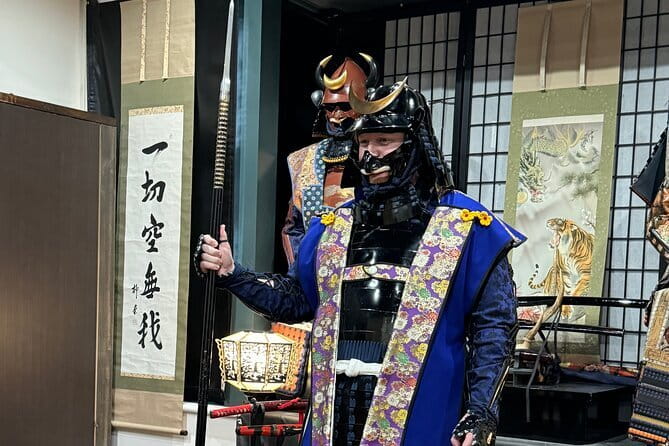
The workshop includes shuriken practice. A shuriken is a traditional throwing weapon associated with shinobi, often called ninja. You will have a chance to try throwing one under instruction.
This part adds variety to the hour. After working on stillness and sword positions, you get a different lesson in aim, control, and release. The shuriken rental is included, as is the bokken rental, so there is no separate equipment charge for the basic session.
Safety rules are important here. Do not touch the weapons until you have permission. The dojo is also clear that people who are not paying attention may be removed from the training area. That may sound strict, but it protects both the participants and the character of the class.
The supplied details do not promise a specific number of throws or a target competition. Think of this as a guided introduction, not a tournament. The value is in trying the technique and understanding how it fits into shinobi culture.






History, shinobi travel, and warrior philosophy
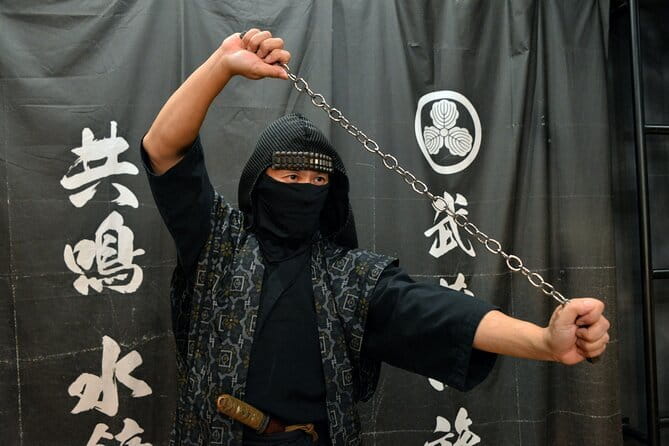
The instructor explains the role of samurai in Japanese history and culture, along with information about shinobi travel essentials. The class also connects these themes with the Shibata family and traditional warrior philosophies.
This cultural context helps keep the session from becoming only a dress-up photo opportunity. You learn why posture, silence, breathing, and rules matter within the tradition being presented. The licensed interpreters and trainers are there to explain the material as well as demonstrate the movements.
Since the lesson is conducted in English-friendly conditions through licensed interpreters and trainers, it is designed for an international audience. The available details do not name individual instructors, so you should not expect to select a particular teacher when booking.
The history section will be most useful to you if you like to understand the meaning behind an activity. If you already have a deep academic interest in samurai history, one hour will naturally feel brief. The session offers a focused introduction rather than a lecture series.
Photos, videos, and the relaxed pace
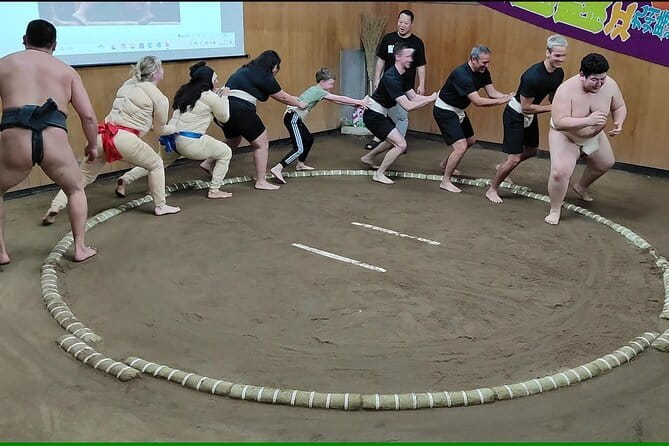
The class includes an opportunity to take photos in traditional clothing. Staff can also help take pictures and videos during the activity. That is a practical benefit if you are traveling alone or if everyone in your group wants to appear in the record of the experience.
The photo element is handled alongside the training rather than replacing it. You first learn the clothing, posture, and basic movements, then have a better sense of how to pose naturally. The result should feel more meaningful than simply renting a costume for a quick snapshot.
Still, the experience is not entirely private. The group can include up to 12 people, and the advertised class structure is shared. A smaller group may allow more direct attention, but the supplied information does not promise a private class unless arrangements are made separately.
For groups of five or more, the provider can coordinate a start time. Larger groups may also be placed in a bigger venue or receive instruction at another location by arrangement. Those options make the activity practical for families, school groups, and organized parties, but you need to coordinate them in advance.
Who gets good value from $117.99
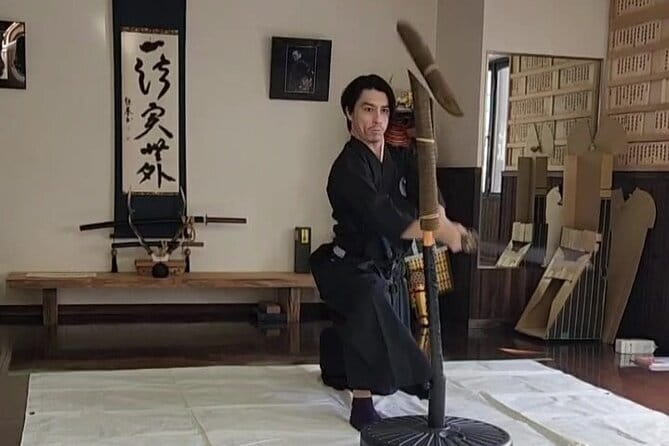
At $117.99 per person, this is a premium one-hour activity. The price includes the instructor, dogi rental, wooden sword rental, and shuriken rental. It also covers a structured class in a traditional dojo, guided interpretation, cultural background, and the chance to wear samurai clothing for photographs.
I see the value in the setting and the personal attention of a small class. You are paying for more than equipment. You are paying for a carefully managed introduction to sword etiquette, meditation, warrior customs, and shinobi practice in a family dojo.
The cost is harder to justify if you mainly want a cheap costume photo or a long physical activity. Tokyo offers many quick cultural stops, and this seminar lasts only about an hour. You should book it because you want the combination of setting, instruction, and tradition.
The included rentals help. You do not need to buy or bring a dogi, bokken, or shuriken. Food, drinks, and transport are not included, but the short duration makes it easy to pair the class with lunch or another Asakusa visit.
Age, participation, and group fit
Children under 12 must be accompanied by a participating adult. The adult must join the activity, not simply wait outside, so plan your bookings accordingly.
Most people can participate, and service animals are allowed. The class is a good match for couples, families with older children, solo visitors who want guided cultural time, and small groups looking for something more focused than a standard sightseeing stop.
The low-movement format also makes it suitable if you do not want a demanding workout. You will still need to stand, hold a wooden sword, follow instructions, and take part in basic partner work. The available information does not give detailed mobility guidance, so anyone with specific physical concerns should confirm suitability before booking.
You can expect a respectful atmosphere. No alcohol or drugs are allowed, and weapon handling is controlled. That may reduce the playful freedom some people want, but it is exactly what makes the activity feel like training rather than a loose theme-park game.
Booking, timing, and cancellation
Confirmation is sent within 48 hours of booking, subject to availability. Since the experience is often booked about 13 days ahead, do not leave it until the last minute if your Tokyo schedule is tight.
Several class times are available. Groups of five or more can request a coordinated start time, which is useful if you are arranging the activity for a family or club.
You can cancel for a full refund up to 24 hours before the local start time. Cancellations or changes made within 24 hours are not refunded or accepted. The mobile ticket is convenient, but keep the meeting address available because the dojo is located inside a building rather than at a large tourist landmark.
Should you book the Xinobi Samurai Legacy Journey?
Book this seminar if you want a quiet, guided introduction to samurai and shinobi culture with real instruction, traditional clothing, and controlled hands-on practice. The strongest features are the old family dojo, the meditation and breathing work, the three sword stances, and the staff’s help with photos and videos.
Skip it if you want a full-day martial arts course, hard physical training, or an inexpensive entertainment stop. One hour passes quickly, and the $117.99 fee reflects the setting and instruction more than the amount of time.
For the right visitor, this is a thoughtful Asakusa activity. You leave with more than a picture in a jacket: you gain a basic feel for warrior posture, concentration, weapon etiquette, and the cultural ideas behind the performance.
FAQ
How long does the samurai seminar last?
The seminar lasts approximately one hour.
Where does the activity take place?
It begins at Musashi Ninja Clan Shinobi Samurai Honjin Dojo, Japan, 〒111-0036 Tokyo, Taito City, Matsugaya, 3-chōme−1−13 Mets八番館, third floor. The activity ends at the same meeting point.
What is included in the price?
The price includes an instructor, dogi outfit rental, bokken wooden sword rental, and shuriken rental.
Can I wear samurai clothing?
Yes. A dogi is provided, and you can request samurai garb when booking. The activity also includes a Jimbaori battle jacket experience.
Which sword stances will I learn?
The class covers Hasso, Johdan, and Gedan stances.
Will I get to throw a shuriken?
Yes. Shuriken practice is included, with the rental provided as part of the activity.
Is the class physically demanding?
The experience is designed as a relaxed, low-movement activity. You will still take part in stance practice, partner work, breathing exercises, and weapon handling.
Can children participate?
Children younger than 12 must be accompanied by a participating adult, and that adult must also take part in the activity.
Can someone come just to watch?
Yes, but spectators must pay a fee of 2,750 JPY per person upon arrival.
What is the cancellation policy?
You can cancel up to 24 hours before the local start time for a full refund. Cancellations and changes made less than 24 hours before the start are not refunded.
More Samurai & Ninja Experiences in Tokyo


More tours in Tokyo we've reviewed











Samurai & Ninja Experiences, compared.
 ★ 4.5Tokyo: Samurai Restaurant Show Ticket with 2 DrinksFrom $551h 30m
 ★ 4.6Tokyo: Samurai Ninja Museum Guided tour and ExperienceFrom $27
 ★ 5.0Skip the lines Basic Ticket at SAMURAI NINJA MUSEUM TOKYOFrom $28
 ★ 5.0Tokyo: Authentic Samurai Training at a DojoFrom $211
 ★ 5.0Best Samurai Experience in TokyoFrom $65
 ★ 4.6Tokyo: Legend Samurai Entertainment Night in Kanda ShrineFrom $44